Today, our class was challenged to create a device to prevent an egg from breaking! We learned about kinetic and potential energy. We blueprinted, built, and then tested our designs!
Animals and Language: What Do You Think?
Today for Brain Breakfast, we discussed whether we believe animals are able to use language and communication. We watched this video of Billi, a cat who has been a part of the ‘Hungry for Words’ program. This program is researching and testing whether animals like dogs and cats can use human language/words when given the tools and training.
Check out the video below of Billi using her word buttons!
Some discussion questions for at home:
-Do you think that Billi really understands the words she is using? Why or why not?
-What are some ways that animals might communicate with humans or other animals? Do they have their own ‘language’?
-If you could talk to a pet, what do you think they would say? What questions might you ask them?
Extreme Writing: Bonnie the Bossy Goose
Today, in Extreme Writing, our topics were:
- Write about a time you felt bossy, frustrated, or angry. What happened? Does Bonnie remind you of anyone you know?
- Write a story from the perspective of Bonnie, the bossy goose! Or, write from the perspective of one of the animals living at the sanctuary!
- Would you ever have a pet goose? Why or why not? What is your ideal pet?
Spring Science: Peeps Investigation


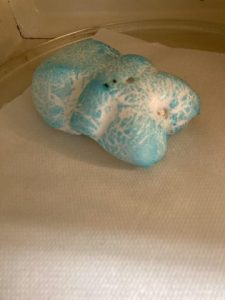
Have you ever eaten a marshmallow Peep? Today, we hypothesized which kind of peep (bunny or chick) would have a more dramatic result when microwaved. We observed the peeps both grew very large after 30 seconds in the microwave, then quickly deflated.
Sourdough Science: Fermentation, Micro-organisms, and Bread!
Did you know that the bread we eat relies on different substances to help it rise? Often, we will use baking soda or baking powder. Sometimes, people will use yeast. But one of the oldest and most interesting ways to help bread rise is by using a levain, or sourdough starter/mother.
Check out this video to see the “secret Science” behind bread!
Change-Makers and Rule-Breakers: Notable Women in History
Today, we said thank you to all of the change-making and rule-breaking women who have helped pave the way for a more equitable future. We ‘stand on their shoulders’ and can build on their accomplishments. We will continue to take steps to create a future without racism, sexism, homophobia, and prejudice.
Who is someone whose ‘shoulders you stand on’? Who inspires you?

International Women’s Day: Mary Two-Axe Earley
Have you ever heard about Mary Two-Axe Earley? She was a Canadian Indigenous woman who fought for her cultural identity and her rights as a woman and changed Canadian history! She is one of many ‘hidden figures’ in history that we should acknowledge and thank during Women’s History Month!
‘Roots, Stems, Leaves, and Flowers’: Investigating How Our Food is Grown
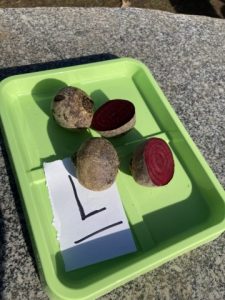
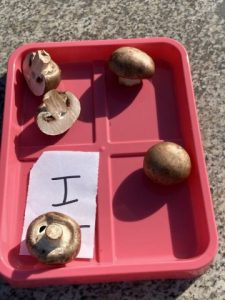
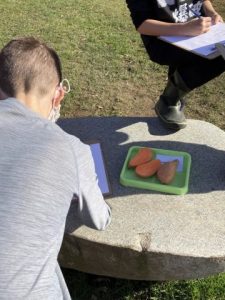
When you are diving into a salad or a bowl of mashed potatoes, do you think about where your vegetables come from? Do you think about how they grow? Today, our class investigated how the vegetables we eat are grown… whether they are roots, tubers, leaves, stems, or flowers.
The vegetables we examined were: artichokes, mushrooms, turnips, broccoli, lettuce, radish, brussels sprouts, yams, green onions, beets, and asparagus.


One of the most popular examples of a ‘tuber’ is a potato! CheckĀ out how they are grown (under the ground) below:
Reassembling Skeletons: A Paleontology Mystery
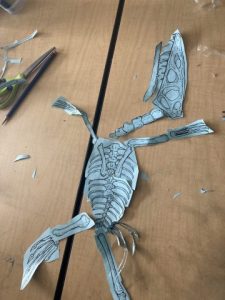
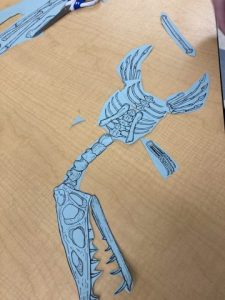
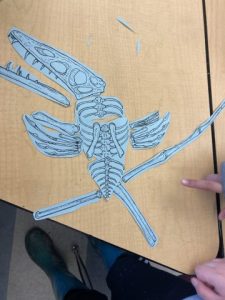
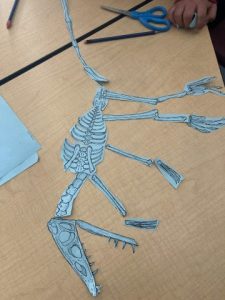
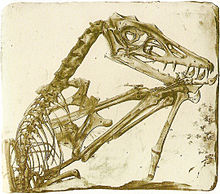
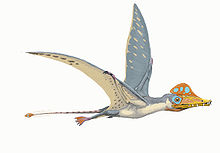
When paleontologists discover fossils, often they have to make educated guesses about what the dinosaur looked like, where it lived, what it ate, whether it was a predator or prey species, etc. Sometimes, the skeletons will be incomplete or mismatched. Today, we tried to assemble a skeleton based on the fossils that paleontologists founds. Check out all of our different results!


This is a picture of what the fossil looked like when it was uncovered.

Based on educated guesses, paleontologists think this dinosaur may have looked like this:

Learning in Real-Life: Dinosaur Dig
Mr. Murray has been exploring the world of paleontology with us! Today, we did a simulated dinosaur dig where we had to locate, retrieve, clean, and analyze our fossils. Then, we worked collaboratively to try to assemble our bones into a dinosaur skeleton. Check out our results below!