In October, you might see some unusual produce in the enclosures of different zoo animals. Often, zookeepers will give the animals pumpkins. You can find lots of videos and pictures of different animals investigating, destroying, and even eating these pumpkins! But why do zoos do this? To find out, click to read the article below:
Our Science Explorations: Human Body
Mr. Murray has been teaching us all about human body Science! So far, we’ve investigated how important our skeletons and skulls are for our survival.
Some discussion questions:
-Why are our bones so important?
-Have you ever had a broken bone? How did it heal? What happened?
Skeletons and Sea-Creatures: Learning about the Blobfish!
Blobfish…Why the ‘World’s Ugliest Animal’ Isn’t as Ugly as You Think It Is
![]()
The blobfish is the world’s ugliest animal. But we don’t think the contest was very fair
Adapted from The Smithsonian, 2013
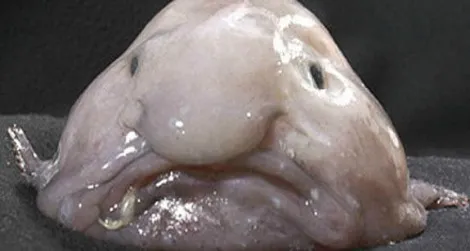
Poor sad blobfish, voted the world’s ugliest animal.
It’s that time again, when the whole world gathers together to pick on the blobfish.
Yesterday, after the votes were counted, the blobfish was named the world’s ugliest animal. The run-off was led by the Ugly Animal Preservation Society. The Society was looking for a mascot, an ugly mascot. As the Society says: “The panda gets too much attention. We want to see the uglier animals too!”
But we think the world was too hard on our friend the blobfish (or, if you want to call him by their proper name—and really, they’d prefer it if you would!—Psychrolutes marcidus).
Honestly, we think that droopy blobfish up there is actually holding up alright considering everything it’s been through. Psychrolutes marcidus are a deep water fish that live off the coast of Australia, somewhere between 2,000 and 4,000 feet beneath the waves. Down there, the pressure is up to 120 times higher than it is at the surface.
You wouldn’t want to be in the deep ocean without a strong submarine. And, likewise, the blobfish really doesn’t like being up here.
Many fish have something called a swim bladder, an organ full of air in their body that helps them move. When you take fish with swim bladders out of their natural habitats that air sac “may expand when they rise, which harms the fish”.
See what we mean about the blobfish having a hard time?
The blobfish doesn’t really have much of a skeleton, and it doesn’t really have any muscle. So, up here, it’s saggy and droopy. In fact, super-deep water fish often have minimal skeletons and jelly-like flesh. They are almost like a water balloon!
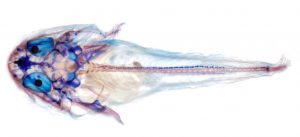
Image above: what’s inside a blobfish? The bones are dyed red, the cartilage is dyed blue. What do you notice?
So why do we think the world is too hard on the blobfish? Because if we put you 4,000 feet below the water your body and organs would be crushed and you’d probably become gooey and gross.
Meanwhile, the blobfish can withstand the deep sea. We think they are quite a lovely fish when they are left alone in their home.

Image: (left) the blobfish in the deep ocean look very different from the blobfish we usually see in photos (right)

Picturebooks Around the World: Nepal (and Mount Everest)
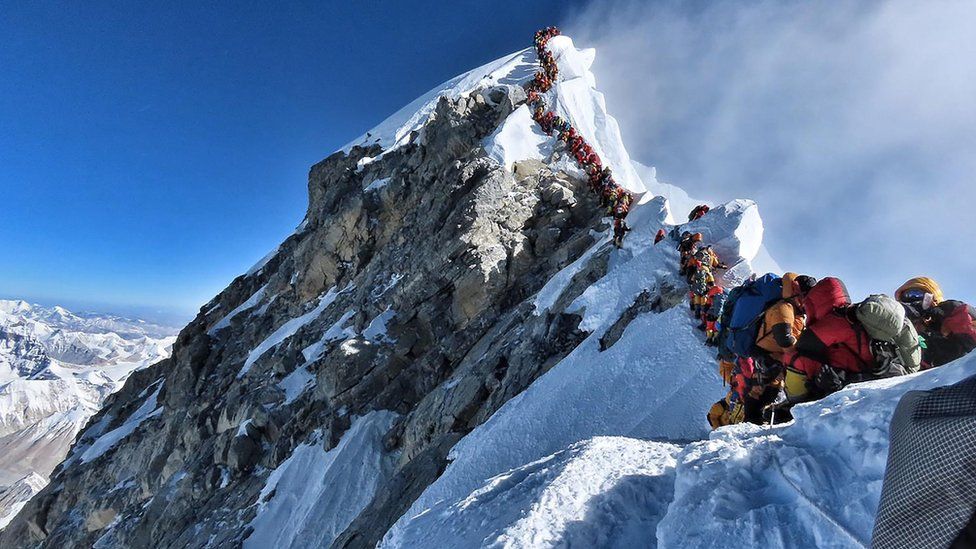
Have you ever thought about climbing Mount Everest? This perilous, treacherous climb draws many tourists every year. We learned that Mount Everest is located between Nepal and China. We learned that this mountain has cultural and religious significance to many people in Nepal.

We also learned that there are some possible environmental impacts caused by all of these people climbing the mountain. Many climbing expeditions leave behind lots of garbage, which is causing this pristine mountain to look more and more like a garbage dump.

Above: many people hike along Mount Everest, accompanied by experienced guides (Sherpas).
Below: many people from both Nepal and China are working hard to try to clean up the garbage on Mount Everest.

Some questions to consider:
-Why do you think it might be challenging to clean the garbage off Mount Everest?
-Would you ever climb Mount Everest?
-Why should we care about the garbage on Mount Everest? How might it impact the environment?
Exploring Asia Through Picturebooks: Food, Family, and Story

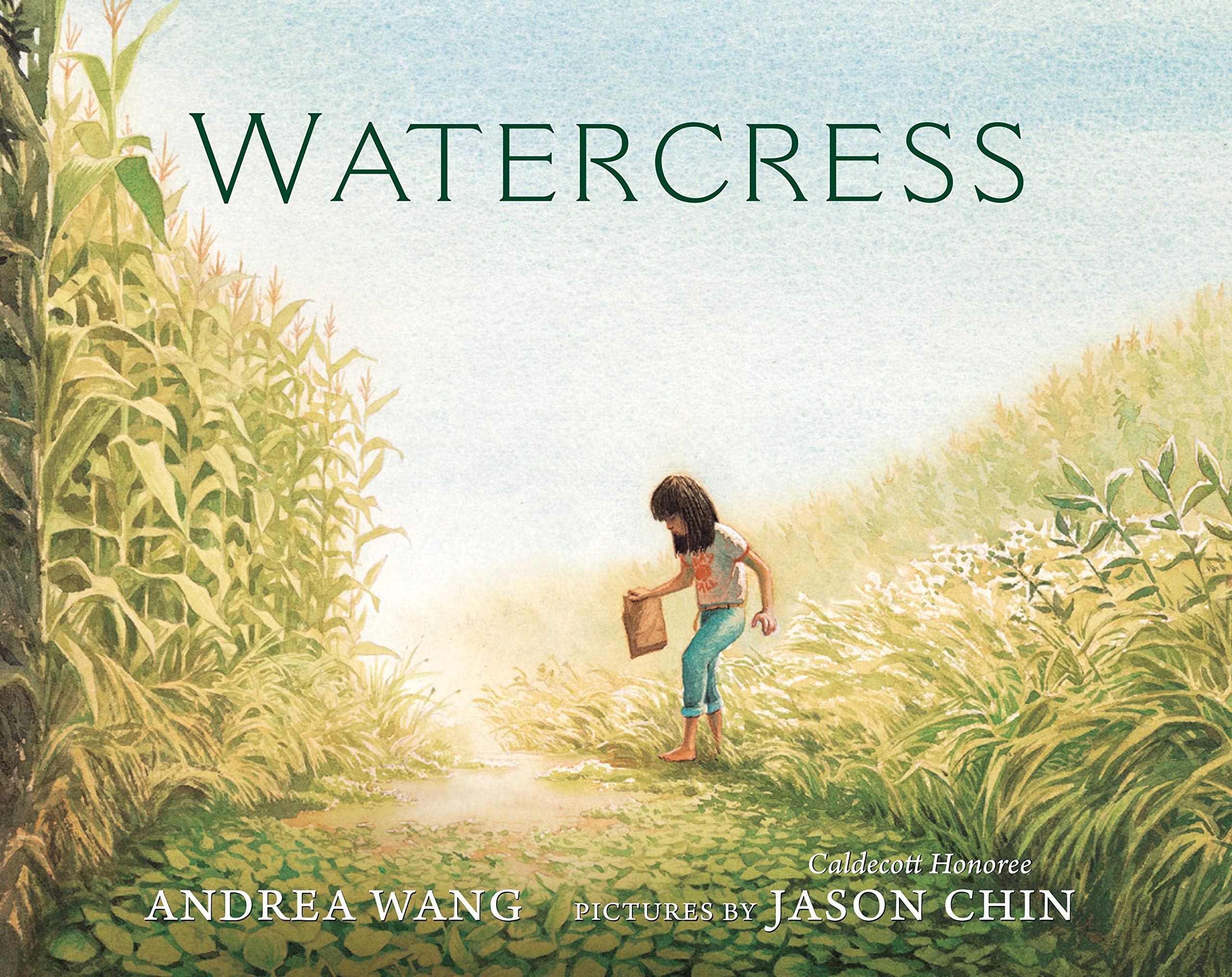
Recently, we visited China through Andrea Wang’s Watercress. The children in the story learn to find a balance between their family’s traditions and the pressures of North American culture. While on a road trip, her family stops to harvest watercress from the roadside. She feels embarrassed as she wades through the ditch, collecting watercress with her parents and siblings. At dinner that night, her mother shares stories from her own childhood, exposing her children to new aspects of their family’s story, their heritage, and their Chinese culture.
Many people find connection to their family and culture through the food that they eat. Are there foods that you enjoy with your family?
Check out the video below to hear about Cecilia Chiang’s connection to family and food through story.
Exploring Asia through Picturebooks: Immigration, Family, and Taiwan


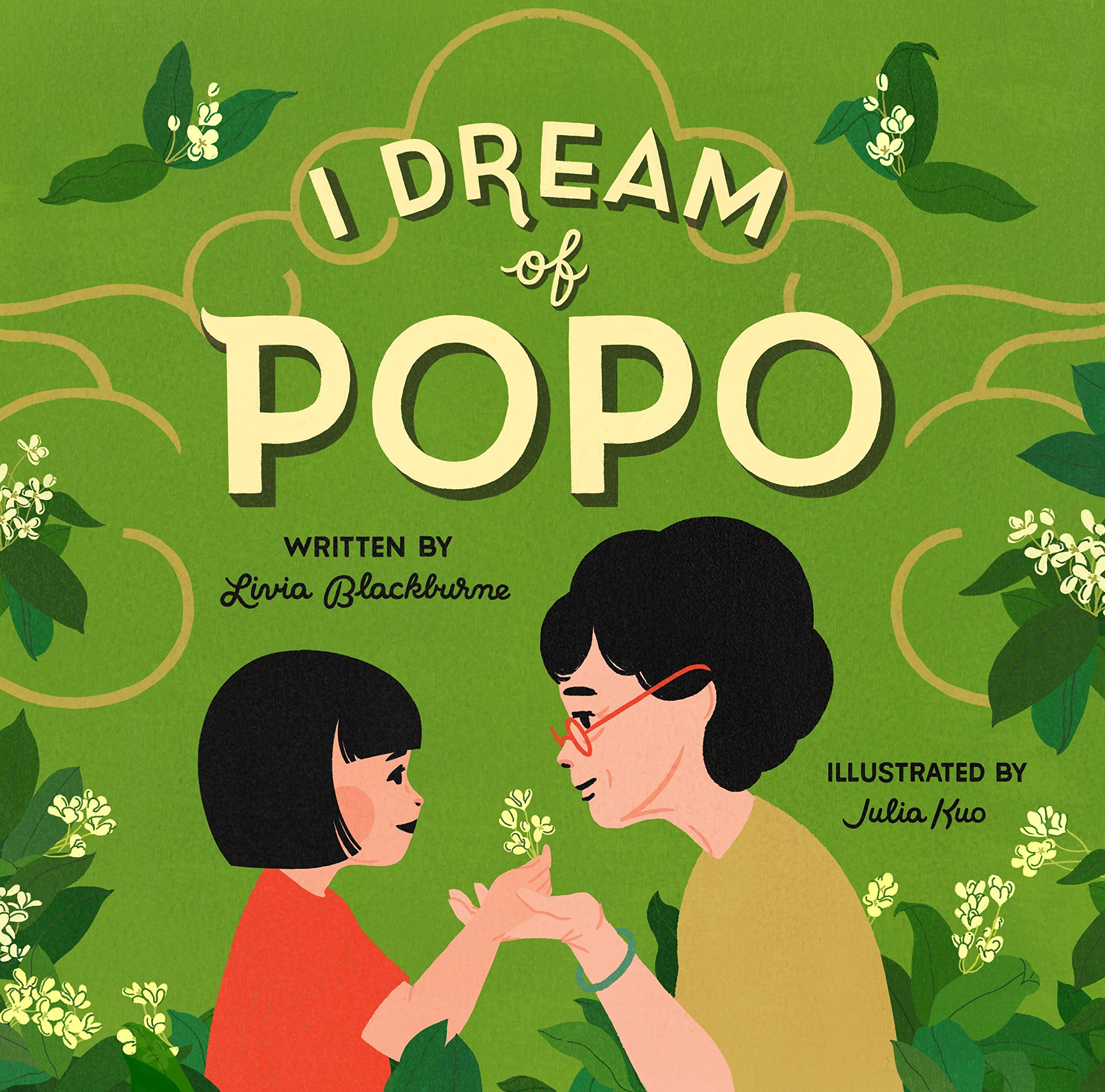
We are continuing to learn about different countries in Asia! We read a book called I Dream of Popo, a story about moving away from your family based on the authour’s childhood experience moving from Taiwan to America. The child in the story keeps in contact with their grandmother back in Taiwan, and their love prevails despite physical distance!

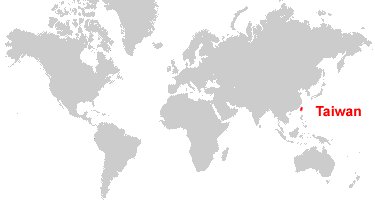
Taiwan is a small country off the coast of China. It is a very culturally distinct country, with lots of unique culture!
To learn a little more about Taiwan, please watch the video below. You can compare and contrast these Taiwanese noodles with the Japanese noodles we learned about earlier!
Picturebooks Around the World: Exploring Japan
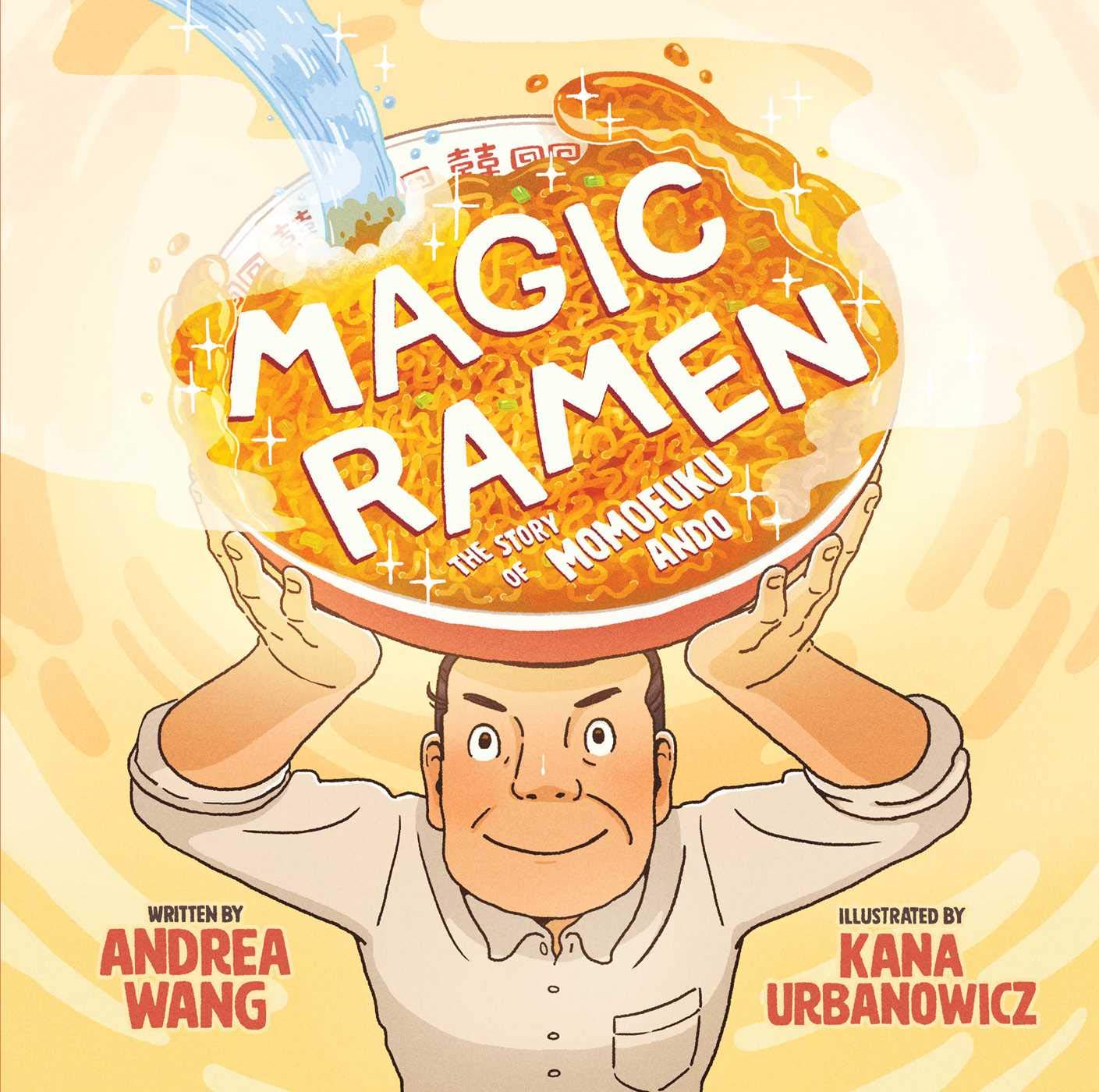
We are continuing to ‘travel the world’ via our picture books! We learned about the invention of instant ramen, created by chef Momofuku Ando. He was inspired by the many people in Japan who experienced famine after World War II. Ando wanted to create a easy, inexpensive, and filling food that many people would enjoy:

Check out the video below about the history of this amazing invention!
Balloons Over Broadway: the Story of the Thanksgiving Parade

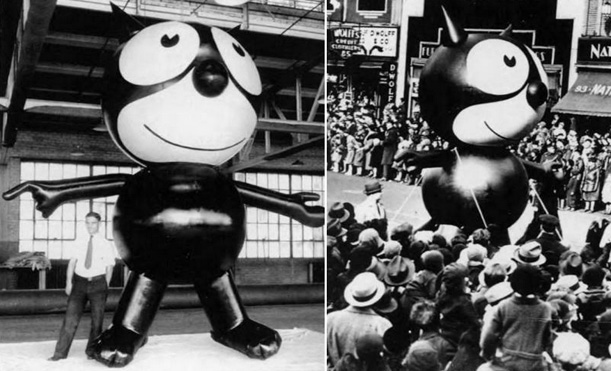
Have you ever been to a parade? Today, we read the story of Tony Sarg the puppeteer. He was one of the first people to design and create the floating balloon ‘puppets’ commonly used in the Macy’s parade in New York City! This parade has been going on since 1924 (almost 100 years). Below is a photo of one of the first balloon puppets designed by Tony:

Some questions to consider:
-How has the design of the balloons changed over the years? Why do you think they have made these changes?
-Why do the designers use helium instead of another gas (like oxygen)?
-If you were going to design a balloon float, what character/creature would you design?
Mystery Fruit & Vegetable Investigation: SCI-FRI
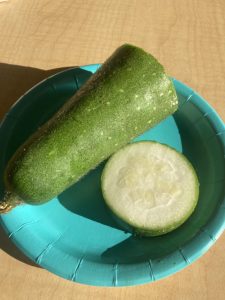
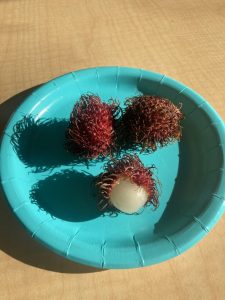
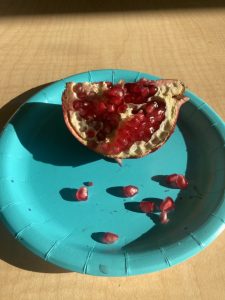
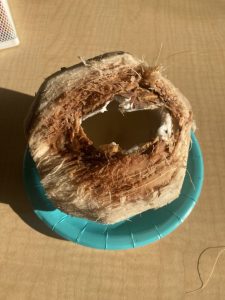
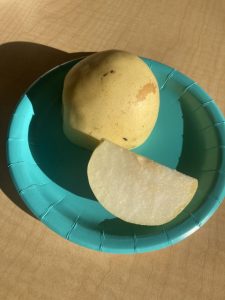
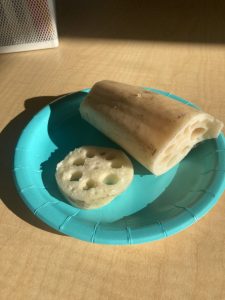
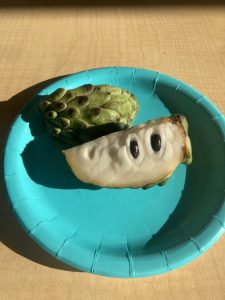
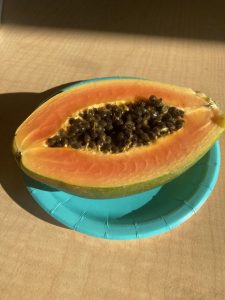
Today for SCI-FRI, our class and Ms. Ramen’s class investigated some unusual fruit and vegetables! Many of these fruits and vegetables are commonly used in different cultures and found in different countries across the world. We used our observational skills to draw a diagram and describe each of the fruit and vegetables. Do you recognize any of these fruits/vegetables?

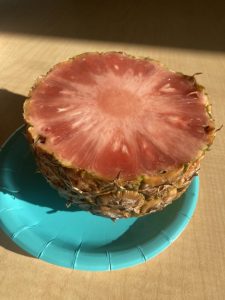
Above, left to right: pink pineapple, mo qua, rambutans
Below, left to right: pomegranate, young coconut, apple pear

After we made our observations, we cut open the fruit and vegetables to examine the inside. We noticed there were many different colours and shapes of seeds. Many of us have tried these fruits and vegetables before!

Above, left to right: lotus root, custard apple, papaya
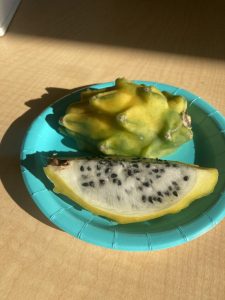
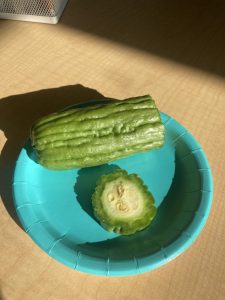
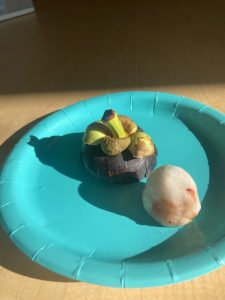
Below, left to right: dragon fruit, bitter melon, mangosteen

Some questions to consider:
-Why are some of these fruits and vegetables commonly eaten in some countries and not others?
-How could we learn more about all the interesting, tasty, and unusual fruits and vegetables in the world?
Pumpkin Science: Exploring Chemical Reactions!
Today, we investigated how vinegar and baking soda would react when mixed inside a pumpkin! Check out our results below: