Perseverance and the Paralympics: Celebrating Athletes with Disabilities

This week, we have been discussing the Paralympics. The Paralympics are a special event where Olympians with disabilities or impairments can compete. The first Paralympics were held in 1960. These Paralympics represent the over 1.2 billion people who are part of the disabled community.

It is important to celebrate athletes from different backgrounds; often, these athletes face discrimination and are not celebrated as much as they should be!

Check out the video below to learn the story behind the Amputee Soccer Club in Sierra Leone (a country in Africa):

Exploring the Olympics: Past and Present

Our class is learning all about the Olympics (past and present)! We learned that the Olympics started in Ancient Greece. Canada has hosted the Olympics 3 times, including the 2010 Winter Olympics in Vancouver! Ms. Lynka taught us about the importance of design and engineering when creating the Olympic torches and cauldrons. Every country has their own Olympic torch design. The torches bring the Olympic flame from Greece to the hosting country.

Have you ever seen the Olympic cauldron in Vancouver?

Vancouver's Olympic Cauldron is being relit to celebrate 10th anniversary  of the Winter Games | Listed

Lunar New Year: How Do People Celebrate?

Our class discussed Lunar New Year, and how celebrations can look different around the world! Many members of our classroom community celebrate Lunar New Year. For some people, this involves enjoying a special meal with family and friends. For some people, it means attending celebrations that might involve lanterns, lion dancing, or fireworks:

We learned that fireworks were first invented in China, where bamboo would be heated over a fire to create a loud BANG noise! Years later, a chemical compound called gunpowder was added to create fireworks more similar to those we see today.  We created our own ‘fireworks in a cup’ by mixing oil, water, food color, and Alka-Seltzer tablets. Stay tuned for video of our completed experiment!

Endangered Animals in Focus: Elephants

Today, our class discussed elephants. We learned that elephants face many dangers from humans. Some elephants are forced to perform in circuses, and others are used for labour. Elephants are also at risk from poachers who harvest their ivory tusks.

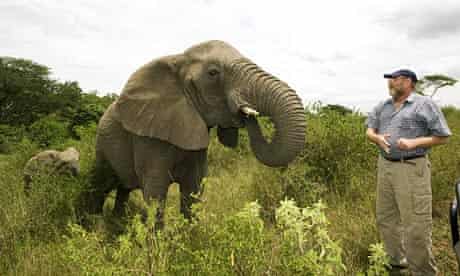
We learned about the life of Lawrence Anthony, who took in a herd of elephants that had been abused by humans. At first, these elephants did not trust Anthony, and tried to leave the Thula Thula sanctuary where they lived. Through patience and perseverance, however, Anthony gained their trust.

The elephant man | Conservation | The Guardian

The elephants grew so attached to Anthony that when he passed away, the entire herd came to his house to mourn him and comfort his widow and family. Every year on the anniversary of his passing, the elephants came back to Anthony’s home to remember him. Elephants have such capacity for emotional intelligence and for memory!

The Elephants Come Home: A True Story of Seven Elephants, Two People, and  One Extraordinary Friendship by Kim Tomsic

The Wild Robot: Learning about Camouflage

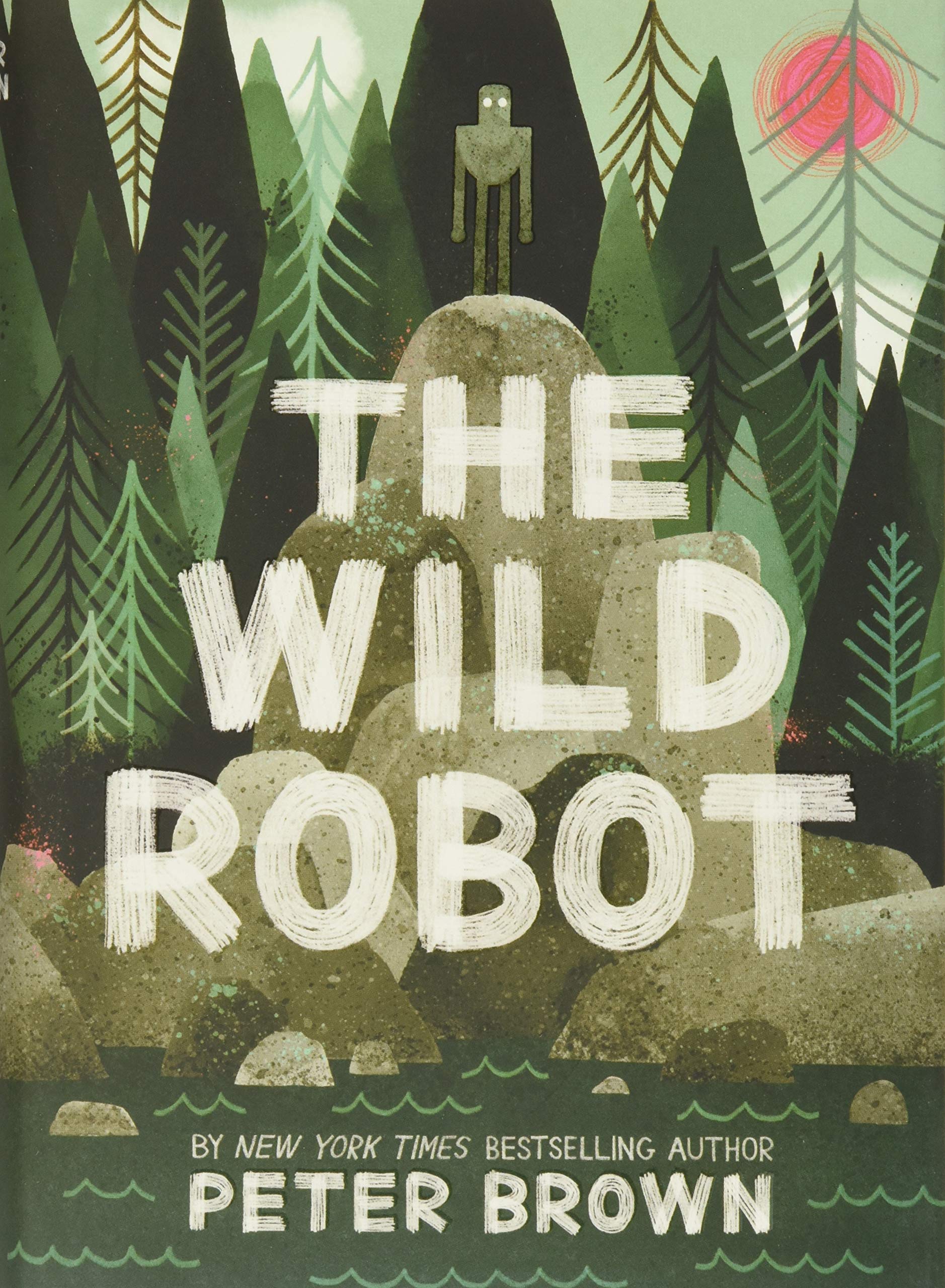
Yesterday, our class started our new novel study! In The Wild Robot by Peter Brown, Roz the Robot must learn how to survive on a wild island. The first lesson she has learned is the importance of camouflage.

The Wild Robot : Brown, Peter: Amazon.ca: Books

Camouflage is a special kind of survival skill (adaptation). It means that prey can hide from predators, and vice versa. To see an example of camouflage, watch the video below. How many goats can you spot before they start moving?

Keith Haring: Artist in Focus

Today, our class explored a few pieces of Art by Keith Haring. Haring was a very influential pop artist. He also created his Art using inexpensive materials. He is famous for using simple symbols and figures to create bright, bold Art with a message!

We will be using this tutorial for inspiration as we begin creating our own Art this week!

Endangered and Extinct Animals: Human Impact + Activism

Today, our class investigated what it means when an animal species is labelled ‘endangered’ or ‘extinct’. There are many species of animals that are endangered or critically endangered. One of these species is the Rhino. Rhinos are endangered because they are often hunted by poachers, who harvest and sell the horns on the black market (illegally).

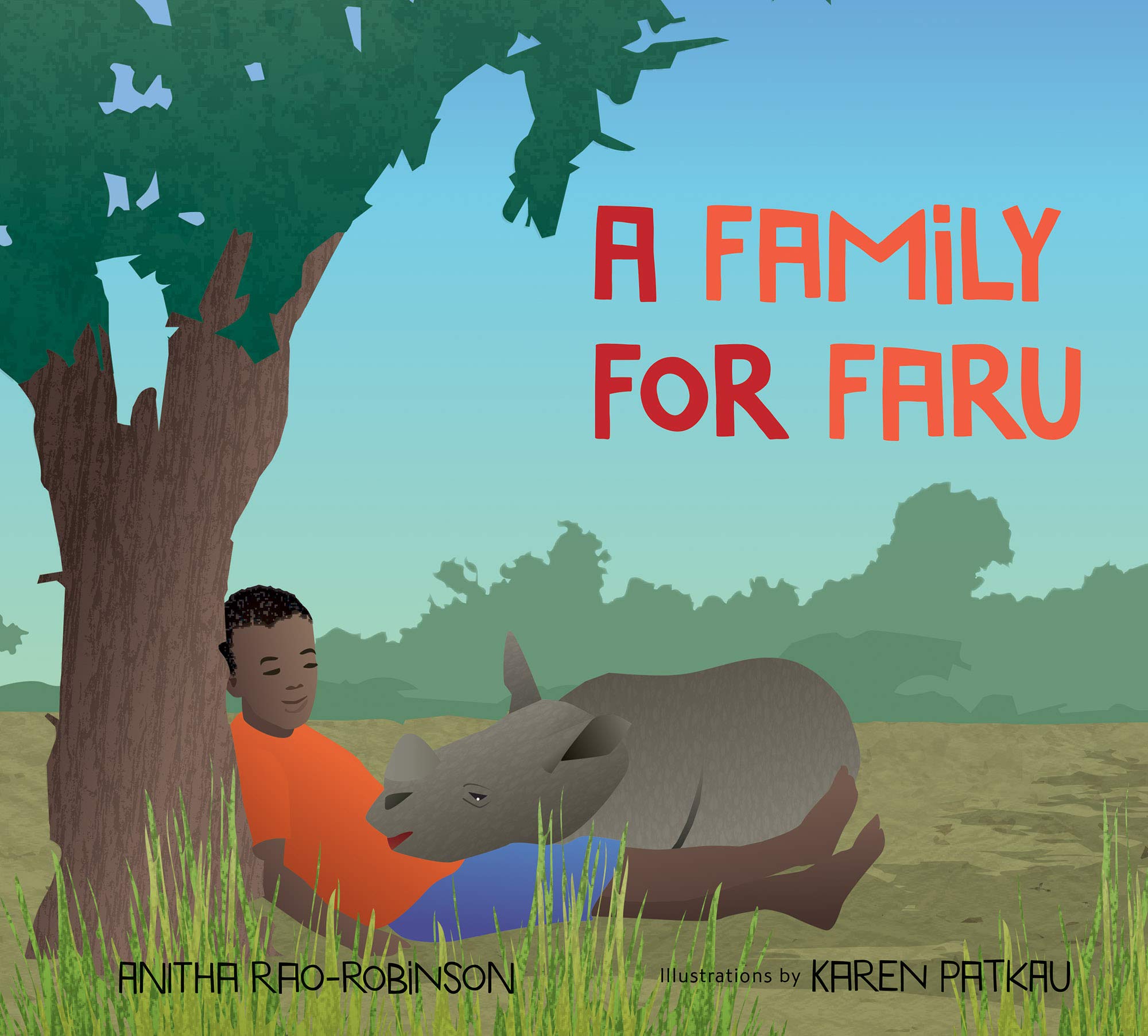
In the story A Family For Faru, a young child works to save an orphaned rhino from poachers.

A Family for Faru: Rao-Robinson, Anitha, Patkau, Karen: 9781772780963: Books - Amazon.ca

There are many species of animals that are endangered. To see a full list of endangered species, you can click the links below:

https://www.twinkl.ca/teaching-wiki/endangered-animals

https://www.dkfindout.com/us/more-find-out/special-events/endangered-animals/

https://www.worldwildlife.org/species/directory?direction=asc&page=2&sort=extinction_status

You can also watch the video below to learn about several critically endangered species:


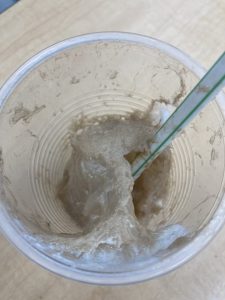
Solids, Liquids, and Gas: Root Beer Float Science

Have you ever wanted to become a Chemist? This is a special Scientist who works with chemicals, and chemical reactions! Today, we investigated our own chemical reaction by mixing rootbeer and ice cream!

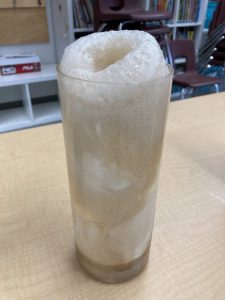
In the photo (above), can you see the different layers? We discovered that when mixing a carbonated liquid (like rootbeer) with ice cream (a solid), the carbonation (gas bubbles) create a bubbly reaction. Do you see the gas that was trapped inside the foam?

To learn more about what a Chemist does, watch the video below:

Artist in Focus: Jacob Lawrence

Our Artists explored a few selected works by the influential painter Jacob Lawrence. Lawrence used Art to demonstrate the beauty of his life as a Black man growing up in Harlem. He often created cityscapes or paintings with people doing everyday activities, and even painted construction workers and architects building!

What do you notice in the image above? What sticks out to you?