Please don’t forget to DRESS FOR THE WEATHER tomorrow! If you have garden gloves, please bring them to school as well! We will be outside with Ms. Willis for an activity on invasive plant species.
Our Book Fair continues this week. If you would like to purchase a book, our class will be able to buy books tomorrow from Ms. Lynka.
If you were unable to pick up your COVID-19 tests, please see the office to receive your box. Please don’t hesitate to e-mail me if you have any questions!
Finally, please bring back the report card envelopes at your earliest convenience.
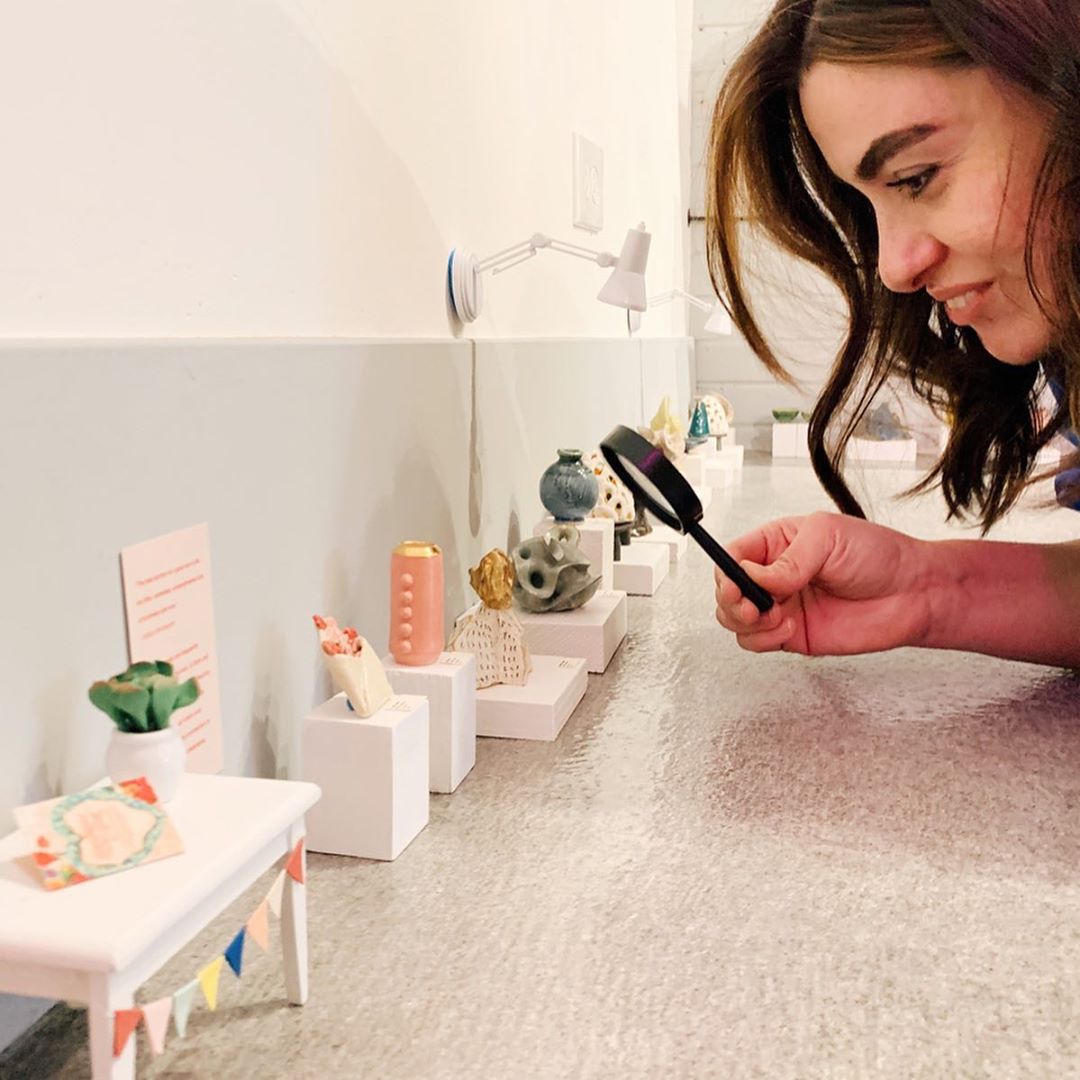
What does it mean to be ‘tiny’, ‘miniature’, or ‘small’? Our class is inspired by the Tiny Art Show, a public Art installation where artists create tiny paintings, sculptures, etc. for people to see!
Image above: Jenny Lemons, an internet artist, and her Tiny Art Show.
Each student will create their own tiny art on a small canvas. We will then create our own miniature art show. Stay tuned for our progress!
What skills does it take to make something miniature? Watch the video below for some kids trying tiny versions of their favourite foods!
Today, we observed International Women’s Day. As part of Women’s History Month, we are learning about changemakers, artists, activists, and athletes throughout history. Who are some important women in your life?
Our class read a story about Mary Edwards Walker, a woman who was arrested for wearing pants during an era when women were expected to wear dresses or skirts.
Above: Mary Walker in her 60s, dressed in a suit.
We discussed how our fashion and clothing can express our identities. We talked about how clothing trends and norms change over time. Finally, our class watched a video of what people in the past thought we would be wearing in the 2000s. Check out this video below… did any of the predictions come true?
Our class has been investigating the role that schools play in health and nutrition. Many schools around the world have lunch programs that provide food for students during the school day. Some countries, such as Brazil and Finland, have funding (money) that the government provides to these schools so that students can be given a healthy, homemade lunch. Some schools do not receive funding from the government, and have to try to budget their money to pay for these meals.
Check out the video below for a few examples of what school lunches can look like in different countries:
Some questions to consider:
-What are the pros and cons of having a school lunch program?
-What do you think is an example of a ‘healthy’ lunch?
-If you could eat anything for lunch, what would it be?
This week, we have been discussing if Music can change the world. Throughout history, songs have been used to spread messages. Often, songs have been used to ‘speak out’ against racism, war, and prejudice. Feel free to listen to both songs below: the first “A Change is Gonna Come” by Sam Cooke (1963) & the second “Stand Up” by Cynthia Erivo (used in the soundtrack of Harriet).
What songs have a message that resonates with you? Why do you think musicians include lyrics that send a message?
Has there ever been a time when you have felt the pressure to be perfect? Our class discussed the physical and mental feeling that pressure can have. Whether you are performing at a talent show, trying to score in an important game, participating in public speaking, or writing a challenging test, we all feel pressure sometimes.
Many Olympians are under intense amounts of pressure. Figure skating champion Gracie Gold discussed how her mental health and body image were impacted by the intense pressure she felt during the Olympics. In an interview with Jonathan Van Ness, she discussed how she wanted to look perfect, nail her routine perfectly, and represent her team perfectly. However, too much pressure can be unhealthy for our brains and bodies! Gracie had to take a step back from her Olympic dreams to heal and recover, and is now an advocate who speak out against the effects that too much pressure can have on people!
What are some things you can do if you feel like the pressure is too much? What strategies work for you? Ms. Ward likes to deal with pressure by taking a walk to the dog park or calling a friend to chat.
To see some of the most high pressure (and successful) moments from figure skating, watch the video below:
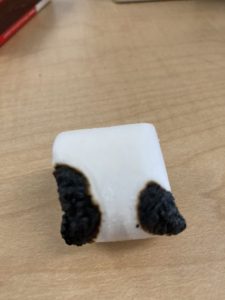
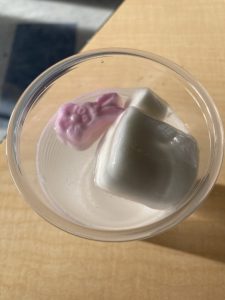
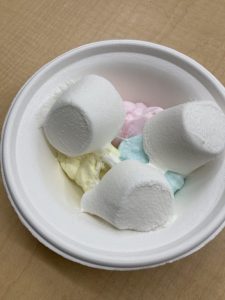
Our class continued to explore what changes we can make to marshmallows. We submerged the marshmallows in vinegar. We tore the marshmallows into pieces. Finally, Ms. Ward set a marshmallow on fire (do NOT try this at home). We found that all these changes were irreversible (could not be undone), but lighting the marshmallow on fire changed it the most!
Check out this video to learn the interesting history of roasting marshmallows (an idea that was created over 125 years ago!).
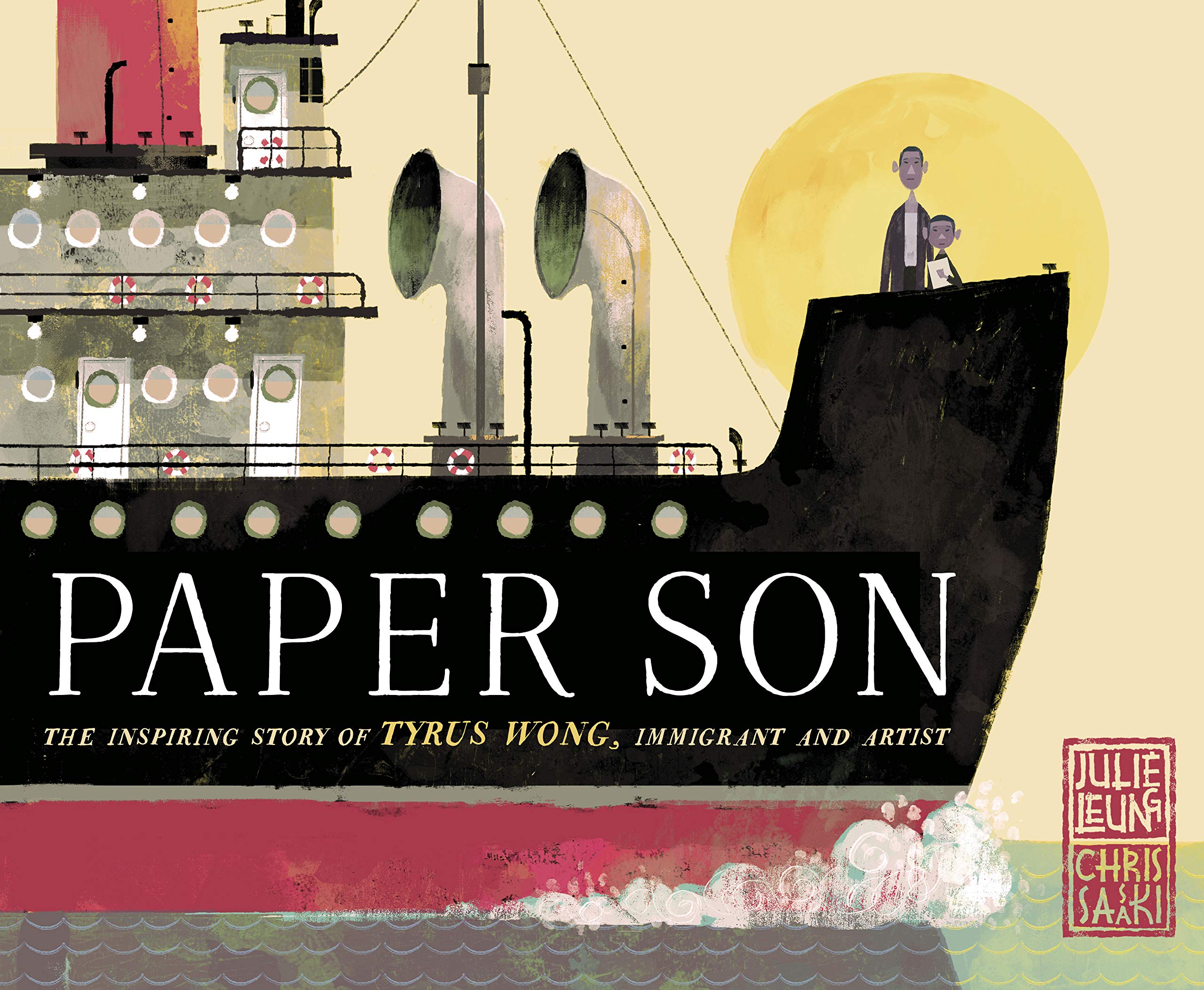
Ms. Lynka told us all about Tyrus Wong, an artist who immigrated from China to America. During this period of history, people from China faced many racist laws if they tried to come to North America. Tyrus and his father had to pretend to be someone else, just so they could have a chance to move to California!
Many years later, Tyrus began working at Walt Disney Studios. At first, his job was to draw the ‘in-between scenes’ (a very tedious and tiring job). However, later Tyrus began drawing beautiful scenery and landscapes. Though he was an important artist in films like Bambi, he was not credited by Disney.
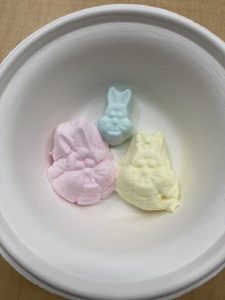
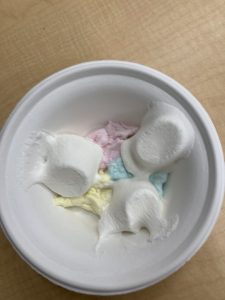
Today, our class explored how we can create changes (both physical and chemical) to marshmallows. We began by making some detailed observations of our marshmallows. Next, we microwaved the marshmallows. We noticed that the marshmallows grew much larger and expanded in the microwave! After a few minutes, the marshmallows deflated and hardened.
Above: the marshmallows after being microwaved
Below: the marshmallows after 1 minute
This week, we will continue to explore how we can make physical and chemical changes to these marshmallows!