In our investigation of extreme environments across the globe, our class is learning about Yakutia. This village in the Sakha district of Siberia, Russia is considered to be the coldest place to live on Earth (excluding Antarctica, where people do not live permanently).
We are able to learn about life in this village from YouTubers such as KiunB who document their daily lives in this extreme climate. How is your life different or similar to the lives of people living in Yakutia?
When the weather is cold, most humans know that wearing layers of warm clothing is the key to survival. However, animals do not have this as a tool to survive in the extreme temperatures of the Arctic. This may include traditional or ceremonial regalia, such as the photo below (a person in traditional Yakut winter clothing):
This could also mean wearing layers of specially-designed fabrics like fleece, water/weather resistant Gor-tex, down-filled coats, or even fur:
So how do animals survive without all of these tools that humans have? Check out the video below to learn about animal adaptations:
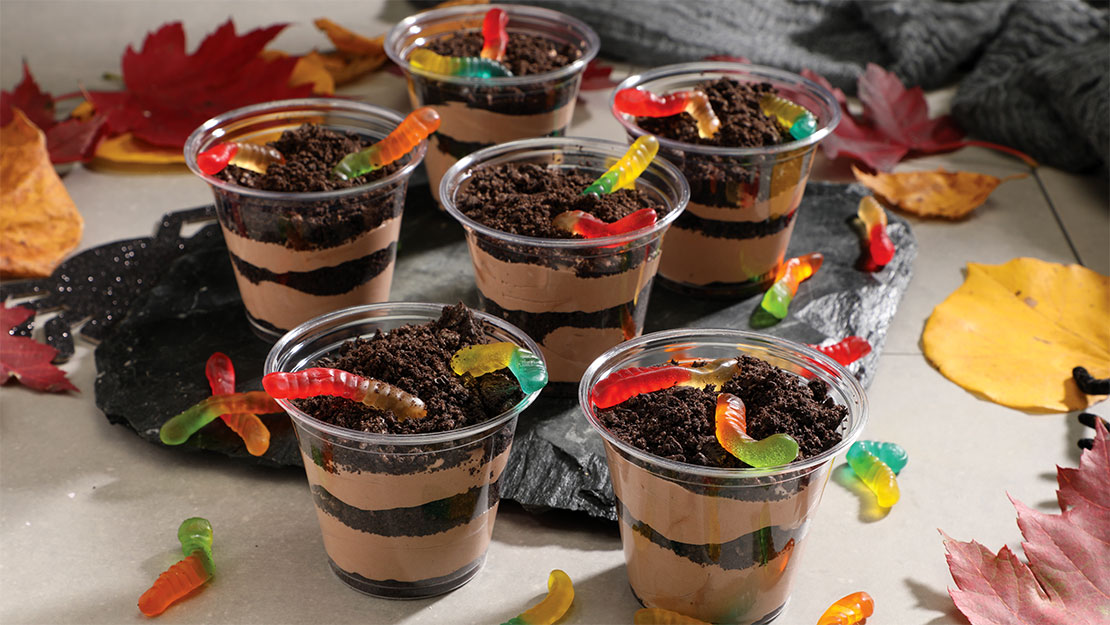
Today, the students were informed we would be layering mud and dirt and then adding worms. We discussed how dirt and worms benefit our Earth, and why so many humans are ‘grossed out’ by the idea.
However, the ‘worms, mud, and dirt’ were actually made of gummy worms, chocolate pudding, and cookie crumbs.
To make this ‘Worms in Dirt’ pudding at home, follow the recipe below:
In a cup or bowl, put a layer of chocolate pudding followed by a layer of crushed chocolate cookie crumbs. Repeat the process as many times as you want. Finish with a final layer of cookie crumbs. Then, add a few gummy worms to the top, poking out of the ‘dirt’. Enjoy!
Would you ever live in a freezing cold environment? For many people across the globe, Arctic climates are part of their daily life. Below are some photos of Scientists showing how quickly food can freeze over!
Above: Honey on toast, instant noodles, both frozen after only a minute or two outside.
Below: another example of foods freezing almost instantly, including an egg!
Our class is continuing to learn about how animals and humans survive in extreme environments. We are moving from Antarctica (South Pole) to the top of the globe (Arctic). Many animals call these extremely cold environments home, surviving and thriving even with little access to food and shelter. Check out the video below for some information about Arctic animals:
Would you ever consider living in Antarctica? This extreme environment is home to many Scientists from different countries who are investigating animal species, meteors and minerals, climate change, and carbon dating! One of the things these Scientists need to survive is access to food (especially since your body burns way more calories trying to keep itself warm)!
All foods have to be shipped down to Antarctica since no fruit or vegetables or livestock can grow there. This means the Scientists end up eating a lot of frozen, dried, pickled, or even expired/recycled food! However, the kitchens make many delicious things available including: homemade cookies, delicious pastas, fresh baked breads, and even 24-hour pizza!
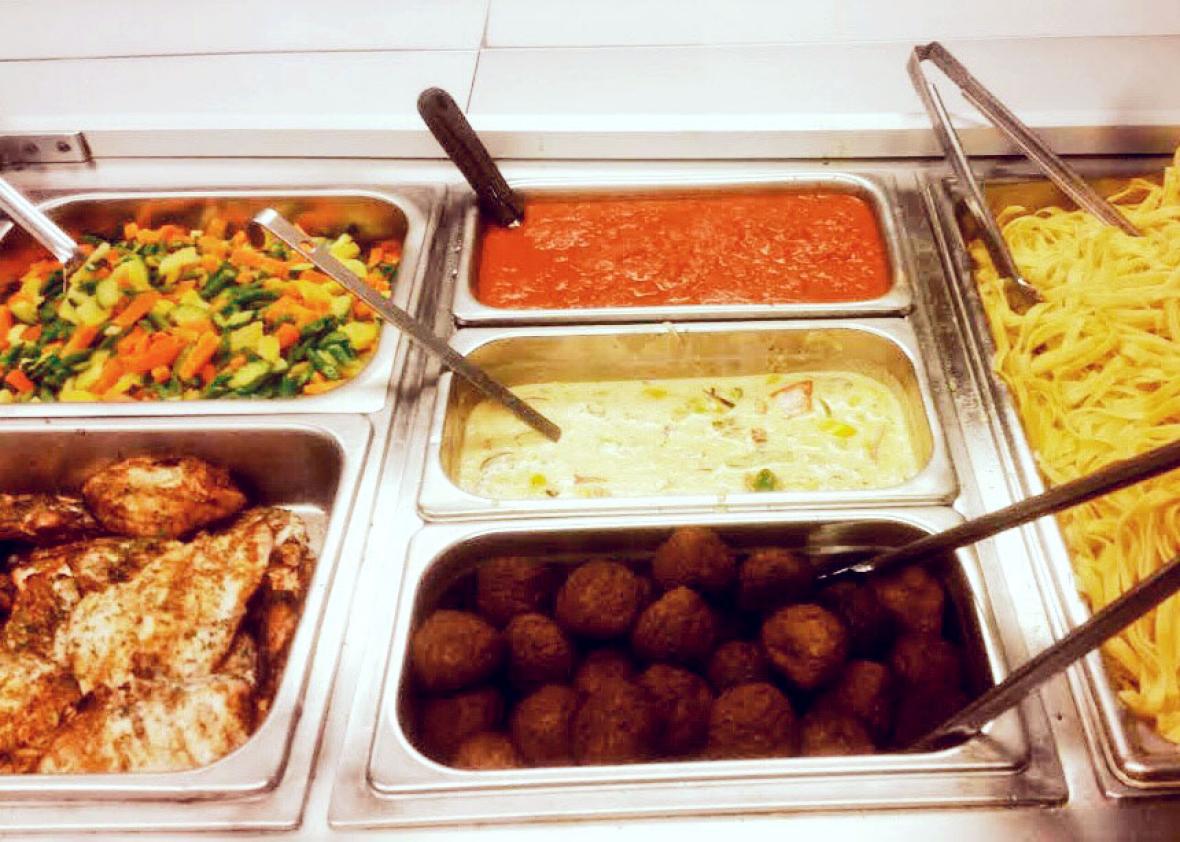
Above: an example of a buffet at an Australian-run camp in Antarctica. Food options include pasta, soup, chicken, plant-based meatballs, and frozen/reheated vegetables. Occasionally, there will be shipments of fresh fruit and vegetables (called “freshies”), but most food is frozen and reheated or preserved.
Below: ‘leftover soup’, a mix of the last night’s dinner, is served for some meals. No food is wasted in Antartica, since you cannot run out to a store and buy more!
To learn more about this freezing, desert continent, watch the video below:
This week, our class has been exploring the work of master storyteller Hayao Miyazaki. Miyazaki is a Japanese artist and director who creates animated films through Studio Ghibli. These films often include a special storytelling technique called ‘magical realism’, which blends reality with fantasy. Our class is watching Ponyo, a film loosely based on ‘The Little Mermaid’. Check out the trailer below!
Do you have a hard time taking a compliment? Many of us may feel uncomfortable when people tell us we are doing a great job, and may feel as though we are not talented, smart, or hard-working enough to be successful. This is a phenomenon called “imposter syndrome”, when a person feels that they don’t deserve any of the success they have worked for. “Imposter syndrome” is a big theme in the short film “Twenty Something”, where the character Gia has to try to ‘fit in’ as an adult (even though she still feels like a kid who has not figured her life out yet).
Today we learned about the influential tennis player Evonne Goolagong. Evonne was born in Australia in the 1950s, when many Indigenous Australian people were forbidden from playing sports with white athletes. This meant that Evonne had to teach herself to play tennis by watching the tennis lessons through the fence, and by practicing on the court after everyone else had left. Despite this, Evonne became one of the most successful tennis players of all time, even competing in Wimbledon! She has also given back to the Indigenous community by creating opportunities for BIPOC children to participate in tennis lessons.
Today, our class will be learning about invasive plants and animals with Ms. Willis. An invasive species is a plant or animal that was introduced to an environment (either on purpose or accidentally) by humans. These species are not native to the environment, and they can quickly overtake and harm the plants and animals that live there. Since many of these invasive species do not have natural predators, they can become a problem very quickly:
Our students will be choosing an invasive species to raise awareness about. To find some examples of invasive species, click the links below: