Why do you think some people get the ‘heebie jeebies’ from certain animals, but not from others? Ms. Ward is very afraid of spiders, but thinks mice and rat are cute! Some people fear snakes, but adore dogs. We will chat further about where some of these animal-based fears might come from on a sociological/historical level this week! If you are someone who suffers from ophidiophobia (fear of snakes), maybe the video (above) will help you learn to like them just a little bit more!
Some discussion questions for at home:
-What are some animals you are afraid of? Why are you afraid of them?
-Why do we consider some animals ‘cute’ despite them being dangerous (ex: wolves), while other harmless animals (ex: non-venomous spiders) we think are gross or scary?
On October 11th, it is important we celebrate all those members of the LGBTQ++ community who are able to celebrate who they are and be proud of their identities. ‘Coming out’ refers to when someone tells people who are important in their lives that they are part of the LGBTQ++ community; some people may be ‘out’ in certain spaces (ex: with friends) but not in others (ex: at work). Some people might not come ‘out’ until much later in their lives, or may come ‘out’ more than once as they embrace different aspects of their identities. We also know that many people, for a variety of reasons, may not be able to ‘come out’ safely (worried about judgement, concerns around family reactions, religious/cultural beliefs, fear of imprisonment/jail). It is never okay to ‘out’ someone without their permission!
Feel free to watch the video above from the Human Rights Campaign for some words of support and encouragement from both people within the LGBTQ++ community, families, and allies. For more insights, try watching Pixar’s SparkShort “Out”, avalible on YouTube and DisneyPlus:
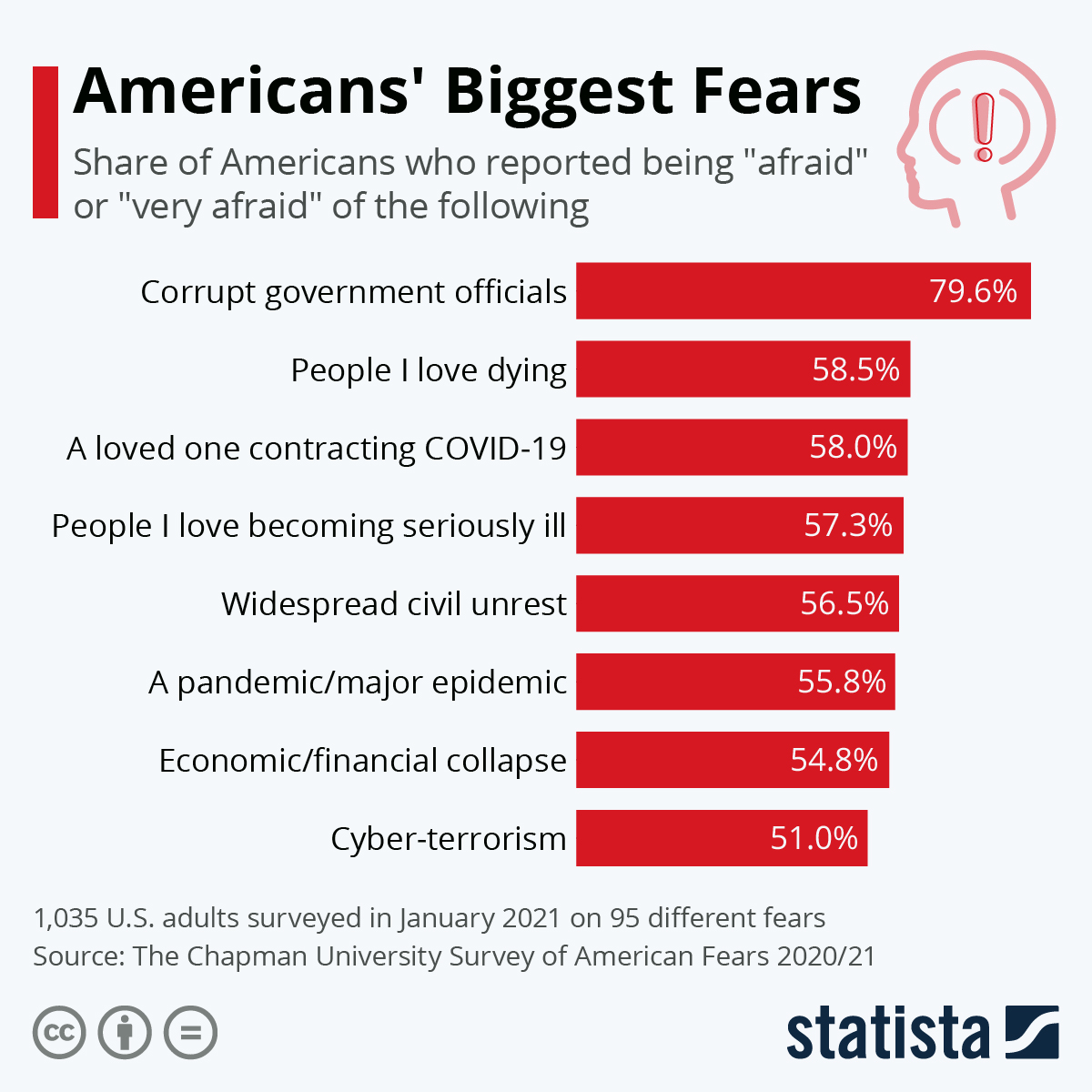
Do spiders ‘get under your skin’? Do you faint at the sight of a needle? Do dentists give you the creeps? Most humans have certain things that we are afraid of; these fears can be based on real dangers or even imagined dangers.
Image description: an infographic from Statista which shows fears from 1000+ American adults in 2021.
While some fears can help keep us safe (more on this to come), many fears can have possible negative impacts on our lives. For example, Agoraphobia (fear of unfamiliar people/public spaces) can keep people from trying new things, trypanophobia (fear of needles) can make someone unlikely to seek medical help, etc. As we continue our discussion on the Salem Witch Trials, we will learn that fear can sometimes have deadly consequences, especially in the cases of mass hysteria. Think your brain is above persuasion or panic? Check out the video below to learn more about mass hysteria examples through history!
What are some ways we can support Elders in our community (and globally)? As we discuss lifetimes, ancestry, and legacy, our class is investigating some steps we can take to help Elders (both those we know and those we don’t) feel connected, respected, and heard. Our class will be making cards/letters for 6 different elderly people who have been isolated due to illness, COVID-19 restrictions, mobility issues, and grief. Stay tuned to learn more about this project!
In the video above, Great Big Story follows the ‘Grandmother School’ in India where elderly women are able to attend school (some for the first time in their lives)! We discussed how many elderly people may not have had the change to go to school due to accessibility issues, financial barriers, or gendered restrictions.
Witches, wizards, ghosts, and ghouls are common decorations during the month of October. But in Salem between 1692-1693 they were seen as very real threats to peoples’ safety. Our class is investigating the history of this event, where over 200 people were accused of being witches. We will look at several pieces of evidence to decide what we think happened in this small town that led to hysteria, witch-hunts, and people losing their lives.
Feel free to click the link above to see what might have gotten you accused of witchcraft in Salem at this time (adapted from History.net and the Salem Witch Museum).
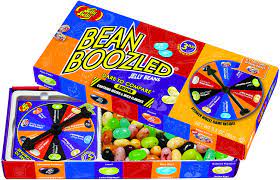
Today, our class learned about the power of persuasion. Each student was given 2 jelly beans, with the goal of determining whether it was a regular flavour (ex: pear, peach) or one of the ‘bean-boozled’ flavours (ex: rotten fish, dog food). Our class investigating the appearance, smell, and taste of these jellybeans. Many people (about 50% of the class) thought they received one of the gross flavours… however, it was later revealed that all the flavours were from the regular jellybean pack! So if none of the flavours were actually gross, why did so many of us have an extreme reaction?
It might come down to persuasion! Our brains are powerful, but they can sometimes be tricked. Ms. Ward ‘primed’ the class to believe they might get the gross flavours, which might have influenced how we perceived the jellybeans!
We will continue to explore how our brains can be influenced/persuaded! Check out how jellybeans are made in the video below:
Some questions to discuss at home:
-Were you able to ‘trust your testbeds’ and pick the correct flavour? Why or why not?
-Do you think you are easily persuaded? Explain!
-Many Scientists believe that we are more likely to believe people who we think have power. Would this experiment be different if it was run by a younger sibling, a friend, the principal, a famous celebrity, etc.?
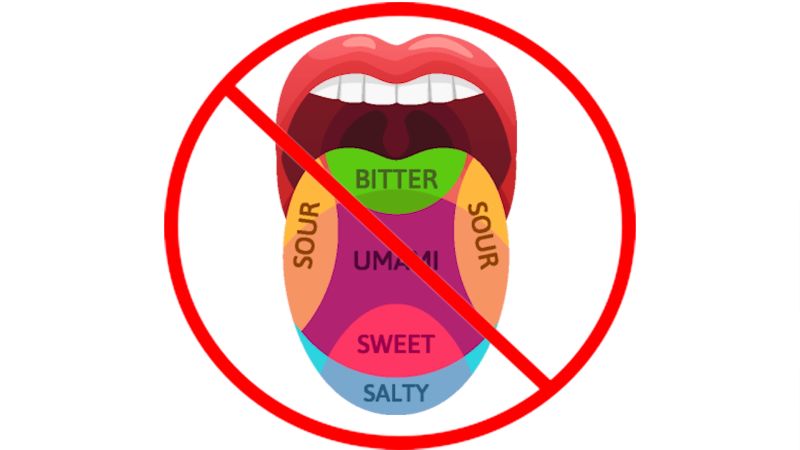
Have you ever winced when eating something sour? Our class explored why we react in different ways to sour things! We learned that some people believe in the ‘tongue map’, that certain areas of the tongue experience taste more strongly than others. This theory has been disproven, but many people still believe it! We tested this theory ourselves by investigating if a sour candy tasted stronger on certain ‘parts’ of our tongue.
Image description above: a diagram of the ‘tongue map’, which includes bitter, sour, umami, sweet, and salty tastes.
Some questions to consider at home:
-Why do you think some people are more sensitive to certain tastes (ex: spicy, sour) than others?
-Do you believe in the ‘tongue map’? Why or why not?
-Do you think the way humans experience taste is the same as other animals experience taste?