Our class is hard at work analyzing the next 2 episodes of Over the Garden Wall! We have been looking at different aspects of characters, including the mysterious woodsman and the terrifying Beast of the Unknown.
If you want a song to be stuck in your head, listen to “Potatoes and Molasses” (above) and stay tuned for our analysis!
As we prepare for Halloween and the ‘spooky season’, our class is exploring the mini-series “Over the Garden Wall”! We have already made predictions about the intentions of characters, the symbolism of different animals/plants, the themes present, and how the series will resolve. This show is also loaded full of interesting imagery and nods to folk/fairy tales.
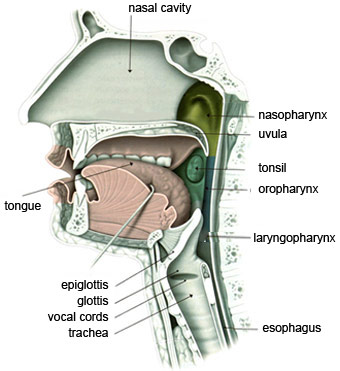
How do animals and humans communicate? Our classes debated whether animals have their own language and forms of communication. We learned that many animals do not have the same physiology as humans that allow many of us to talk/communicate:
While birds do not have the same vocal structure, tongue, etc. and do not have lips, they are often able to use human language (especially parrots) through mimicry. Watch the video above of a starling imitating noises it has heard!
Have you ever wondered how many licks it takes to get to the center of a Tootsie Roll Pop? Well, Scientists decided to test this theory (and then we put their results to the test)! According to a mathematical equation, scientists estimated it would take around 1000 licks… However, our class determined that our average number was 257. There were many outliers (very low or very high results) and variables. We discussed that certain factors (differences in size of lollypops, saliva acidity, temperature, etc.) can influence our results.
If you want to learn more about the strange history behind Tootsie Rolls on the battlefield, check out the video below:
Tomorrow, our class will participate in day 1 of ‘Pumpkin Chunkin’! We have made hypotheses about what object will fall the fastest and which will have the most dramatic ‘splat’! We are going to be testing a large pumpkin, small pumpkin, yellow pumpkin/gourd, mini-watermelon, and coconut. We discussed the possiblility that the heaviest, largest, most circular, etc. fruit will fall fastest and have the most dramatic smash. What do you think? Stay tuned for the results of our experiment (or, if you can’t wait, check out the video above of a 1200 pound pumpkin being smashed from 100 feet in the air)!
Image description: the ‘before’ of our experiment, a large pumpkin, small pumpkin, yellow pumpkin, mini watermelon, and coconut. We will drop each fruit from a height and see the results!
Our class has been discussing fears, phobias, and things that give us the ‘ick’. If you click the link above, you can read about a study we investigated that ranked over 20 animals based on how scary and how gross people found them. Spiders came out on top in both the ‘fear’ and ‘disgust’ categories, while parasites like tapeworms and lice made most people feel grossed out. Some scientists believe that we naturally fear some animals
What animals are you afraid of? Are these fears based on a real threat, or imagined danger?
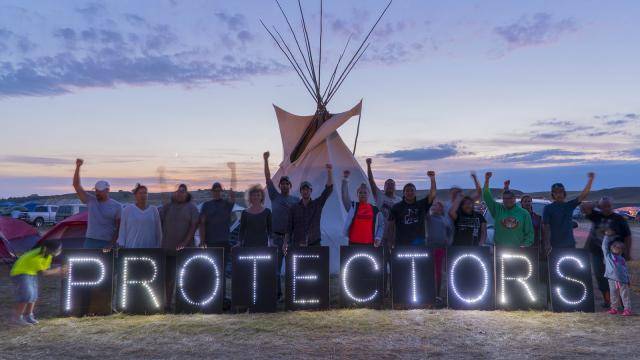
October 12th is a day to acknowledge the many Indigenous communities (both local and global) who have had to continually resist against racism, colonialism, and oppression. One way people can resist is through protests, through voting, and through strikes.
Image description (above: someone holds a handmade sign reading “water is a human right”)
(below: a group of people stand with their fists raised behind a lit sign reading “protectors”)
Many Indigenous communities and individuals are at the forefront of protests to protect waterways and to act against climate change. We will continue our exploration of what it means to protest as the week continues. Below is a video of young activist Autumn Peltier who has spoken up about the lack of safe, clean water in many Indigenous communities:
October 12th is the office date that the winner of the ‘Fat Bear’ contest is announced! What started as a small contest for fun has turned into a viral sensation, with thousands of people voting virtually on who should hold the title. While ‘fat’ often has negative connotations, we know that fat can be key for survival. These bears must rapidly gain weight so they have enough fat (stored energy) to last through their hibernation period.
One of the fan favourite bears is Otis (who held the Fat Bear title for 4+ years)! Check out the video below to learn more about 480 (Otis) and the challenges he faces as a bear. You can also click: Fat Bear Week to learn more about how we can support these animals!