Div 3 Class Blog – Page 4
 

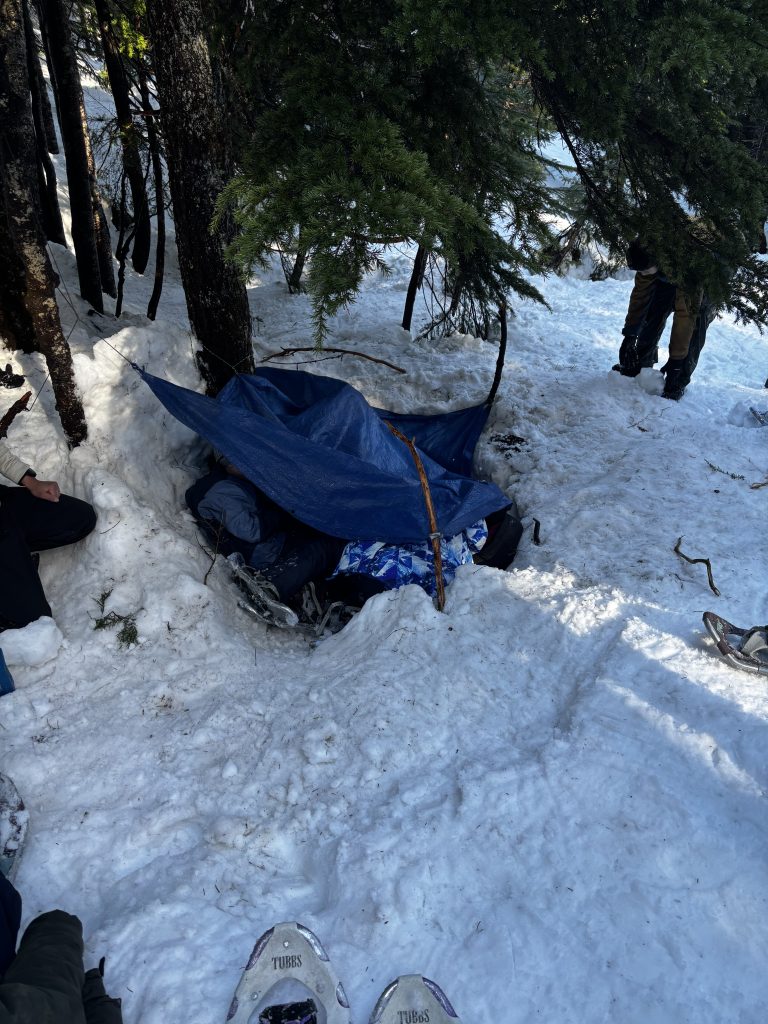
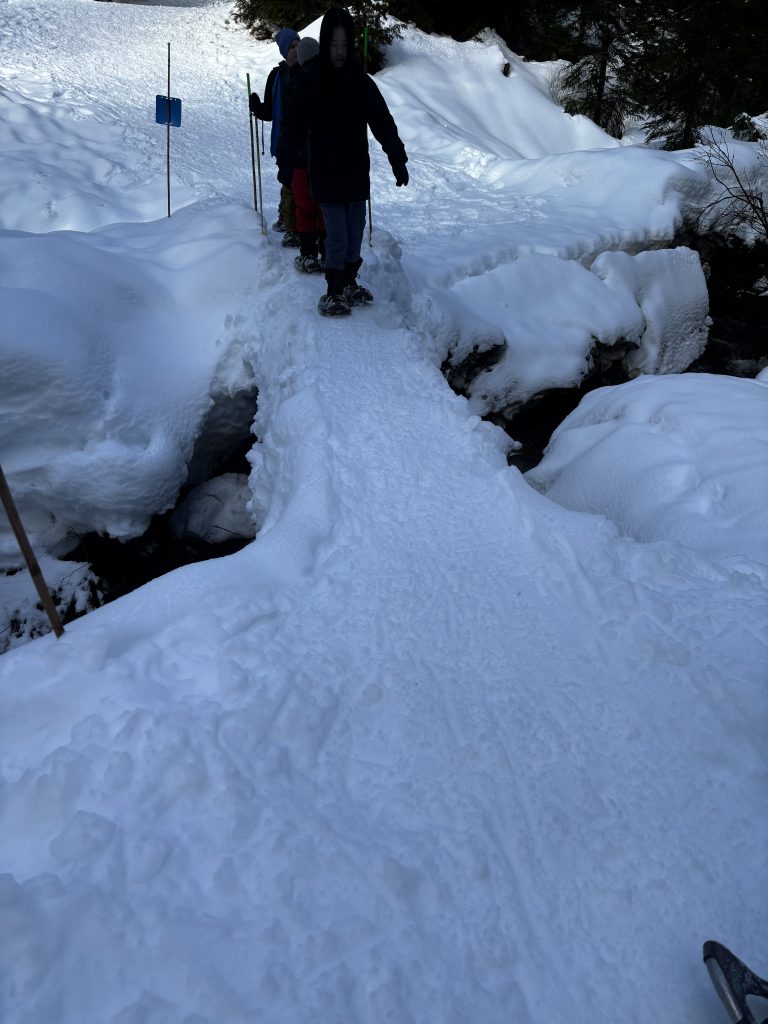
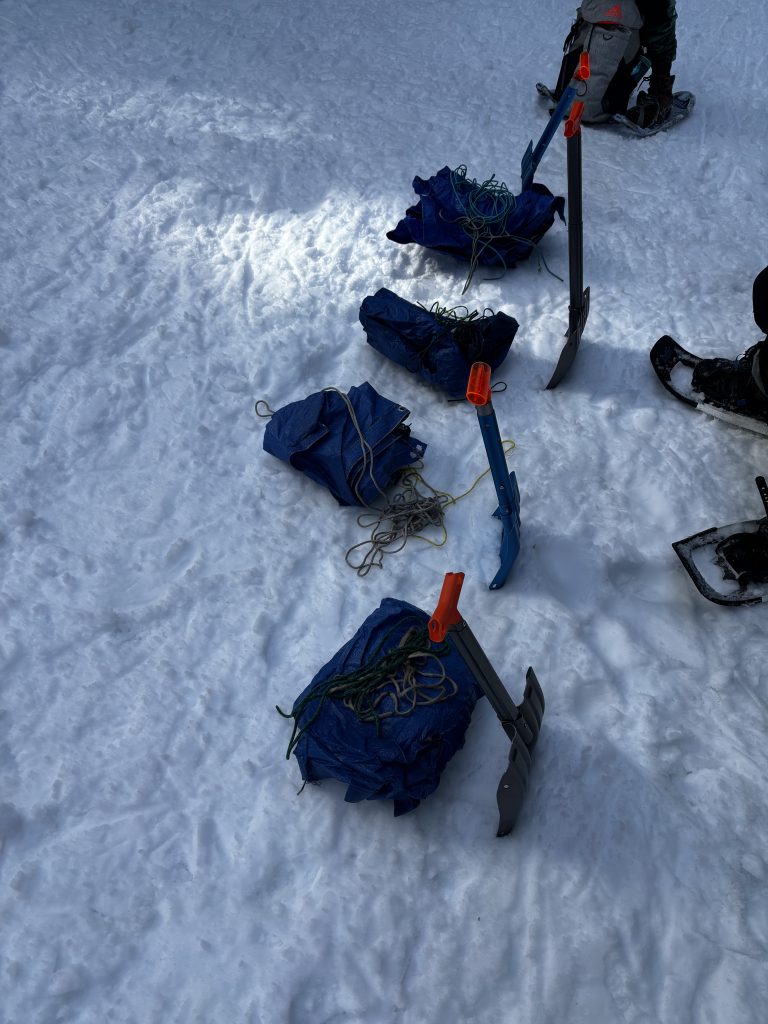
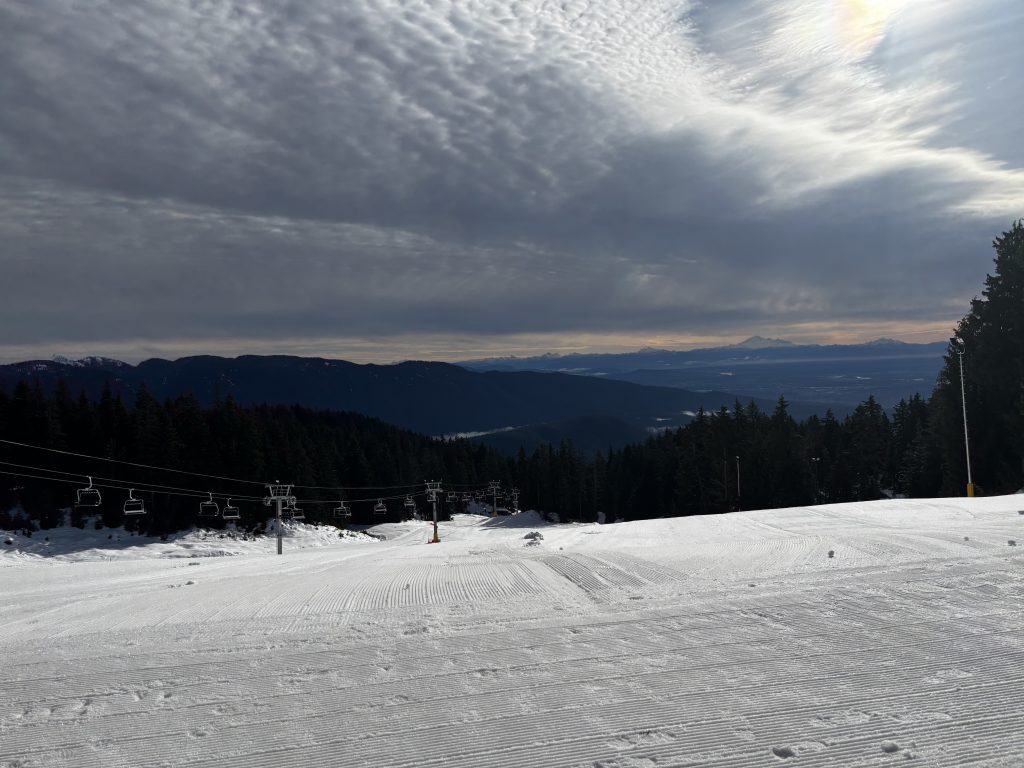
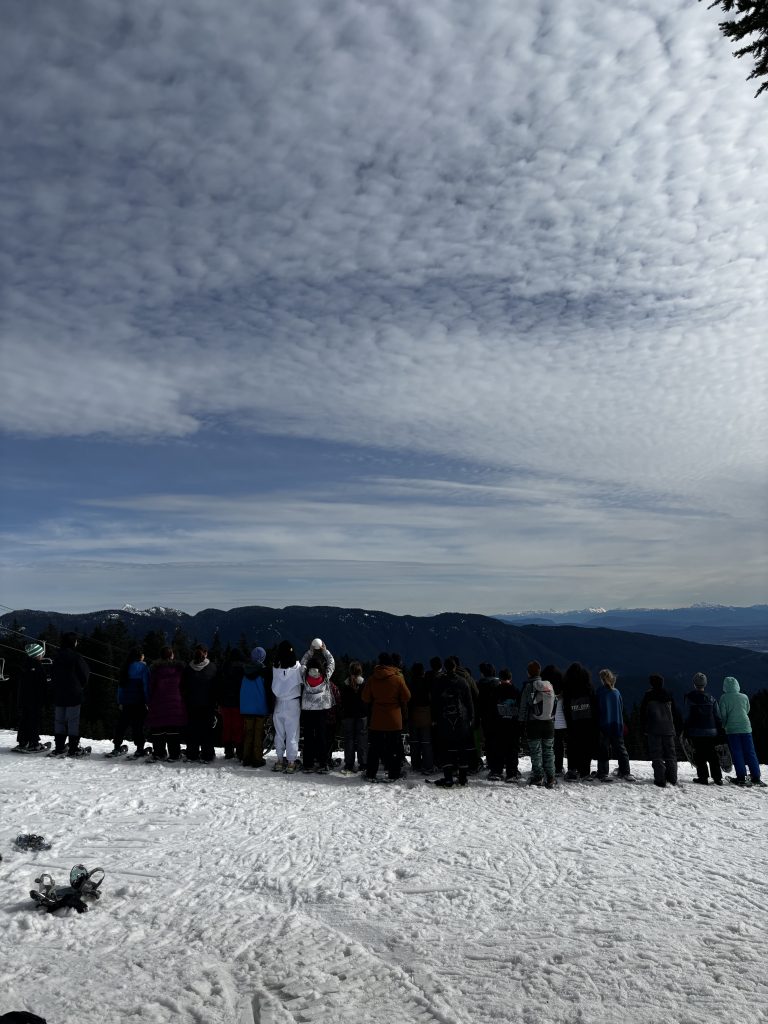
What an incredible day in the mountains! Our Grade 6/7 students from Division 1, 2, and 3 had an unforgettable experience at Mount Seymour, taking part in the Winter Survival Challenge. With clear skies and perfect conditions, the students embraced the adventure, working together to build shelters, snowshoeing through the stunning landscape, and, of course, enjoying some fun in the snow!

It was amazing to see their teamwork, creativity, and problem-solving skills in action as they tackled the survival challenge. Whether constructing sturdy shelters or navigating the trails, they demonstrated resilience and enthusiasm every step of the way.

A huge thank you to our wonderful parent volunteers who helped make this trip possible—we couldn’t have done it without you!

Check out some highlights from our adventure below! ❄️🏔️
Lollipop Sale

| Leave a comment

Dear Parents/Guardians,

We are excited to announce a Lollipop Fundraiser to help support our Grade 7 Camp! Students can purchase 2 lollipops for $2, with all proceeds going toward funding this special experience.

Here are the details:
💰 Cost: $2 for 2 lollipops
📅 Money Collection: Tuesday, February 18 & Wednesday, February 19
🍭 Lollipop Delivery: Tuesday, February 25

If your child would like to participate, please send their money to school on Tuesday or Wednesday of next week.

Thank you for your support in making Grade 7 Camp a memorable experience for our students!
 

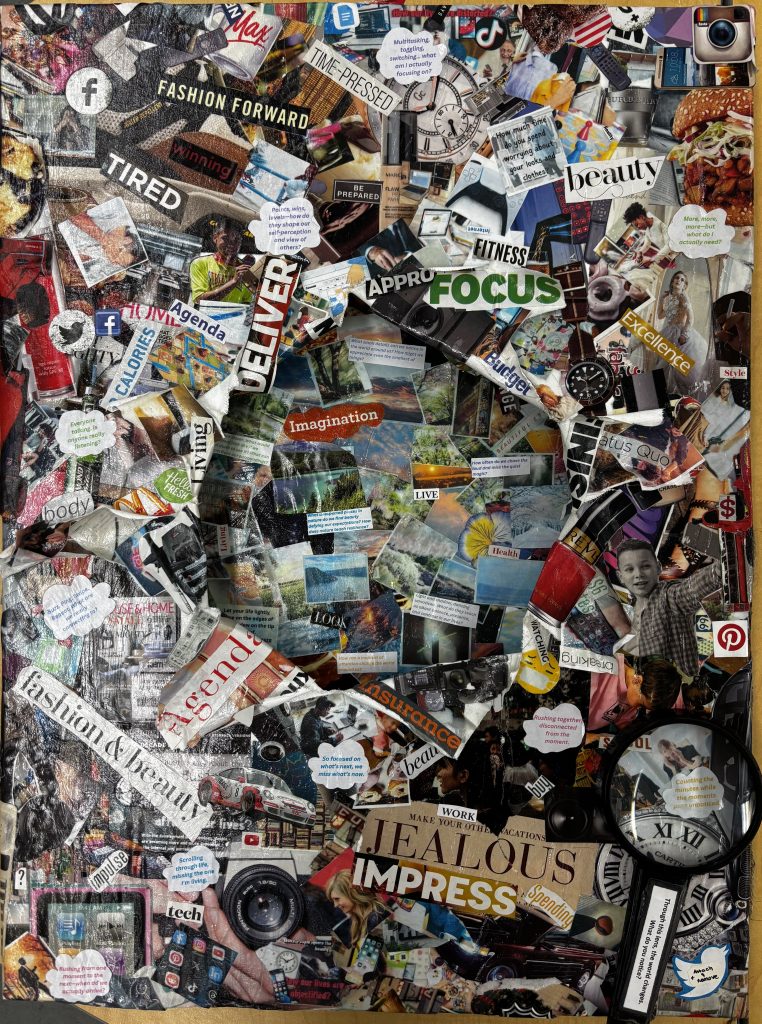
Surrealism is more than an art movement it’s a way of seeing beyond the surface, uncovering deeper truths through dreamlike imagery, unexpected juxtapositions, and symbolic storytelling. This term, students channeled surrealist techniques to explore a variety of themes, creating artwork and narratives that challenge perceptions and spark meaningful conversations.

Art as Metaphor: The Power of the Unconscious

Each piece in our collection weaves together surrealist elements melting landscapes, floating figures, distorted reflections to convey complex ideas and emotions. Through their artist statements, students decoded the meaning behind their work, explaining how visual symbols helped them explore their chosen themes.

Many students incorporated elements of nature, time, and space to express ideas about change, urgency, and the connections between people and the world around them.

Others focused on internal experiences, using dreamlike compositions to represent emotions, transformations, and hidden tensions.

Writing the Unseen: Narrative Reflections

Beyond visual art, students extended their surrealist exploration into storytelling. Their narratives embraced the unexpected characters navigating fragmented realities, dialogues between personified emotions and forces of nature, and plot lines that blurred the boundaries between dream and reality. These surrealist narratives allowed them to voice complex ideas in an imaginative yet impactful way.

The Impact: Seeing the World Differently

Through this project, students not only honed their artistic and literary skills but also deepened their ability to communicate abstract ideas through metaphor and symbolism. By pushing beyond realism, they accessed a space where difficult topics could be explored with nuance and power. Surrealism became their tool for unveiling hidden truths, allowing them and their audience to see the world with fresh eyes.

Their work serves as a reminder that art has the power to make the invisible visible, to challenge perspectives, and to inspire reflection.


Over the past few weeks, students have been diving into the fascinating worlds of electronics, Microbits, and computing. From understanding the role of Microbits in our environment to exploring how circuits power everyday technology, they have been building foundational knowledge that connects science, technology, and innovation.As we move forward, students will take their learning one step further by integrating Microbit technology into their Applied Design, Skills, and Technologies (ADST) projects. Microbits are small, programmable microcontrollers that allow students to experiment with coding and interactive design. By incorporating these tools, students will be able to enhance their sustainable design solutions for their community, applying technology to real-world challenges.


Whether it’s using sensors to monitor environmental conditions, designing automated solutions for conservation, or creating interactive displays to communicate sustainability initiatives, students will have the opportunity to bring their ideas to life in meaningful ways. We’re excited to see how their creativity and problem-solving skills shape the future of sustainable design!


Stay tuned for updates on their innovative projects!


Thank you for preparing and delivering such a fun and engaging escape room challenge today! Division 3 had a fantastic time working through the well-planned activities, and the Bank Heist theme was a big hit.

From solving puzzles and word scrambles to decoding Morse code and playing charades, students had to think critically and collaborate to complete the challenge. The excitement and energy in the room were contagious as teams raced against the clock to crack the final code! The winning group who successfully completed the challenge also enjoyed their well-earned Sweet Prize!

Thank you again for all your creativity and hard work in making this event such a success. We appreciate all the time and effort that went into designing this unforgettable experience!

This past week, our students took on the challenge of designing more sustainable and inclusive communities. Using their knowledge of sustainability, accessibility, and urban planning, they created prototypes that reflect both environmental responsibility and the values of their user personas.

Through hands-on model-building, students explored solutions for:

Sustainable Housing: Energy-efficient homes using renewable materials and smart design.

Accessible Pathways: Safe, well-connected routes for people of all abilities.

Recreation Facilities: Green spaces that promote health, well-being, and biodiversity and energy efficient swimming pools.

Transit & EV Charging: Infrastructure that supports low-carbon transportation.

Retail & Food Systems: Locally sourced goods, food waste reduction initiatives, and integrated community food bank programs to ensure food security while minimizing environmental impact.

Community Spaces & Stewardship: Multi-use areas that reduce waste and promote circular economies, including makerspaces where residents can repair, repurpose, and sell upcycled products. These spaces also foster community engagement, allowing people to track and celebrate progress toward environmental goals.

Each project was guided by a unique user persona, encouraging students to think deeply about how design choices impact real people’s lives. Their creativity and problem-solving skills were on full display as they built models that prioritize environmental sustainability, inclusivity, and community needs.

Check out the incredible student work below!

Through this process, students gained hands-on experience in sustainable design thinking which is an important step in shaping the cities of tomorrow. What features would you love to see in a more sustainable and inclusive community? Let us know in the comments!

Today, students were treated to a mesmerizing experience at the Michael J. Fox Theatre in Burnaby with the iLumiDance performance by Rainbow Dance Theatre. This interactive show captivated young audiences with the enchanting fusion of dance and technology, showcasing three stunning performances featuring electronic costumes, props, and puppets.

The innovative use of light wire technology not only highlighted the artistry of professional dance but also sparked excitement about the STEM components behind it. Students learned how the dance artists employ the engineering design process to create wearable electronic costumes and interactive puppets, blending creativity with technical skills.

One of the highlights of the performance was the opportunity for students to engage in hands-on demonstrations. Selected students were invited to the stage to collaborate and create their own “ilumidance” alongside a five-foot-tall light wire puppet. This interactive element allowed them to experience firsthand how engineering design and coding play essential roles in the world of dance.

As the performance wrapped up, students left with smiles and newfound inspiration, eager to explore the connections between art and technology. A huge thank you to Rainbow Dance Theatre for this unforgettable event and to the organizers for making it possible. We look forward to seeing how today’s experience inspires the next generation of creators and innovators!


Today, students enjoyed a hands-on fused glass workshop with Debbie Hungle, a talented mosaic glass artist from North Vancouver. Known for her bold, colorful designs, Debbie brought her expertise and enthusiasm to guide students in creating their own unique glass artworks.

Students began by selecting from Debbie’s templates or designing their own patterns. They were encouraged to think about color, texture, and how to section their designs for balance. Using pre-cut pieces of vibrant glass and nippers for smaller adjustments, they carefully arranged their creations on a base, exploring layering and composition.

Debbie provided guidance and shared tips throughout the process, fostering creativity and confidence. Once all the designs were complete, she collected them for firing in her studio kiln. The intense heat will fuse the pieces into polished works of art, which Debbie will return to us next week.

The workshop was a fun and inspiring experience for everyone, sparking creativity and excitement. Students are eagerly looking forward to seeing their finished creations after they’re fused! A big thank-you to Debbie Hungle for making the day so memorable. Stay tuned for the big reveal next week!

Div 3 Class Blog ©2026. All Rights Reserved.
Powered by WordPress. Theme by Phoenix Web Solutions