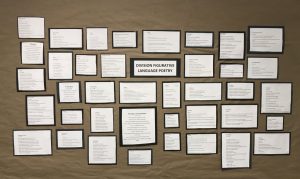
This past week we have been learning about figurative language and poetic devices. If you would like to have a closer look all poetry has been uploaded to our Spaces accounts.
This past week we have been learning about figurative language and poetic devices. If you would like to have a closer look all poetry has been uploaded to our Spaces accounts.
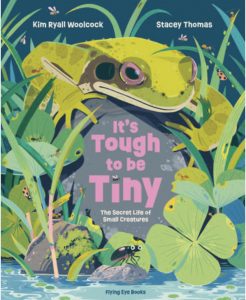
Today for World Read Aloud Day we had a special presentation of It’s Tough to be Tiny by Author Kim Ryall Woolcock.
During our Zoom call with Ms. Woolcock she shared her book with us, which is all about the superpowers of some of the smallest creatures living on planet Earth. We were all surprised that sometimes authors need to do 10-20 edits before their work is published. It’s not a short process and in some cases it can take a few years from the time you start writing to get your work published. She reminded students that writing is often a messy process at the start and it takes time and patience to create something great. These are all great tips that will help us as we begin our own narratives in the coming weeks.
https://share.icloud.com/photos/0d5DTy3Mc_sPIHJYBqvrIhkHA
https://share.icloud.com/photos/076G0pCNZEMcmhOAdIYDbndRA
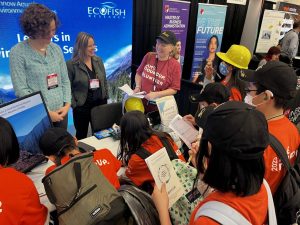
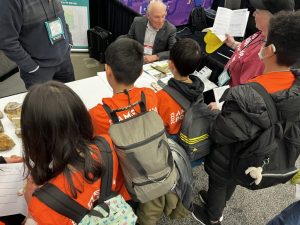
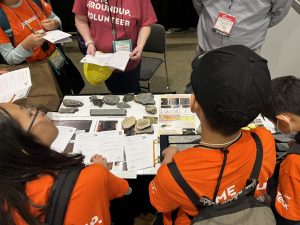
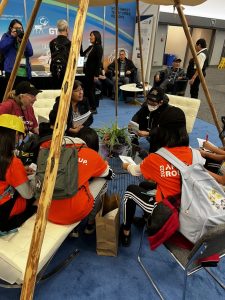
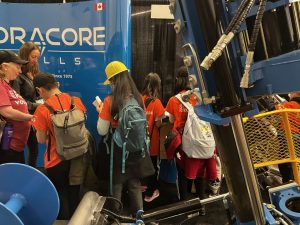
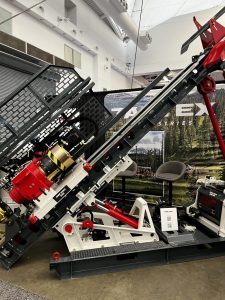
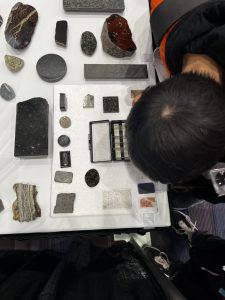
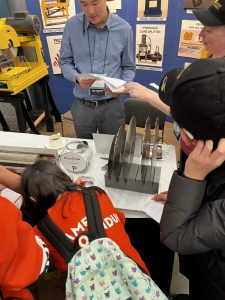
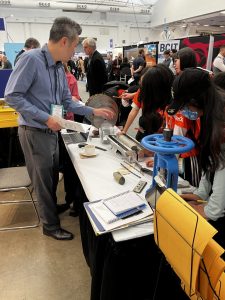
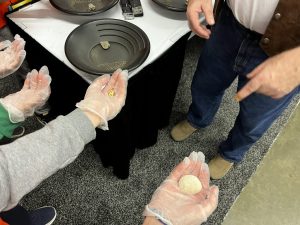
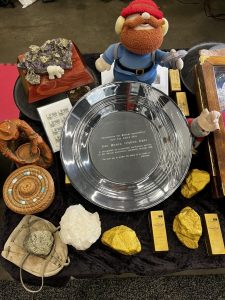
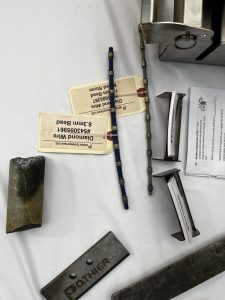
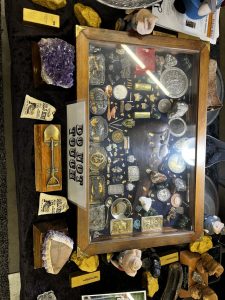
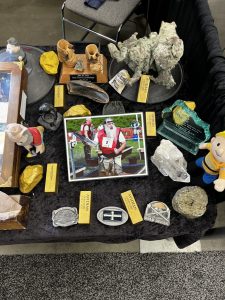
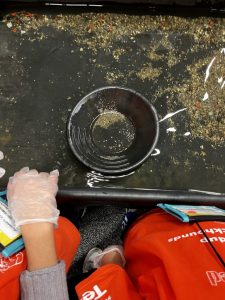
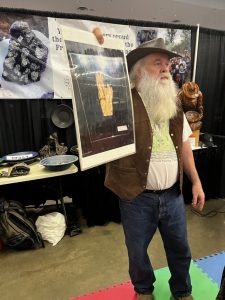
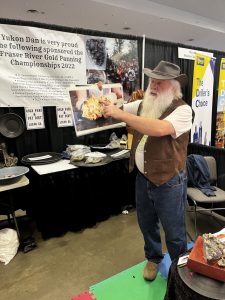
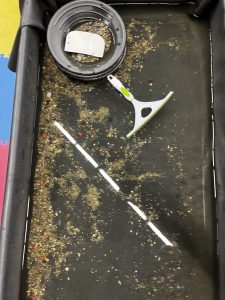
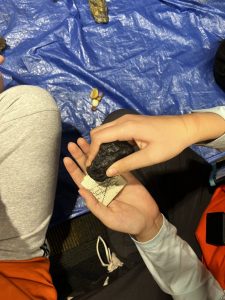
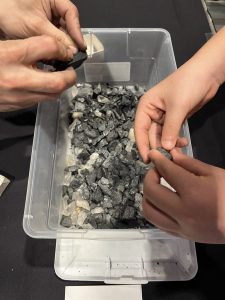
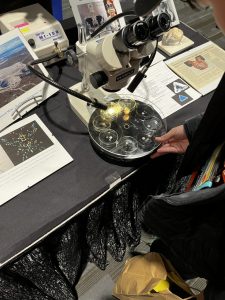
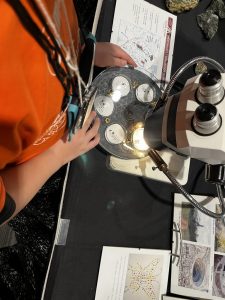
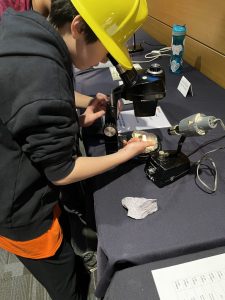
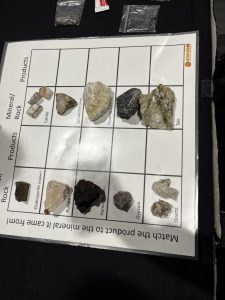
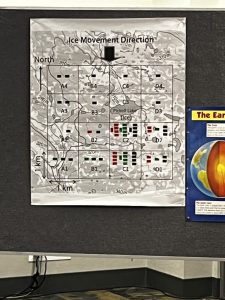
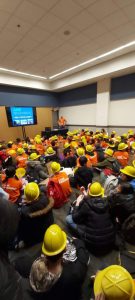
Students from Division 3 and 5 had a fun filled day at the Vancouver Convention Centre as we wrapped up our MineralsEd Rockhounds program. Throughout the day they learned more about geology, minerals, new technologies, and careers in mineral exploration and mining. They learned more about how Canada’s critical Minerals are used and why they are important to the global economy. They also had the opportunity to pan for gold with Yukon Dan and learned how geologist determine the location of mineral resources based on ice movements.
Thanks again #MineralsEd for this opportunity. We had a great time and learned so much.
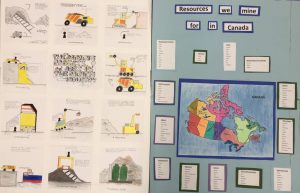
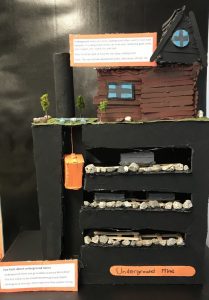
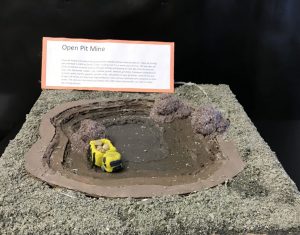
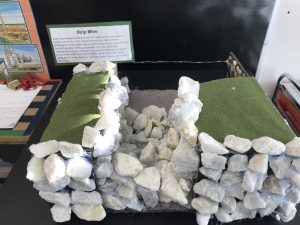
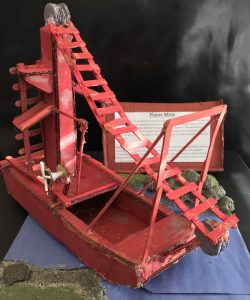
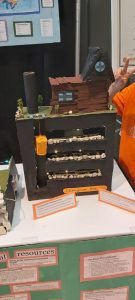
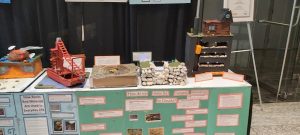
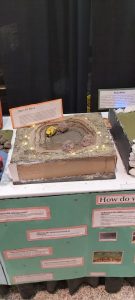
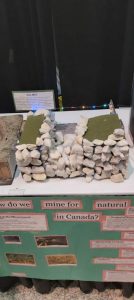
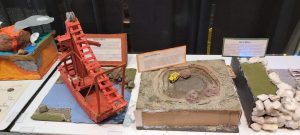
Students have been learning about the mining process and about different types of mines. Their work and models of open pit, placer, strip and underground mines along with their oversized visuals outlining the mining process and resources we mine for in Canada will be on display this week at the Vancouver Convention Centre for AME Roundup which is the premier gathering place for thousands of geoscientists, prospectors, financiers, investors, suppliers, governments and Indigenous partners to engage, share knowledge, and look at opportunities and challenges shaping the mining industry.
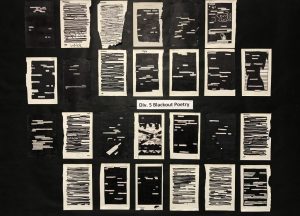
This term we have also been learning to write our own poetry. For this lesson students learned about blackout poetry and created their own poems from pages obtained from a novel that was going to be recycled. Blackout poetry is when you take a written piece of text from a book, newspaper, or magazine and redact words, in order to come up with your very own poetry. Don’t forget to read your child’s blackout poetry in their digital portfolio.
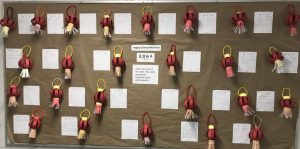
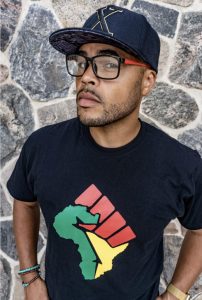
Today for Young People’s Concert students had the opportunity to see D.O. Gibson’s show “Black Canadian 365”.
D.O. Gibson is a Guinness World Record setting rapper, published author and University graduate that has been inspiring hundreds of thousands of youth since 2001. He set a Guinness World Record for longest freestyle rap by rapping for 8 hours and 45 minutes. Gibson has performed at over 3000 schools. He’s toured Canada, US, Asia, Europe and had ten videos play on Much Music including one where Drake made a cameo. Gibson’s school program has been featured on CTV’s Etalk, Toronto Star, CBC, and in 2021 he guest co-hosted Entertainment Tonight Online.
The show was excellent and students really enjoyed the performance.
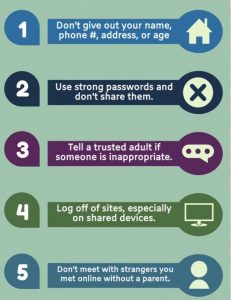
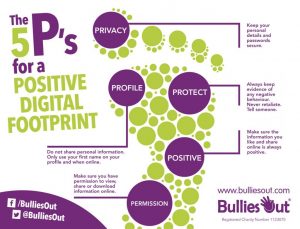
Recently students from Division 5 and 3 had a presentation from ERASE BC about online safety. They learned about good digital citizenship practises and how to keep themselves safe online.
PRIME & COMPOSITE NUMBERS
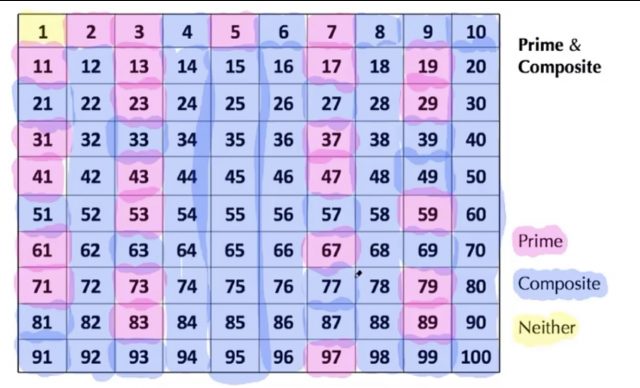
In class, we learned how to determine if a number is prime or composite. Prime Numbers have only 2 factors whereas composite numbers have many. All even numbers are composite except the number 2. The number 2 is the only even number that is prime because it only has two factors 1 and itself (2). The number 1 is neither prime or composite where it’s only factor is 1.
To determine if an odd number is prime or composite we learned to apply the divisibility rule for 3. If the sum of the digits is divisible by 3 then the number is composite. If the sum is not divisible by 3 the number is prime.
Example: 27 (composite) 18001 (prime)
2 + 7 = 9 – is divisible by 3 1 + 8 + 0 + 0 + 1 = 10 – is not divisible by 3
LOWEST COMMON MULTIPLE (LCM) & GREATEST COMMON FACTOR (GCF)
In class we’ve also been learning how to identify the Lowest Common Multiple (LCM) and Greatest Common Factor (GCF) of two numbers.
Example:
4 and 36
4: 4, 8, 12, 16, 20, 24, 28, 32, 36
36: 36, 72, 98
LCM = 36
Factors of 4: 1, 2, 4
Factors of 36: 1, 2, 4, 6, 9, 18, 36
GCF= 4
Div 3 Class Blog ©2026. All Rights Reserved.
Powered by WordPress.
Theme by Phoenix Web Solutions