
Prev
Next
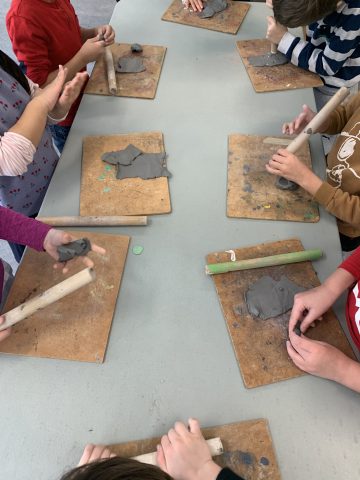
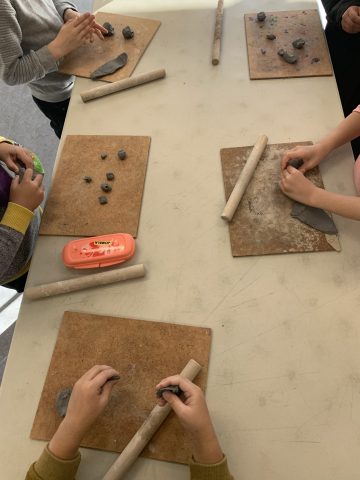
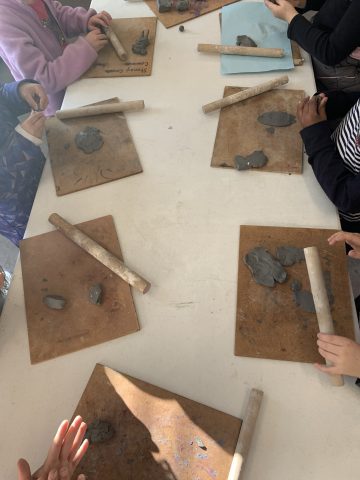
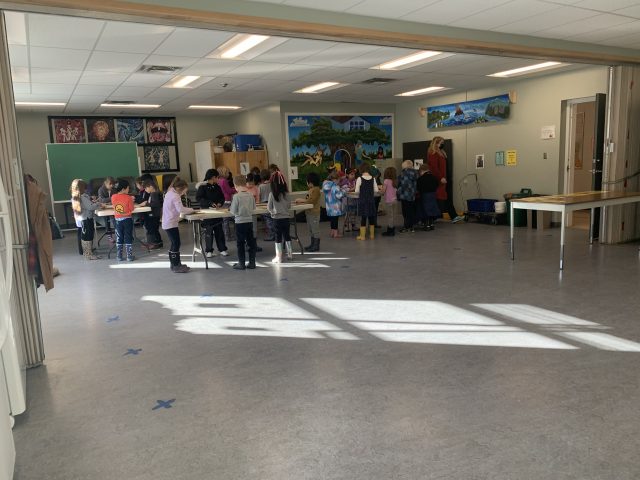
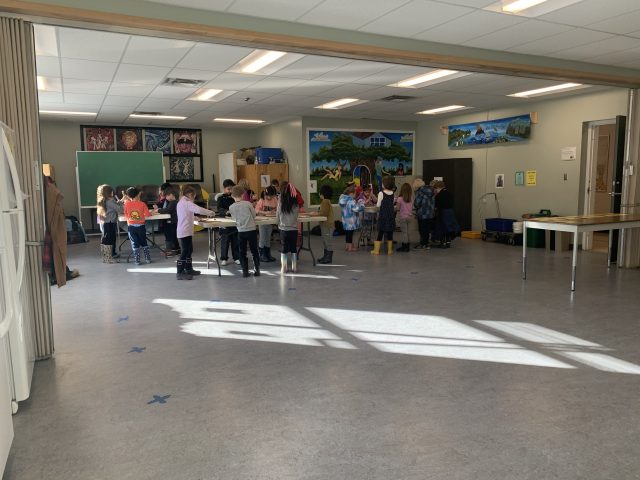
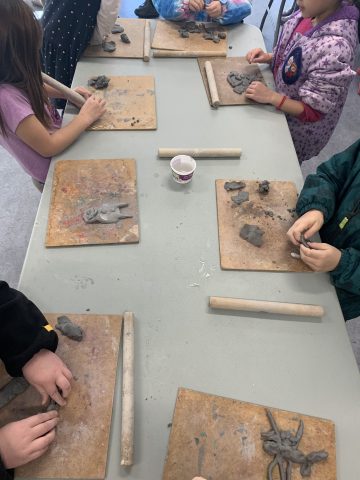
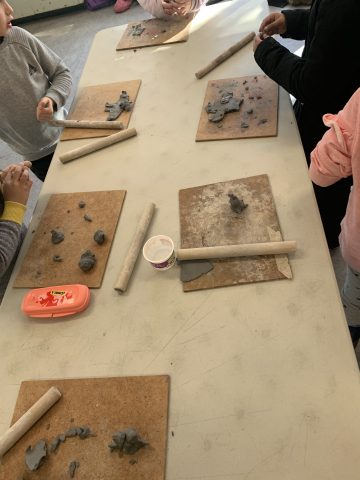
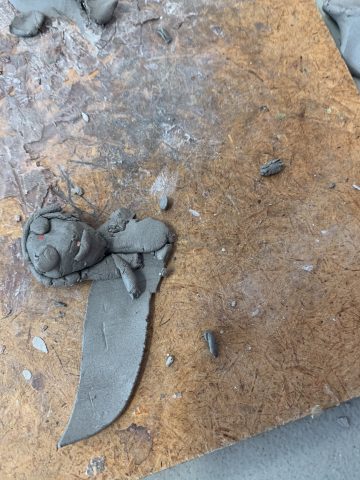
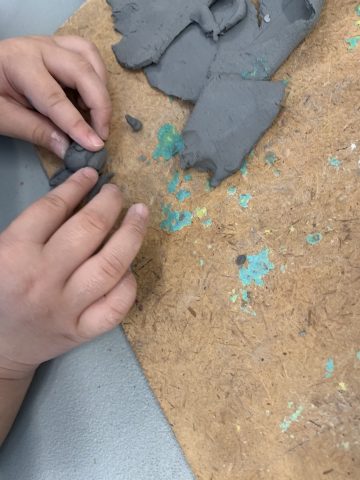
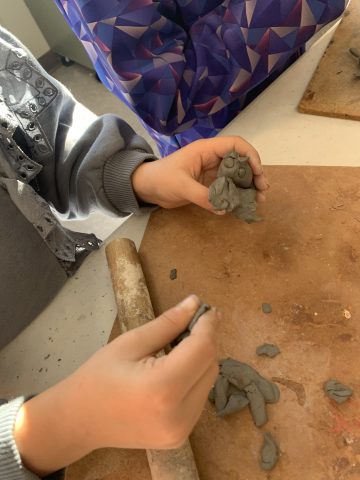
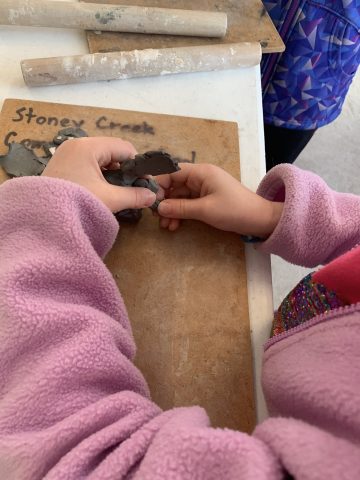
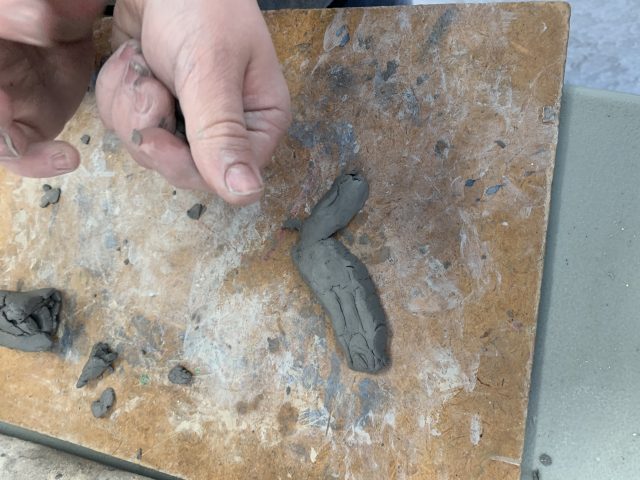
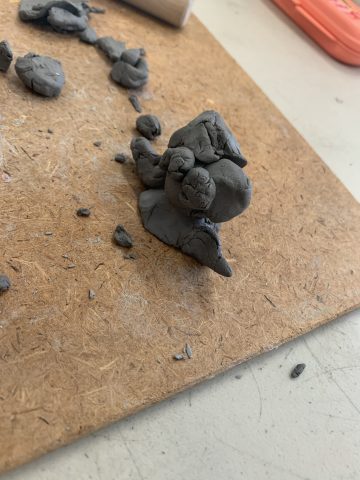
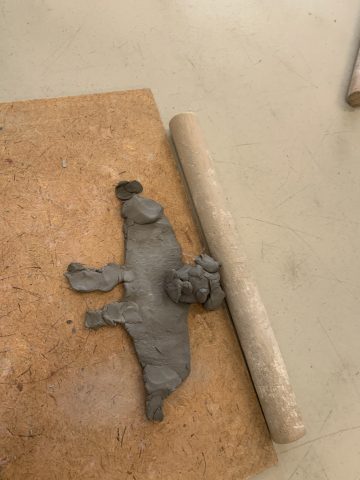
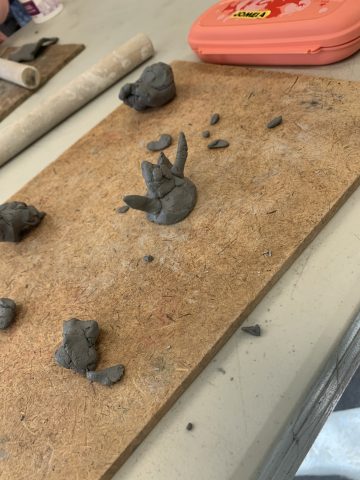
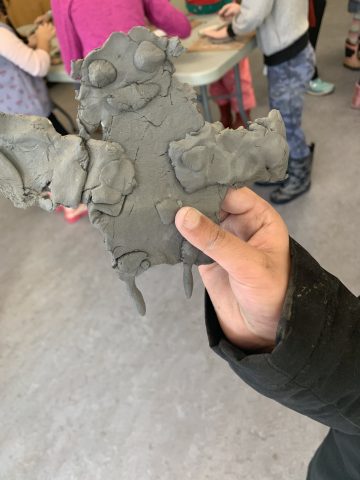
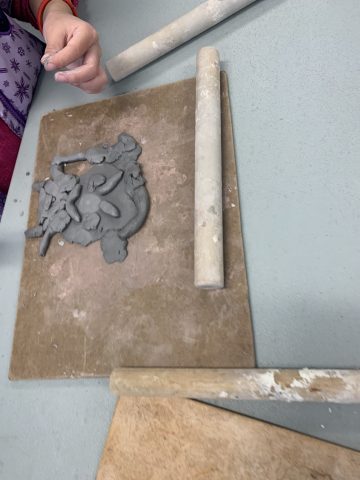
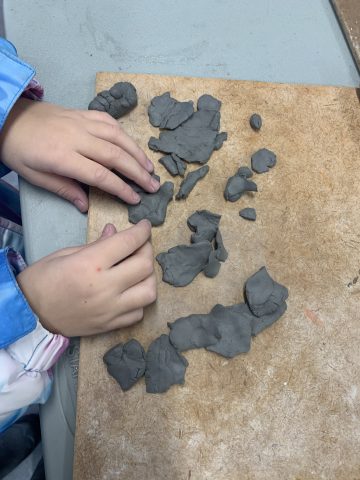
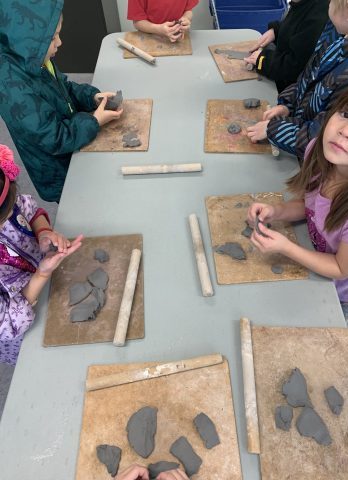
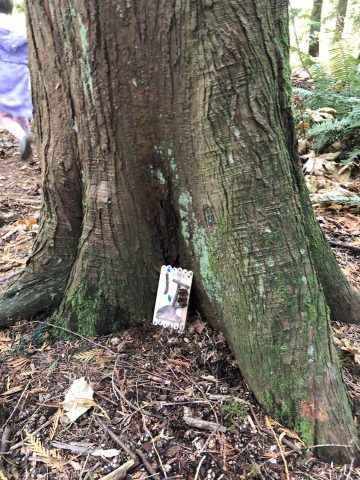
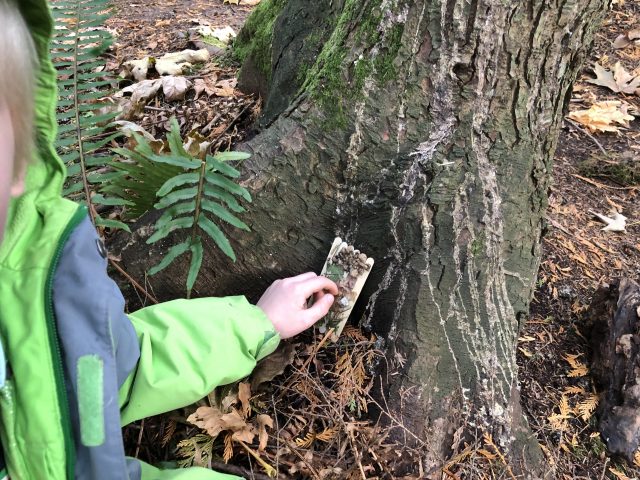
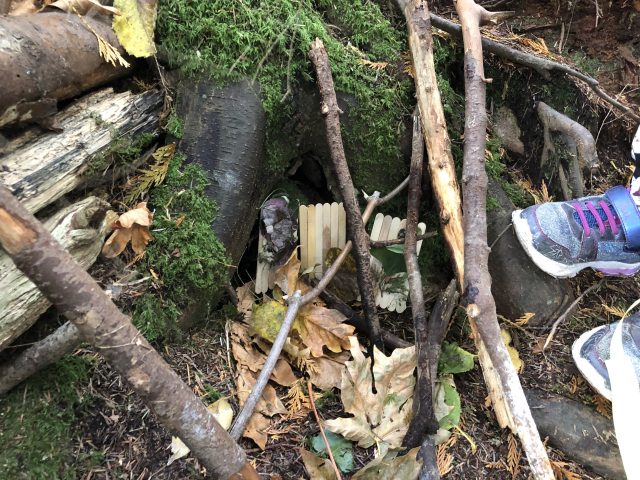
We had lots of fun getting our hands dirty with clay to make fairies. After we were done we took our fairies to the forest to come alive. I wonder whose door they went in?

|
You are using an insecure version of your web browser. Please update your browser!
Using an outdated browser makes your computer unsafe. For a safer, faster, more enjoyable user experience, please update your browser today or try a newer browser.
|
We had lots of fun getting our hands dirty with clay to make fairies. After we were done we took our fairies to the forest to come alive. I wonder whose door they went in?
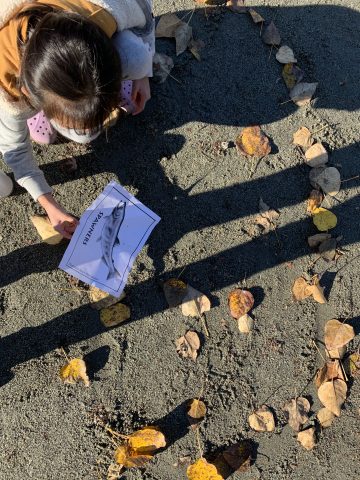
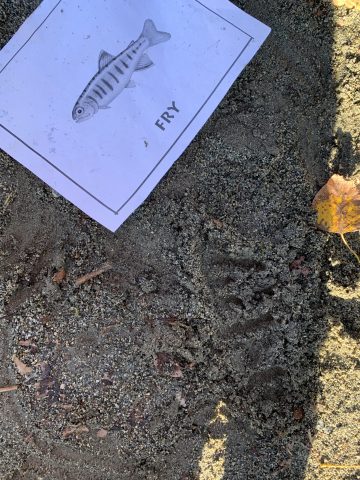
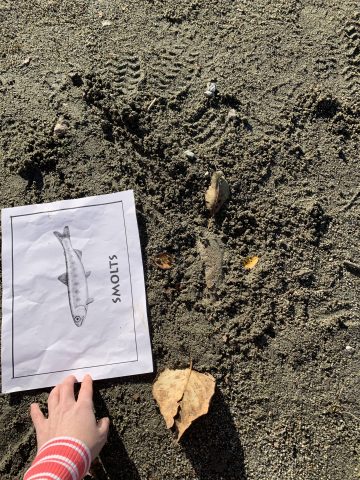
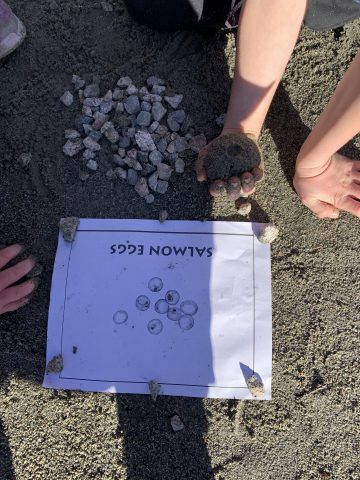
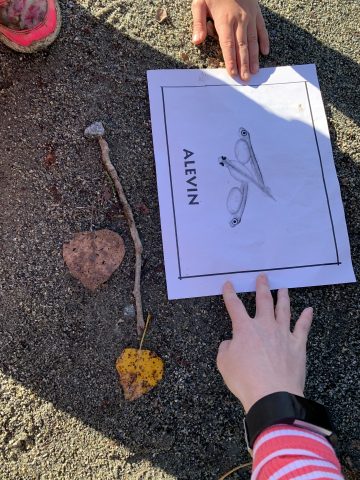
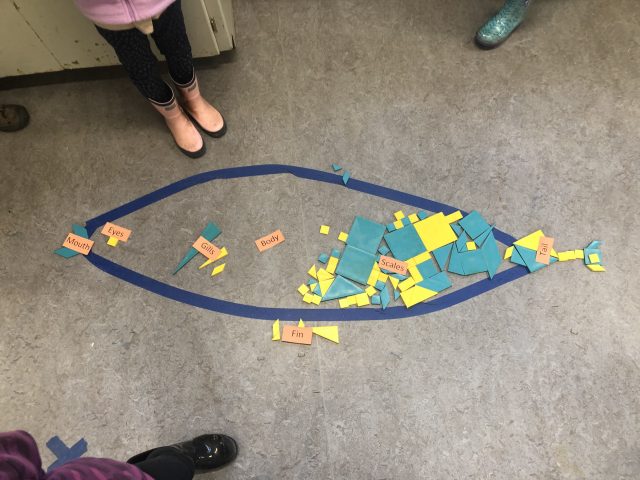
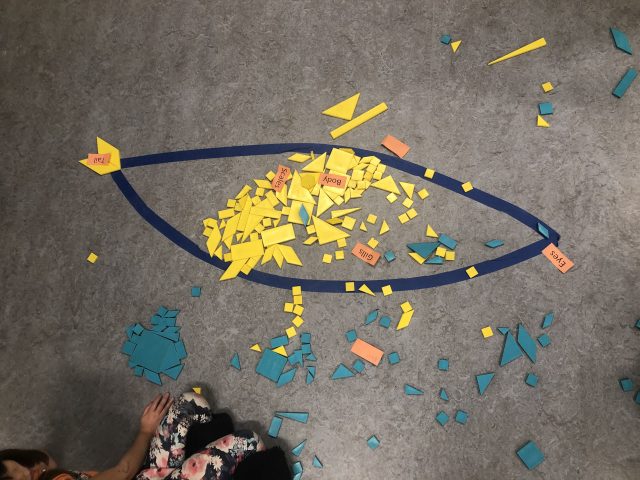
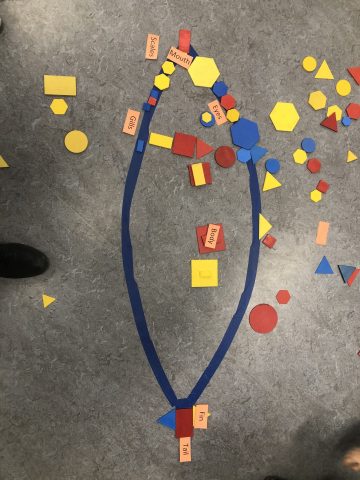
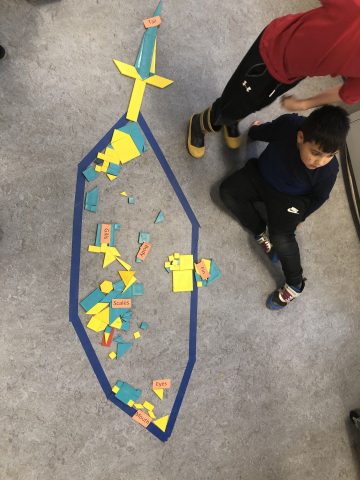
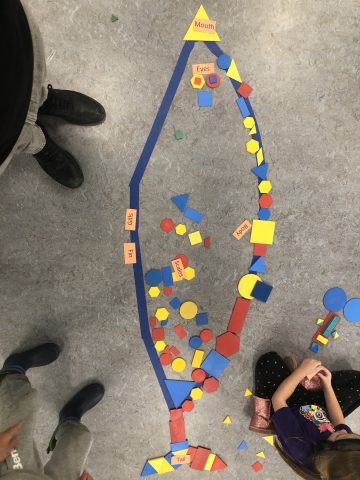
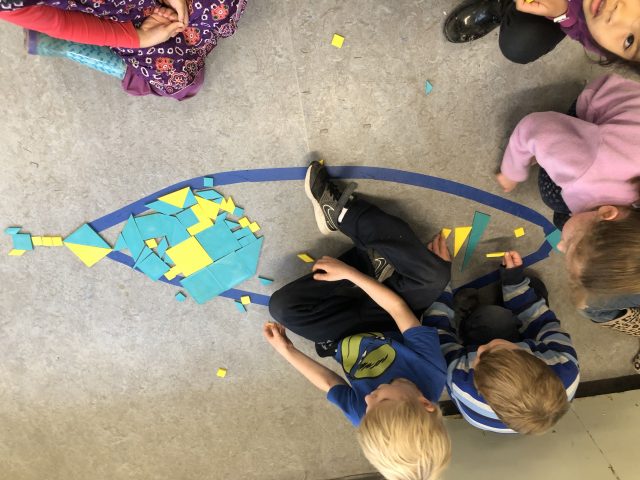
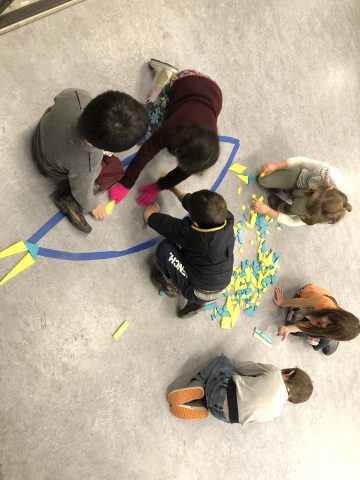
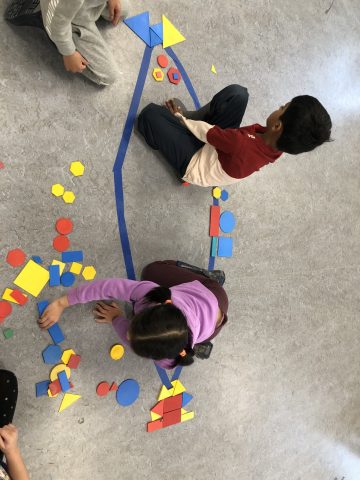
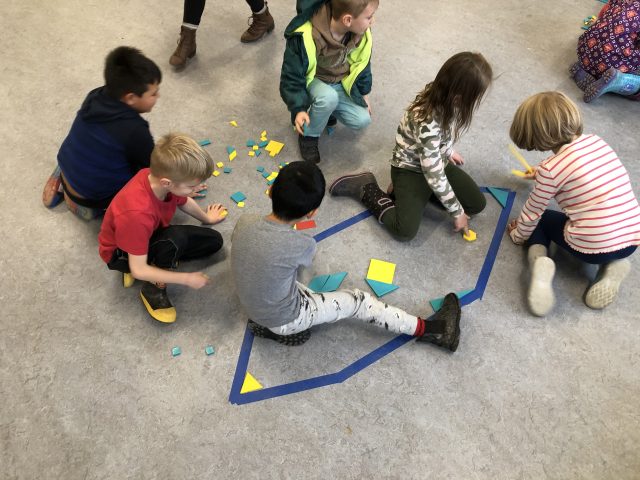
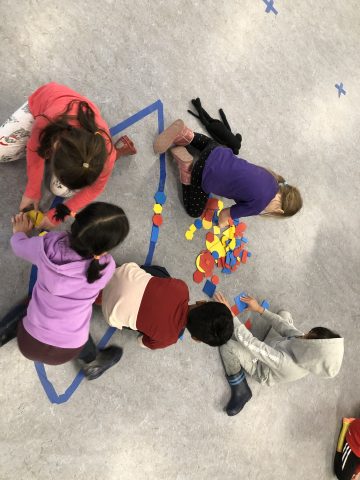
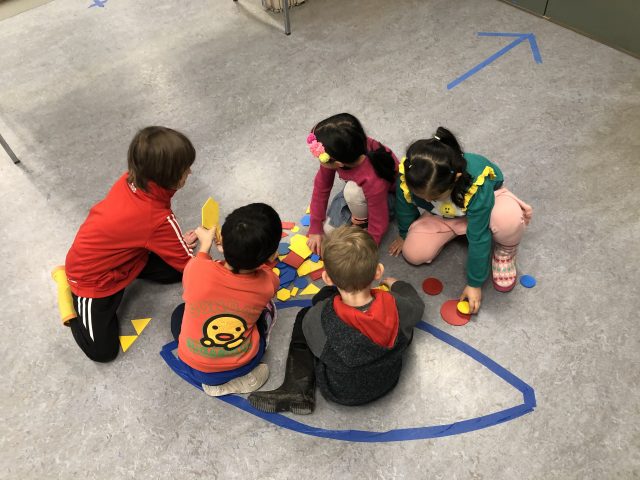
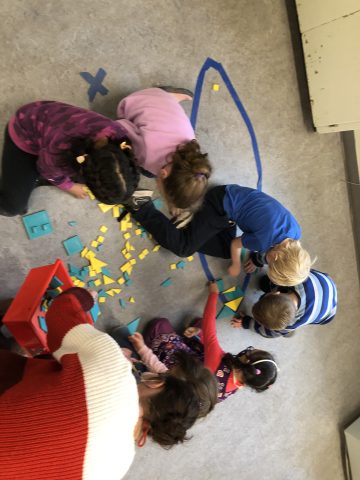
As salmon have been making their way back up the Stoney Creek, we have been learning about the salmon life cycle and parts of a salmon. I wonder where our inquiry will lead us next?
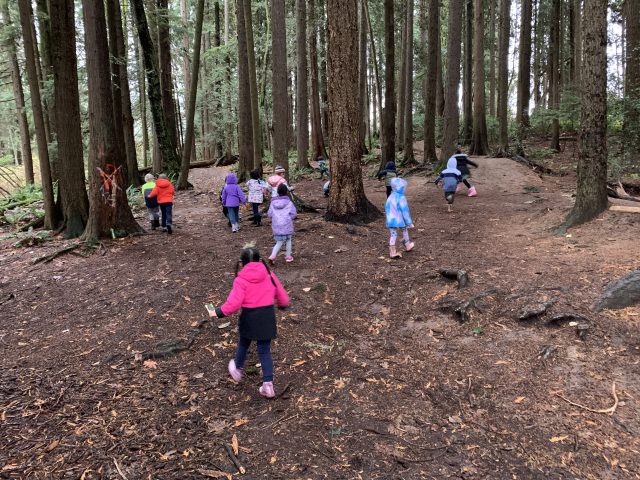
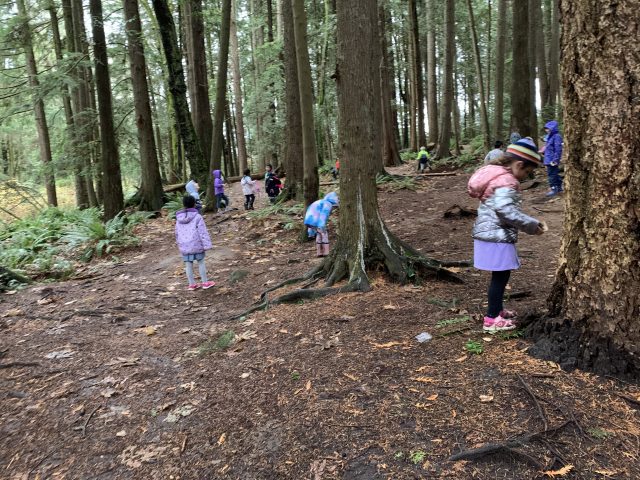
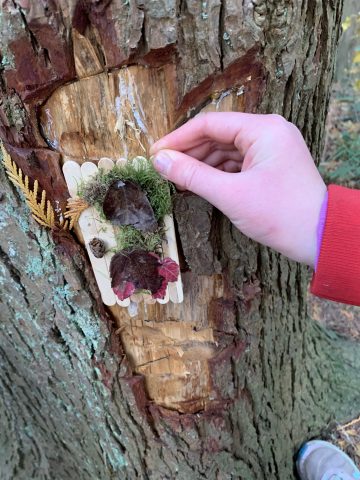
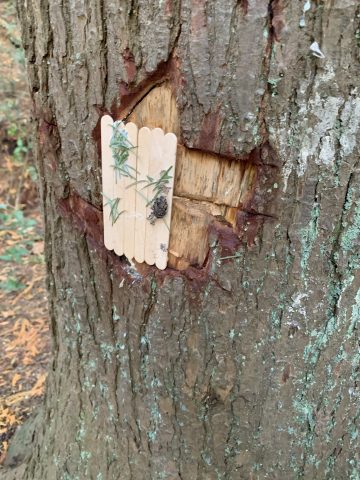
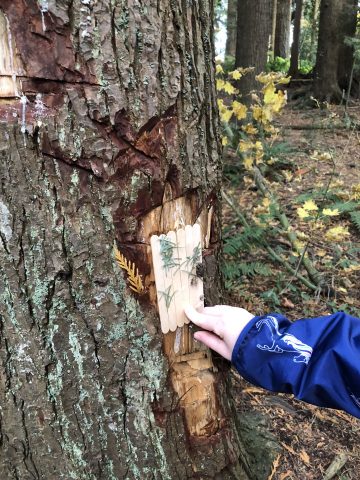
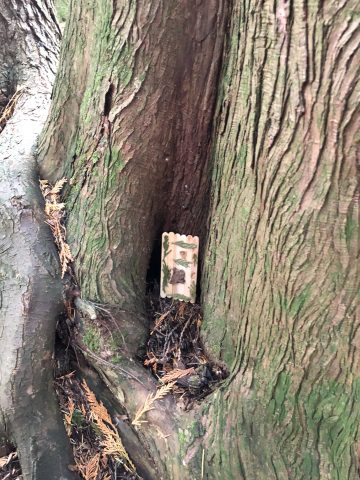
Fairies are sneaky and hardly ever seen by people. Division 11 and 12 have been imagining, planning, and building fairy doors in the forest to help the fairies travel to new lands! Behind each door is a wonderful place imagined by a wonderful child.
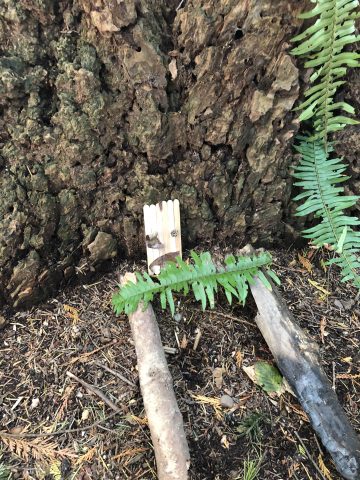
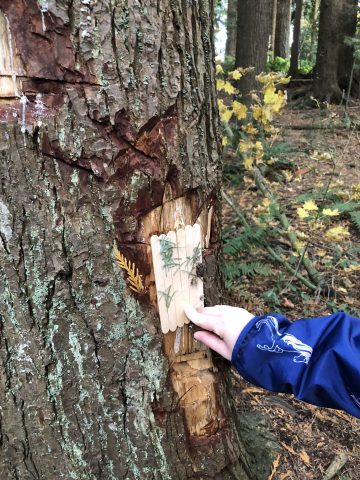
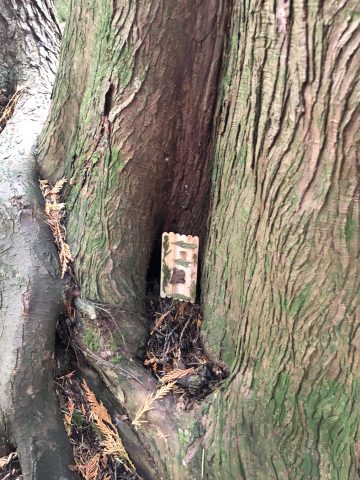
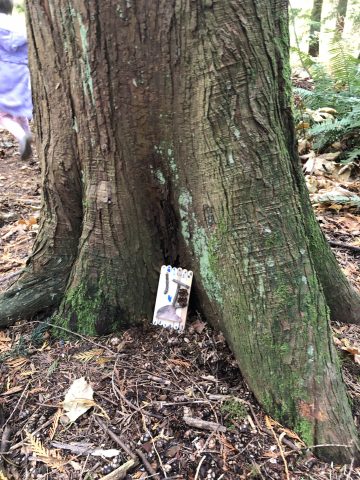
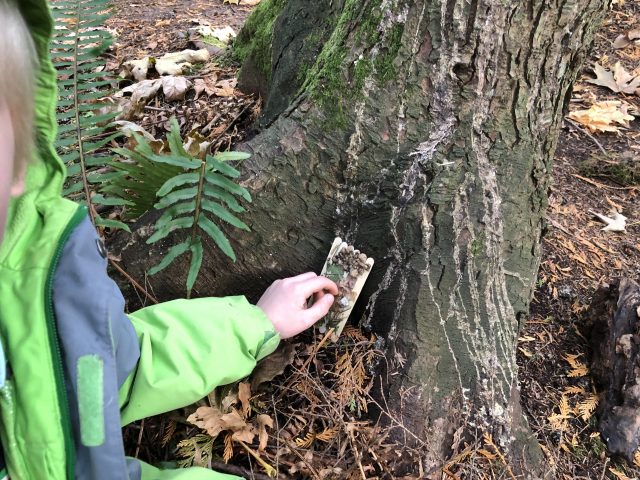
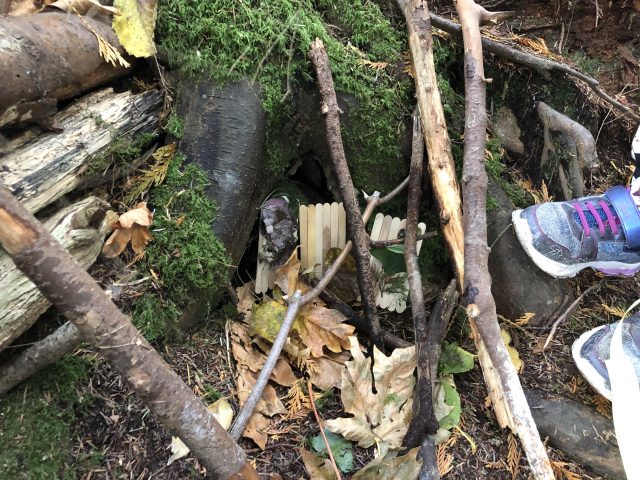
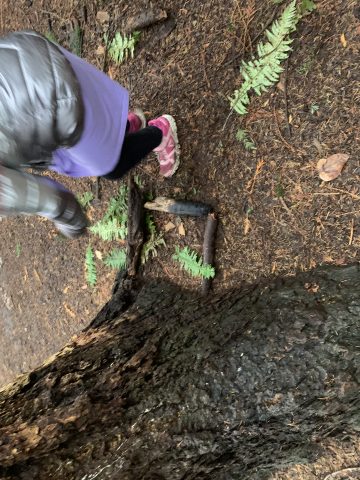
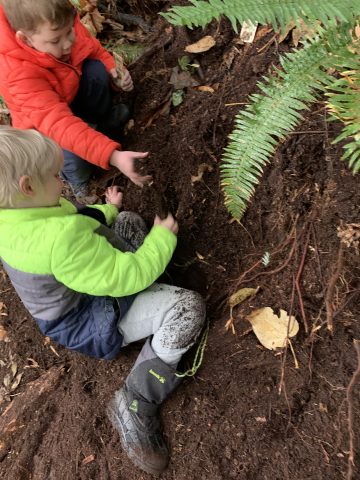
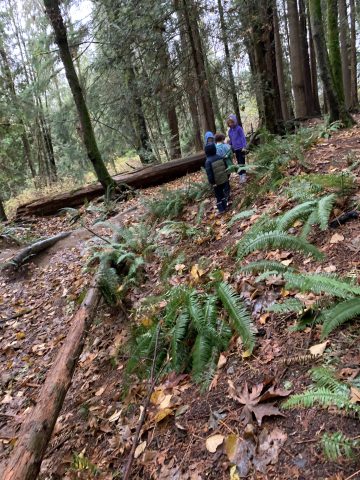
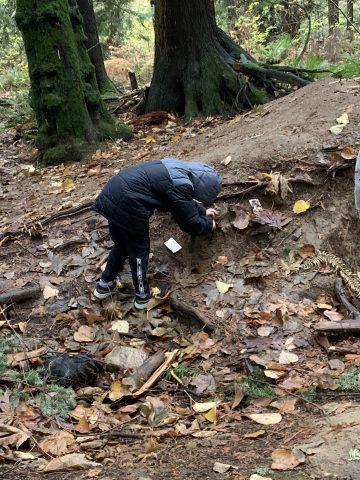
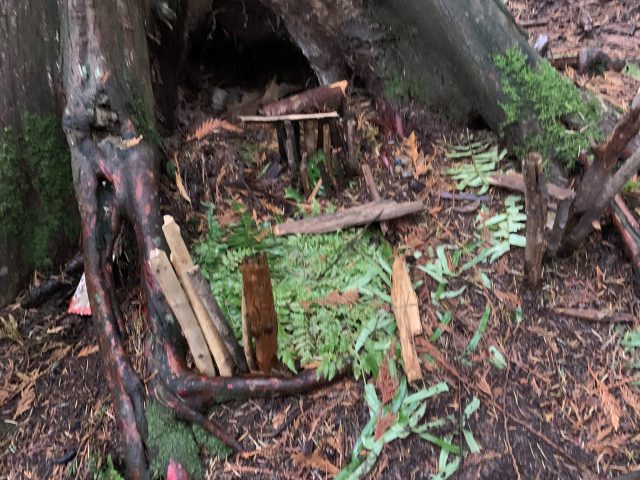
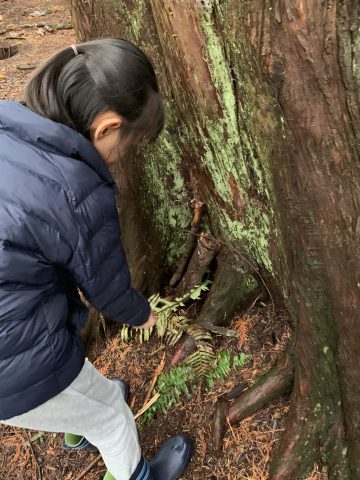
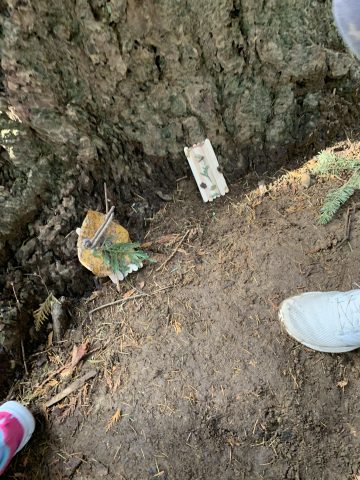
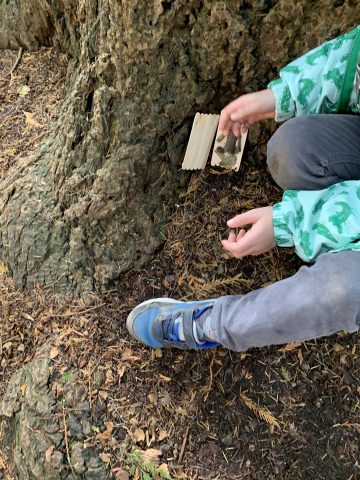
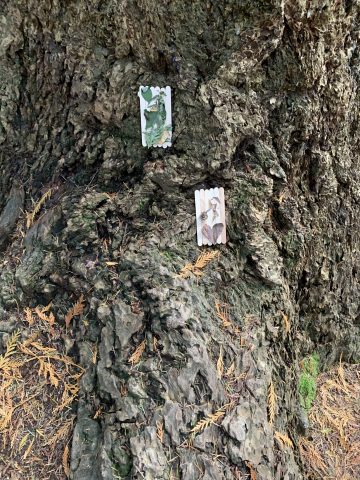
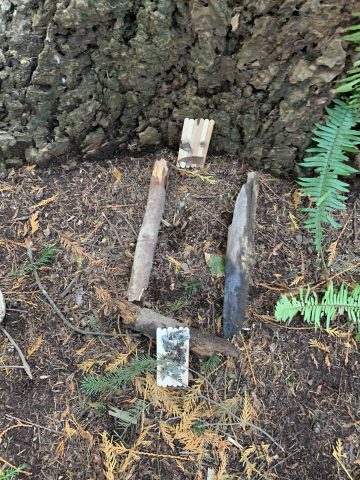
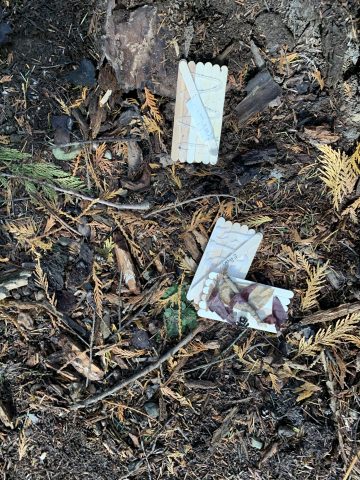
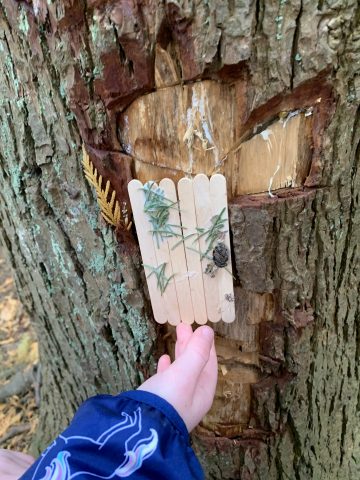
What story lies behind your door?
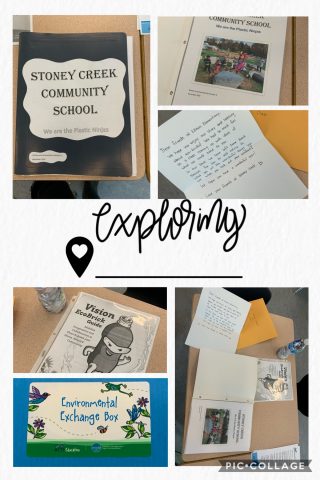
This year we were lucky to participate in an environmental exchange box. Our class chose to share our story of plastic ninjas! Inside our box we have included a story book made by Division 11, an Eco-brick and an information package explaining what eco-bricks are.
We hope our exchange school is inspired by our learning thus far!
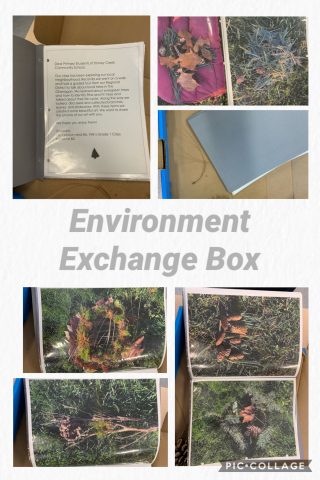
Our Exchange school sent us beautiful pictures of art they made outside using natural materials. We are going to use these pictures as story mats to create nature stories. I cannot wait to hear the stories the students create using their imagination!
We learned a new word while outside with Ms. Taylor-Gibbs, INFERRING or INFRENCING!
Ms. Taylor-Gibbs read us a story called “A Salmon for Simon”, we were using our brains to think and to infer how Simon was feeling throughout the story.
Marina also participated in making an acknowledgement before our learning. She recognized her ancestors who are from Russia, as most of our families are settlers to this land, and she recognized and thanked the land we live, learn and play on to the xʷməθkʷəy̓əm (Musqueam), Sḵwx̱wú7mesh (Squamish), and Sel̓íl̓witulh (Tsleil-Waututh) Territory. Well Done Marina!
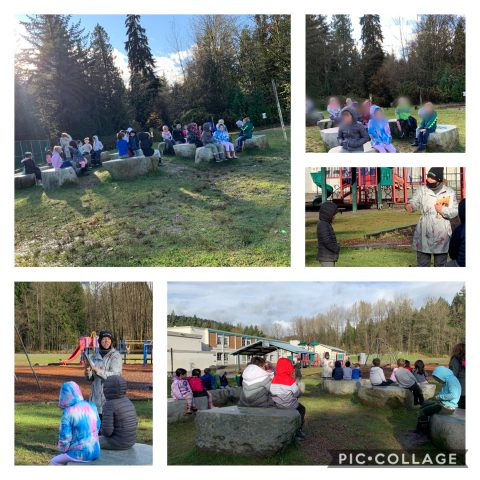
We also learned Stoney Creek was formerly known to be a habitat for 5 different kinds of salmon: Chum, Sockeye, Coho, Pink, and Chinook. Now only 2 species of salmon come up to Stoney Creek: Chum and Coho.
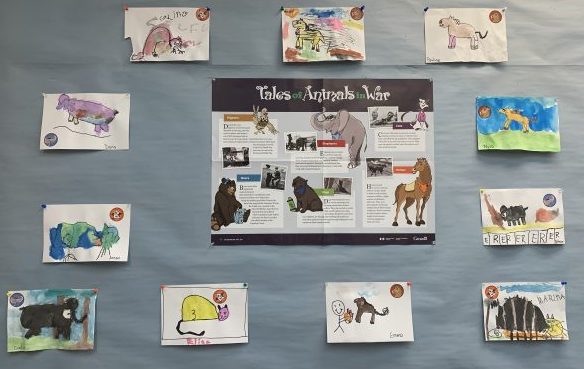
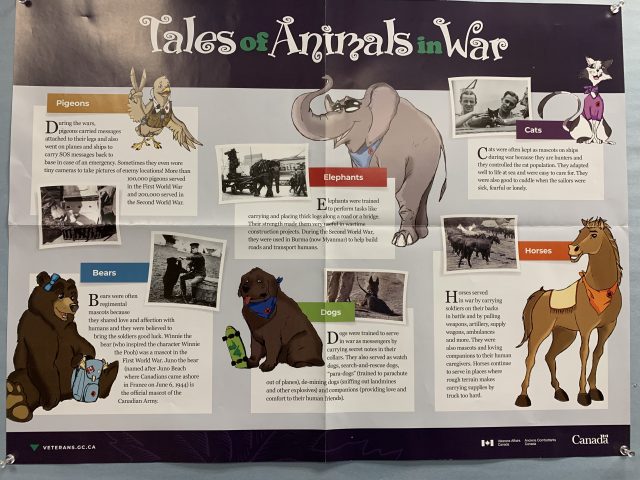
For Remembrance Day we learned how some animals were helpful during the war. And we chose one animal from this list to draw and paint.
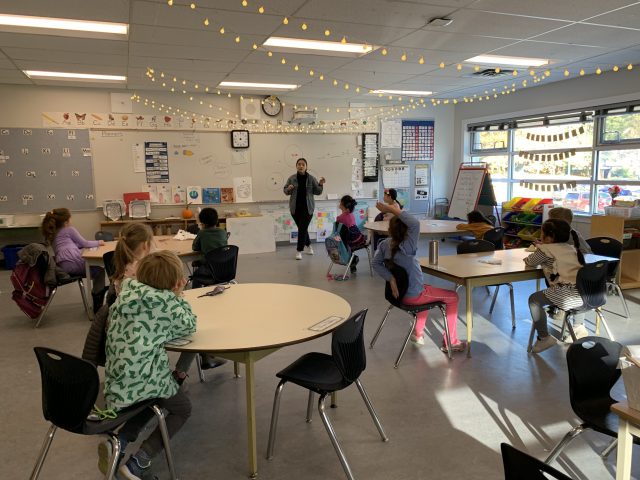
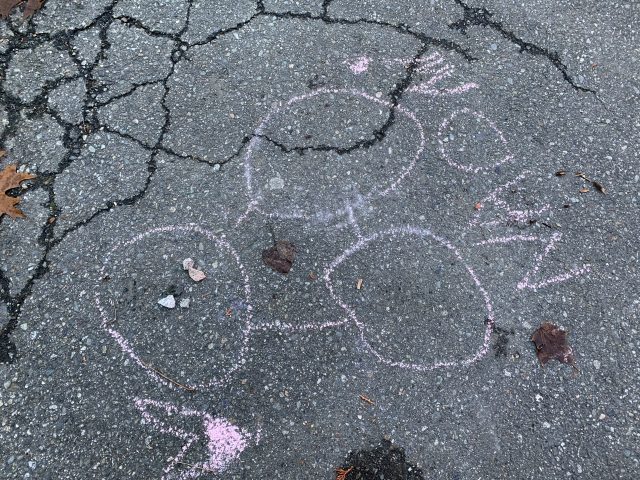
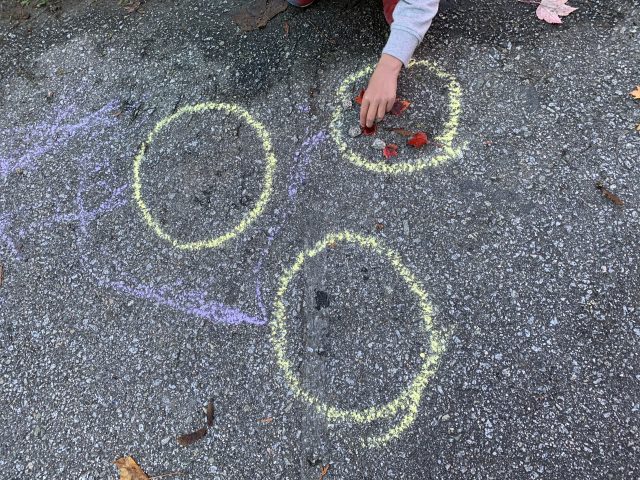
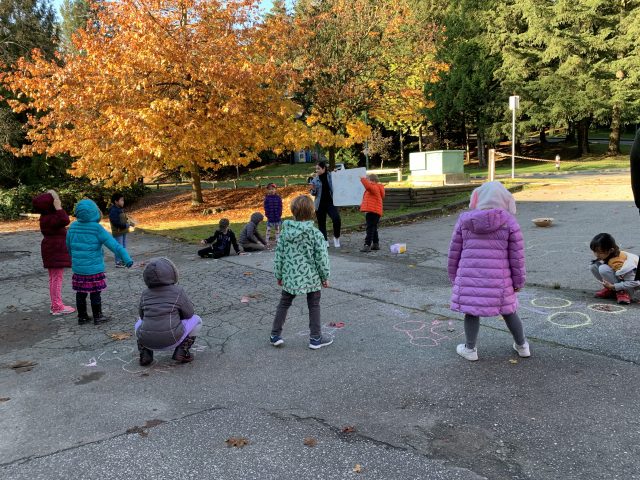
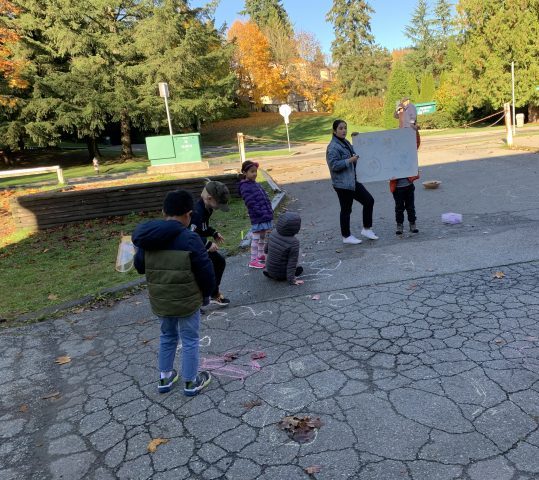
Ms. Lister created a fun hands on activity for the class to learn about math. We used natural materials we could find outside to explore different ways of making 5. This was great practice for addition and subtraction and I cannot wait to continue to challenge our young learners in ways to make 10.
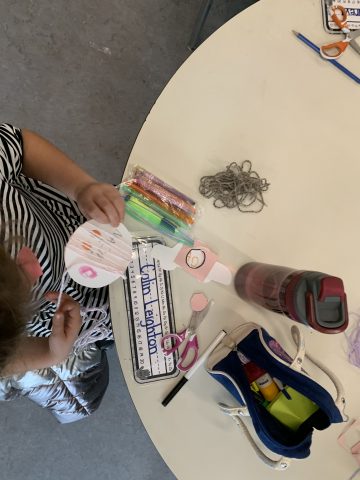
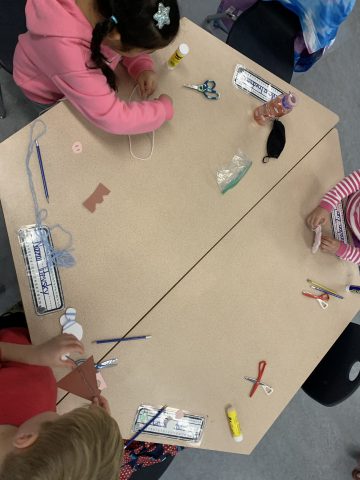
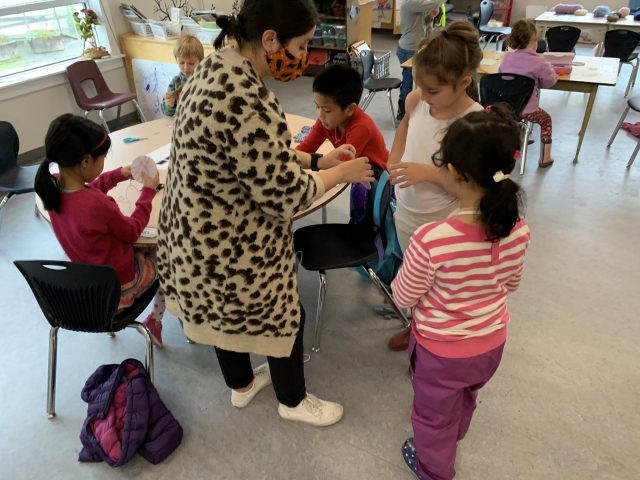
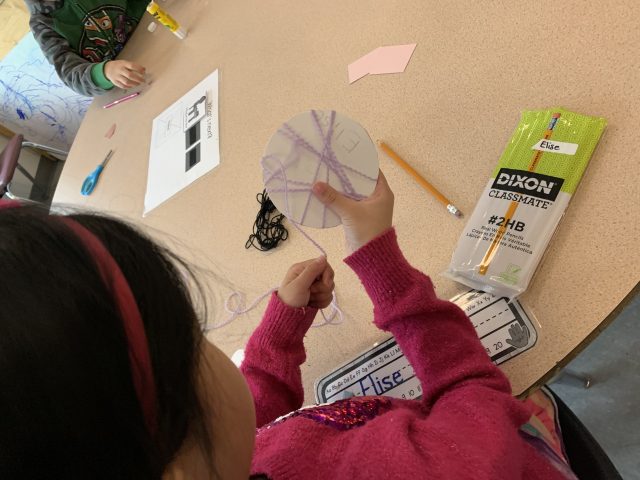
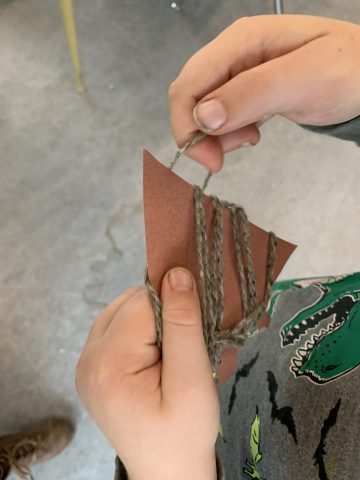
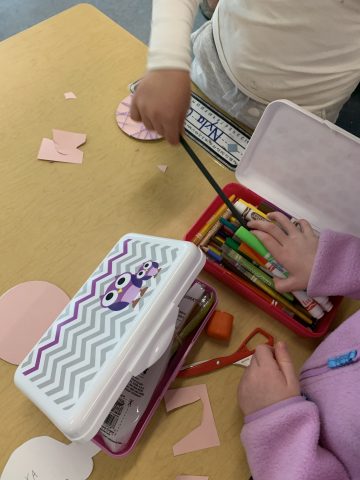
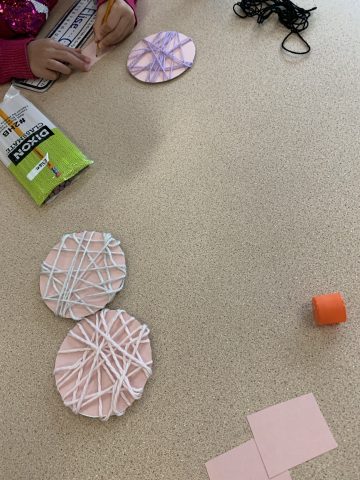
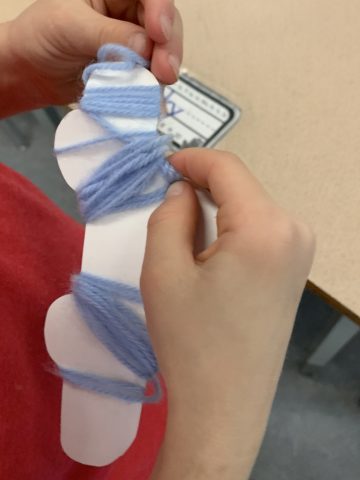
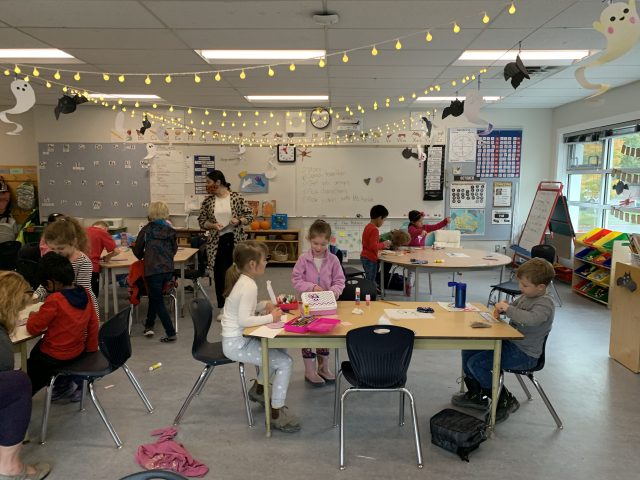
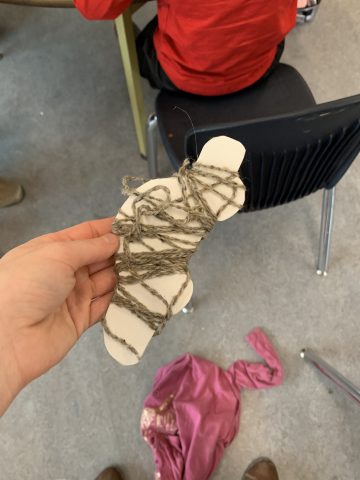
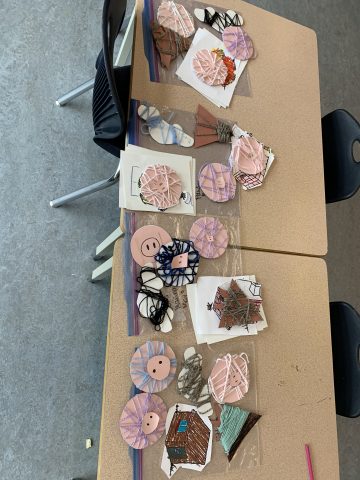
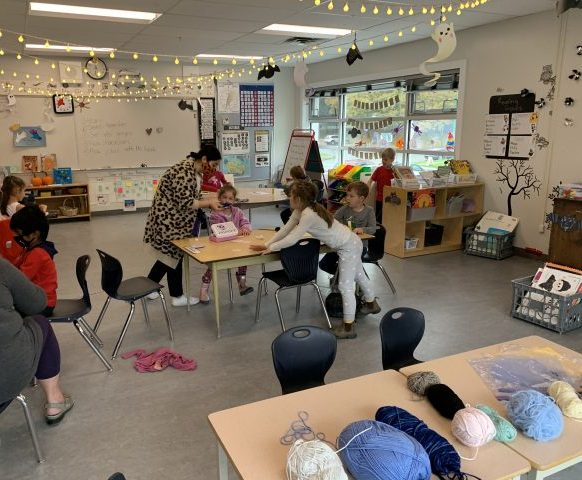
Indigenous Peoples use oral story telling to pass down stories, culture, identity and much more from generation to generation. Even though today we have the equipment to record stories, we want to develop our oral skills, and honor the traditional ways of Indigenous culture.
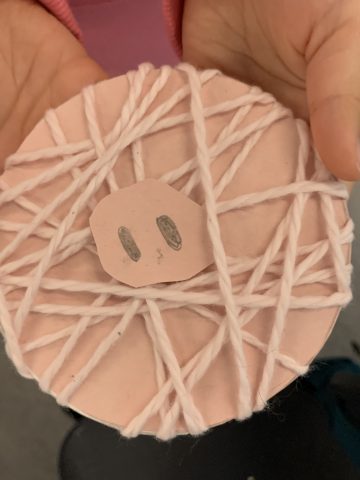
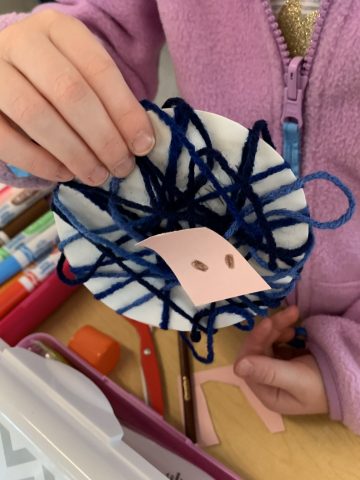
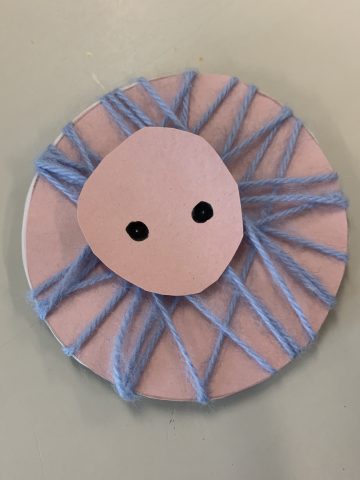
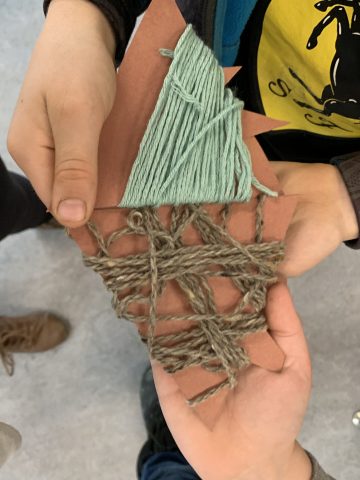
Through oral storytelling we are practicing re-telling the children’s story “The True Story of the Three Little Pigs”. We have had lots of fun creating puppets and will continue to bring each other joy as we practice our puppet shows with our peers.
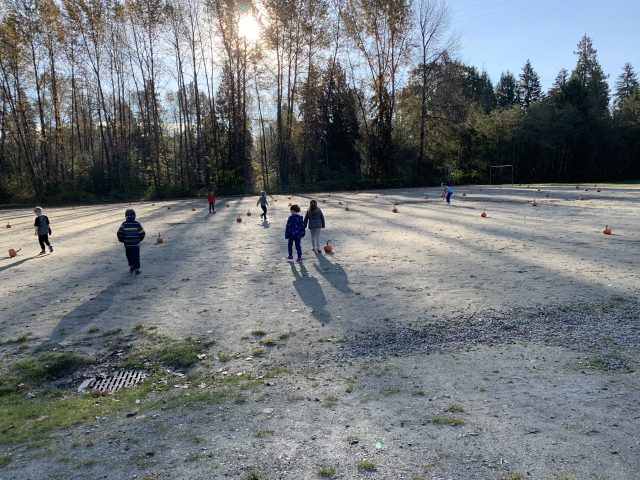
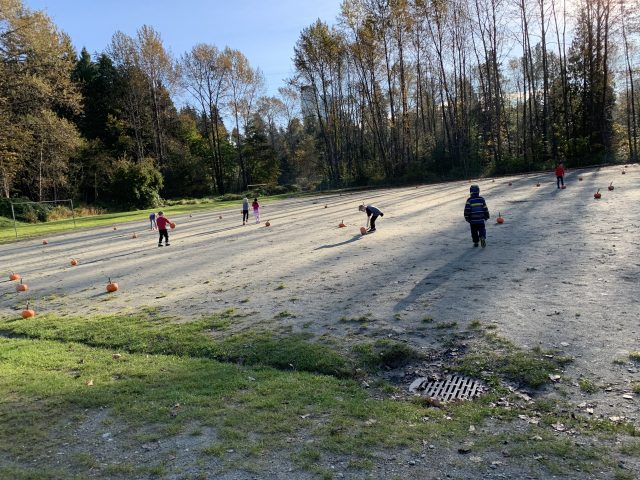
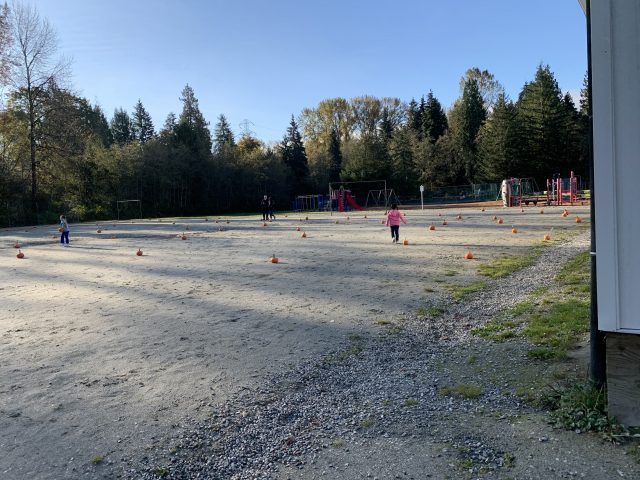
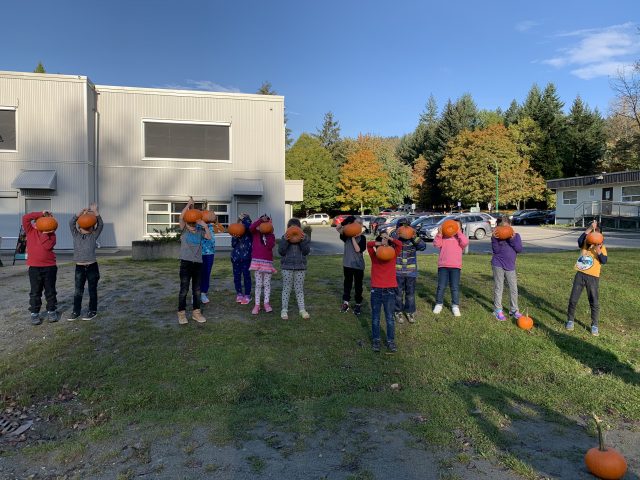
Every year we take a nice trip out to the pumpkin patch. This year we were not able to experience it as field trip, however, it was so much fun surprising the kids with the bringing the pumpkin patch to Stoney Creek. We all went out picked a pumpkin to bring home.
Some friends said they are going to make pumpkin pie, others said they are going to carve a scary face on it, and some said they want to make a nice pumpkin. I cannot wait to hear what they decide to do with their pumpkins!
Happy Halloween!
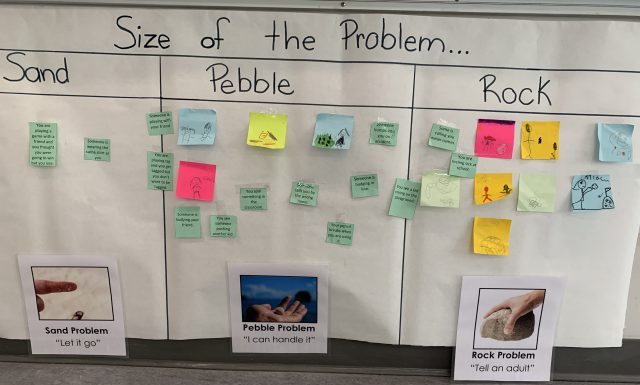
We want to be good problem solvers! There are many different kinds of problems we will face in our lives. If we can determine the size of the problem, we will be able to decide how to solve it. In the photo above, we have brainstormed many different problems and their size.
Our next step as problem solvers is to identify ways in which the problem can be resolved!