Div 3 Class Blog – Page 20
 

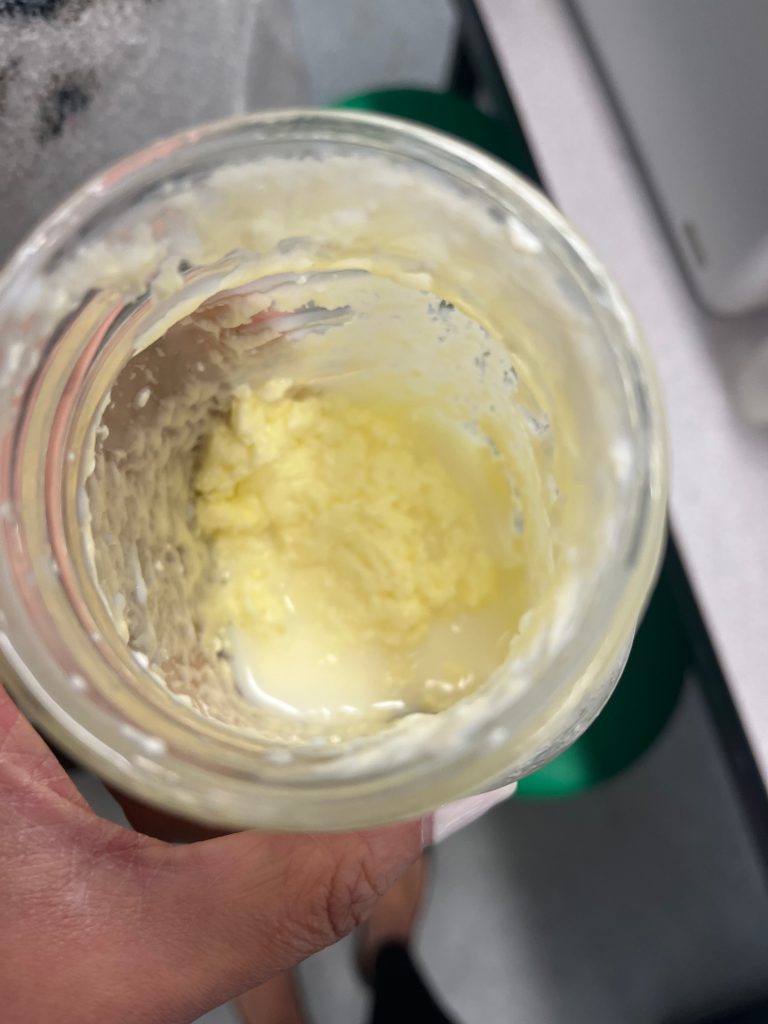
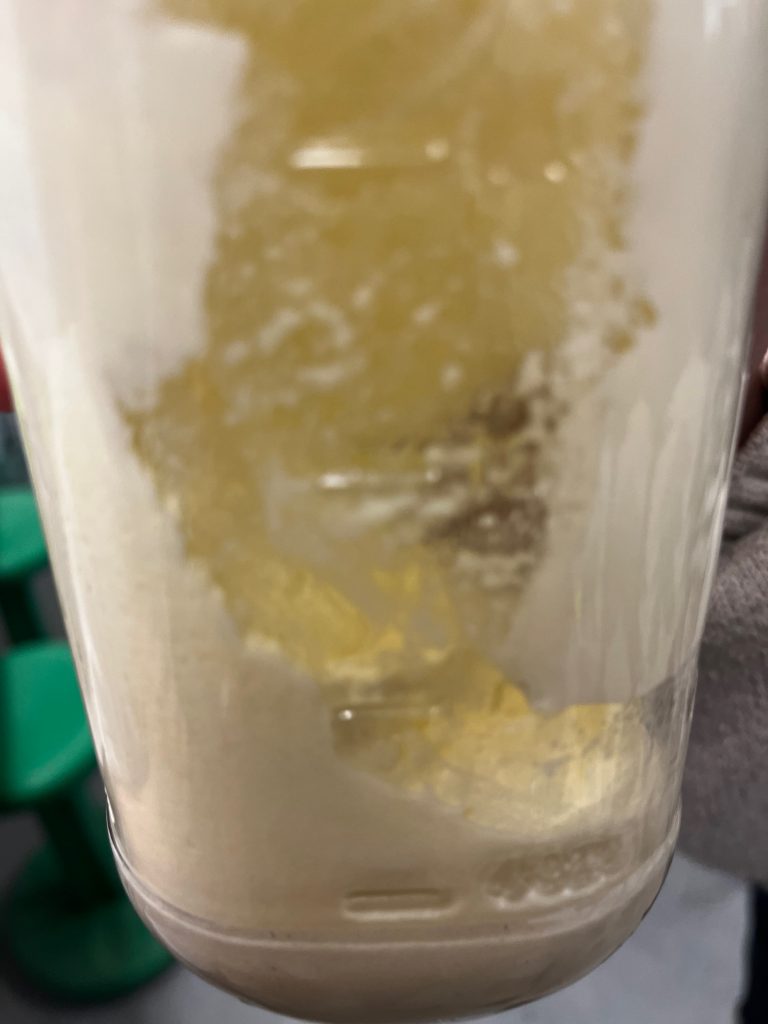
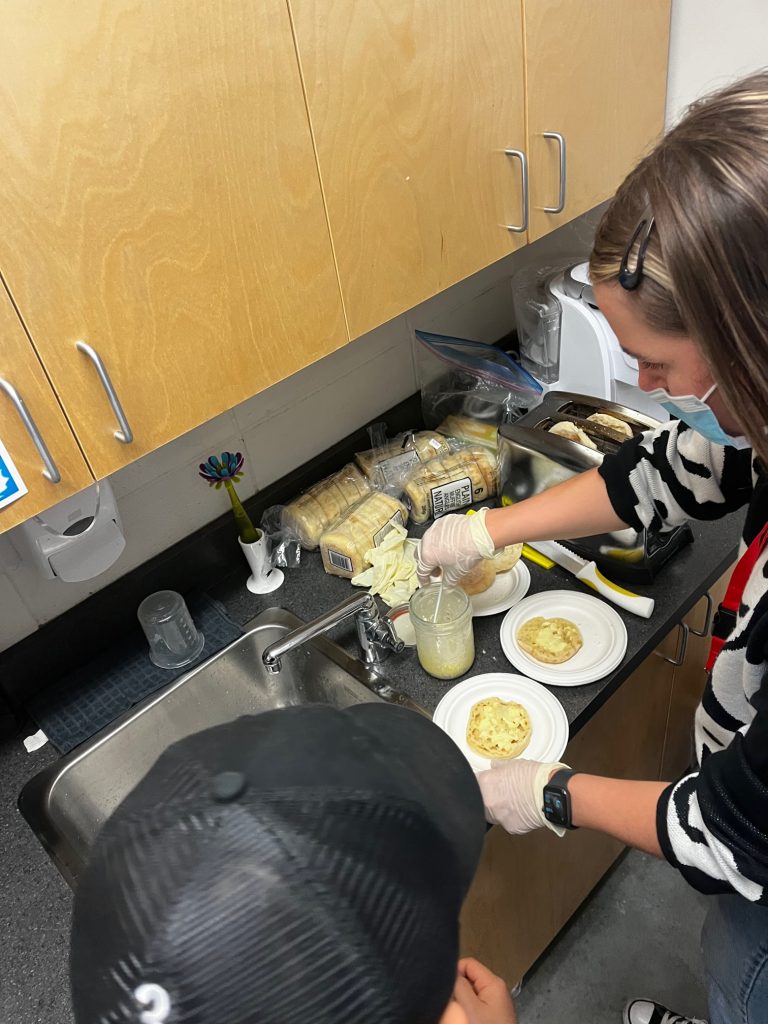
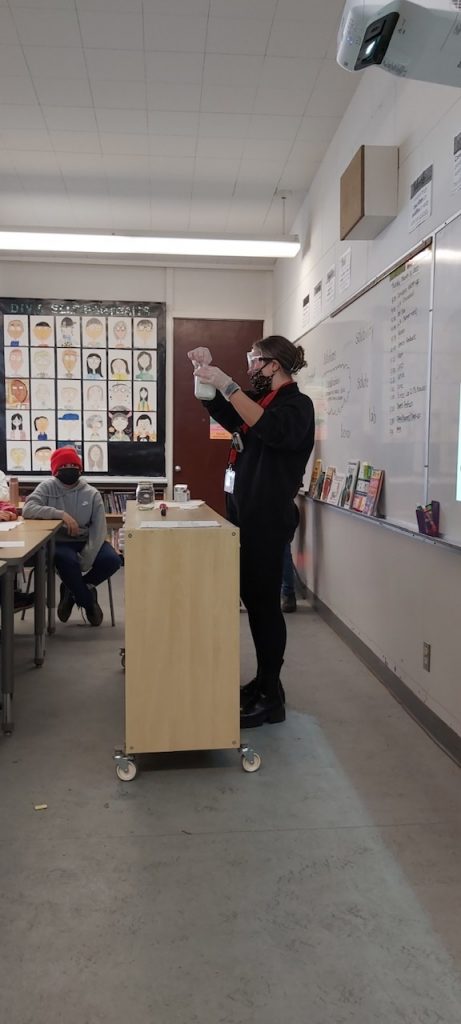
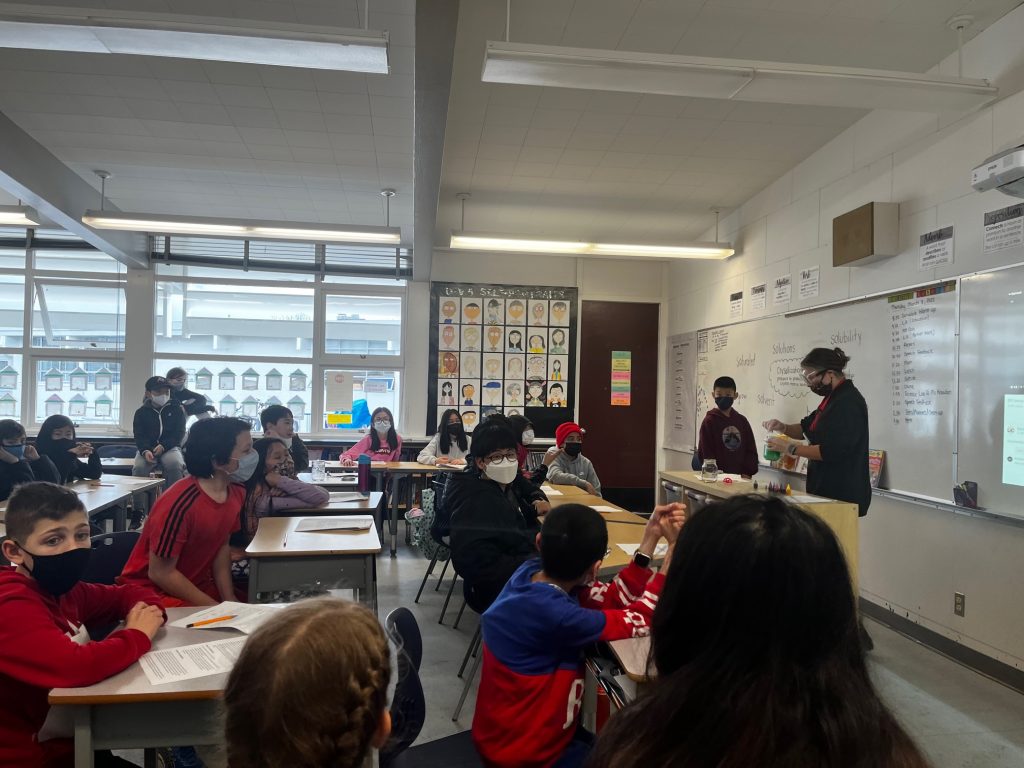
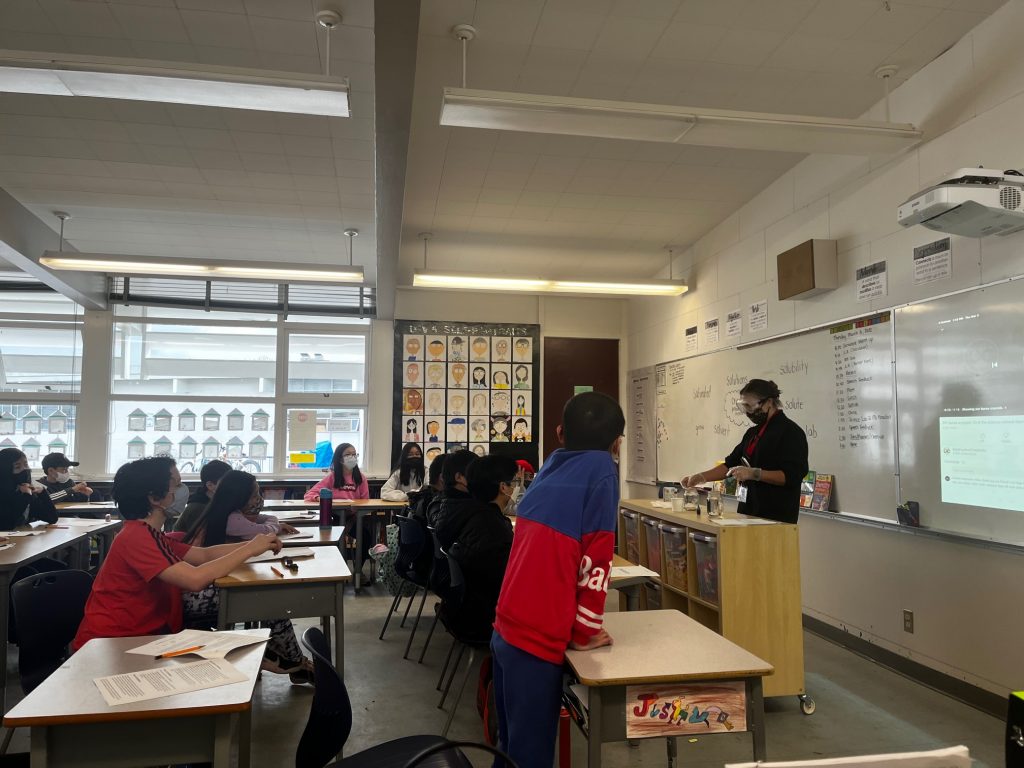
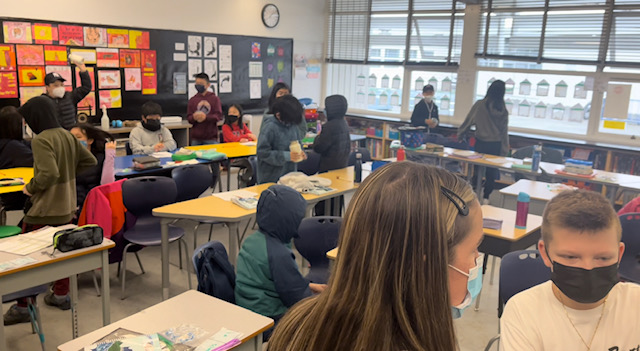
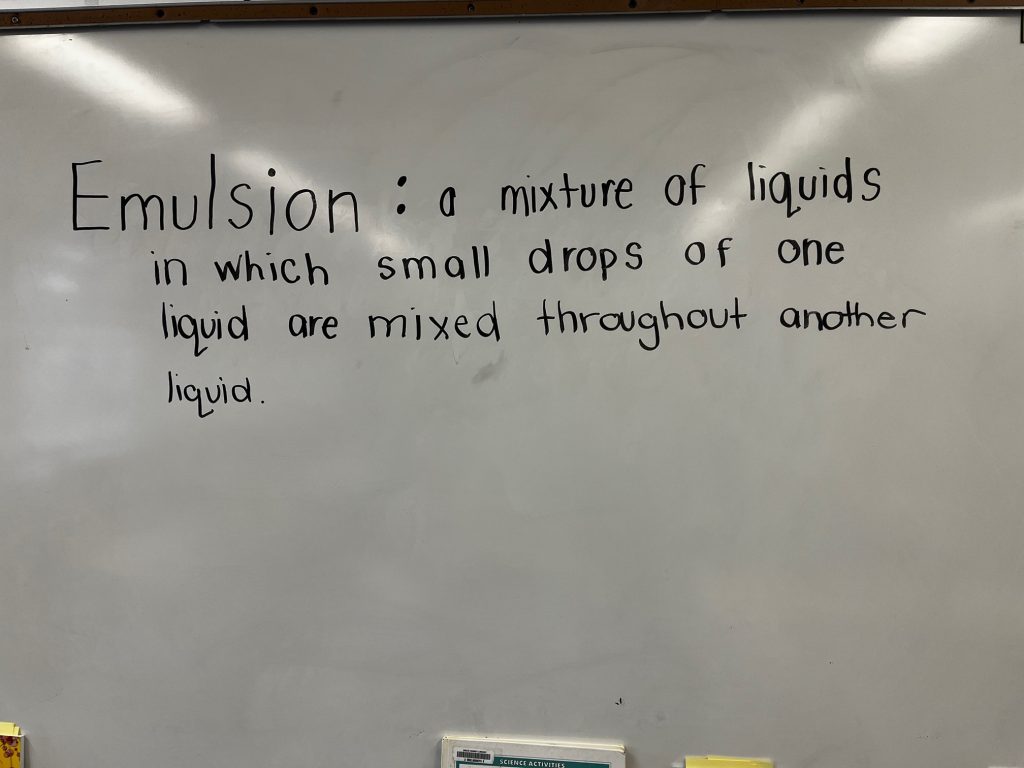
Today we learned about the process of emulsion by making butter. Once our butter formed we then tried it on some English Muffins, which were delicious.

Whoever told you that oil and water don’t mix might not have considered the term “emulsion.” It is possible for tiny particles of two seemingly unmixable substances to suspend in one another like oil and water. This super scientific experiment demonstrates the magic of the invisible globule while bringing a yummy result to the table.

Milk is mostly water with about 5-10 percent protein and fat globule. Cream is milk that contains closer to 15-25 percent fat globules. What is a globule? A globule is a super tiny membrane filled with fat molecules-think of a microscopic water balloon. Because these globules are so small and fat is lighter than water, it floats. This forms a “stable suspension,” a colloid. The bigger the globules, the slower it moves resulting in thinker milk or cream.

When shaken, the globules’ membranes smash against each other and break apart like bursting water balloons. The fat then spills out and clumps together with the contents of the other burst globules, which causes the freed fat to separate from the water. As this process continues, two new substances are formed: a solid (butter) and the remaining liquid (buttermilk)!

Last week in class we learned about crystals and the process of crystallization. A crystal is a solid substance with a symmetrical pattern of faces and angles with a repetitive arrangement of atoms in a substance. Snowflakes are one type of crystal. They are formed when air and water cool and molecules move closer together. Crystallization is a natural process when the materials solidify from liquids, or they precipitate out of liquid or gas. Crystals can be made of 1 species of atom, different species of ions, or even from molecules like proteins.

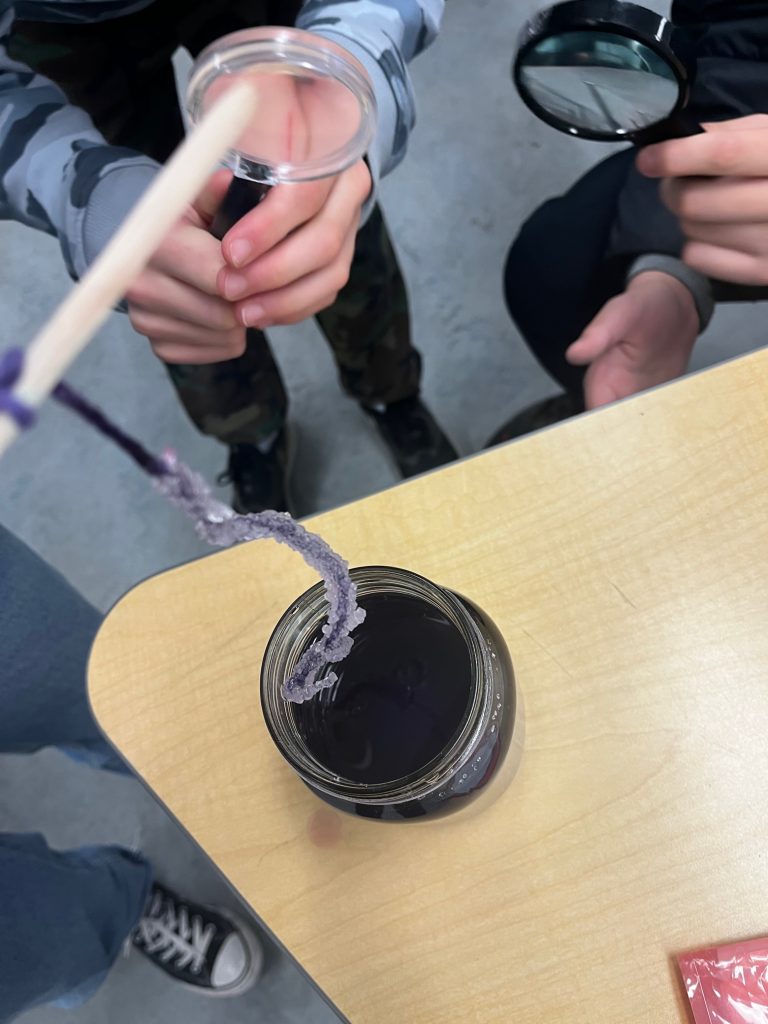
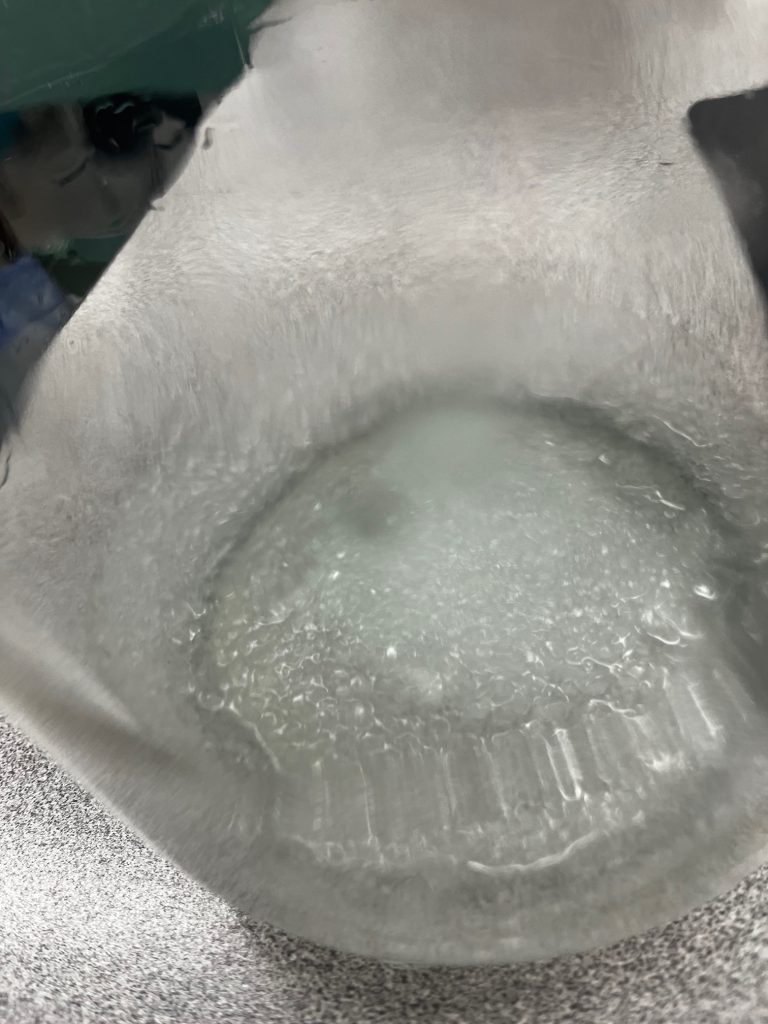
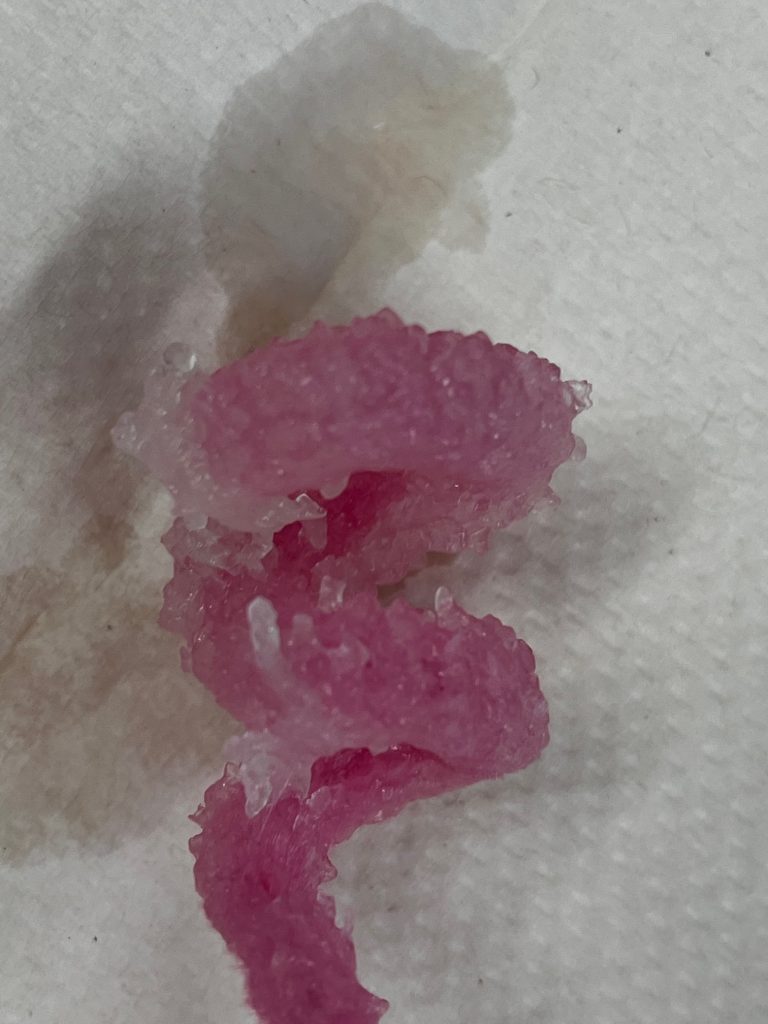
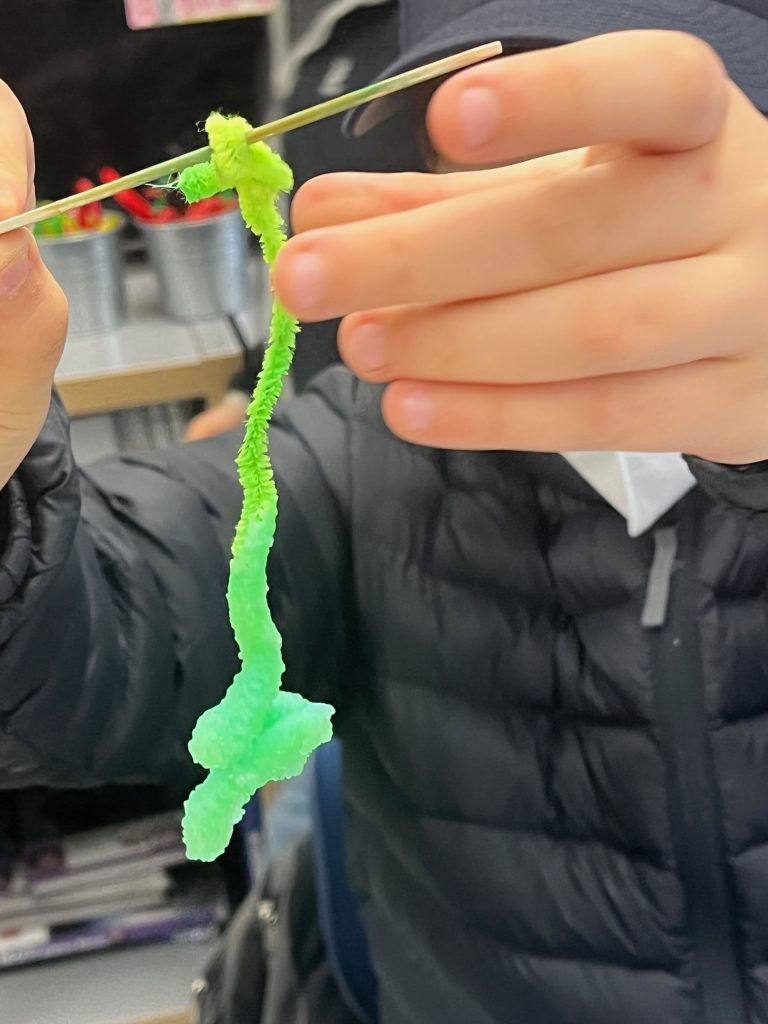
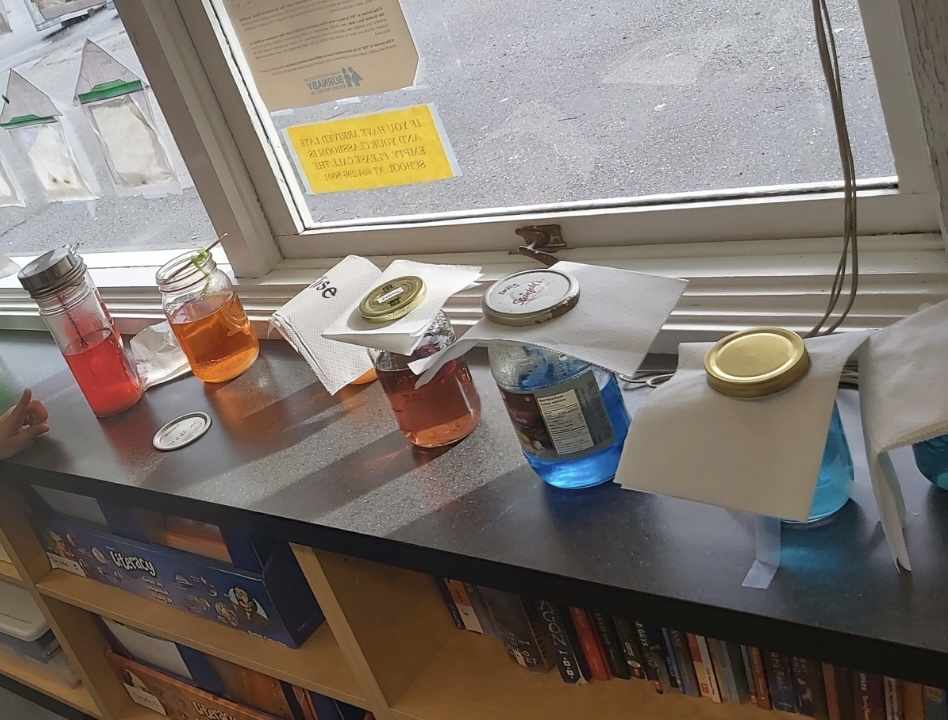
During the lab we learned how a solute(borax) and solvent(water) interact to form crystals. We also learned that different conditions affect how crystals grow. We tested making crystals from different materials like epsom salt, paperclips and string in a solution. During the experiments we discovered that materials like epsom salt and paperclips do not provide the proper conditions to grow a crystal, but borax, pipe cleaners and string do. We also noticed that the crystals that grew on the string were larger than the crystals that grew on the pipe cleaner.

Following the lab, we had an opportunity to record our observations and use magnifying glasses to determine the shape and size of our crystals. We learned that crystals grow together and the surfaces are either be flat or curved. We also learned how to define unsaturated, saturated, and supersaturated solutions and were able to point out in the lab when our solution went through each phase.

Blog Post Written By: A.W

We were tasked with designing a newspaper advertisement for the Burnaby Now newspaper. Our class was asked to design an ad for The Valley Bakery in North Burnaby. The Valley Bakery bakes fresh every day. They bake breads, buns, cookies, muffins, pastries and more. They have beautifully decorated cakes for all occasions too!

Here are some pictures of us in design mode:

Blog Post Written By: A.W.

Link to Read-Aloud: https://youtu.be/Nw5KQMXDiM4

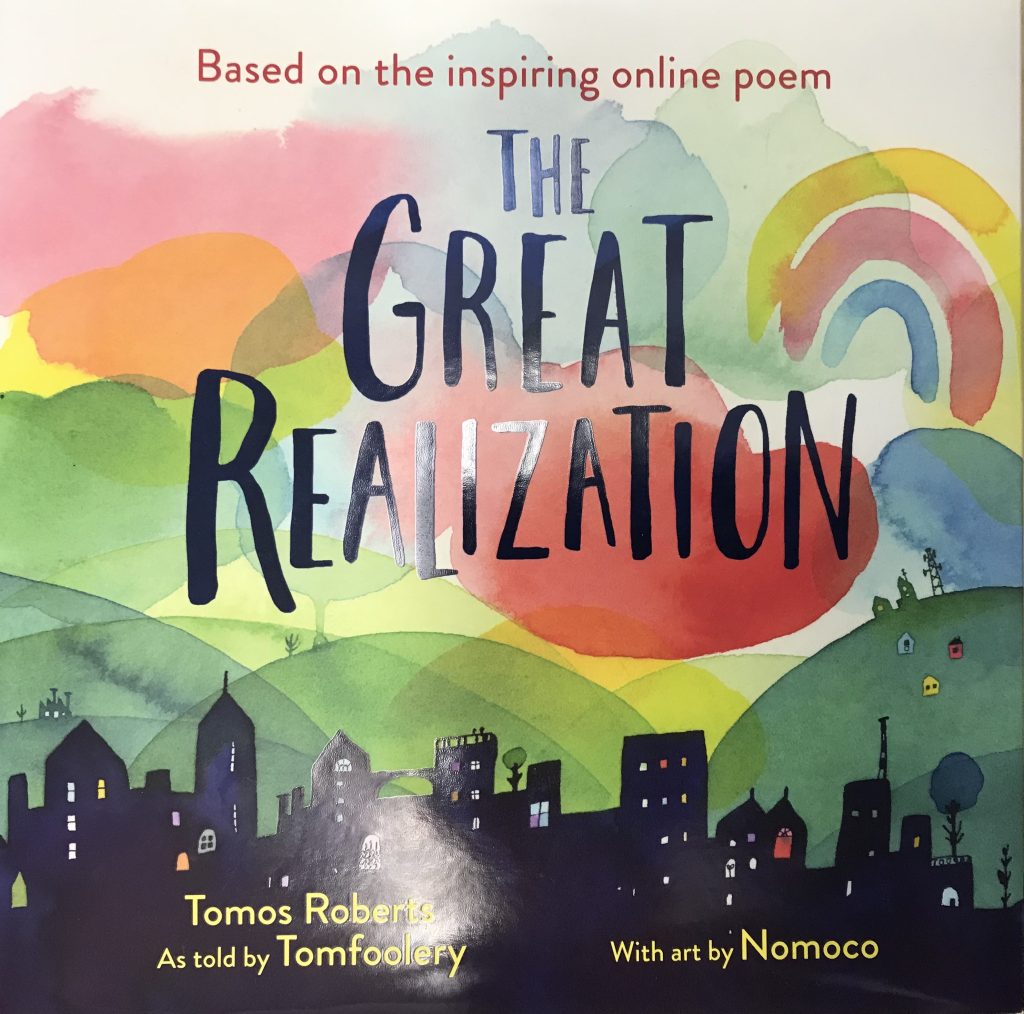
Today, in class Ms. Knowlan our student teacher taught a lesson based on the book The Great Realization written by Tomos Roberts. The book is about the pandemic, times of crisis, and the many  global issues we are facing today. It also highlights how the pandemic has helped us open our eyes to some of  these global issues during the global pandemic.

A few questions we discussed as a class were:

What do you think the meaning of this poem is?

What are some things that resonated with you?

In the video how does the relationship between Roberts and his siblings influence his message, choice of words, delivery and impact?

Does Tomos Robert paint a positive or negative picture?

Do the illustrations from the book change your perception or understanding?

Why do you think the author chose the title “The Great Realization”?

What are some key issues he identifies?

How does he portray the world after lockdown?

What does he mean by “hindsight’s 2020”?


For the next lesson we will be partnered up and asked to write and illustrate our own poems on global issues affecting us today (poverty, pollution, climate change, inequality, technology consumption, war, natural disasters, over population, corruption, etc.).

Blogpost written by: A.W.

This week in class students have been learning about sleep hygiene and the benefits of a good nights sleep.

Without a good nights sleep school can be a real challenge. Research into sleep shows that over time, insufficient sleep impacts how a child feels, behaves and interacts with others and their world. Insufficient sleep can lead to challenges regulating their emotions and bodies, including increased hyperactivity and stress. Moreover, research has shown that an inability to regularly get the recommended sleep can lead to a decrease in one’s overall mental health.


Did you know?

  • 1 in 4 children do not get the recommended sleep at night.
  • 1 in 3 children have trouble going to sleep or staying asleep
  • 1 in 5 children have difficulty staying awake during waking hours

So, how much sleep should our children be getting? Well, it depends on their age. For school aged children the recommended sleep time is 9-11 hours for children aged 5-13 years old and 8-10 hours for adolescents aged 14-17 years of age.


Tips to help your child increase the quality and quantity of their sleep:

Establish a regular bedtime routine…..even on weekends

A child’s internal clock helps them to get sleepy and feel awake at specific times during the day.  If you allow your child to sleep in on the weekends, that will make it more difficult for your child to wake up at the regular time during the school week.  Similarly, if you allow your child to stay up late at night on weekends, they will have a harder time falling asleep at the regular bed time on school nights.

Don’t do Anything Energizing Close to Bed

You want the child to relax, not get energized right before bed. So, wrestling, watching movies, and other high stimulation activities close to bedtime may make falling asleep more difficult.

Screen time 

Research has shown that screen time immediately before bed can result in sleep difficulties. Too much screen use (i.e. television, computer, mobile phone, video gaming device) in children has consistently been shown to delay bedtime and result in a shorter total sleep time. Exposure to bright light from television or computer screens close to bedtime may interfere with the body’s normal sleep-wake cycle by suppressing the production of the hormone melatonin. Using screens near bedtime (1 hour before) is also associated with poor sleep quality and daytime sleepiness.

Daily Physical Exercise 

Regular physical activity has a positive effect on sleep quality, including improving the time spent asleep versus awake in bed, decreasing the number of times children wake up each night, and increasing how rested they feel the next day. So make sure your child’s day includes lots of opportunities for them to be physically active

Healthy Food and Beverages

Drinking caffeinated beverages can negatively affect children and adolescents’ sleep by increasing the time it takes them to fall asleep and decreasing the amount and quality of sleep they do get. Caffeine-containing drinks commonly consumed by children include pop, iced tea, and energy drinks.

Student Sleep Challenge

For the next two weeks student have been asked to keep a sleep log and try to make some minor changes to their sleep routine (ie. no tech an hour before bed or same bedtime/wake-up time each day) to see what impact minor changes may have on their mood, energy levels, focus, daytime sleepiness etc.  Students will be graded on their ability to self-reflect on their sleep routines and identify ways they can individually improve their own sleep hygiene. Ask your child what they think might help improve their sleep hygiene and help them test out some of these tips at home to see if it gives them a better nights sleep.
| Leave a comment

| Leave a comment

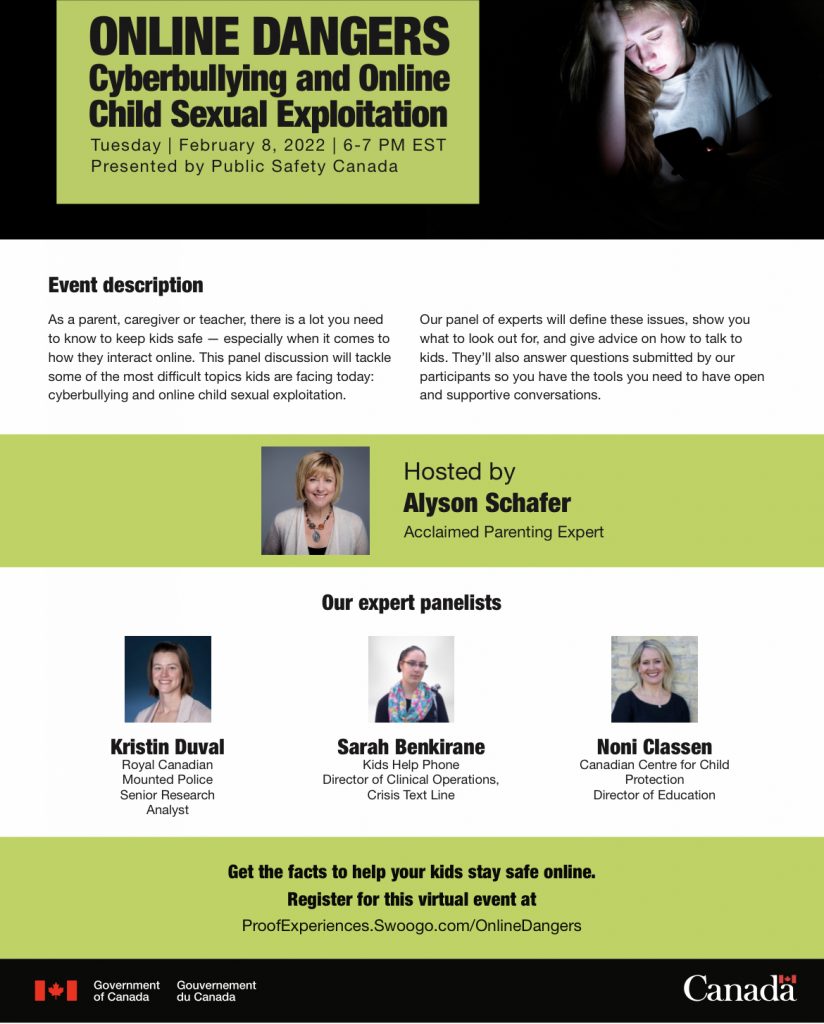
ATTENTION FAMILIES – FREE SOCIAL MEDIA AND DIGITAL CITIZENSHIP SESSION: February 3rd at 6:30pm PT for 60 minutes.

Student Session on Social Media Awareness:
“Establishing Safe, Caring and Respectful Digital Communities” for students Gr 8-12 (Also, open to Grade 6/7 Students).

Typically these sessions are during school hours and are meant for students to watch in their classrooms with their teachers. However, this session is during the evening but still intended for students.

This is not a parent/guardian/caregiver session, but it is an opportunity for parents to learn alongside their high school / middle school students.

Link to register: https://event-wizard.com/SocialMediaAwarenessStudentFeb32022pm/0/register/

The Zoom link will be sent out 2 days prior to the session for everyone who is registered.


Div 3 Class Blog ©2026. All Rights Reserved.
Powered by WordPress. Theme by Phoenix Web Solutions