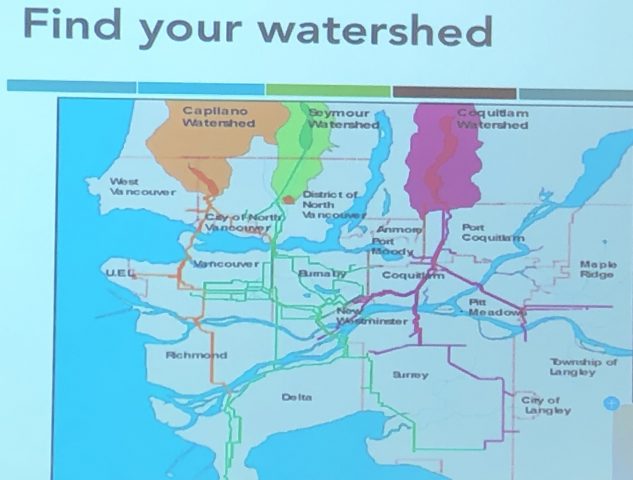
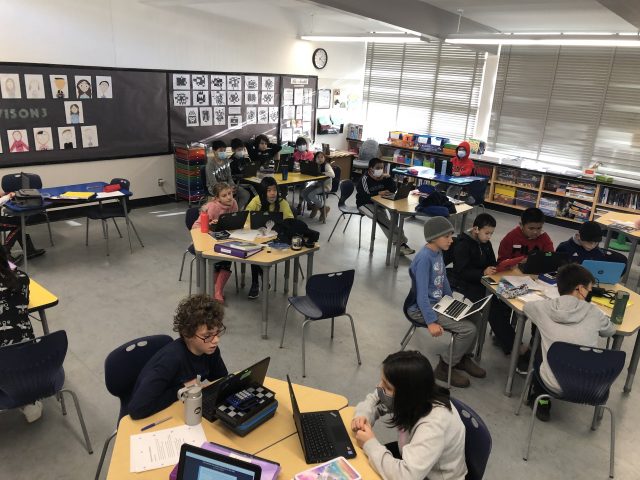
During todays virtual field trip we learned about the 3 local watersheds in Metro Vancouver (Capilano, Seymour, and Coquitlam). We learned that the Watershed is not a shed its actually part of the ecosystem and has many interconnected parts that are important to protect.
So what are watersheds and what do they do? A watershed is an area of land that drains surface water and groundwater into a common water body, such as a creek, stream, lake or the ocean. In British Columbia water sheds down from the mountains into a lake or the water reservoir of our local watershed. Dams help keep the water in the reservoir.
In British Columbia there are 400 watersheds that provide residents of British Columbia with Fresh drinking water. Of these 400 watersheds only 4 are protected. Three of the protected watersheds are located right here in Metro Vancouver.
Watersheds are closed to the public and people are prohibited from swimming, hiking, or fishing in these protected areas. This helps keep our water supply clean and protected.
The largest watershed in Metro Vancouver is located in Coquitlam. Residents of the lower maintained get their drinking water from different watersheds. For example, Richmond gets their water from the Capilano watershed while residents of Port Moody get their drinking water from the Coquitlam watershed. Here in Burnaby we get our water from the Seymour watershed. When one reservoir is low or contaminated, cities must then get their water from a different watershed temporarily.
During today’s field trip we also discussed how humans borrow water from the water cycle and why it is important to conserve water. Did you know that it takes approximately 1 day or 24 hours for your water to travel from the reservoir to your tap. This is an average amount of time but it also depends on where you live and how close or far away from the watershed you are.
Quiz:
Which of the following is the most important?
A. Precipitation
B. Salmon
C. Forest
D. Reservoir
E. All of the Above
THE ANSWER IS E! (All of the above are an important part of the watershed and equally important. Each one is dependent on the other).
What is the oldest tree in our watershed?
A. 100 years
B.800 years
C. 500 years old
D. 1000 years old
The ANSWER IS D. That is a very old tree.
For homework we were then tasked with finding out how much water we use and asked to think about ways we can conserve more water. Click the link below to complete the water audit and get entered to win a pizza party for our class. Good luck!
Blog Post Written By: C.S. and K. S.
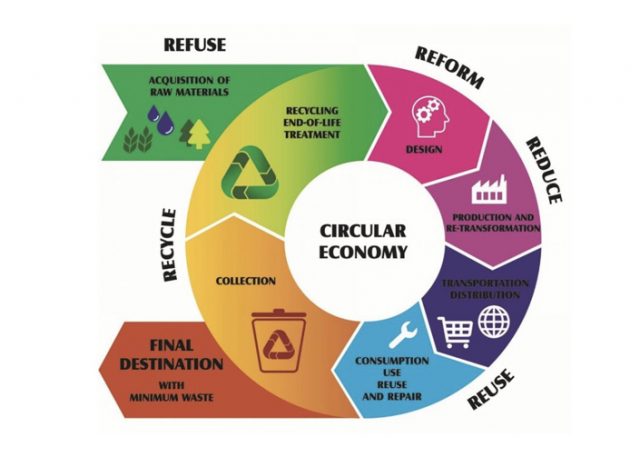 On Wednesday we had a virtual field trip on zero waste and circular economies. Students learned about the 3Rs and examined why it is so important to reduce and re-use our resources. They explored the “how to” for recycling and composting and discovered solutions for sustainable waste management and how to remake materials and products to be used again and again, mimicking natural cycles in nature.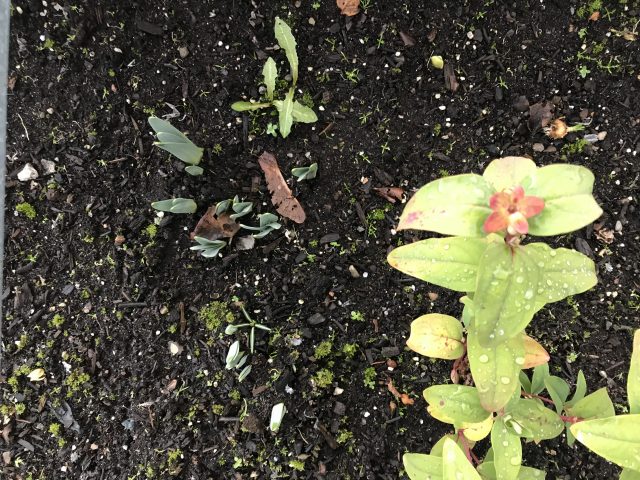

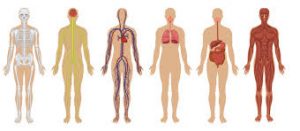 Have you ever wondered why we have fingerprints? or why we have different blood types? or questioned what kinds of bacteria may be lurking on your tongue? or how the human brain asks itself a question? or how our eyes perceive colour? or why we get goosebumps when we are cold or scared? or why we sometimes get a headache when we quickly eat or drink something cold? or why human skin and eyes come in different colours? or why our stomachs growl when we are hungry?