Science – Page 10 – Div 3 Class Blog
 

Category: Science

Grade 5/6 Be Active Pass

| 1 Comment

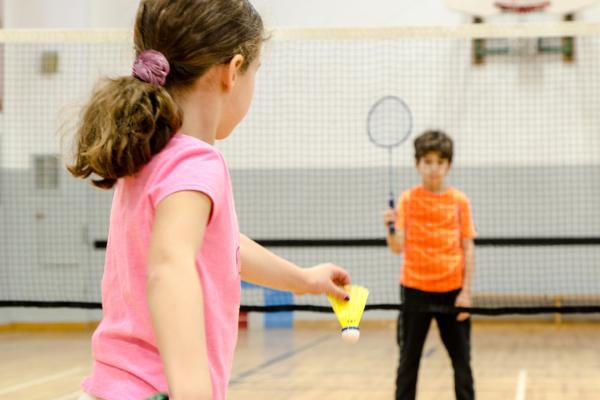
Burnaby Recreation offers a Be Active Pass for kids in Grades 5 and 6 in this city. The pass allows them free use of city swimming pools, ice rinks, racket sports, and even city golf driving ranges. Learn more about this fabulous opportunity at the Burnaby City website: LINK

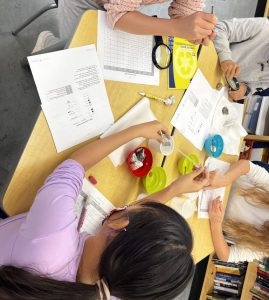
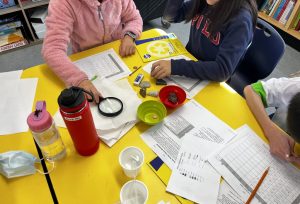
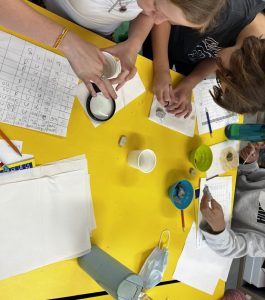
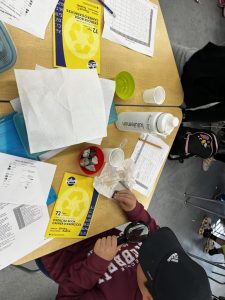
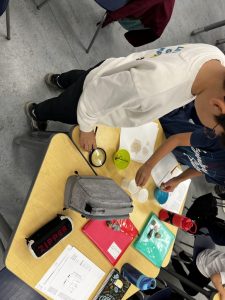
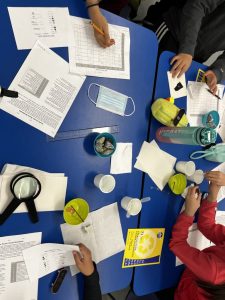
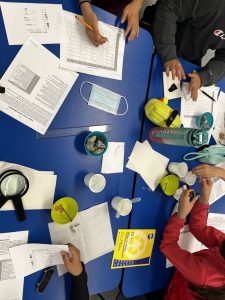
In Class this week we’ve been learning about the the different types of rocks, the rock cycle, and the methods scientists use to classify rocks. Towards the end of the week they participated in a series of experiments to test and record the hardness, reactivity, and buoyancy of various rock samples before making predictions about the type of rock (igneous, sedimentary, metamorphic) each sample was.  Here are a few photos showing these busy scientists at work:


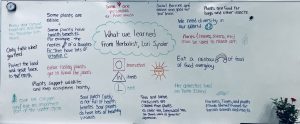
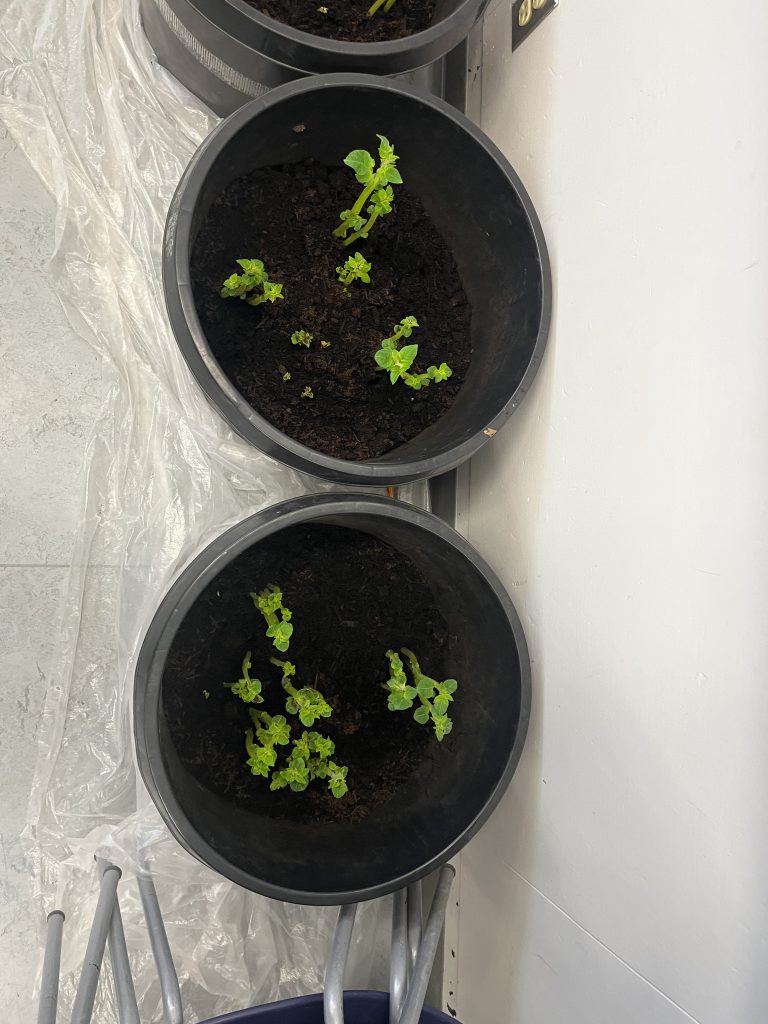
This week students had the privilege of learning about wild, native, and medicinal plants from Lori Synder, a First Nations Métis herbalist and educator. It was a rich learning experience and we are inspired by her teachings. We are also very excited about transforming our garden/outdoor classroom, making it a more diverse space where students can gather and learn more about native plants and indigenous ways of knowing and doing. As the season change and new plants are added, take time to observe, witness, and listen to what the garden is offering us.

In addition, students wore orange shirts throughout the week and explored age-appropriate lessons and had discussions about the meaning behind wearing orange shirts. This generation of children will have a far greater understanding of the history of residential schools, their negative impact, and the importance of reconciliation as we look critically at our country’s history and strive to do better. Tomorrow could be an opportunity to ask your children about what they have learned from their sessions with Lori and Mme Heardman this week.

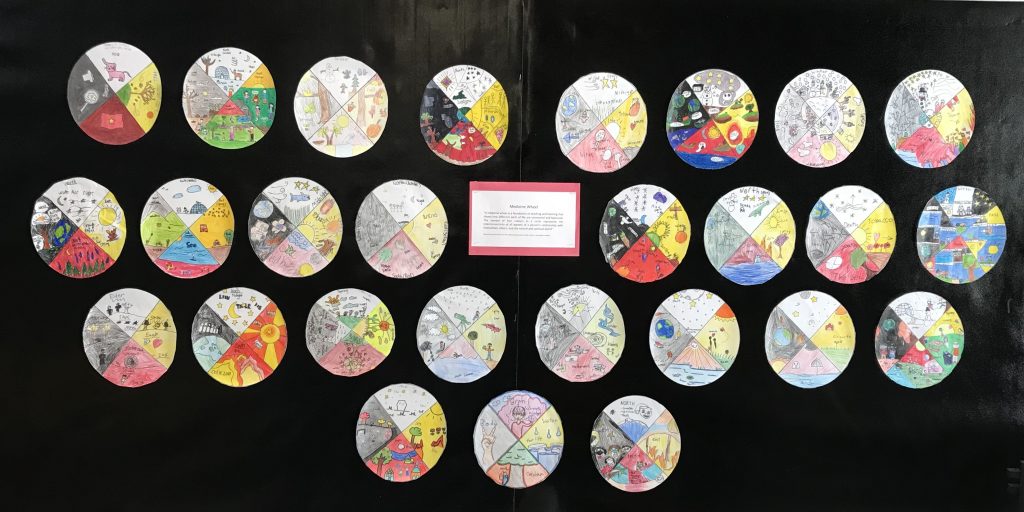
“A medicine wheel is a foundation of teaching and learning that shows how different parts of life are connected and balanced. The symbol of four colours in a circle represents the interconnectivity of all aspects of a person’s relationship with themselves, others, and the natural and spiritual world”

Words by Joyce Perrault from “All Creation Represented: A Child’s Guide to the Medicine Wheels”

| Leave a comment

Burnaby School District is excited to offer outstanding summer programs.

Elementary Registration opens at 10am on Tuesday, April 12th (button will not be visible until 10am)

The online registration system is super easy. You will be required to have your child’s Personal Education Number (PEN) and birthdate. PEN numbers are located on their report card.

Please note popular summer programs like coding and robotics fill up fast.

Click here to see the brochure

Please keep checking the Burnaby School District website for more information regarding course options. https://burnabyschools.ca/summersession/

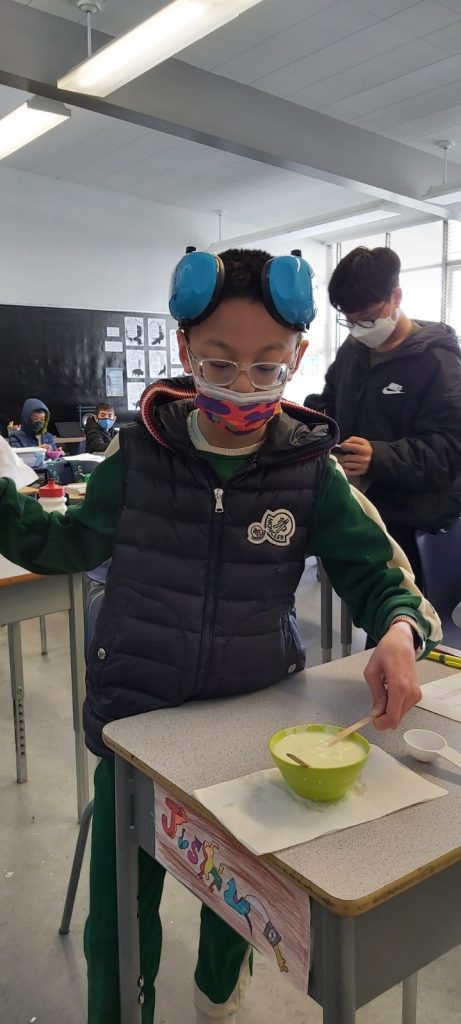
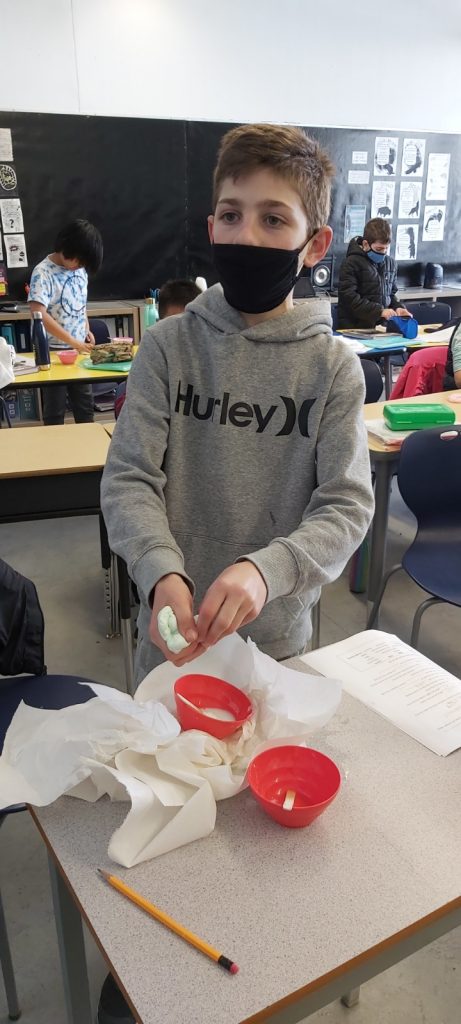
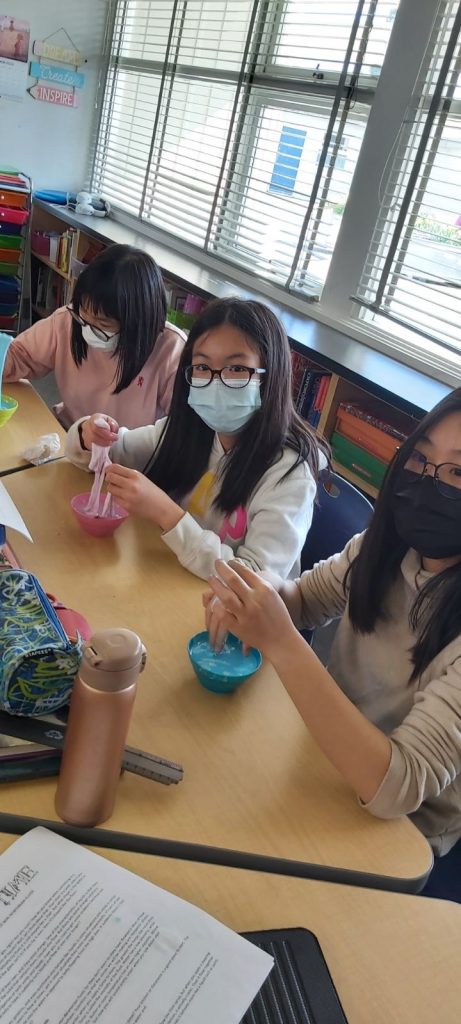
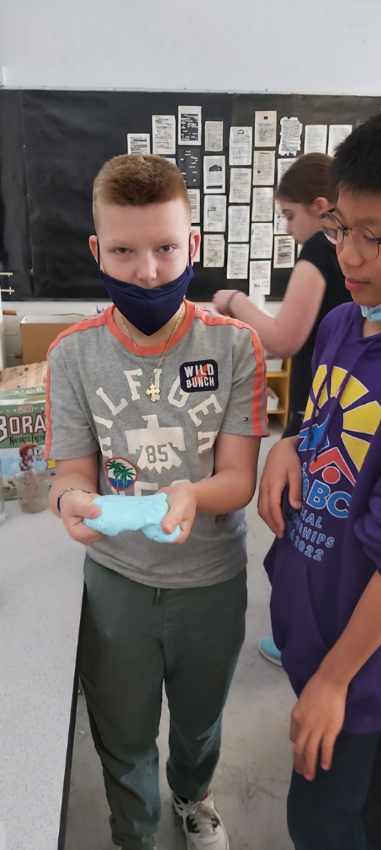
How do you make slime with glue, water and Borax? Slime is made after a chemical reaction occurs between two main ingredients; polyvinyl alcohol and borate ion. Glue contains polyvinyl acetates (PVAC) molecules. These are long polymers that are like long strands of spaghetti tangled together on your plate. The Borax (borate ions)hook these together so they don’t flow so well and begin to act more like a solid and their viscosity increases.

During the slime lab students learned that increasing the amount of water in their slime mixture helped it flow better, while increasing the amount of Borax made the slime firmer.

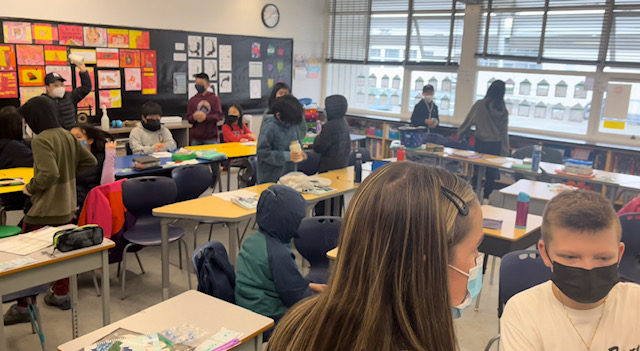
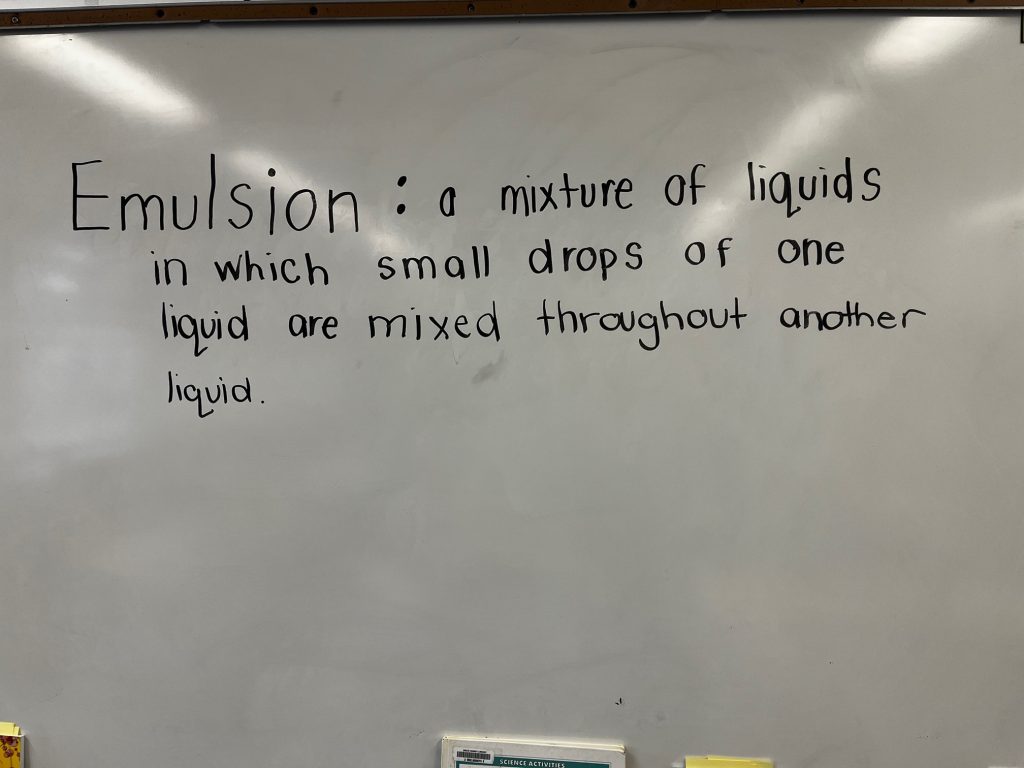
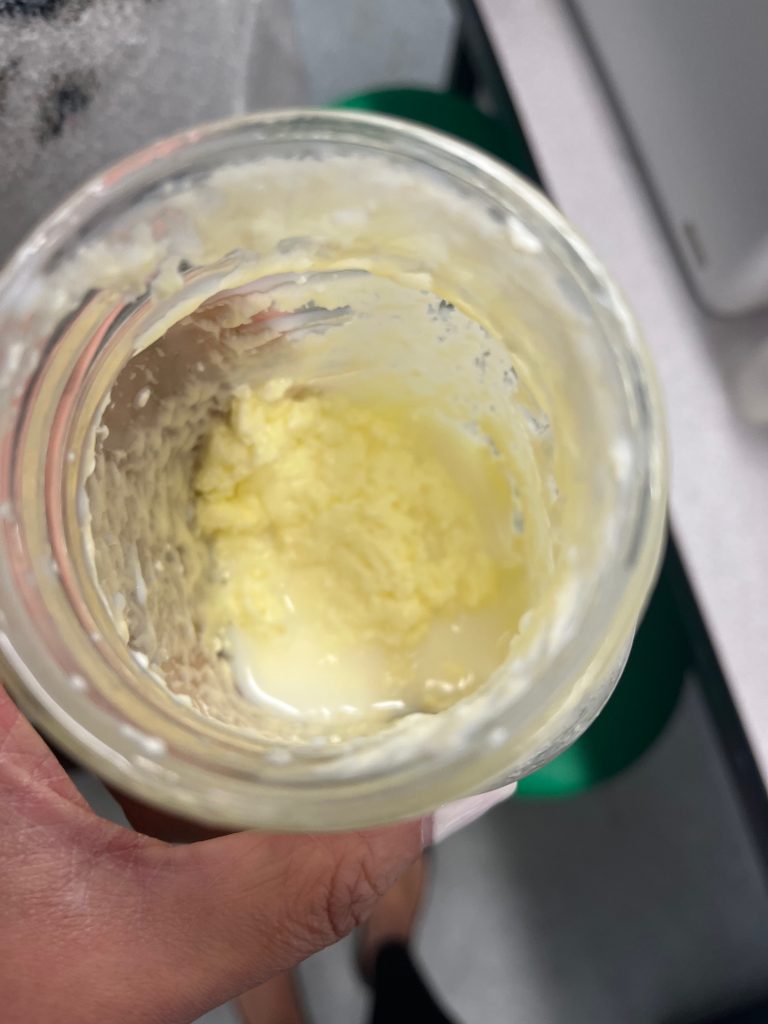
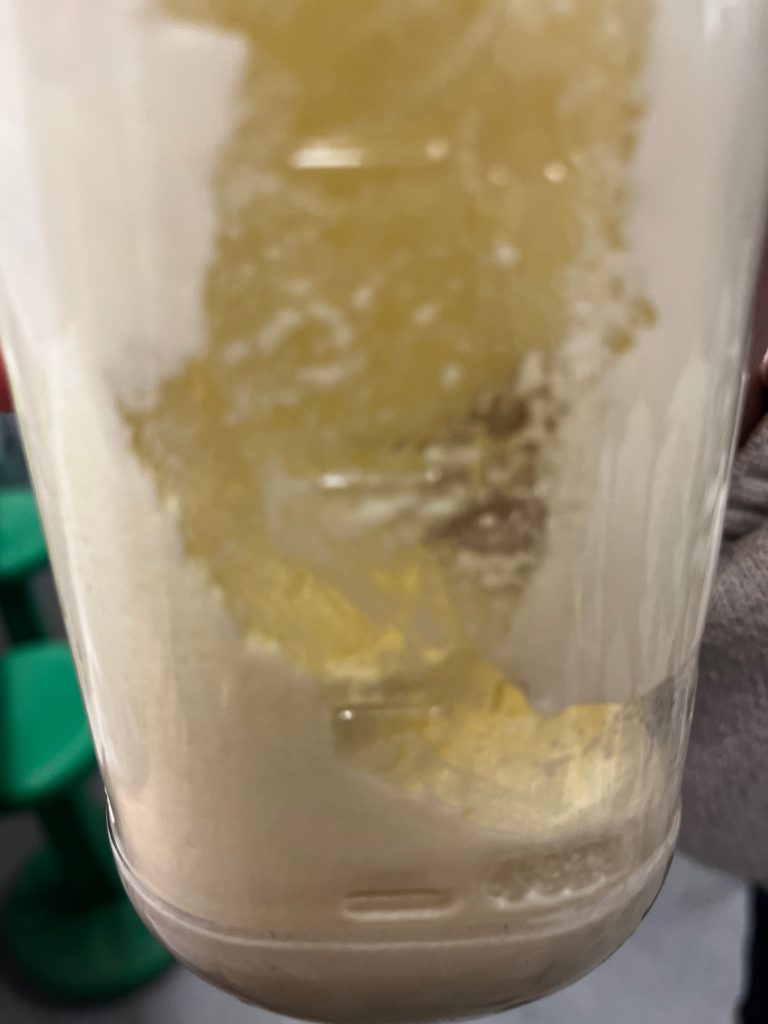
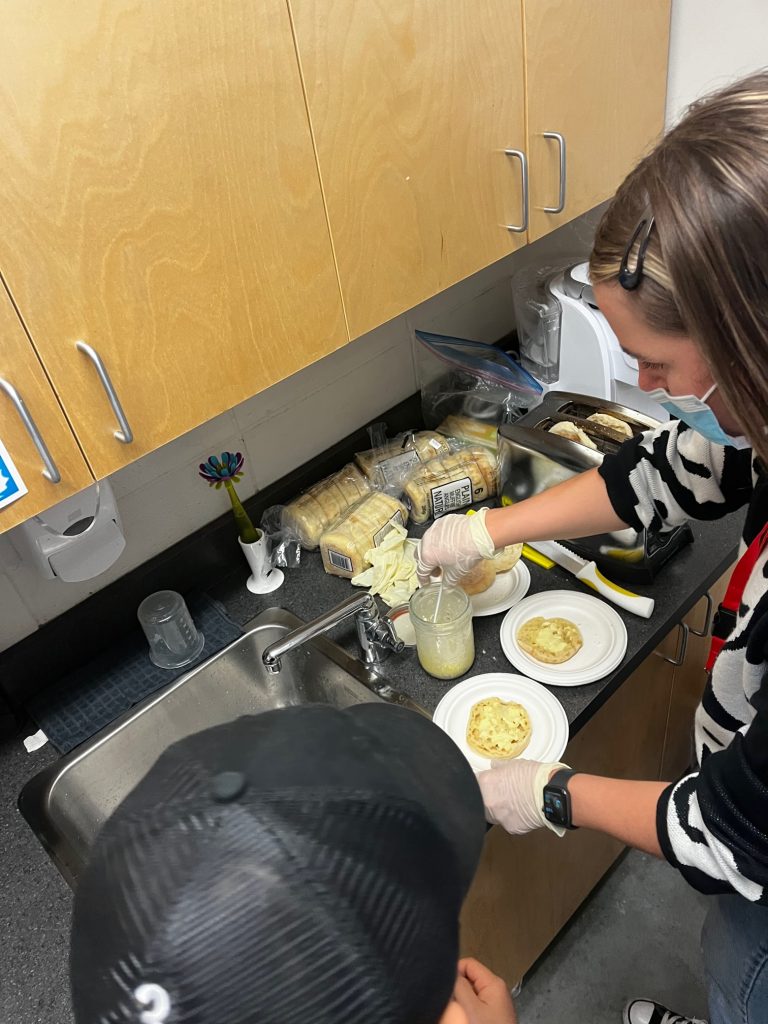
Today we learned about the process of emulsion by making butter. Once our butter formed we then tried it on some English Muffins, which were delicious.

Whoever told you that oil and water don’t mix might not have considered the term “emulsion.” It is possible for tiny particles of two seemingly unmixable substances to suspend in one another like oil and water. This super scientific experiment demonstrates the magic of the invisible globule while bringing a yummy result to the table.

Milk is mostly water with about 5-10 percent protein and fat globule. Cream is milk that contains closer to 15-25 percent fat globules. What is a globule? A globule is a super tiny membrane filled with fat molecules-think of a microscopic water balloon. Because these globules are so small and fat is lighter than water, it floats. This forms a “stable suspension,” a colloid. The bigger the globules, the slower it moves resulting in thinker milk or cream.

When shaken, the globules’ membranes smash against each other and break apart like bursting water balloons. The fat then spills out and clumps together with the contents of the other burst globules, which causes the freed fat to separate from the water. As this process continues, two new substances are formed: a solid (butter) and the remaining liquid (buttermilk)!
Div 3 Class Blog ©2026. All Rights Reserved.
Powered by WordPress. Theme by Phoenix Web Solutions