Core-Personal/Social – Page 2 – Div 3 Class Blog
 

Category: Core-Personal/Social


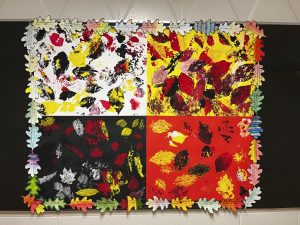
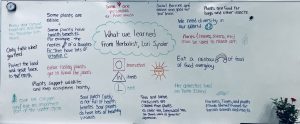
This week students had the privilege of learning about wild, native, and medicinal plants from Lori Synder, a First Nations Métis herbalist and educator. It was a rich learning experience and we are inspired by her teachings. We are also very excited about transforming our garden/outdoor classroom, making it a more diverse space where students can gather and learn more about native plants and indigenous ways of knowing and doing. As the season change and new plants are added, take time to observe, witness, and listen to what the garden is offering us.

In addition, students wore orange shirts throughout the week and explored age-appropriate lessons and had discussions about the meaning behind wearing orange shirts. This generation of children will have a far greater understanding of the history of residential schools, their negative impact, and the importance of reconciliation as we look critically at our country’s history and strive to do better. Tomorrow could be an opportunity to ask your children about what they have learned from their sessions with Lori and Mme Heardman this week.
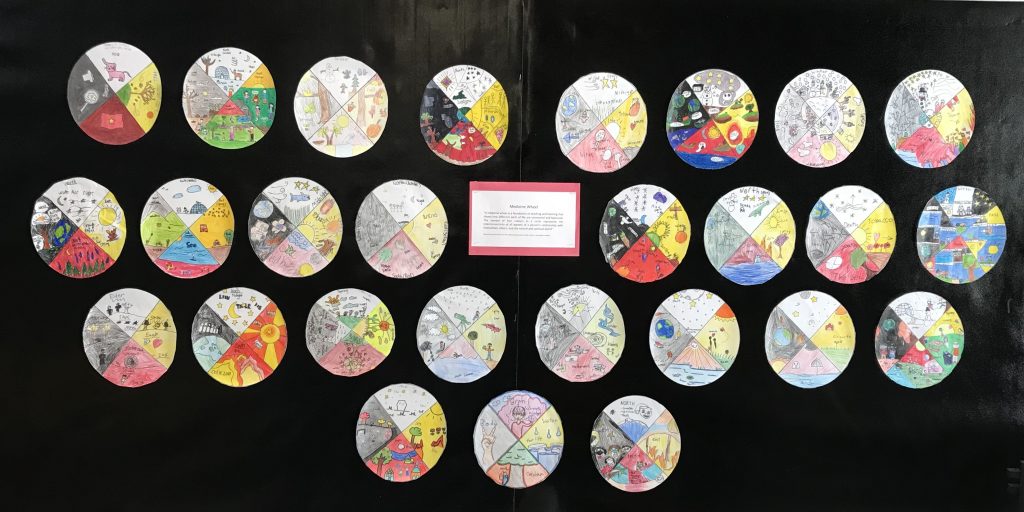
“A medicine wheel is a foundation of teaching and learning that shows how different parts of life are connected and balanced. The symbol of four colours in a circle represents the interconnectivity of all aspects of a person’s relationship with themselves, others, and the natural and spiritual world”

Words by Joyce Perrault from “All Creation Represented: A Child’s Guide to the Medicine Wheels”

| Leave a comment

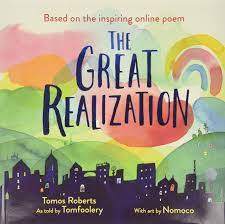
After reading “The Great Realization” by Tomos Robert the students create a similar poem on their own global issue. They worked in pairs to create a 6 stanza poem with A, A, B, B or A, B, A, B rhyming scheme.

Below are the poems they created.
Student Poems

Today in class as part of our Mind Up Curriculum we learned about the different parts of our brains and how they help us control our emotions and help us learn.

In our lesson today, students learned about their brains, specifically the limbic system which controls their thoughts and emotions. The three parts of the brain they learned about today were:

Prefrontal cortex:  ‘our leader’ right in the front of our brain. It is in charge of making decisions, thinking, learning and problem solving.

Amygdala:  our ‘security guard’ that warns our body of danger and stress to protect us.

Hippocampus: our memory saver or our filling cabinet that stores all of our experiences and everything we learn.

They learned that in a calm and safe state, their amygdala can communicate with the ‘leader’ or prefrontal cortex to make good decisions. They also learned that when they are in a negative emotional state where they feel stressed, anxious, or fearful, the amygdala fires a fight, flight, freeze response to warn them negatively impacting the communication with the ‘leader’ or prefrontal cortex part of our brain, which is responsible for clear decision making.

We examined various ways to calm the amygdala and train the brain to respond reflectively rather than reactively in different situations. We also discussed the importance of developing an awareness of what is going on inside our brains so that we can reason and think clearly to make better decisions.

Diagram of the Brain/Facts:

https://sd41-my.sharepoint.com/:b:/g/personal/e19647_burnabyschools_ca/EbvCDXxadeVNm-93qOtx99AB90dSAv4AphY8sxJNLy2u-A?e=i8jbWf

Videos From Today’s Lesson:

https://youtu.be/3bKuoH8CkFc

https://youtu.be/D-uSlY6NBno

The strategies we will continue to build in the coming weeks will help students learn self regulation strategies and help them develop the capacity to recognize and take control of their emotions and actions while being mindful and aware of themselves and others.

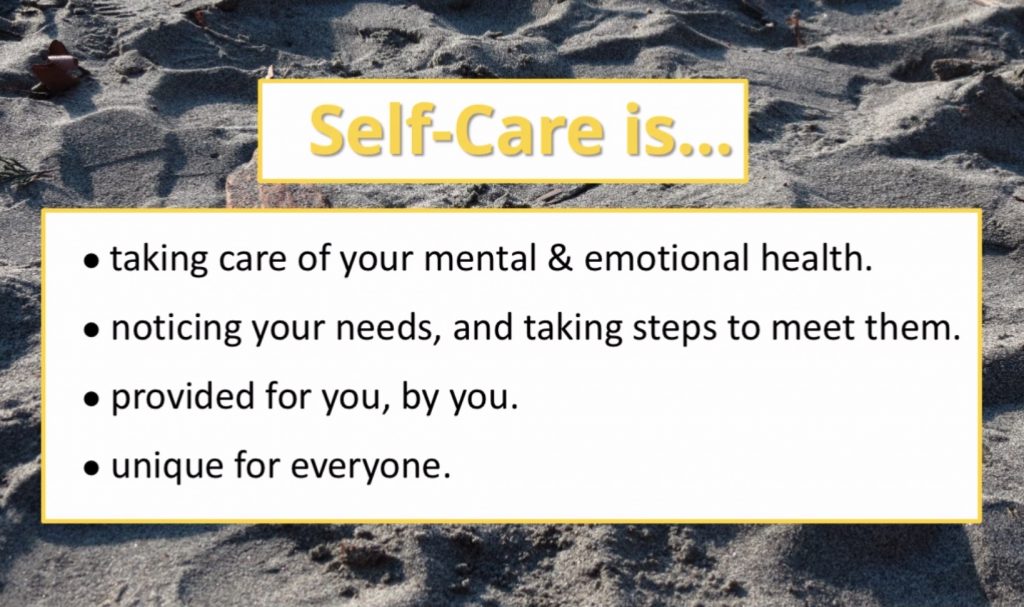
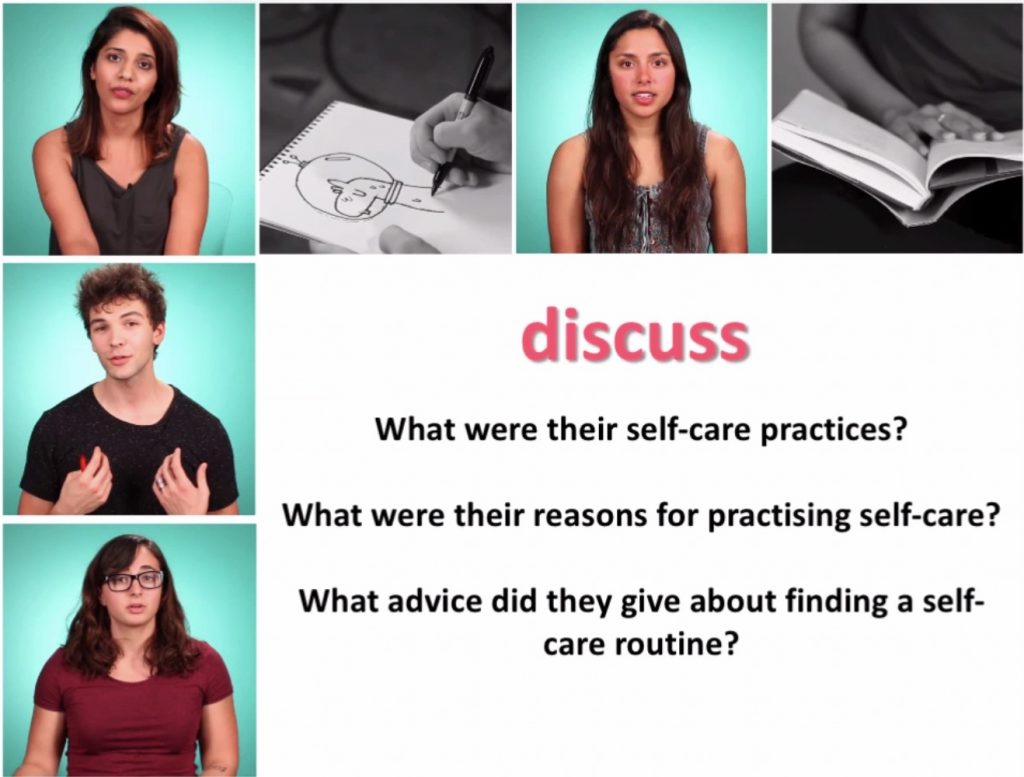
Today we had a presentation from the Youth Crisis Centre on mental health and self-care.  Our presenter Nick taught us more about what mental health is.  We learned that mental affects the way people think, feel and act and that taking care of our mental health is just as important as having a healthy body.

We learned that life isn’t always easy and that sometimes there are challenges along the way and that by using a variety of self-care tools we can learn ways to overcome these challenges and bounce back.

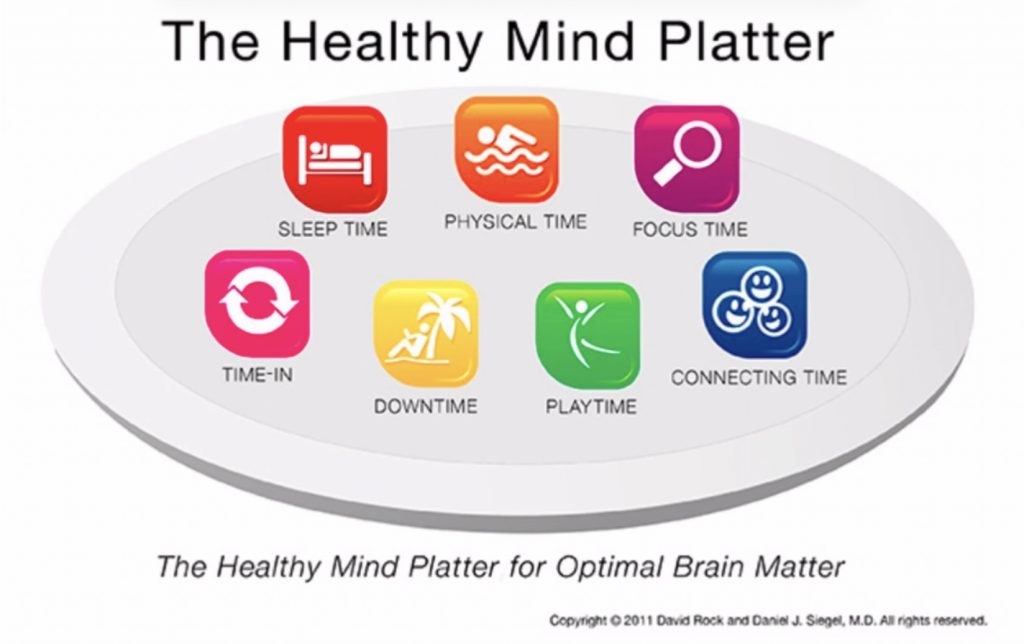
We learned that we cannot always see the emotional baggage people are carrying and discussed why it is important to be supportive and kind to others. There are many self-care tools we can use to help improve our mindset, eliminate negativity, reduce stress and anxiety, improve mental clarity, and help us cope with and overcome challenges.

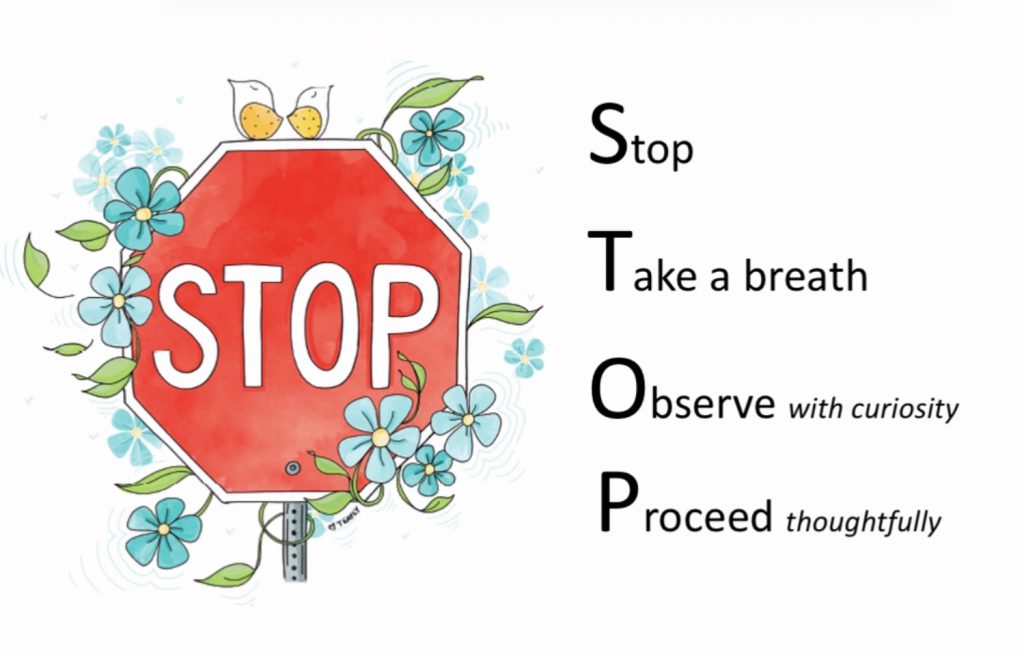
We also learned that when dealing with challenges that affect our metal health we should always stop, take a breath, observe with curiosity, proceed with caution and use trial and error to help us figure out which self-care tools are most appropriate for dealing with the  situation. Things won’t always be easy and to develop good mental health it will require daily effort and a variety of tools.

Lastly we learned that sometimes we don’t always have the answers and there are many organizations and people we can go to for help if we cannot solve our problems on our own.

Student Feedback Survey:

https://docs.google.com/forms/d/e/1FAIpQLSfAJNNgwRNpTWeBChopXpJfyn3pabHtLfyNtcz5HtaNuZKalA/viewform

Youth Mental Health Resources:

https://sd41-my.sharepoint.com/:w:/g/personal/e19647_burnabyschools_ca/Efd9qYF5dVpFiQS1abYOn94BAyYj64hxc3aorRbeWZexYA?e=NCqKAb


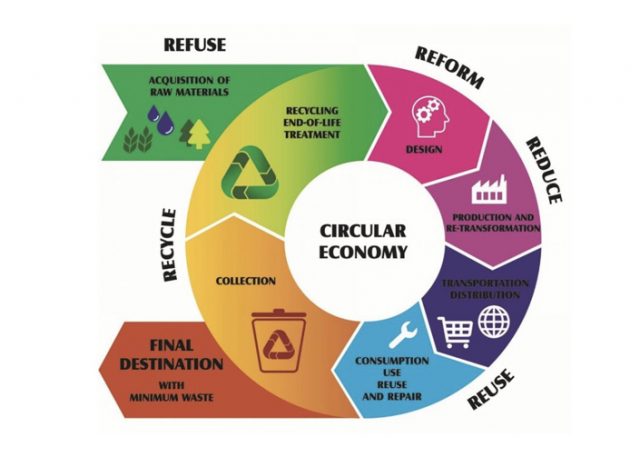
On Wednesday we had a virtual field trip on zero waste and circular economies. Students learned about the 3Rs and examined why it is so important to reduce and re-use our resources.  They explored the “how to” for recycling and composting and discovered solutions for sustainable waste management and how to remake materials and products to be used again and again, mimicking natural cycles in nature.
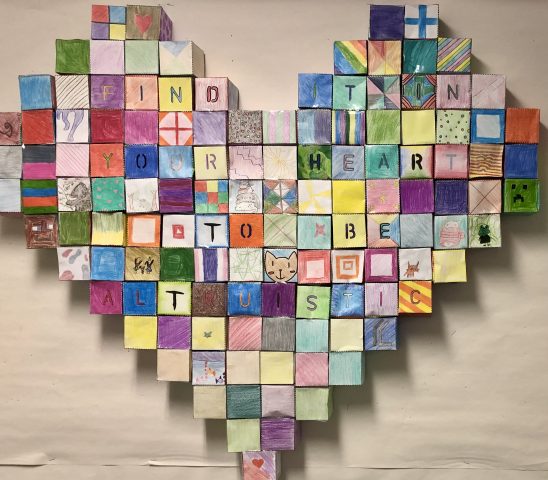
Students are encouraged to take a waste audit for homework for a chance to win a $100 gift certificate of our choice or a pizza party for our class.  To complete the audit click on the link to take the fun WASTE AUDIT or follow the steps below:

GO TO greenbricks.ca/audits/

CLICK ON the audit and complete!


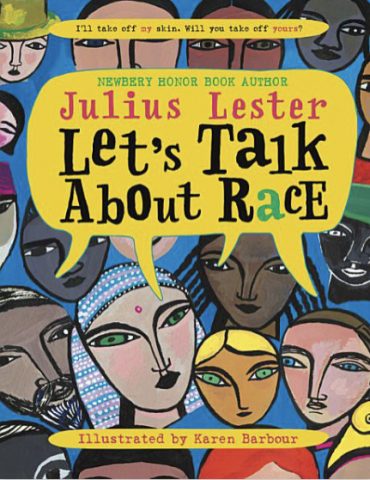
This book “Let’s Talk About Race” Written by Julis Lester and Illustrated By Karen Barbour was a springboard for our in-class discussions about race, racism, discrimination, stereotypes, and inequality.  In the book Julius Lester describes how our lives are stories and the differences are merely in the details and that beneath our skin we are all the same.  Questions students were asked to consider and discuss were:

  • Does your story begin when you were born? Why or why not?
  • What makes up your story? …
  • Is skin colour a part of your story?
  • How does the color of your skin affect you?
  • What is an important part of your story?
  • The author says, “race is a story.” What does he mean by this?

Following this activity students then examined the work of Dr. Martin Luther King Jr.’s and listened to one his his most famous speeches, which he delivered to a quarter of a million people in 1963 in Washington, DC. In his speech Dr. Martin Luther King Jr said, “I have a dream that my four little children will one day live in a nation where they will not be judged by the color of their skin but by the content of their character.” Students were then asked to discuss whether or not his dream has been fulfilled yet and compose an essay with evidence to support their claims.  Many students agreed that while progress has been made with regards to eliminating racism. discrimination, and inequality more still needs to be done to achieve his dream.

Div 3 Class Blog ©2026. All Rights Reserved.
Powered by WordPress. Theme by Phoenix Web Solutions