Core-Creative/Critical Thinking – Page 5 – Div 3 Class Blog
 

Category: Core-Creative/Critical Thinking

Link to Read-Aloud: https://youtu.be/Nw5KQMXDiM4

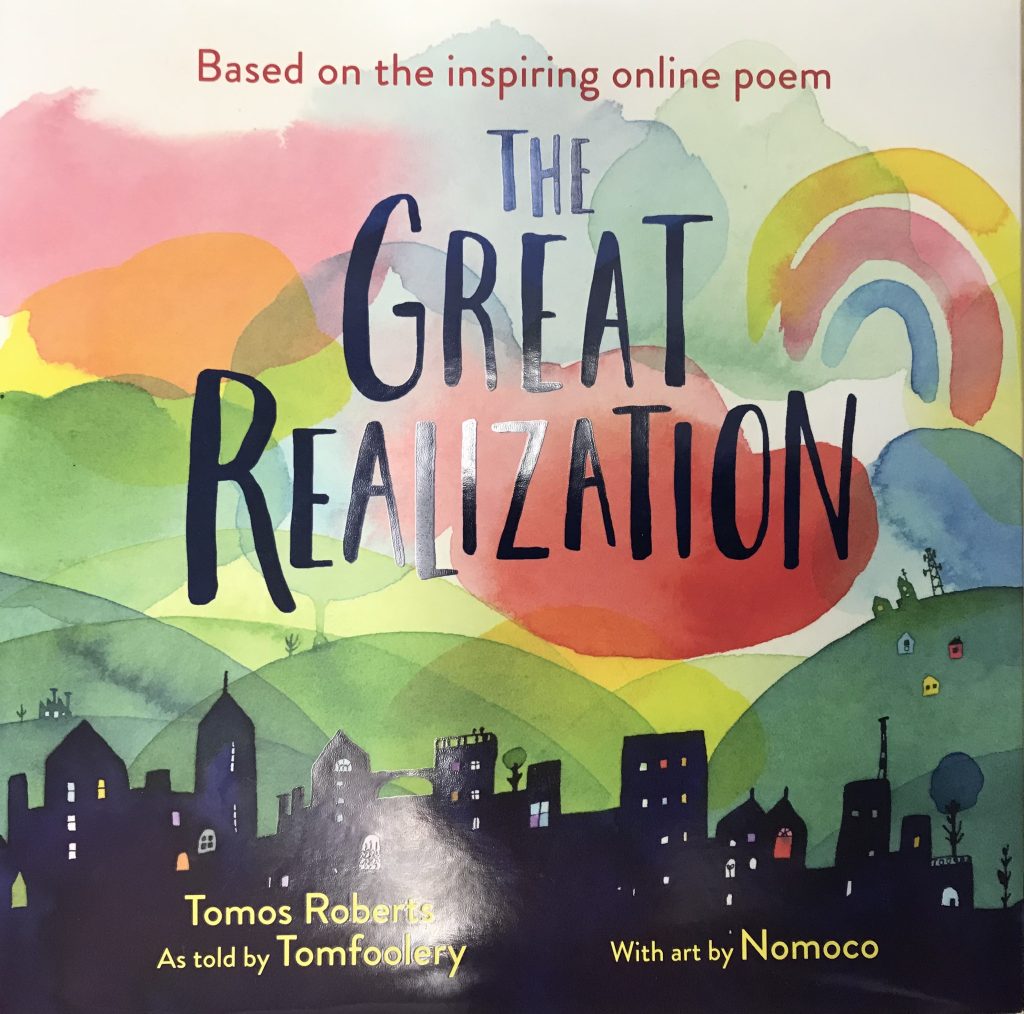
Today, in class Ms. Knowlan our student teacher taught a lesson based on the book The Great Realization written by Tomos Roberts. The book is about the pandemic, times of crisis, and the many  global issues we are facing today. It also highlights how the pandemic has helped us open our eyes to some of  these global issues during the global pandemic.

A few questions we discussed as a class were:

What do you think the meaning of this poem is?

What are some things that resonated with you?

In the video how does the relationship between Roberts and his siblings influence his message, choice of words, delivery and impact?

Does Tomos Robert paint a positive or negative picture?

Do the illustrations from the book change your perception or understanding?

Why do you think the author chose the title “The Great Realization”?

What are some key issues he identifies?

How does he portray the world after lockdown?

What does he mean by “hindsight’s 2020”?


For the next lesson we will be partnered up and asked to write and illustrate our own poems on global issues affecting us today (poverty, pollution, climate change, inequality, technology consumption, war, natural disasters, over population, corruption, etc.).

Blogpost written by: A.W.
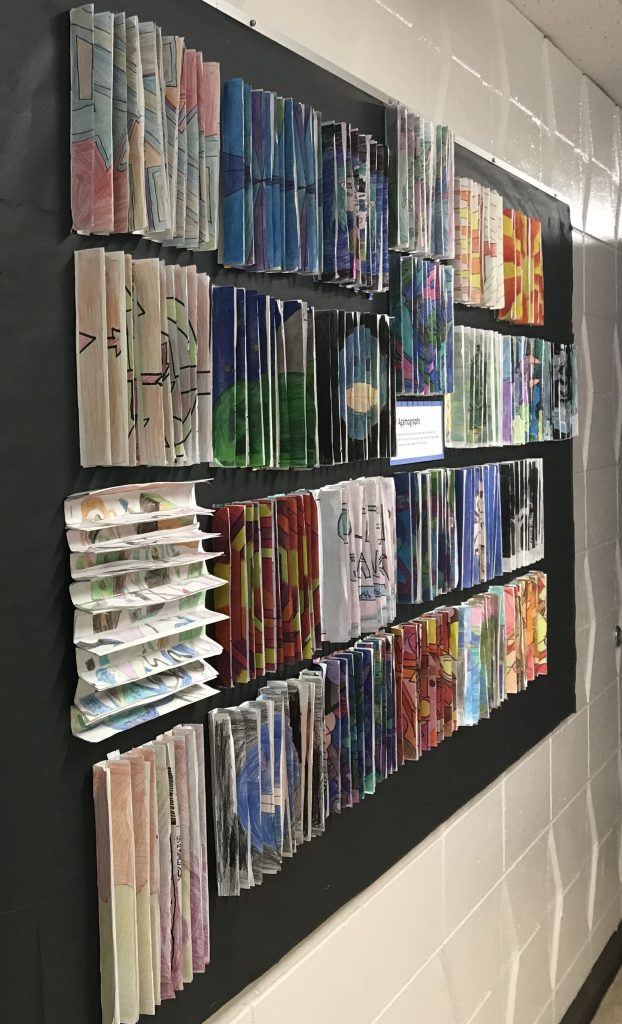
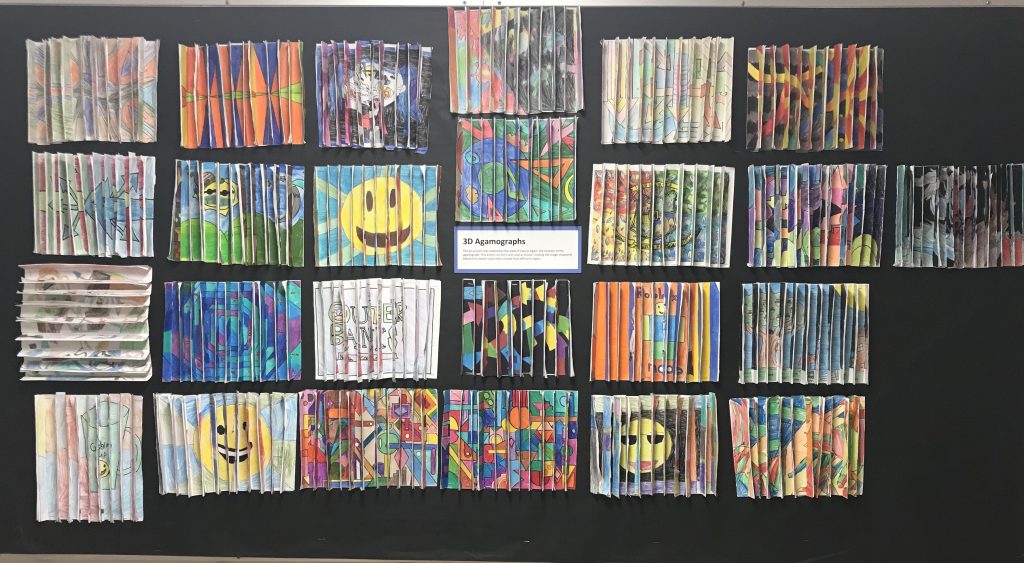
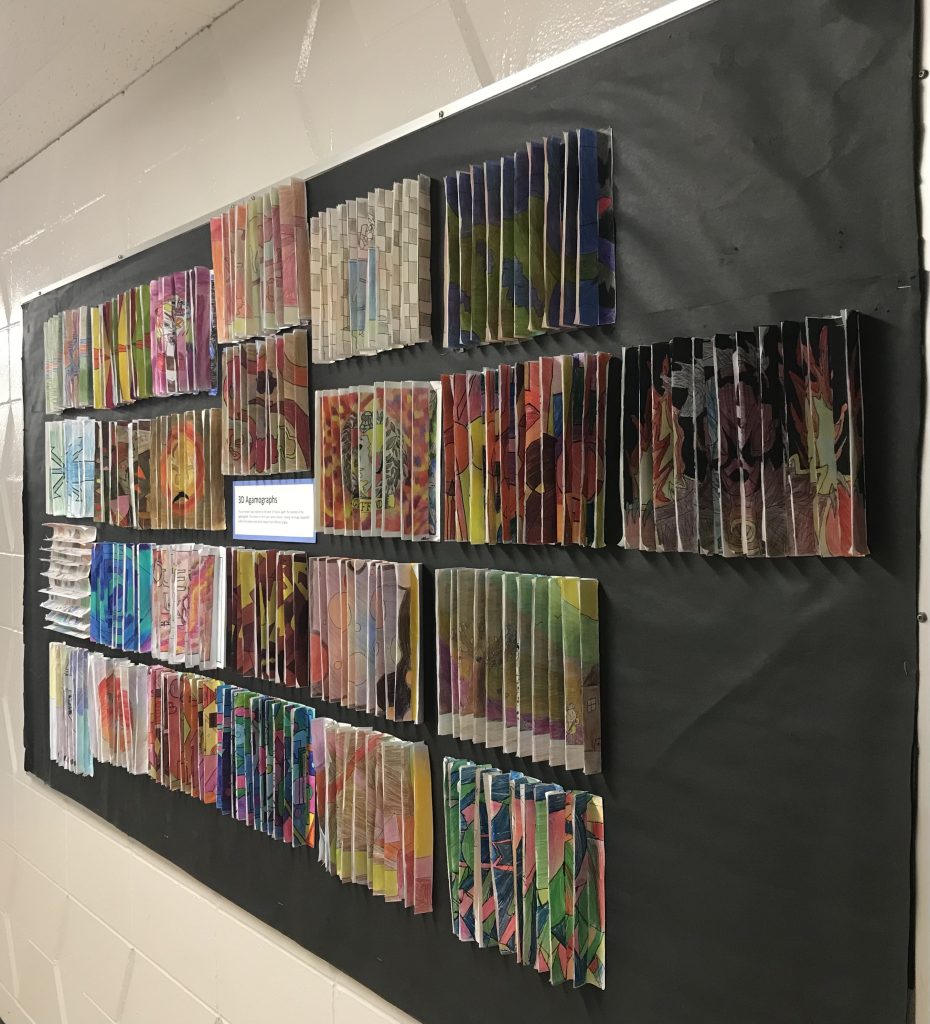
3D Agamographs

| Leave a comment

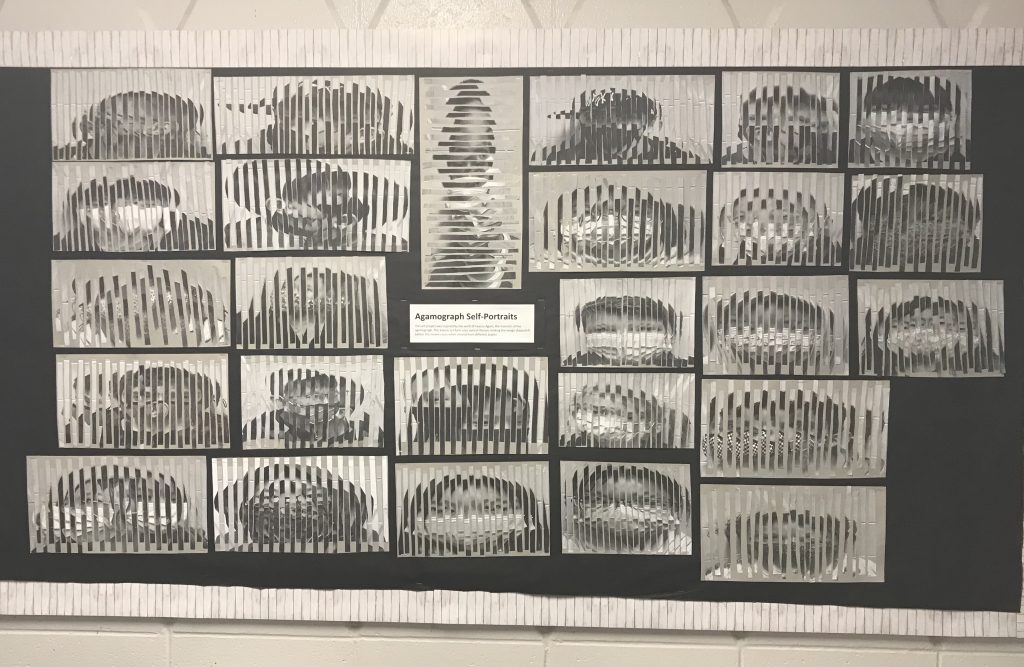
This art project was inspired by the work of Yaacov Agam, the inventor of the agamograph. This kinetic art form uses optical illusion, making the image shapeshifter before the viewers eyes when viewed from different angles.

This art project was inspired by the work of Yaacov Agam, the inventor of the agamograph. This kinetic art form uses optical illusion, making the image shapeshift before the viewers eyes when viewed from different angles.

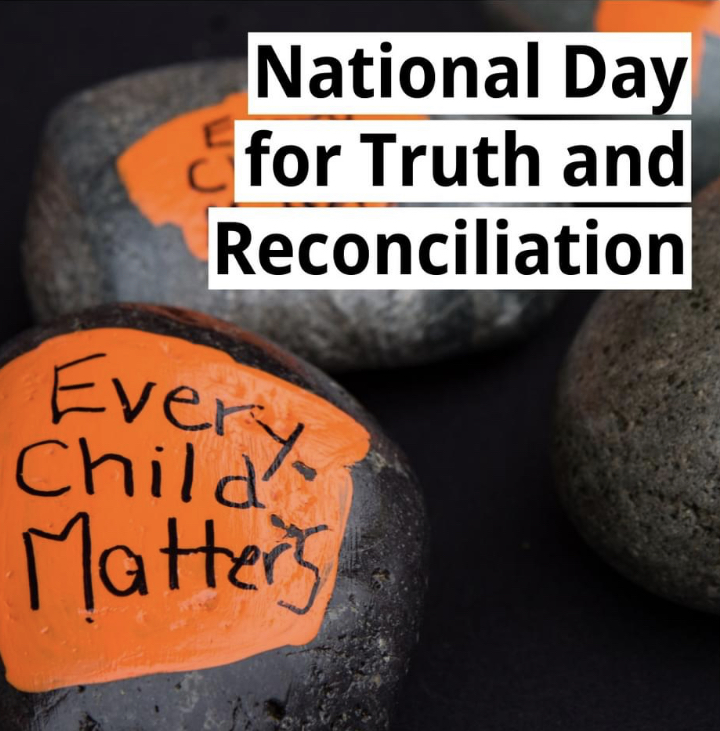
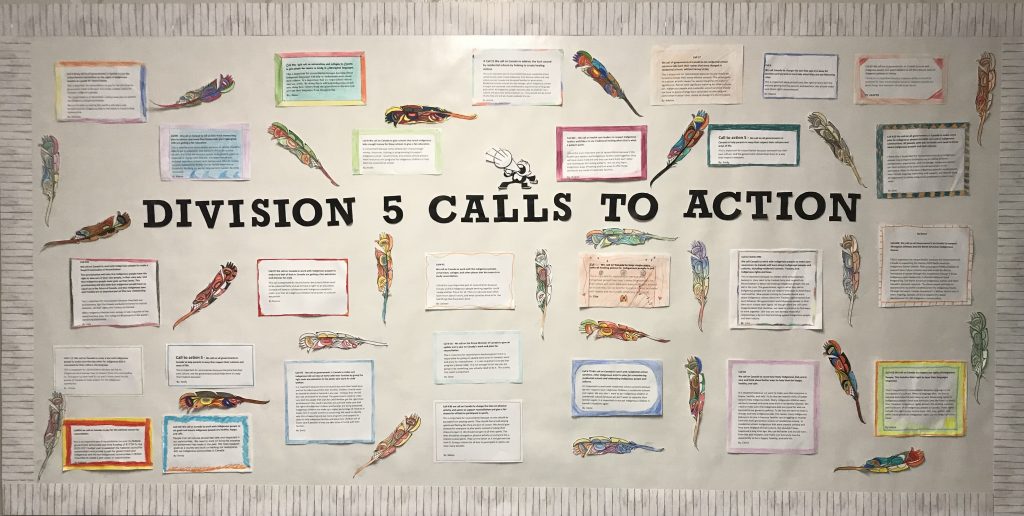
This week in class we’ve been learning about the harmful effects of residential schools and past government policy.  We’ve discussed the meaning of reconciliation and have learned that reconciliation “is the reestablishment of broken relations, or forging of positive accord where there has been discord.” We’ve all learned what it means to be an ally and have identified ways we can resolve differences and build a path forward. In doing so we explored the Truth and Reconciliation Commission of Canada’s 94 Calls to Action.  Afterwards we identified calls to action that resonated with us and discussed why they are an important part of the reconciliation process. As Justice Murray Sinclair of the Truth and Reconciliation Commission said, “education brought us here, education will help us get away from this.” By educating ourselves on Canada’s past wrongdoings we can ensure we do not repeat these same mistakes in the future and work toward building mutually respectful relationships with our indigenous communities in Canada.

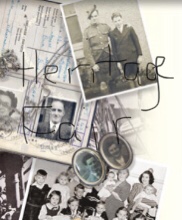
This year students from Divisions 1 through 5 researched about historically significant people, places, and events in Canada.  They used inquiry processes to ask questions; gather, interpret, and analyze ideas; draw conclusions and make ethical judgements about events, decisions, and actions; and used technology and design skills to communicate their findings to their audience.

To view their Heritage Minutes click here: https://sd41-my.sharepoint.com/:v:/g/personal/e19647_burnabyschools_ca/Ee-07KMR10lOklG9vyWxo4cBho8fV3IUlMMjiNCnfmHONg?e=z7TQe7

To view their posters and see who the award recipients were click here: https://sd41-my.sharepoint.com/:v:/g/personal/e19647_burnabyschools_ca/EVtGXh4xhQ9IhAwjp2p0KSIBa_0sgIYatIJO0djgaO_QEA?e=u5PgMr

Students did an excellent job and we learned lots from their presentations.  Well done everyone!


Div 3 Class Blog ©2026. All Rights Reserved.
Powered by WordPress. Theme by Phoenix Web Solutions