Core-Collaboration – Page 2 – Div 3 Class Blog
 

Category: Core-Collaboration

Recently in class students participated in a climate justice and climate change simulation.  In this simulation students learned about the consequences of climate change, the injustice, and effects of climate change often experienced by vulnerable populations around the world.
Students work in groups to build communities and attempt to develop mitigation and adaptation strategies while experiencing the impacts of climate change (droughts, tropical storms, rising sea levels, and other impacts of climate change).

Some of the takeaways were:

Climate change is affecting those who are often contributing the least. The people hit the hardest are those already living in poverty and at higher risk.

The simulation also highlighted the affects that climate change is going to have on people.

– Climate change is affecting our ability to grow food. Growing seasons are disrupted or shortened and storms, droughts, and floods all
affect harvest outcomes.

– Climate change is affecting where and how we live making people relocate and find new homes after generations of living in one area. It is also causing extreme storms, rising sea level, melting permafrost, etc.

-Climate change directly affects human health and safety and can lead to the spread of diseases (like malaria), heat waves, wild fires, air pollution.

This lesson is going to be one of many climate change lessons as we explore more sustainable ways of being and doing in our world in an attempt to protect the planet.

After Spring Break students will also be participating in Indigo’s Read for the Planet Program and as a classroom we will be exploring ways we can take action in our school and the broader community to combat climate change and keep our planet healthy for more years to come

Students are naturally curious about the world in which they live. They want to know more about their planet and are concerned with the challenges we face. Reading and learning together with your child is a safe and supportive way to develop awareness and ideas for ways to care for the planet. Reading about how to care for the planet can also help deepen connections to other people and the planet—connections critical for understanding the challenges and opportunities being faced in communities around our planet.

The attached resource was designed by the Indigo Love of Reading Foundation in partnership with our curriculum partner, The Critical Thinking Consortium (TC2) as an extension of our school-based Read For The Planet learning modules. We know that schools are just one place students learn and that home is a critical space for expanding on and practicing what happens in the classroom. This guide provides parents and caregivers with book suggestions, worksheets, discussion prompts and a template for a home-based action project all to help you and your little changemaker to get inspired through reading and have fun while learning about the environment together.

http://This lesson will invite students to examine the qualities of people or actions intended to address climate change or other environmental issues. The focus will be on helping students explore and decide what actions they might take.

Lesson Retrieved From: http://www.mcic.ca/uploads/documents/Climate%20Justice-Final%20PDF%202022.pdf
https://share.icloud.com/photos/0d5DTy3Mc_sPIHJYBqvrIhkHA

https://share.icloud.com/photos/076G0pCNZEMcmhOAdIYDbndRA

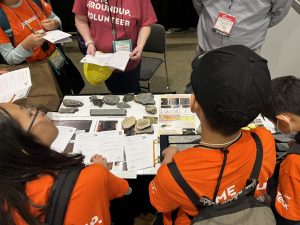
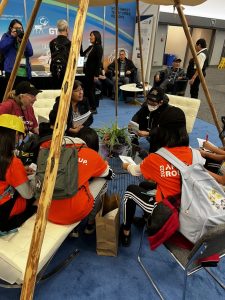
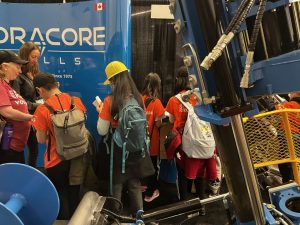
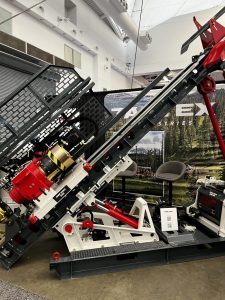
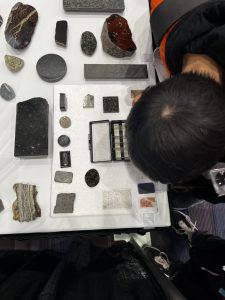
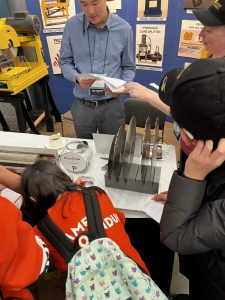
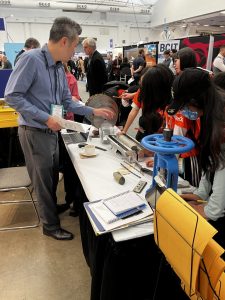
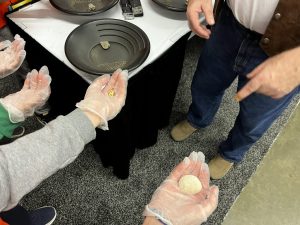
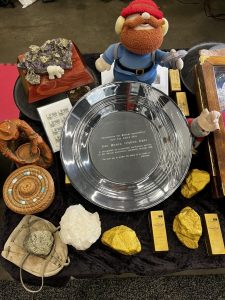
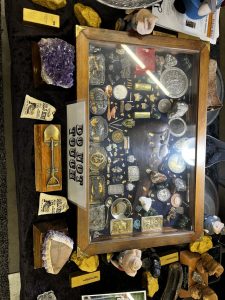
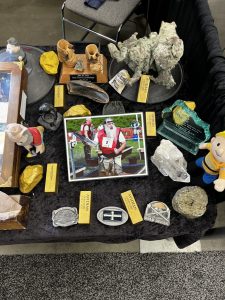
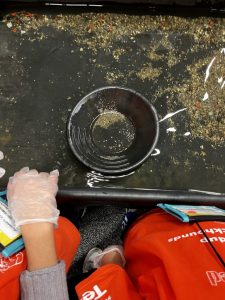
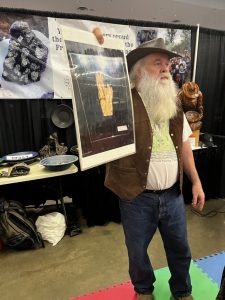
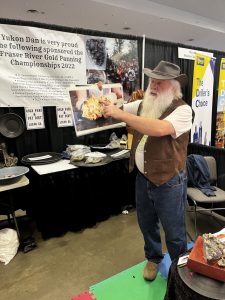
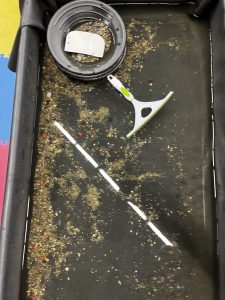
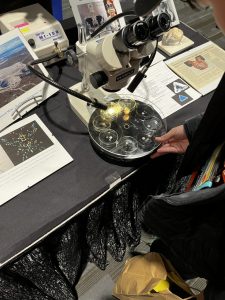
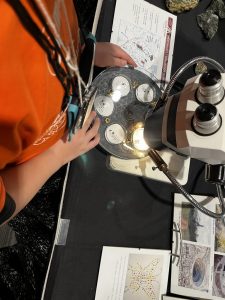
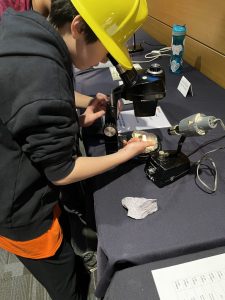
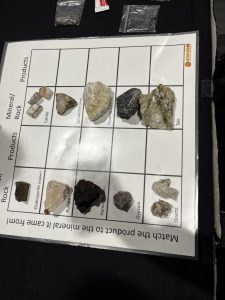
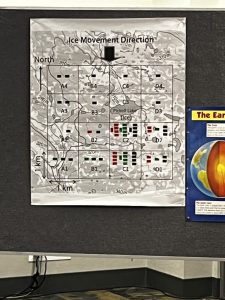
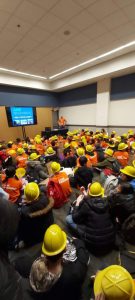
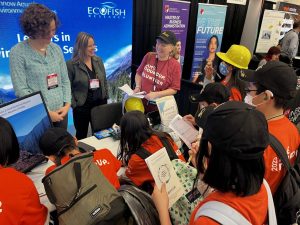
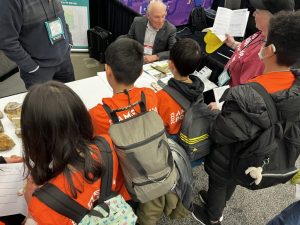
Students from Division 3 and 5 had a fun filled day at the Vancouver Convention Centre as we wrapped up our MineralsEd Rockhounds program. Throughout the day they learned more about geology, minerals, new technologies, and careers in mineral exploration and mining. They learned more about how Canada’s critical Minerals are used and why they are important to the global economy. They also had the opportunity to pan for gold with Yukon Dan and learned how geologist determine the location of mineral resources based on ice movements.
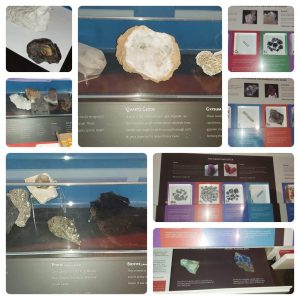
Thanks again #MineralsEd for this opportunity. We had a great time and learned so much.

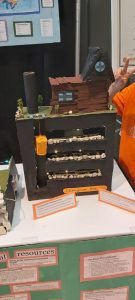
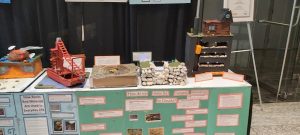
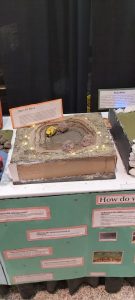
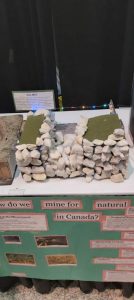
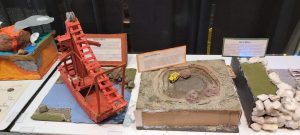
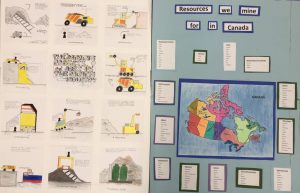
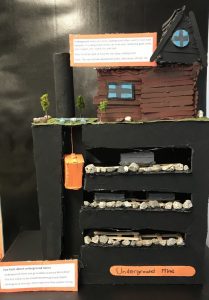
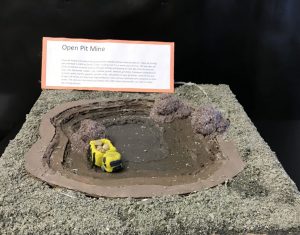
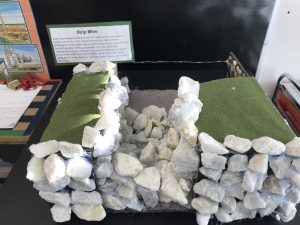
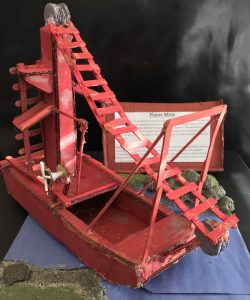
Students have been learning about the mining process and about different types of mines.  Their work and models of open pit, placer, strip and underground mines along with their oversized visuals outlining the mining process and resources we mine for in Canada will be on display this week at the Vancouver Convention Centre for AME Roundup which is the premier gathering place for thousands of geoscientists, prospectors, financiers, investors, suppliers, governments and Indigenous partners to engage, share knowledge, and look at opportunities and challenges shaping the mining industry.

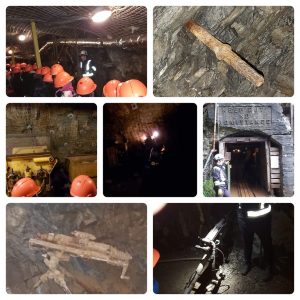
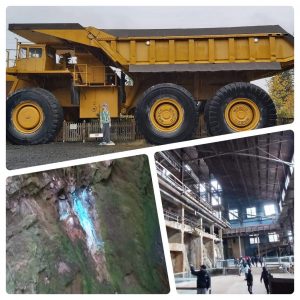
It was a wet day but we had so much fun at Britannia Mines today learning more about the rock cycle, types of rocks and minerals and the mining process.

Students, teachers, EA’s and parent volunteers participated in a one hour underground tour where they learned about how copper was mined and extracted from the earth when Britannia was a working mine.

After the underground tour we participated in a lab where we learned how every rock has a story. We learned more about how rocks tell us about the history of our planet, both distant and more recent. We also learned how rocks move through the rock cycle transforming from one type of rock to another.

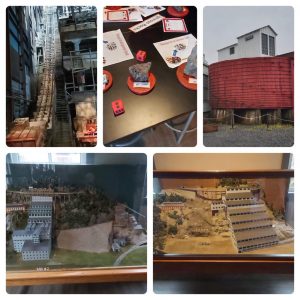
To wrap up our visit we ended with an international award winning presentation called Boom where we were able to discover the thrilling light, sound, and special effects experience inside the historic mill.  We experienced all 20-storeys coming back to life with a thunderous roar and even saw some Britannia ghosts 👻

Here are some pictures and videos from today. Enjoy!

Video Links:

https://share.icloud.com/photos/0561TEQdbtD8TW-M0z5QMbbLQ

https://share.icloud.com/photos/0759oj0YKknFu9F8iOUB2xfRw

https://share.icloud.com/photos/0e5UGStFJwNYfzykUQSaXjjbw

https://share.icloud.com/photos/0e7XQVsjaCFdMPMRgyfq9HuOw

https://share.icloud.com/photos/011n77M8Nx6bpZhD_bKJxIKNA

https://share.icloud.com/photos/0afaUrunbLXaaxSJYtQPkYkDg

https://share.icloud.com/photos/062ruWBNprbLvNdFAotPs_MOg

https://share.icloud.com/photos/006nrPYLxGpZuKE0P05QuJfog

https://share.icloud.com/photos/09c8PxHChOeBOb9uBXVLOEXHA

https://share.icloud.com/photos/052hESMiiiRMUDnF2_sM9bnFw

https://share.icloud.com/photos/07erUmSdksmF4Mw2trHvYHm4A


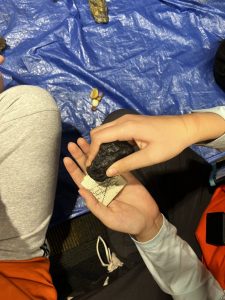
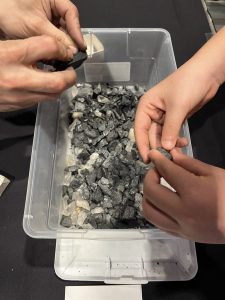
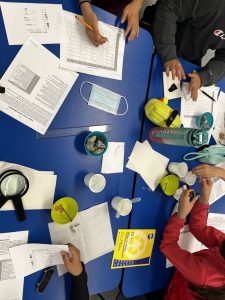
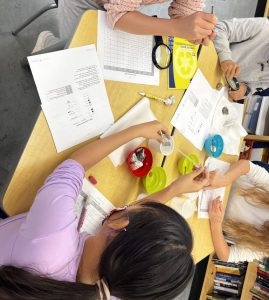
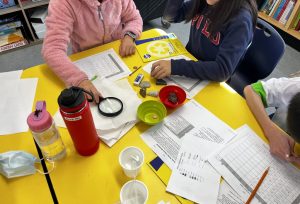
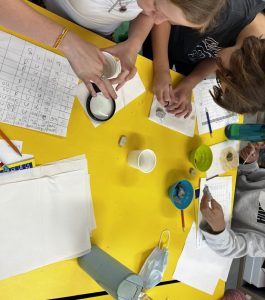
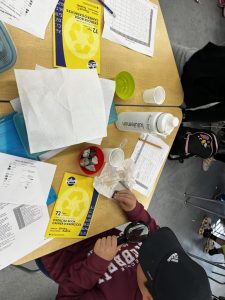
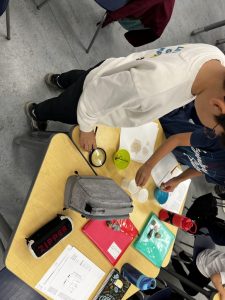
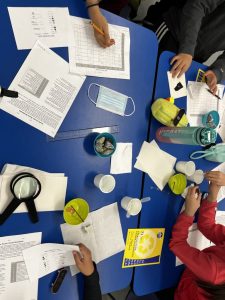
In Class this week we’ve been learning about the the different types of rocks, the rock cycle, and the methods scientists use to classify rocks. Towards the end of the week they participated in a series of experiments to test and record the hardness, reactivity, and buoyancy of various rock samples before making predictions about the type of rock (igneous, sedimentary, metamorphic) each sample was.  Here are a few photos showing these busy scientists at work:


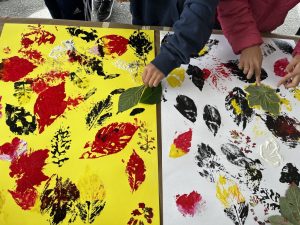
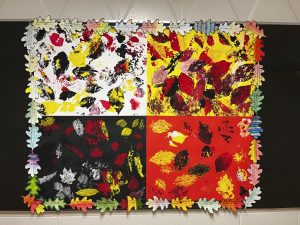
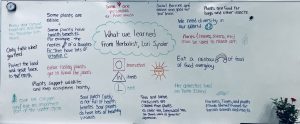
This week students had the privilege of learning about wild, native, and medicinal plants from Lori Synder, a First Nations Métis herbalist and educator. It was a rich learning experience and we are inspired by her teachings. We are also very excited about transforming our garden/outdoor classroom, making it a more diverse space where students can gather and learn more about native plants and indigenous ways of knowing and doing. As the season change and new plants are added, take time to observe, witness, and listen to what the garden is offering us.

In addition, students wore orange shirts throughout the week and explored age-appropriate lessons and had discussions about the meaning behind wearing orange shirts. This generation of children will have a far greater understanding of the history of residential schools, their negative impact, and the importance of reconciliation as we look critically at our country’s history and strive to do better. Tomorrow could be an opportunity to ask your children about what they have learned from their sessions with Lori and Mme Heardman this week.

Dear Parents/Guardians,

Next week we will be having 2 student teachers from SFU joining us at Aubrey to complete their 405 long practicums. The student teachers will be with us from September 14th-November 29th.

Ms. Knowlan has been assigned to work with our class and we are very excited to have her joining us.  Ms Knowlan is a graduate of Kwantlen Polytechnic University with a major in psychology and a minor in counseling. She currently lives in Vancouver with her cat, Trip. When she’s not focused on school and her professional development she loves to cook and bake, explore the great outdoors, and spend time with her family. She is very grateful for the opportunity to learn in our classroom and and get to know each and every single one of you and your children!

Throughout her practicum we will be sure share all of the exciting things we are doing over the coming weeks on our classroom blog http://sd41blogs.ca/smithc/.  You will also see Ms. Knowlan and I at drop off and pick-up.  Please feel free to say hi and introduce yourself while continuing to follow our Covid-19 health and safety guidelines.

Kindest Regards,

Crystal Smith 

Grade 5/6 Teacher

Ecole Aubrey Elementary

1075 Stratford Avenue, Burnaby BC V5B 3X9

Phone: 604-296-9001

Email: crystal.smith@burnabyschools.ca

| Leave a comment

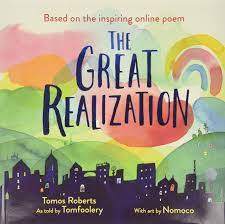
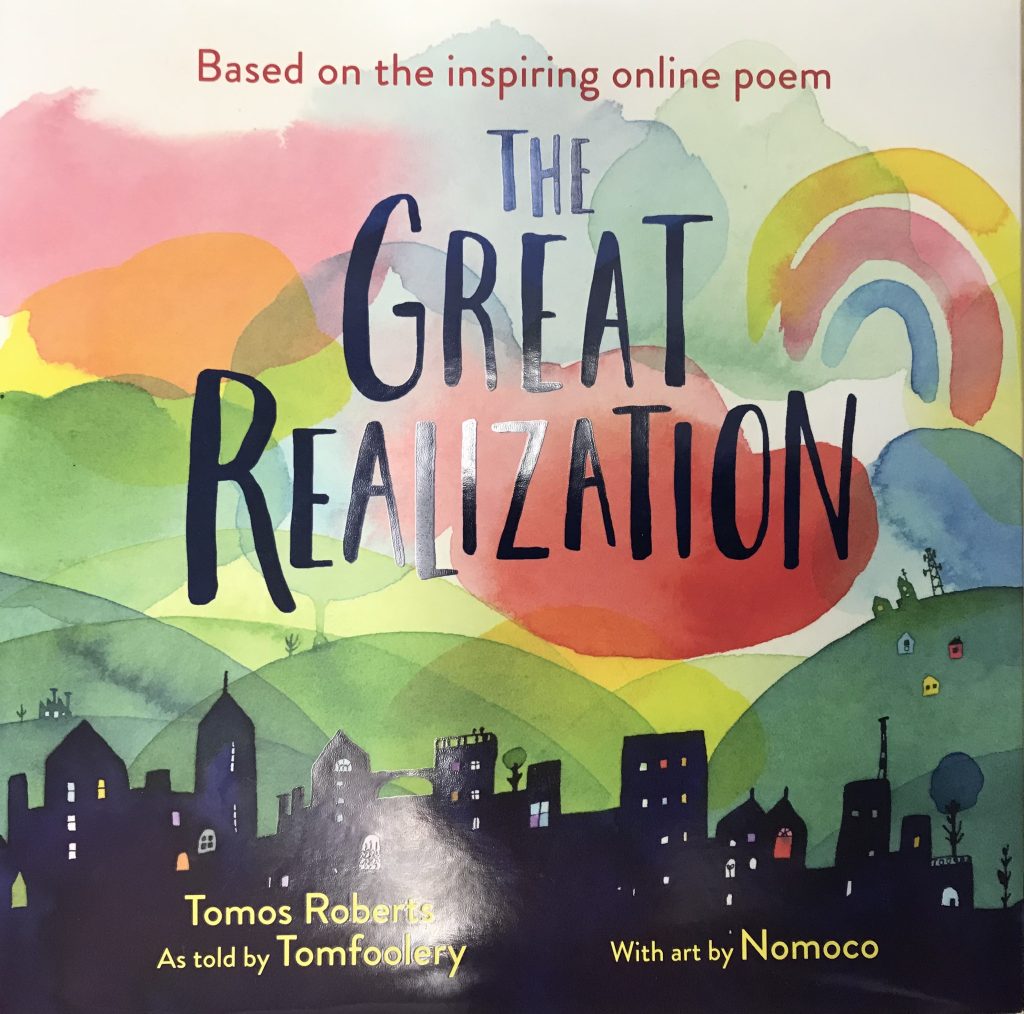
After reading “The Great Realization” by Tomos Robert the students create a similar poem on their own global issue. They worked in pairs to create a 6 stanza poem with A, A, B, B or A, B, A, B rhyming scheme.

Below are the poems they created.
Student Poems

Link to Read-Aloud: https://youtu.be/Nw5KQMXDiM4

Today, in class Ms. Knowlan our student teacher taught a lesson based on the book The Great Realization written by Tomos Roberts. The book is about the pandemic, times of crisis, and the many  global issues we are facing today. It also highlights how the pandemic has helped us open our eyes to some of  these global issues during the global pandemic.

A few questions we discussed as a class were:

What do you think the meaning of this poem is?

What are some things that resonated with you?

In the video how does the relationship between Roberts and his siblings influence his message, choice of words, delivery and impact?

Does Tomos Robert paint a positive or negative picture?

Do the illustrations from the book change your perception or understanding?

Why do you think the author chose the title “The Great Realization”?

What are some key issues he identifies?

How does he portray the world after lockdown?

What does he mean by “hindsight’s 2020”?


For the next lesson we will be partnered up and asked to write and illustrate our own poems on global issues affecting us today (poverty, pollution, climate change, inequality, technology consumption, war, natural disasters, over population, corruption, etc.).

Blogpost written by: A.W.

Div 3 Class Blog ©2026. All Rights Reserved.
Powered by WordPress. Theme by Phoenix Web Solutions