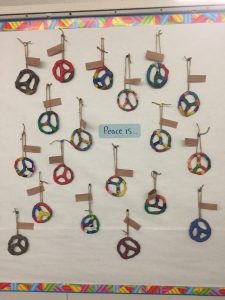
During this lesson students acknowledged that we reside on the traditional ancestral shared territory of the Coast Salish Nations of Musqueam, Tsleil-Waututh and Squamish. Students also learned that there are three main groups of Indigenous people in Canada: First Nations, Inuit, and Métis.
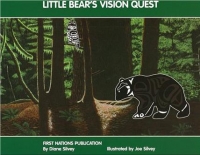
Before reading Little Bears Vision Quest written by Diane Silvey we also discussed the importance of stories and how they are an integral part of Indigenous culture. Students learned that stories are not just for entertainment but they are told to teach lessons and these lessons typically focus on ways to overcome a struggle, how to change attitude or behaviour and how to be the best person possible. In this particular story Little Bear learns to be kind, thoughtful and respectful toward others after being banished to a remote island.
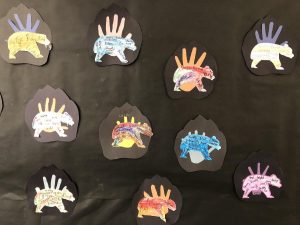
After listening to the story students then created these bear paws to represent the qualities that make a good friend.
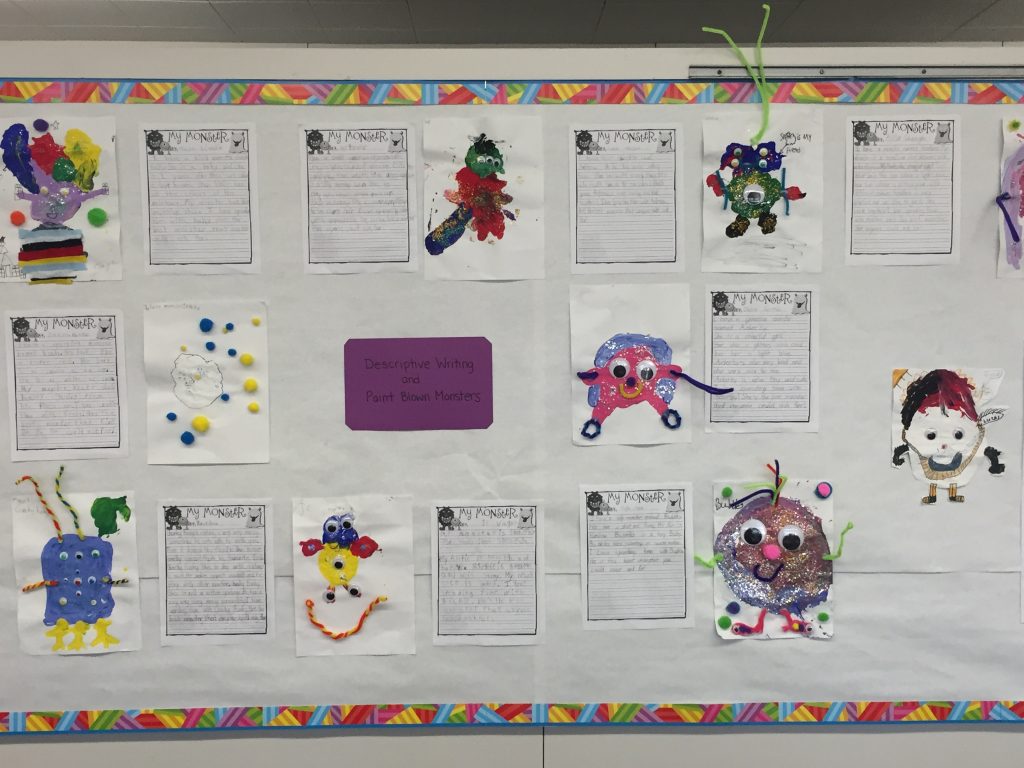 Students in Div 9 have been learning to enhance their writing, making it more descriptive by adding adjectives. They did an excellent job using adjectives to describe their monster’s personality. They also did a pretty amazing job turning blown paint into some monsterous masterpieces.
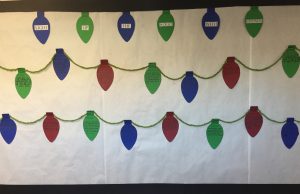 How can you light up your home, school or community with kindness? Students in Div 9 are learning that every small interaction with someone is an opportunity to have a positive impact on others.
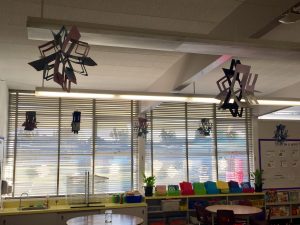 Today students in Div 9 learned how to make three-dimensional snowflakes in an activity that incorporated math, fine motor skills, and art. Students also utilized their thinking and personal core competencies as they problem solved and persevered through each step of the process to create these impressive snowflakes.