Literacy Week Highlight Showcasing Students Animated 3-Panel Comics
January 26, 2026
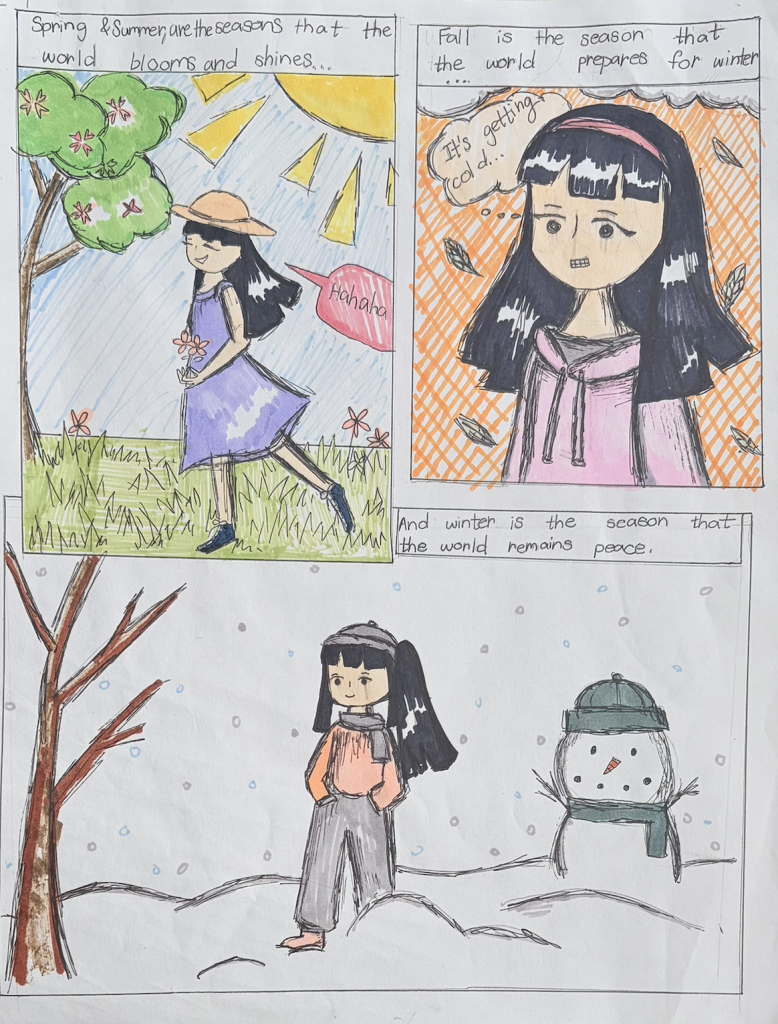
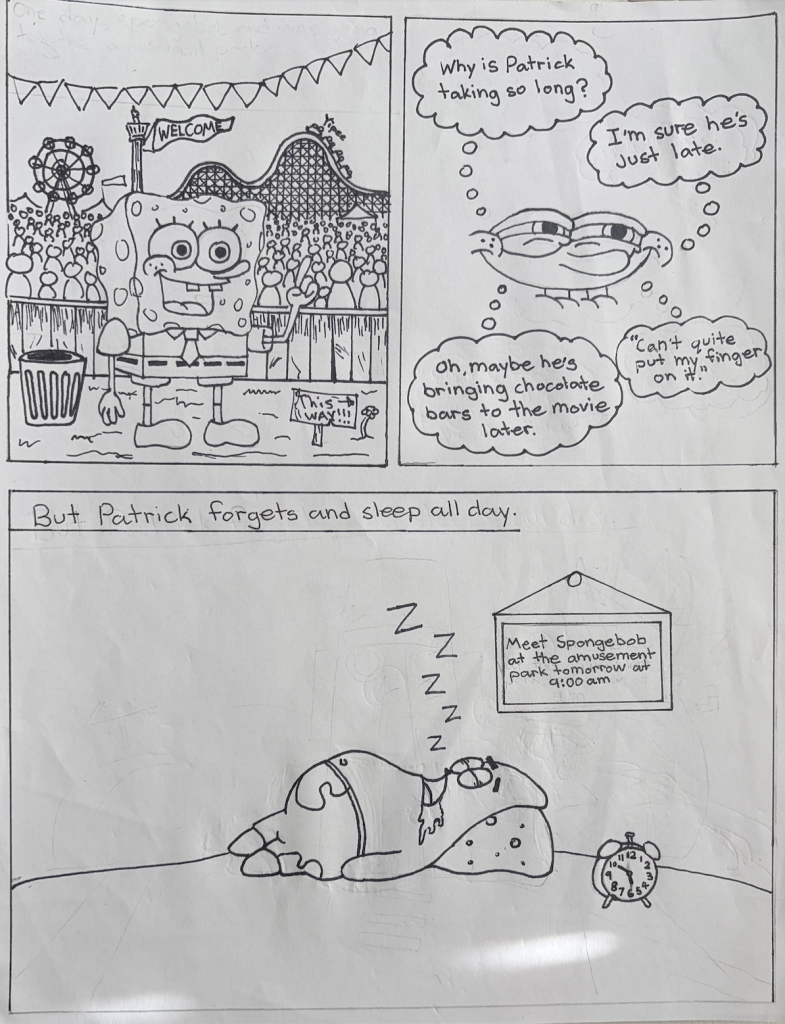
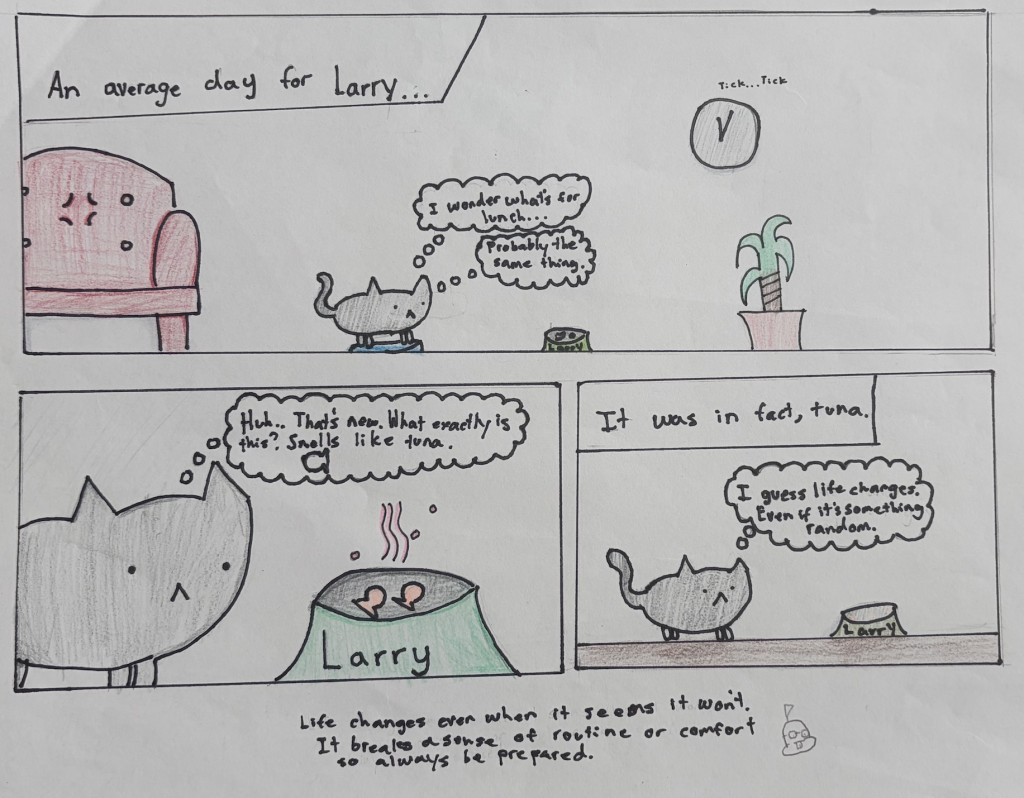
For literacy week students participated in a 3-Panel Comic Design Sprint, exploring how stories can communicate surprise, change, or a shift in thinking —all within just three panels.
Students began by planning a short narrative with a clear beginning, middle, and end, focusing on how a moment of surprise or transformation could be shown visually with minimal text. Once their stories were planned, students used Midjourney as a creative tool to help visualize their ideas. They carefully crafted prompts, refined details, and made design decisions to ensure the images matched their intended story.
Students then sequenced and animated their three panels, thinking intentionally about timing, transitions, and movement to enhance the emotional impact of the story.
This project connected learning across multiple subject areas:
-
Language Arts: Students practiced concise storytelling, sequencing, and visual narrative structure, learning how meaning can be communicated through images, pacing, and limited dialogue or captions.
-
Arts Education: Students explored composition, expression, symbolism, and how visual elements such as colour, framing, and contrast contribute to mood and meaning.
-
ADST (Applied Design, Skills, and Technologies): Students applied the design process—planning, creating, testing, and refining—while learning how to use AI tools responsibly. They focused on prompt design, iteration, and critical decision-making rather than accepting first results.
Each student created a unique comic and animation, reflecting their own ideas, storytelling choices, and design thinking. Because each project is highly individual, families please visit your child’s Spaces account to view their full comic, animation, and reflection. Only a few comics and the animations have been shared here to showcase the range of approaches and creativity.
This project highlighted how technology—including AI—can be used as a creative partner, guided by human intention, imagination, and ethical decision-making.
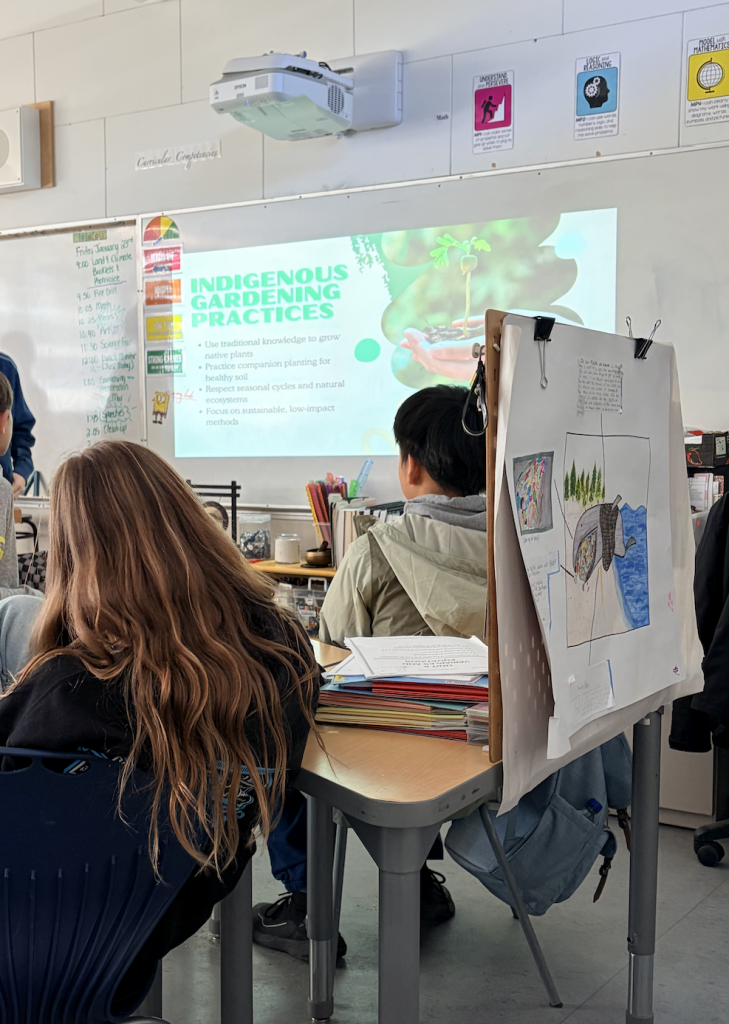
On Friday, students enjoyed an engaging and interactive workshop led by the GardenBank Conservation Society, a youth-led organization made up of students from Vancouver, Richmond, Burnaby, and Surrey. GardenBank’s mission is to tackle food insecurity while promoting climate conservation, and their visit gave students a meaningful opportunity to explore how sustainability connects to their own communities.
The workshop began with a short, accessible presentation introducing key ideas around sustainability and sustainable gardening practices. Students learned about the importance of food security, environmental responsibility, and how small, local actions can make a real impact.
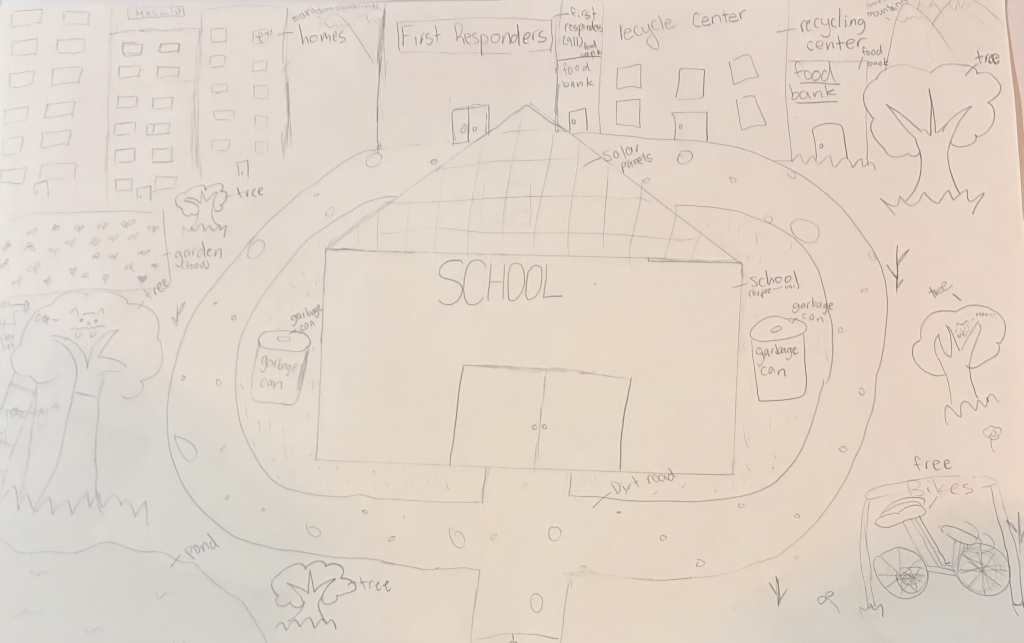
Following the presentation, students took part in a hands-on design sprint. Working collaboratively, they were challenged to design their own sustainable city, thinking carefully about energy use, green spaces, food systems, transportation, and community well-being. Groups then presented their ideas and received feedback, encouraging them to reflect, refine, and build on their thinking.
The session sparked thoughtful discussion, creativity, and problem-solving, while empowering students to see themselves as changemakers capable of designing solutions for a more sustainable future. We are grateful to GardenBank Conservation Society for sharing their passion, leadership, and expertise with our students and helping bring sustainability learning to life. Everyone had a great time and learned more about sustainable practices, while discovering how thoughtful design and collective action can help create healthier, more resilient communities.
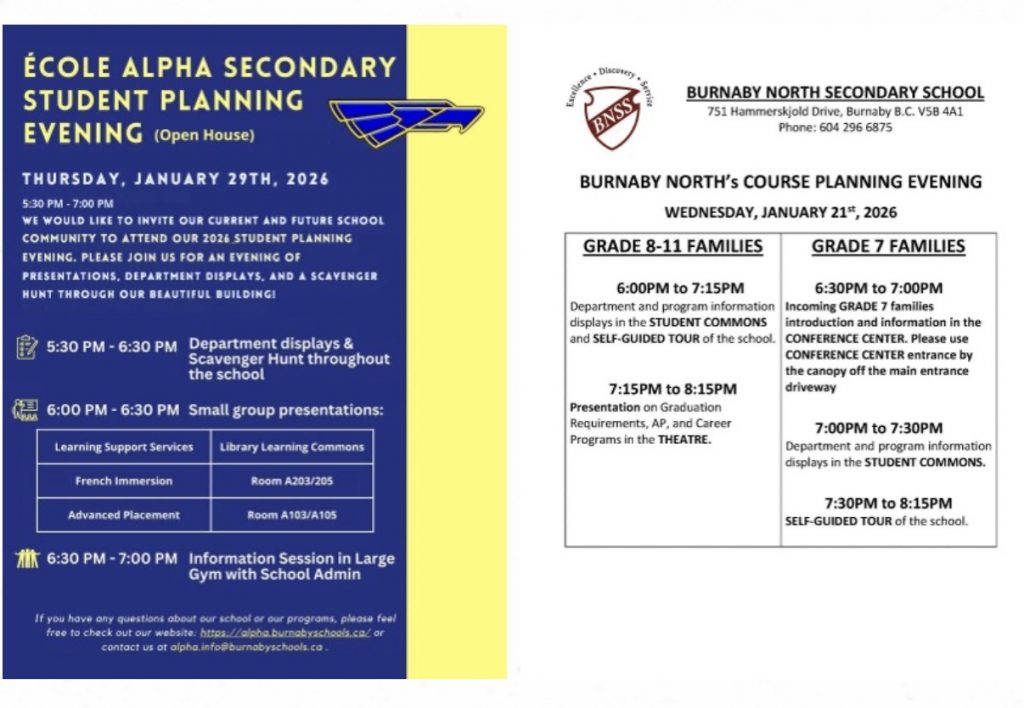
Elementary schools in Burnaby are beginning their Grade 7 transition process. All secondary schools will be hosting Student Planning Events (previously known as Open House). This is an opportunity for grade 7 students and their caregivers to learn more about secondary schools in relation to programs and courses offered, extra-curricular, etc.
I encourage you to attend the Student Planning Events at École Alpha Secondary and Burnaby North Secondary happening at the end of the month. Please see info below. Any questions, please feel free to reach out to me or the secondary school directly.
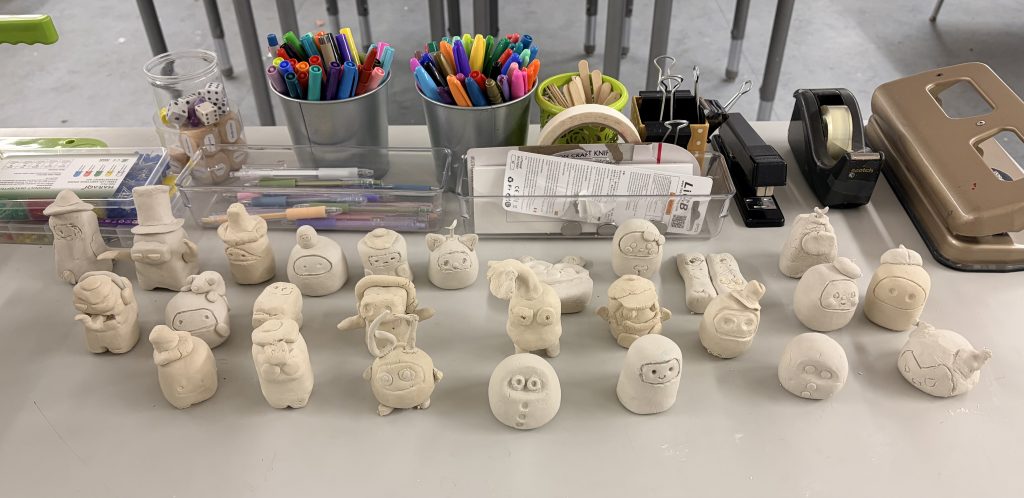
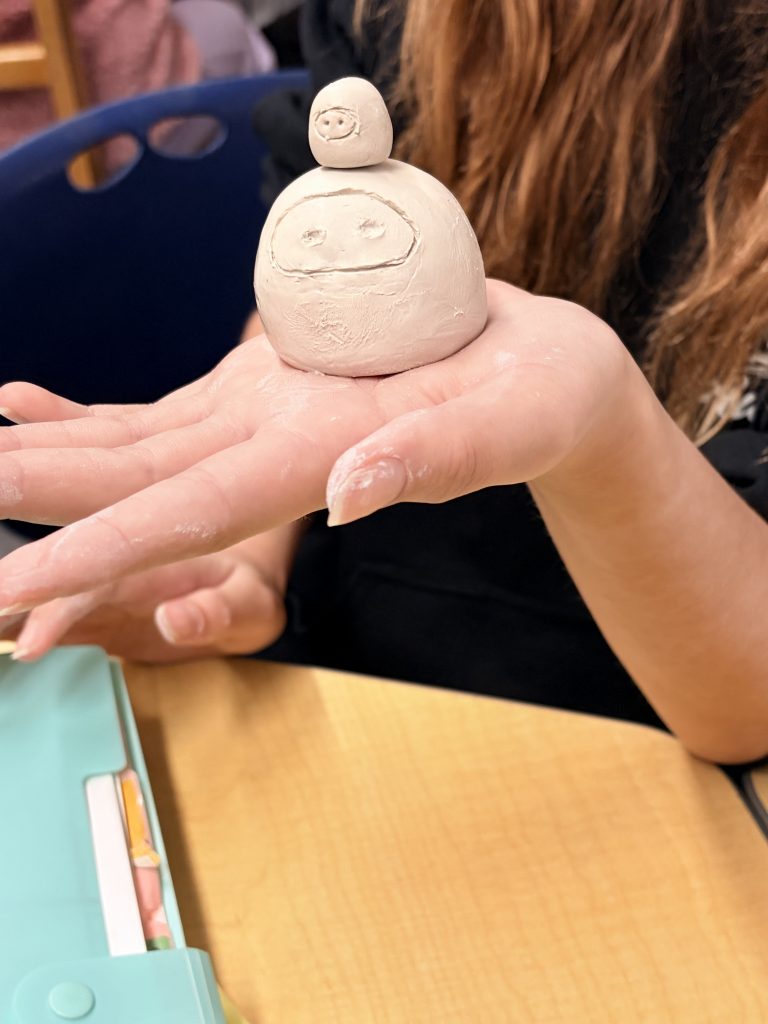
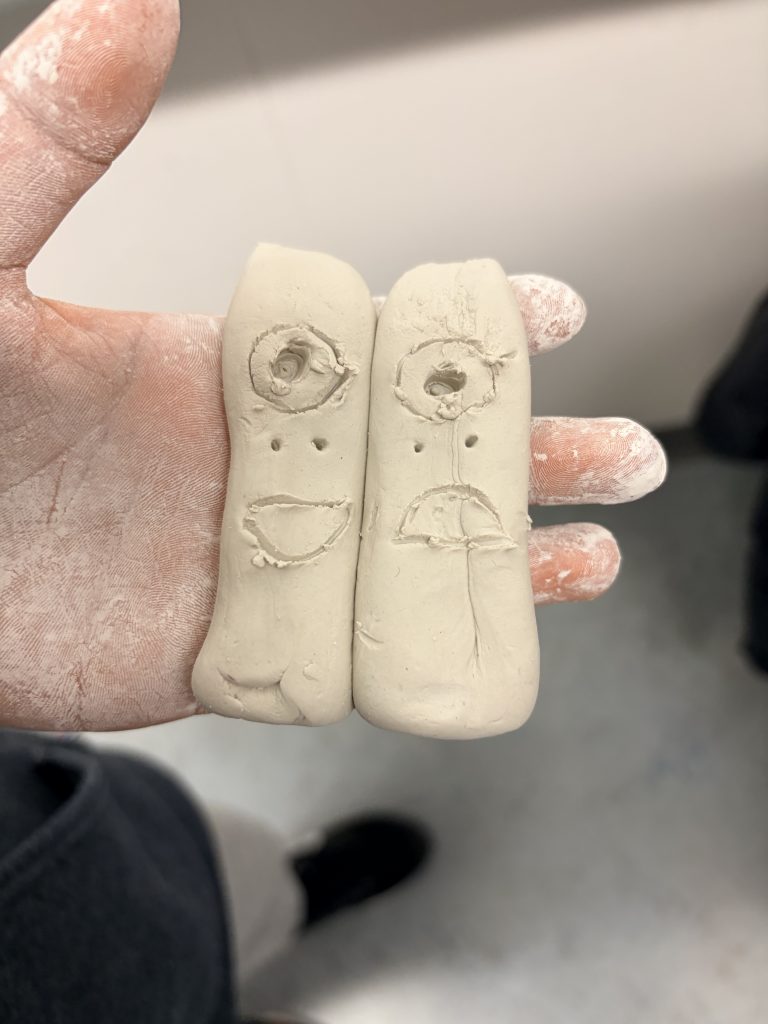
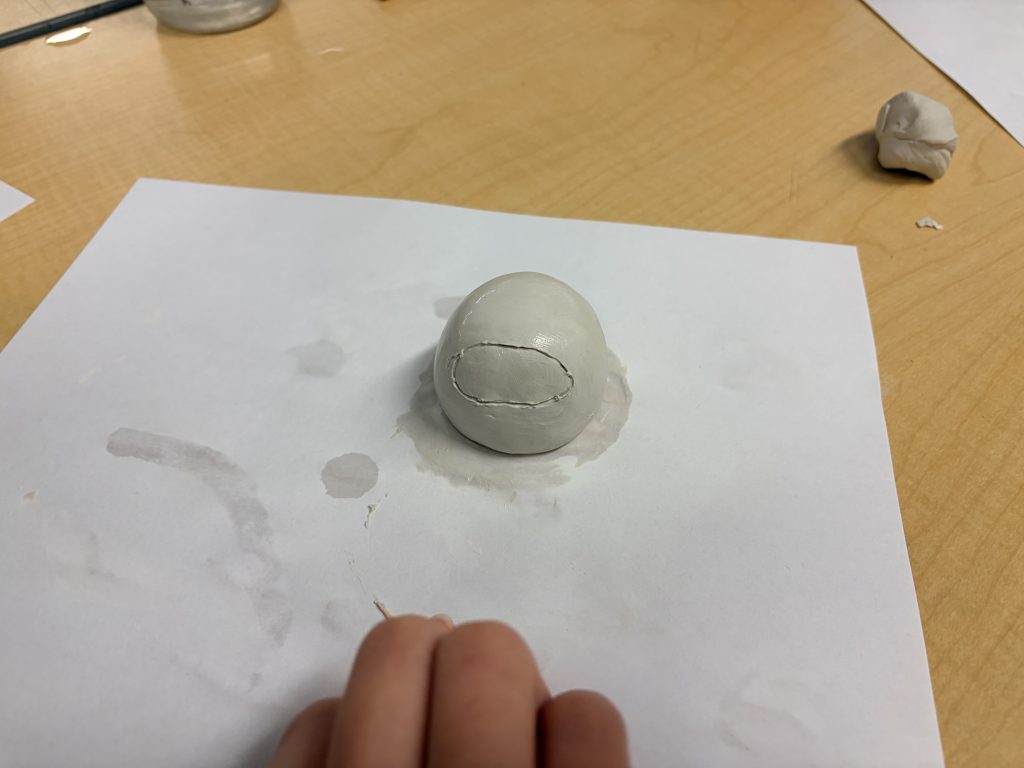
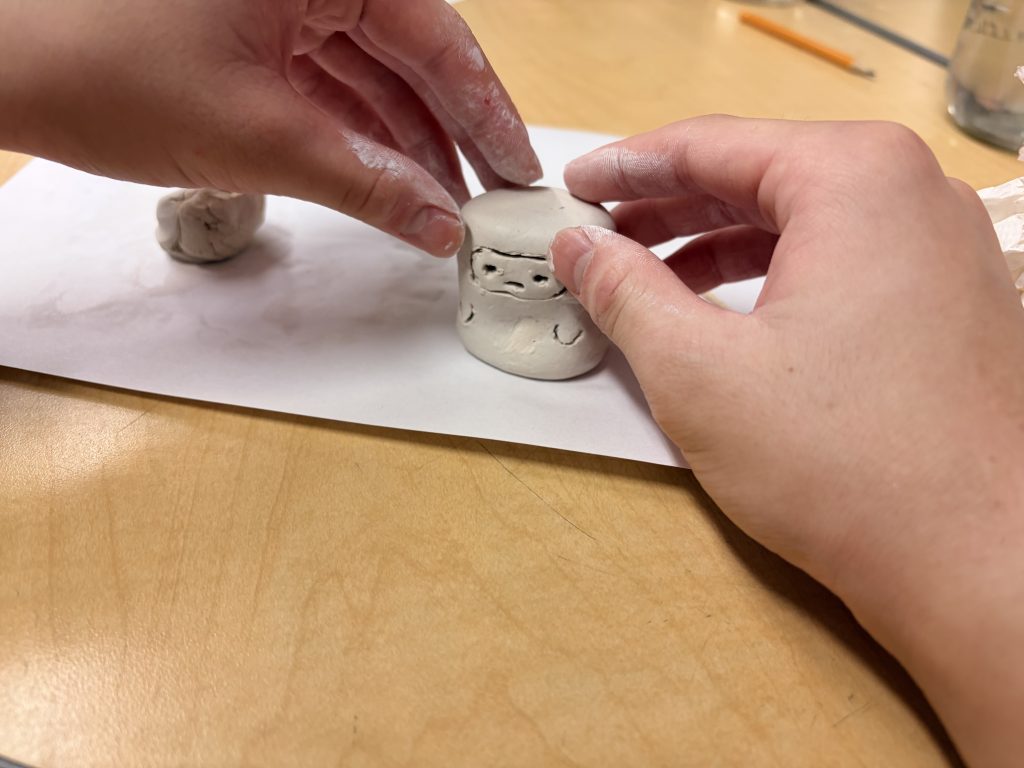
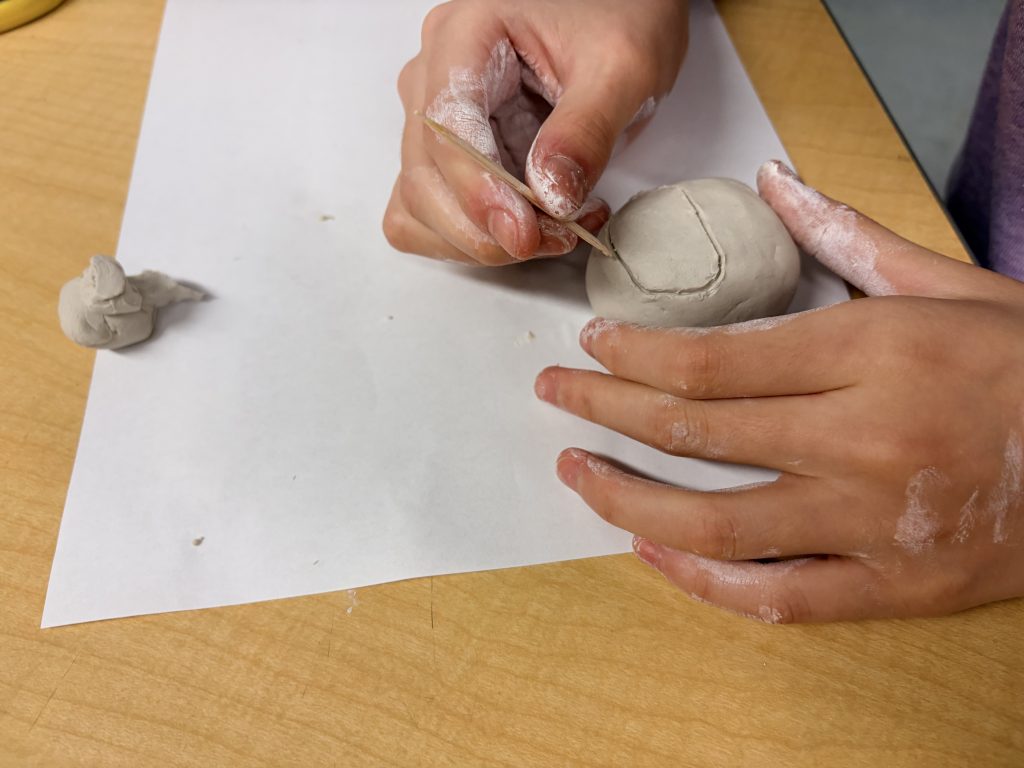
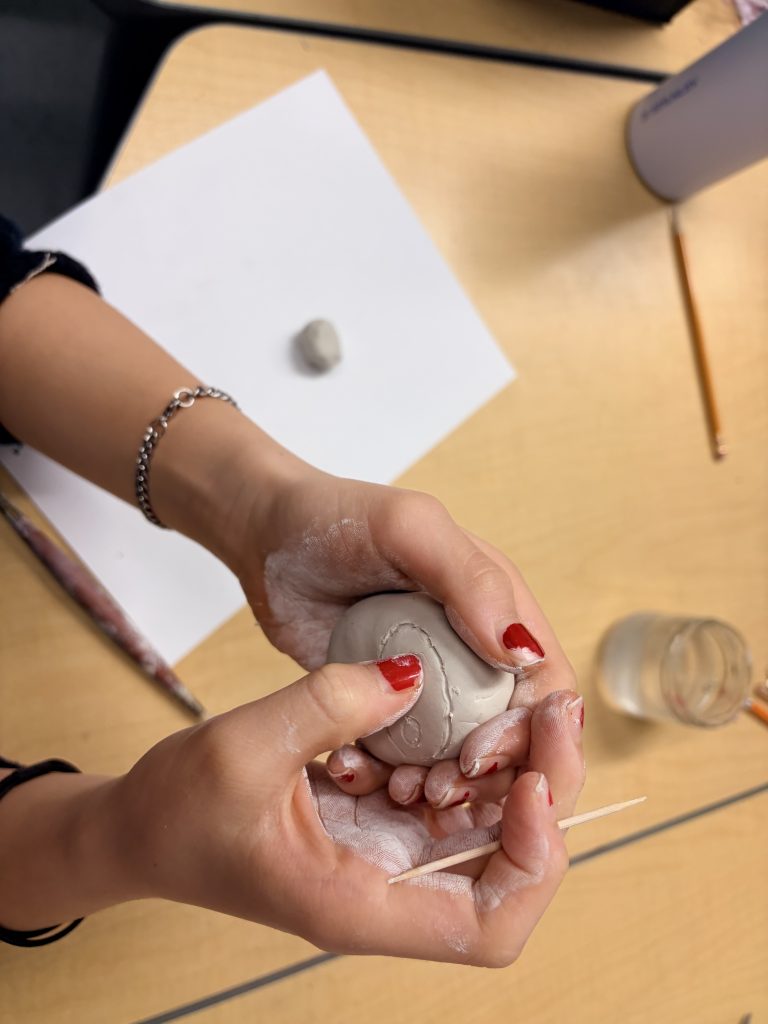
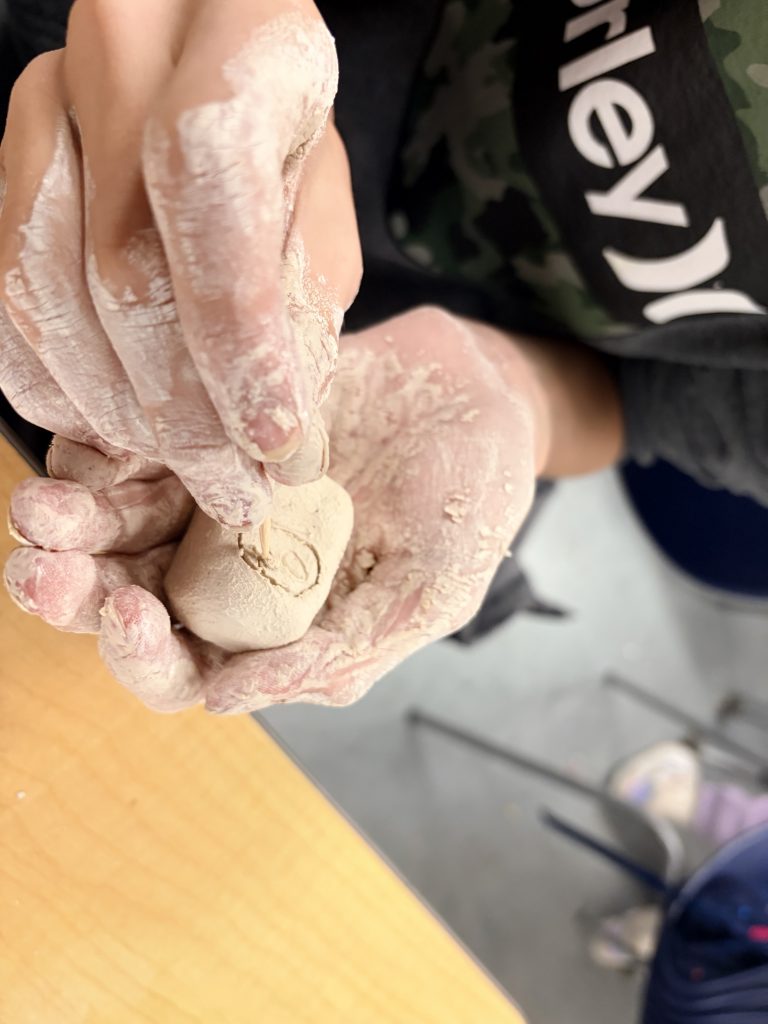
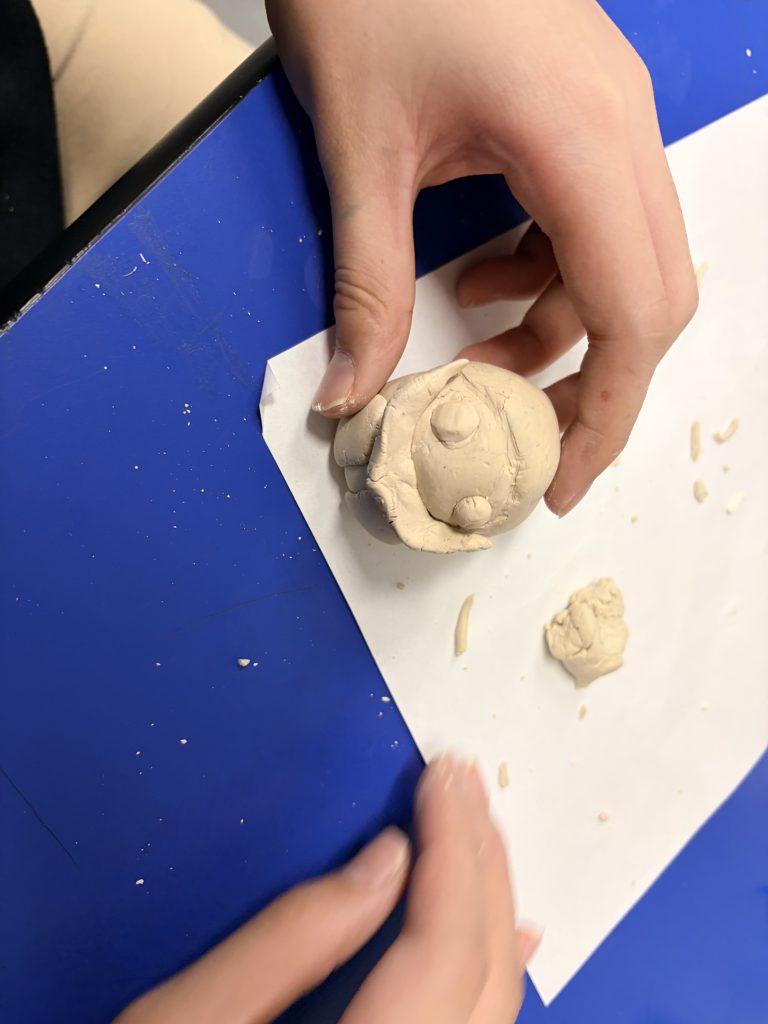
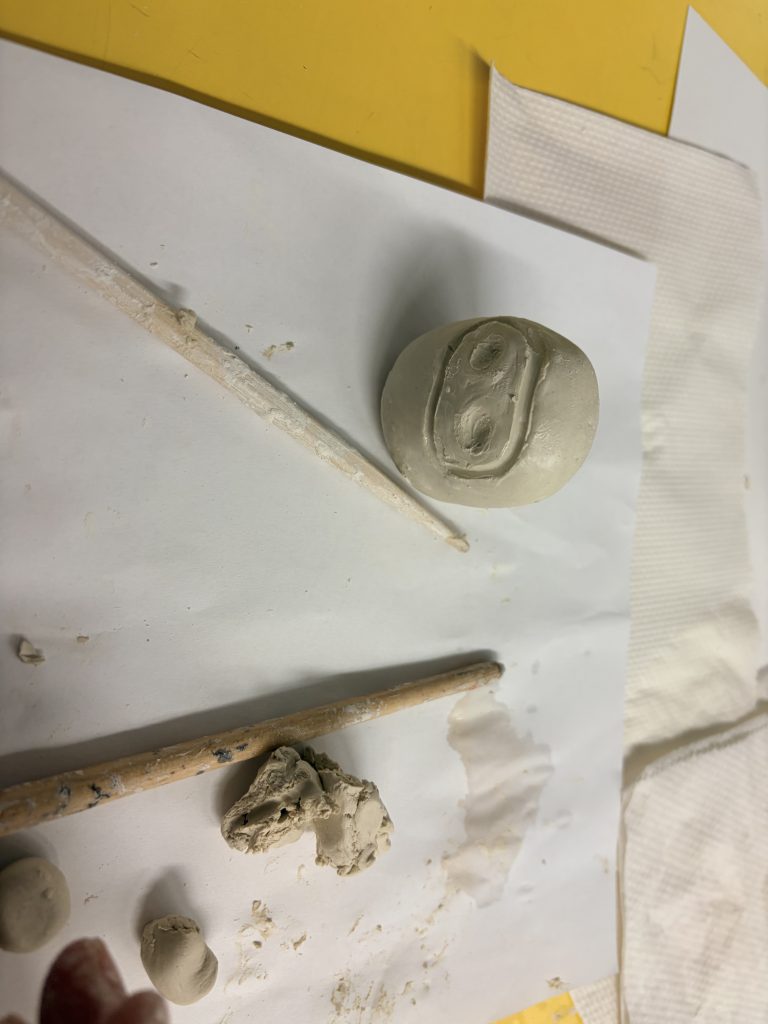
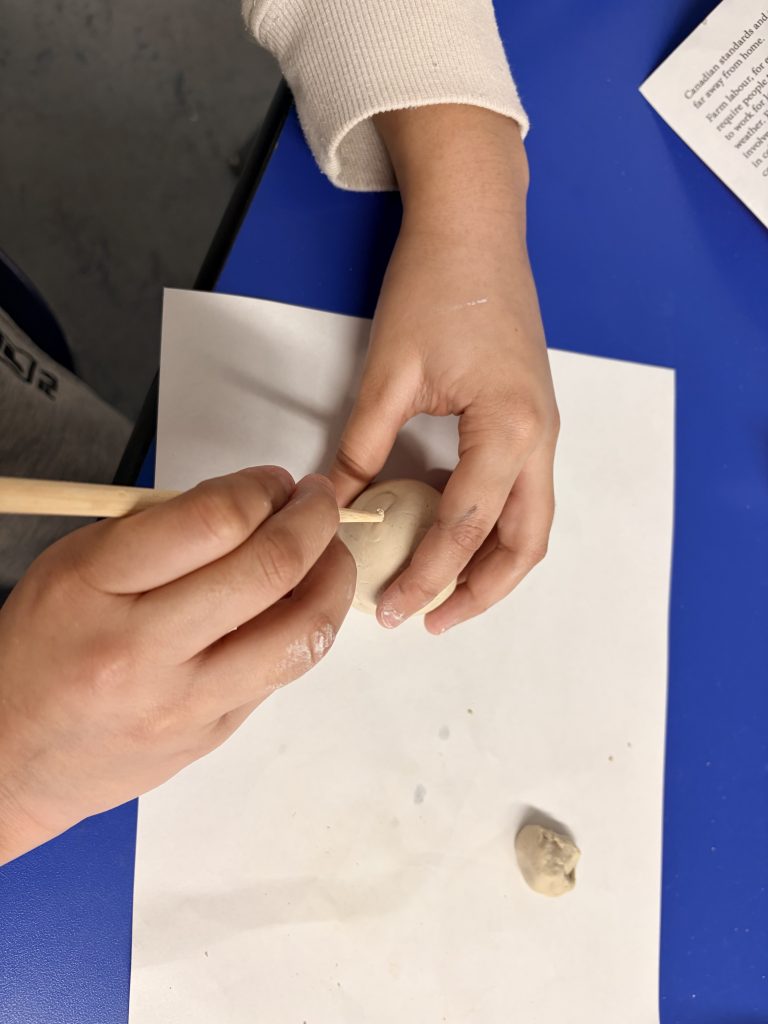
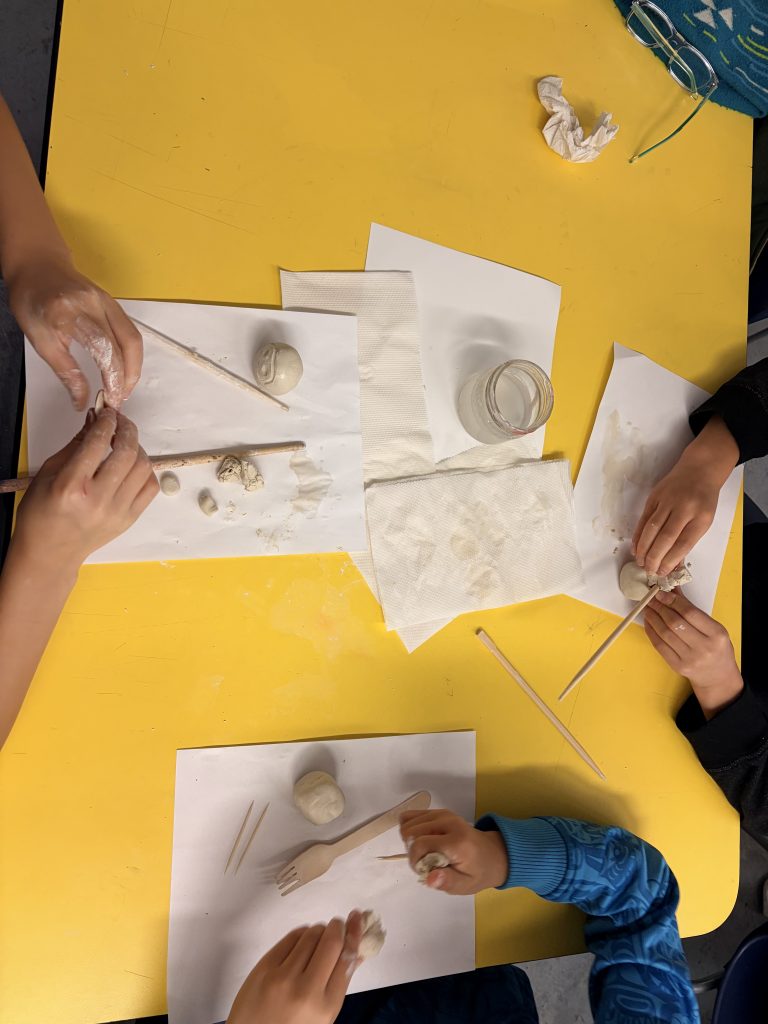
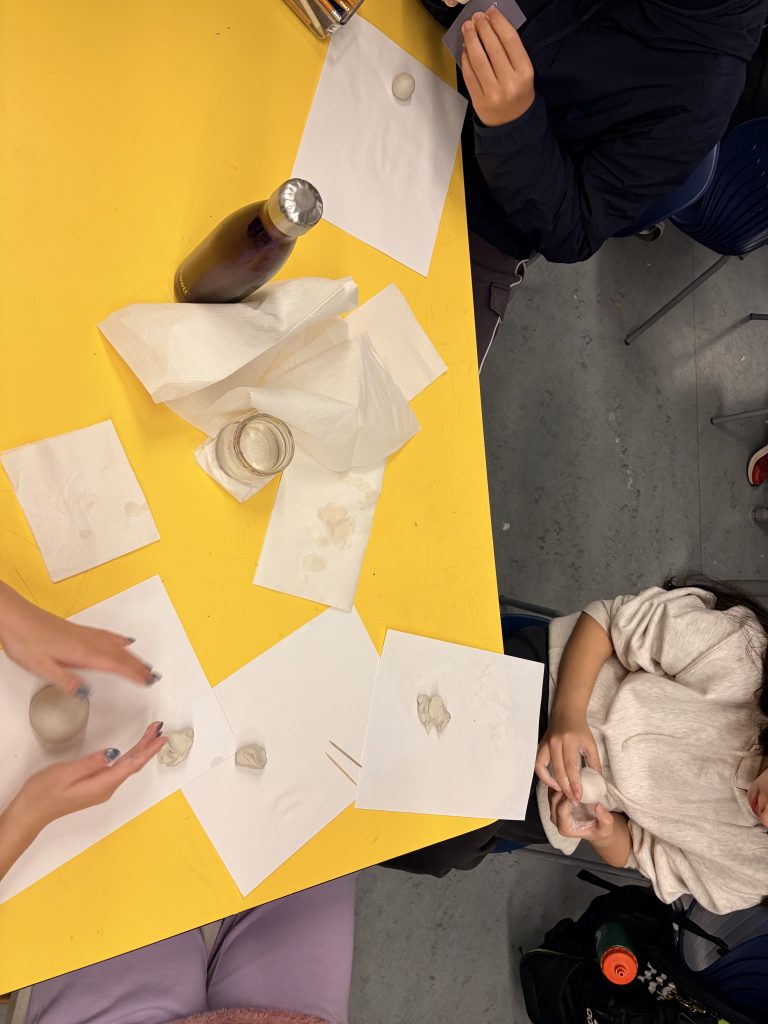
Today, students learned about the Japanese tradition of Daruma dolls and how they are used as symbols of intention, perseverance, and commitment. A Daruma begins with one eye shaded in when an intention is set. The second eye is added later—only after the intention has been worked toward and fulfilled—serving as a powerful visual reminder that growth takes time, effort, and return.
After learning about this tradition, students began sculpting their own Darumas from clay. Rather than creating identical figures, students are designing personalized Darumas that reflect who they are and what they hope for in 2026. They are thinking carefully about symbolic metaphors—shapes, textures, and features that represent their intentions. For some, this might look like strength, balance, healing, courage, or patience expressed through form.
On Friday, students will paint and glaze their Darumas and write their intentions. They will shade in one eye as a visual commitment to their goal for the year. The second eye will remain blank until they feel their intention has been fulfilled—whenever that may be.
These Darumas will stay with us as quiet companions throughout the year, reminding students that intentions are not about instant success, but about noticing effort, persistence, and who we are becoming along the way.
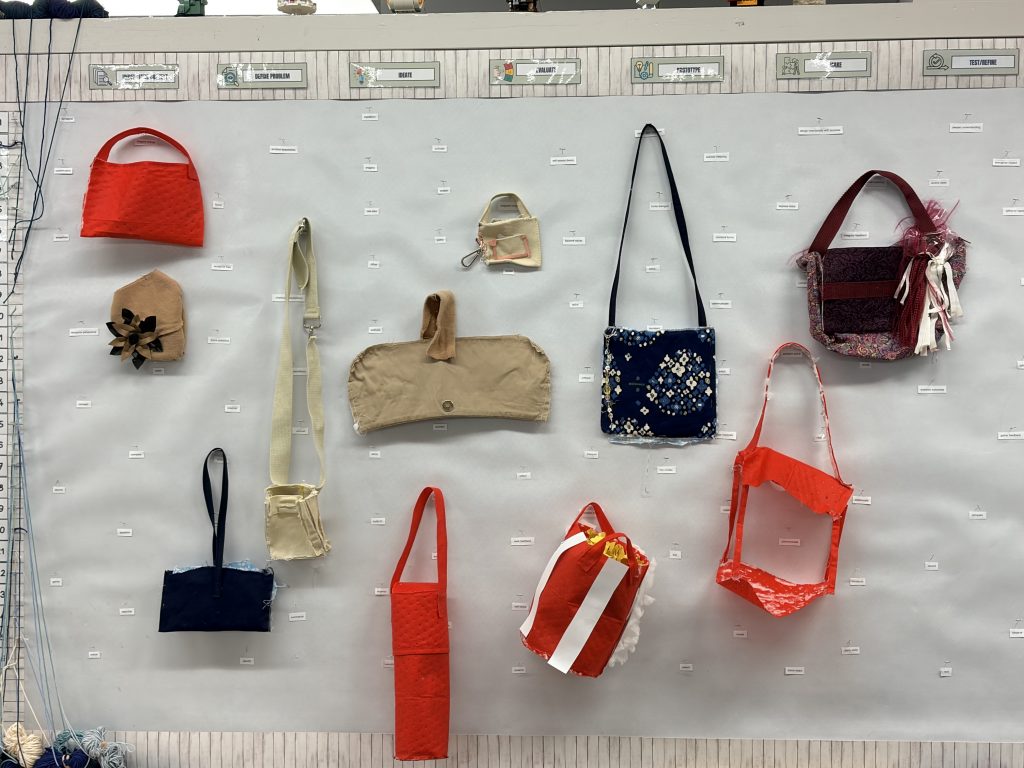
Yesterday, students took on our Impossible Bag Design Challenge—a creative task that asked them to transform an ordinary bag into something unexpected. The challenge was simple in description but complex in thinking: re-imagine a bag so it can hide or conceal an item, transform its function, or serve multiple purposes at once.
Students rose to the challenge with curiosity and ingenuity. One group transformed a reusable grocery bag into a popcorn bag, rethinking structure, openings, and how the material could hold and pour food. Another designed a cellphone crossbody bag / fanny pack that doubles as a phone holder or stand, allowing the object to shift purpose depending on how it’s used. Each design required students to slow down, test ideas, and respond to how materials actually behaved—not how they first imagined they would.
This challenge wasn’t about getting the “right” answer. It was about building design capacities:
• Aesthetic awareness – considering how form, colour, and shape communicate purpose
• Design thinking – moving through ideation, prototyping, testing, and revising
• Material noticing – observing how fabric folds, stretches, holds weight, or resists change
• Creative risk-taking – pushing beyond obvious solutions
• Flexible thinking – letting an object become something new
Most importantly, students practiced slowing down—pausing to think differently, notice constraints, and allow ideas to evolve rather than rushing to completion. These moments of uncertainty and adjustment are where real learning happens.
Tomorrow, students will begin the next design challenge, stretching their thinking even further as they continue transforming everyday objects in surprising and creative ways. Each challenge builds their ability to see possibility where others see limits—and to design with intention, imagination, and care.
This fall, many divisions had the opportunity to work with local fused-glass artist Debbie Hungle, who visited classrooms to introduce students to the art and science of fused glass.
Through this hands-on experience, students explored creative and critical thinking, fine-motor skills, and design processes as they moved from idea to artifact. They sketched and prototyped their designs, experimented with colour, shape, and layering, and made thoughtful decisions about composition, balance, and symbolism before assembling their glass pieces. Students learned that fused glass requires patience, precision, and flexibility—adapting their plans as materials behaved in unexpected ways during the firing process.
Each finished piece reflected students’ individual identities and ideas, highlighting their ability to plan, revise, problem-solve, and persist through a multi-step creative process. The workshop was a meaningful blend of art, design, and craftsmanship, and a powerful example of learning through making.
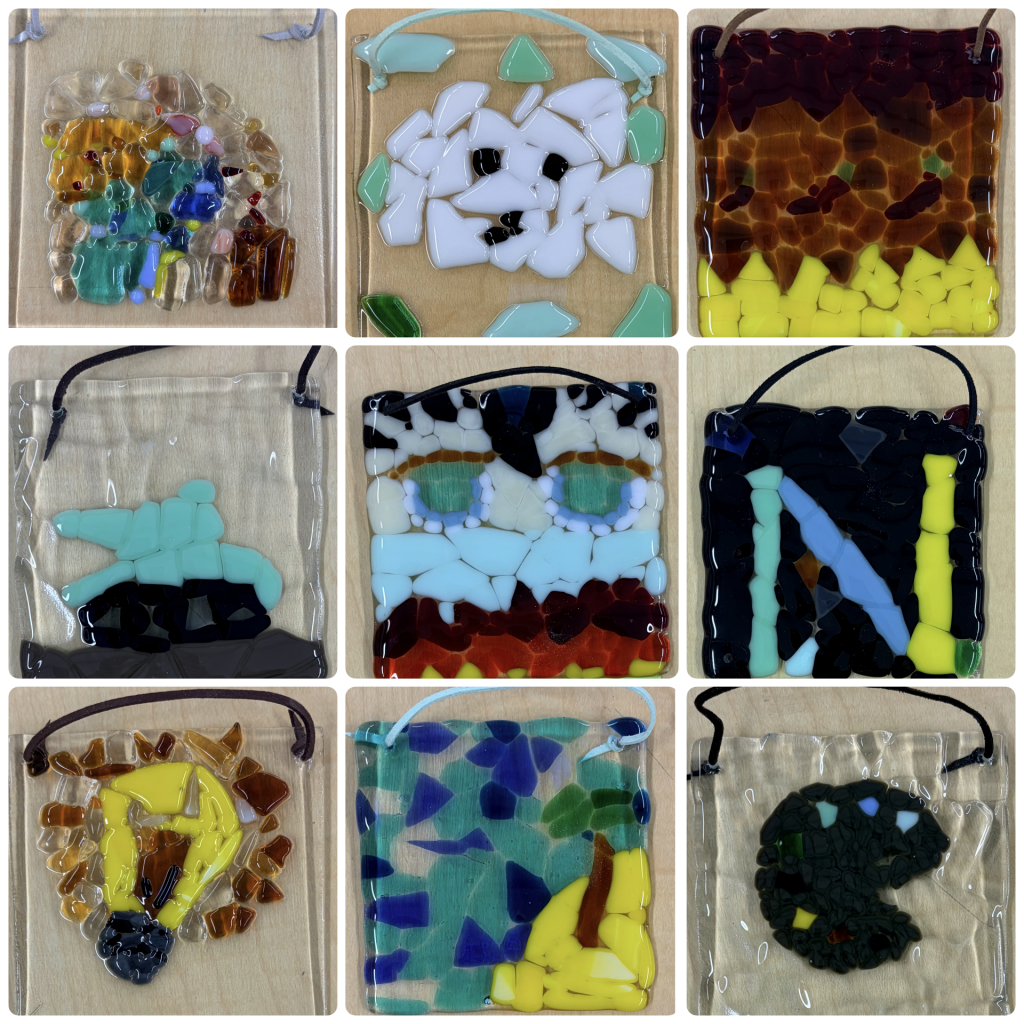
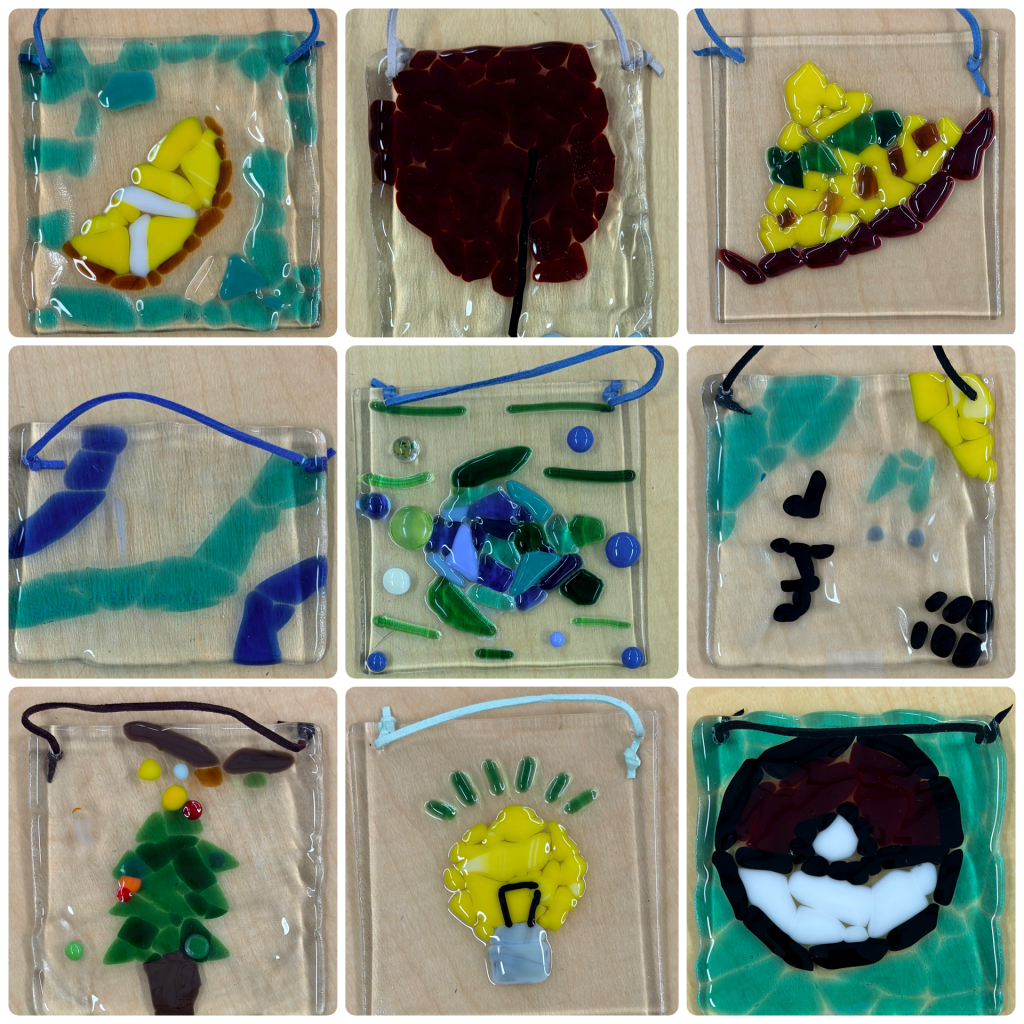
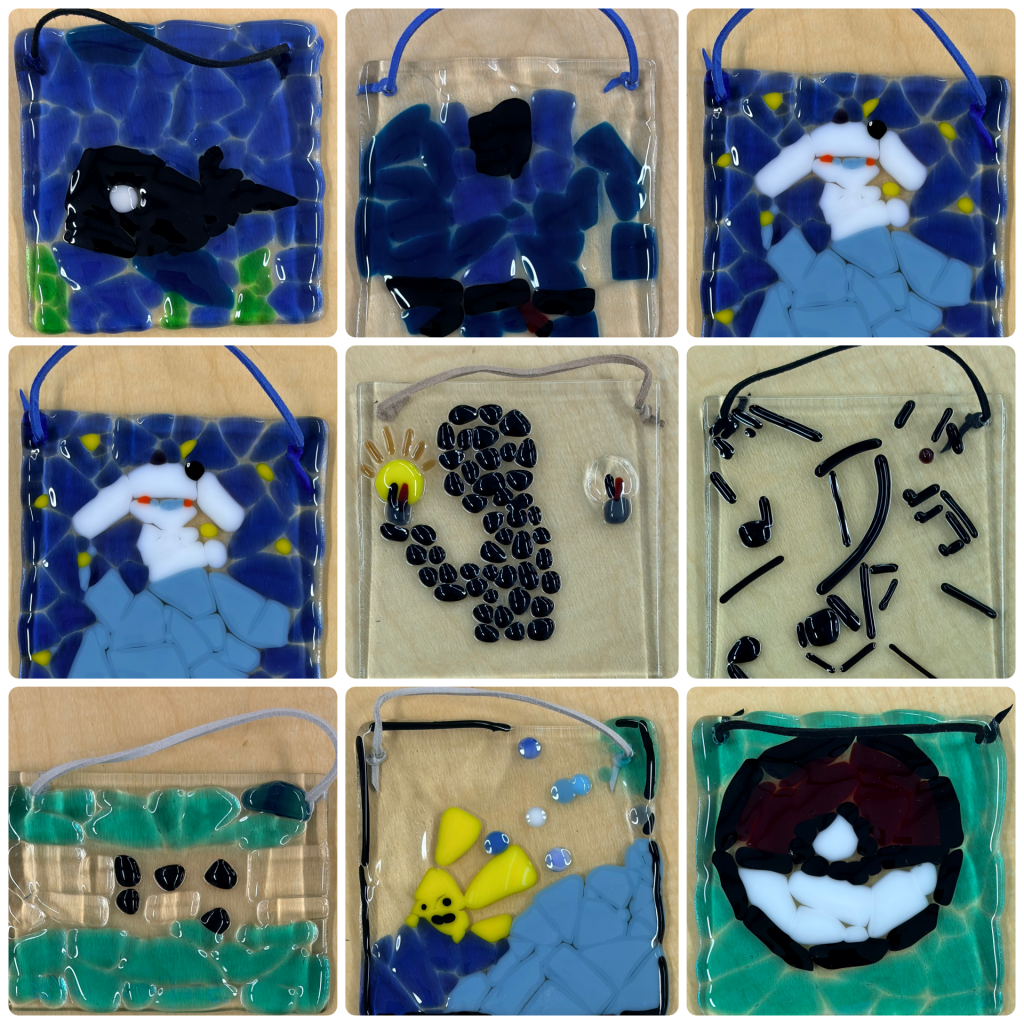
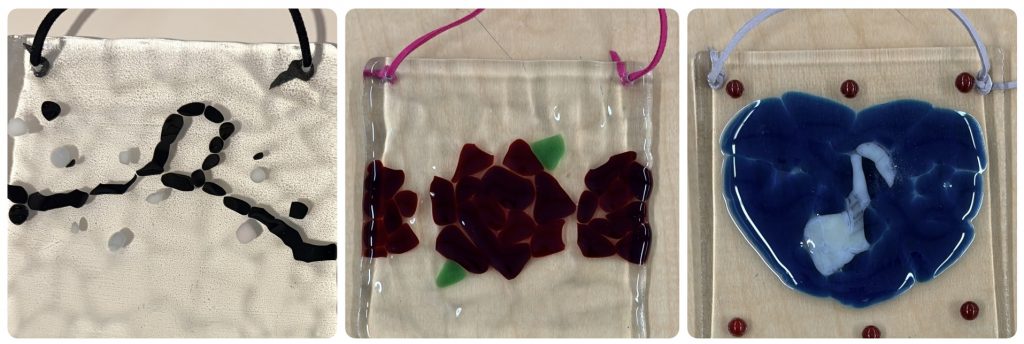
Photos of Division 3’s Fused glass showcasing how students highlighted their values, identity, and what matters most to them in symbolic ways.
Div 3 Class Blog ©2026. All Rights Reserved.
Powered by WordPress.
Theme by Phoenix Web Solutions