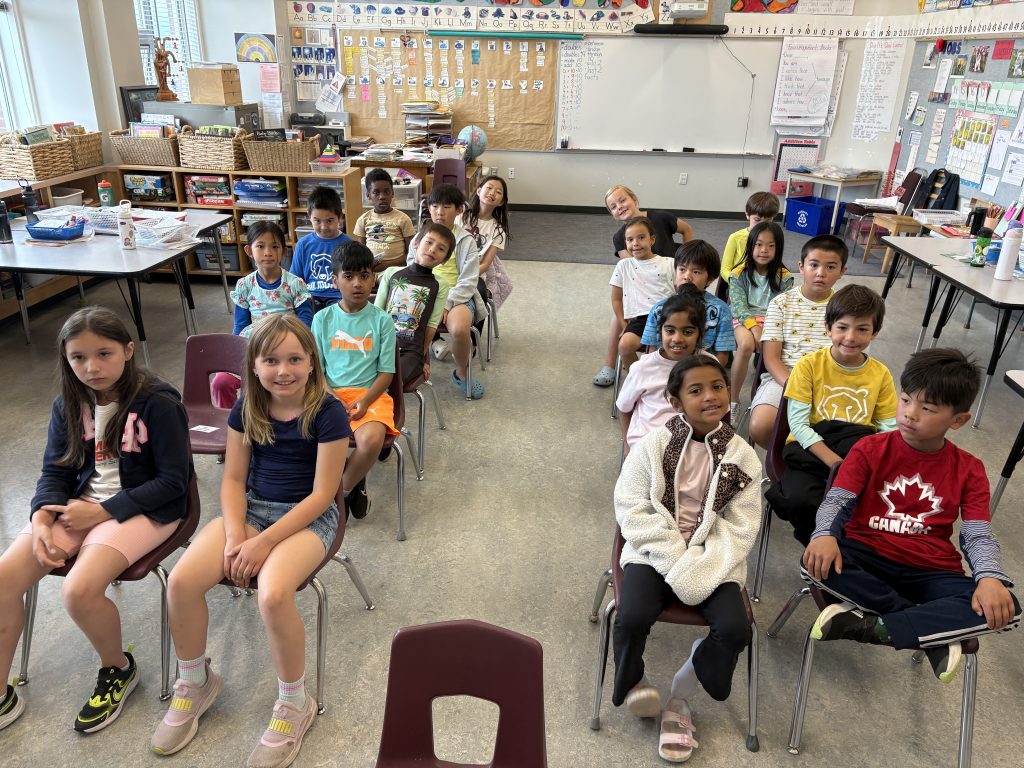
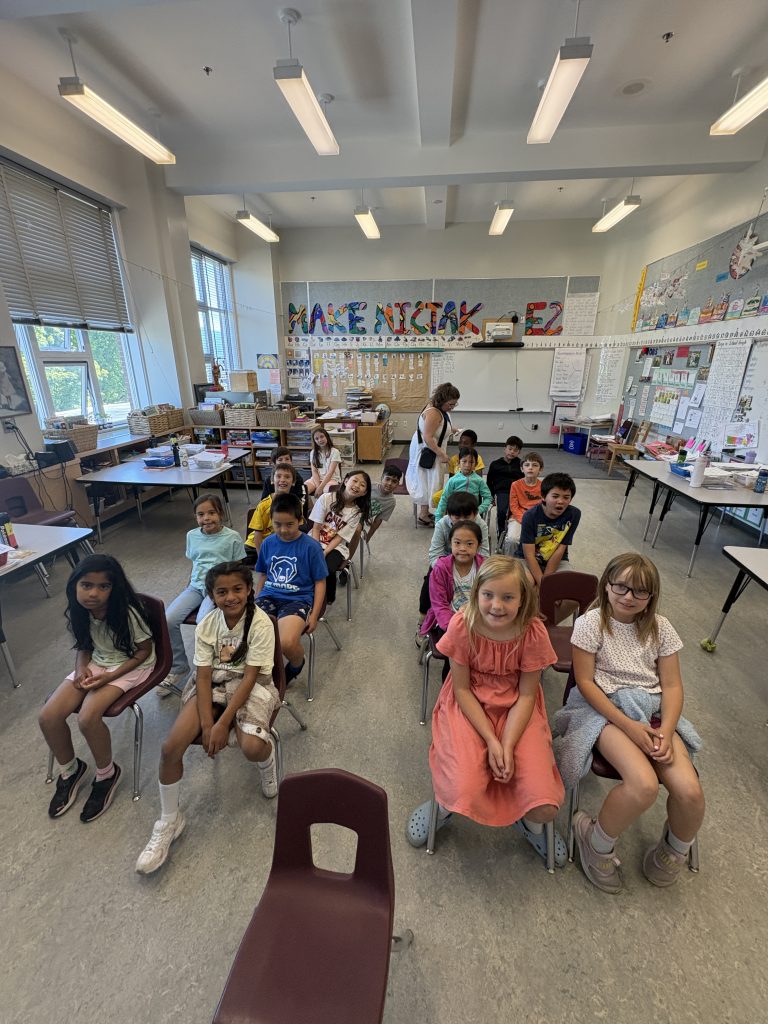
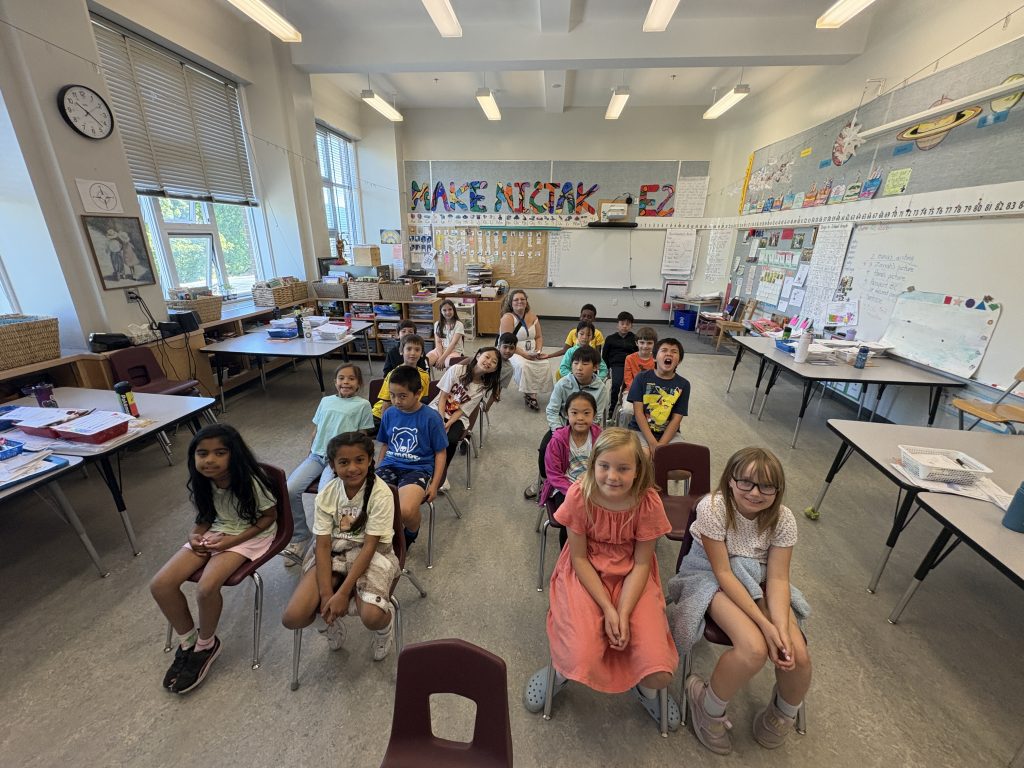
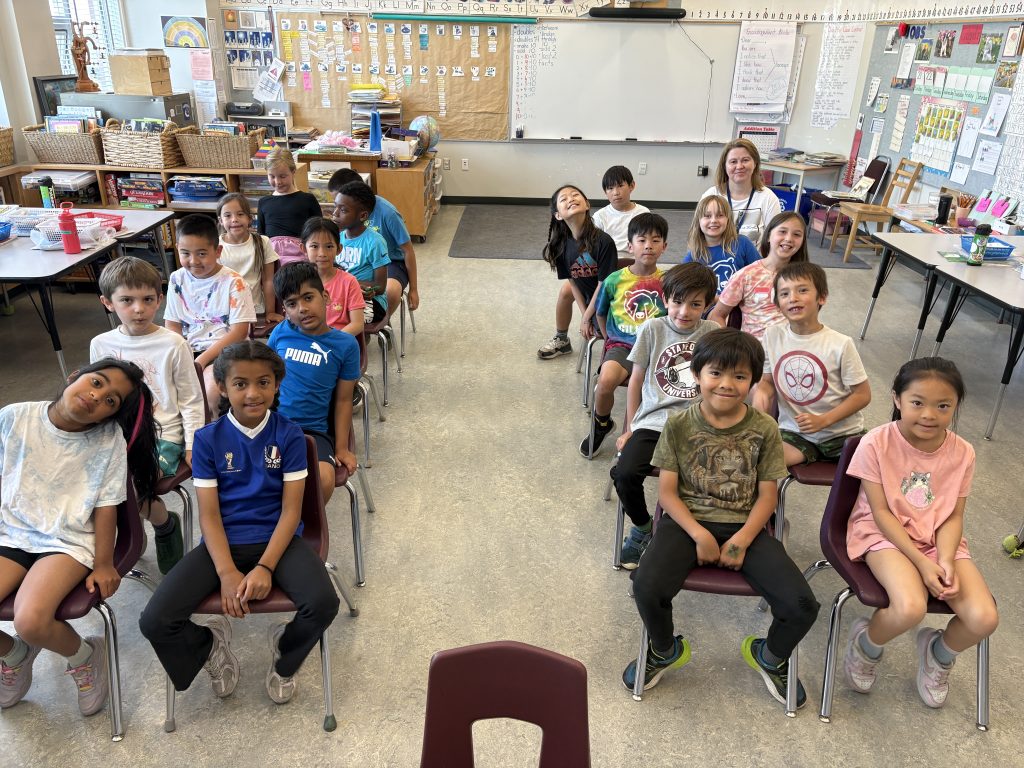
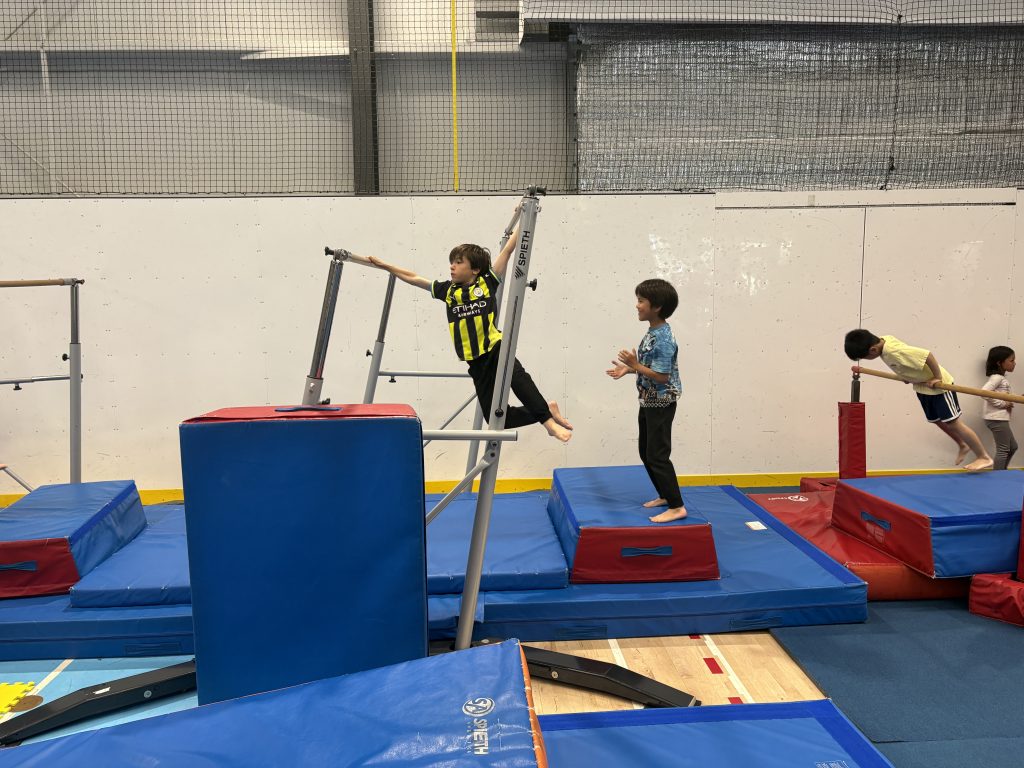
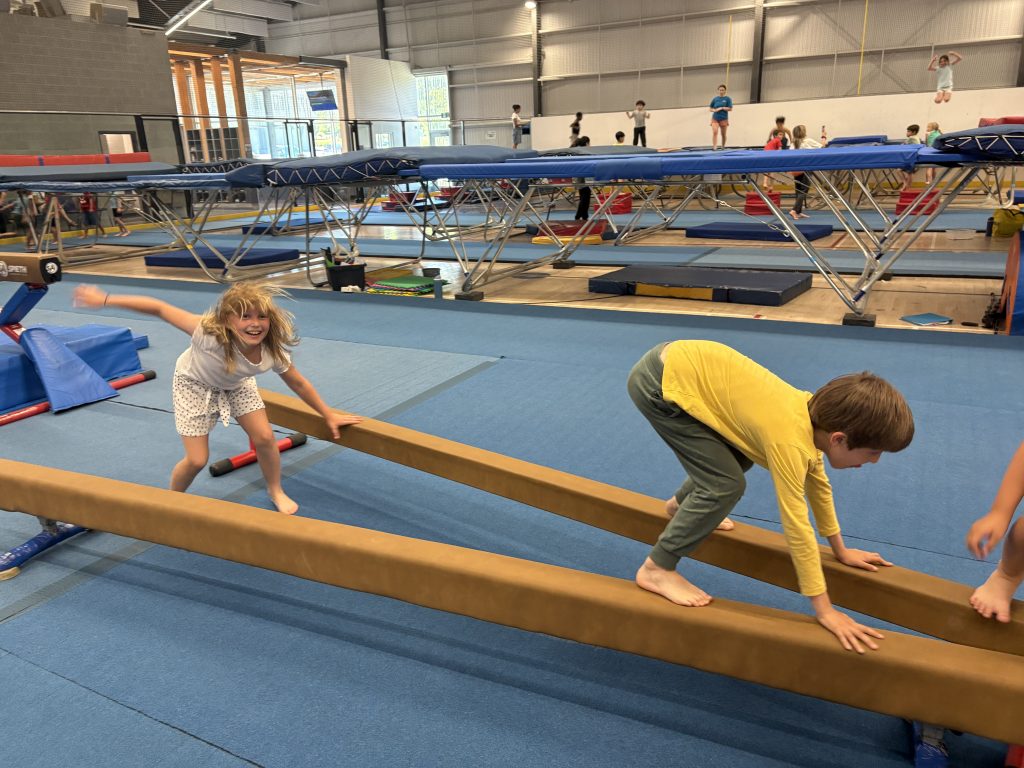
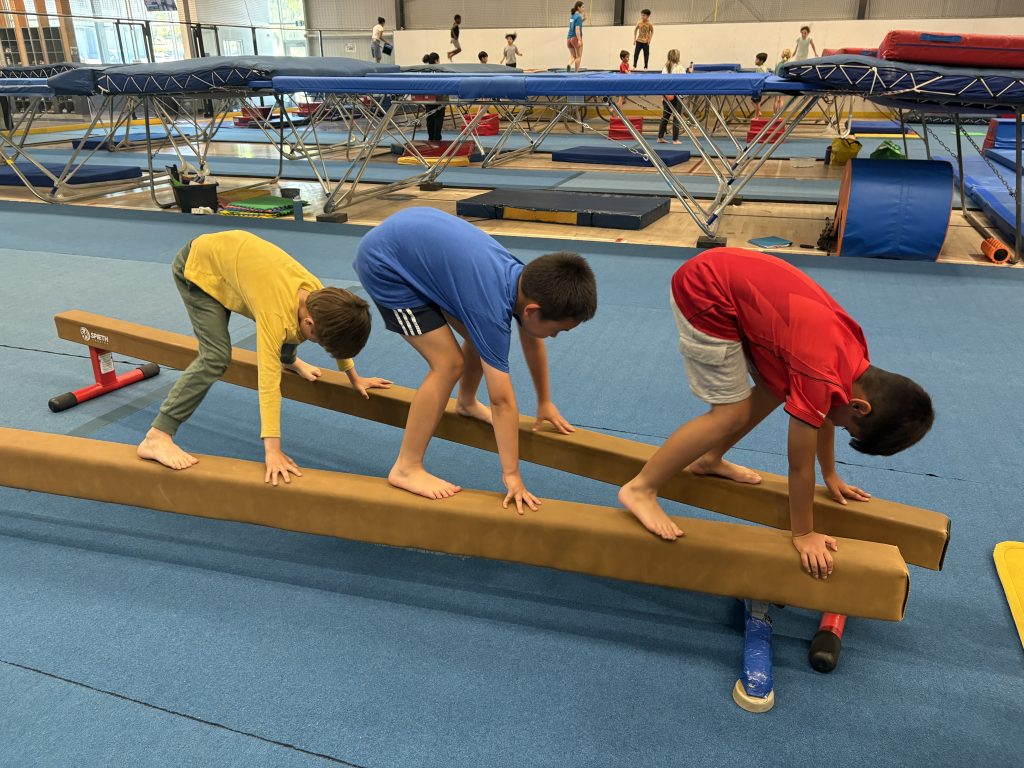
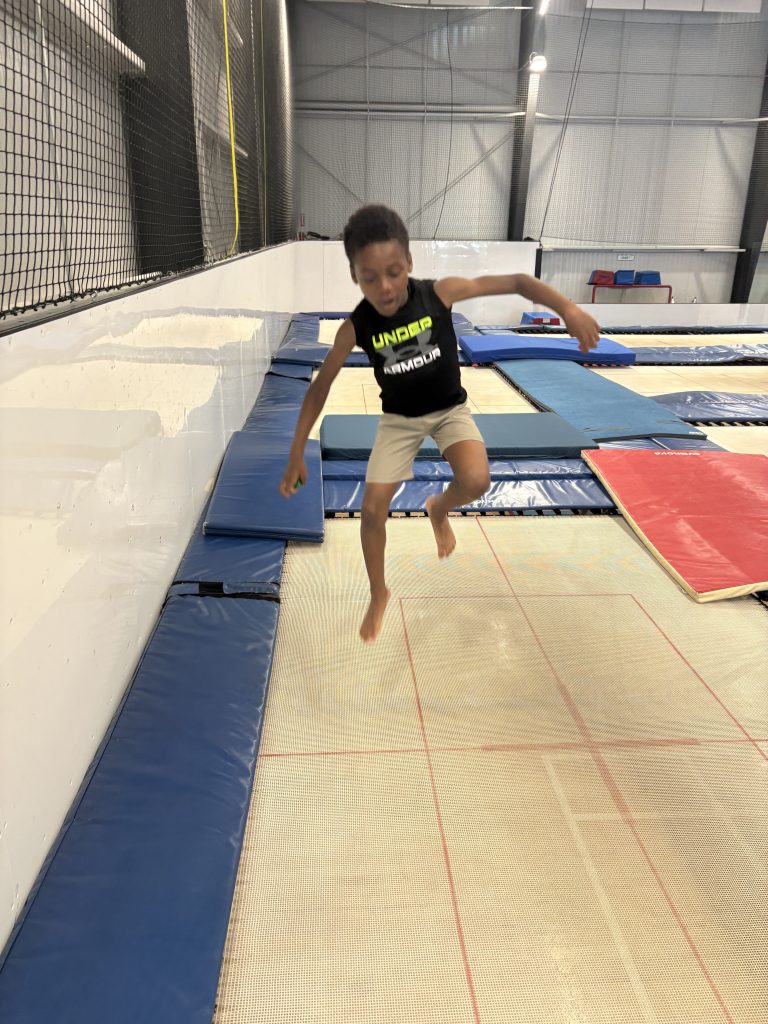
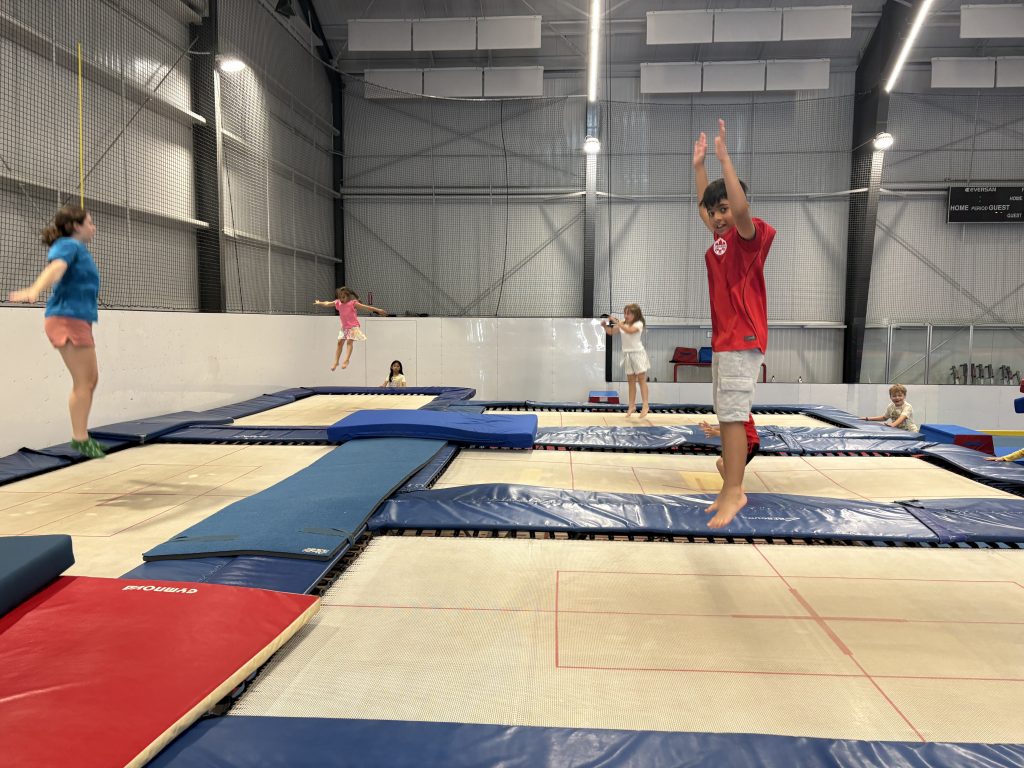
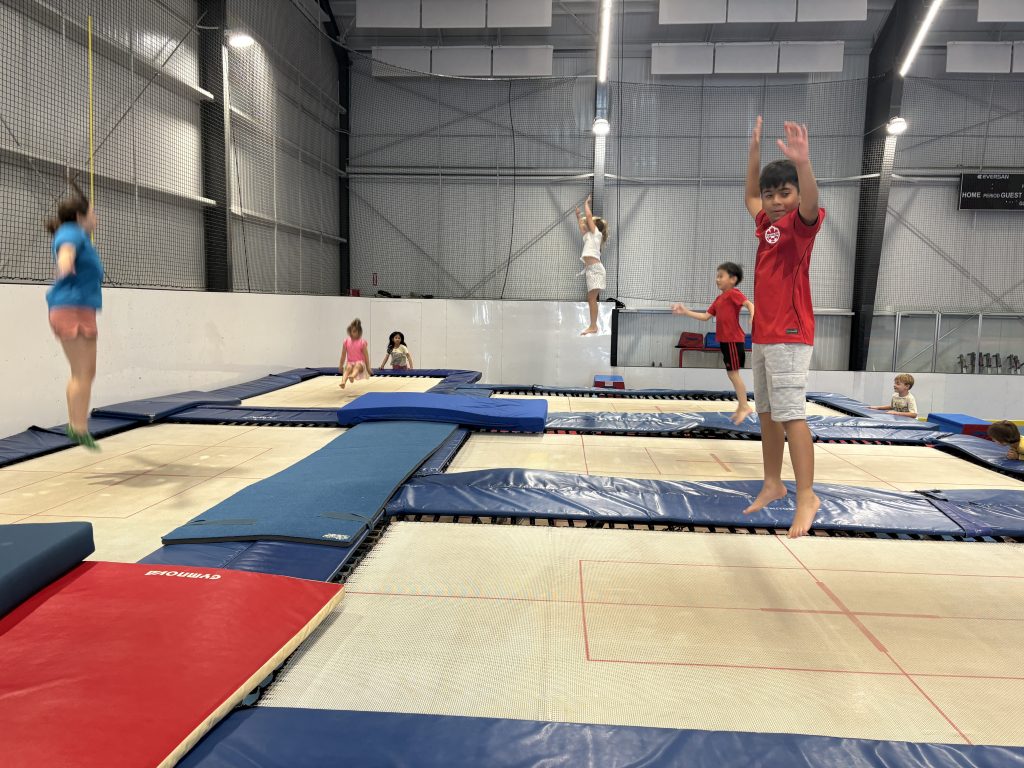
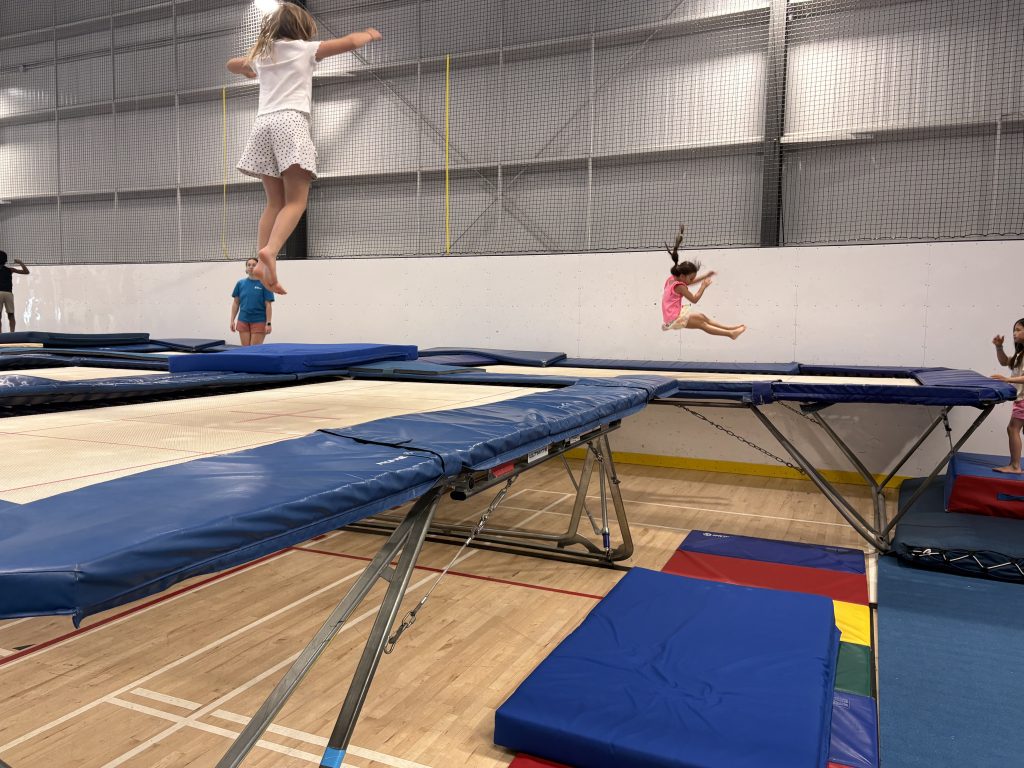
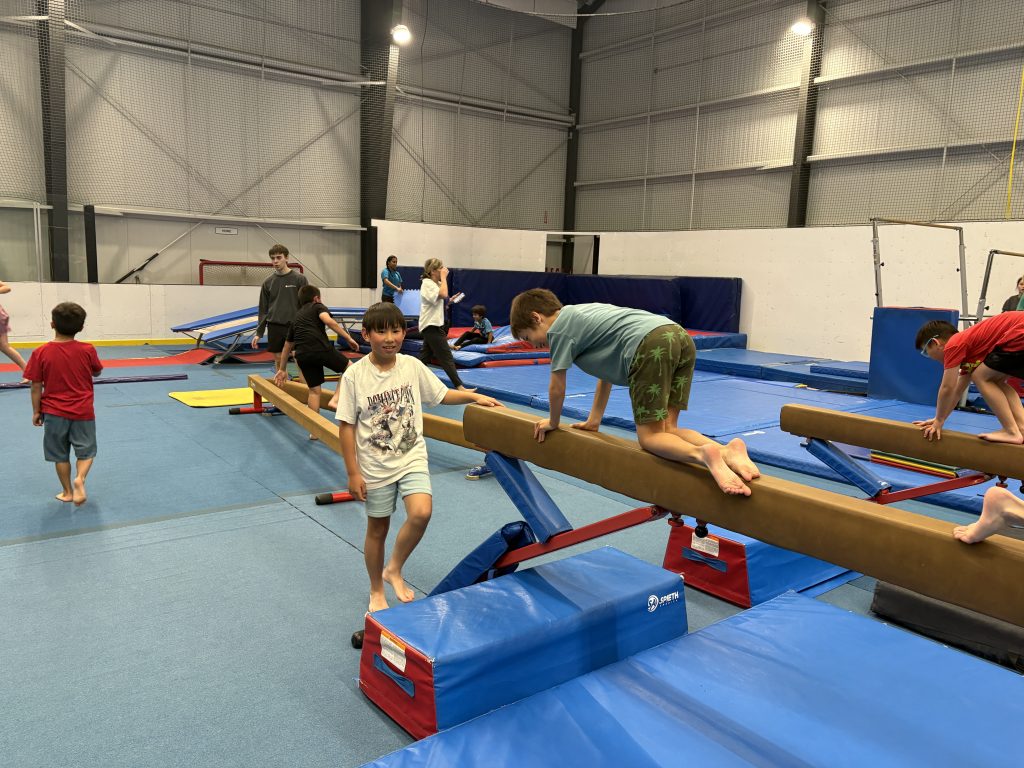
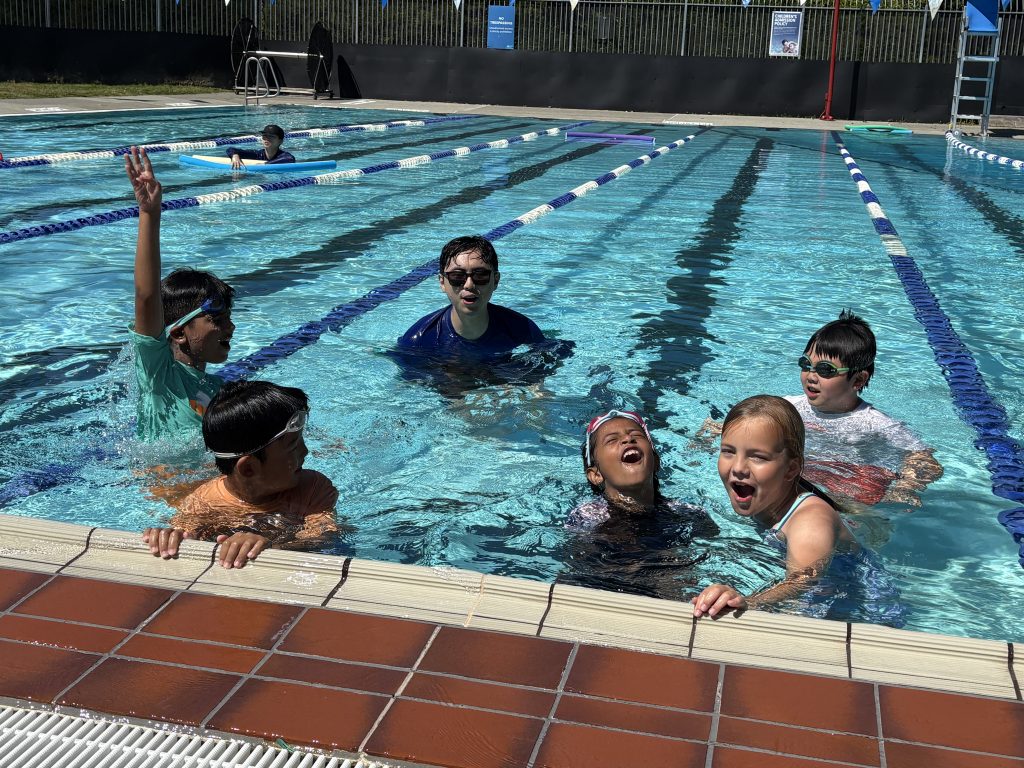
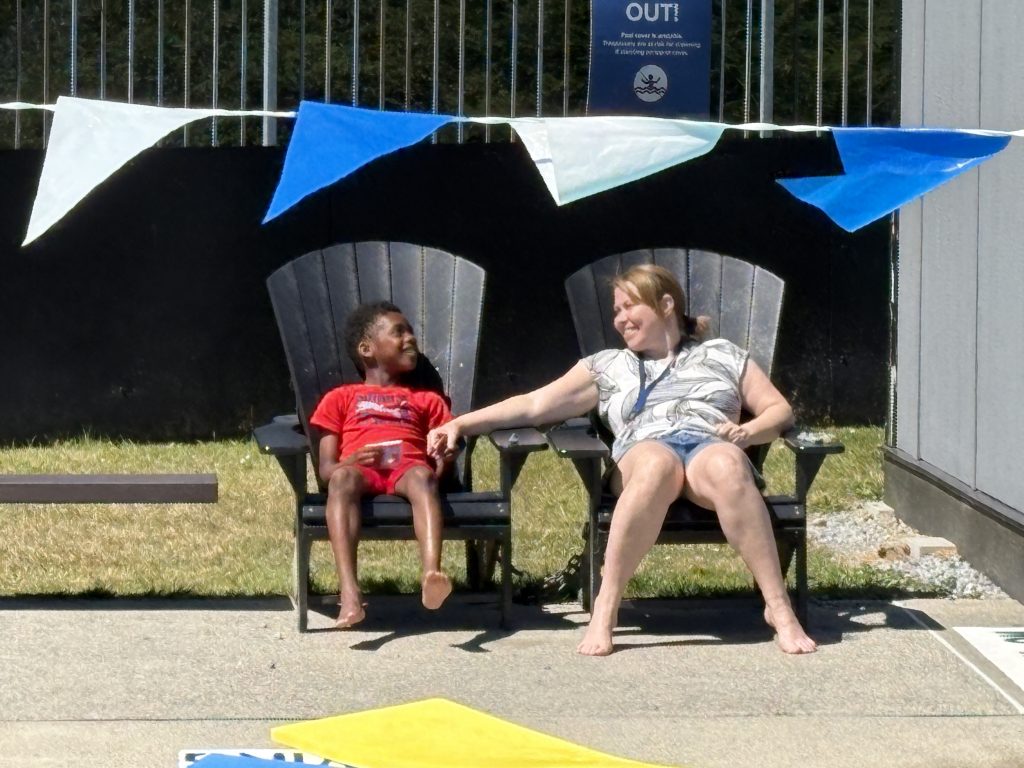
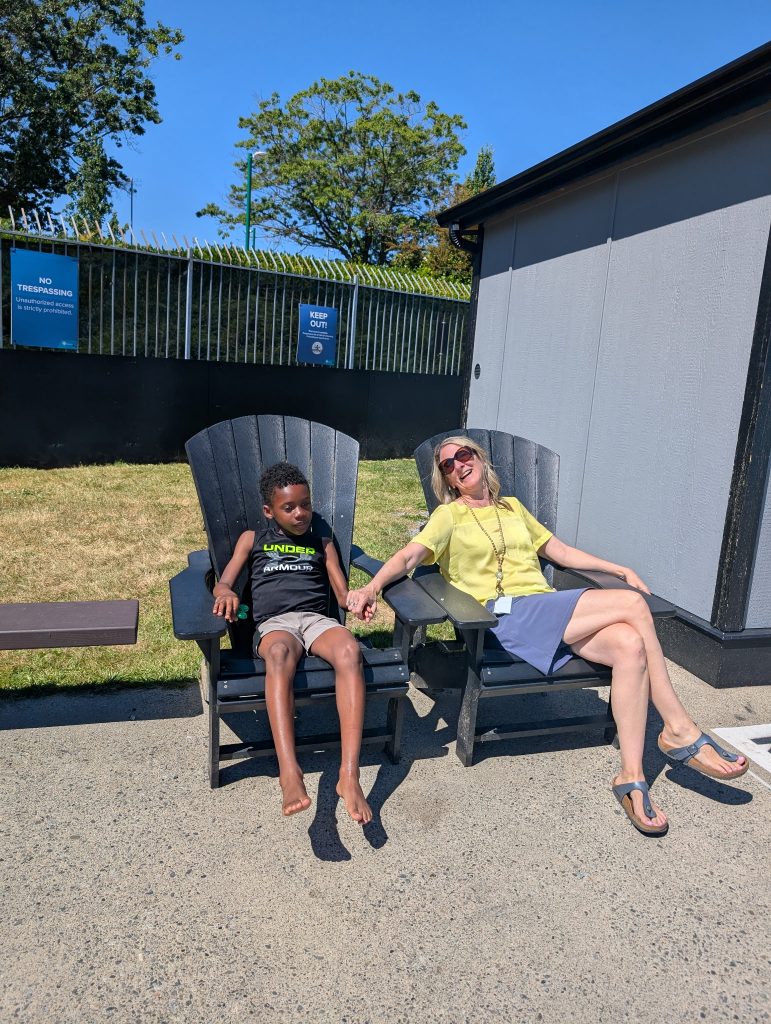
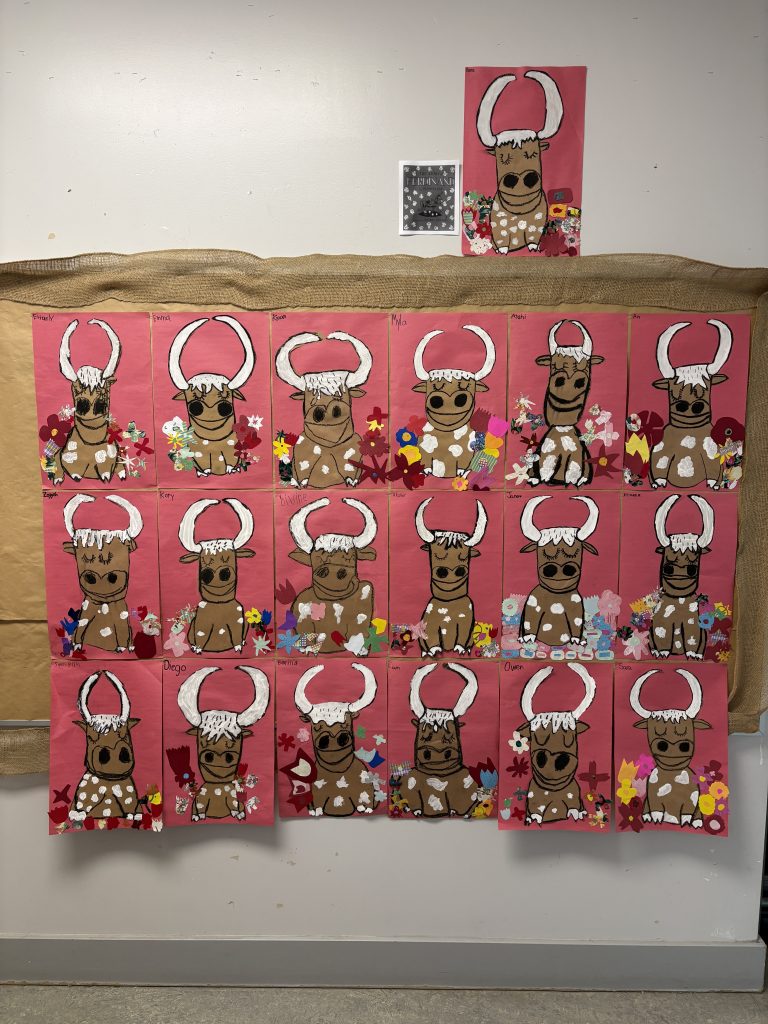
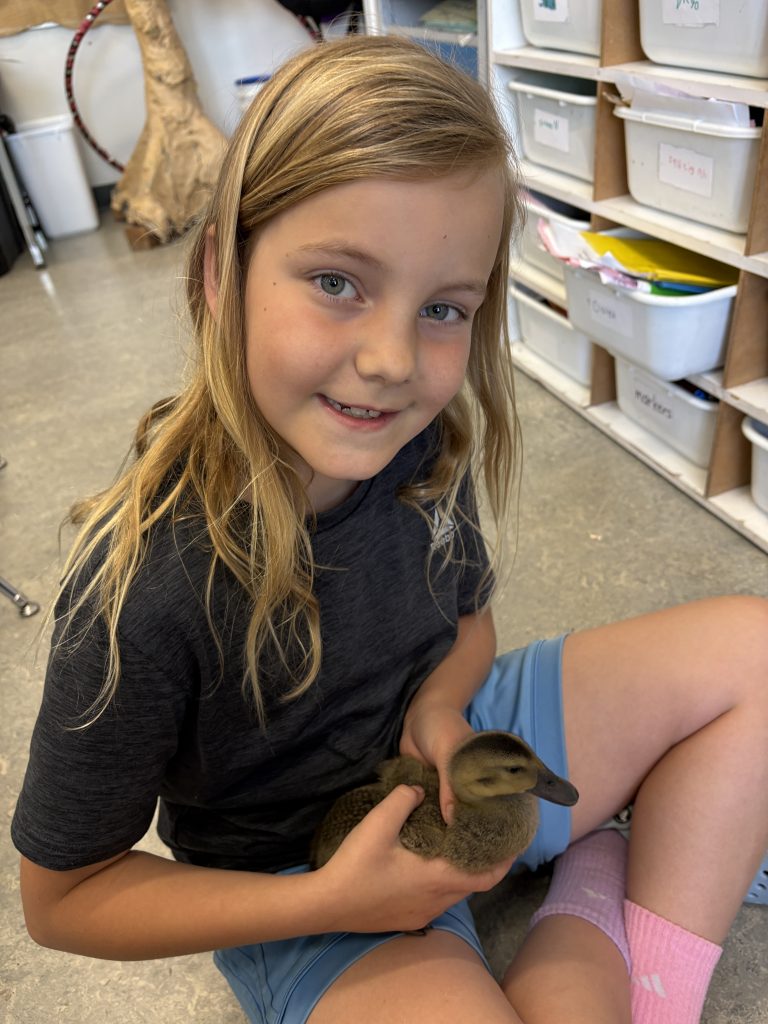
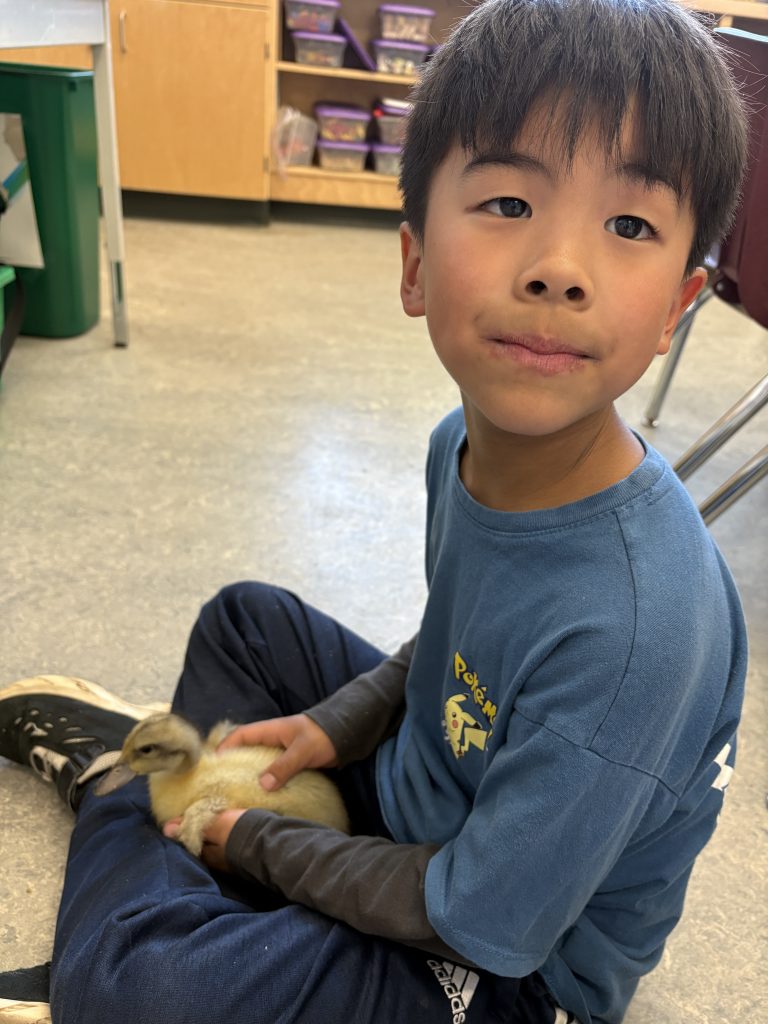
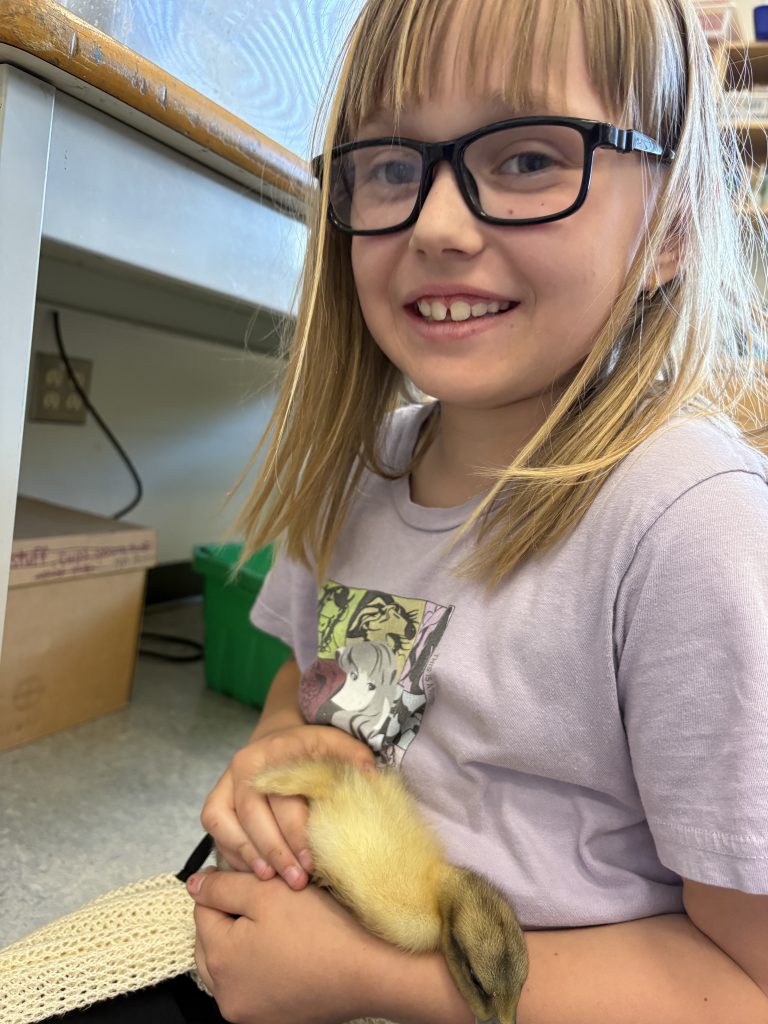
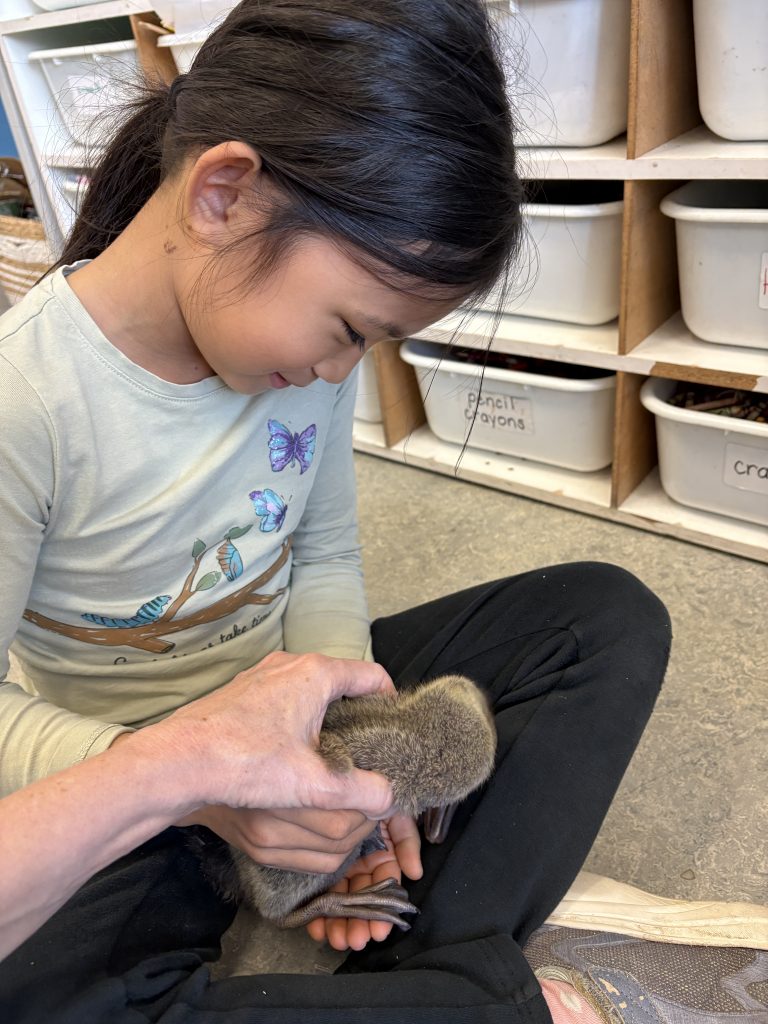
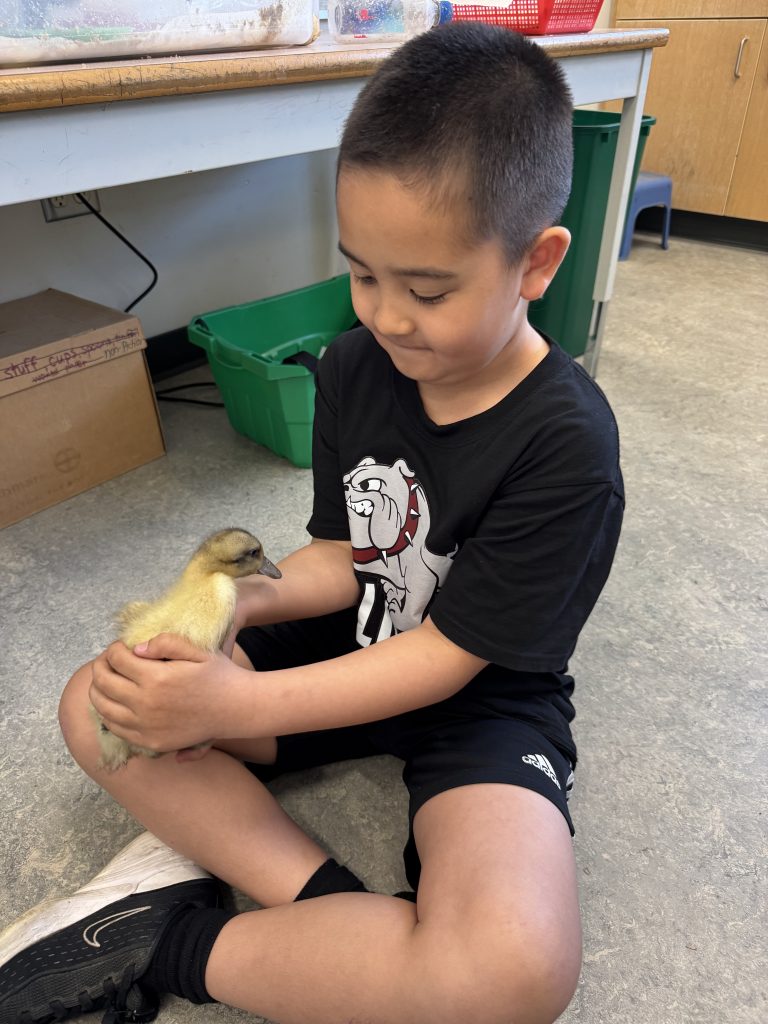
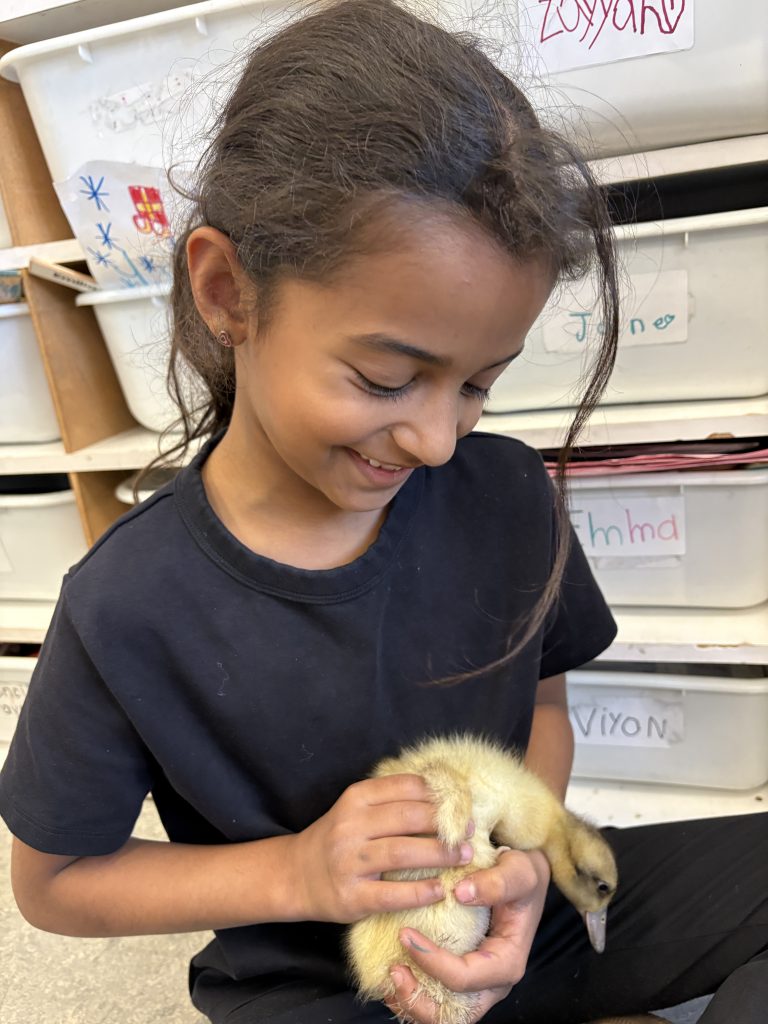
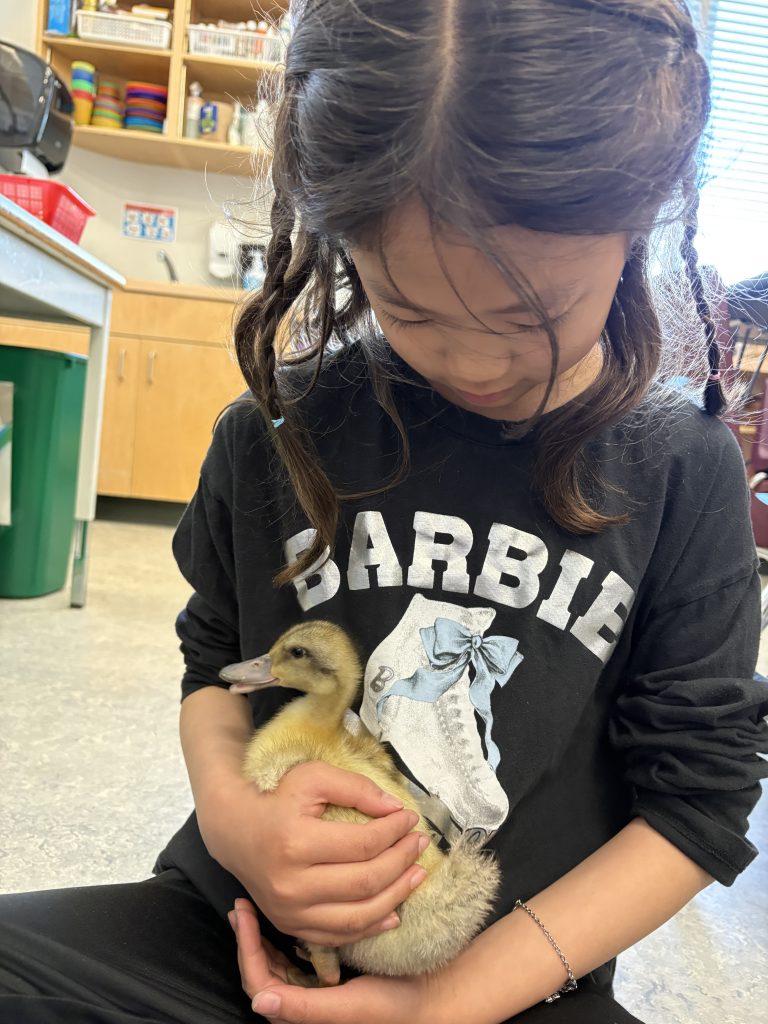
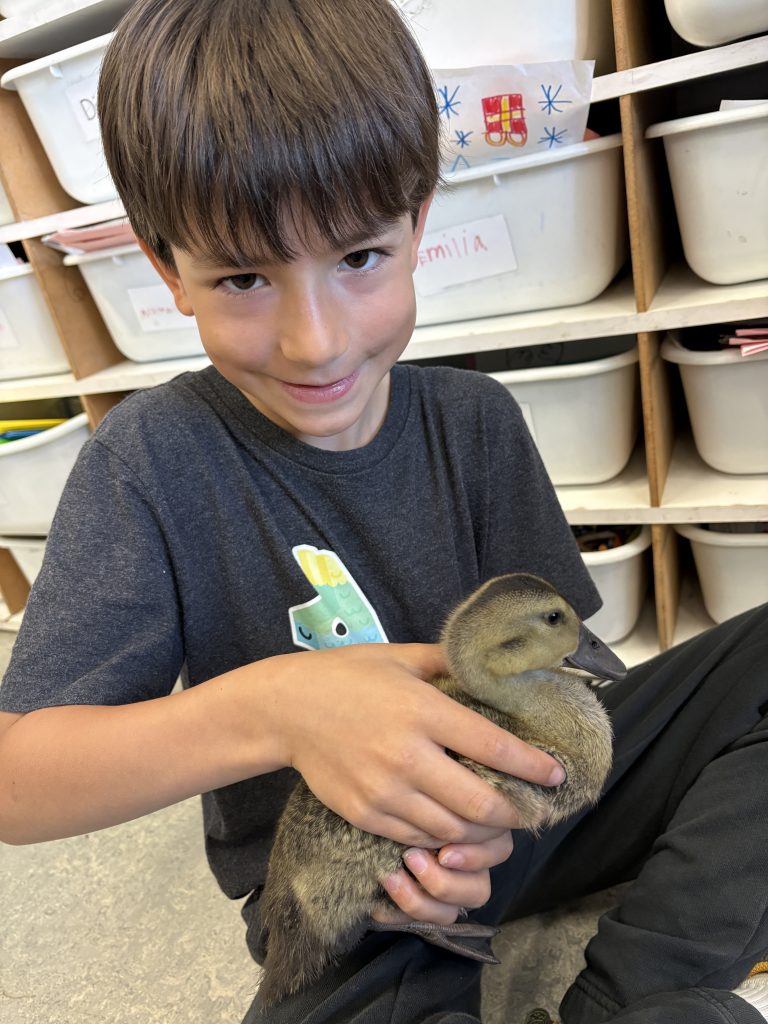
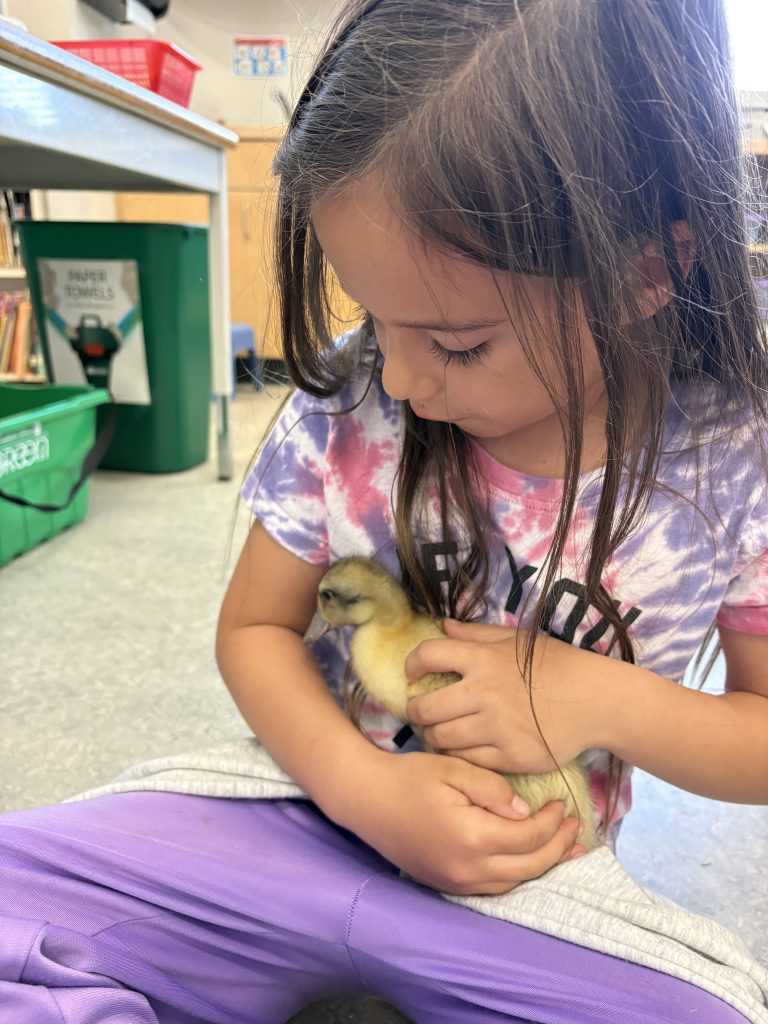
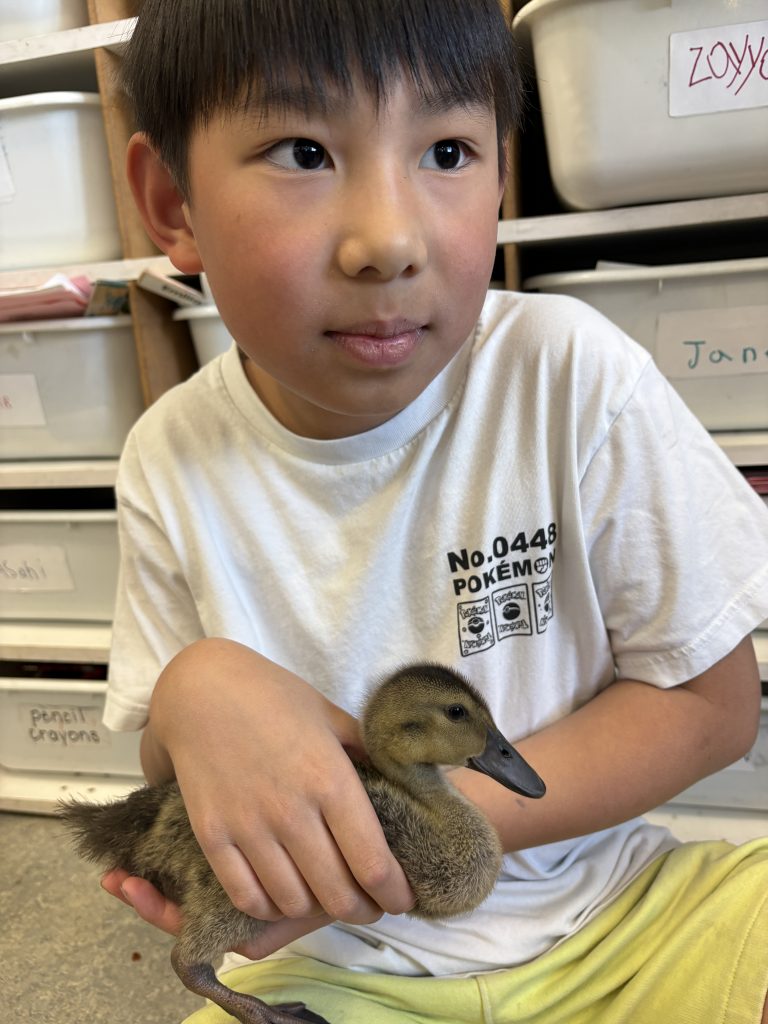
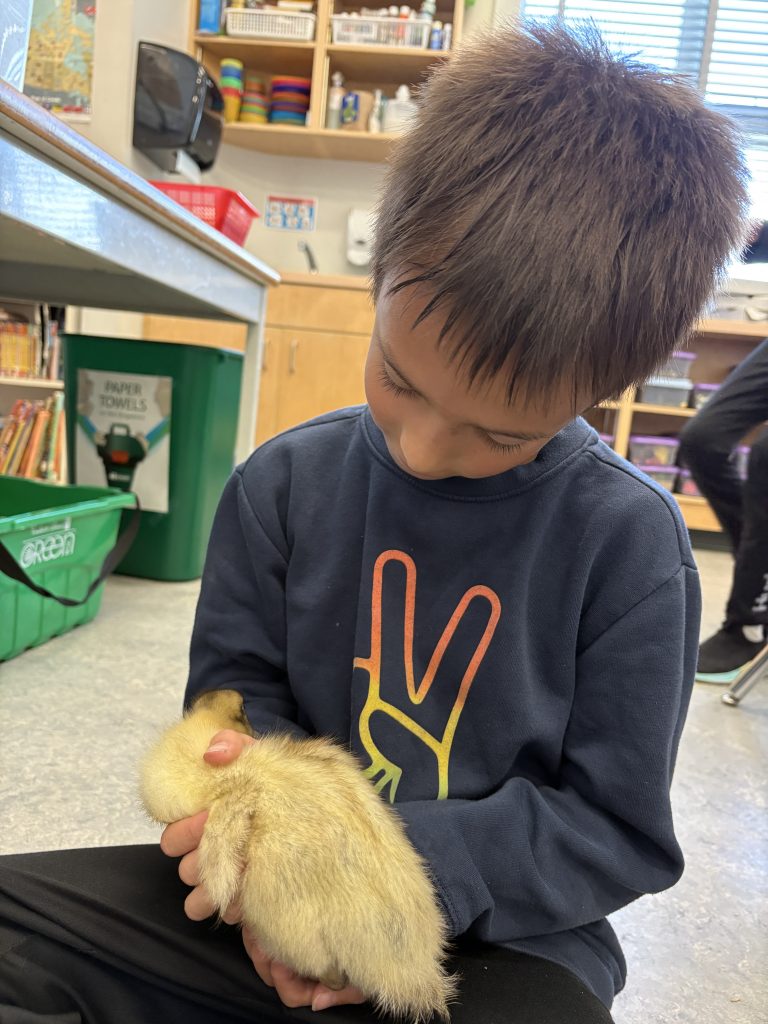
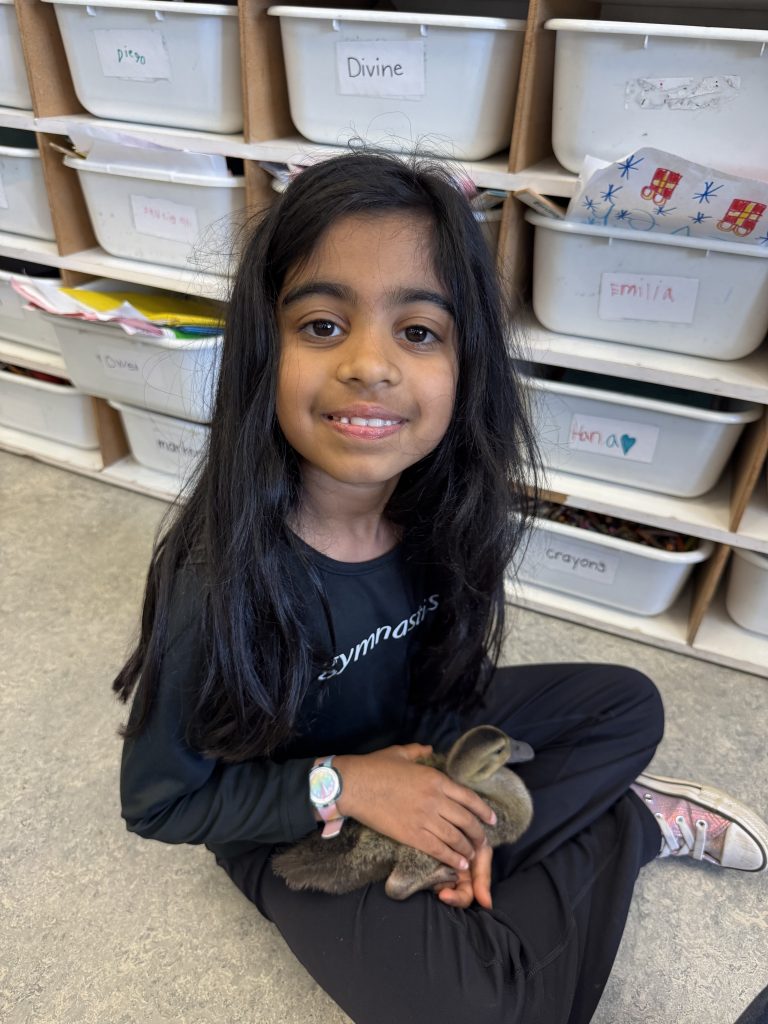
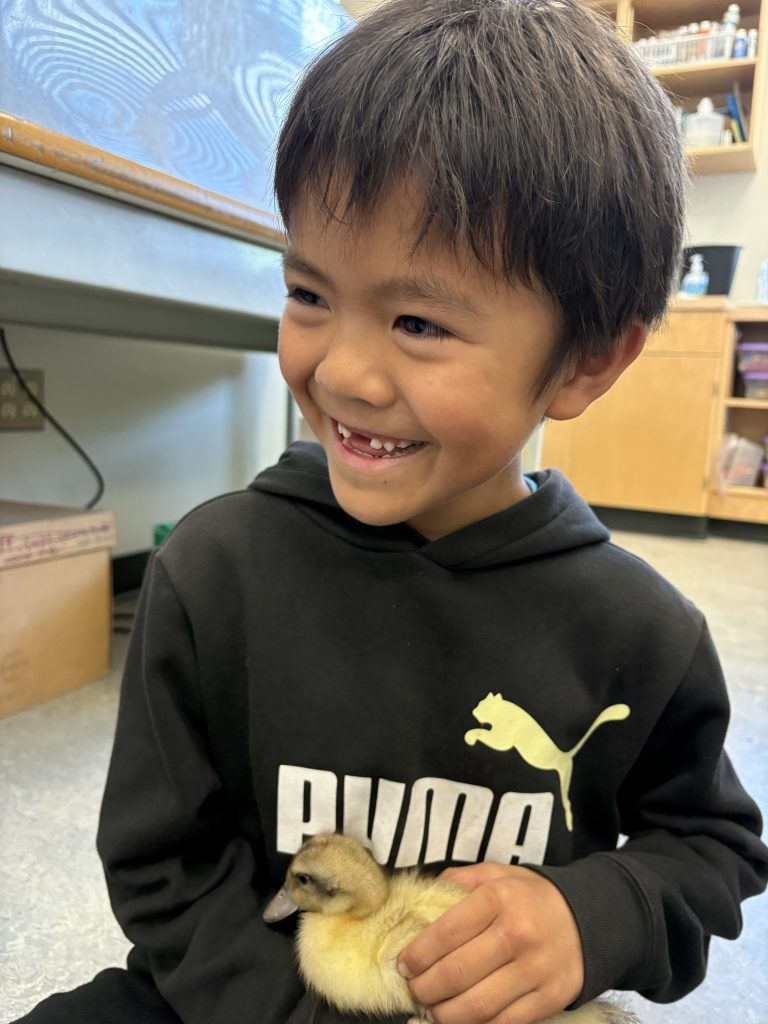
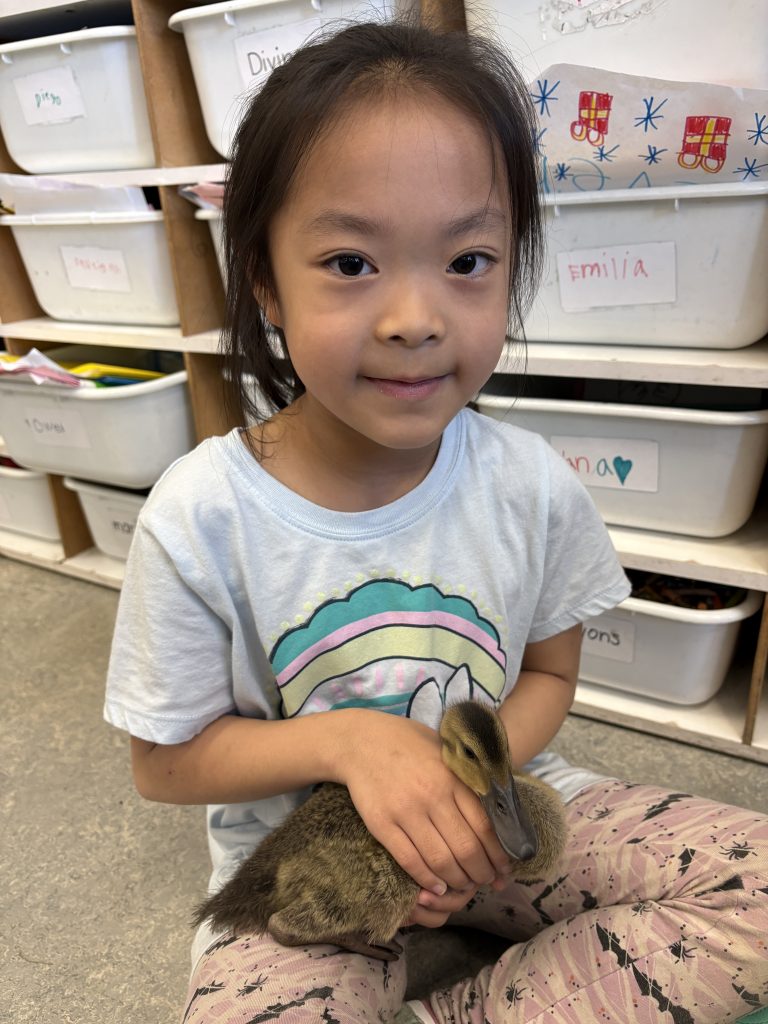
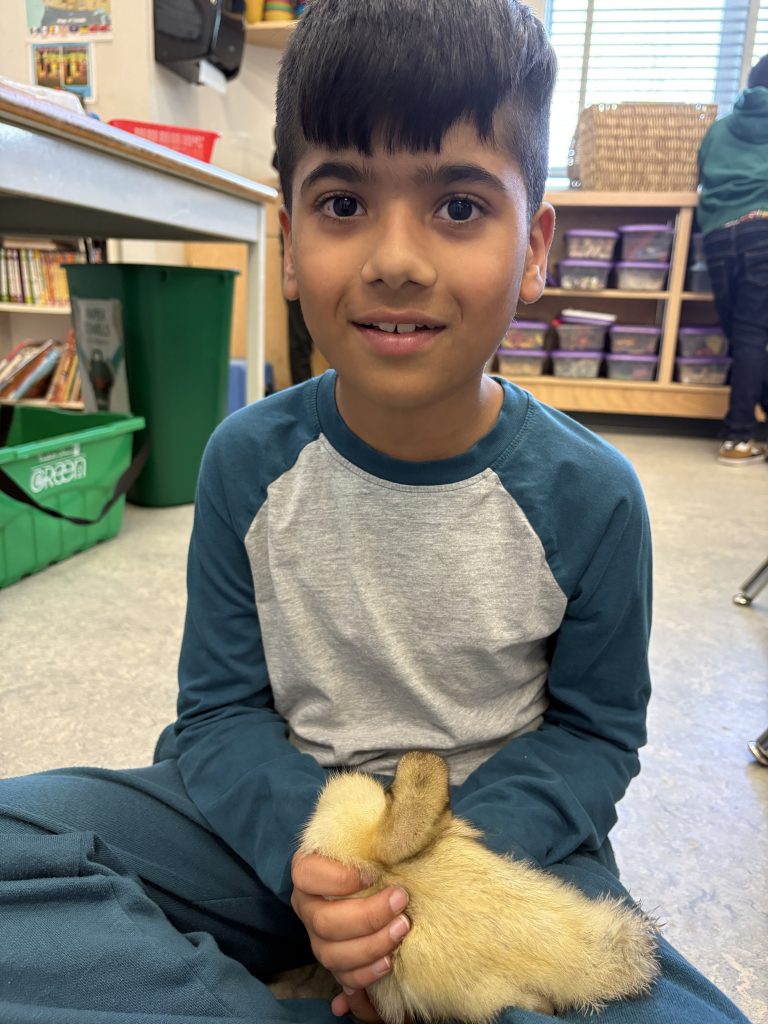
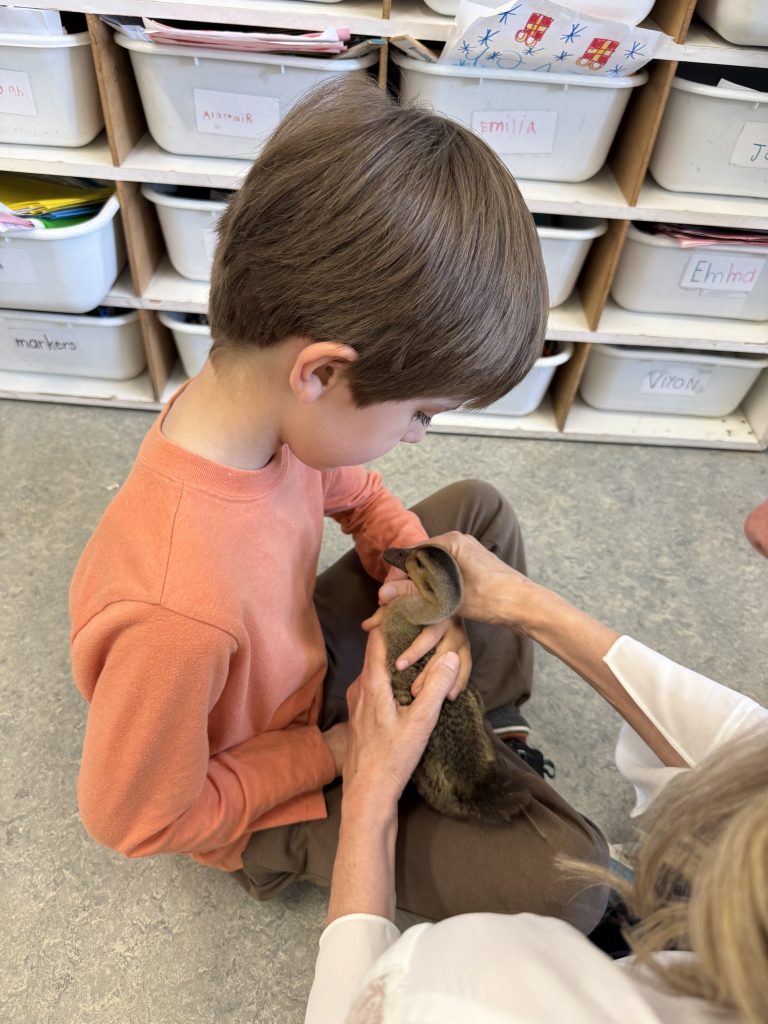
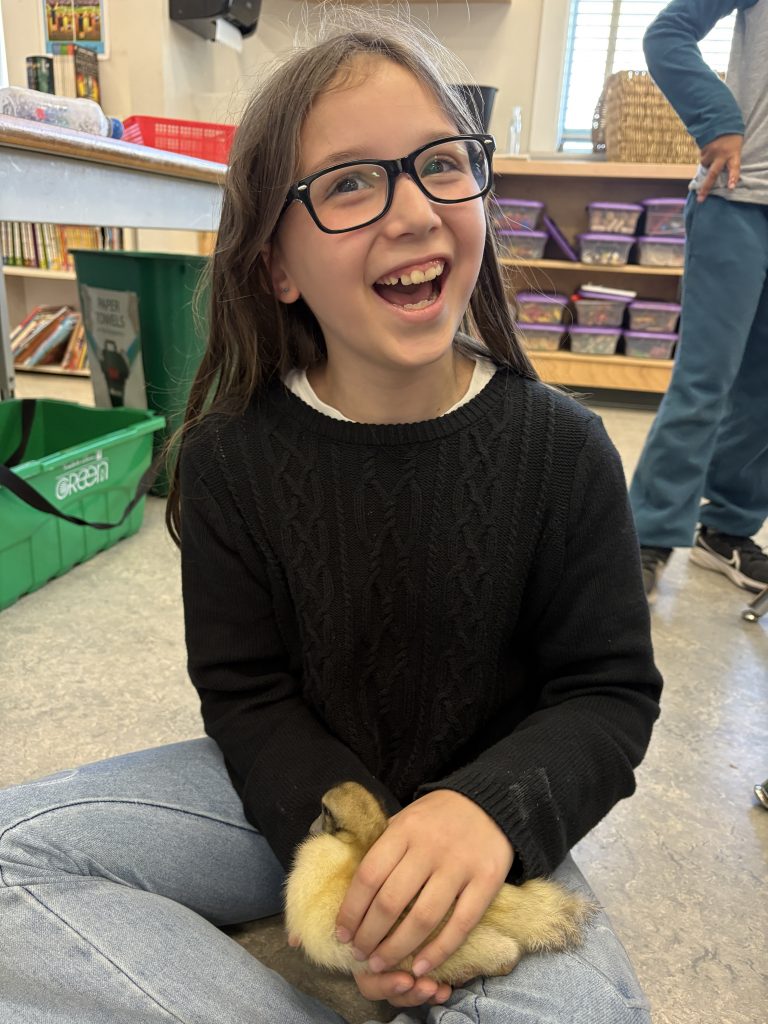
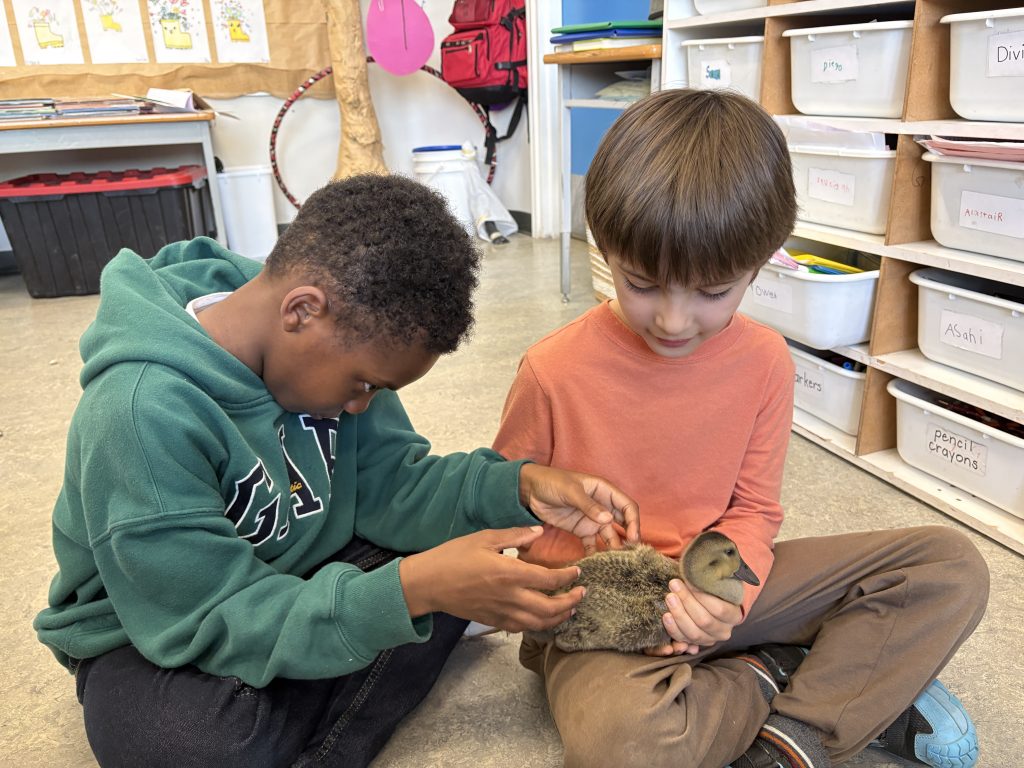
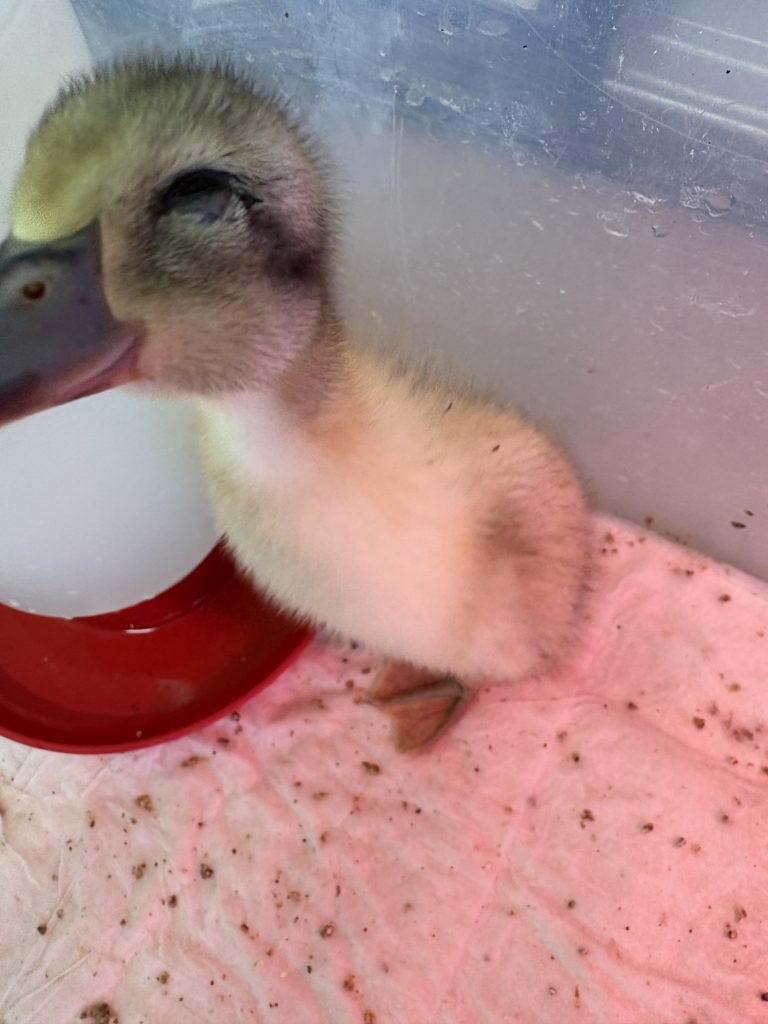
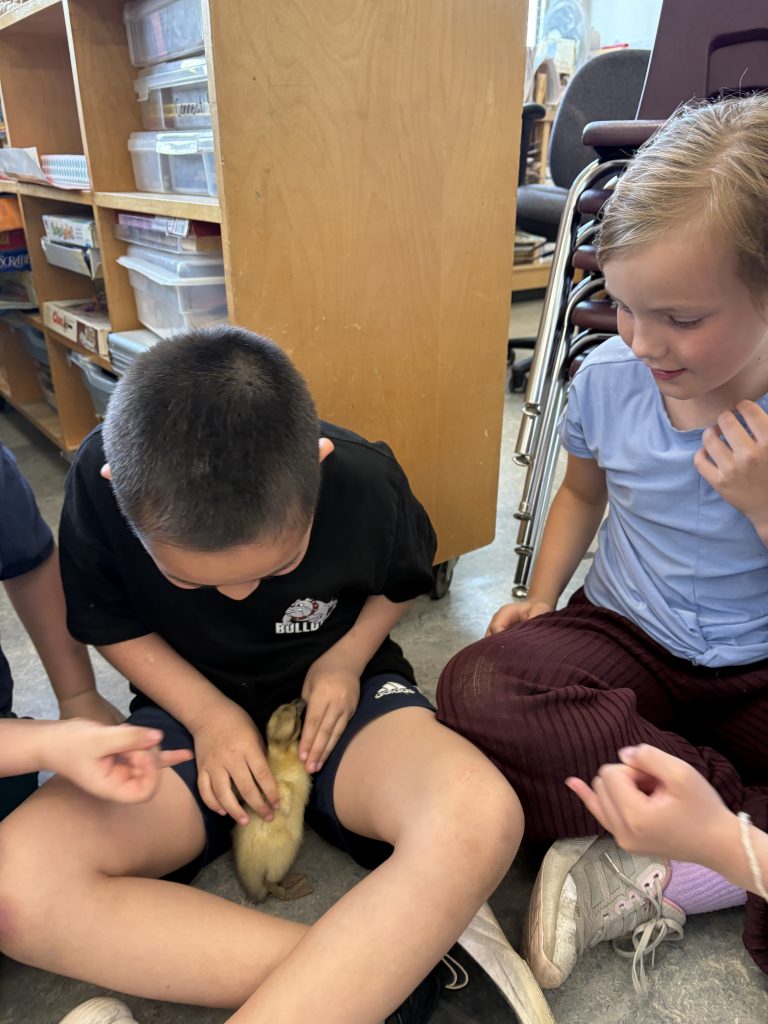
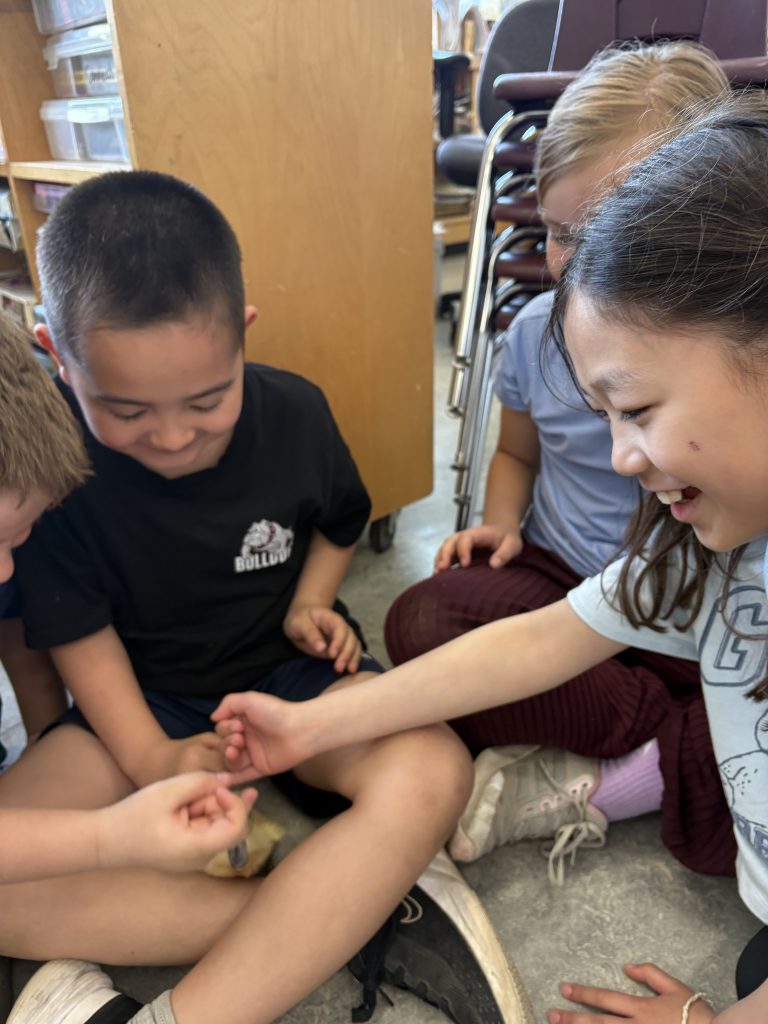
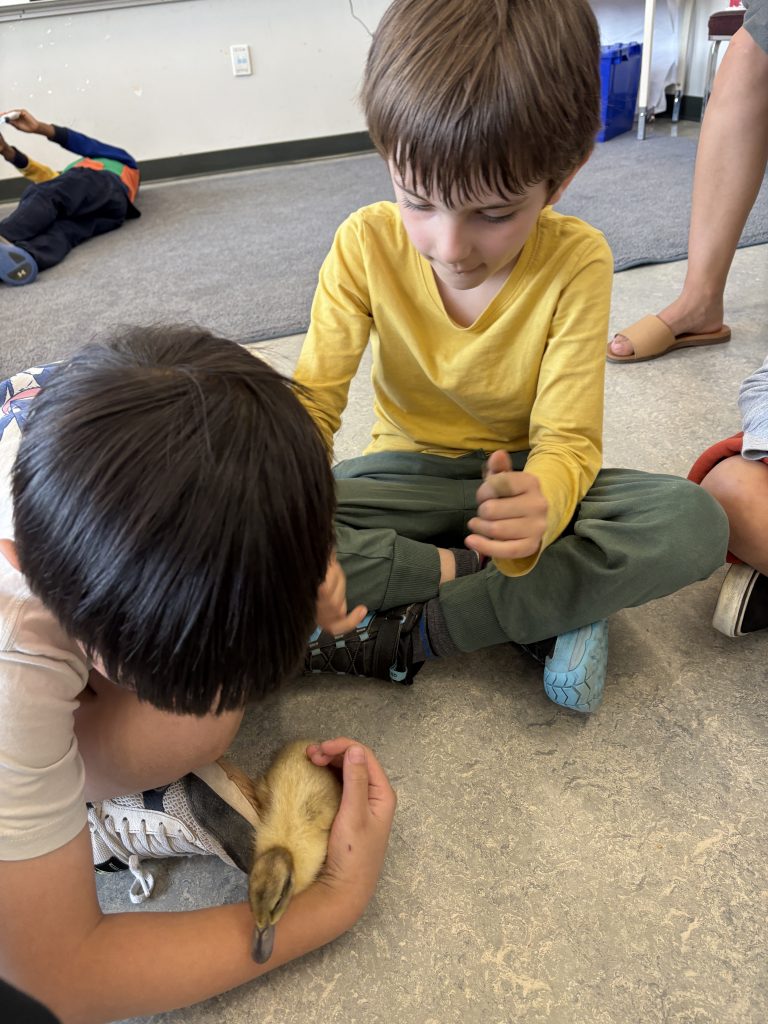
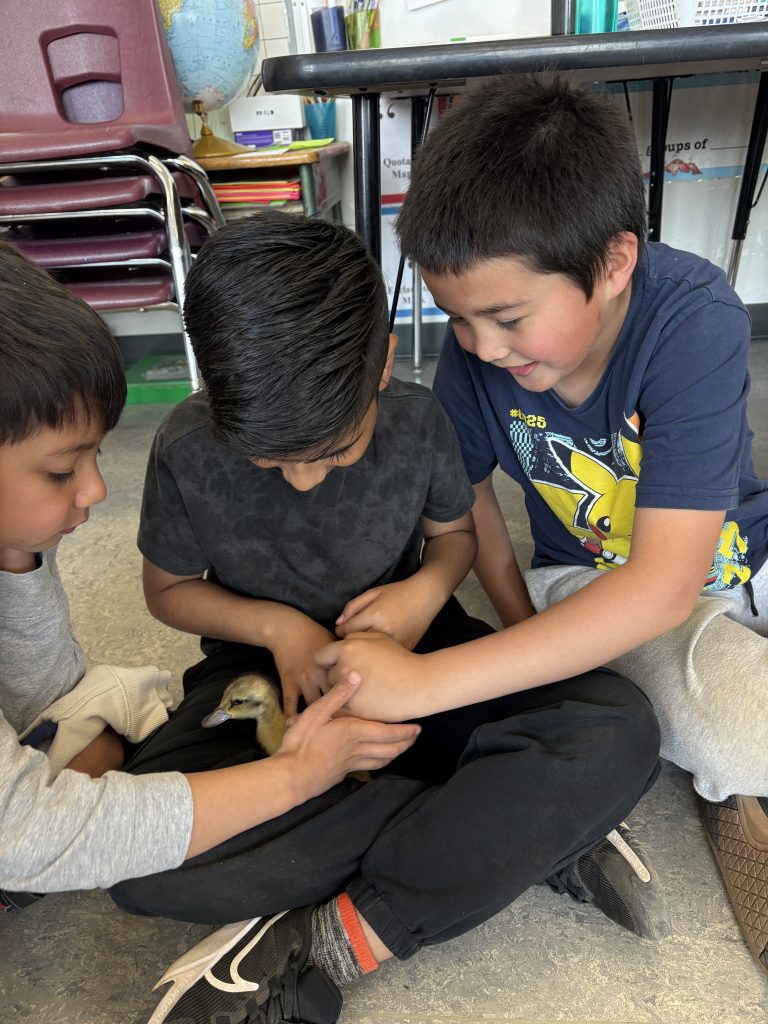
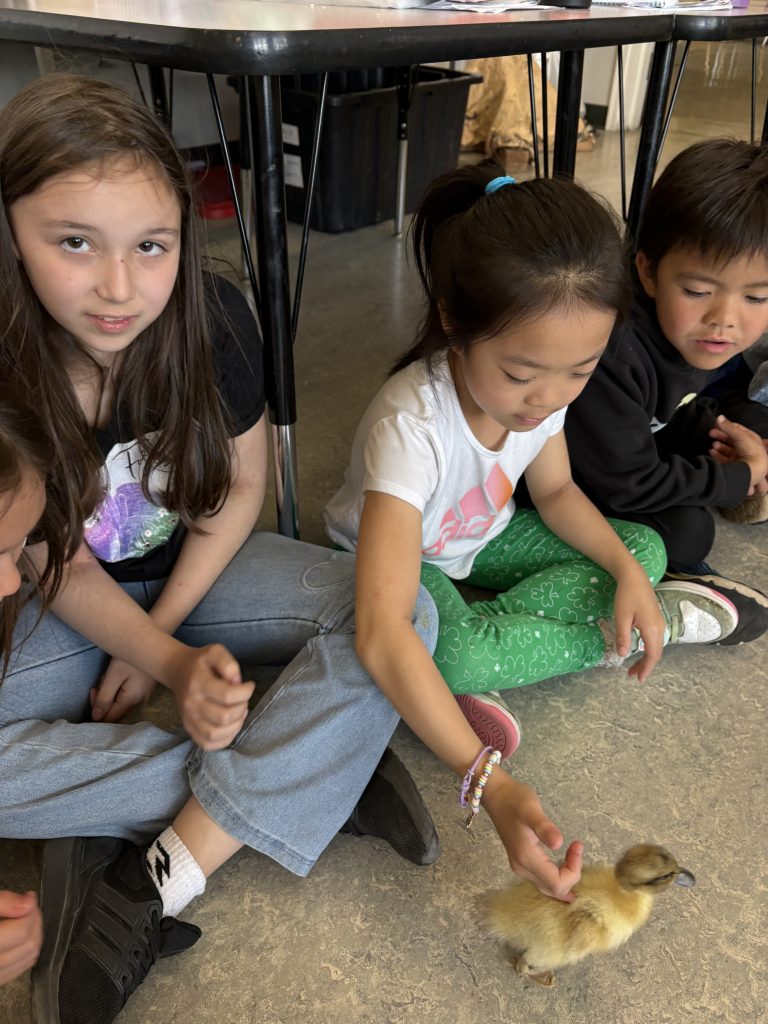
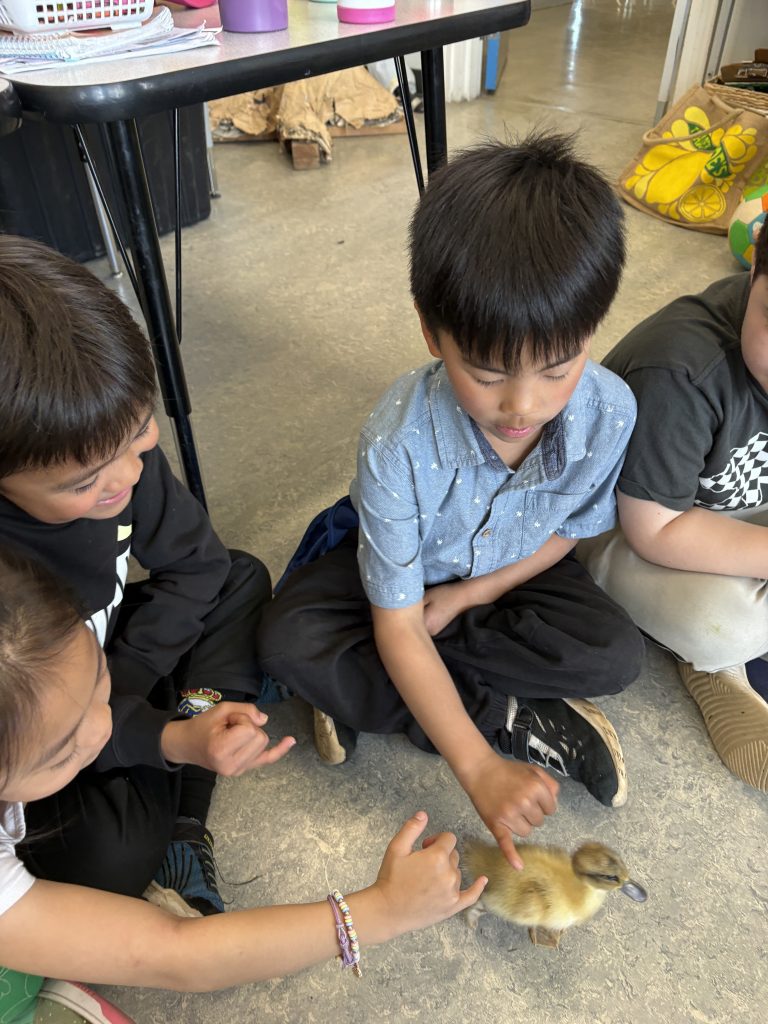
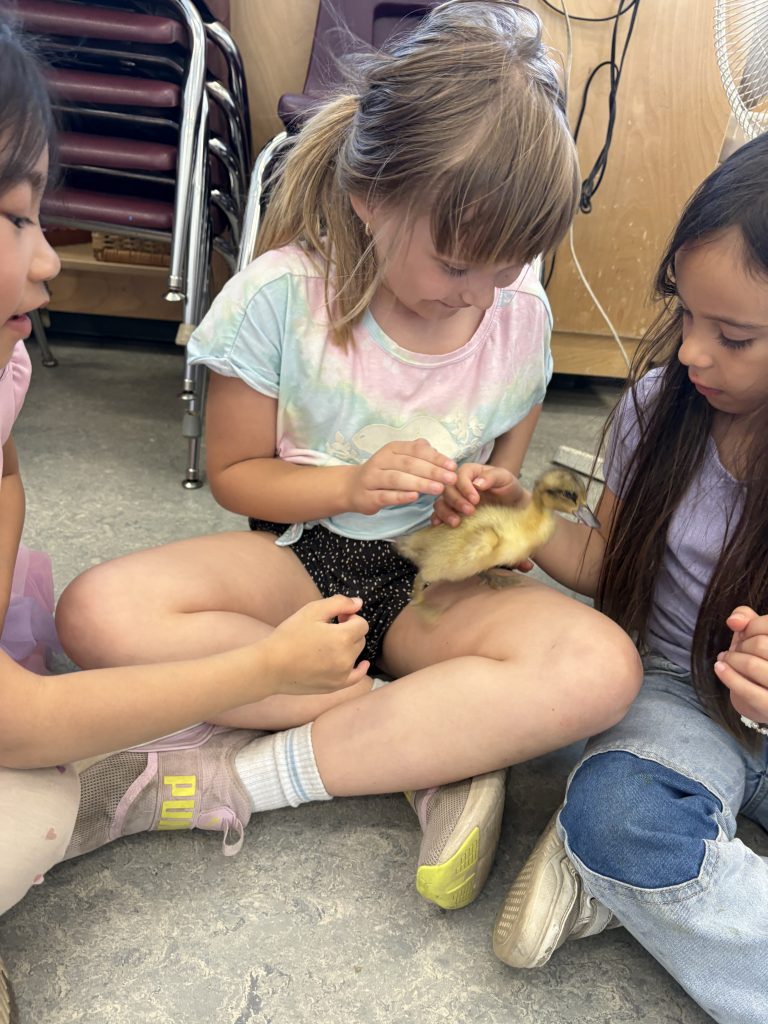
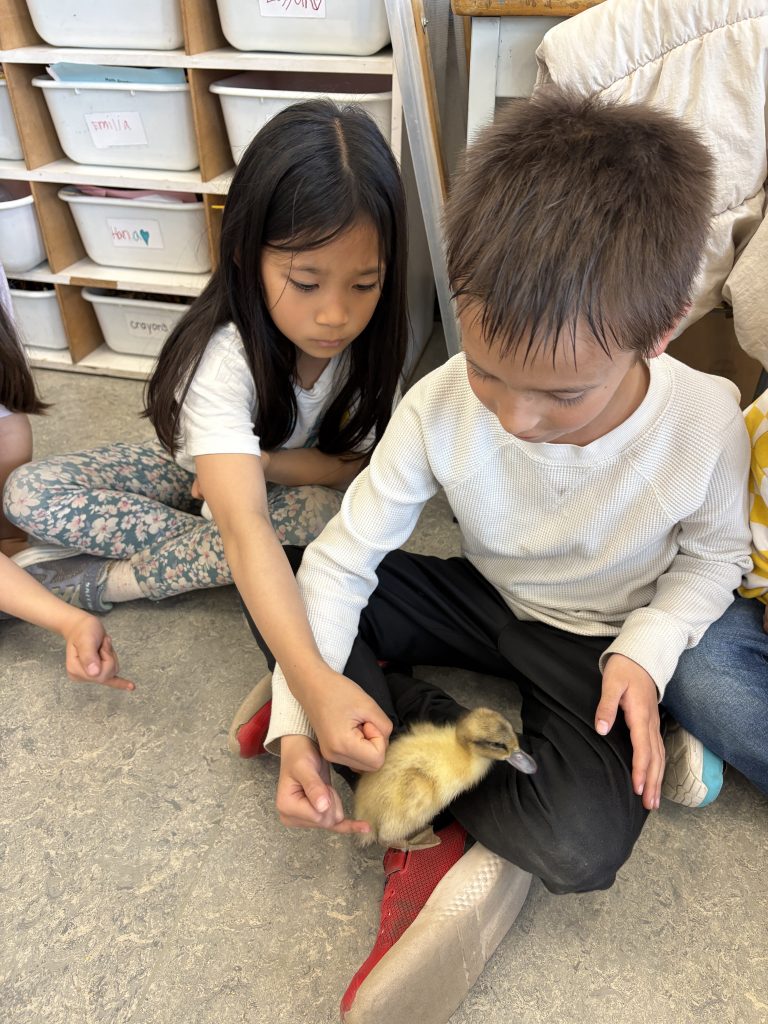
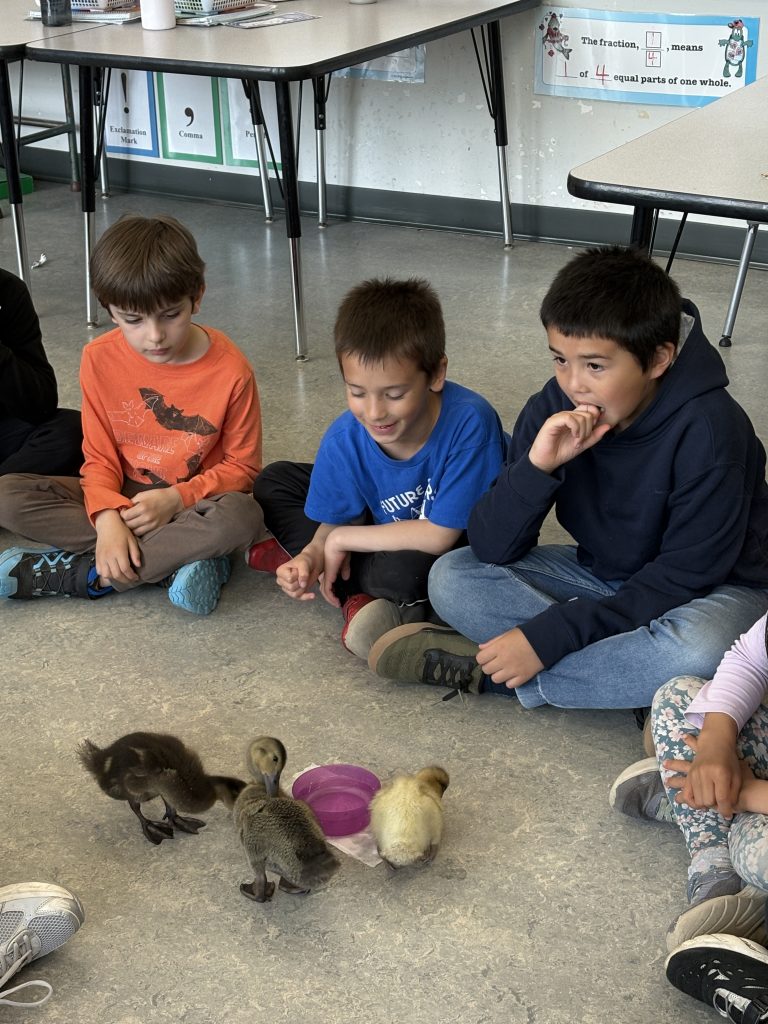
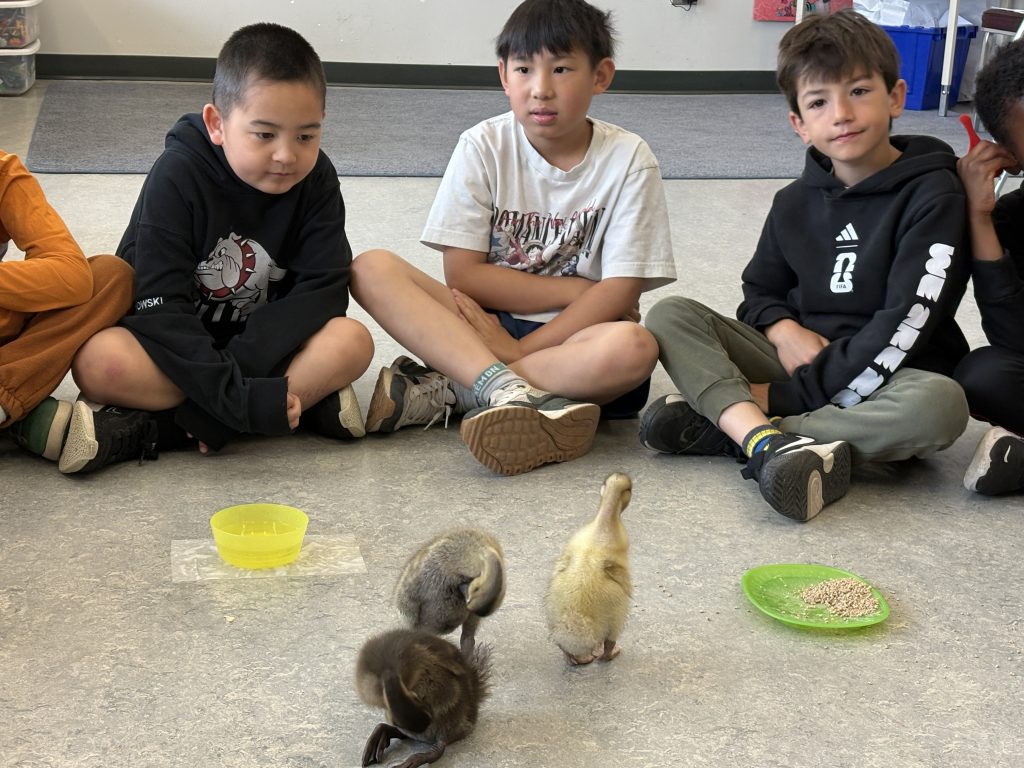
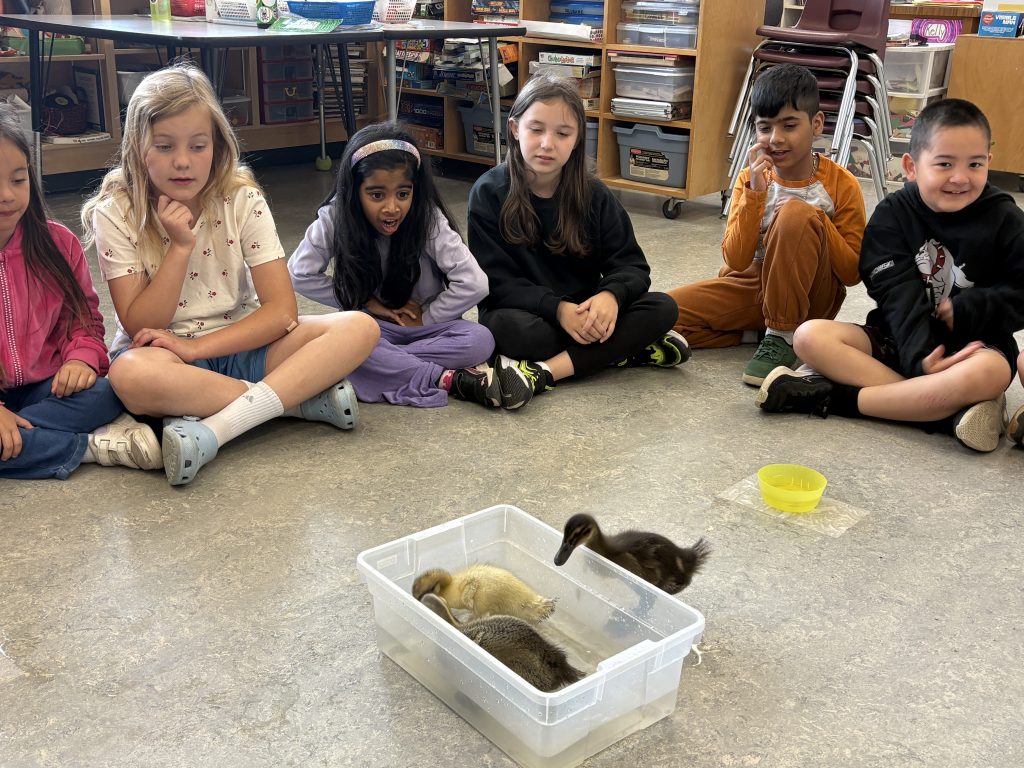
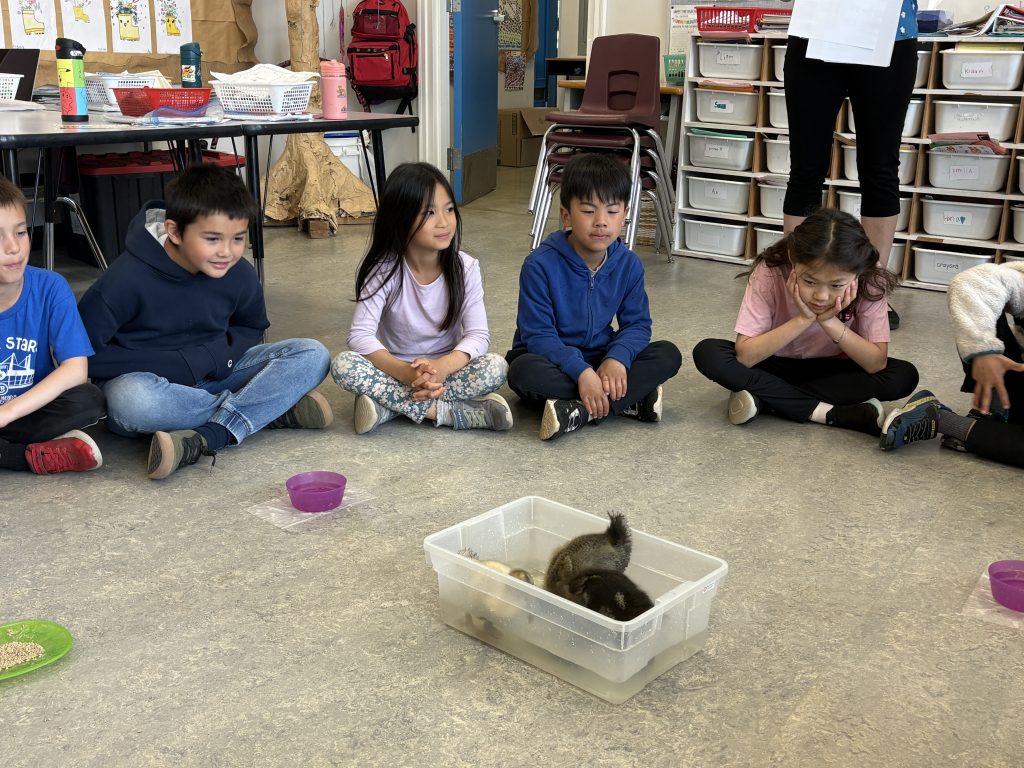
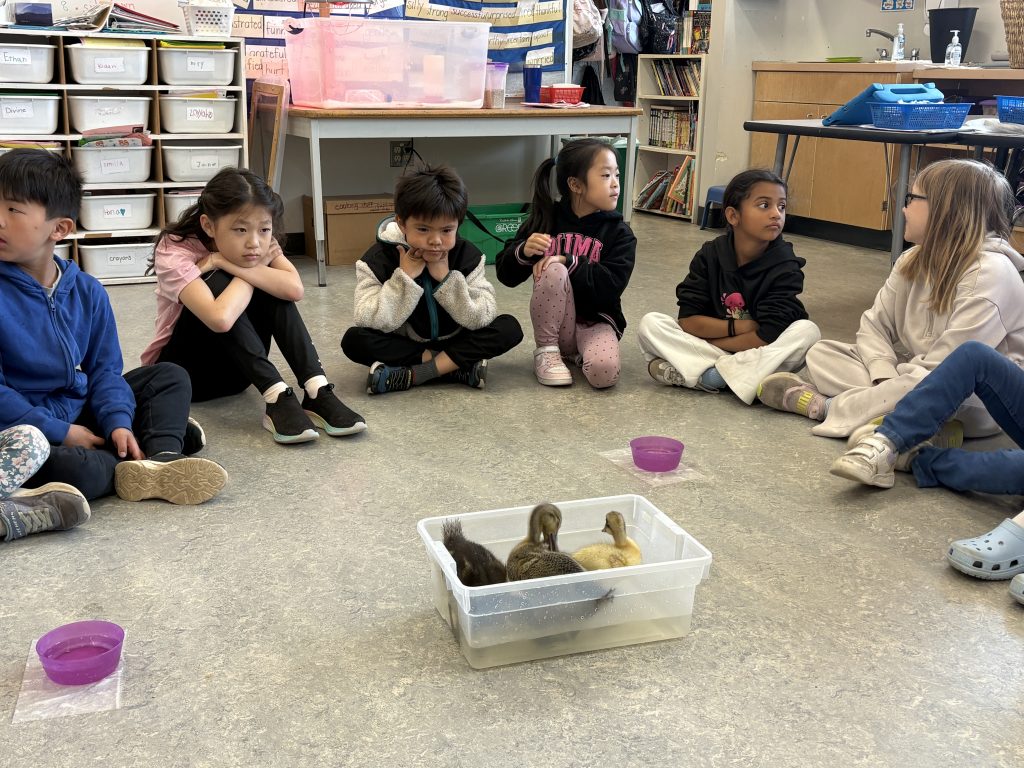
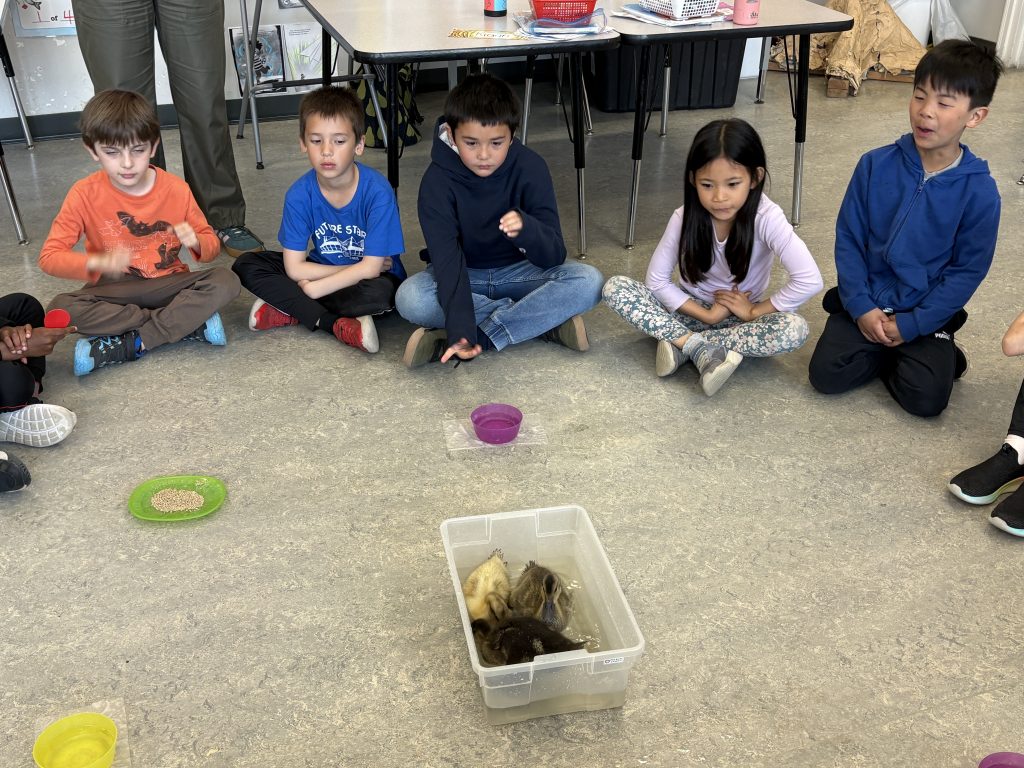
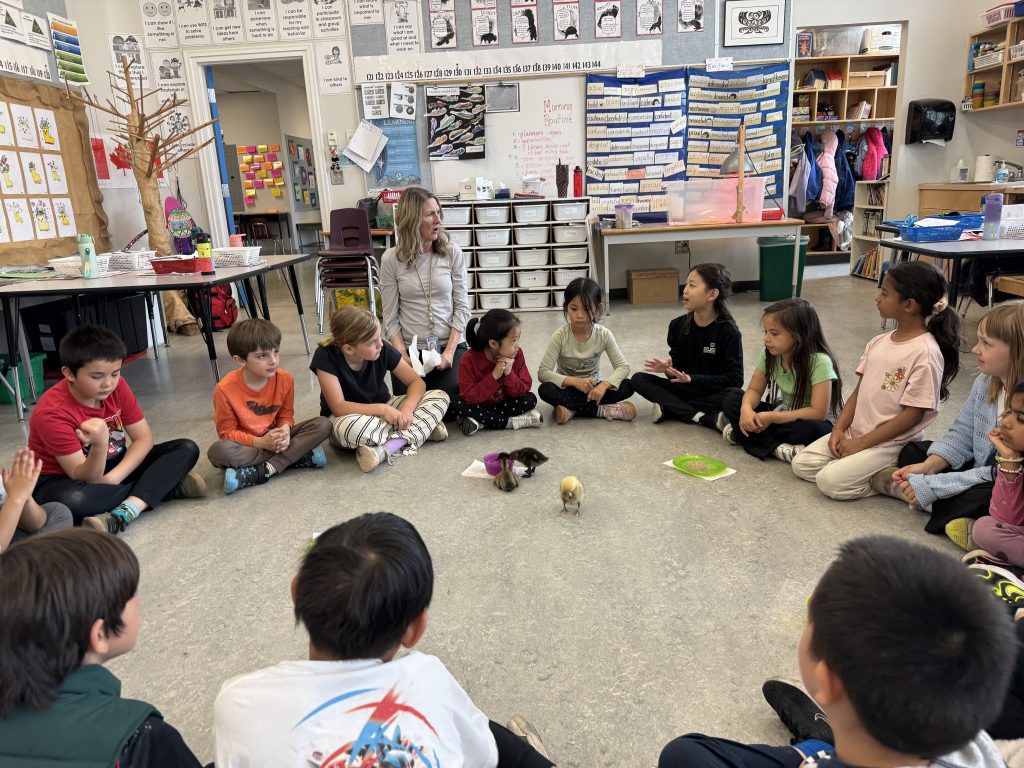
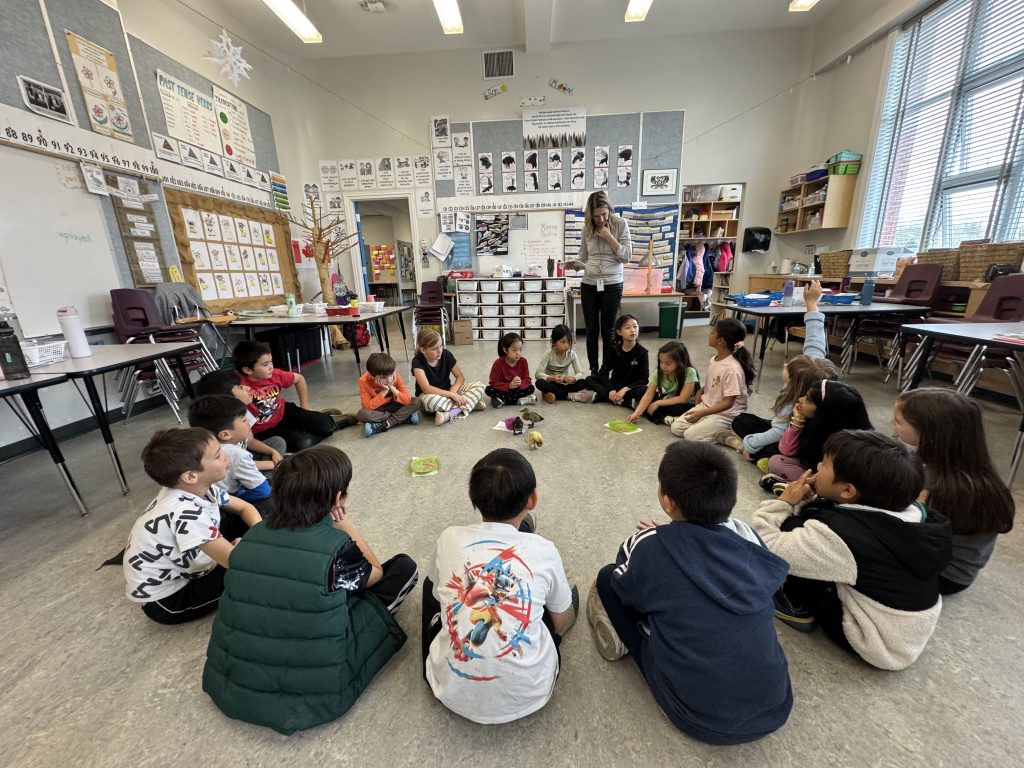
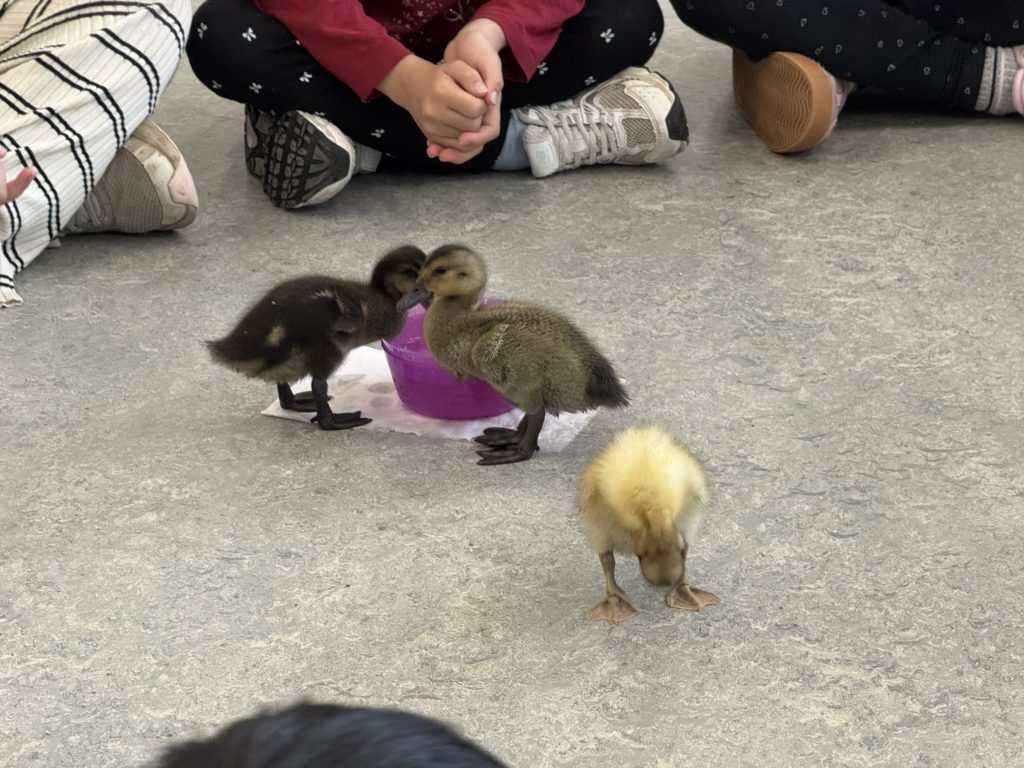
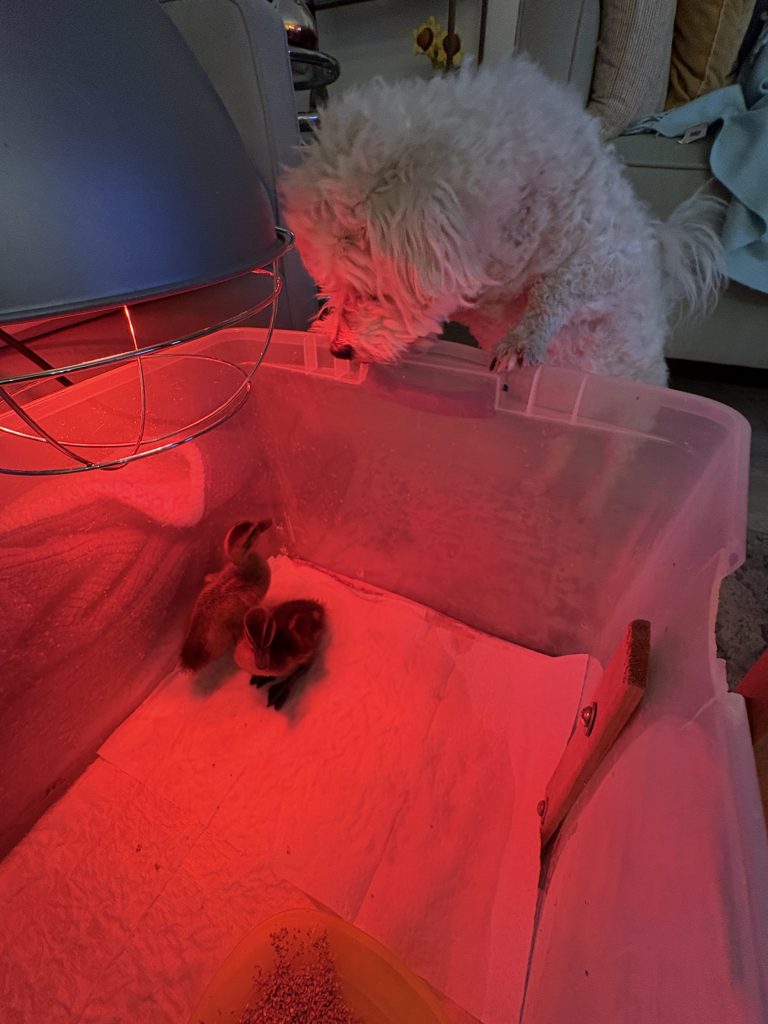
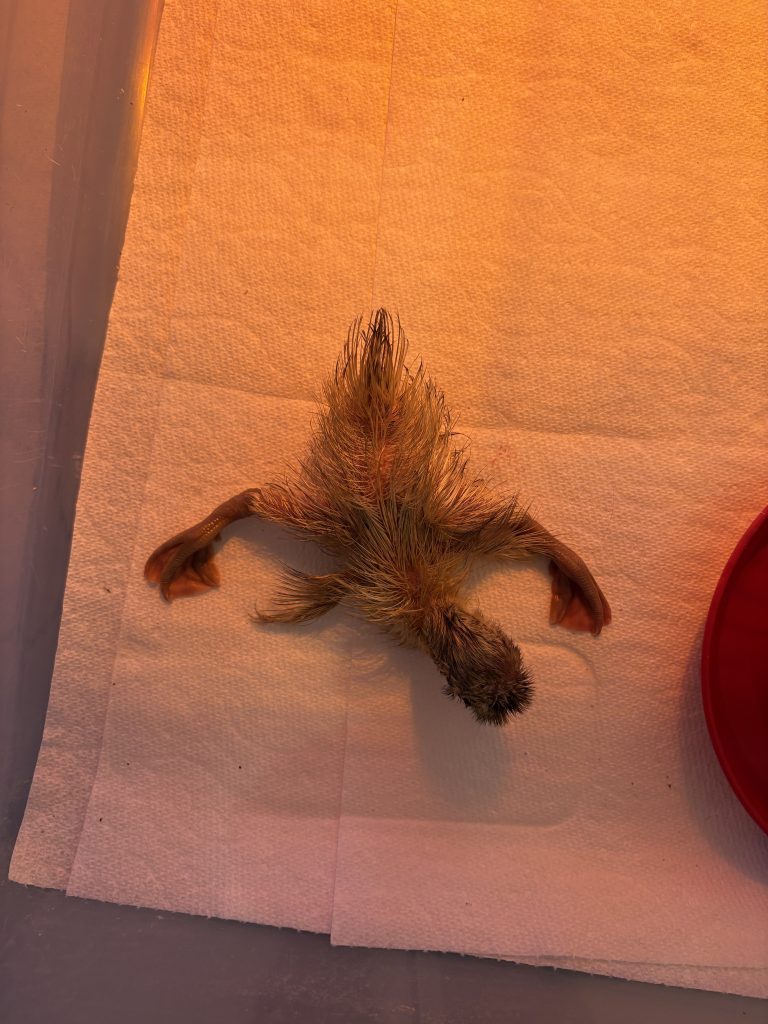
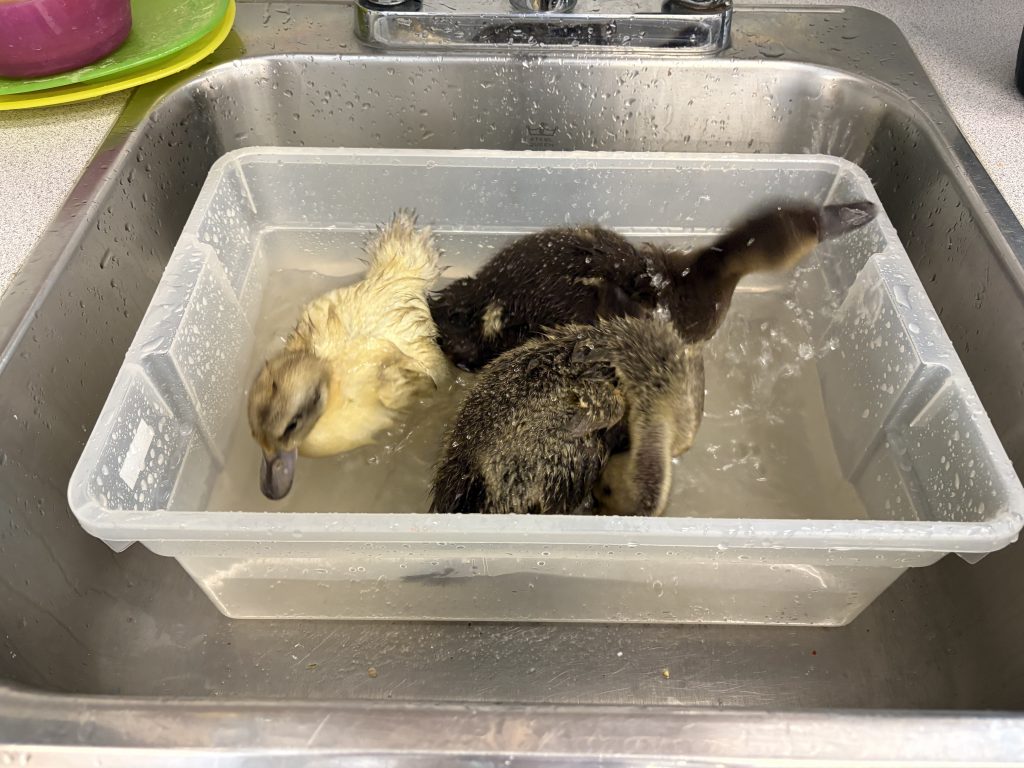
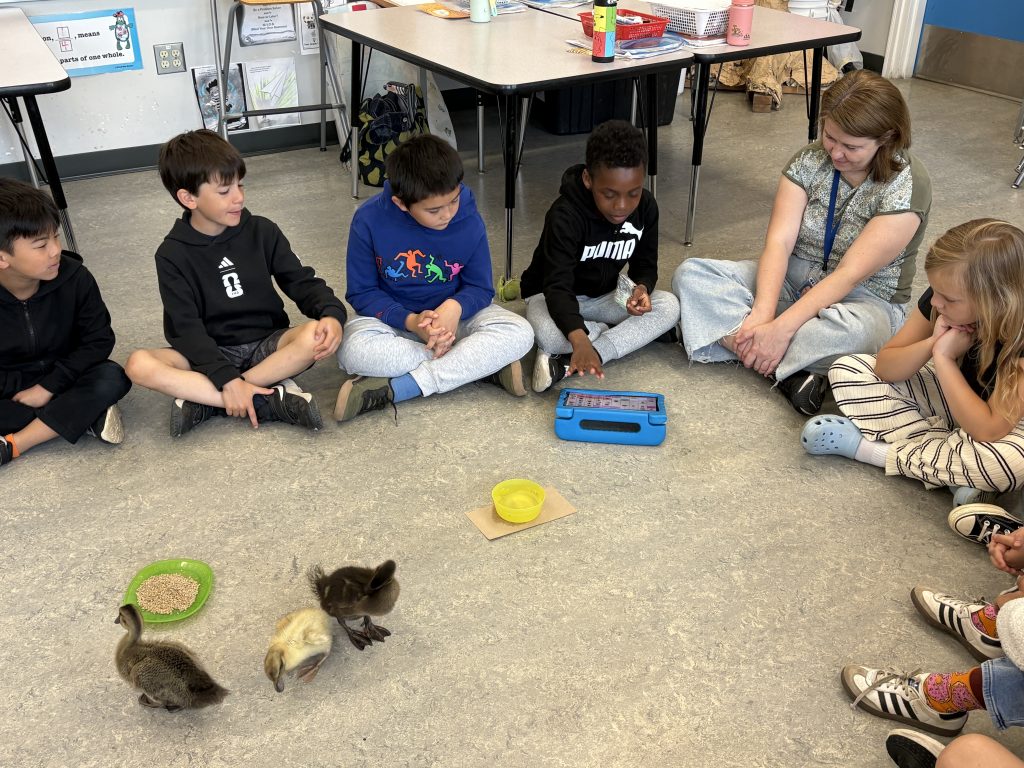
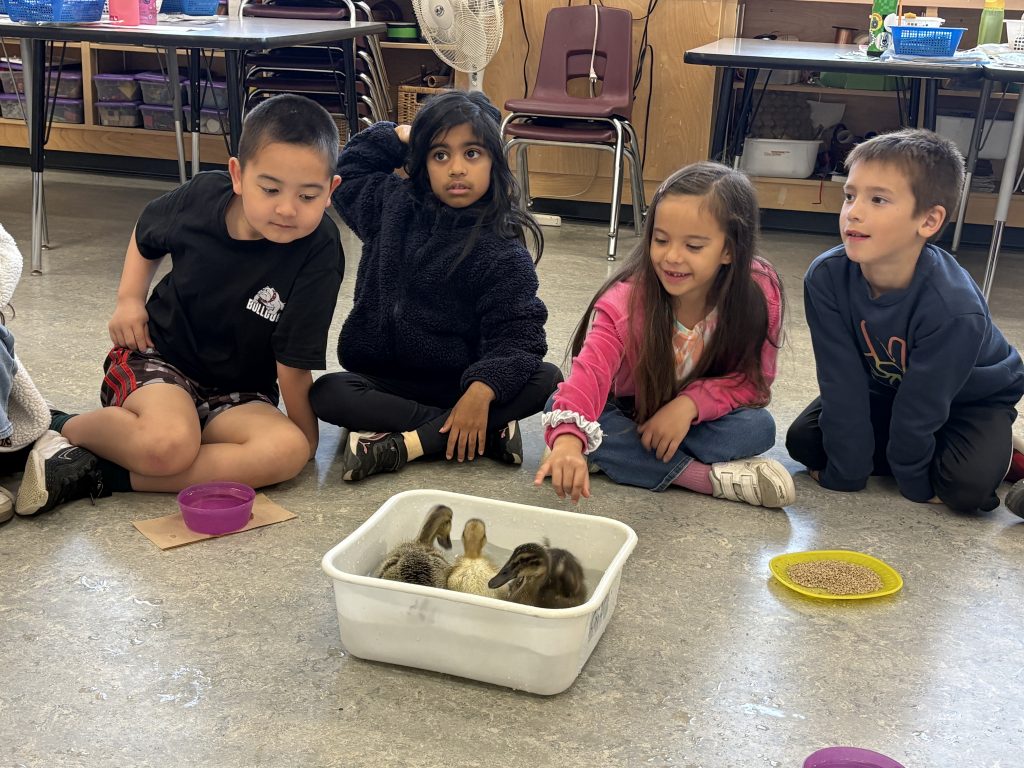
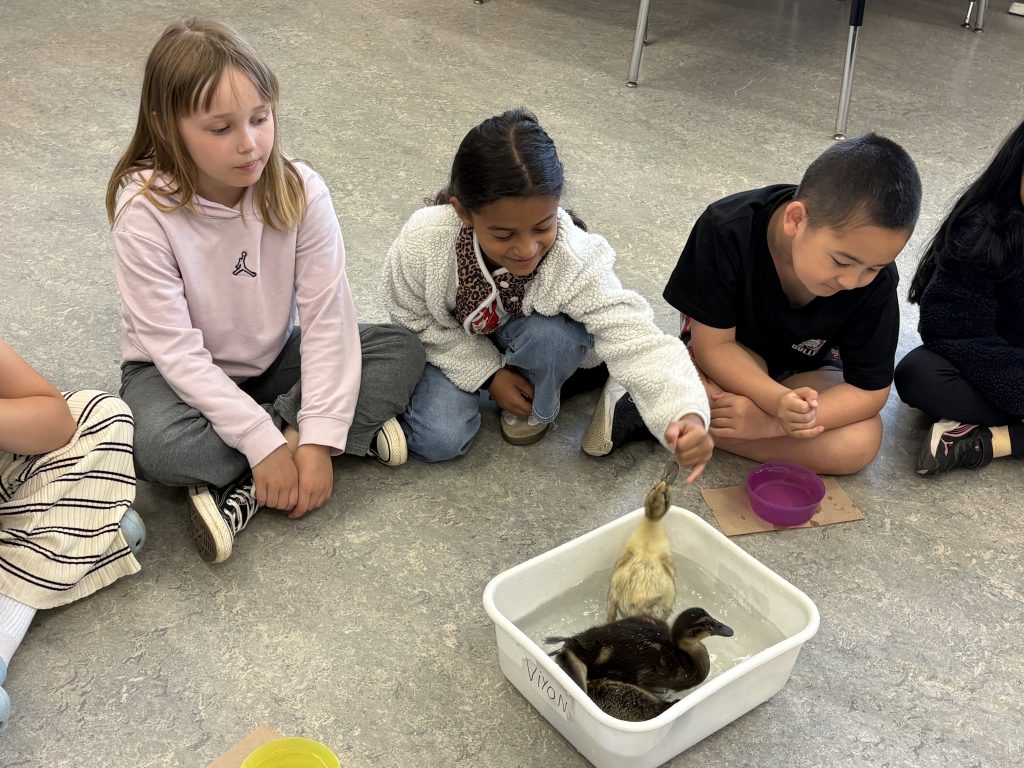
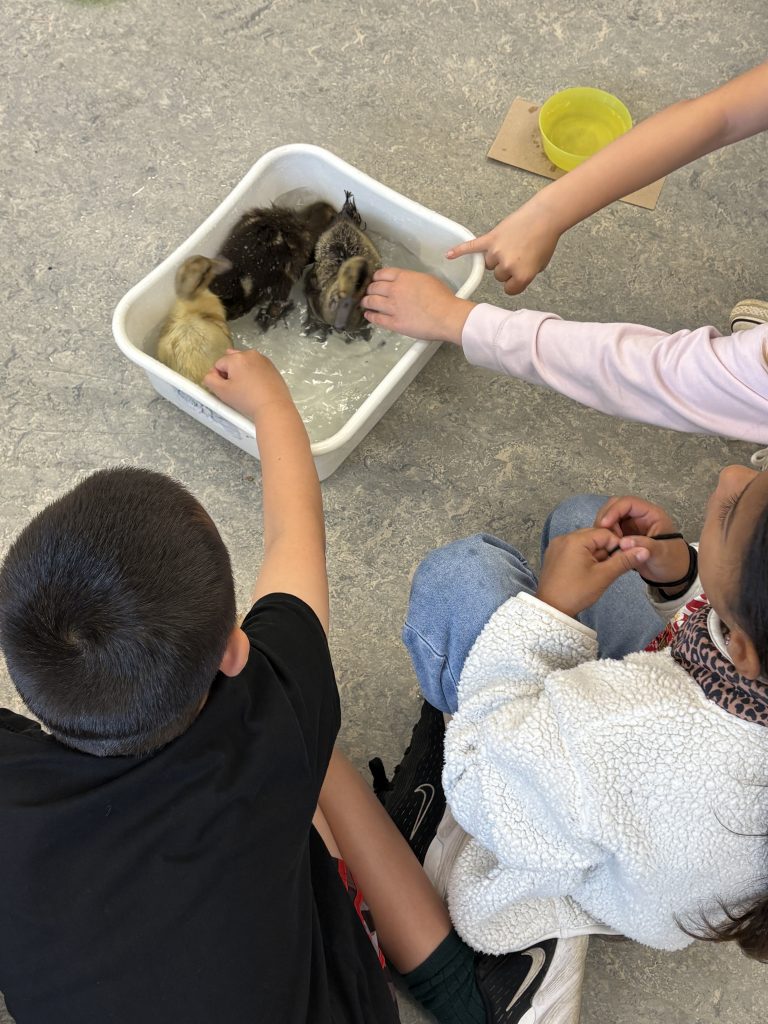
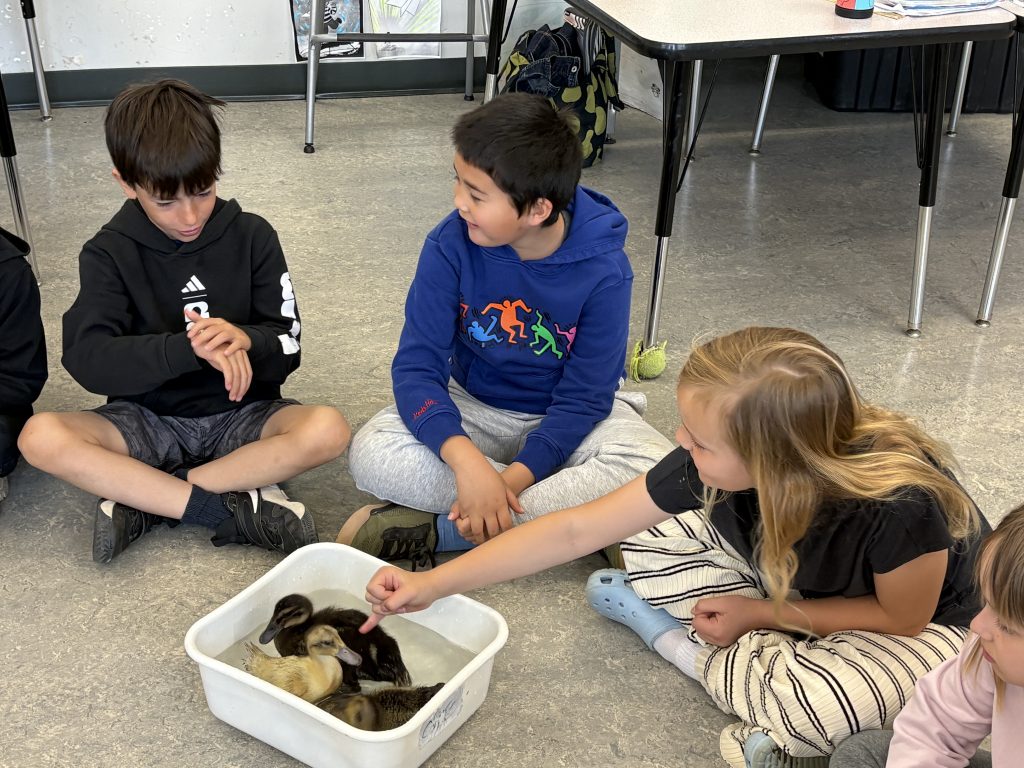
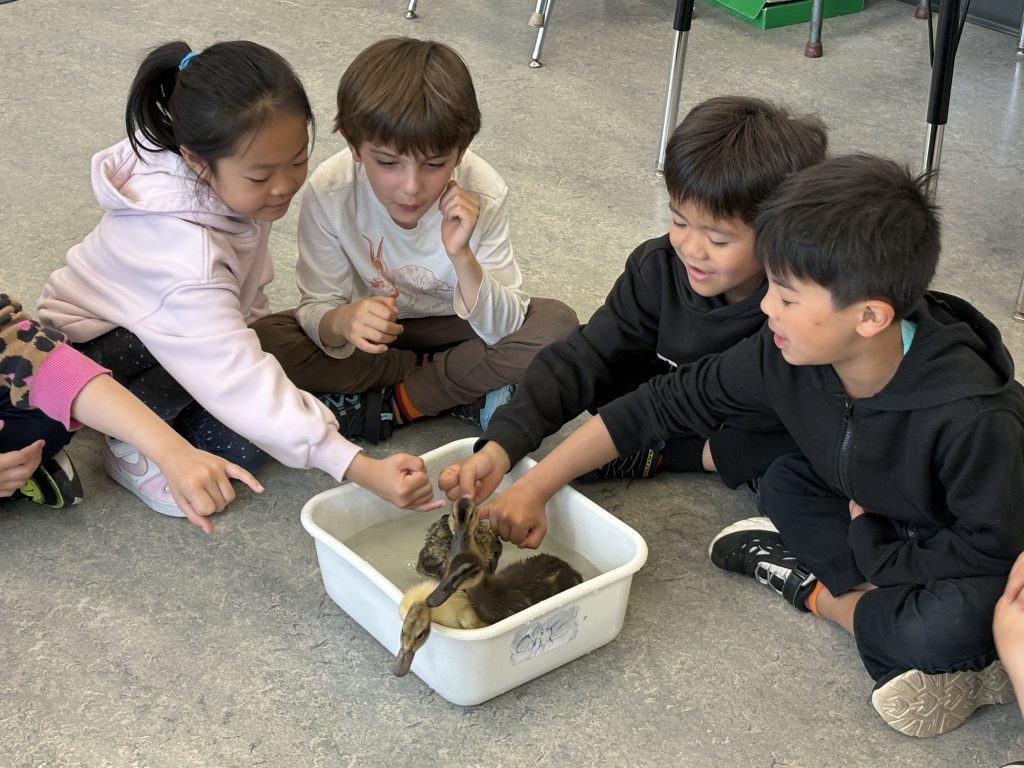
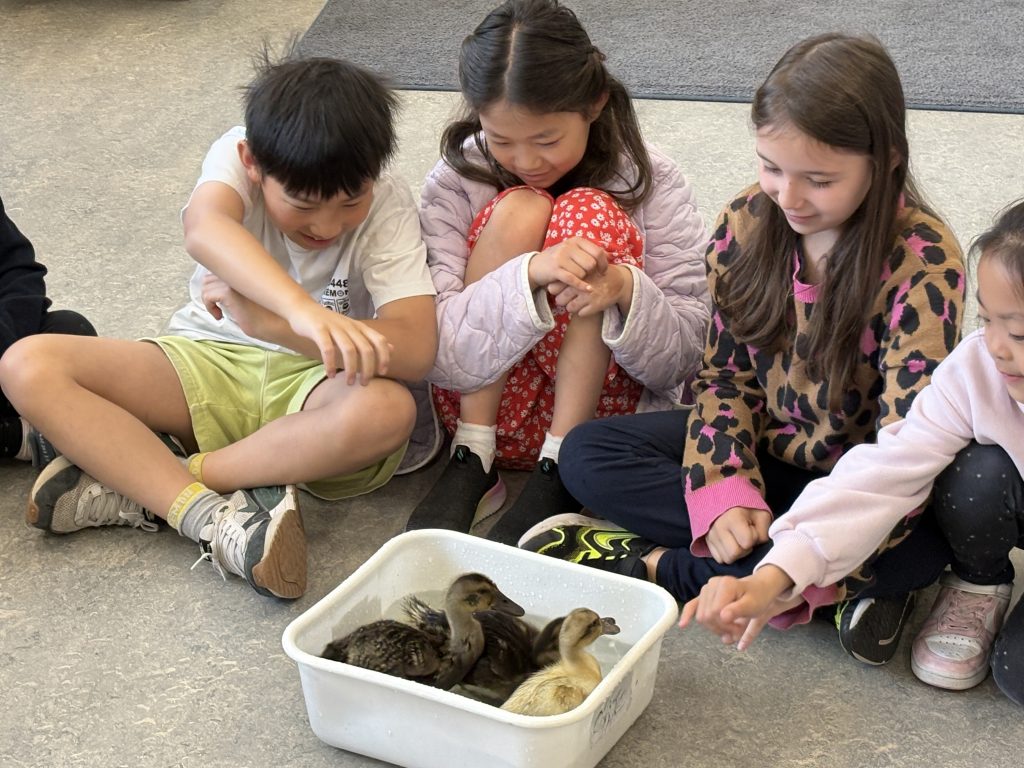
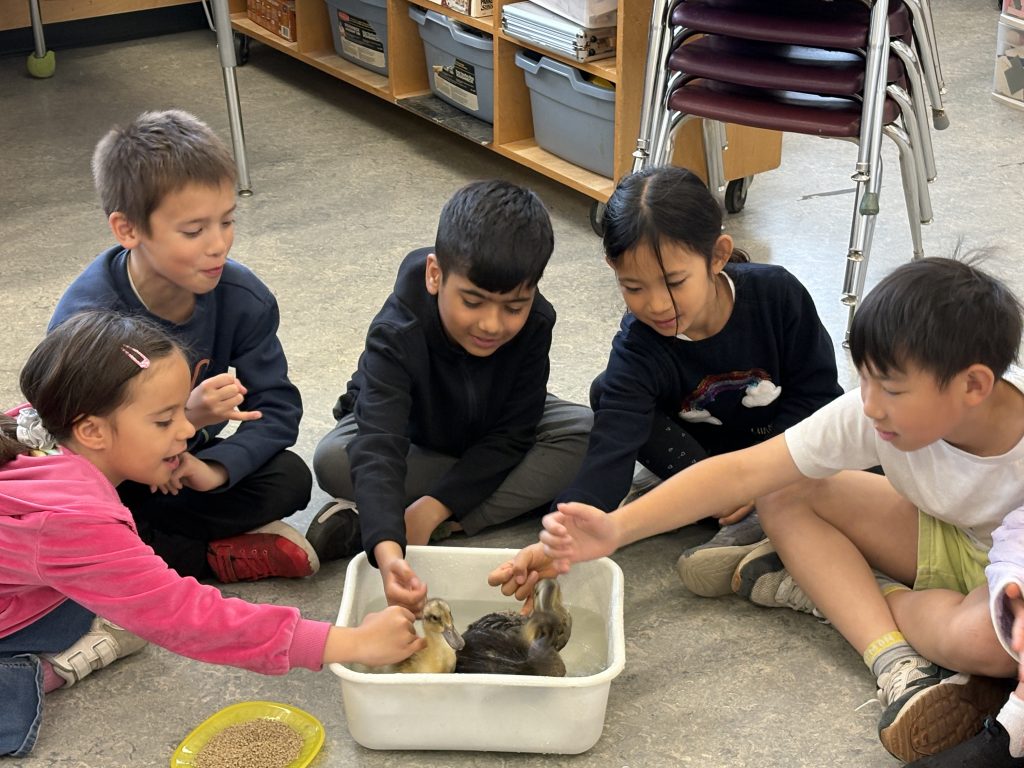
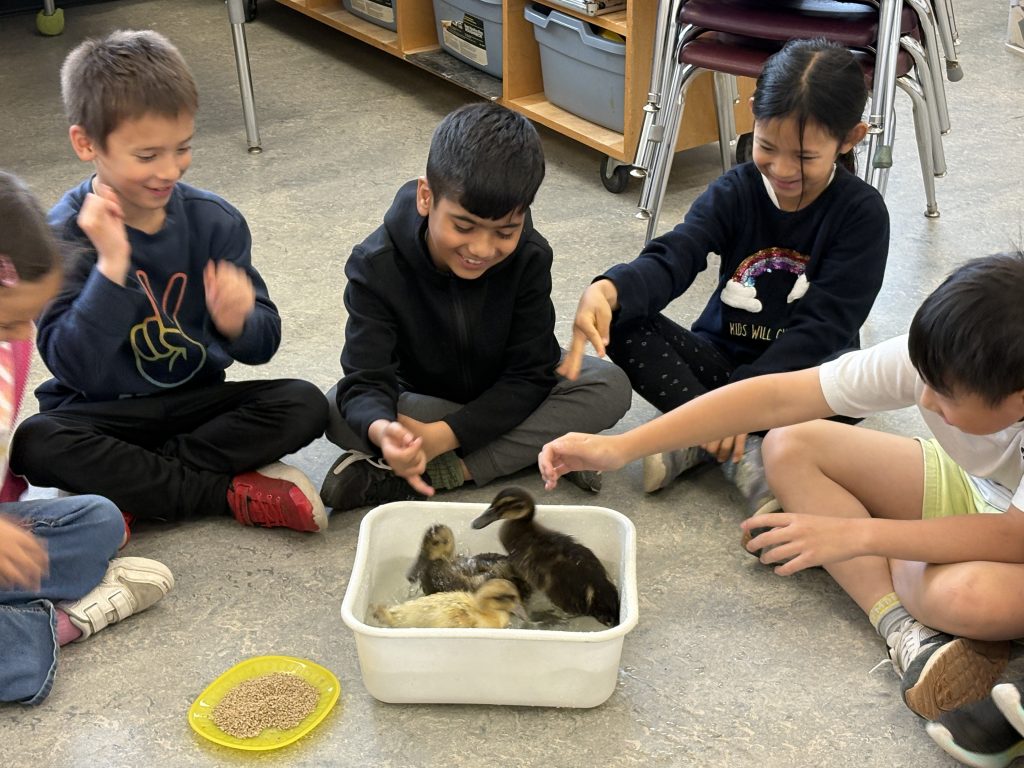
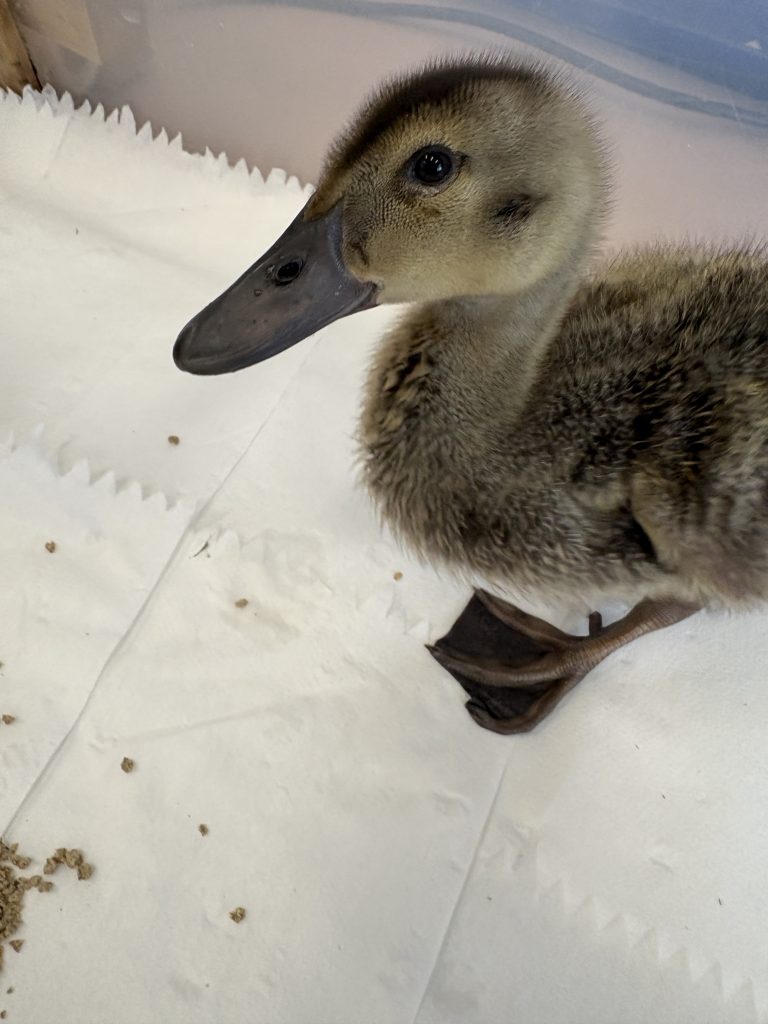
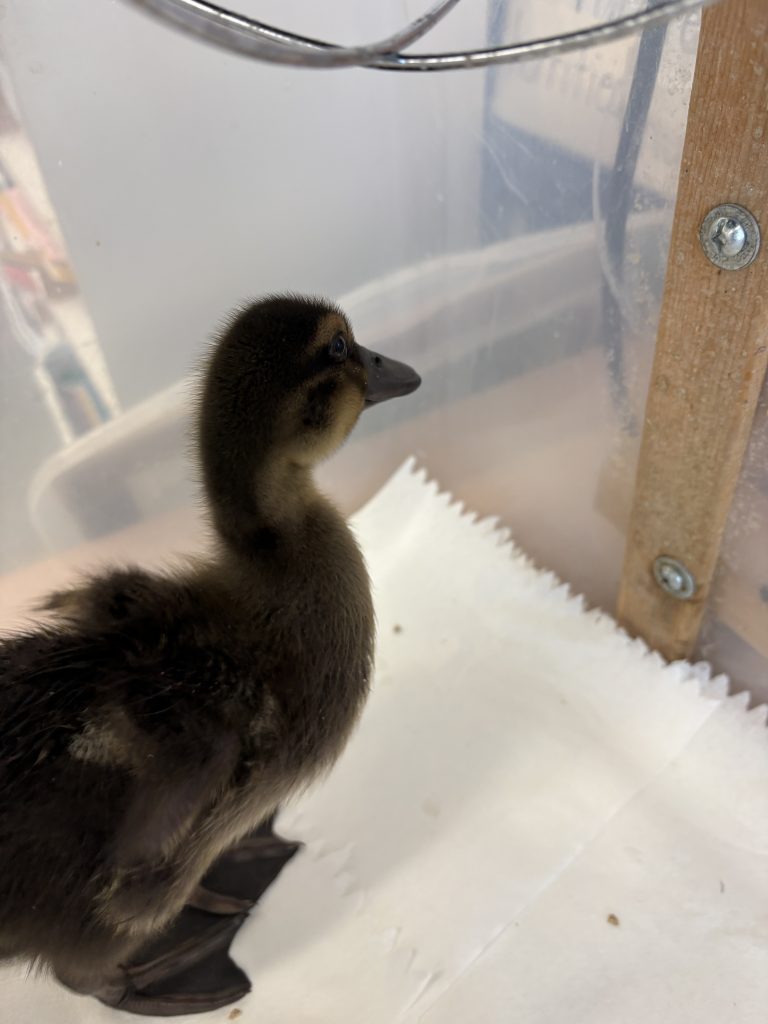
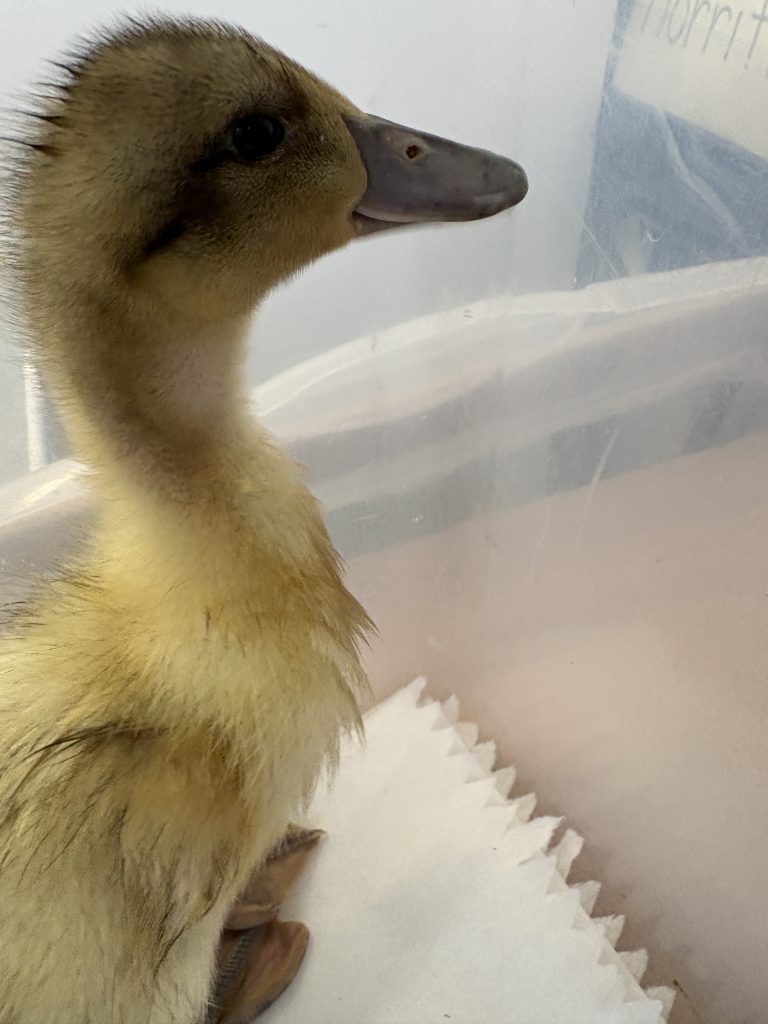
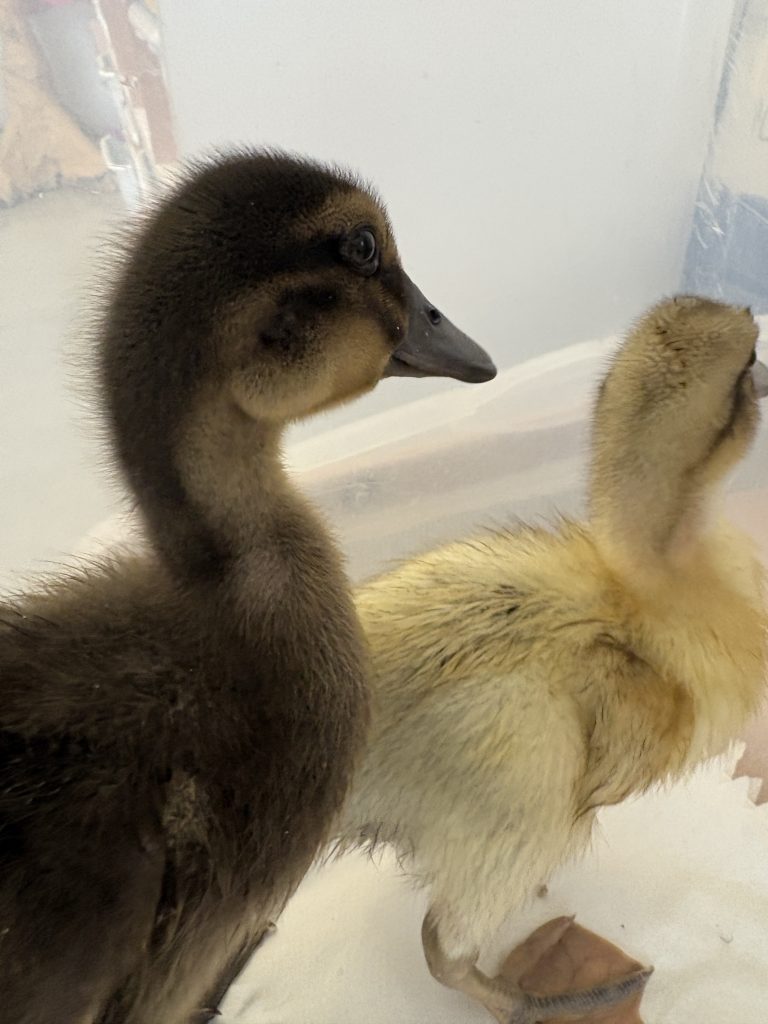
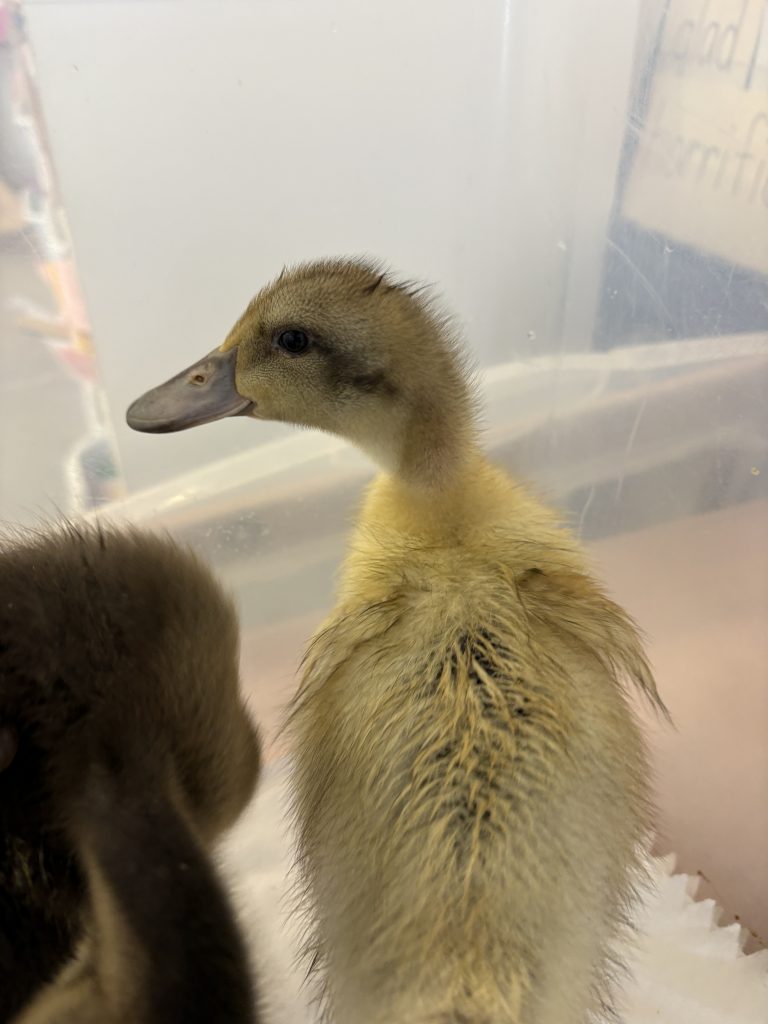
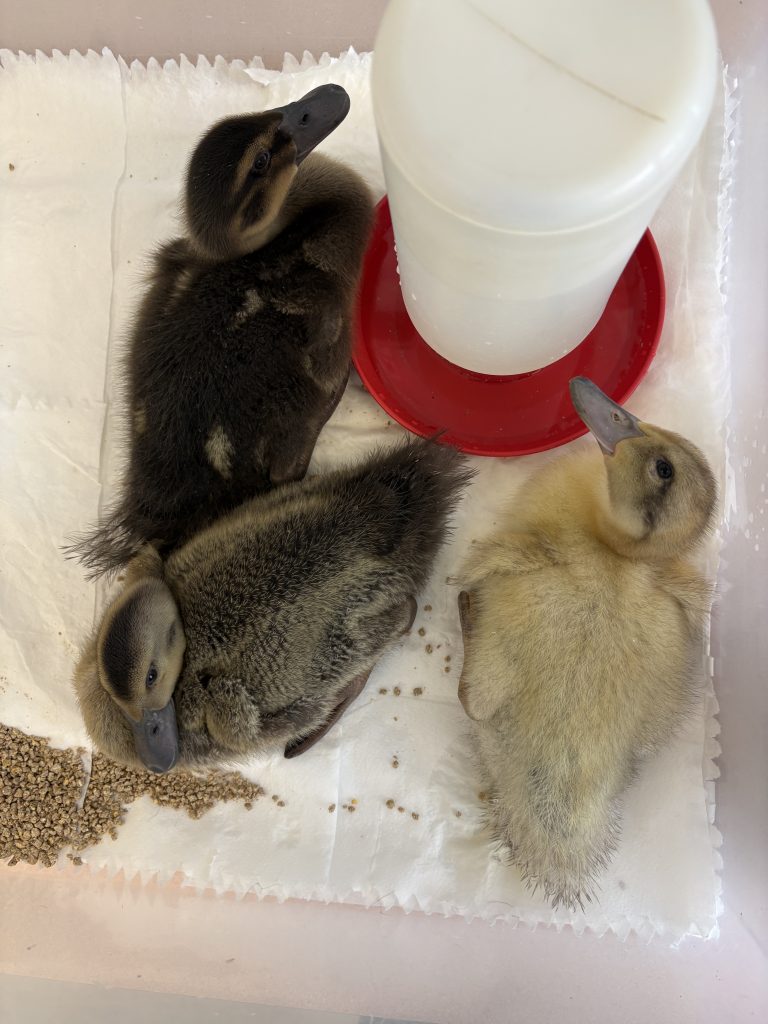
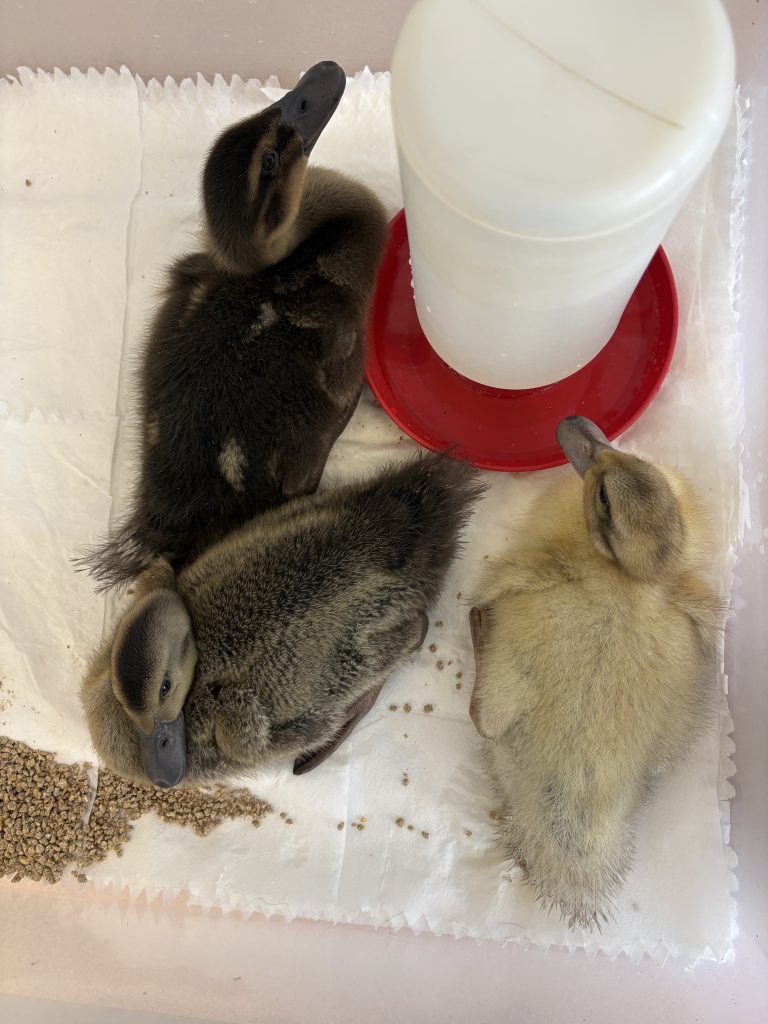
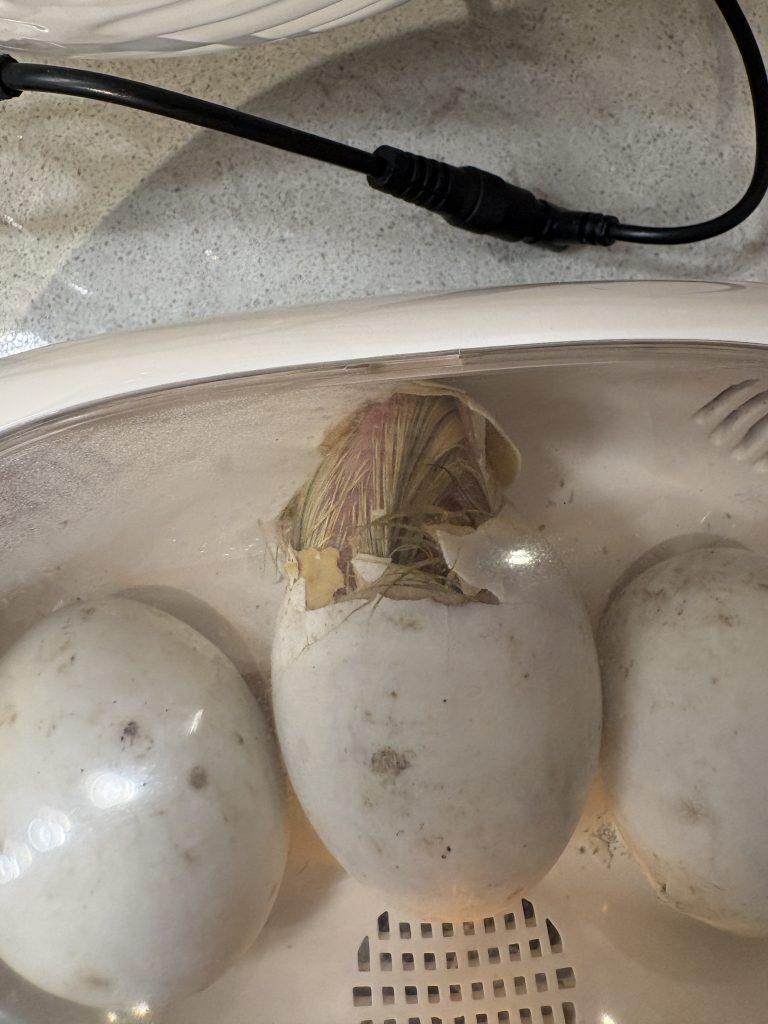
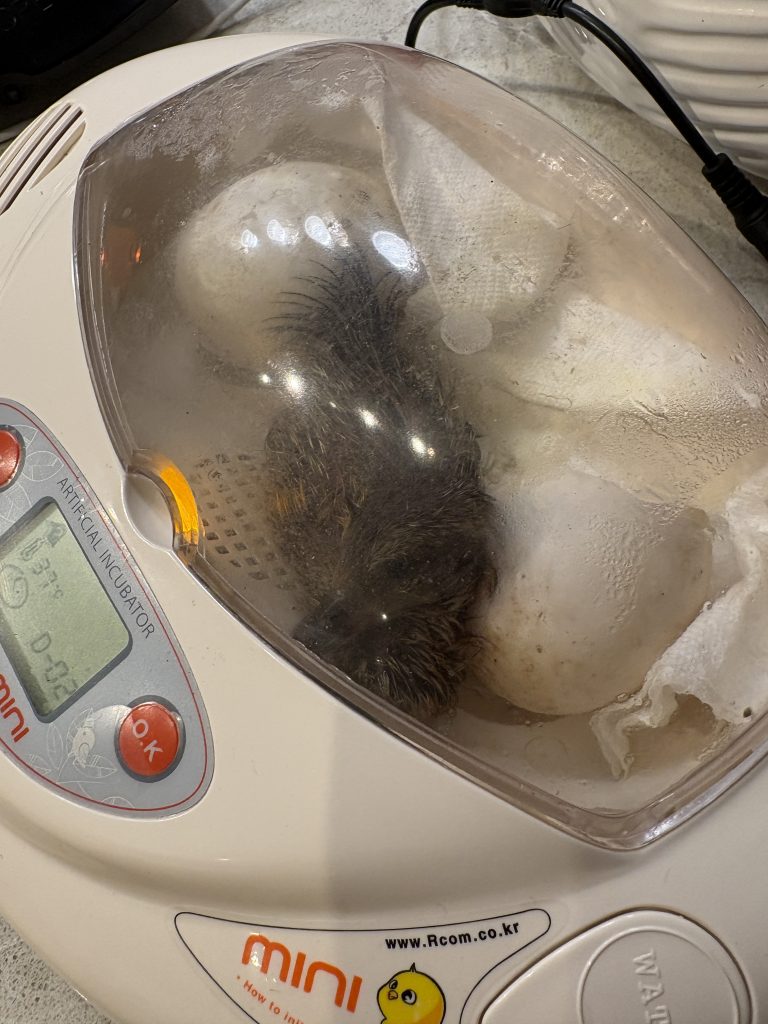
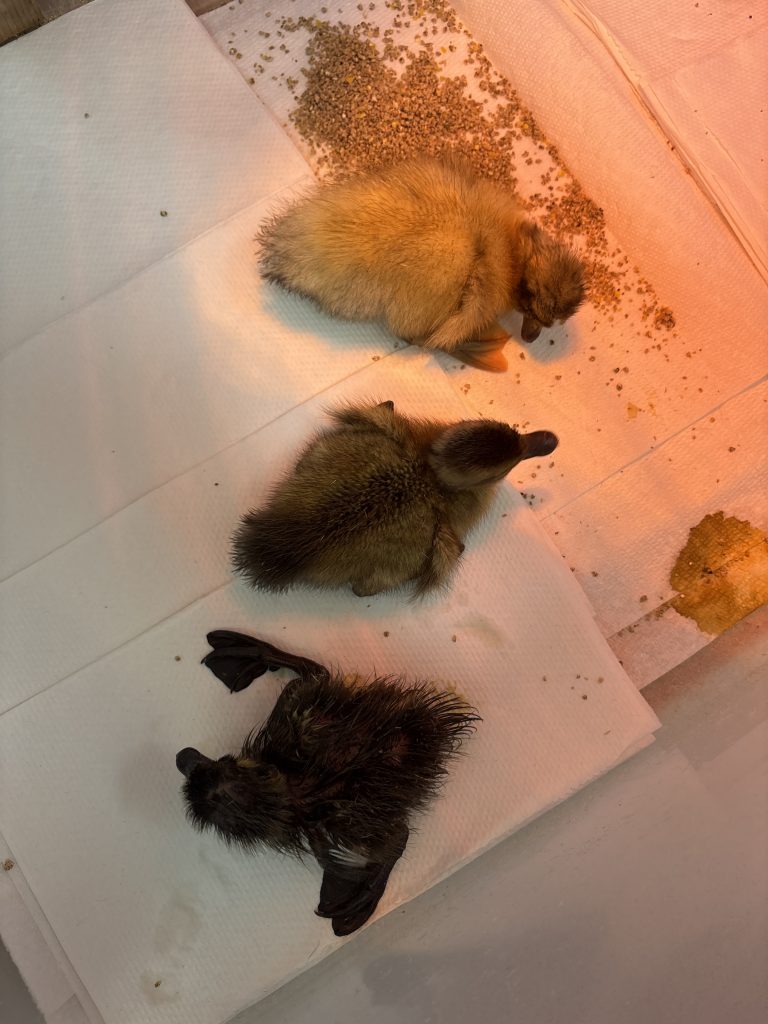
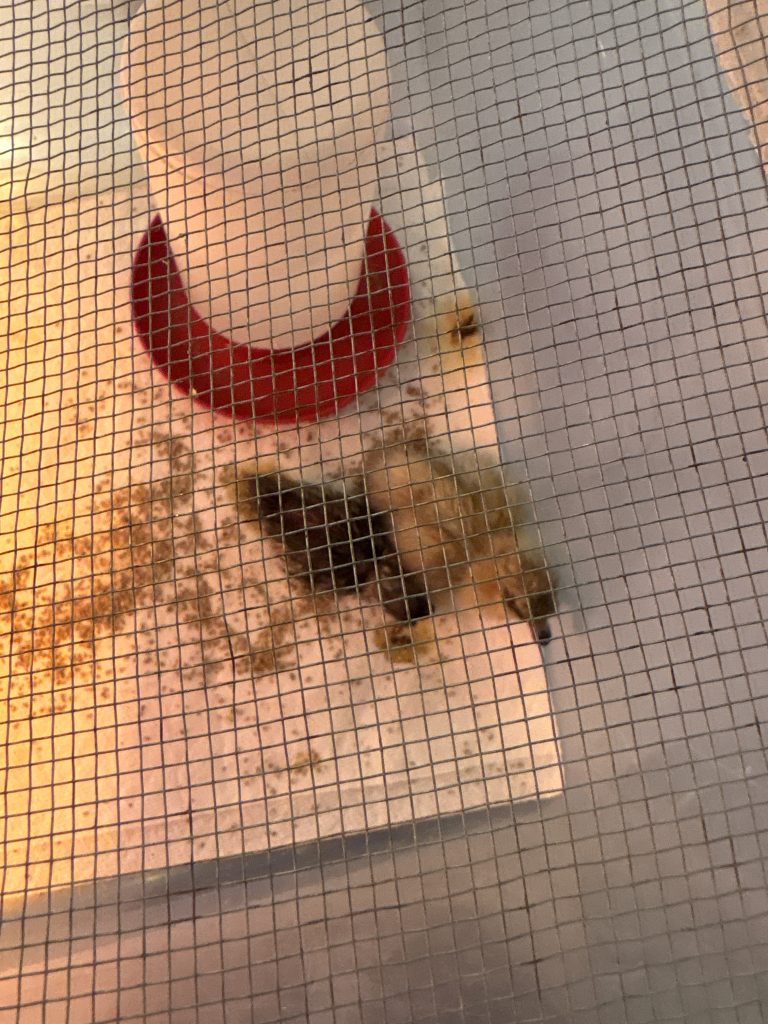
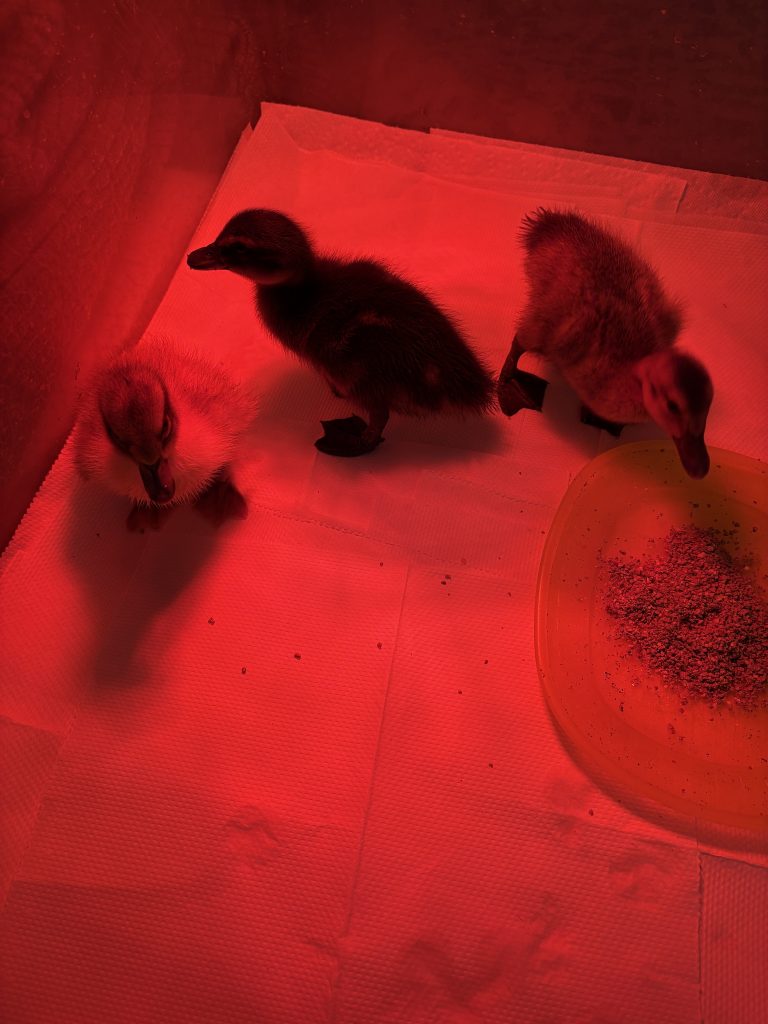
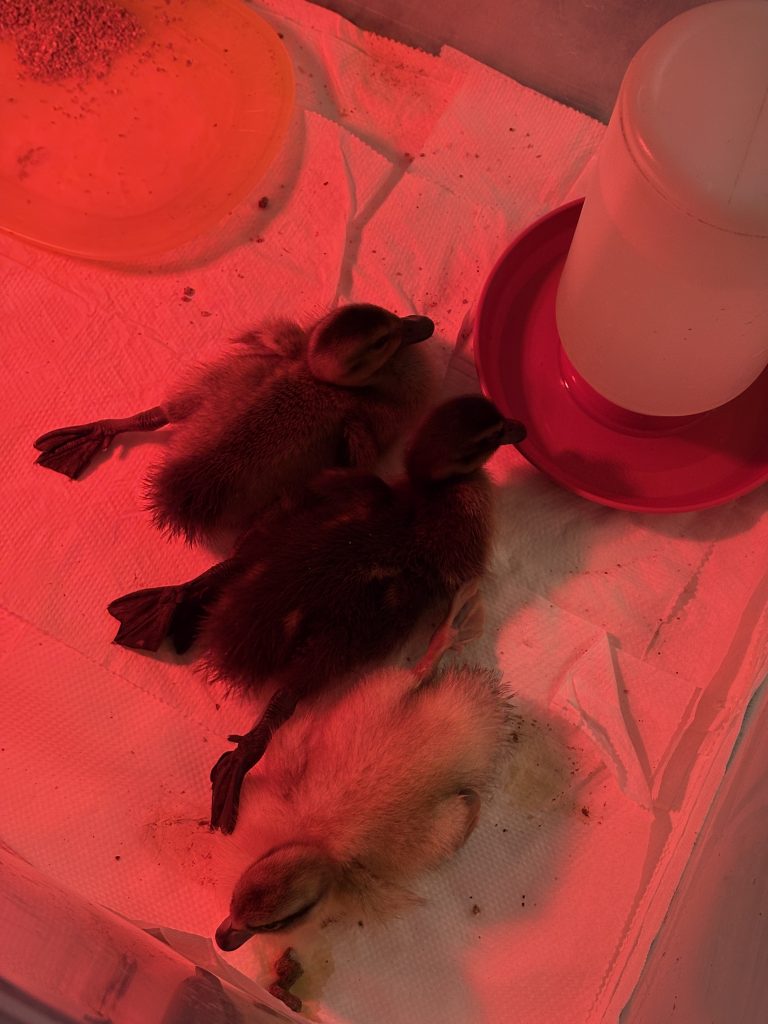
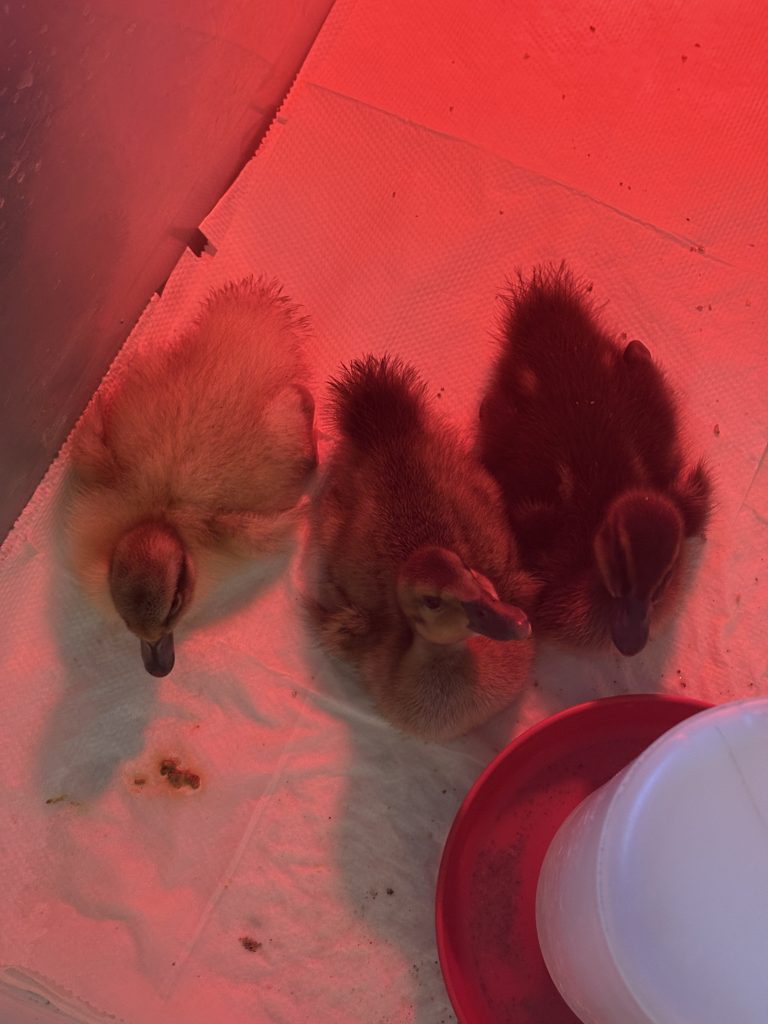
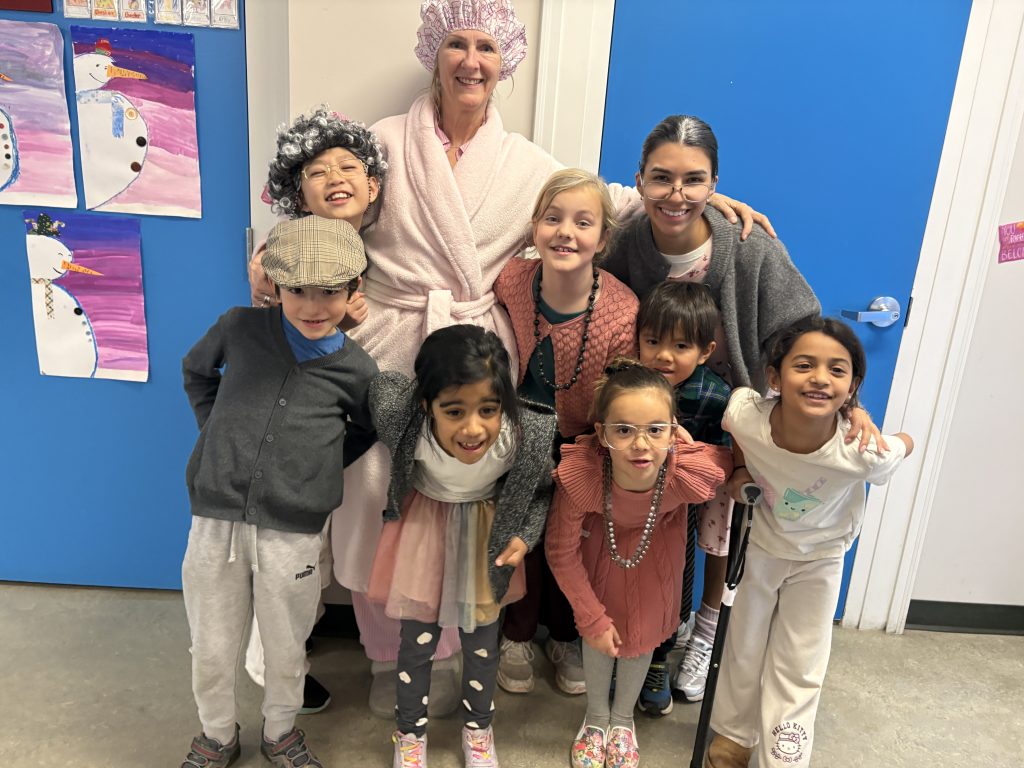
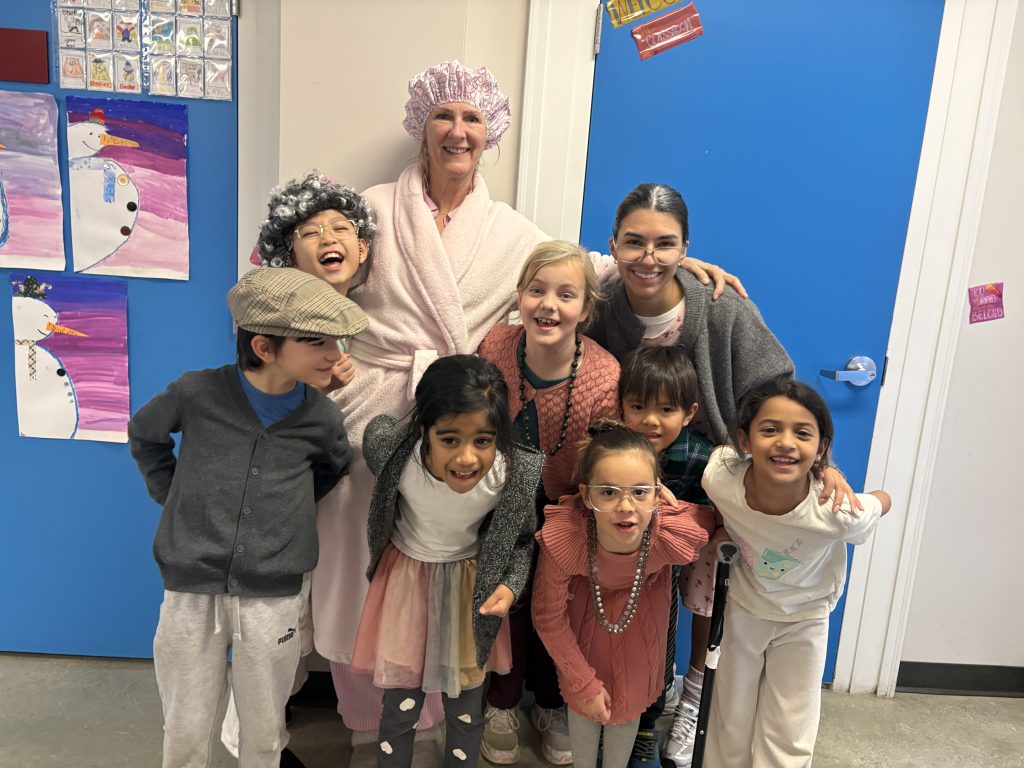
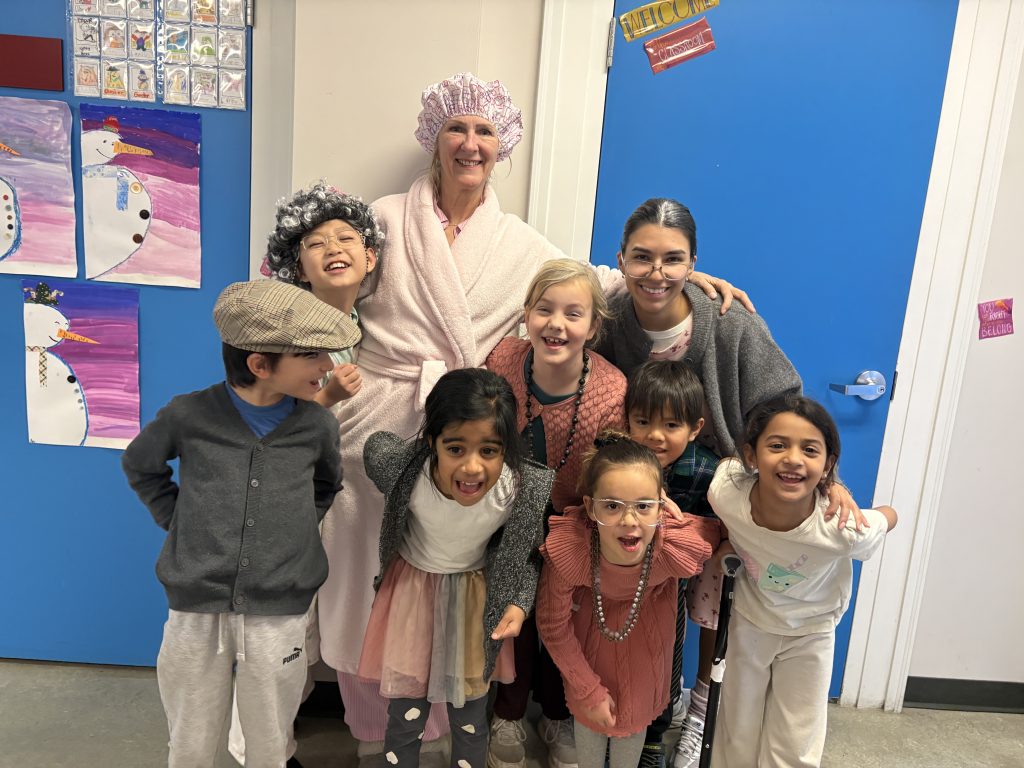
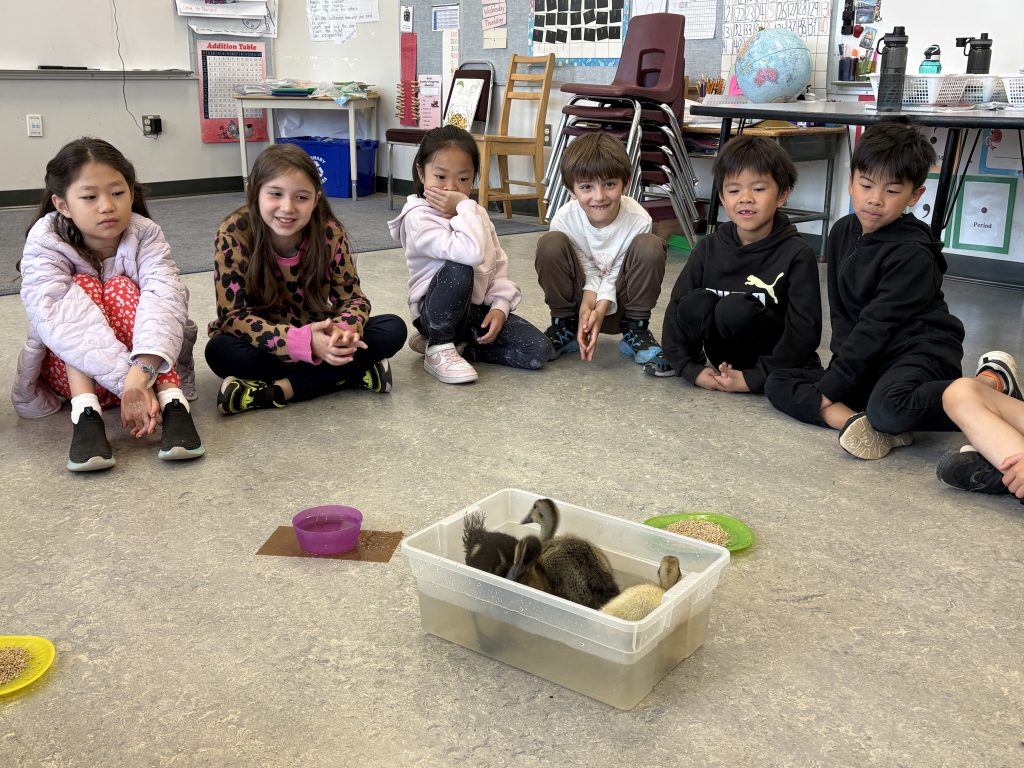
We had to say goodbye to our ducks. We were all a little sad, but are also happy that they will have a larger space to run around now at the farm. Here are three galleries of photos from when they were here. Please share them with your children.
Ms K Shellard and Ms A Clouston - Grade 2/3 Class
Dear Families of Div. 13:
The farmer delivered duck eggs to our classroom on March 31st and for three weeks we watched the embryos develop through the scope on our incubator (ask your child about what they saw). In our Egg Cycle booklet we have been watching how ducks develop over time inside their egg. We have been talking about what we notice in the scope and have been writing and drawing about our observations.
The first duck arrived at my house on the night of April 20th. The second duck arrived at some point in the early morning and was out of its shell when I woke up. The students were so excited to meet our 2 ducks when they got to school that morning. We then watched in anticipation for the third duck to arrive at school that day. It tried hard to break through it’s hard shell with its beak while the students were here, but it did not end up coming out until 4:00 that afternoon.
The next day we brainstormed ideas for what we should name the ducks. There were so many names! Once we narrowed it down to the 5 most voted for names for each duck, we then put each of those 5 names into a spinning wheel on the computer and the computer picked each winning name. Jelly is our yellow Welsh Harlequin, Coffee and Pepper are our two Khaki Campbells. Ask your child if they have a favourite duck.
Every couple of days we get to sit in a circle on the floor with our ducks in the middle. We observe them playing in water, eating, pooping and we get to pet them when they approach us. We are watching as they quickly grow and develop. We are comparing the two different types of ducks and observing them as they grow and change.
We have really enjoyed spending time with our ducks. We have also given the ducks their own little “pool” to swim in and did they ever have fun! They love to preen after they dunk their heads into the water. There is always quite the splash zone around the bucket once they are done! The ducks continue to grow and change a little each day. Your children are really enjoying learning about the ducks. Ask them their favourite part of getting to know the ducks.
Big Ideas:
Curriculum Competencies:
Content:
Core Competency: Critical Thinking and Reflective Thinking
First Peoples Principles of Learning: Learning is holistic, reflexive, reflective, experiential, and relational.
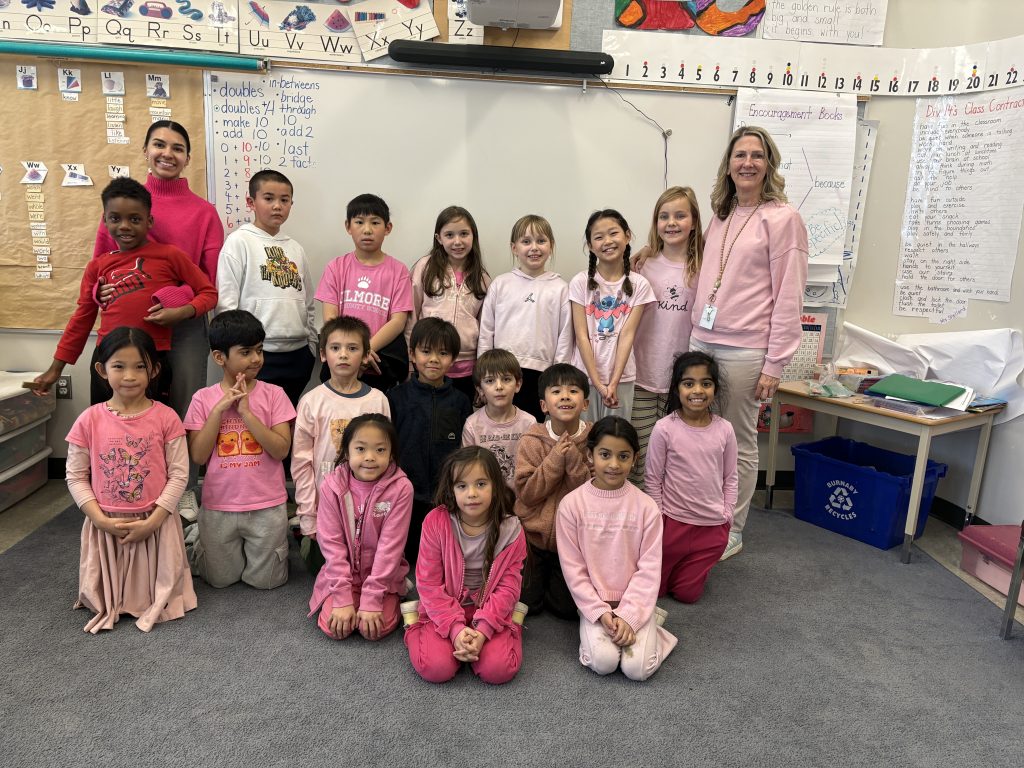
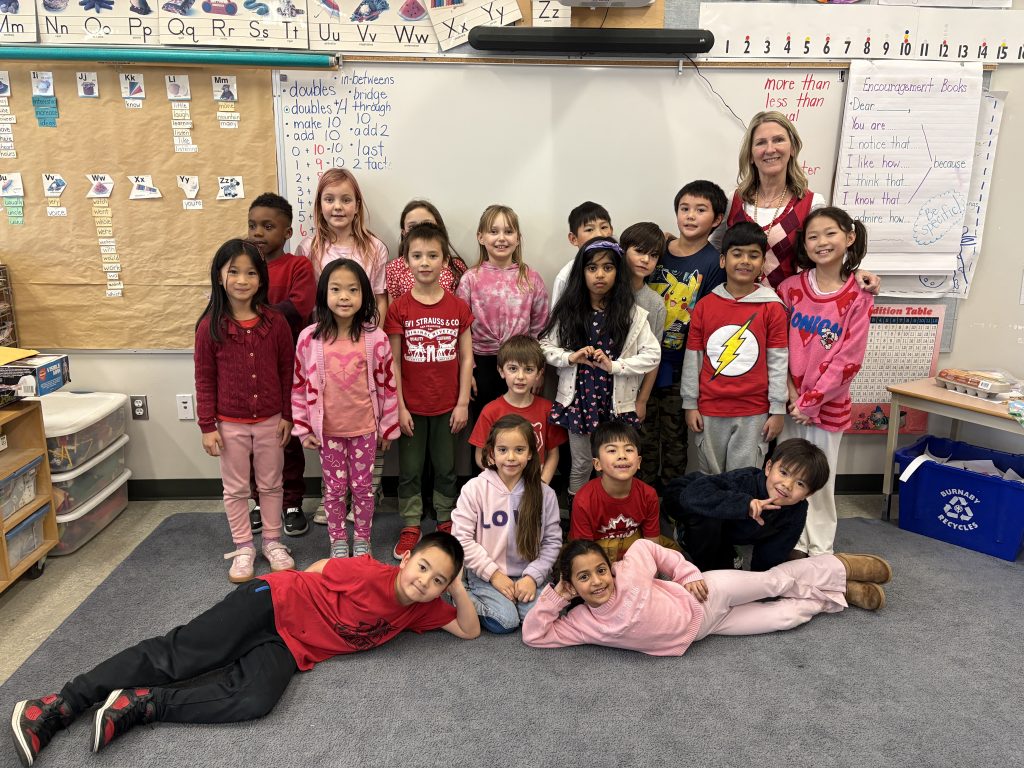
Last week Gilmore Community School learned about Pink Shirt Day. Here is a picture of Division 13 in our sea of pink!
We read a book that focused on the concepts of love, being our true selves, tolerance and kindness. It was called They Are So Flamboyant by Michael Genhart. I am attaching the link of the story (read by him!) if you would like to share it at home with your child.
On Wednesday afternoon, Gilmore came together to celebrate Pink Shirt Day at our assembly. It was a very moving and heart felt assembly that showed what a loving and caring community Gilmore is! Ask your child what part of the assembly they enjoyed most.
I am also including the link for the true story about how Pink Shirt Day started in Nova Scotia. Please feel free to share it as a family to increase understanding of what we have been learning about here at school.
Big Ideas:
First Peoples Principles of Learning:
Curricular Competencies:
Content:
Core Competency: Social Awareness and Responsibility
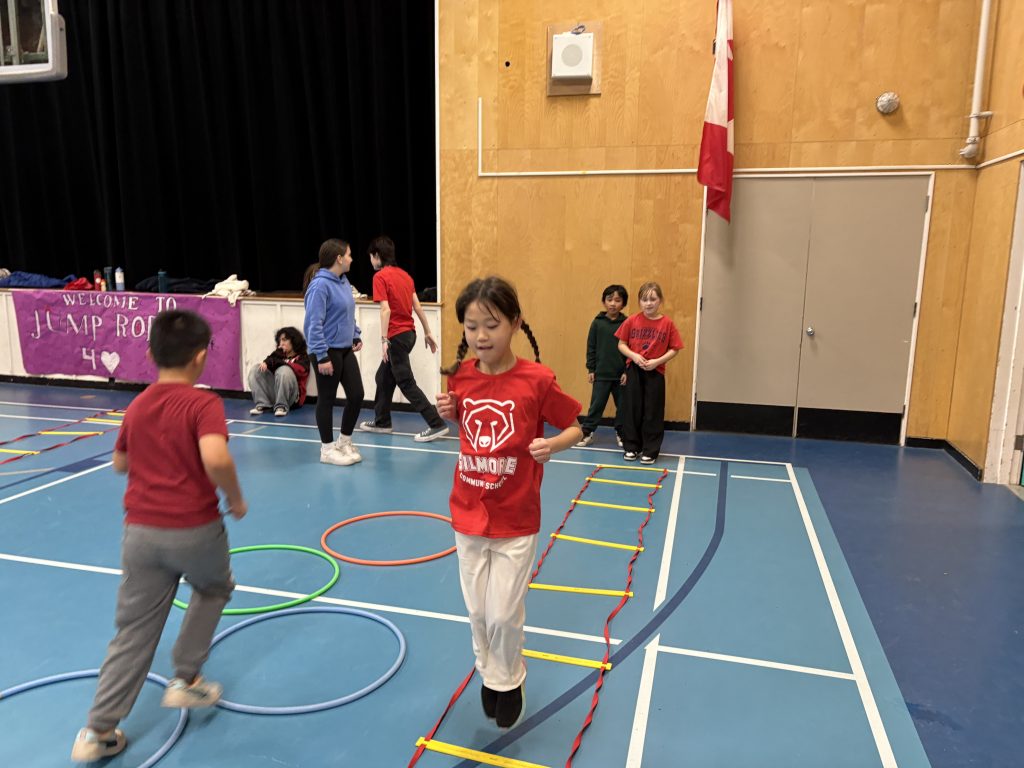
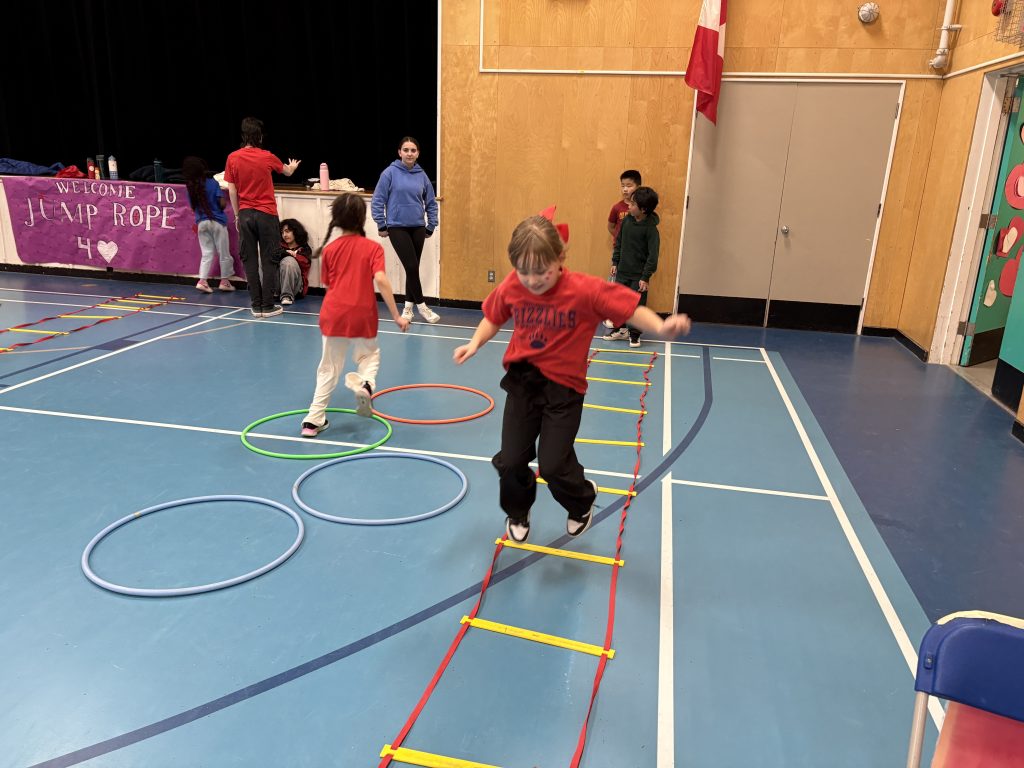
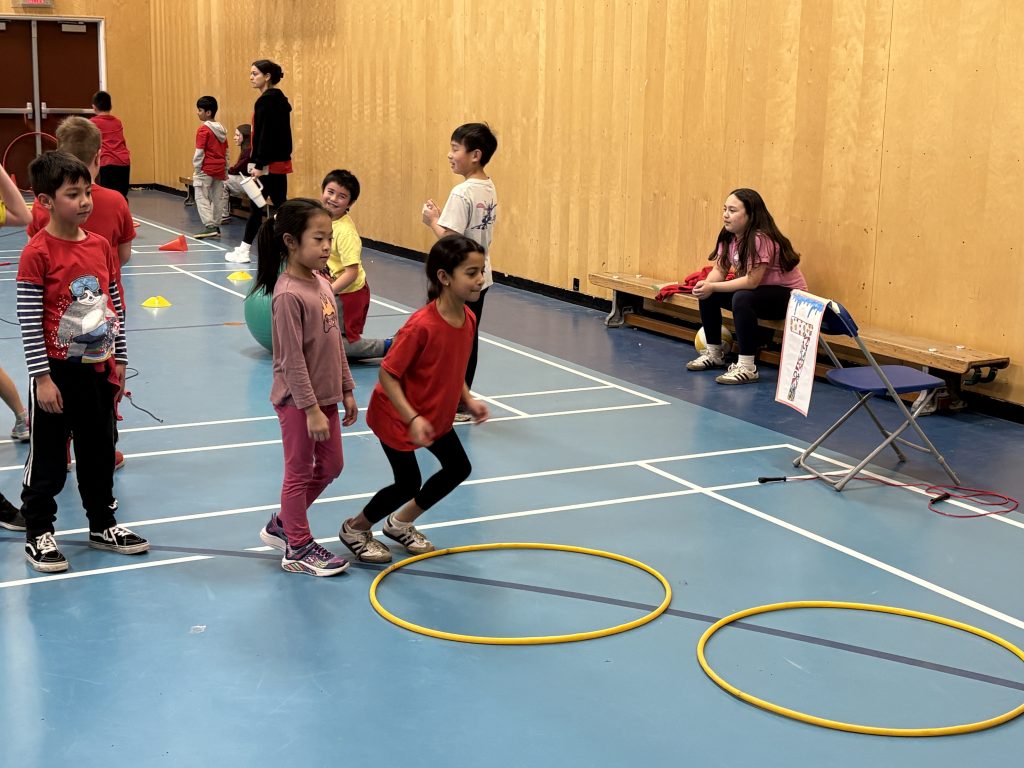
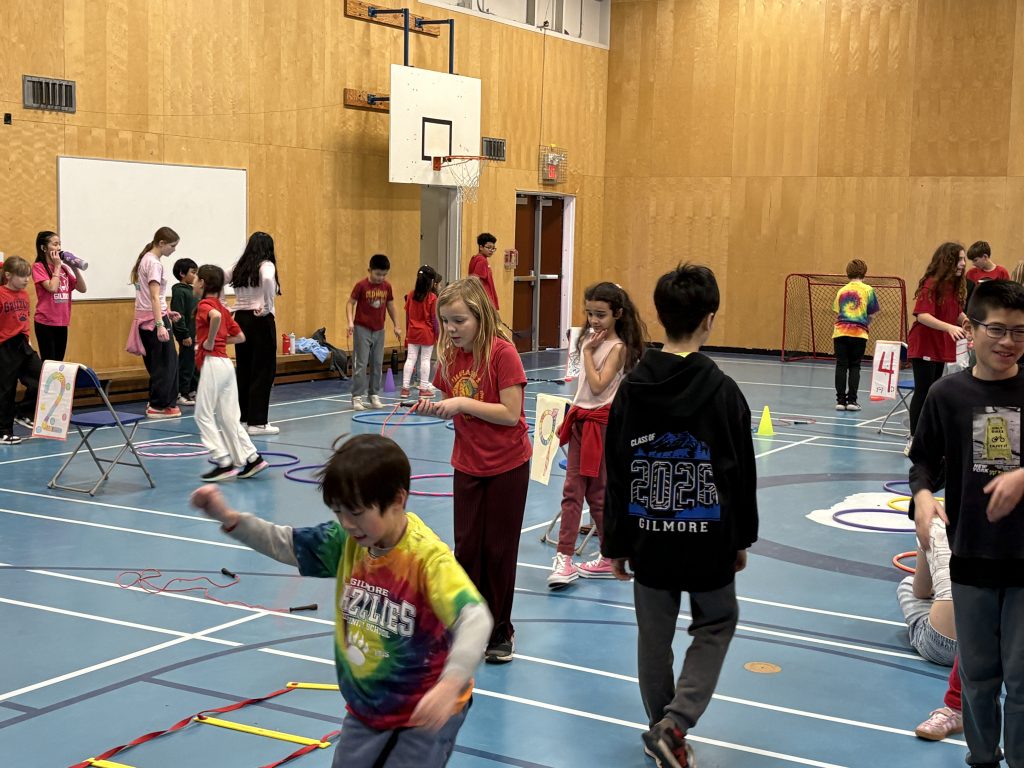
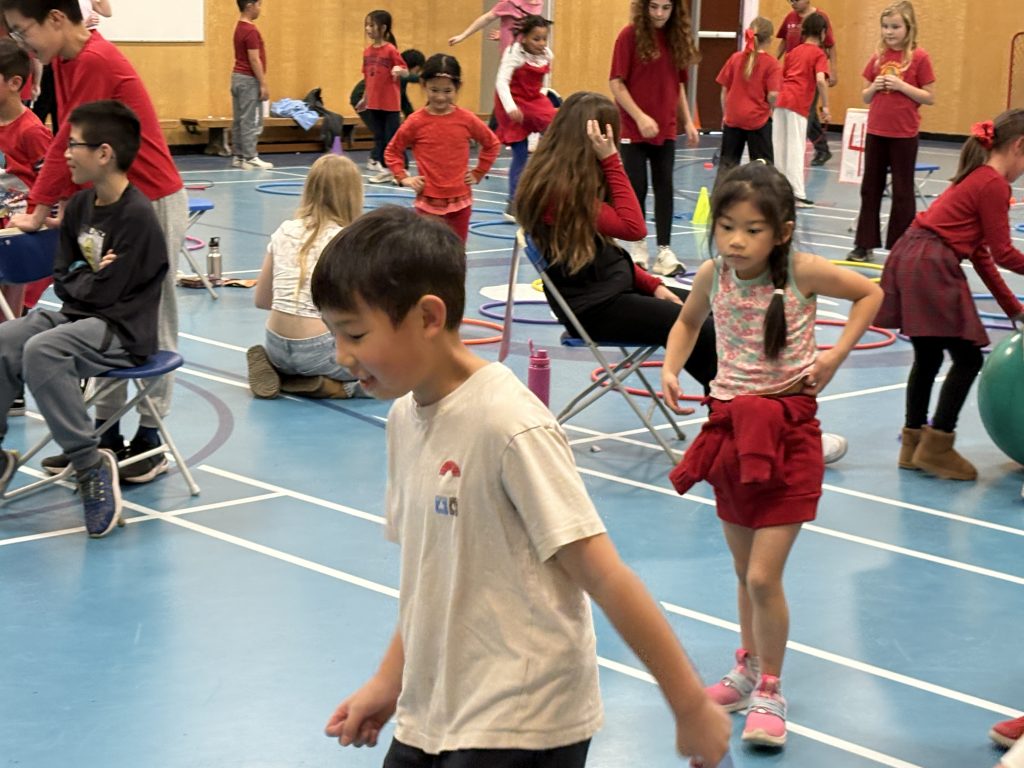
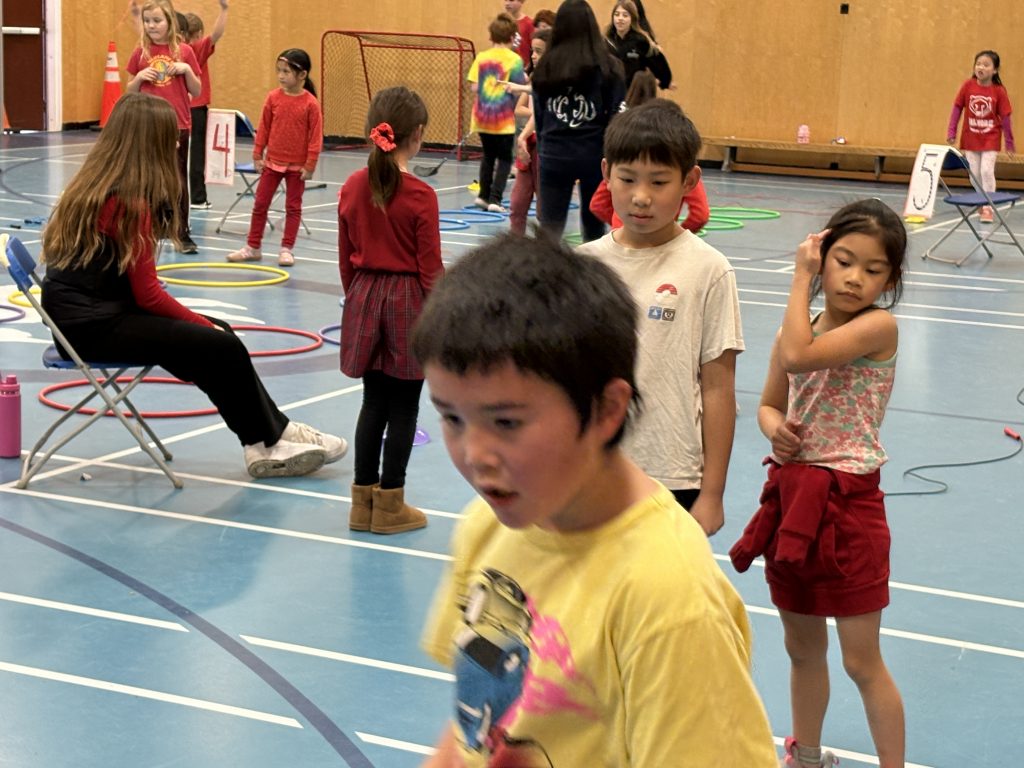
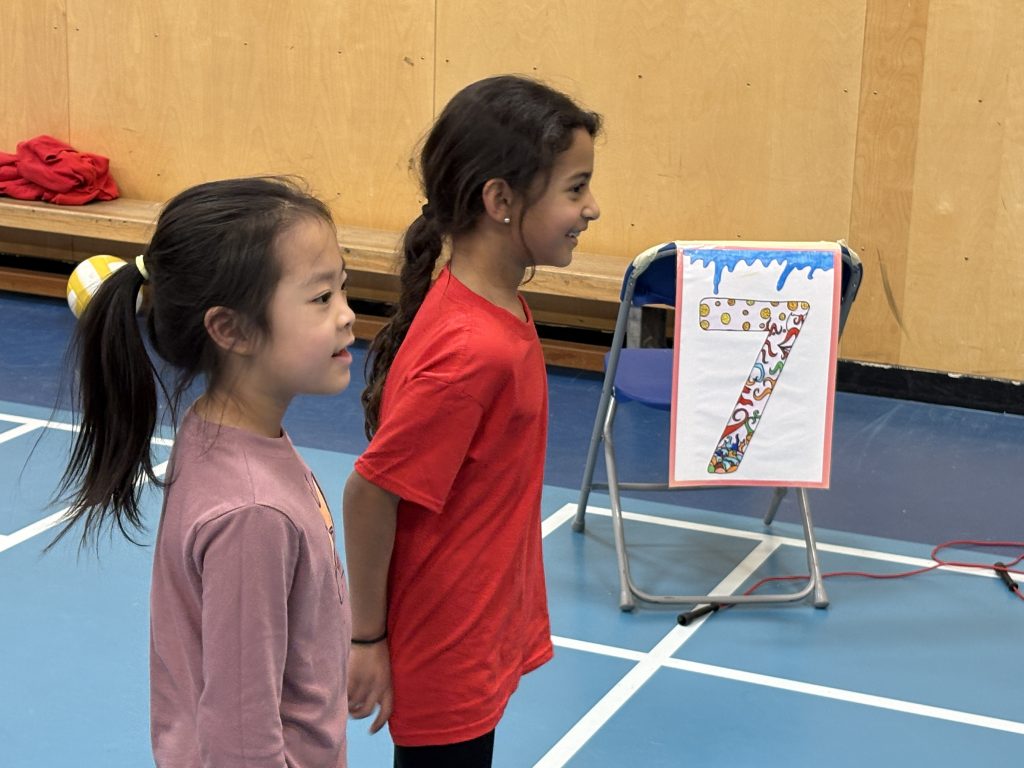
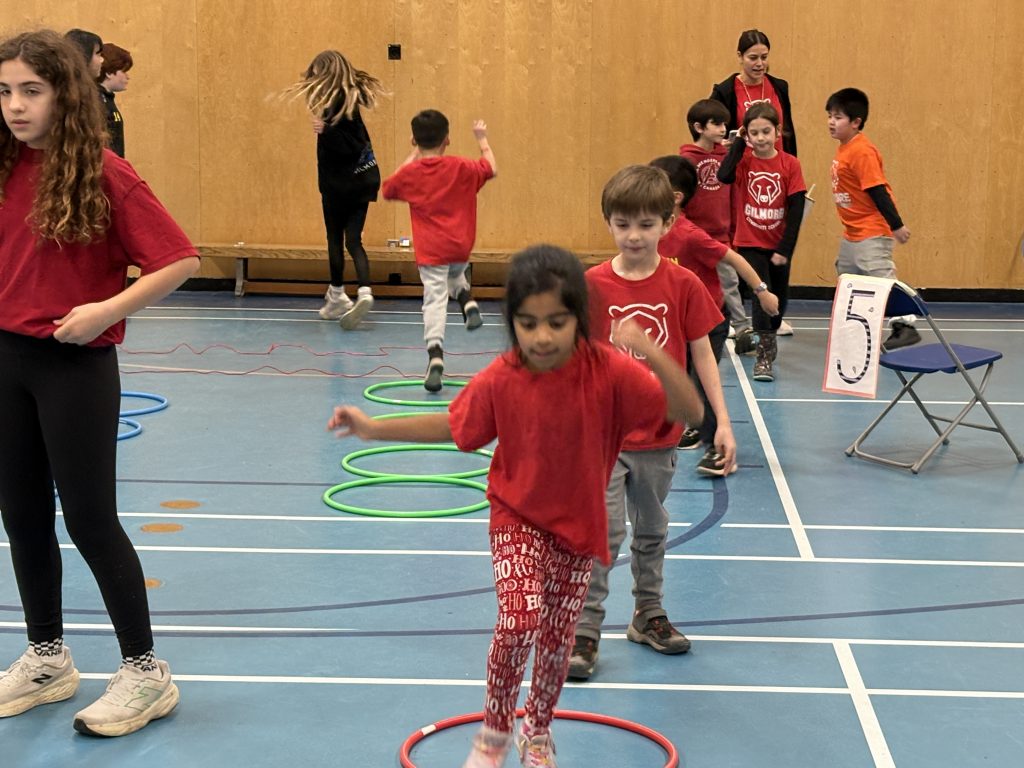
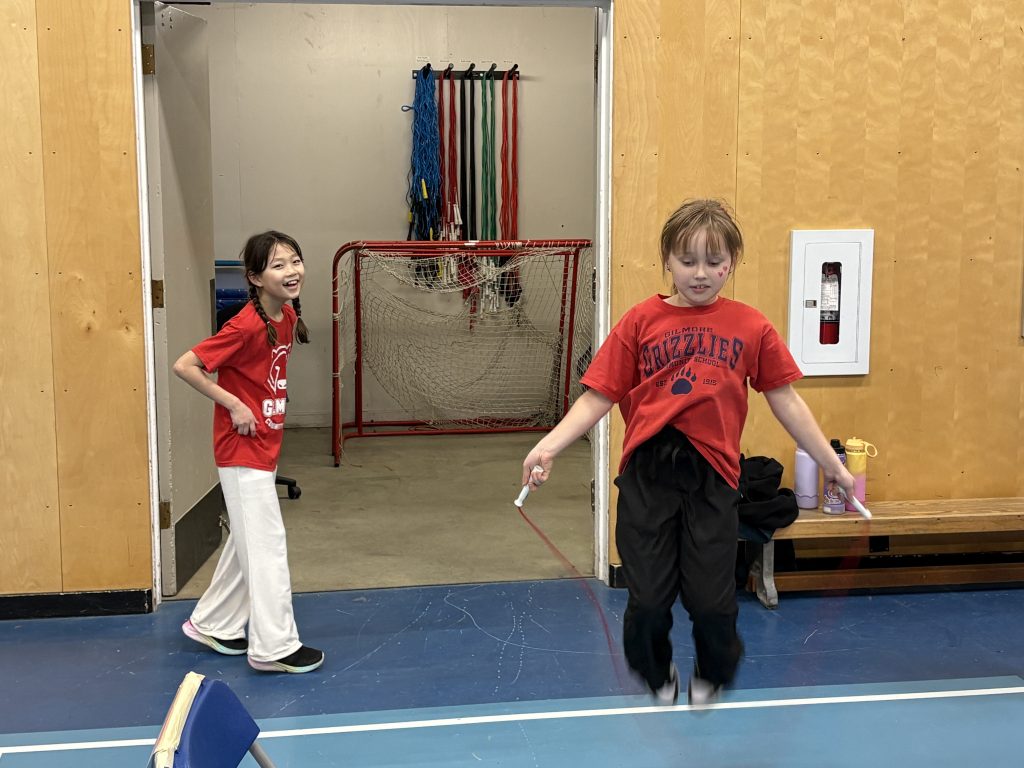
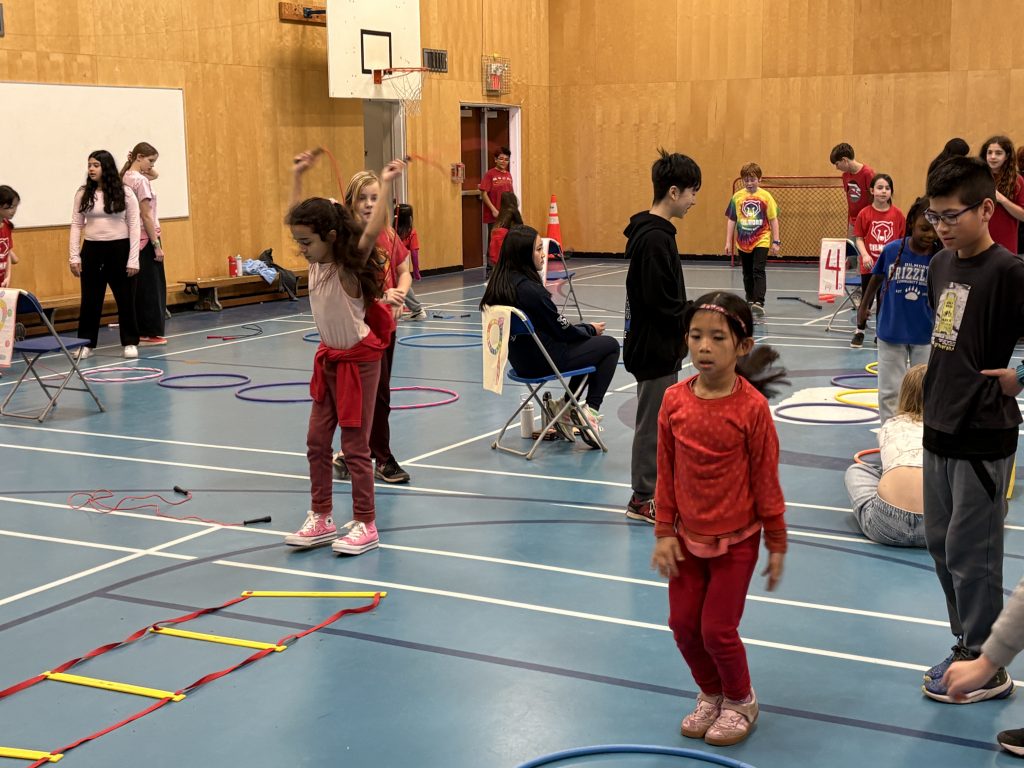
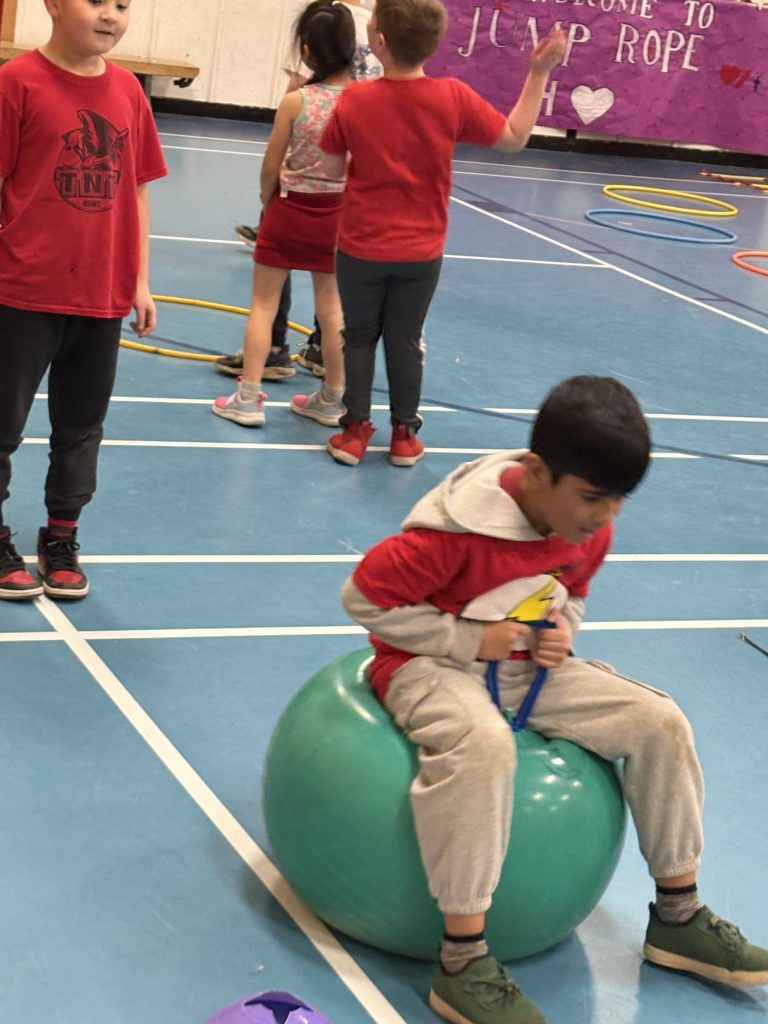
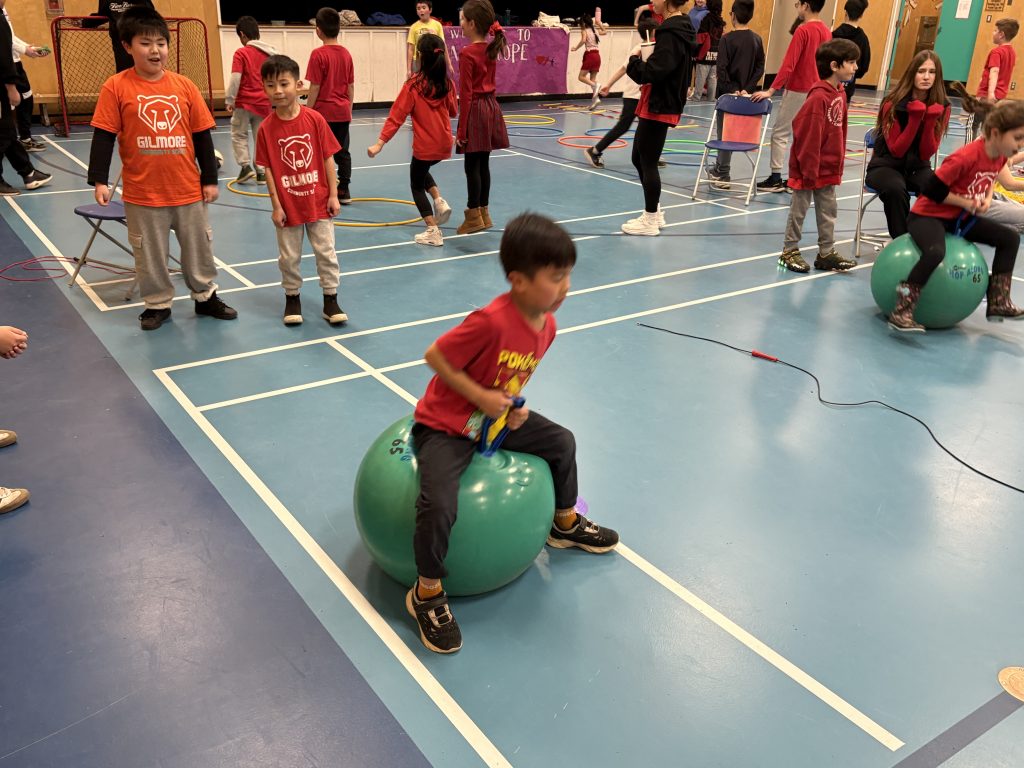
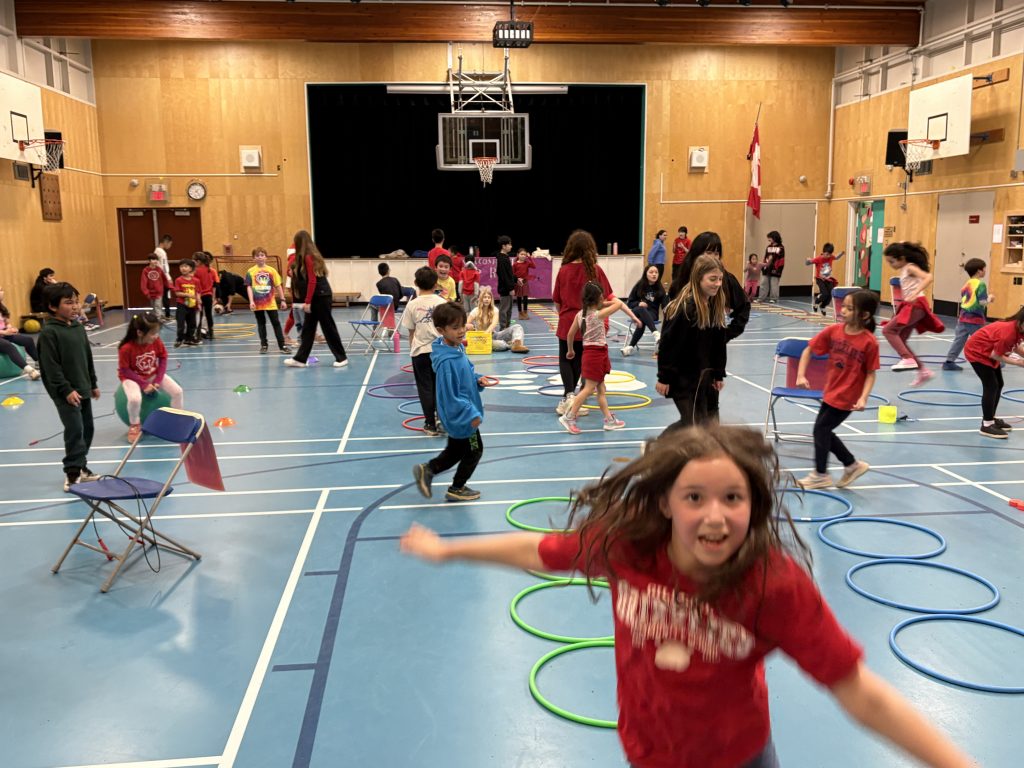
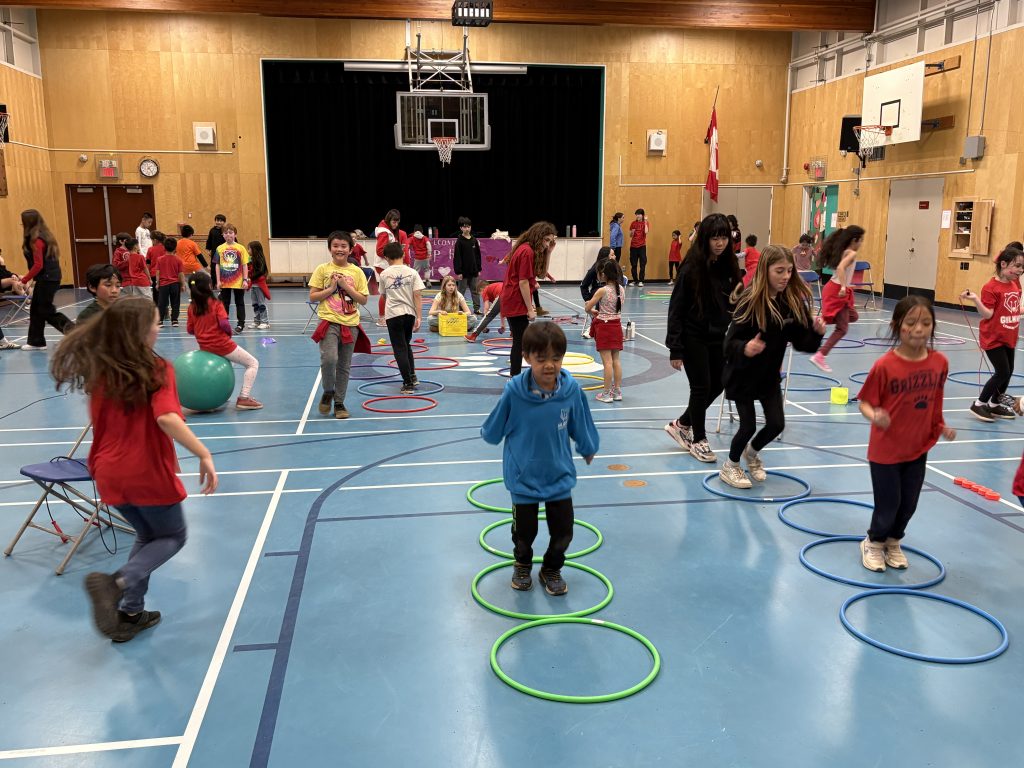
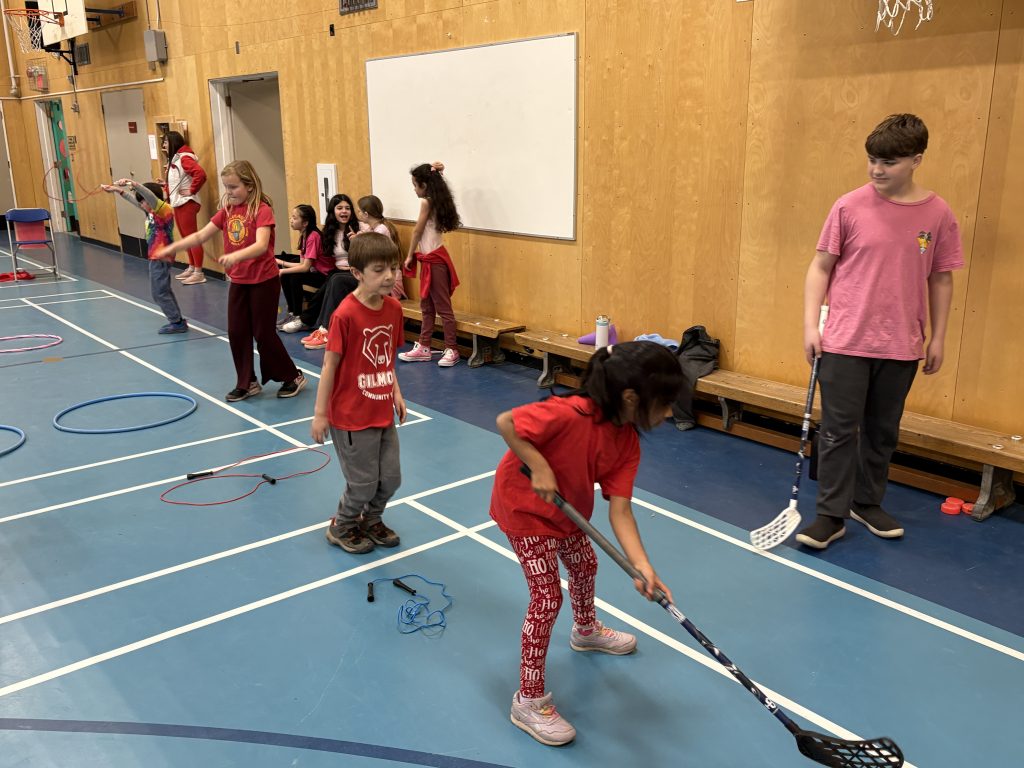
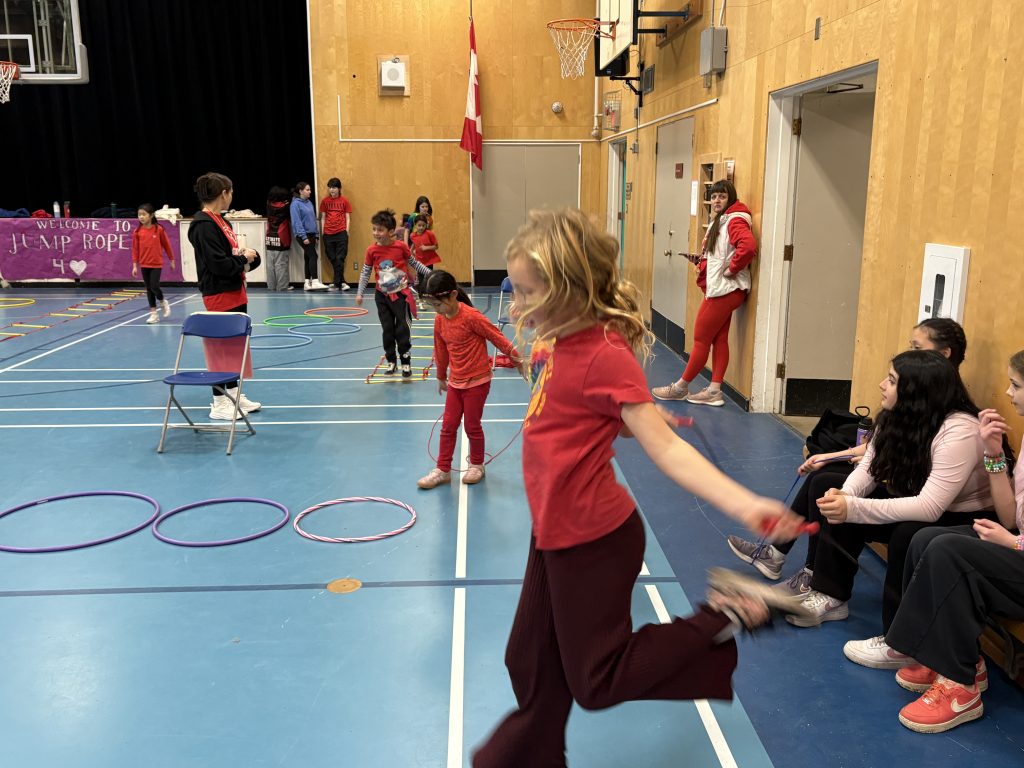
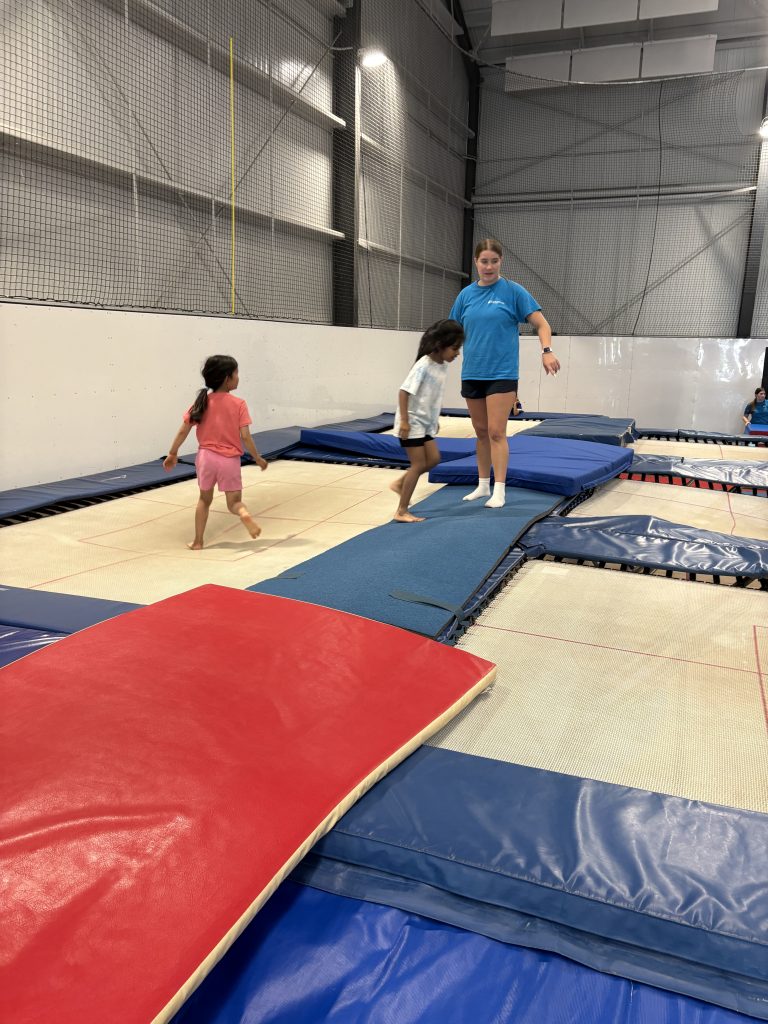
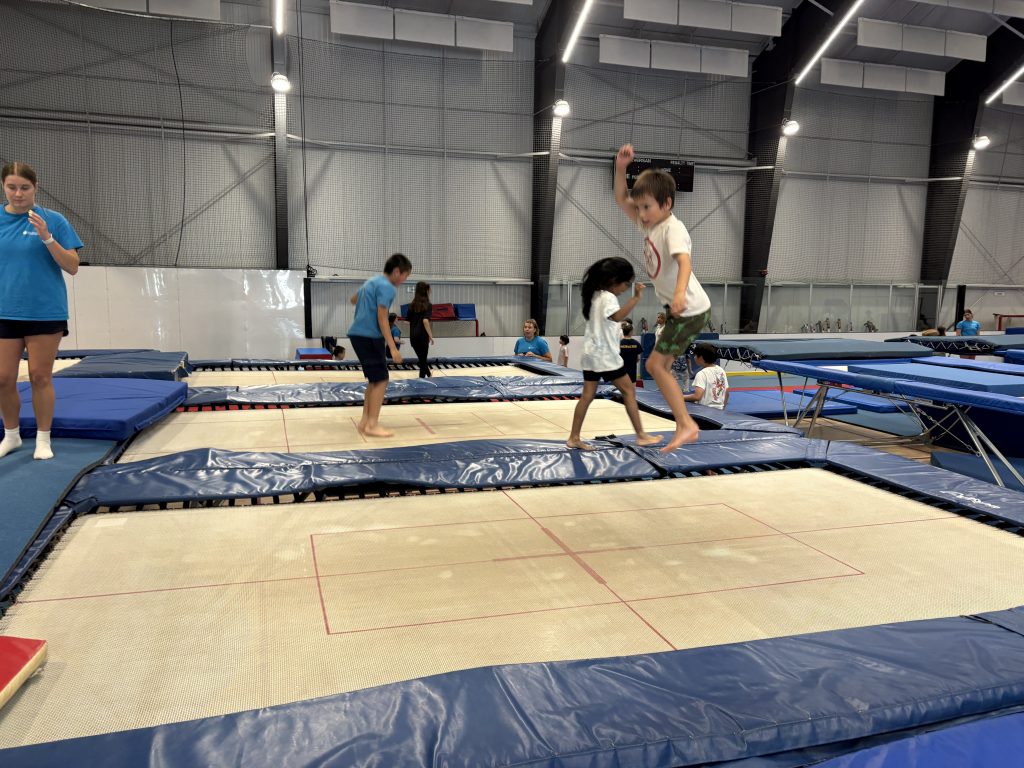
Jump Rope for Heart took place in the gym for the whole school on February 10th. The students from Ms. Longeau’s class ran 10 different stations that all involved jumping, skipping, hopping and a variety of other exercises. Division 13 had so much fun skipping and supporting Jump Rope for Heart!
Three weeks ago we started our class Encouragement Books. Each child will have a week where we will be celebrating them! I am including a photo of Asahi’s brainstorm, An’s front cover of her Encouragement Book and our sentence starters.
As a class, we consistently talk about our feelings and emotions during Community Circle and also include them in our writing. In this Encouragement Book activity, students are learning to write an encouragement letter to each of their classmates. These letters will include specific details about how each child feels about this student, what types of things they like to do with them and things that they notice about the person. Ms Clouston and I are very proud of all of the students’ growth in the area of writing. The students are writing beautiful and thoughtful letters to their classmates with specific details. Encourage your child to share their encouragement book with you when they bring it home in the coming months!
Big Idea: Everyone has a unique story to share
First Peoples Principles of Learning:
Curricular Competencies:
Content:
Core Competency: Personal and Social – Positive Personal and Cultural Identity
Core Competency: Personal and Social – Social Awareness and Responsibility
Last week Gilmore Community School celebrated Literacy Week! We read some great books, participated in school wide activities such as Mad Libs, Clothing Scavenger Hunt and had Ms Pitt join our class as our Guest Reader on Friday. On Monday, the author Cathy Hussey spoke to all of the students about her book Doug: The Story of a Tree. In addition, every day at 9:00 there were trivia questions presented to the school and many prizes were awarded. It was a fantastic week for Gilmore! We hope you enjoyed doing the Literacy Week BINGO as a family!
Before the break, the students completed a snowman art collage project. We are hoping for some snow soon! First, we learned to draw a snowman facing to the side using backward “c”‘s. We then learned how to mix paint from lightest (white) to darkest (dark blue) on a plate. We were trying to make our snowmen resemble the snowmen in the book we shared called, Snowmen at Night. The students loved mixing and creating their paint colours. Once the snowmen were dried we used many types of paper to create noses, hats, and scarves. We then used real buttons to make the snowman’s buttons. What amazing artists we have in Div. 13! Ask your child what they like best about their snowman!
Big Idea: Inquiry through the arts creates opportunities for risk taking
First Peoples Principles of Learning:
Curricular Competencies:
Content:
Core Competency: Creative Thinking
Learning involved:
For the past two months we have been going to the library every Tuesday to learn about Literary Non-fiction books with Ms Papapanagiotou. Over this time, we have read numerous literary Non-fiction books with titles such as: Ivan: The Remarkable True Story of the Shopping Mall Gorilla, by Katherine Applegate, Don’t Trust Fish, by Neil Sharpson, Mister Got to Go: The Cat the Wouldn’t Leave, by Lois Simmie, Flamingos Are Pretty Funky: A (Not So) Serious Guide, by Abi Cushman. I have attached a book and some information about another book below, so that your child can teach you what Literary Non-fiction books are.
After learning all about Literary Non-fiction and the strategies the authors use that differentiate them from non-fiction books, students brainstormed four things they were “experts” at and some small details about these subjects. We then asked the students to choose the subject they knew the most about or that they thought would make the best Literary Non-fiction book. Three weeks ago, the students began writing their own stories. Rather than simply writing a fiction story, the students know that they have to include facts about their subject. Ask your child about what they are writing about and what strategies they are using to make this story an interesting and creative Literary Non-fiction book.
Big Idea: Language and story can be a source of creativity and joy
First Peoples Principles of Learning:
Curricular Competencies:
Content:
Core Competency: Creative Thinking
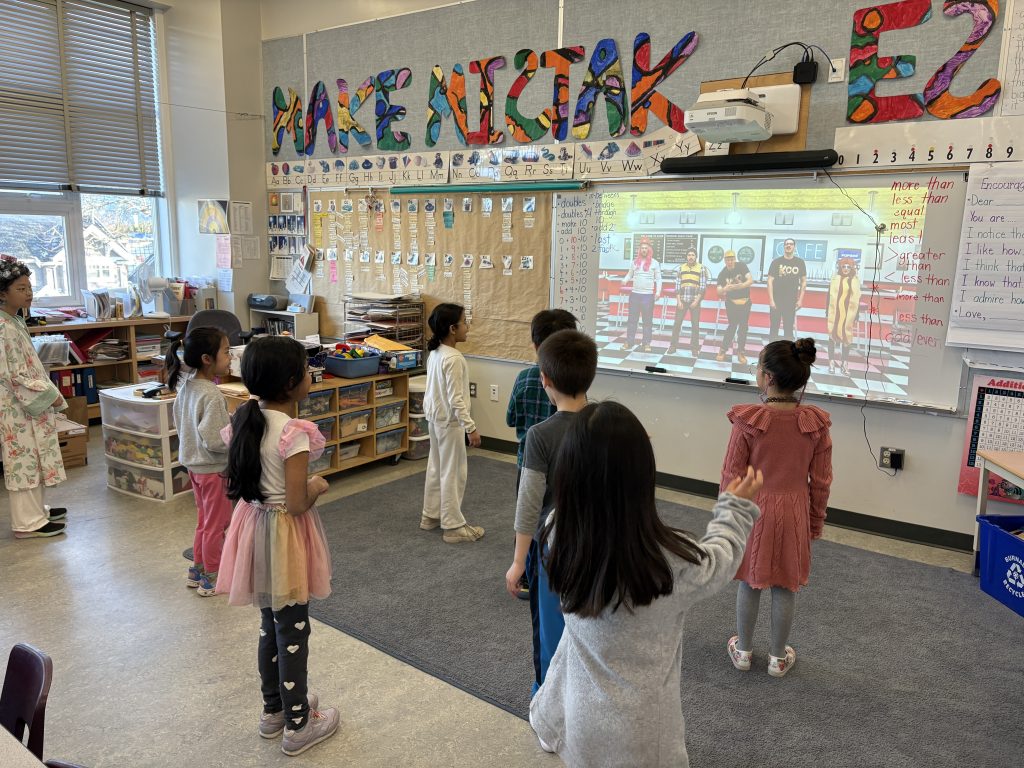
As a class community, Division 13 has engaged in a daily Calendar routine for 57 days. Each child is responsible for being the leader of this learning activity after watching me, Myla and Sara lead the routine first for a few weeks. There are many Math concepts and life skills that are included as part of the daily calendar routine. These activities help students practice every day and build their number sense. They apply the date and the daily number of days in school into different formats and math applications. We have also been learning to count by 2’s, 5’s and 10’s to lead us to our 100th day of school, which will occur in February. In addition, we have been learning about the number of the day (today it is 57), place value – 55 = 5 tens and 7 ones, odd and even numbers, graphing using a weather, tooth and days in school graph, greater than/less than, learning numbers divisible by 2’s, 5’s and 10’s, learning addition, subtraction and multiplication. We also use the number of the day to focus on that number and learn other math concepts about it. Also, the calendar routine provides opportunities for students to practice important skills such as self-regulation, oral language, presenting to their peers and leadership skills.
Big Idea:
First Peoples Principles of Learning:
Learning Involved:
© 2026 The Learners of Division 13
Theme by Anders Noren — Up ↑