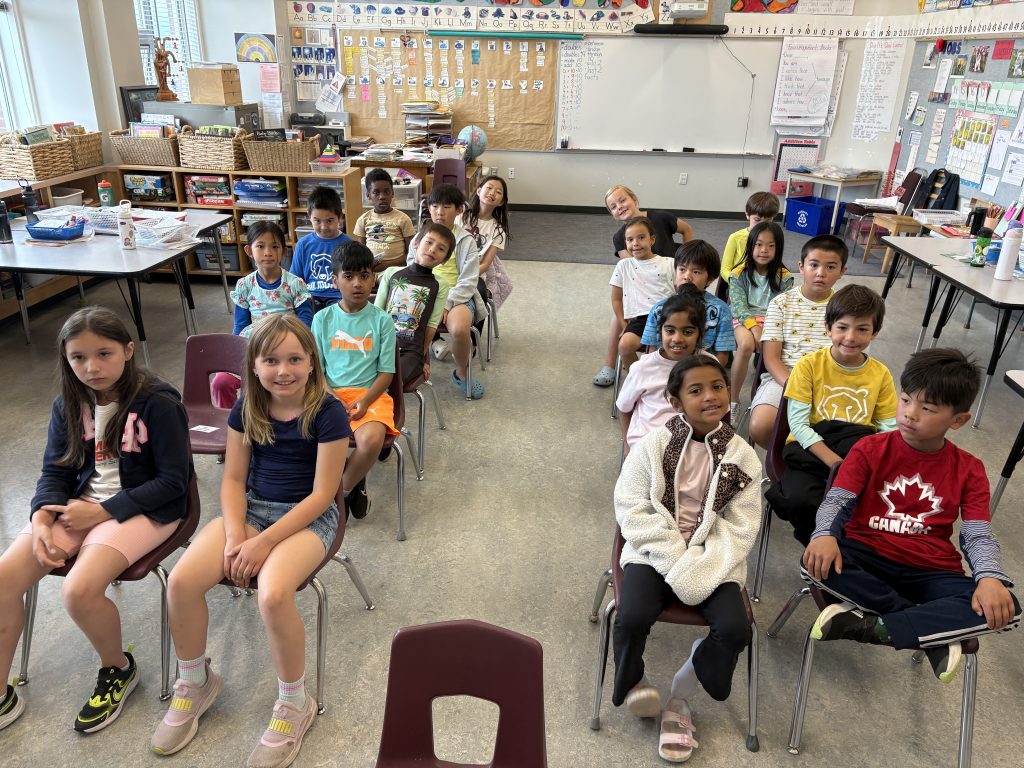
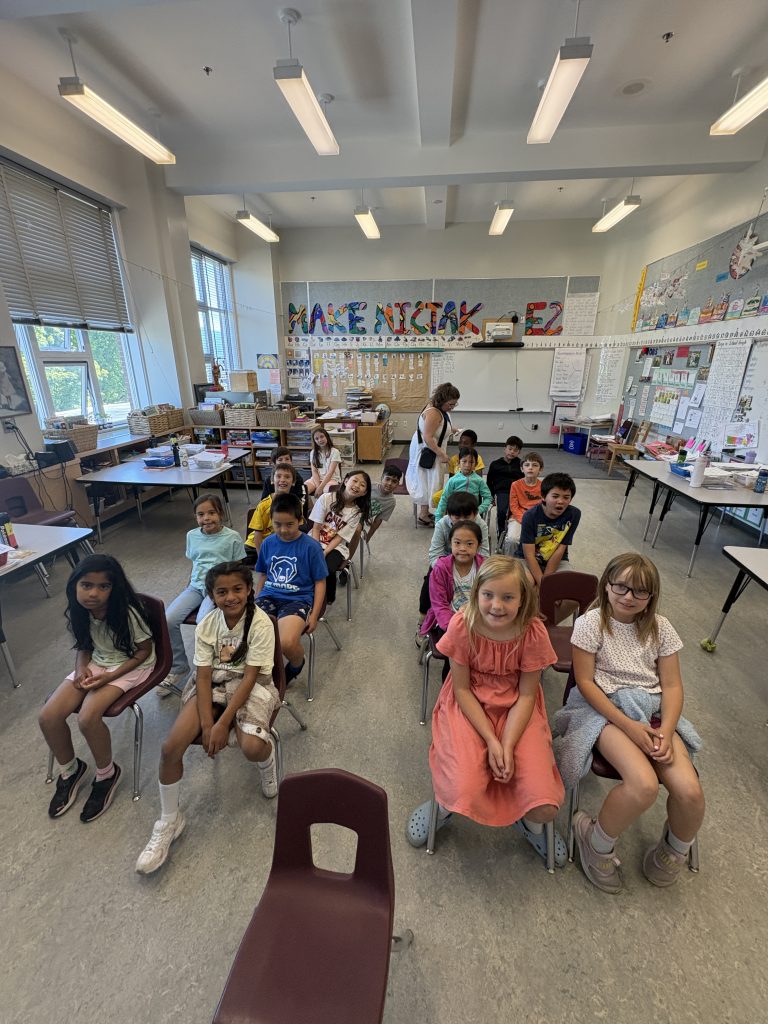
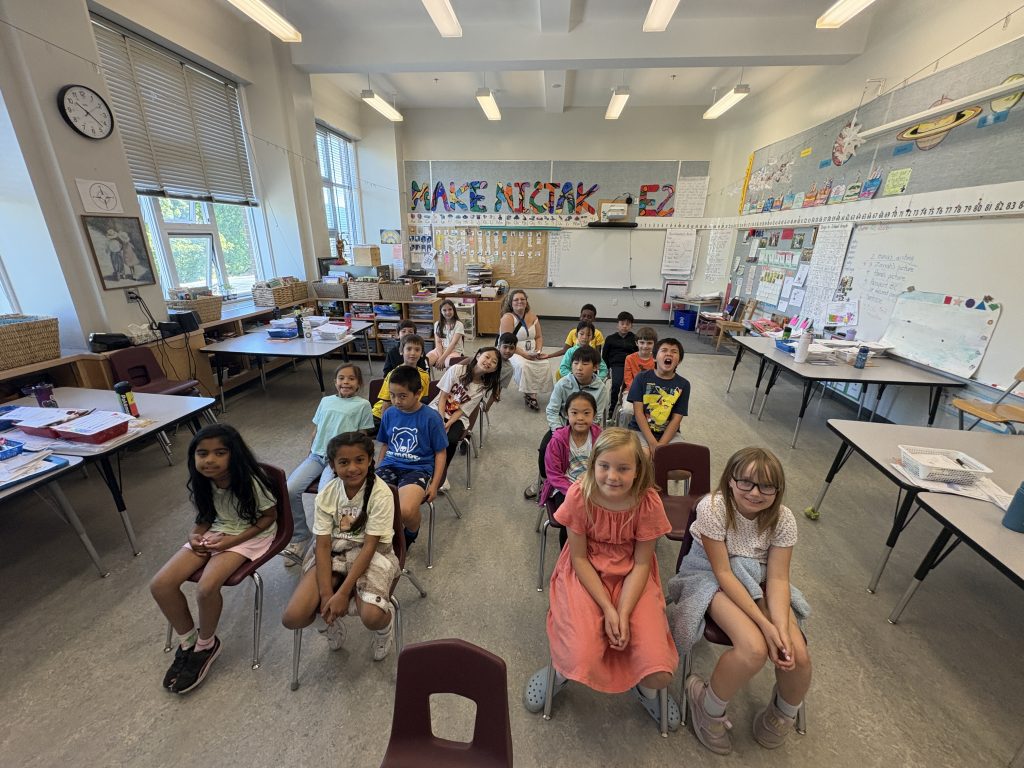
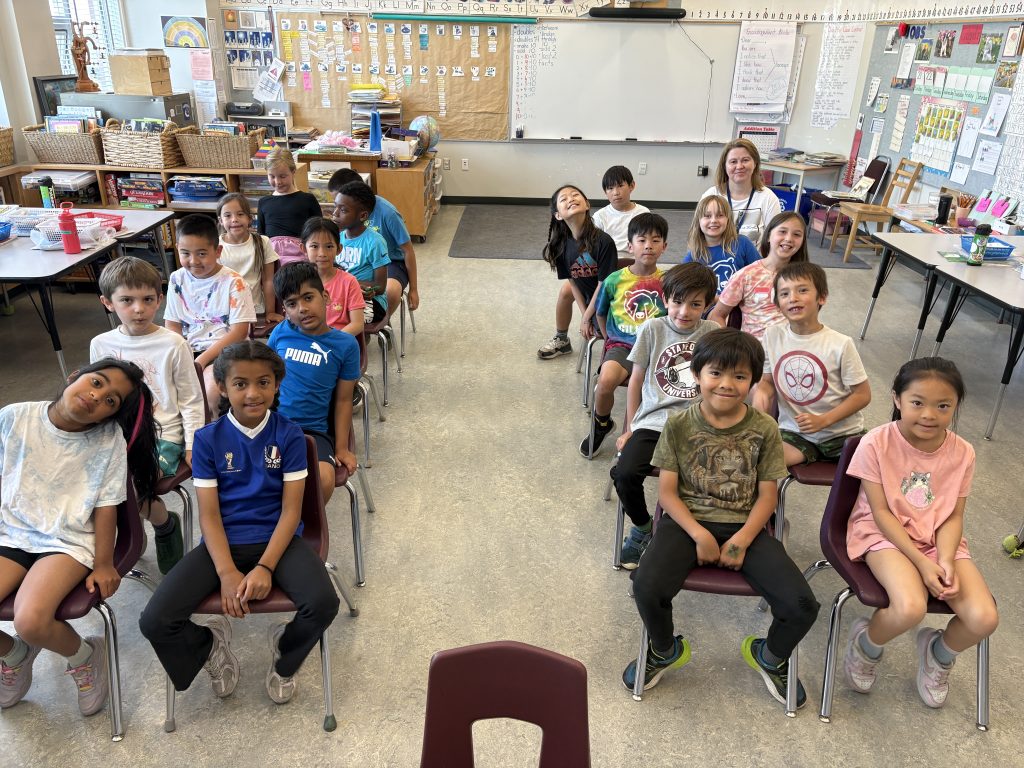
For the past three months we have been learning about the 10 provinces and 3 territories in Canada. We have also been learning about what makes each province unique, interesting facts about the Maritimes, the Prairies, Canada’s province that speaks French and the North. We’ve been learning about the animals that inhabit Canada, the names of the Oceans that surround our country and the names of the Great Lakes.
Each week, we have spent an hour in the Library with Ms Papapanagiotou, “travelling” across Canada by plane. We have been reading stories that introduce the students to unique aspects of each province. In addition, we have been learning how to label each province and territory on our “suitcase” map and add its capital city. Then we have learned how to neatly colour our maps. Once back in class, we have been choosing our favourite books from each province and filling in our “Canadian Passport” with a picture that shows the uniqueness of each province and territory. Ask your child which province or territory they would like to visit after our trip across Canada.
Big Ideas:
- Canada is made up of many diverse regions and communities
- People from diverse cultures and societies share some common experiences and aspects of life
Curricular Competencies:
Social Studies:
-
- Use Social Studies inquiry processes and skills to ask questions; gather, interpret and analyze ideas; and communicate findings and decisions
- Recognize the causes and consequences of events, decisions, or developments
- Make value judgments about events, decisions, or actions and suggest lessons that can be learned
- Learn the diverse features of the environment in other parts of Canada, including climate zones, landforms, bodies of water, plants and animals
- Learn the diverse characteristics of communities and cultures in Canada, including Canadian First Peoples communities and cultures
- Learn how people’s needs and wants are met in communities
Language Arts:
- Exchange ideas and perspectives to build shared understanding
- Plan and create a variety of communication forms for different purposes and audiences
First Peoples Principles of Learning:
Learning ultimately supports the well-being of the self, the family, the community, the land, the spirits, and the ancestors
- Learning is holistic, reflexive, reflective, experiential, and relational
Leave a Reply