We have been learning how to respond to peer conflict, mean behaviour, and bullying in schools. These lessons focus on creating safe and welcoming spaces and are being delivered by our school counsellor, Ms. Aquilla.

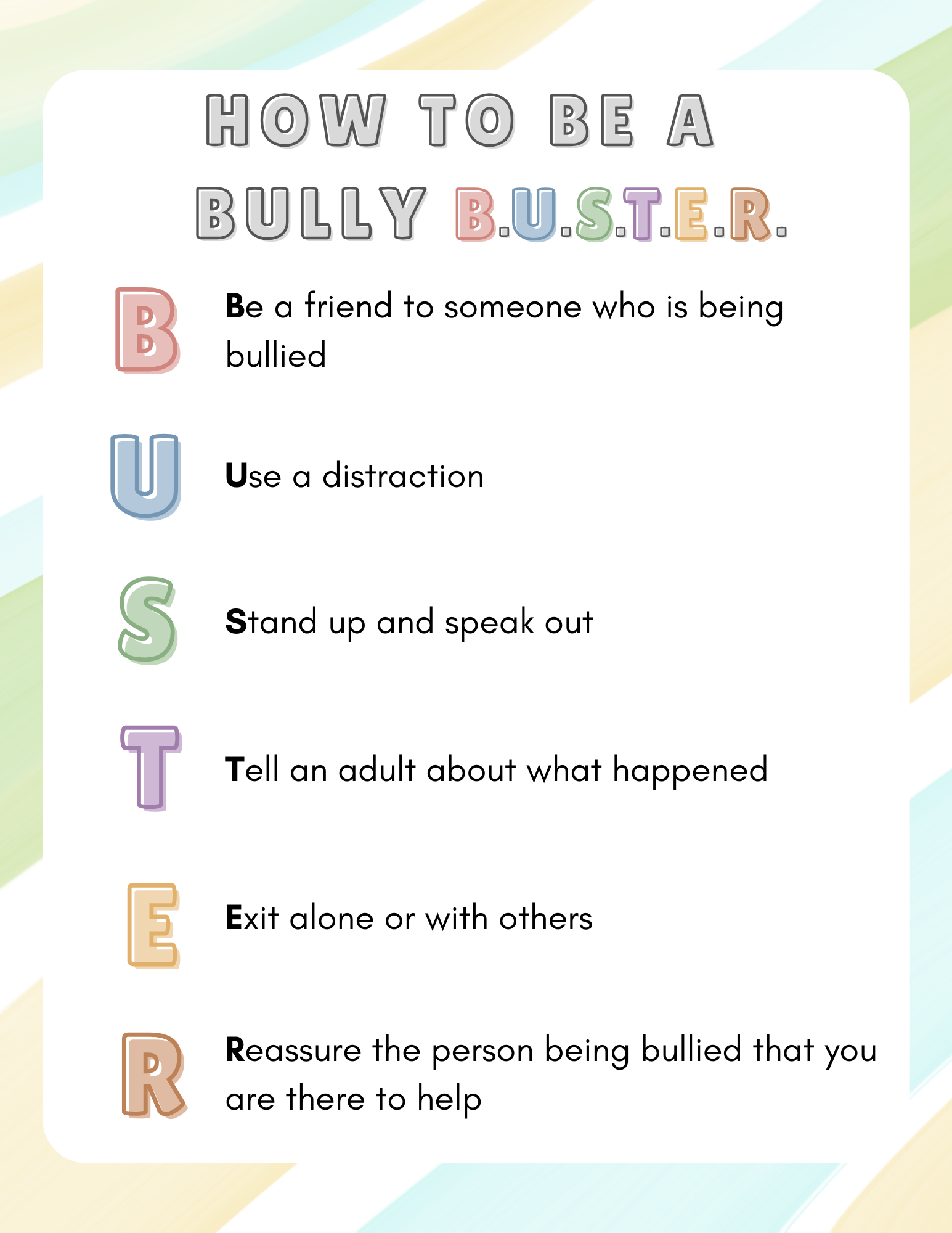
In the past few lessons, we have learned how to be a Bully Buster. We discovered what it means to be a Bully Buster and how each letter represents an important part of being an upstander. Although all the steps are important, the most crucial step is to tell an adult and keep telling until the bullying behaviour is stopped and safety is ensured.

These skills are important because they teach us how to stand up for others, create a safer environment, and help prevent bullying.


For more information, please visit Ms. Aquila’s website 
Lesson 1 

Lesson 2 

Lesson 3 

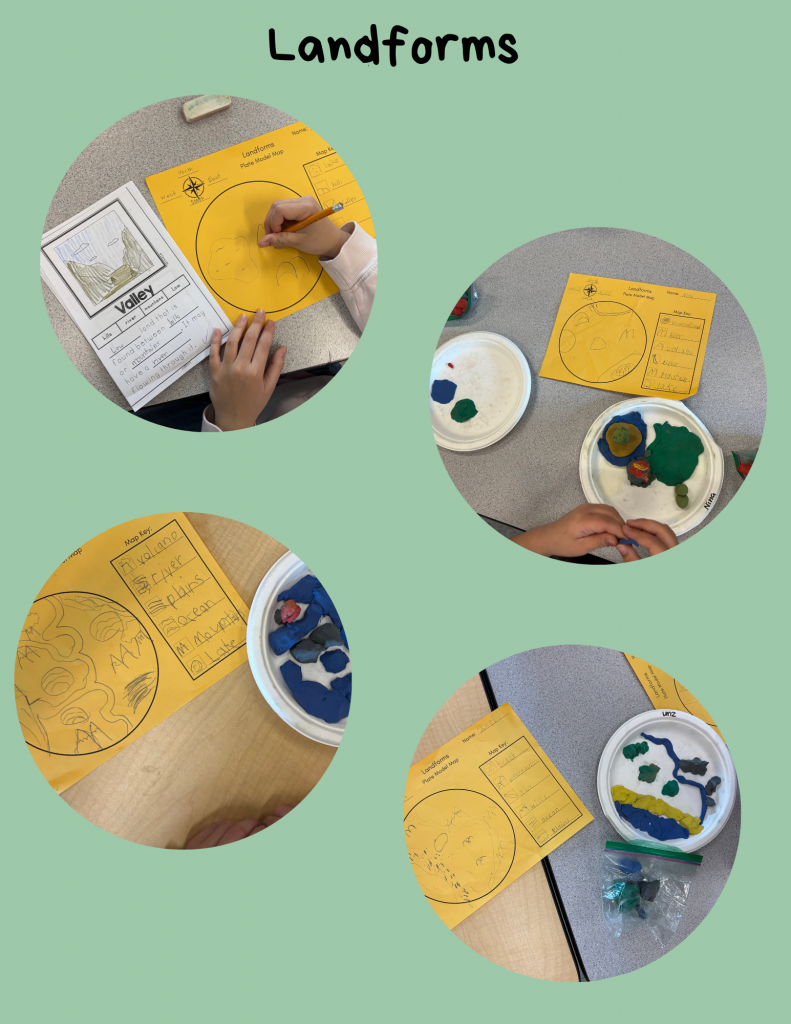
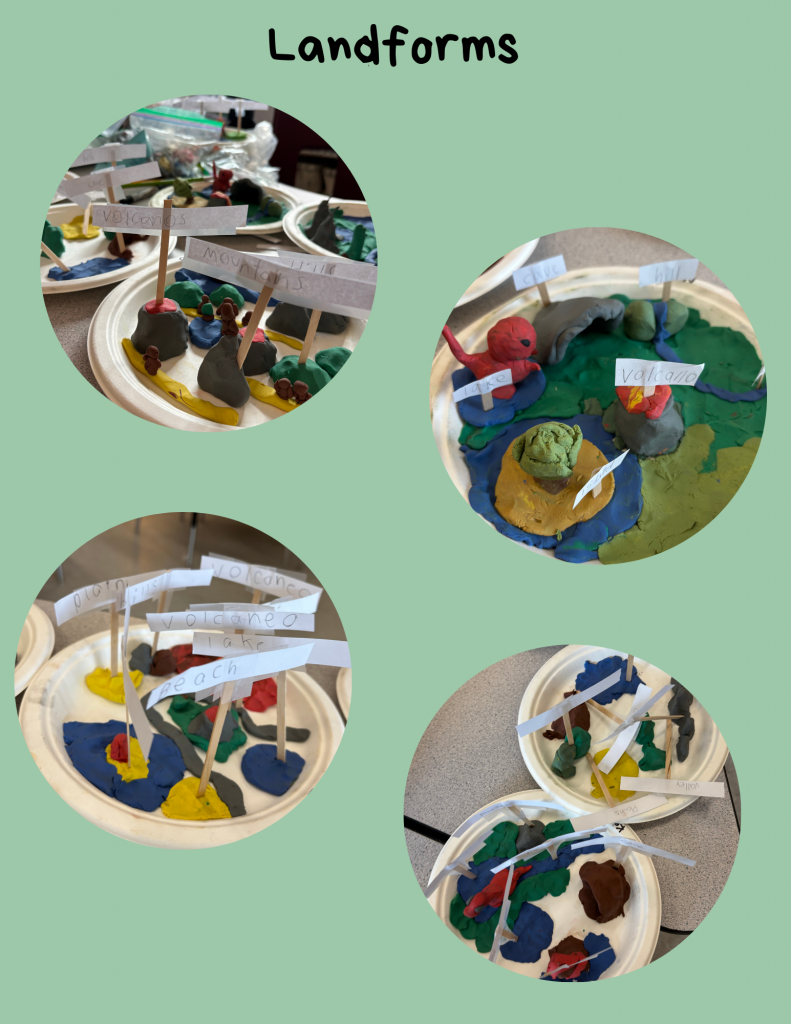
We learned about different types of landforms and bodies of water, and then we created models of them. First, we drew a map to plan what we wanted our landforms to look like, making sure to include a key so we could understand the symbols. Next, we brought our drawings to life by using modelling clay to create the landforms, adding details to enhance our designs. This was such a fun project, and we had a wonderful time bringing our landforms to life!

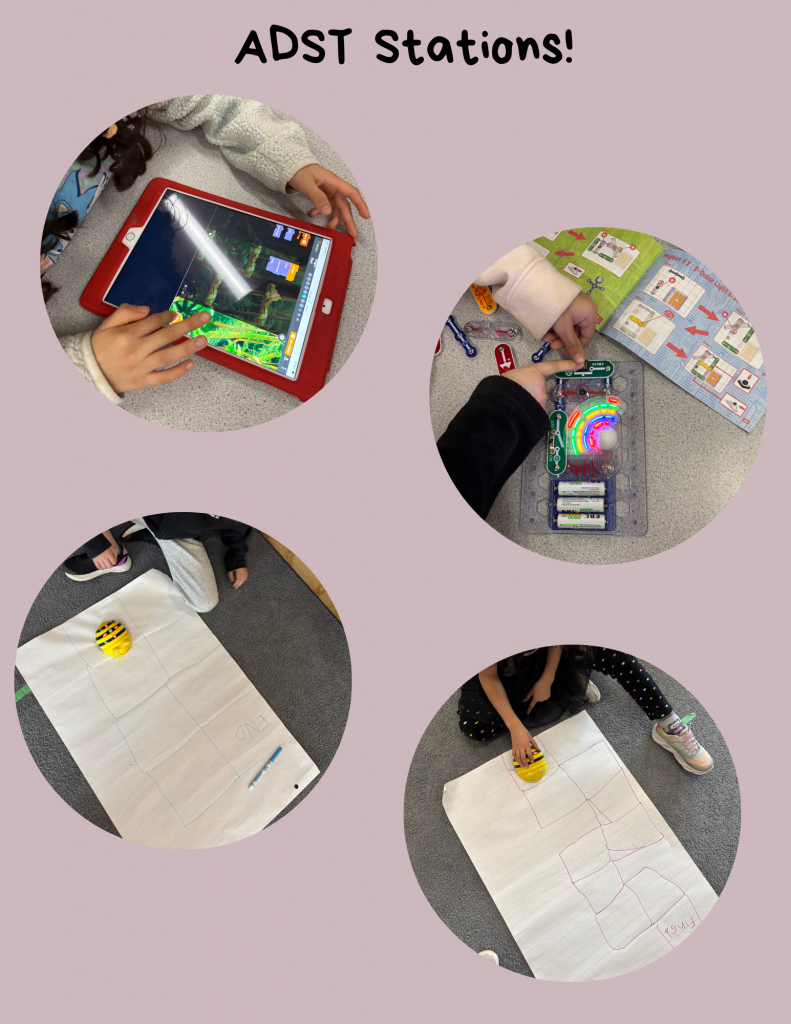
For ADST, we have been exploring coding and electrical engineering stations! We explored sequential coding by learning how to program a Bee Bot. To do this, we had to make a series of commands in a specific order (forward, turn, backward) to move the Bee Bot on a map that we made. We explored block coding through a game called Dragon Blast, where students learn how to use block coding by snapping together blocks that represent different commands. These blocks are then arranged in a specific order to program the dragon to reach its goal. Finally, we explored electrical engineering through snap circuits, where we used snap circuits to connect components like lights, fans, and buzzers by snapping pieces together, creating working circuits to turn them on! We learned so much through these stations and had so much fun!

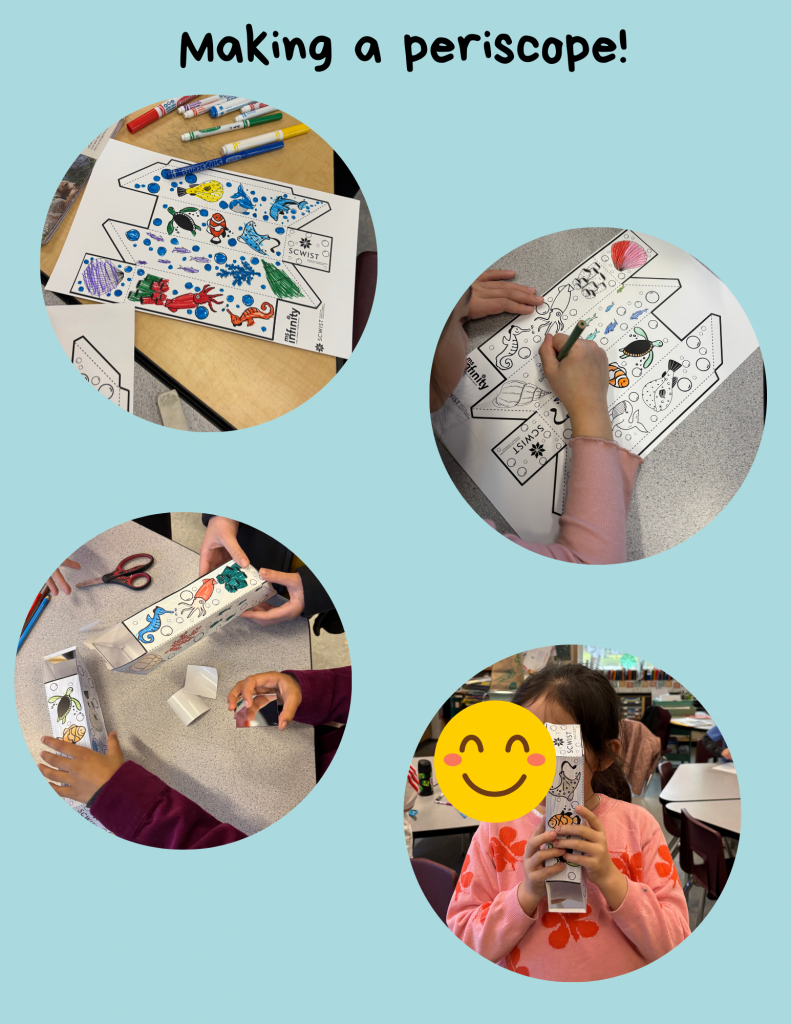
We had an engineer from the Society for Canadian Women in Science and Technology (SCWIST) come to teach us how to make a periscope. A periscope is a tool that allows you to see things from a different angle, typically using mirrors to reflect light and show what’s above or around you. We learned how different materials affect light, including translucent materials that allow some light to pass through, opaque materials that block light completely, and transparent materials that let light pass through clearly. We also explored the law of reflection, which states that the angle at which light hits a surface is the same as the angle at which it reflects off. We had so much fun learning about how light reflects and how to use our periscopes!