 Hello! Welcome! Bienvenue!
This is the class website for Division 7 at Seaforth. Here you will find posts about what we are doing, helpful links, our “Planner Board,” and more!
Here are some reminders and information as we enter into our new school year.
Arriving and Leaving
Division 7 will be entering and exiting through our outside classroom door. (At the moment our door says “Room 14 Ms. Coutts & Ms. Gillingham,” but I’ll take that down by the end of the week.) If you need to pick up your child early or there is an appointment that will delay their arrival to school, please send me an email and/or call the office as a heads up, and sign in/out your child at the office.
Outdoor Recess/Lunch Times
Students will be eating their snack outside. They may be outside in a variety of weather, so encourage your child to become increasingly  involved with planning for what they need for their time outside. Proper rain gear, and even a change of clothing, can make a big difference in comfort for the rest of the day!
Planners
Students will be bringing home a planner today. We will write in the planners each day, and the students should be taking the initiative to share their planner with you at home. They should be prepared to answer any questions you have about what they have written. We will be working on recording information clearly and concisely, ensuring we include enough detail to be understood. Your child will bring you a pen to sign their planner, and it is their responsibility to ensure their planner travels to and from school with them each day.
Please see our online “Planner Board” here.
School Supplies
We are hoping that all students have their supplies by the end of this week. Please find the grade 4/5 supplies list linked here. If possible, avoid sending “novelty” supplies, as these can become quite distracting (including mechanical pencils!); the simple/basic supplies are often the best. Tip: if you have a big box of fine liners, for example, it’s a good idea to only send a few to school and keep a stash at home (so they don’t all end up in the lost and found box).
Phones/Devices
We kindly ask that phones and devices are left at home if possible. If students do have phones at school, they must remain in a safe spot in their backpacks. If your child has a smart watch, please remind them to keep it on School Mode, and not to use it during school hours. If possible, please avoid calling or texting your child during class time; feel free to leave a message at the office, or send me an email, and we will ensure your child receives it.
Indoor Shoes
Students will be required to have appropriate non-marking footwear for the gym. If they have inside shoes you’d like to keep at school, please send them in a cloth bag that your child can hang on their hook. It would be wonderful if your child could change out of their boots on rainy/snowy days to help preserve our classroom space as well.
 Schedule
We are still in the process of finalizing schedules for P.E., Music, Library, etc. Once these are in place, we will be able to fit all the other puzzle pieces together. I will post these out-of-classroom events under the Planner Board menu item on our homepage.
Additionally, as Head Teacher at Seaforth, my classroom time will be all day on Mondays, Thursdays, and Fridays. Ms. Gillingham will be the classroom teacher on Tuesdays and Wednesdays while I am working in the office.
More information will come along as needed once schedules and routines become established. Feel free to send me an email if you have any questions. We look forward to working with all our new Division 7 families.
With care,
Ms. Amanda Coutts



 It’s that time of year to celebrate everyone’s favourite irrational number: pi!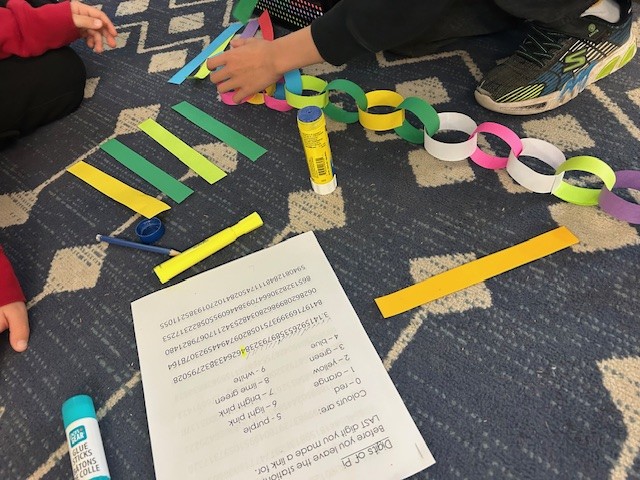
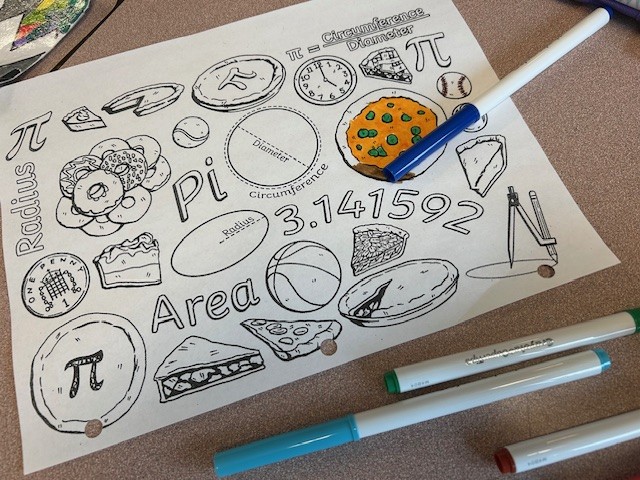
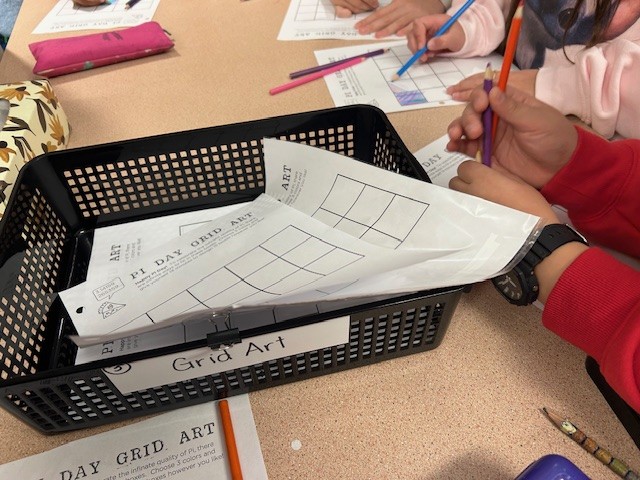
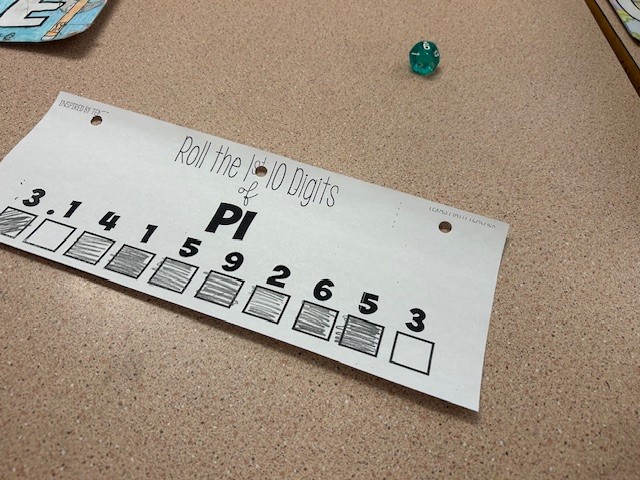
 Students in Division 7 are gearing up for their Seaforth Student-Led Conferences this week! They are coming up on Wednesday March 11th, from 2:00 to 6:00. These conferences take place in an “Open House” format, where several students are in the classroom with their families at the same time for their 15-20 minute meetings.
 What are you still working on? What skills are you still growing?
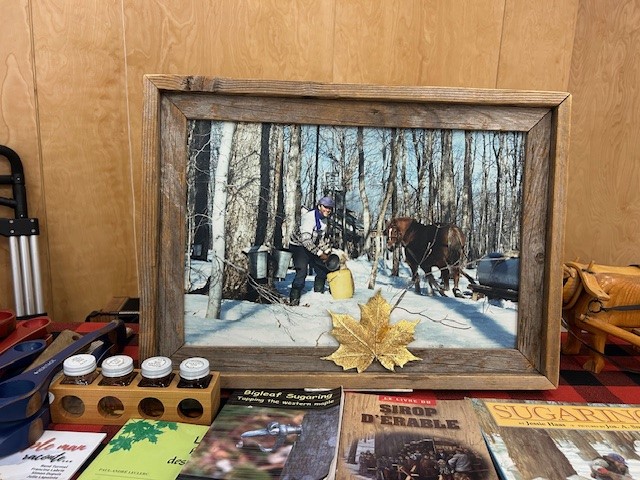
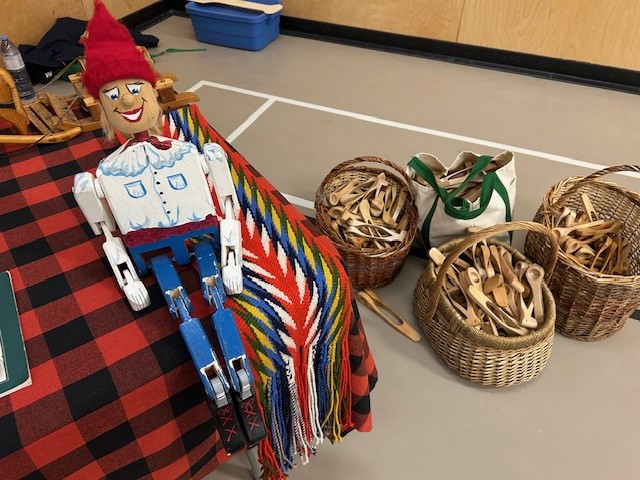
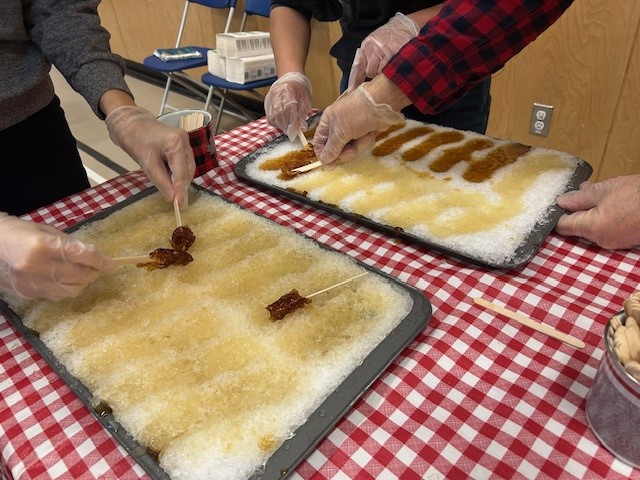
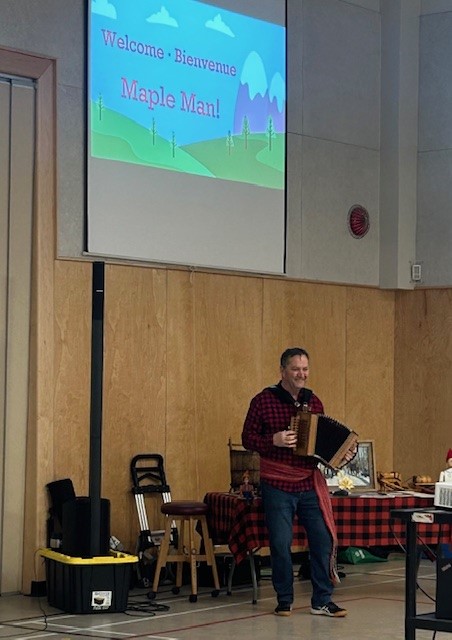
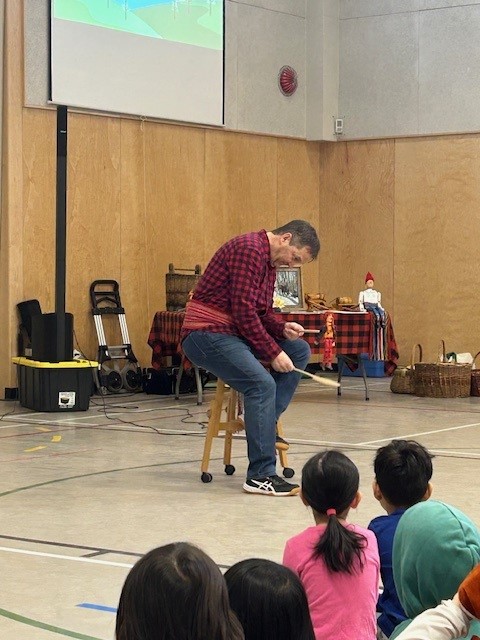
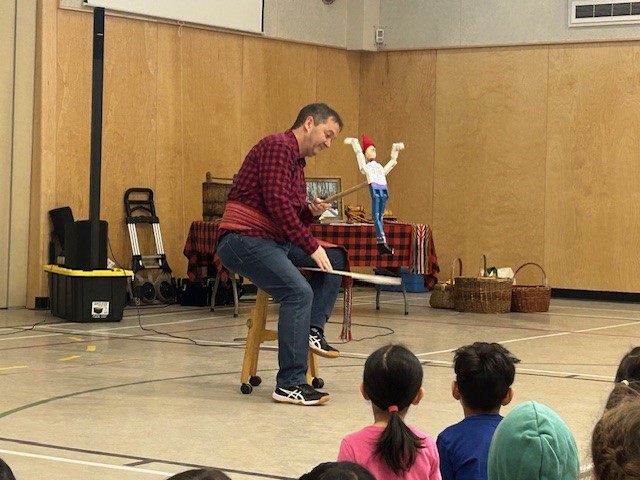
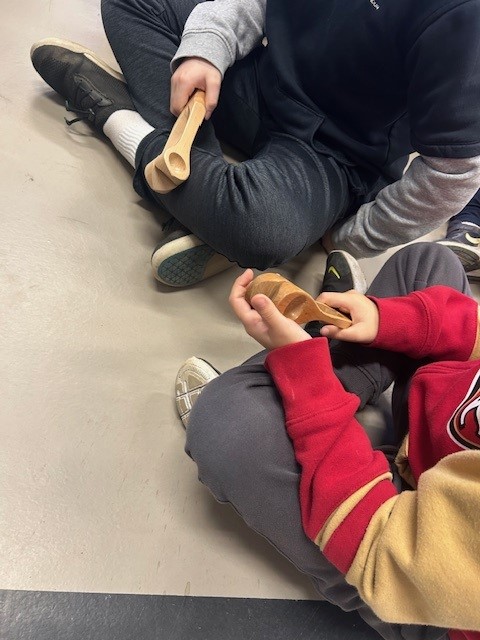
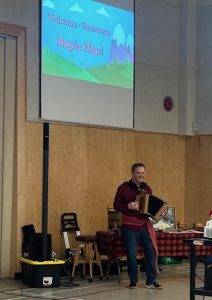 Today we had a wonderful presentation from a maple syrup farmer who we call “The Maple Man!” We learned a lot about Québécois culture and heritage, and how maple sap is collected and processed to become delicious maple syrup! We got a taste of the very special treat, maple taffy (or tire d’érable en français!)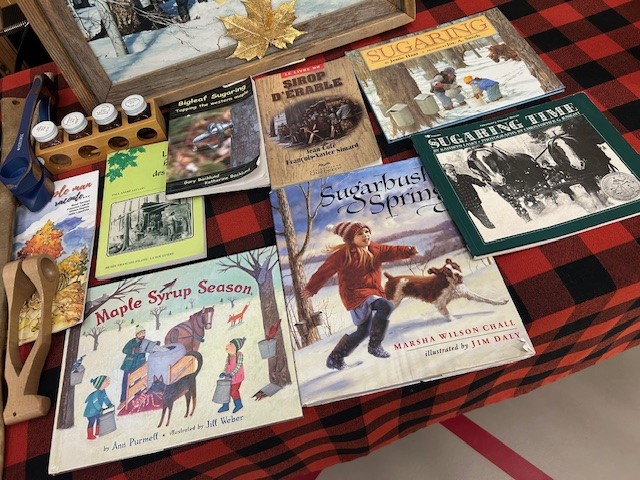

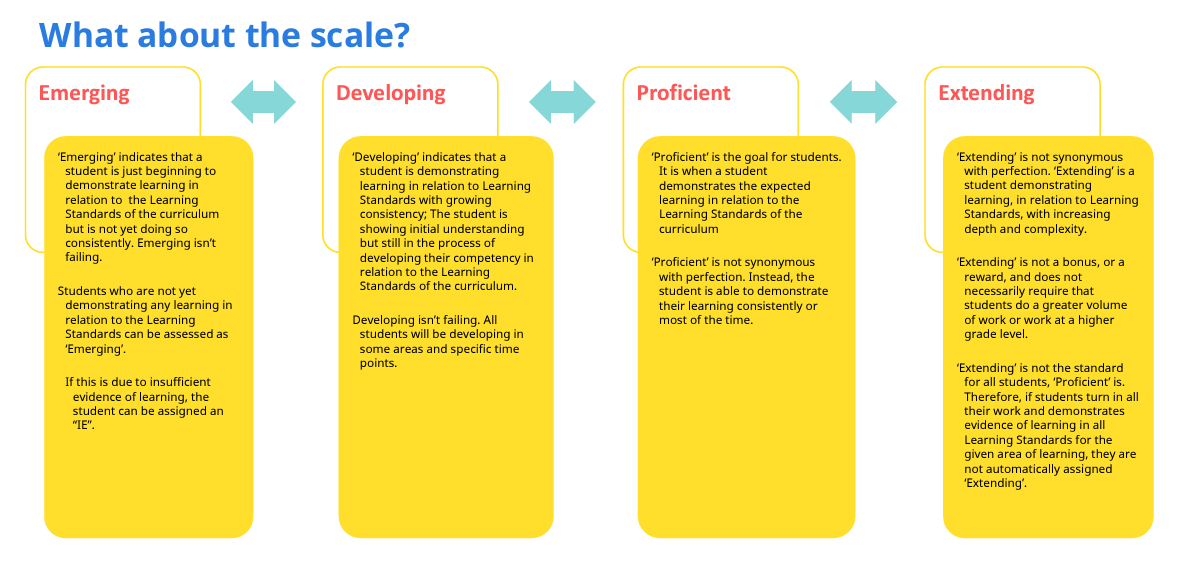
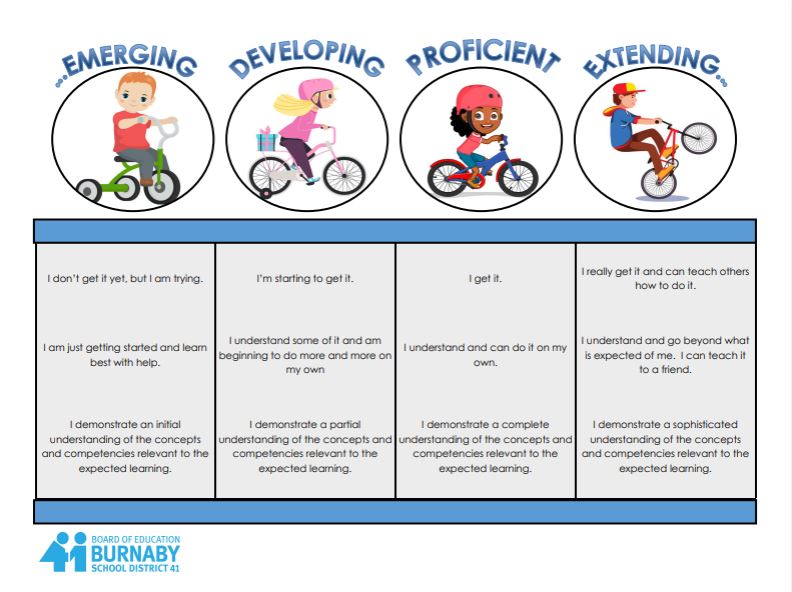
 variety of people help us when conflict arises. We are learning to use our planners for our own reference to help us plan for and track due dates and events. Students are learning to receive feedback from peers and teachers, and to integrate it into their next assignments. I would say the “training wheels” are certainly still on, but we are also pushing students to stretch themselves and their burgeoning independence. When I have a room of 30ish students, we have a group plan where students are supported with routines and structures and are expected to leverage those tools with increasing independence, and make choices that contribute to their own learning.
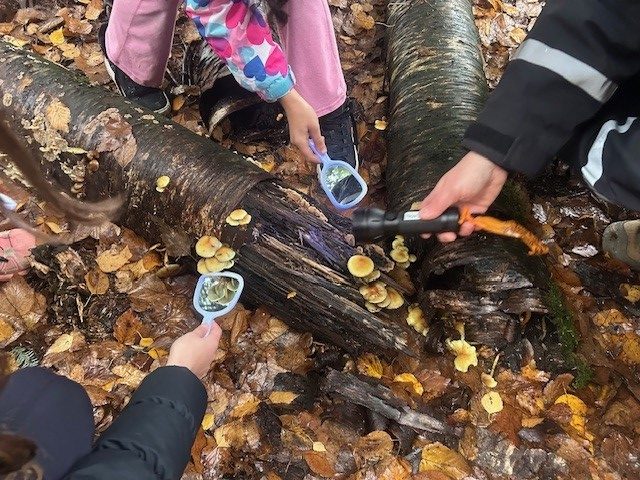
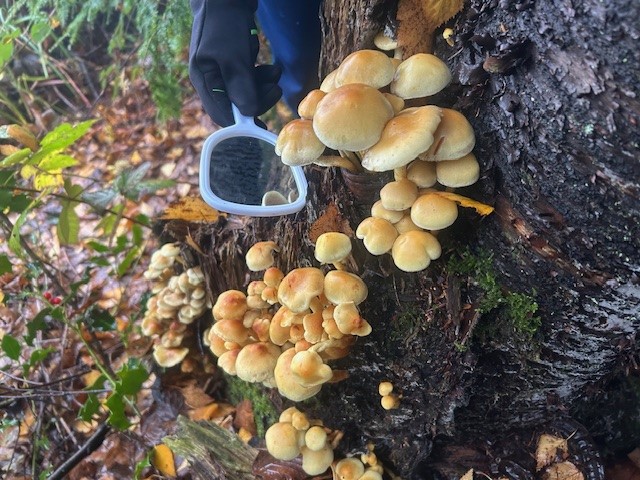
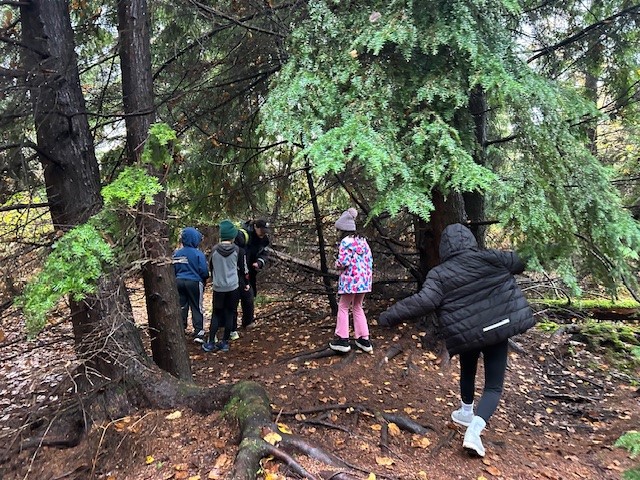
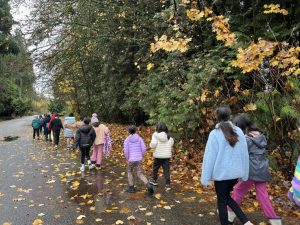 Last week, Division 7 went to Burnaby Lake. We went for a visit to get to know the animals and plants that we share this land with, and how they change over the seasons. Our purpose was to connect to place through observation. We saw and learned so much! Even for me–who grew up in this area and have spent a lot of time walking around, canoeing in, and visiting the ducks at Burnaby Lake–I learned so much during our visit!
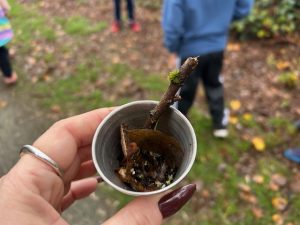 Did you know that the way salmon find their way back to their particular stream is by scent? They navigate back from the ocean with a kind of “magnet” in their heads, but they find their specific stream through the mixture of scents from that specific place. Students looked around the ground near the stream to collect bits of plants and soil to mush together to smell. We had a good time mixing our potions and comparing scents.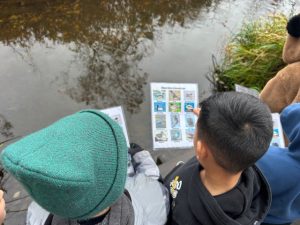
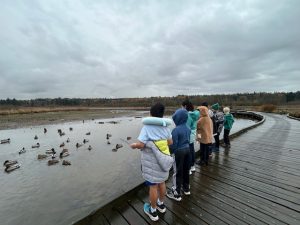 Students were given visual guides about the various winged wonders that alight on Burnaby Lake. We spent a long time playing a version of eye-spy with the birds. We learned that some of them stay year round, some are visitors from further north, and some will head south for even warmer weather. The wood ducks were a big hit! We also observed many gulls and crows feeding on the carcasses of salmon who have spawned and are now giving back to the waterways that once gave them life. We didn’t see any bears, who also feed on these fish, but we did note that there is no feeding birds seed right now since that will also attract bears as they prepare for the winter months.
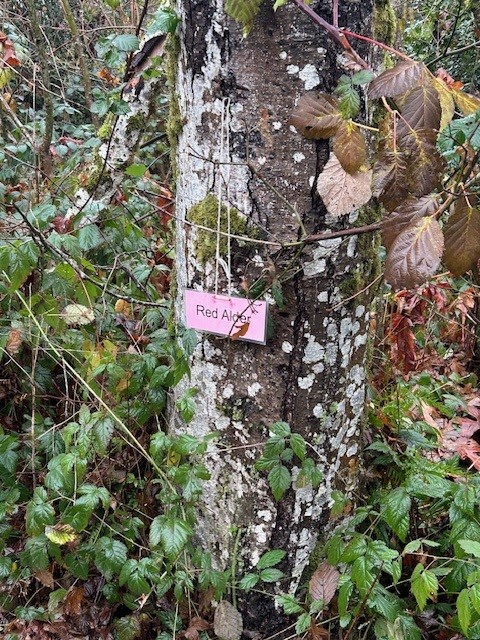
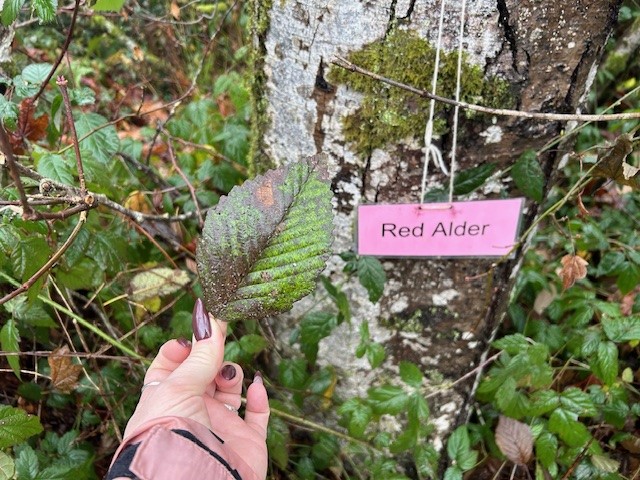
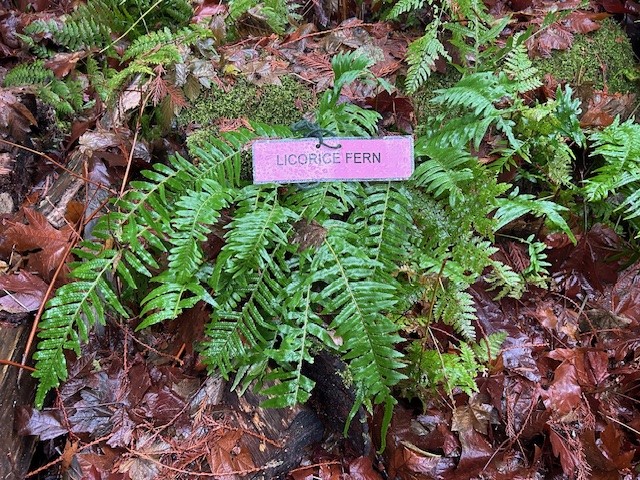
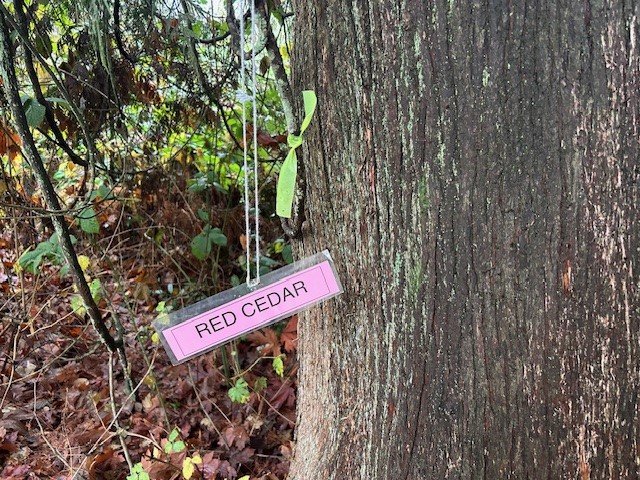
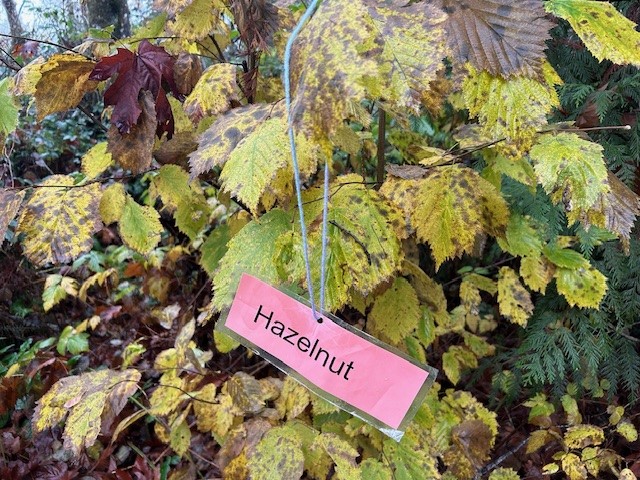
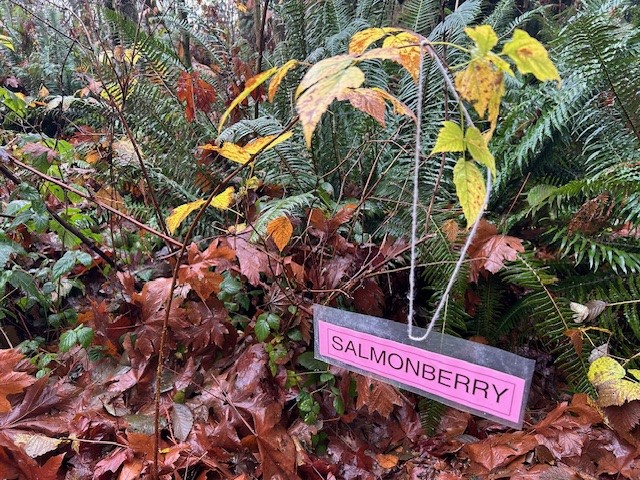
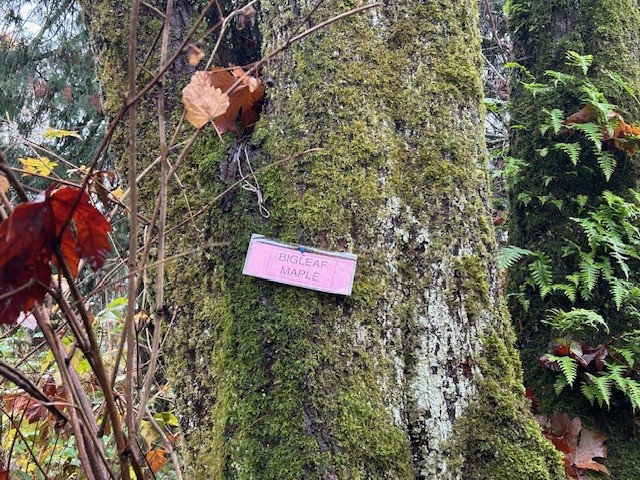
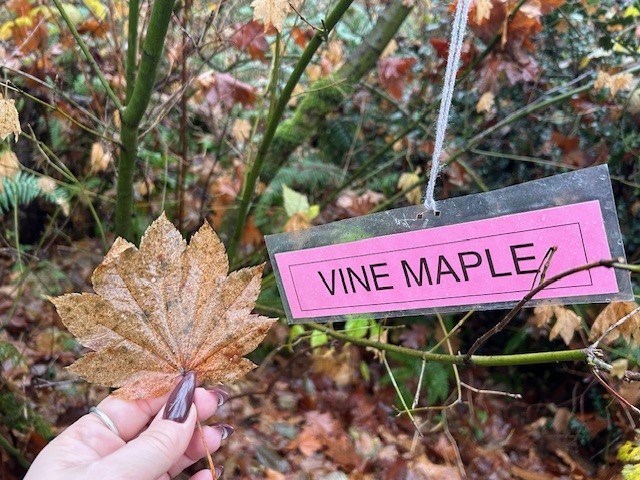
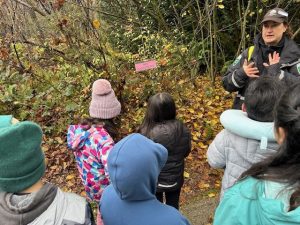 Students learned about some local plants and how to identify them. They played a running game where they got a card with clues about the plant, had to locate and tag the plant, and then race back to our leader for confirmation they identified the plant correctly and to get a new card. So fun! Check out the gallery for the different plants we identified. Some change through the seasons, but still have identifiable characteristics. Keep an eye out for these on your next walk!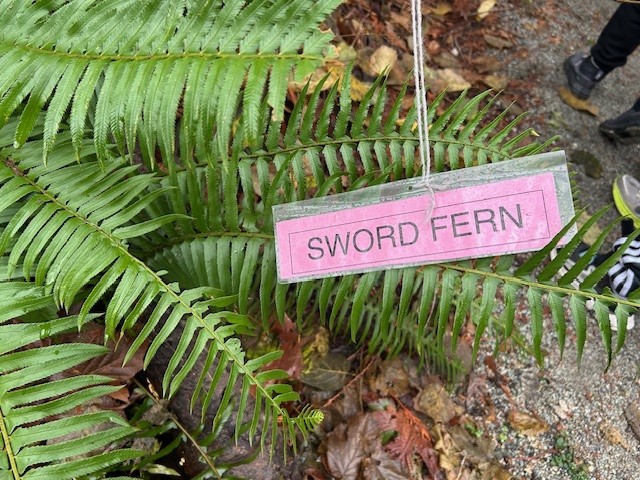
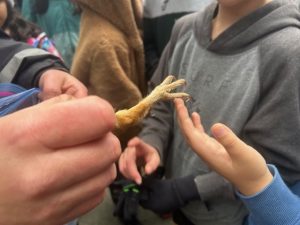
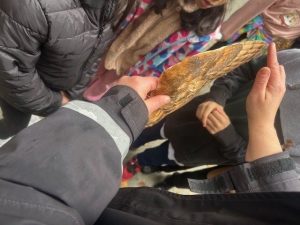
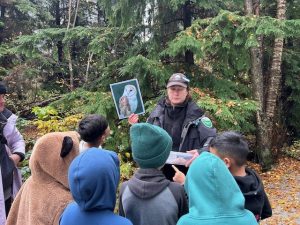 We had a very special experience to see and feel the silent wings and fierce talons that make owls efficient predators. It was interesting to compare and contrast how loud a goose feather is when flapped versus an owl wing. Geese don’t have to be stealthy, and they have waterproofing features on their feathers, but owls need to be silent to be effective birds of prey. Their talons are very sharp, too! I wouldn’t want to be on the receiving end of those razor sharp claws! We got to look at an owl skull, and we observed that the owl’s eyes sit in bony sockets to maintain their shape. Because of that, they cannot move their eyes, and that’s why their heads can rotate 270 degrees.