
I just wanted to write a quick note to say goodbye and to express my appreciation for our Division 7 community.
We started our morning together in Community Circle. I shared two quotes, and then students took turns sharing their appreciations and their growth. The quotes were:

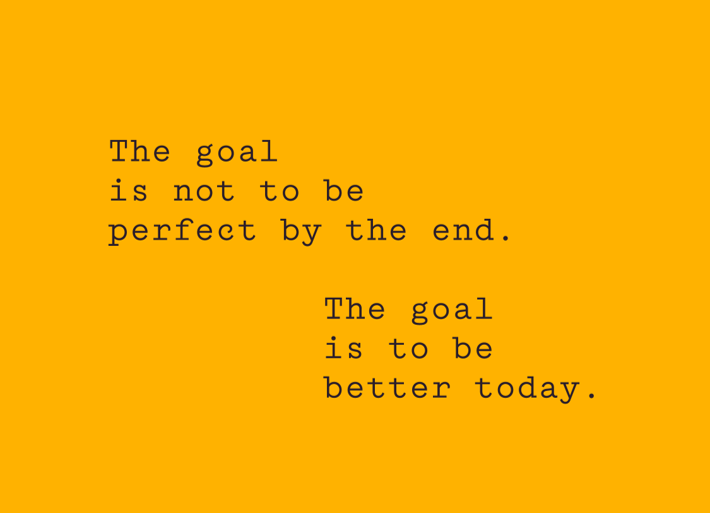
It truly warmed my heart to hear about what students appreciated about the community we’ve built together, and about the things they are proud of learning. Everyone was able to share something and be heard. I am grateful for my time with Division 7 this year. They were a wonderful group that I am thrilled to have spent my first year at Seaforth with. Your children are creative, helpful, kind, and funny. We have shared many laughs, a few tears, and lots of moments of learning. Our class is a truly special one that will remain with me as I continue on my teaching journey.
This time of year is full of change, excitement, and anticipation: summer plans, wonders about the next grade, and big changes like moving schools or homes. Our classroom time together stretched us academically and socially. Through the ups and downs of classroom experiences, I am often reminded of the First Peoples Principles of Learning:
– learning involves patience and time,
– learning involves recognizing the consequences of one’s actions,
– learning supports the well-being of self, family, community, land,
– learning is embedded in history and story.
For all of us, child or adult, learning is an ongoing process of mistakes and patience that is not always smooth sailing. We have opportunities to develop perseverance and resilience as we weather storms big and small. So I encourage the students of Division 7 to move forward with courage, creativity, and kindness.
Warm wishes,
Amanda Coutts




 Working in groups is a significant part of learning and decision making, in school and many career fields. This requires us to be active listeners and contributors in order to build understanding and work towards a common goal. Recently, it was time for a desk change. We’ve tried various arrangements throughout the year so far, but this time the students decided on how the desks should be organized.
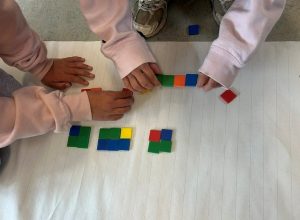
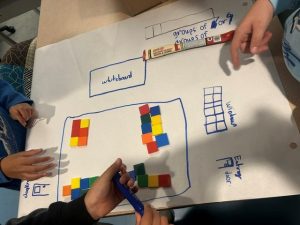 As a group, we brainstormed the various arrangements experienced in the past, and discussed the possible design constraints (shape and size of the room, number of desks, etc). Then students broke into small groups, where each group used tiles to design a possible layout. They had to discuss and negotiate different possibilities before having to reach a consensus on which design they thought best suited our classroom. They recorded their designs on large paper and outlined pros and cons for their design, considering issues around use of space, mobility, and “chatter.” Groups presented their ideas to the whole class, and then students voted.
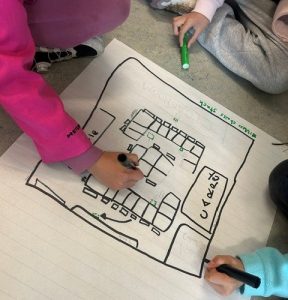 In the end, groups had varying degrees of success in terms of their ability to reach consensus and to express their ideas clearly. The layout that received the most votes was pods of 5 or 6. We agreed that we liked the table-type set-up as it was good for working in groups and for creating space to move throughout the room, but we also recognized that having a pod arrangement could contribute to more off-task talking. We also talked about the importance of self-regulation and making productive choices for ourselves and our learning, as well as our accountability to our classroom community.