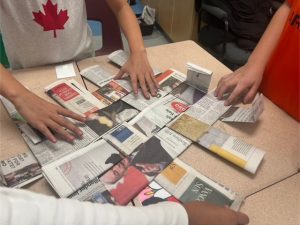
Students work together to fold newspaper strips to weave together into “situpon mats.”
Have you ever built a LEGO set with a friend, solved a tricky puzzle as a team, or helped someone understand a math problem? That’s what working and learning together is all about, and it’s one of the most powerful ways to grow, have fun, and succeed! In our classroom, collaboration is more than just a helpful skill; it’s a key part of how students grow, succeed, and enjoy learning. When learners work together, they build not only knowledge but also important life skills like communication, empathy, and teamwork.
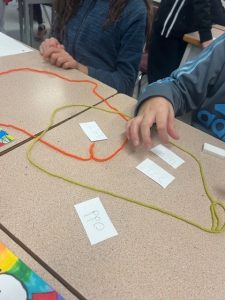
Exploring mathematical concepts: students discuss sorting attributes for 3- and 4-digit numbers, using strings for a Venn diagram
When we work together, we share ideas, help each other, and learn from one another. Everyone has different strengths: some people are great at writing, others at drawing, and some at solving problems. When we combine our talents, we can do incredible things. It’s also important that we learn to work with a variety of people in our classroom. While we won’t necessarily be “BFFs” with every person in our classroom, it’s important we take the time to get to know others and build bonds of trust and respect. Working together means listening, being kind, and respecting each other’s ideas. Even if we don’t always agree, we can learn to see things from different points of view. That’s how we grow as learners and as people.
Learning is often deeper and more meaningful when it happens through conversation. Students who explain their thinking to peers reinforce their own understanding, and those who listen gain new perspectives. This kind of shared learning helps build a classroom culture where curiosity and questions are welcomed.
All of these “soft skills” are more of what I would call foundational skills. In the BC curriculum, these are referred to as “Core Competencies,” which students self-assess for each term. You can read more about Core Competencies here.
Here are some tips for fostering communication, community, and curiosity at home:
1. Ask Open-Ended Questions
Instead of yes/no questions, try questions that invite children to explain their thinking and reflect on their learning.
- “What was something new you discovered today?”
- “Can you teach me how you did that?”
2. Encourage “Think Alouds”
When your child is working on homework or solving a problem, encourage them to talk through their thought process. This helps them organize their ideas and often leads to deeper understanding.
3. Celebrate Curiosity
If your child asks a question — even a tricky one — explore the answer together. Look things up, talk about possibilities, and show that asking questions is a great way to learn. Help them find the answers instead of just giving them the answers.
4. Share Your Own Thinking
Model how you solve problems or make decisions. For example, while cooking, you might say, “I’m doubling this recipe, so I need to figure out how much flour to use.” This shows that thinking and learning happen all the time.
5. Create Space for Discussion
Set aside time during meals or bedtime for relaxed conversations about the day. These moments are perfect for sharing ideas, asking questions, and connecting through learning.
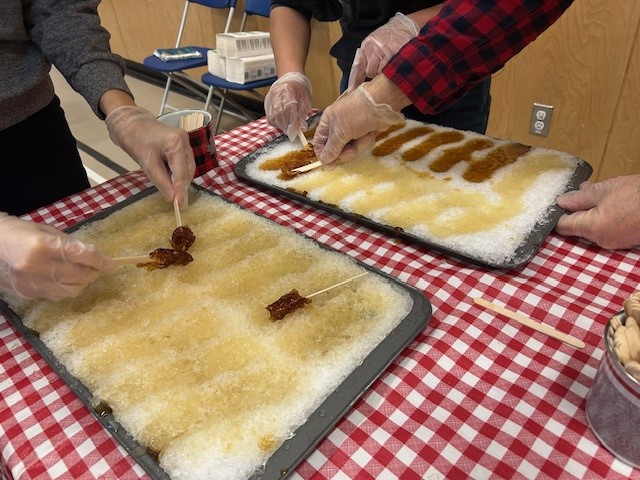
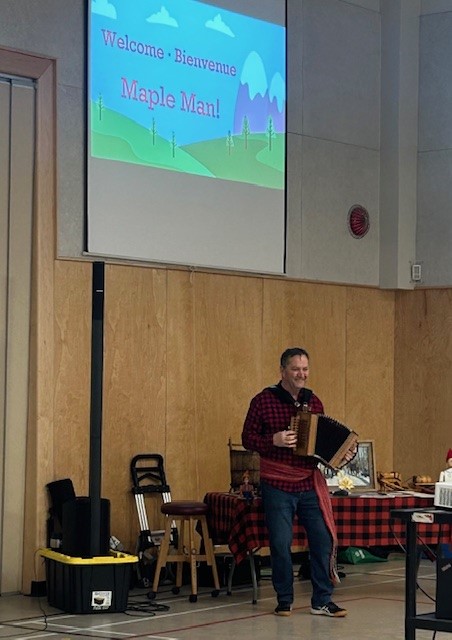
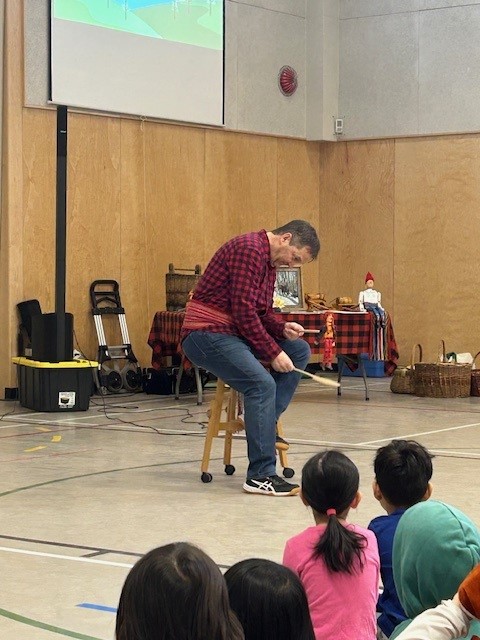
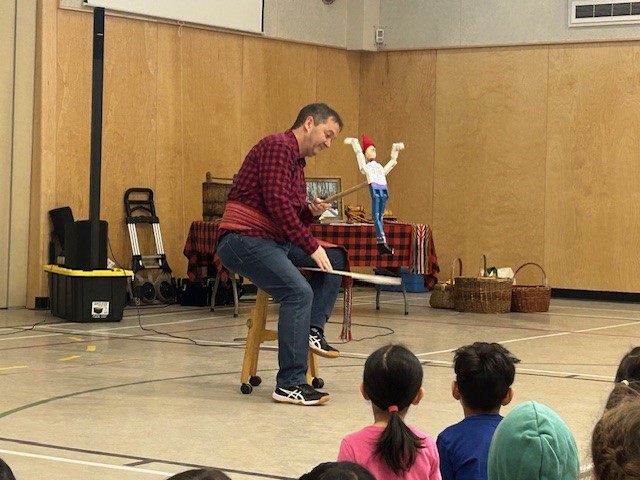
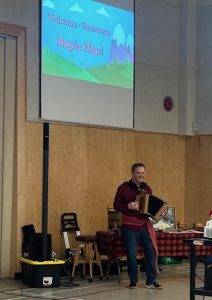 Today we had a wonderful presentation from a maple syrup farmer who we call “The Maple Man!” We learned a lot about Québécois culture and heritage, and how maple sap is collected and processed to become delicious maple syrup! We got a taste of the very special treat, maple taffy (or tire d’érable en français!)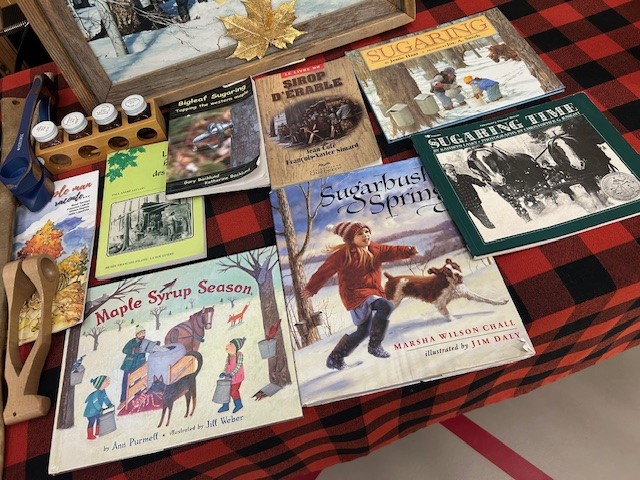
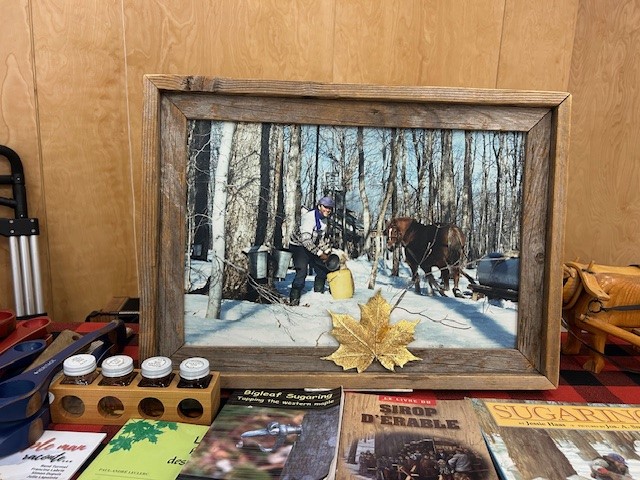
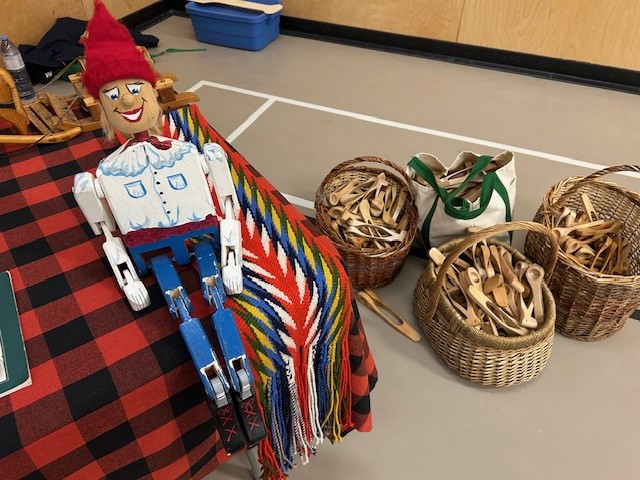
 Seaforth will be celebrating Literacy Week, January 19th – 23rd!

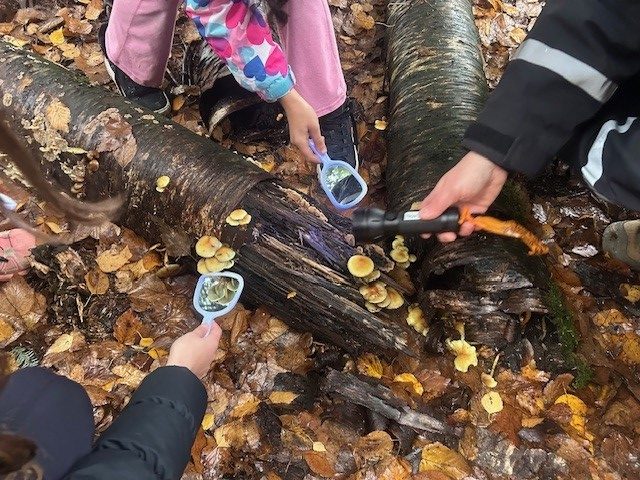
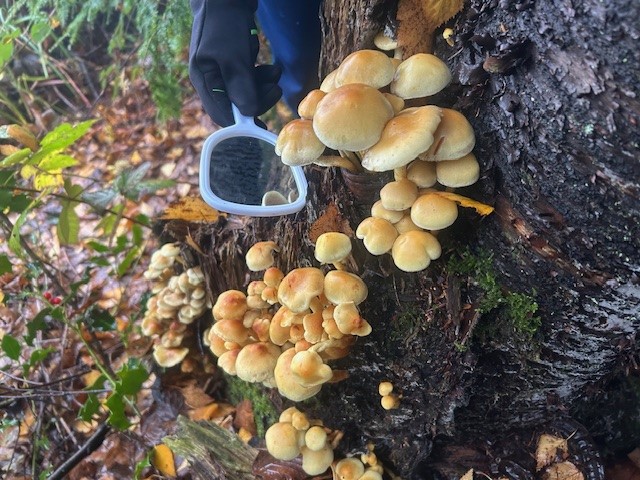
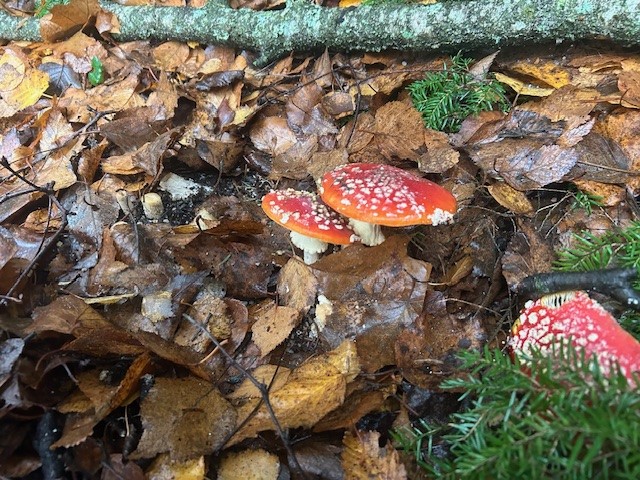
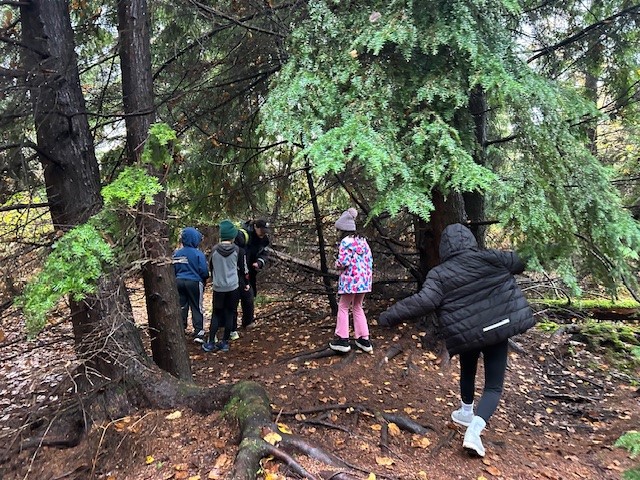
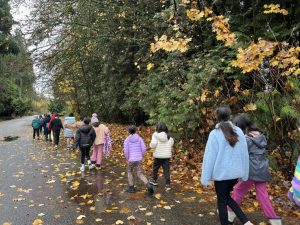 Last week, Division 7 went to Burnaby Lake. We went for a visit to get to know the animals and plants that we share this land with, and how they change over the seasons. Our purpose was to connect to place through observation. We saw and learned so much! Even for me–who grew up in this area and have spent a lot of time walking around, canoeing in, and visiting the ducks at Burnaby Lake–I learned so much during our visit!
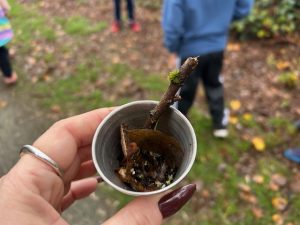 Did you know that the way salmon find their way back to their particular stream is by scent? They navigate back from the ocean with a kind of “magnet” in their heads, but they find their specific stream through the mixture of scents from that specific place. Students looked around the ground near the stream to collect bits of plants and soil to mush together to smell. We had a good time mixing our potions and comparing scents.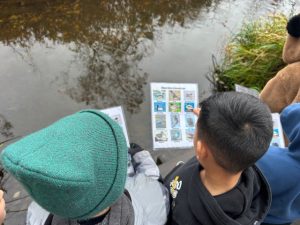
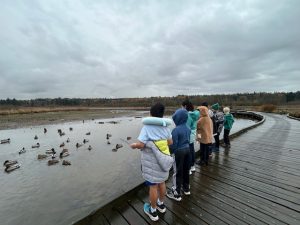 Students were given visual guides about the various winged wonders that alight on Burnaby Lake. We spent a long time playing a version of eye-spy with the birds. We learned that some of them stay year round, some are visitors from further north, and some will head south for even warmer weather. The wood ducks were a big hit! We also observed many gulls and crows feeding on the carcasses of salmon who have spawned and are now giving back to the waterways that once gave them life. We didn’t see any bears, who also feed on these fish, but we did note that there is no feeding birds seed right now since that will also attract bears as they prepare for the winter months.
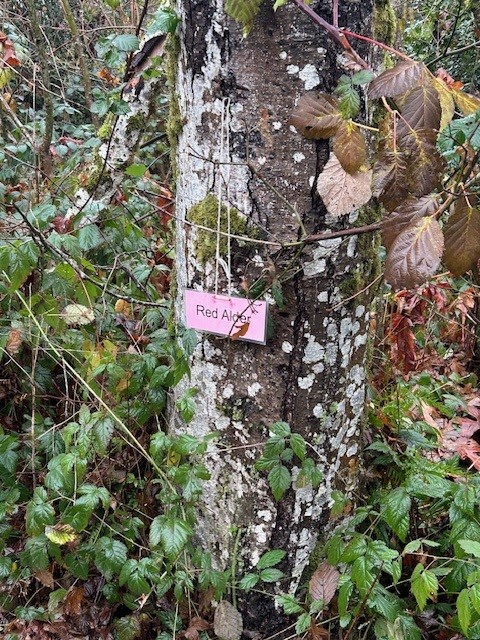
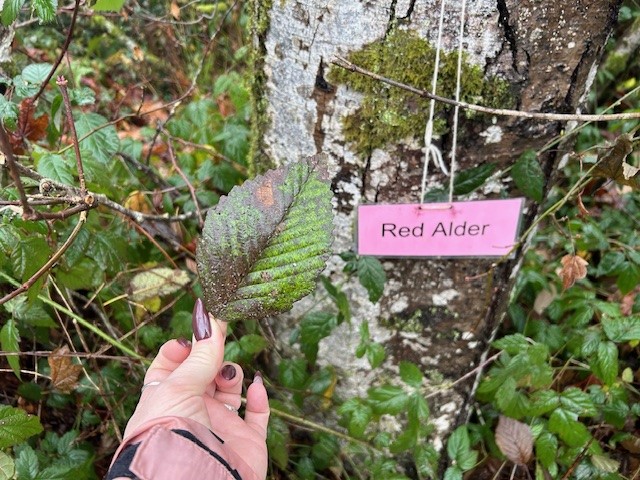
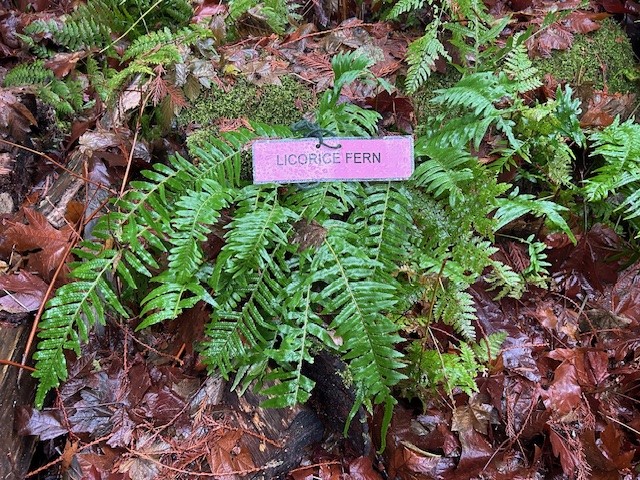
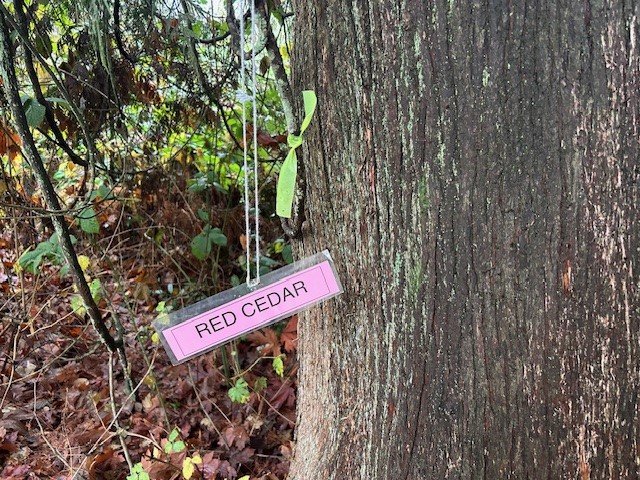
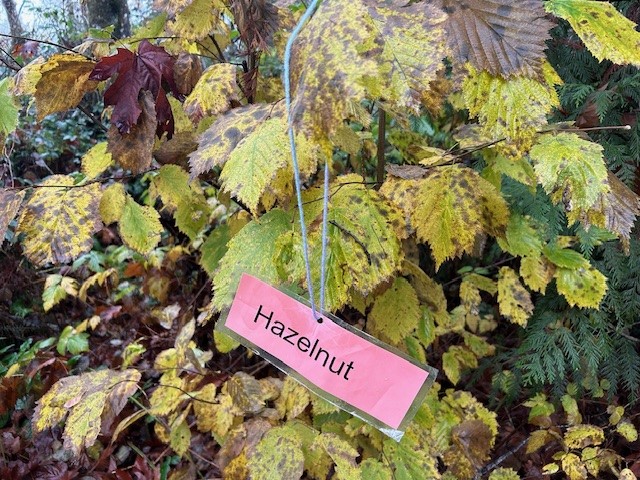
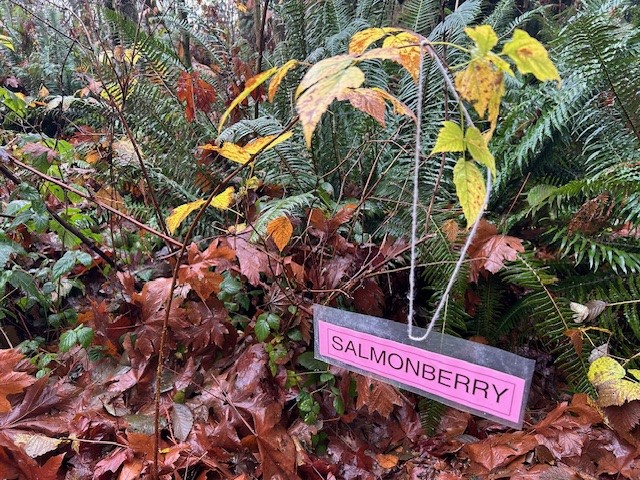
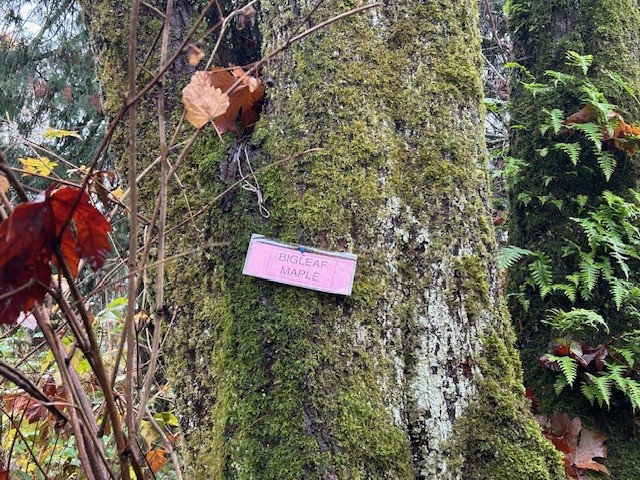
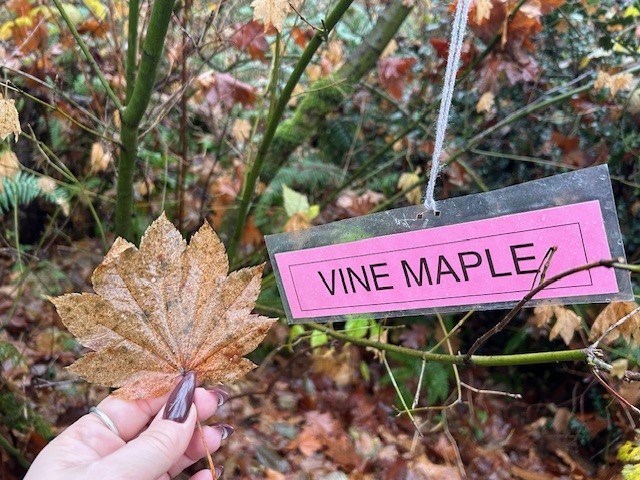
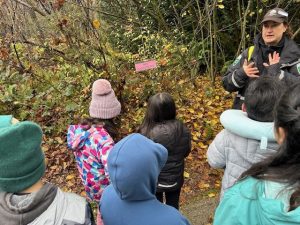 Students learned about some local plants and how to identify them. They played a running game where they got a card with clues about the plant, had to locate and tag the plant, and then race back to our leader for confirmation they identified the plant correctly and to get a new card. So fun! Check out the gallery for the different plants we identified. Some change through the seasons, but still have identifiable characteristics. Keep an eye out for these on your next walk!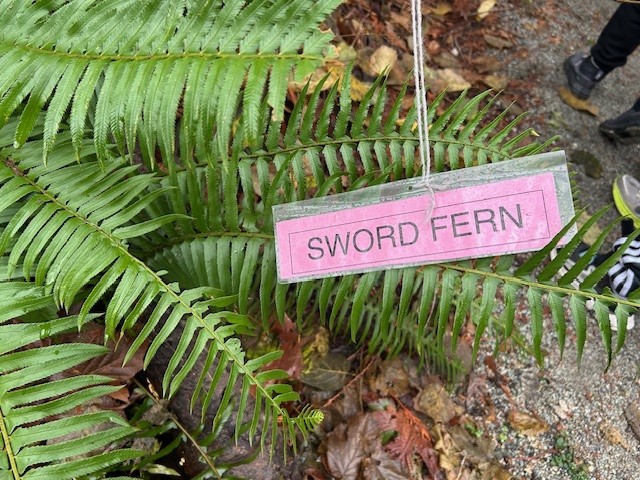
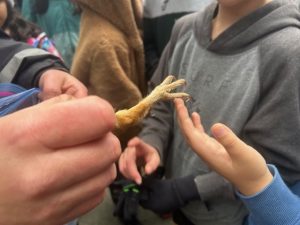
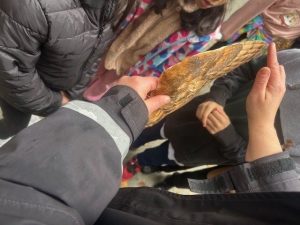
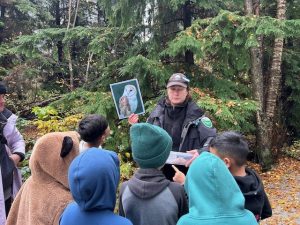 We had a very special experience to see and feel the silent wings and fierce talons that make owls efficient predators. It was interesting to compare and contrast how loud a goose feather is when flapped versus an owl wing. Geese don’t have to be stealthy, and they have waterproofing features on their feathers, but owls need to be silent to be effective birds of prey. Their talons are very sharp, too! I wouldn’t want to be on the receiving end of those razor sharp claws! We got to look at an owl skull, and we observed that the owl’s eyes sit in bony sockets to maintain their shape. Because of that, they cannot move their eyes, and that’s why their heads can rotate 270 degrees.