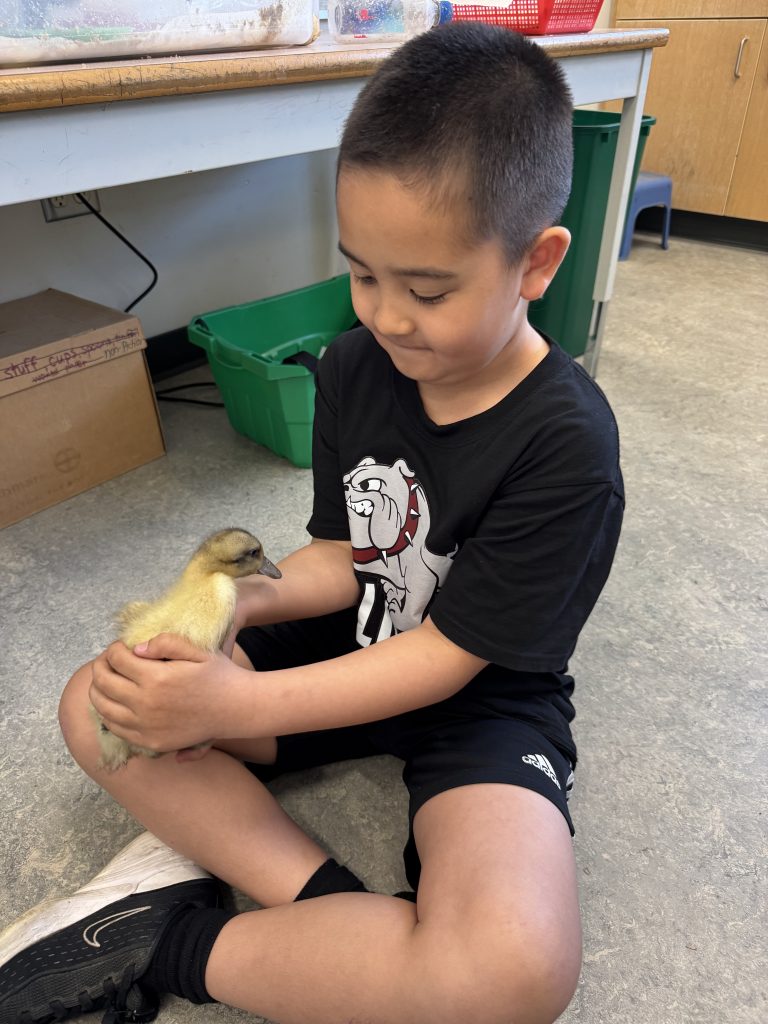
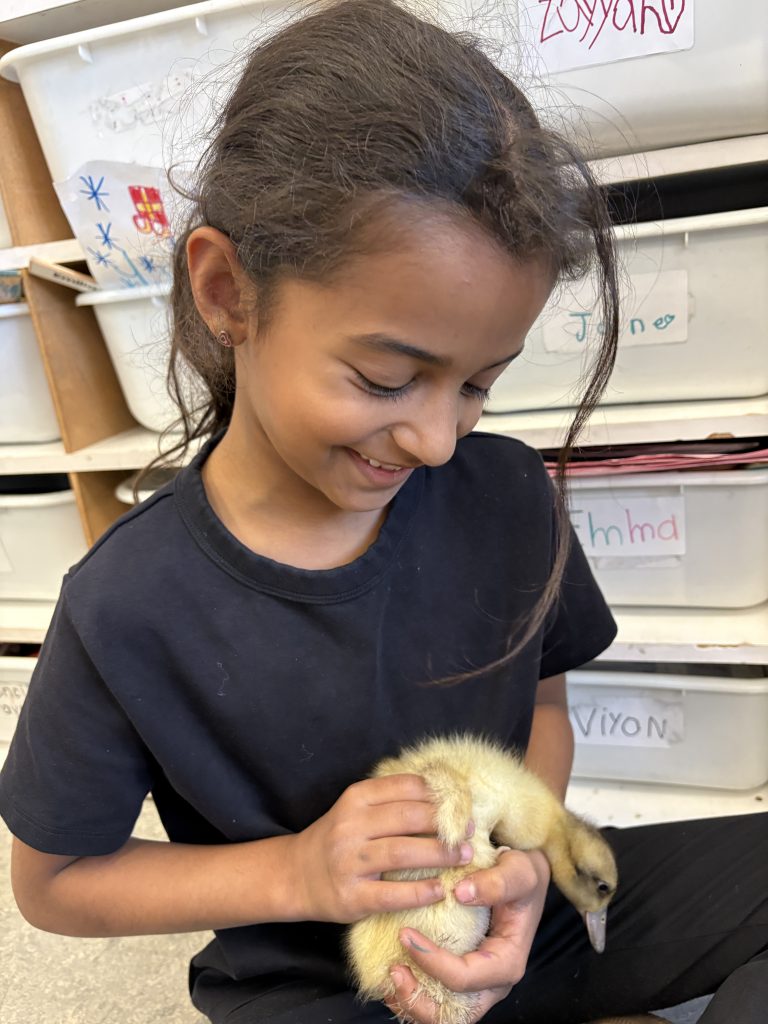
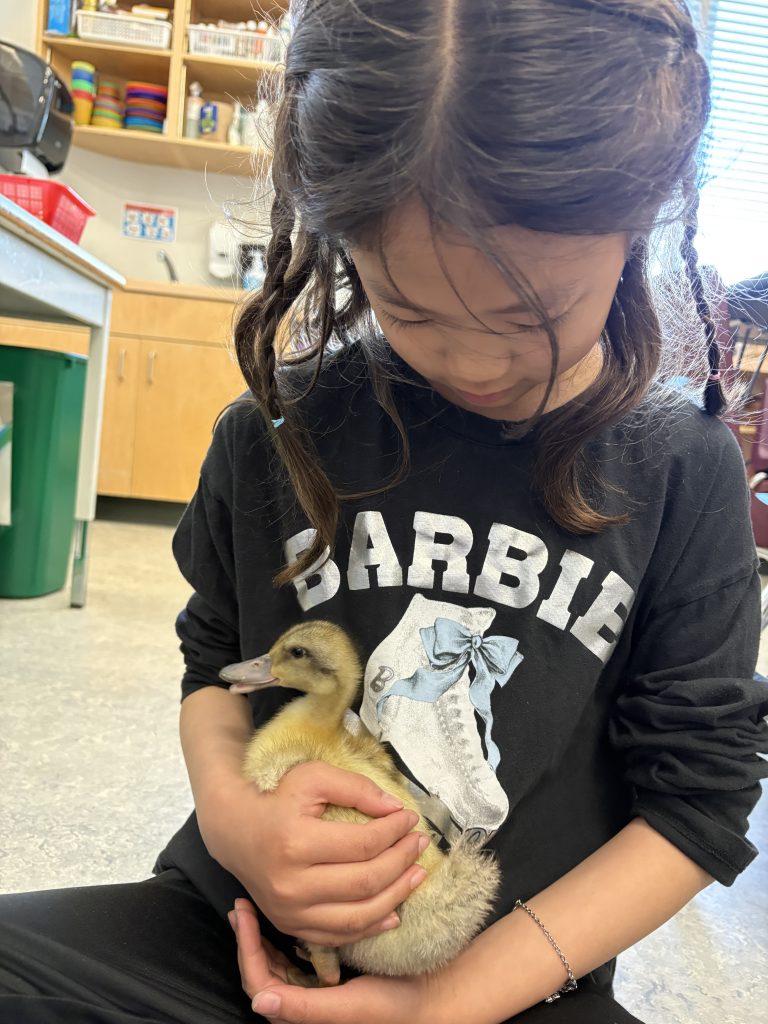
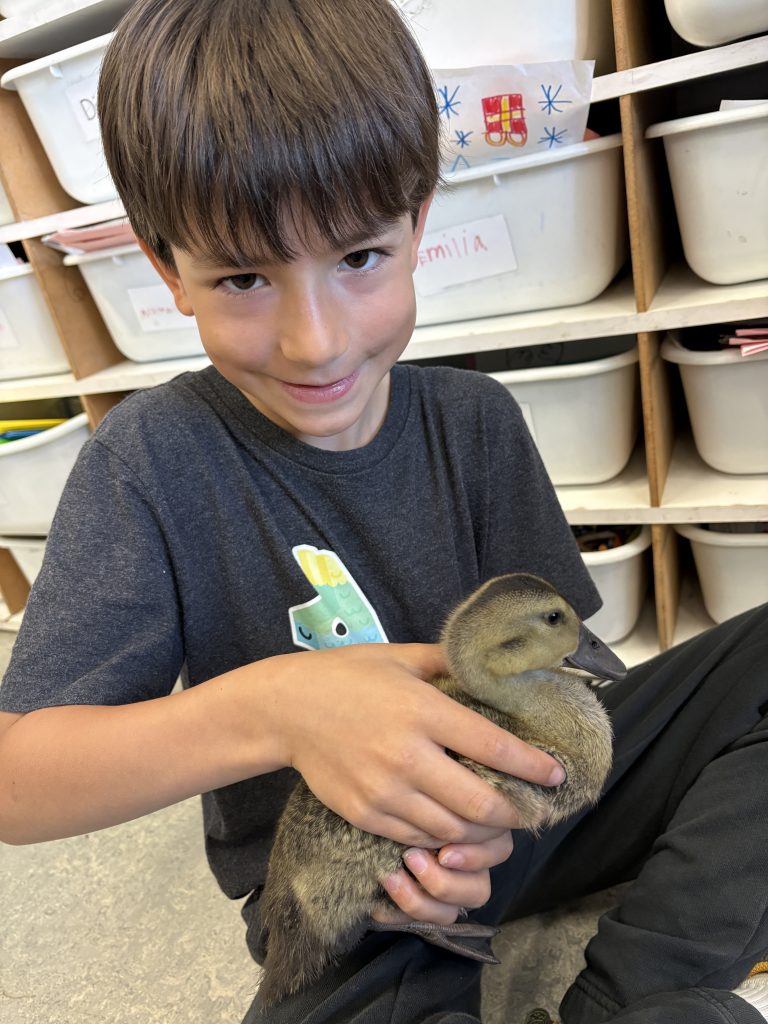
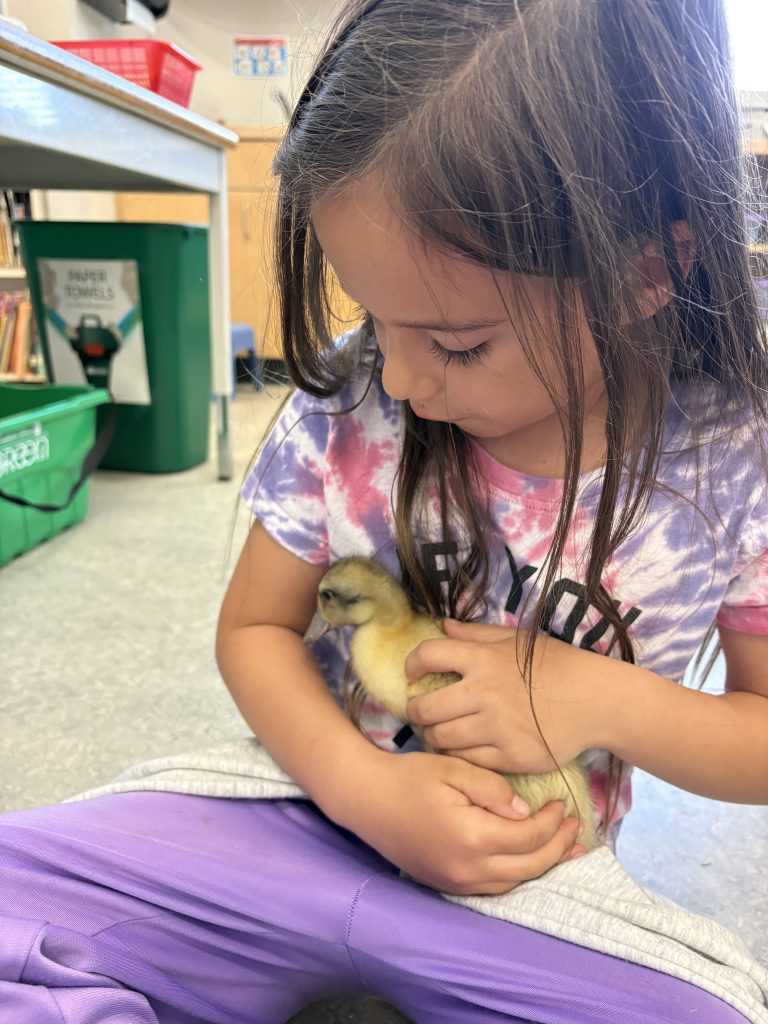
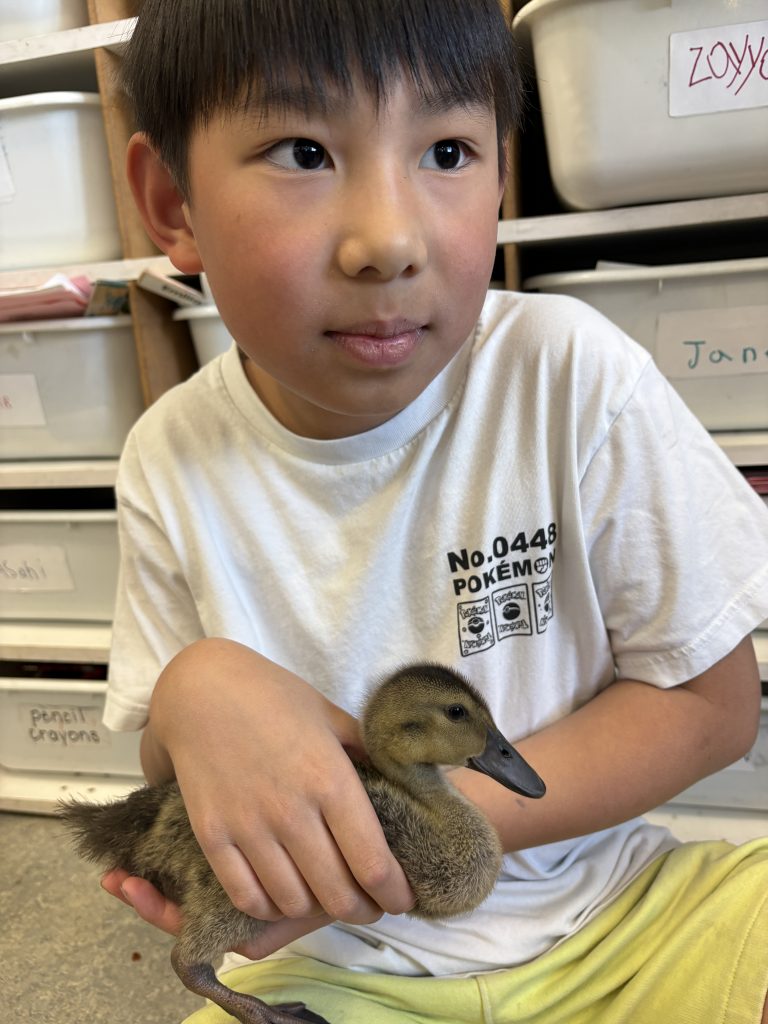
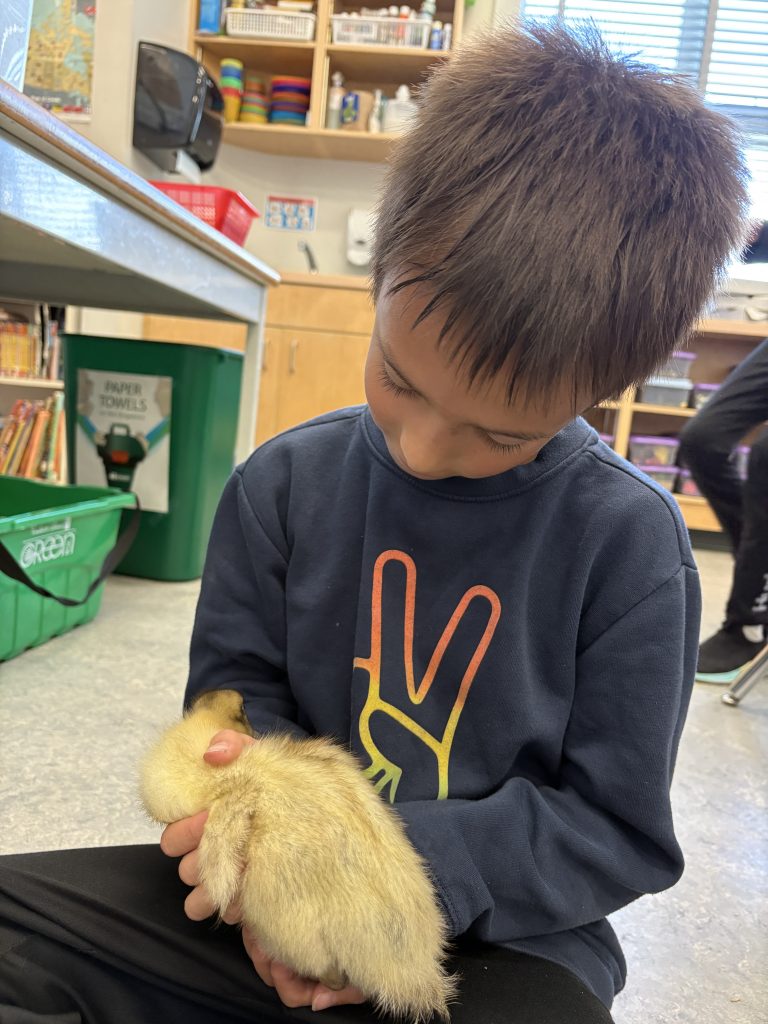
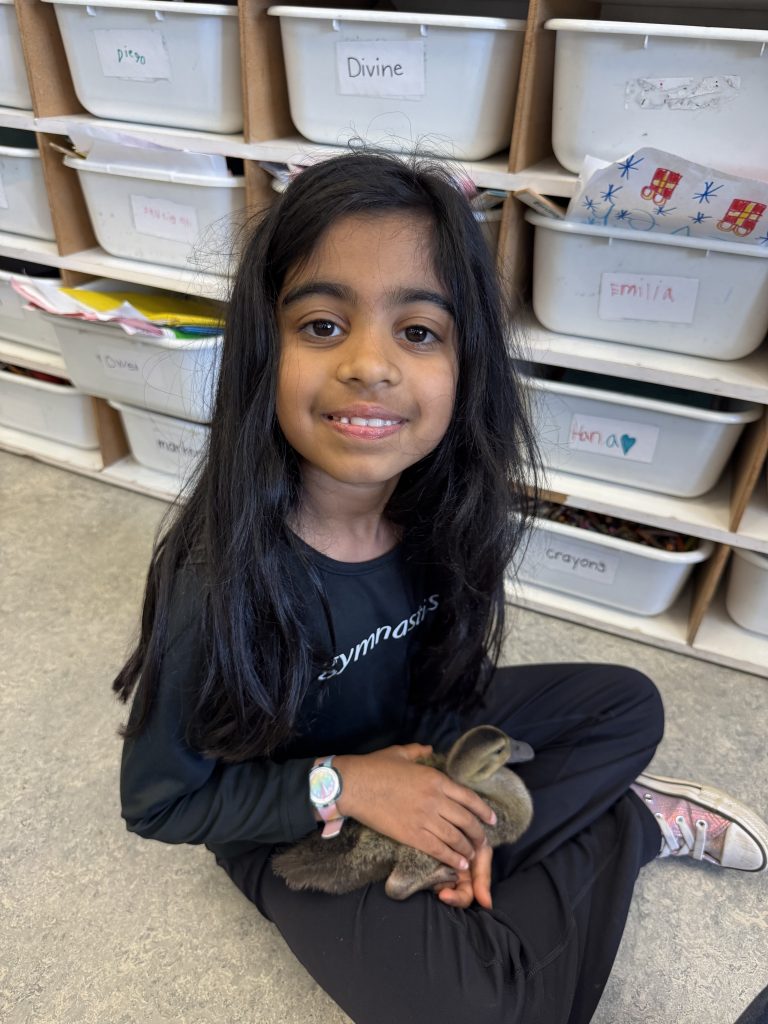
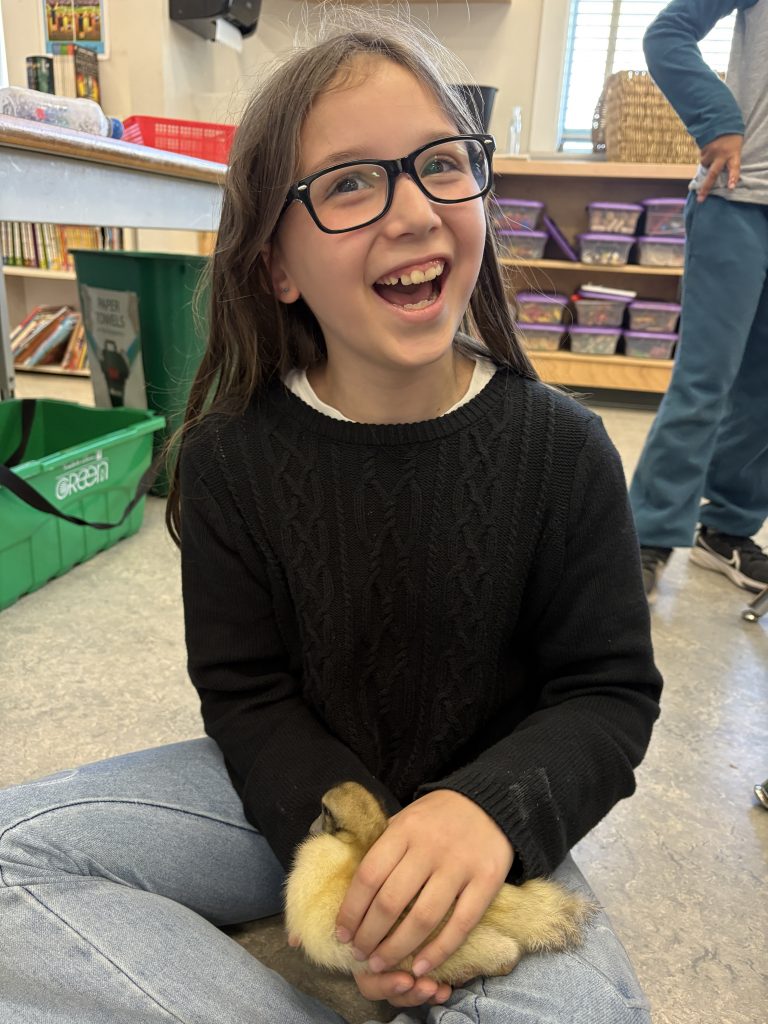
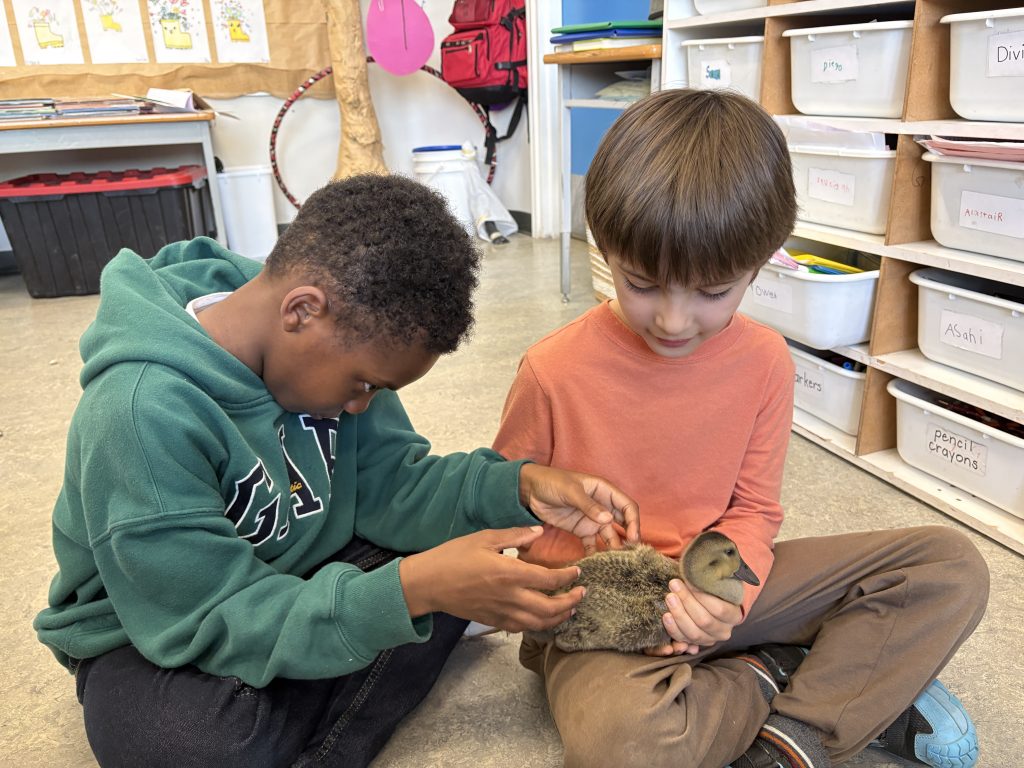
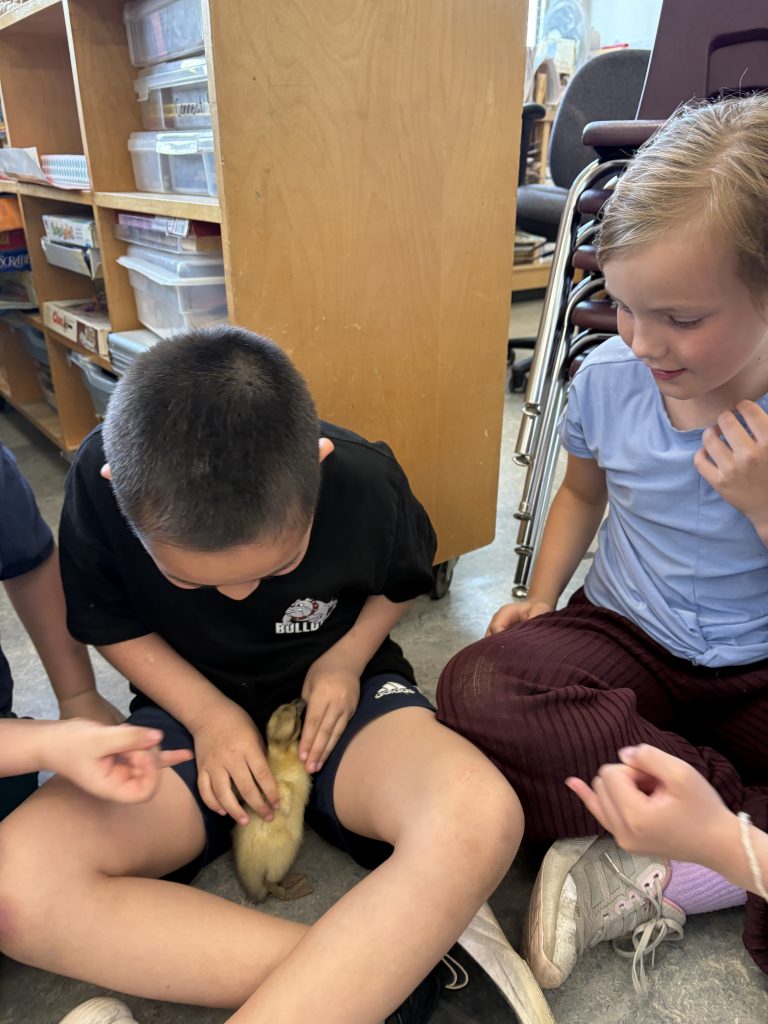
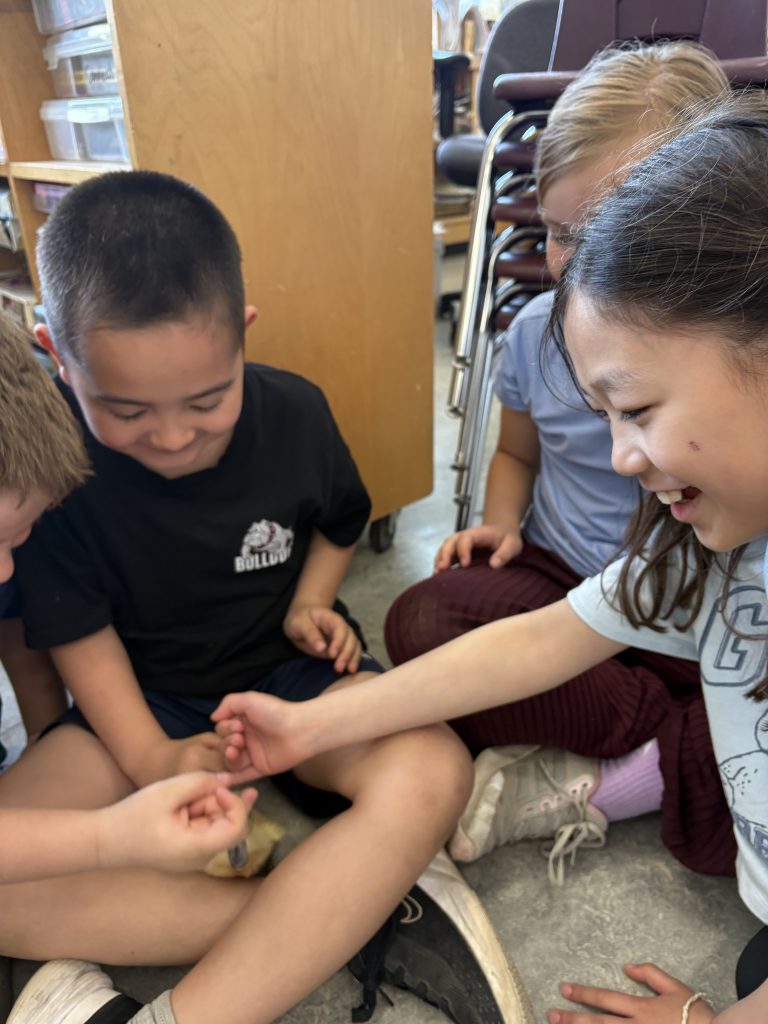
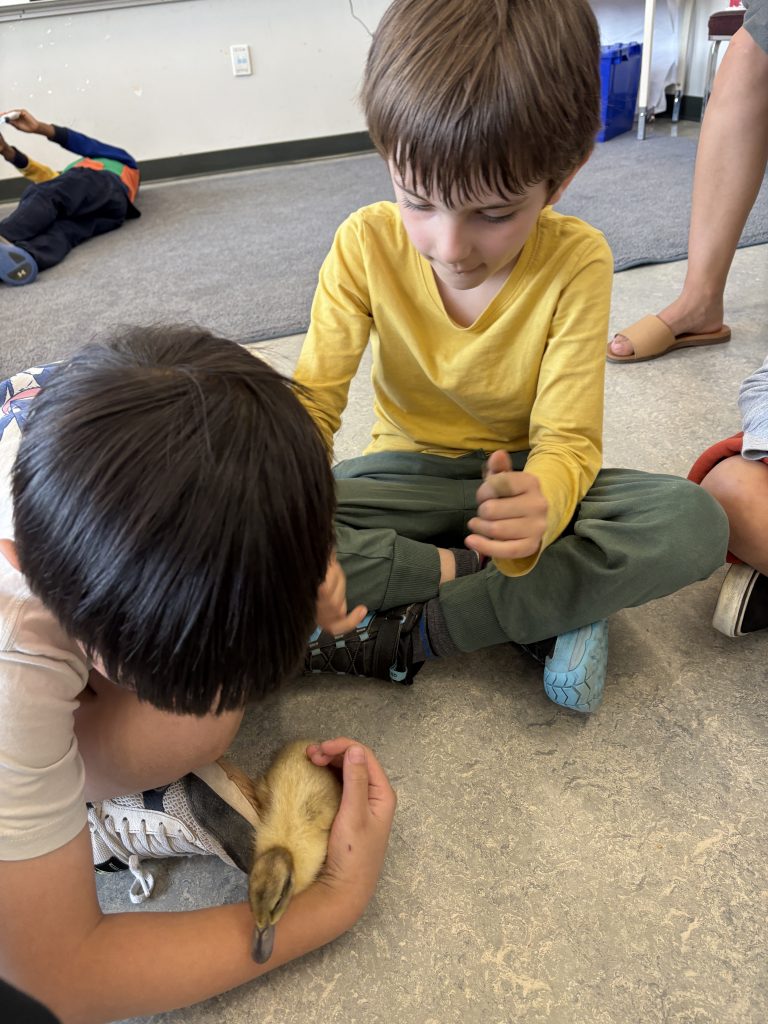
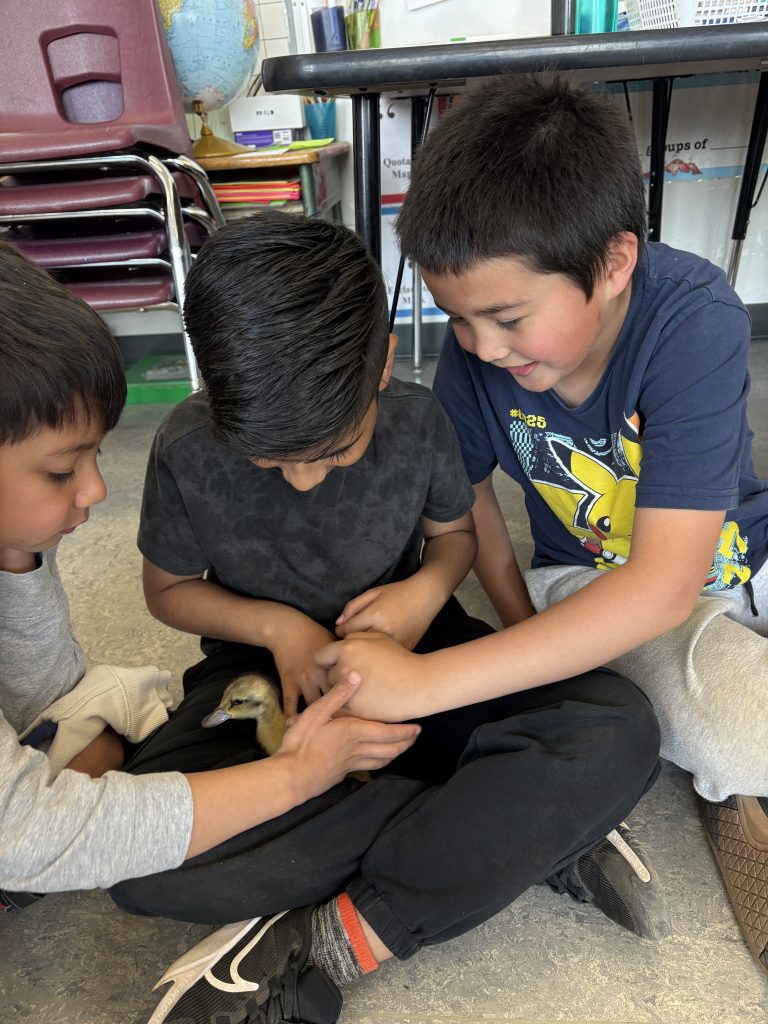
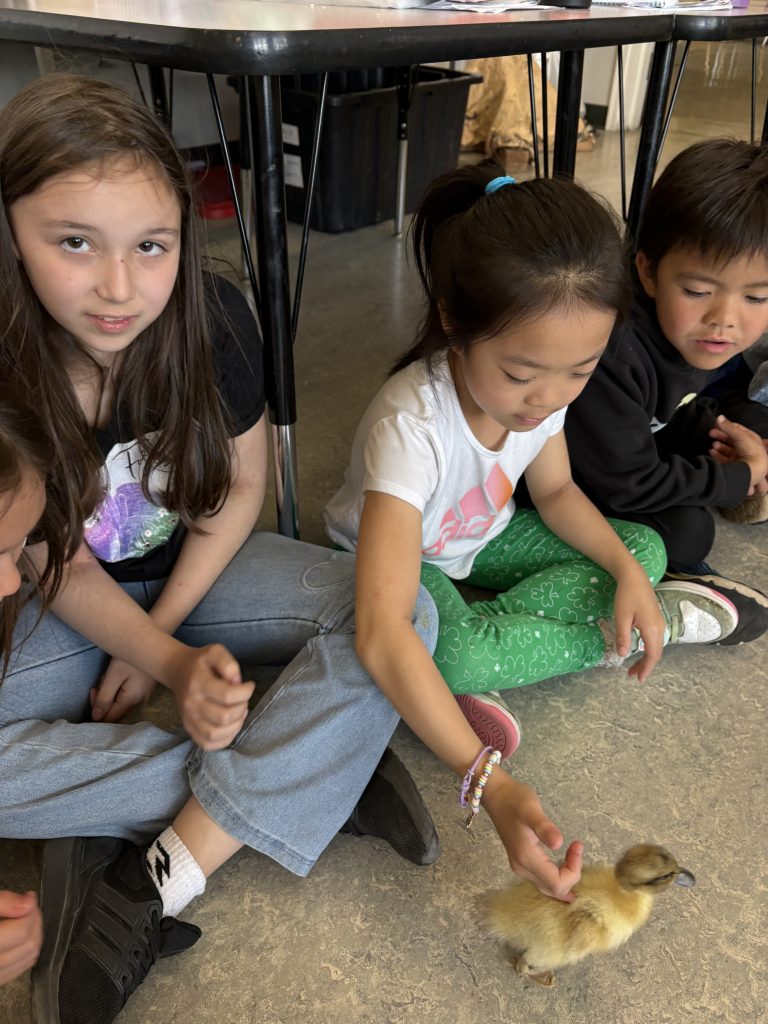
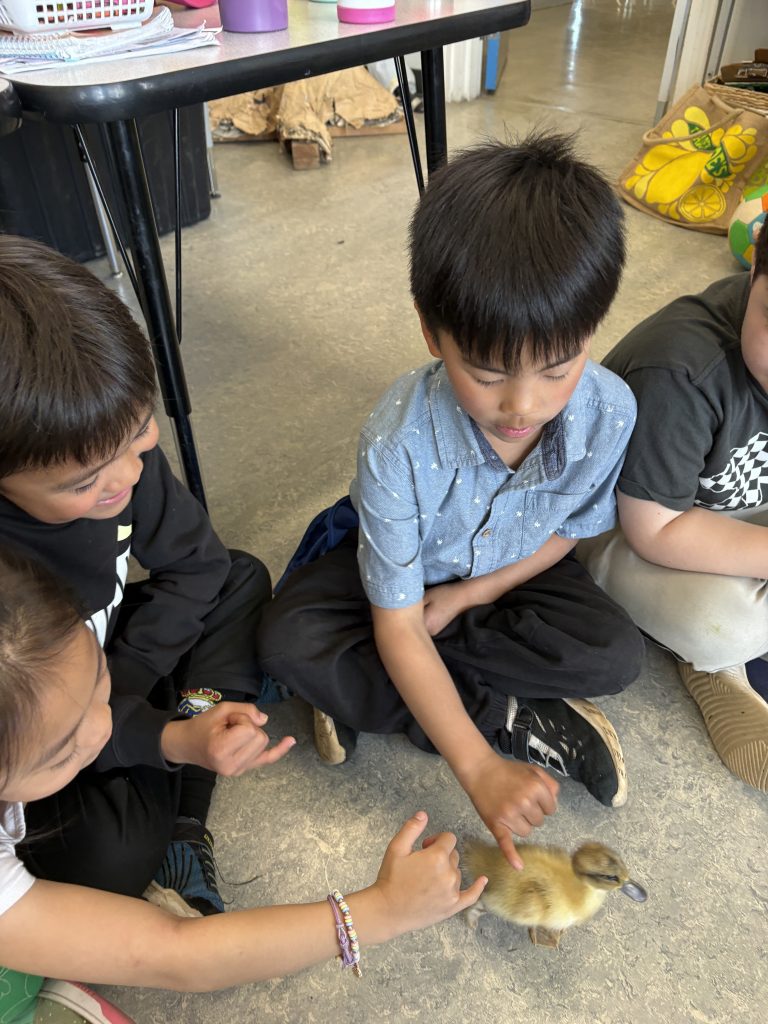
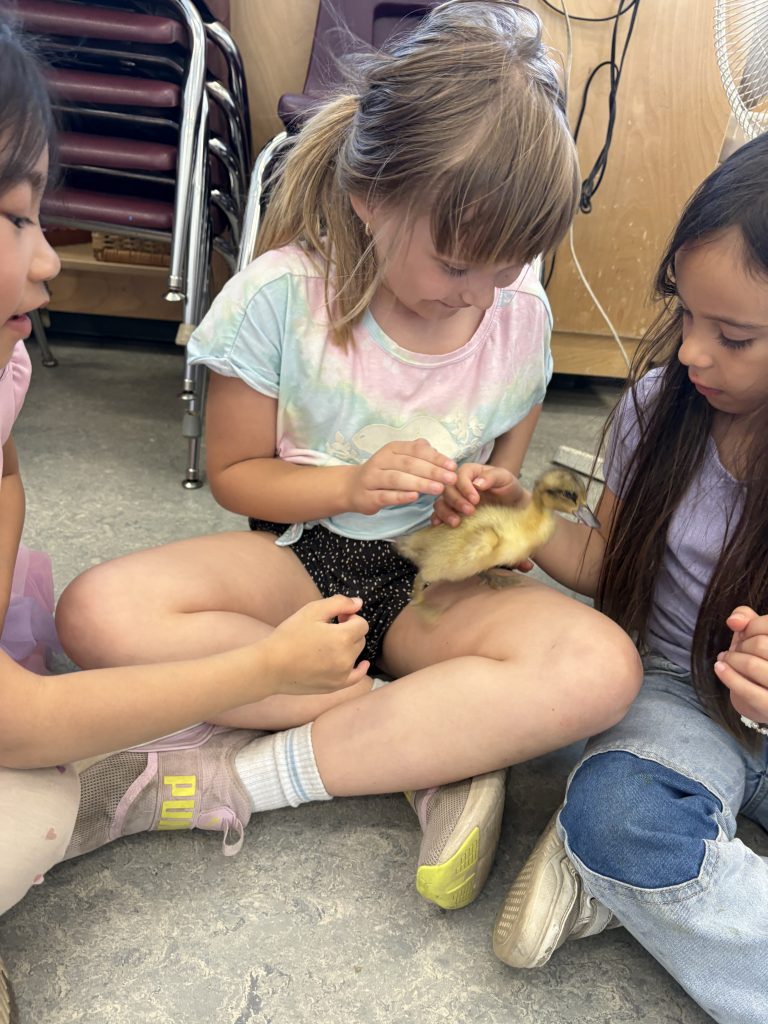
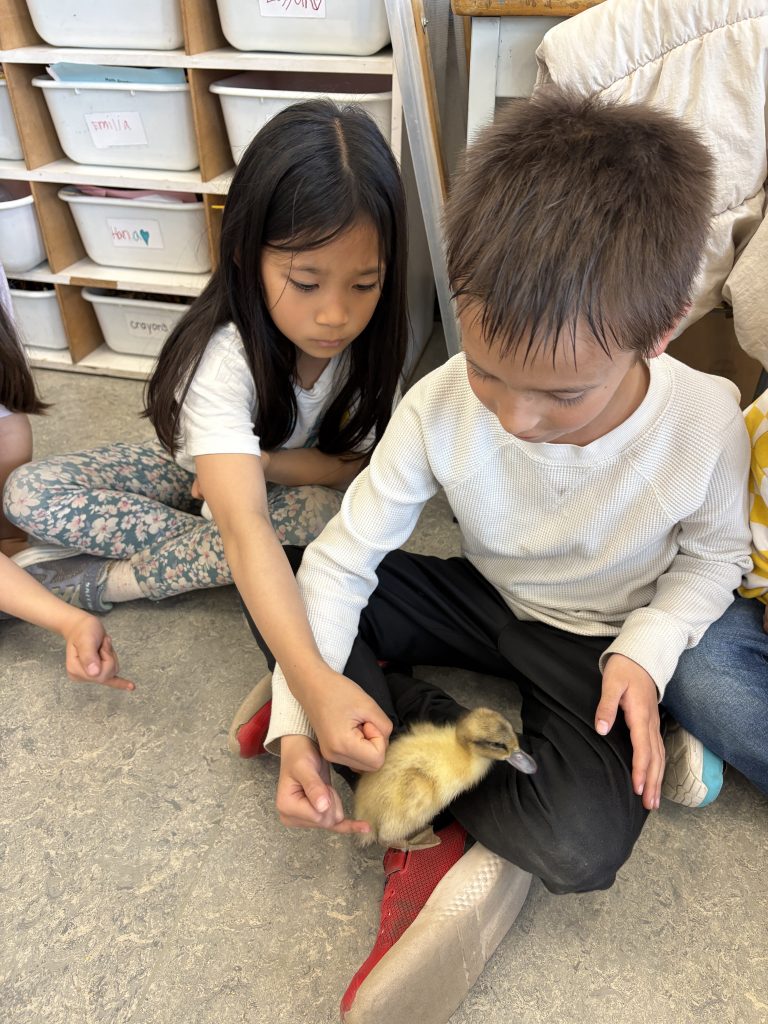
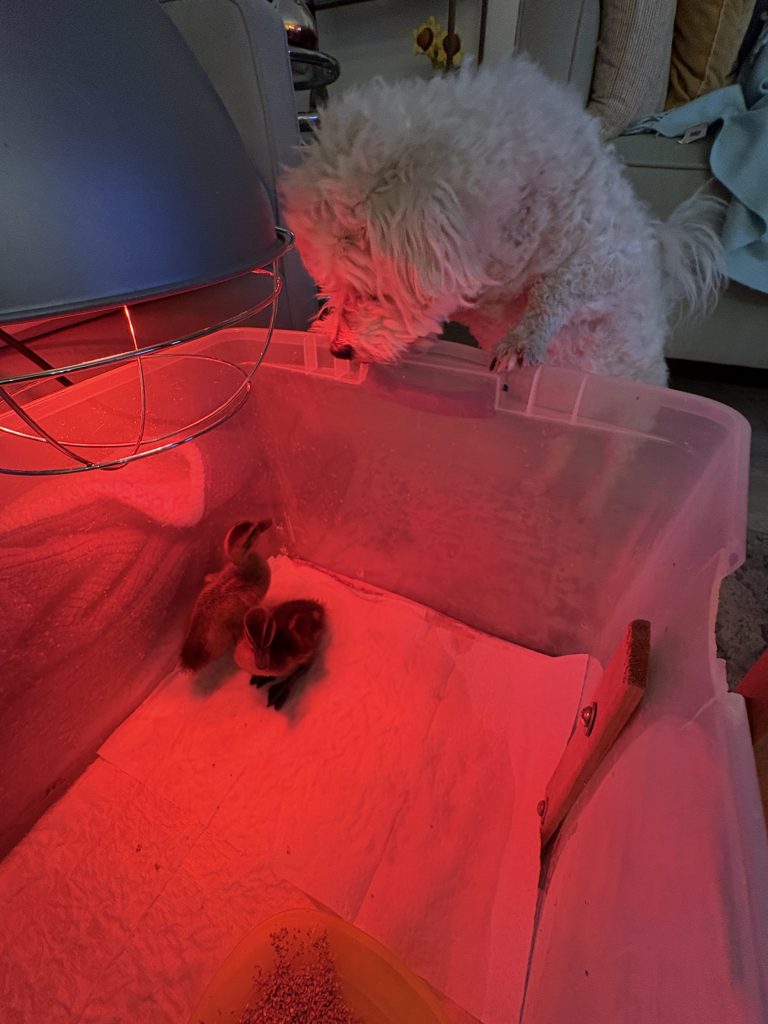
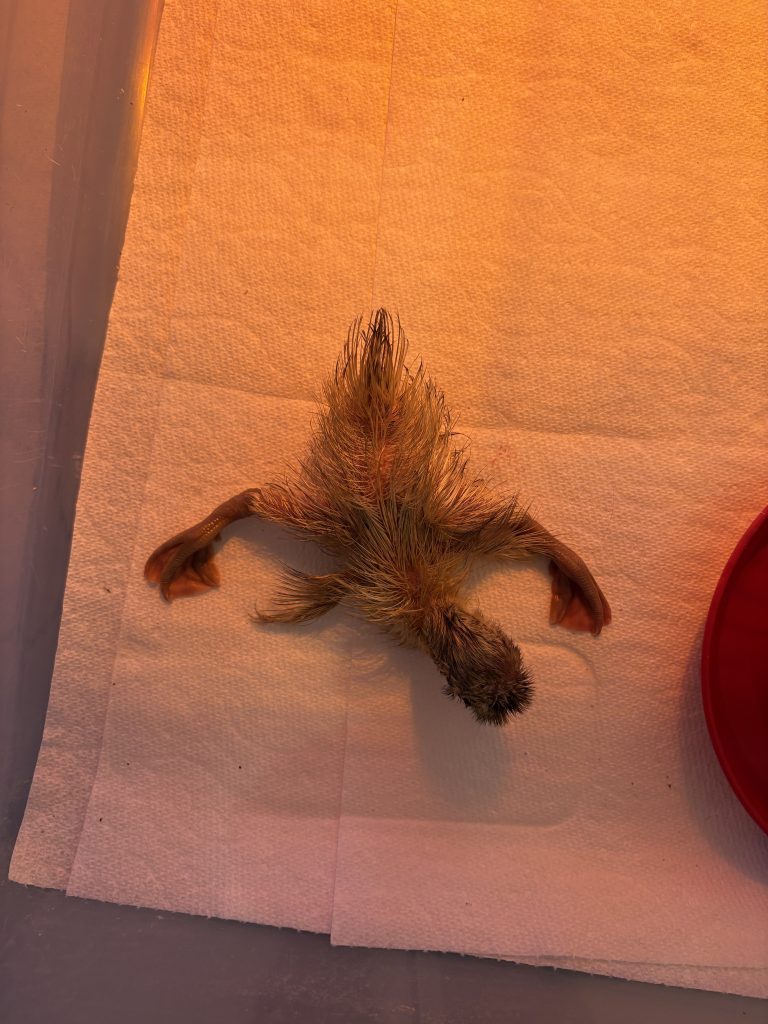
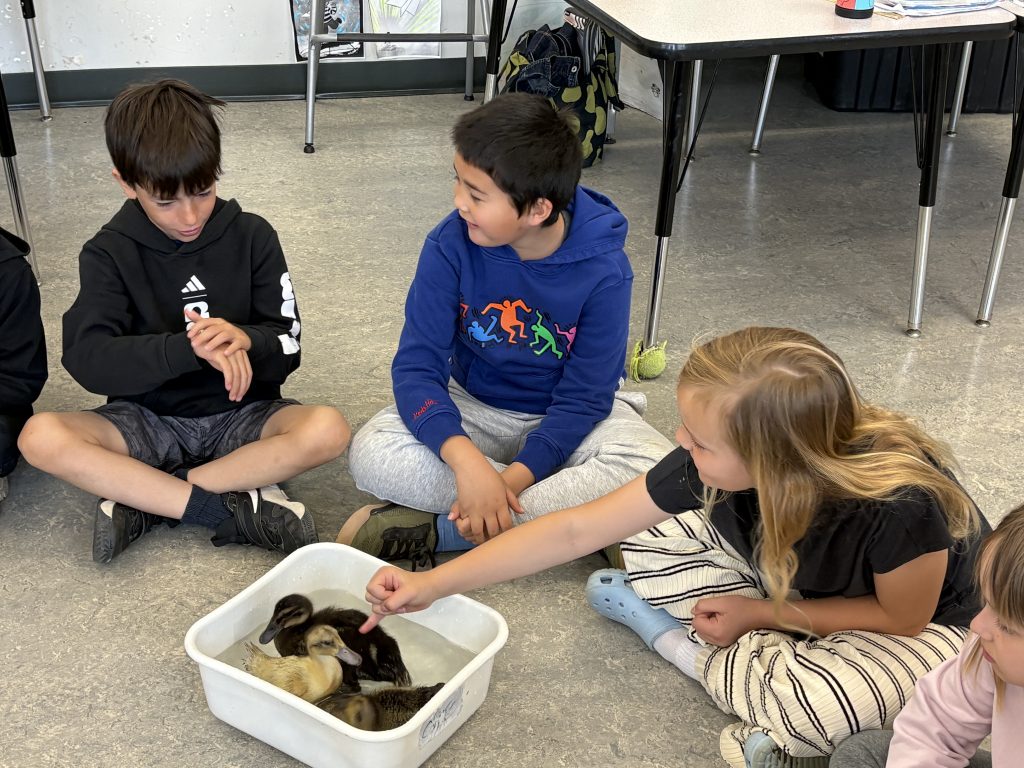
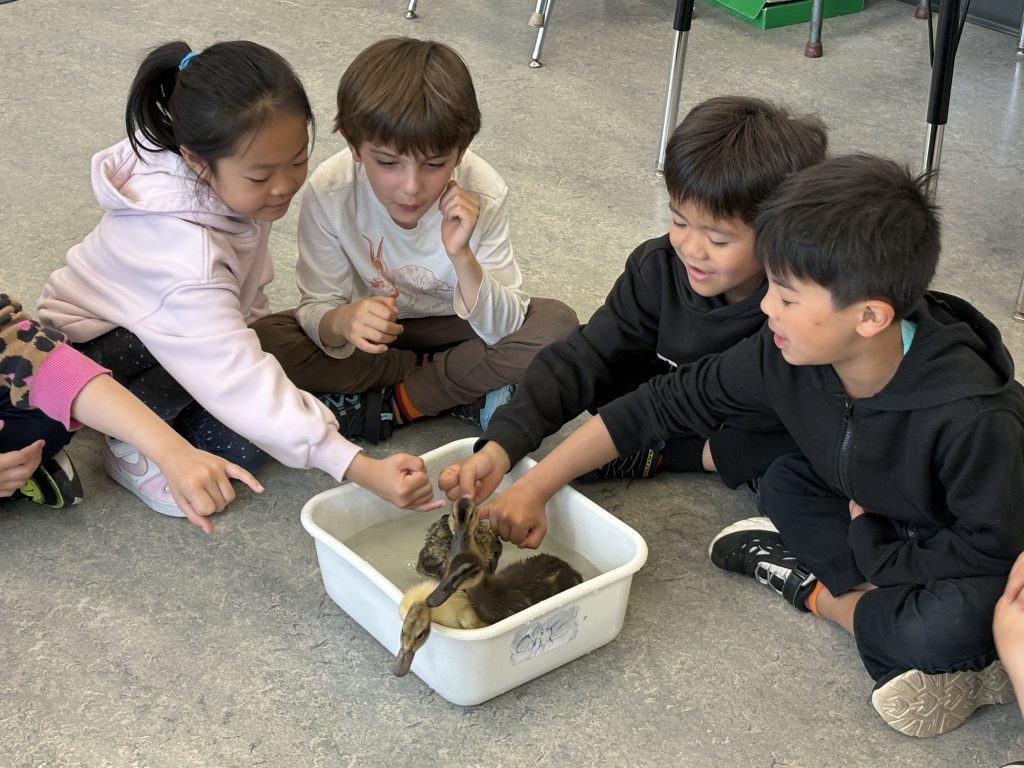
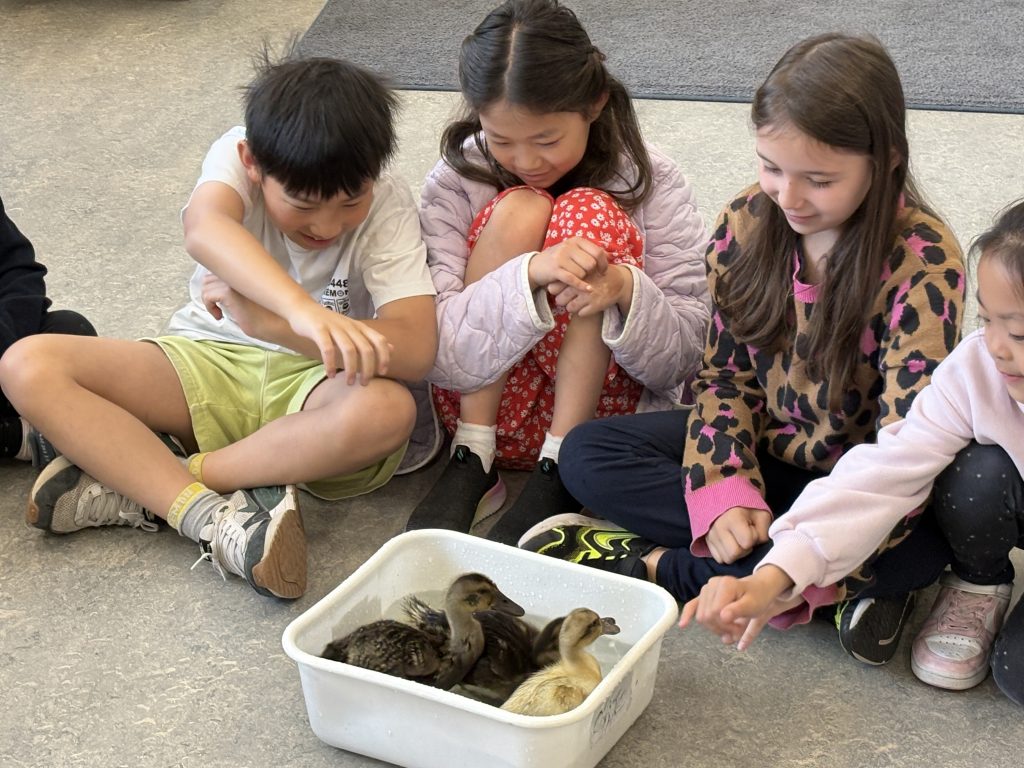
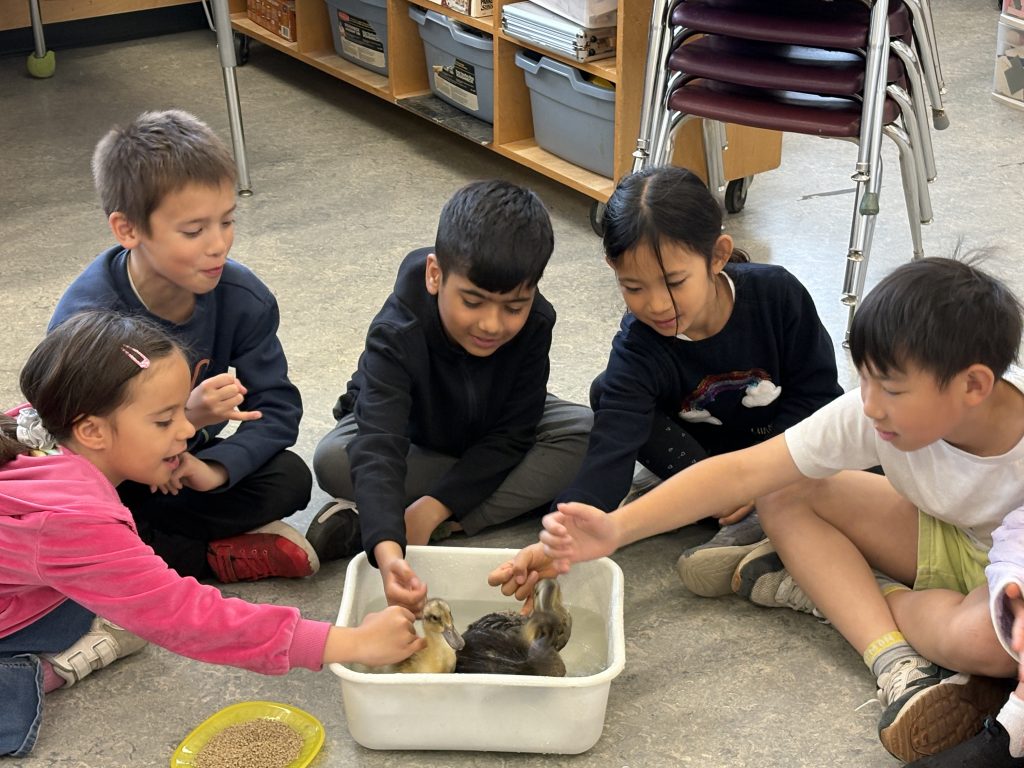
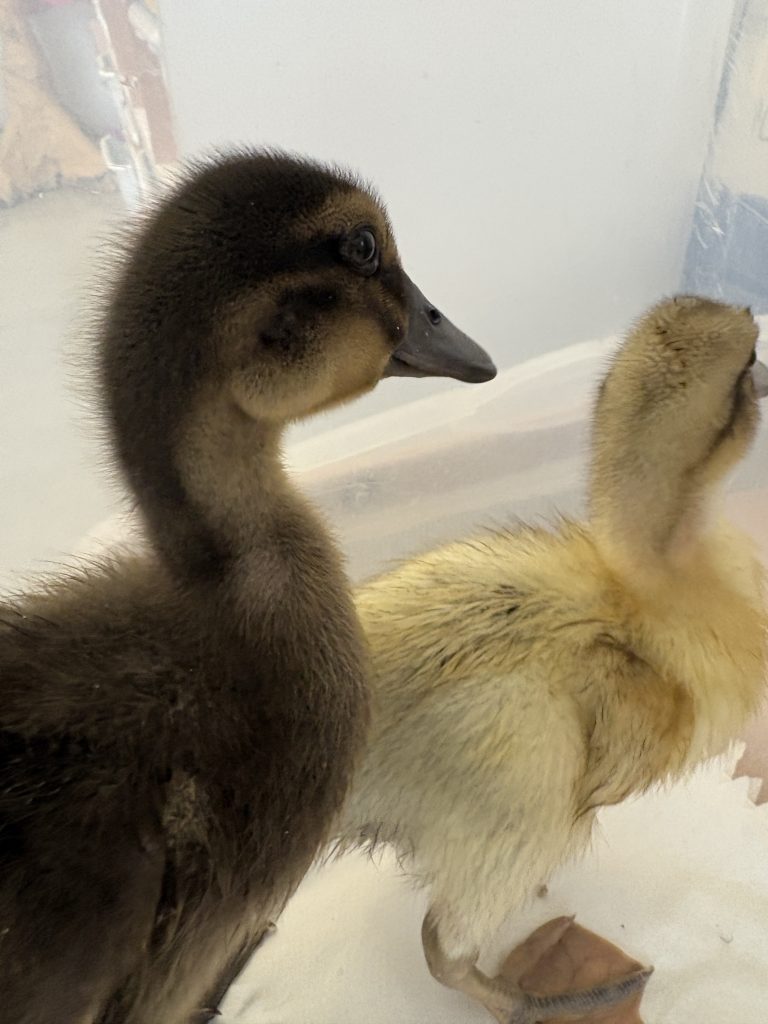
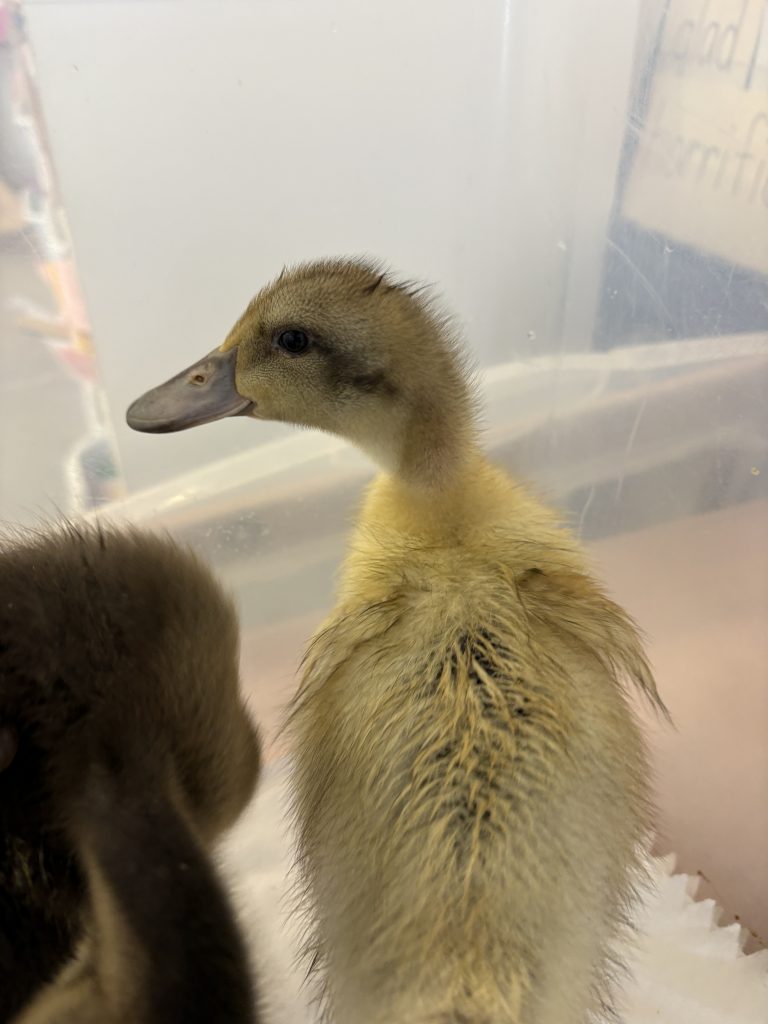
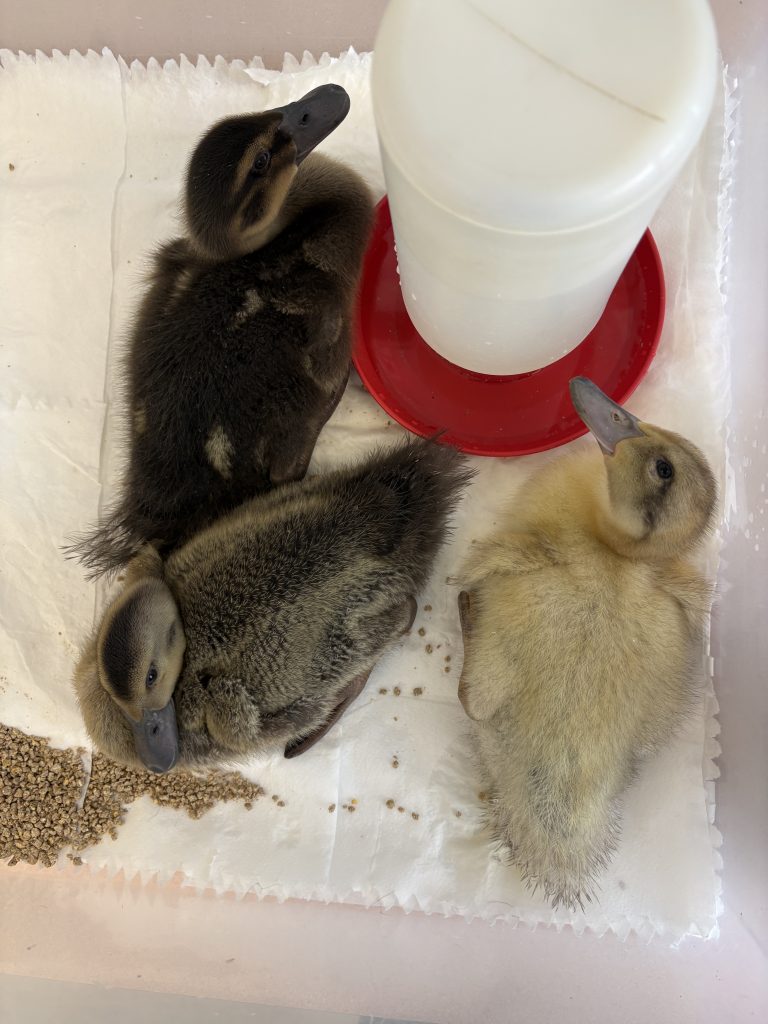
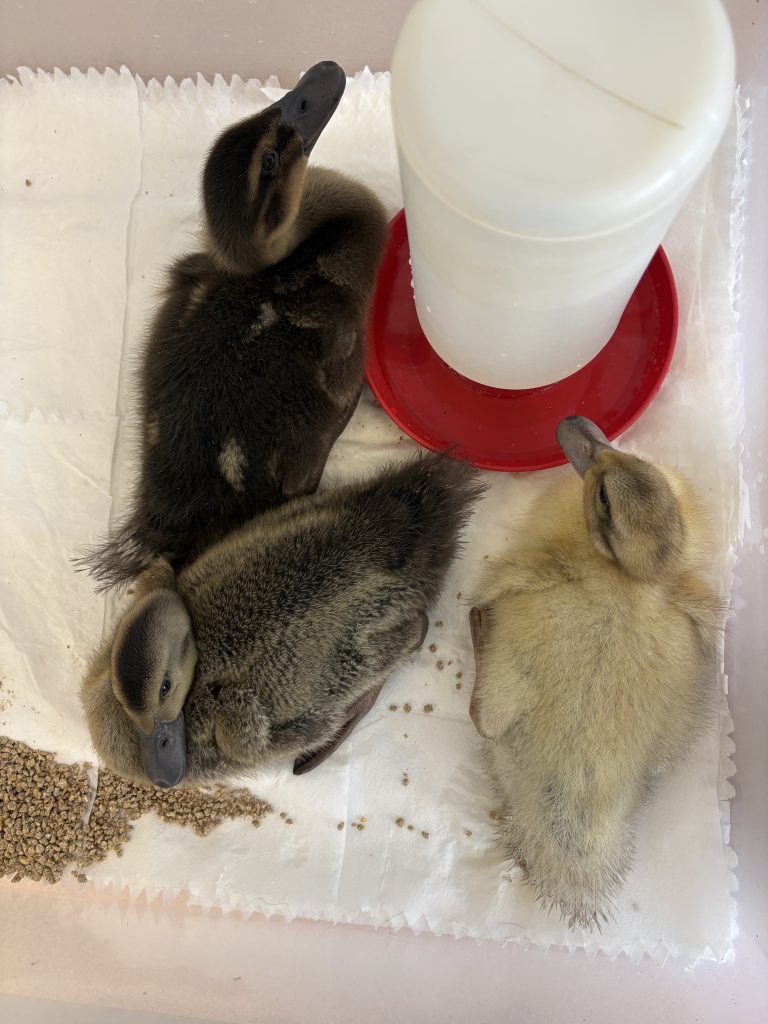
We had to say goodbye to our ducks. We were all a little sad, but are also happy that they will have a larger space to run around now at the farm. Here are three galleries of photos from when they were here. Please share them with your children.
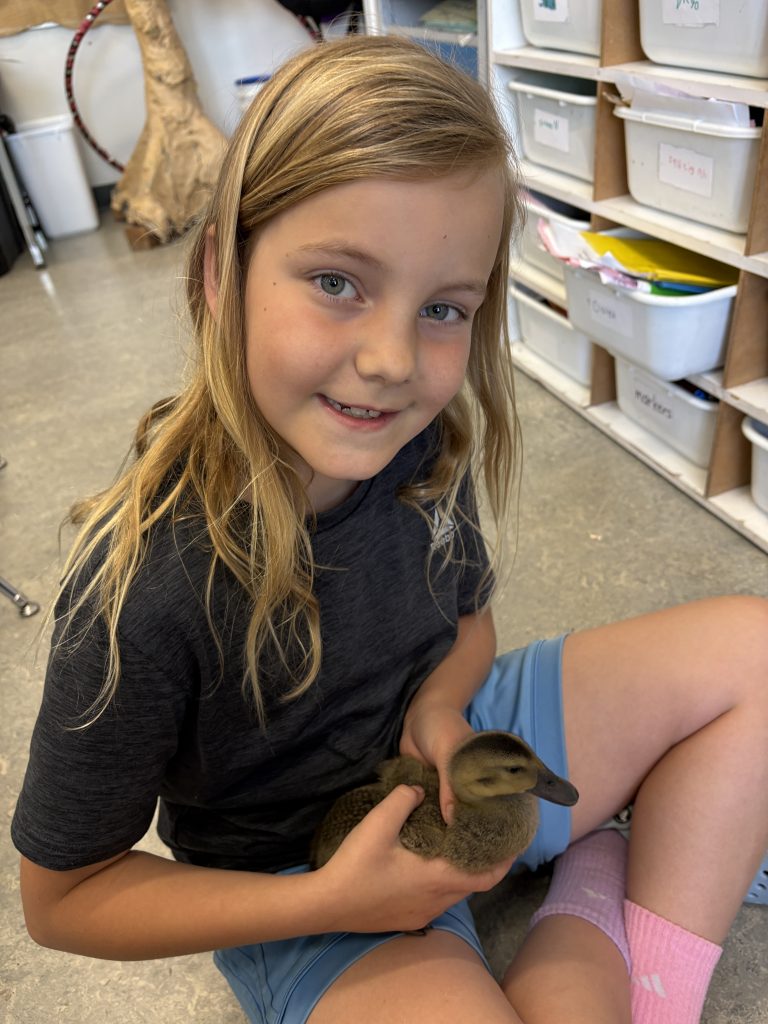
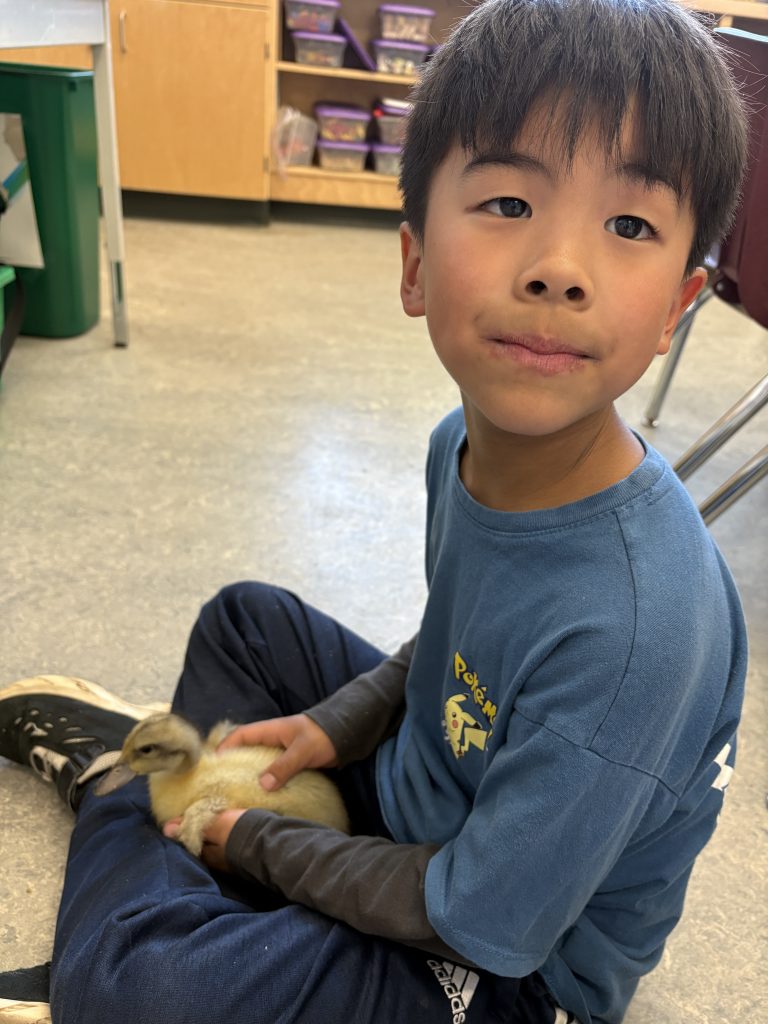
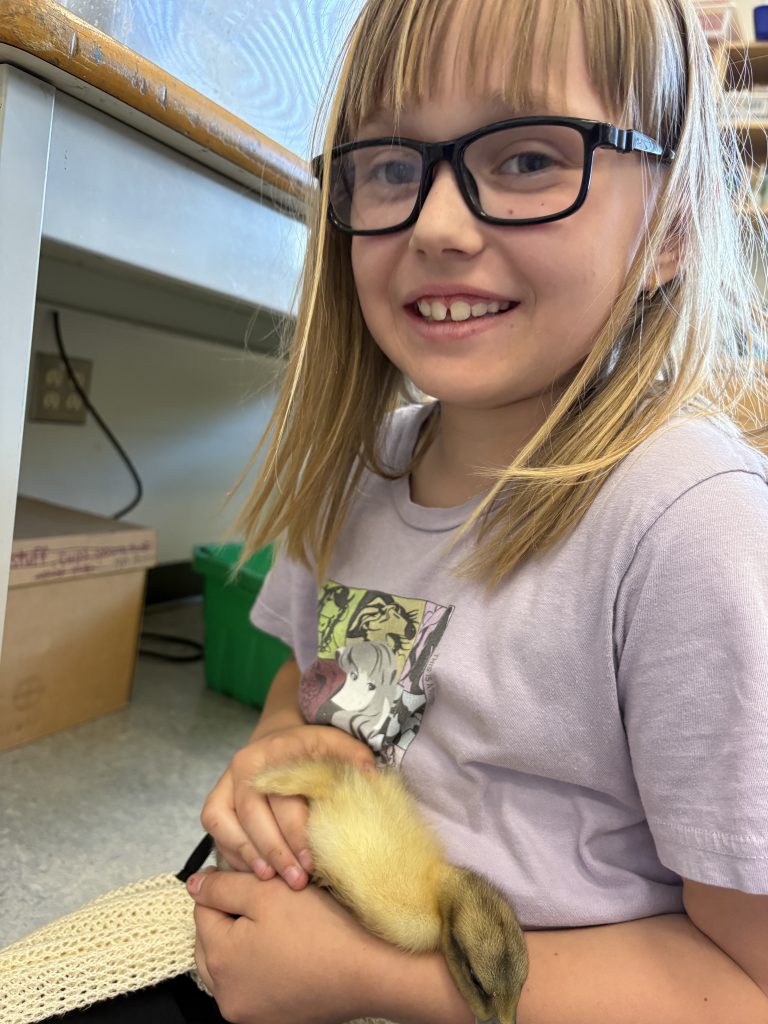
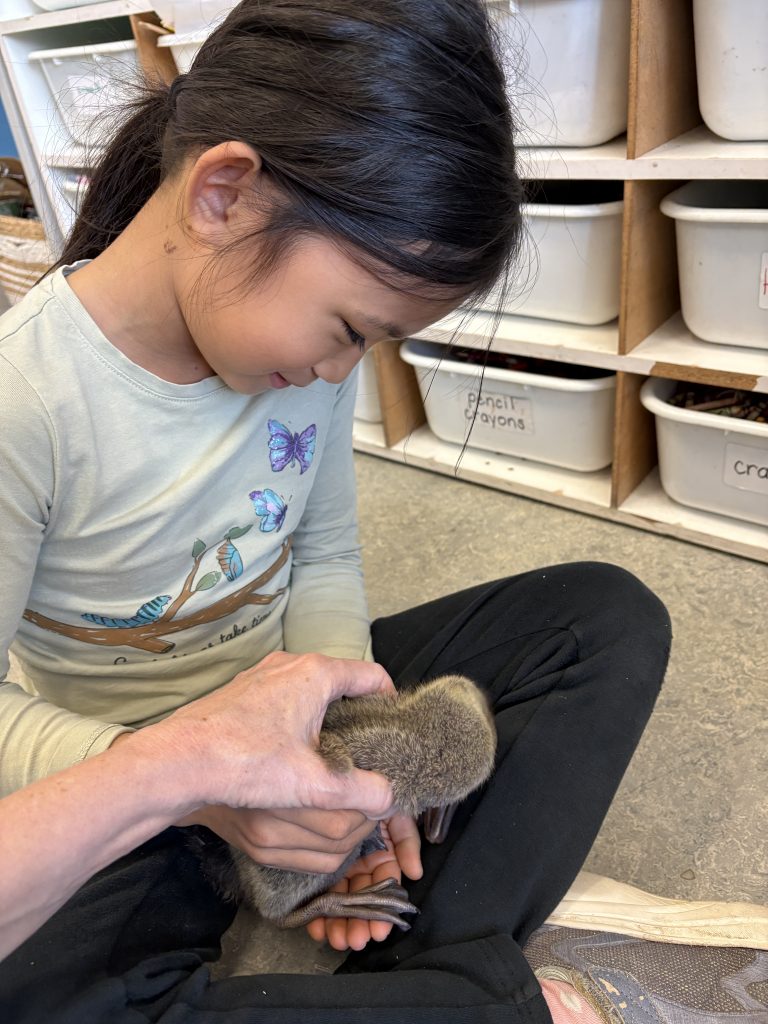
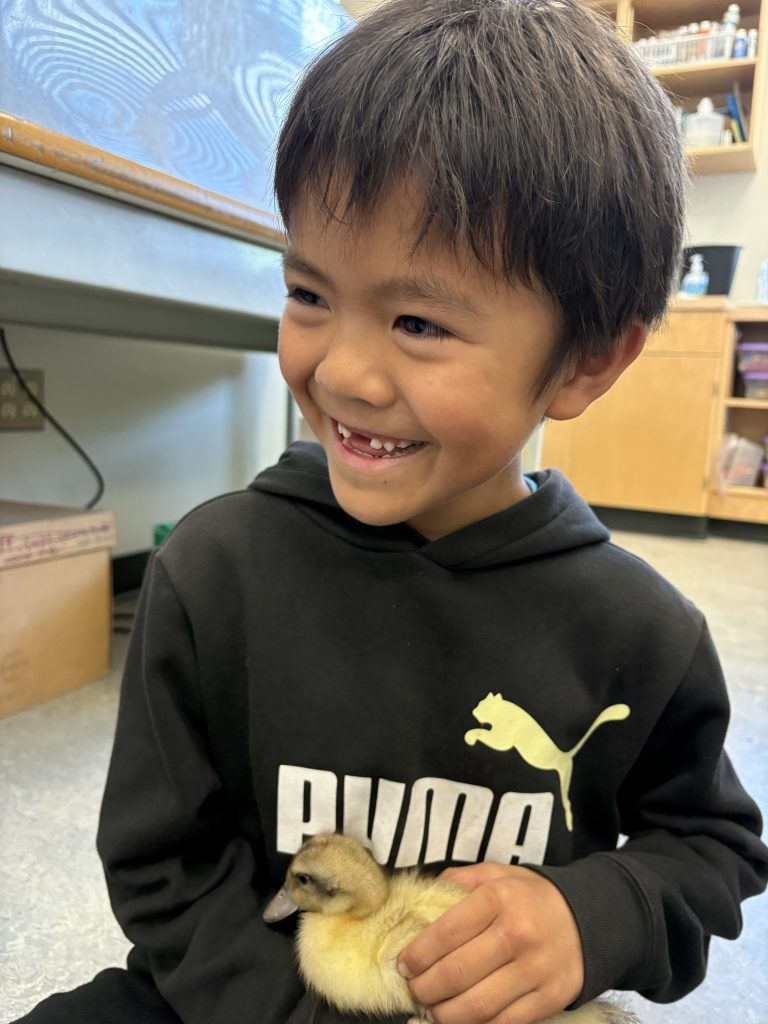
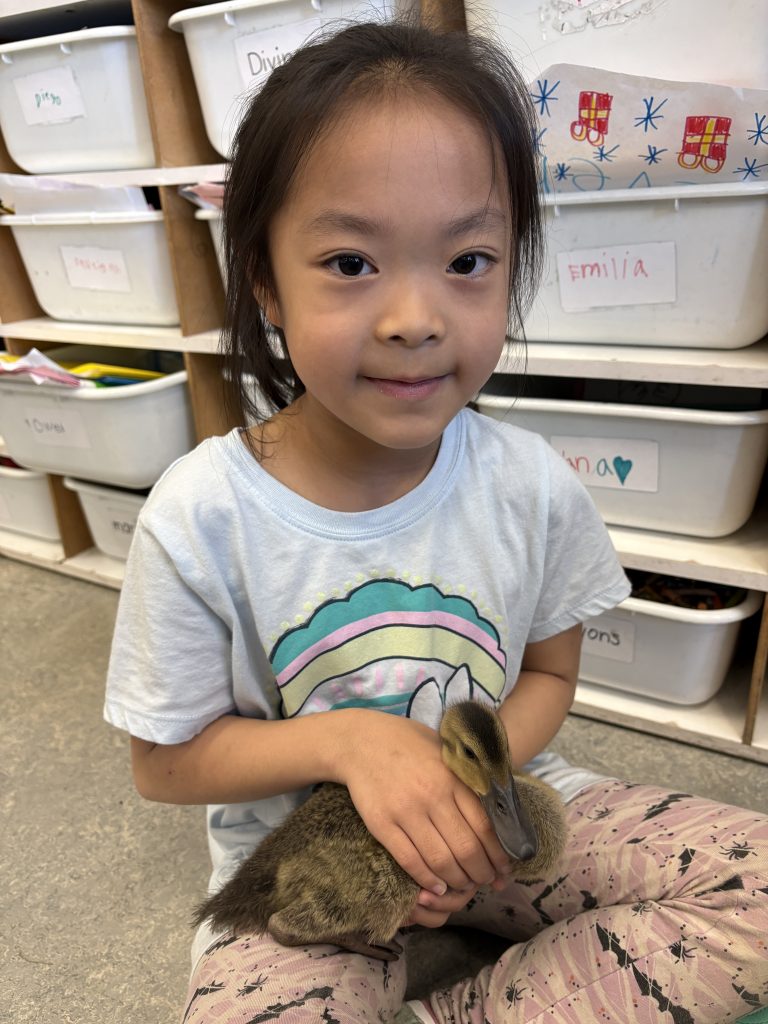
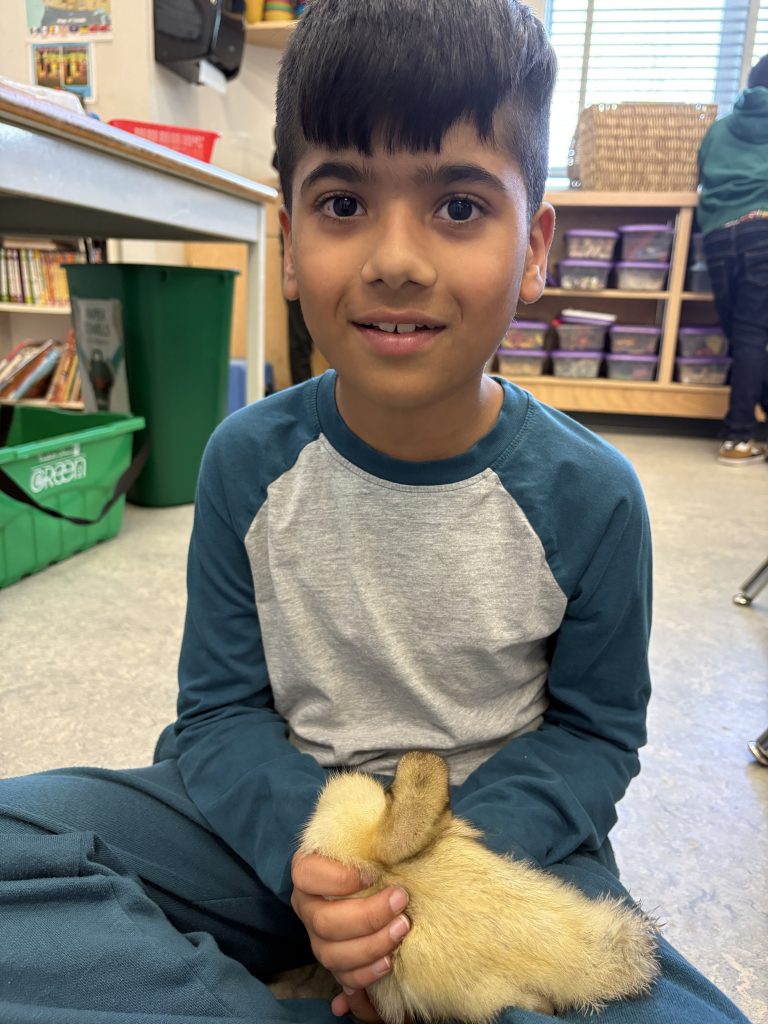
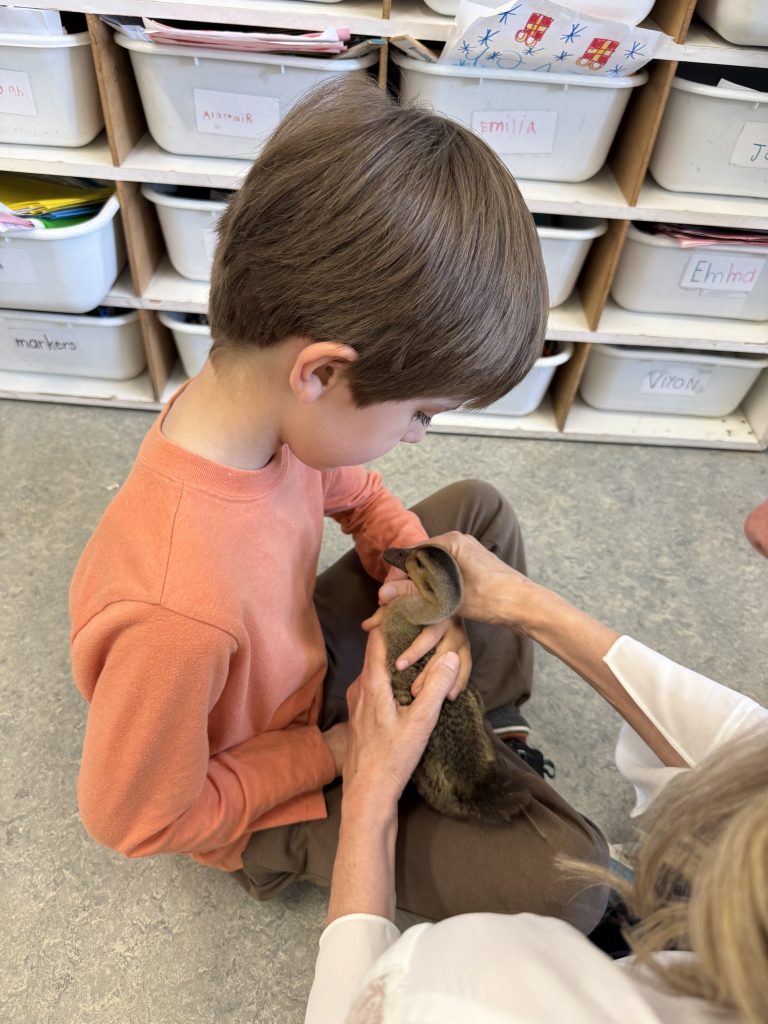
Ms K Shellard and Ms A Clouston - Grade 2/3 Class
We had to say goodbye to our ducks. We were all a little sad, but are also happy that they will have a larger space to run around now at the farm. Here are three galleries of photos from when they were here. Please share them with your children.
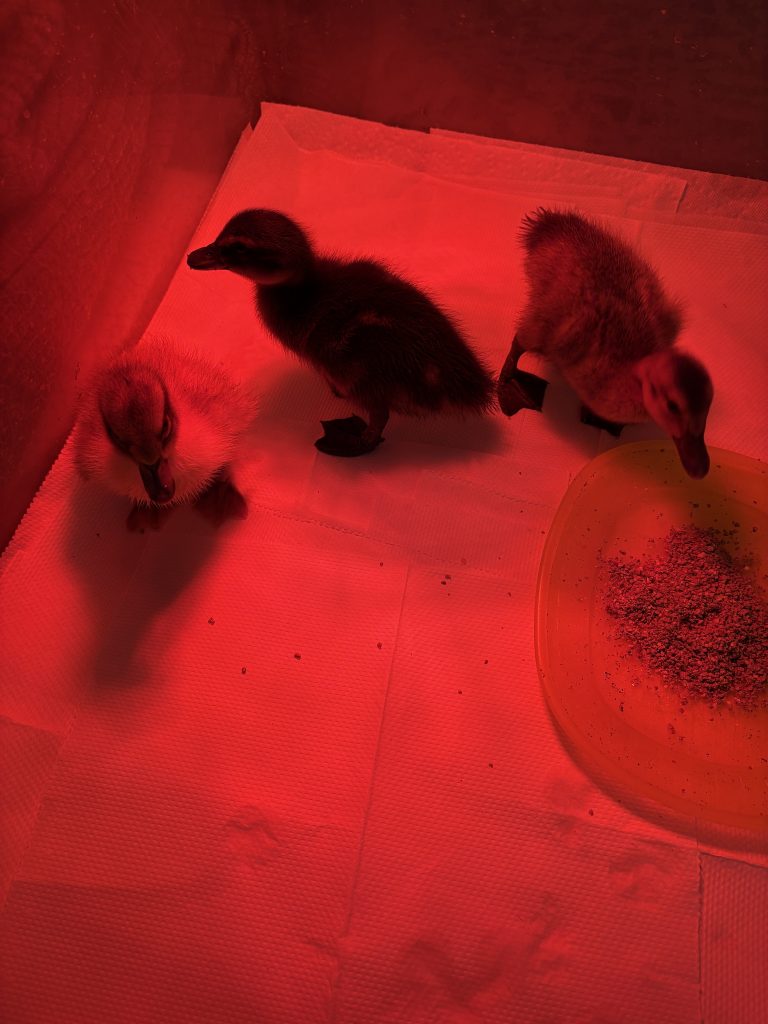
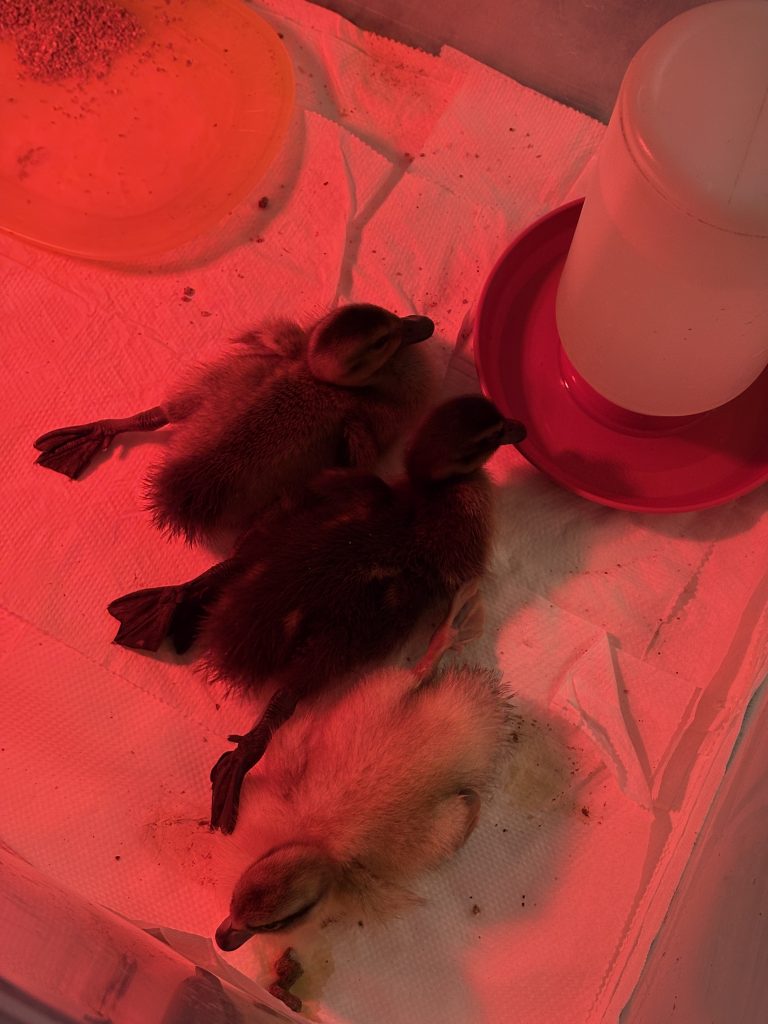
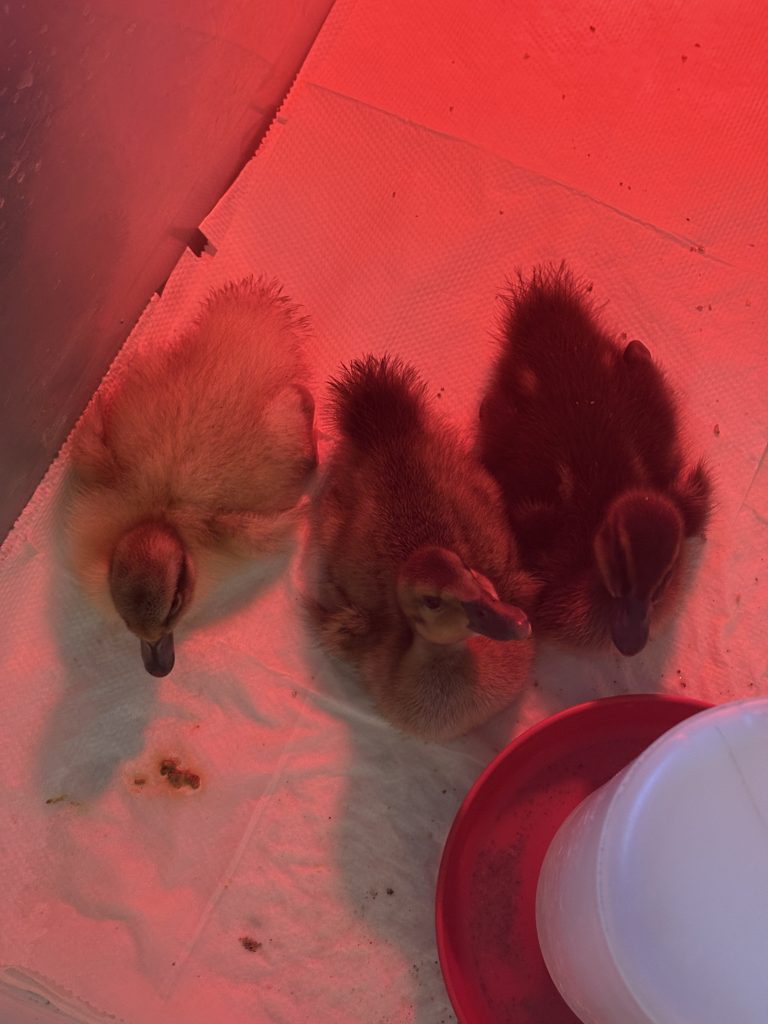
Dear Families of Div. 13:
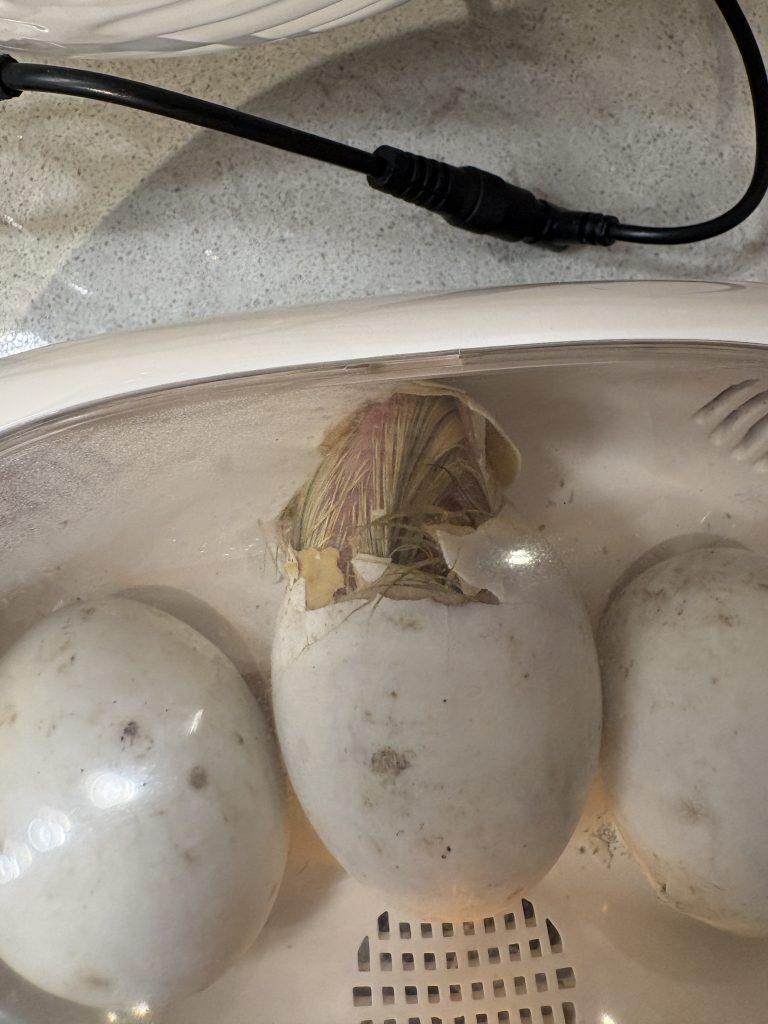
The farmer delivered duck eggs to our classroom on March 31st and for three weeks we watched the embryos develop through the scope on our incubator (ask your child about what they saw). In our Egg Cycle booklet we have been watching how ducks develop over time inside their egg. We have been talking about what we notice in the scope and have been writing and drawing about our observations.
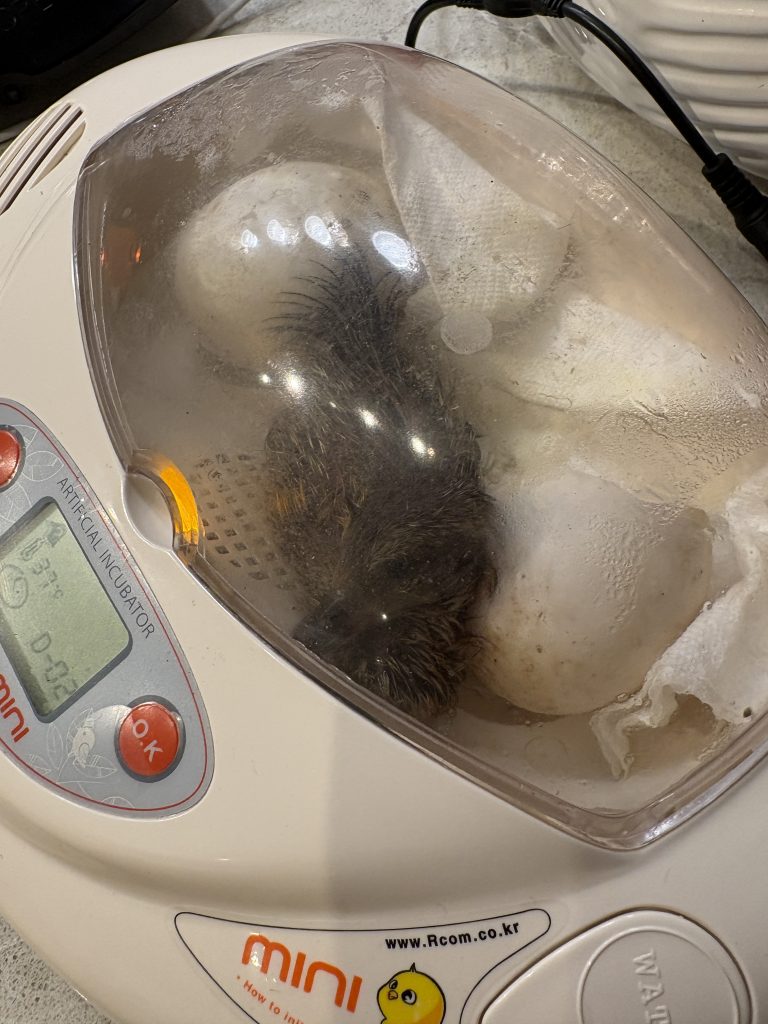
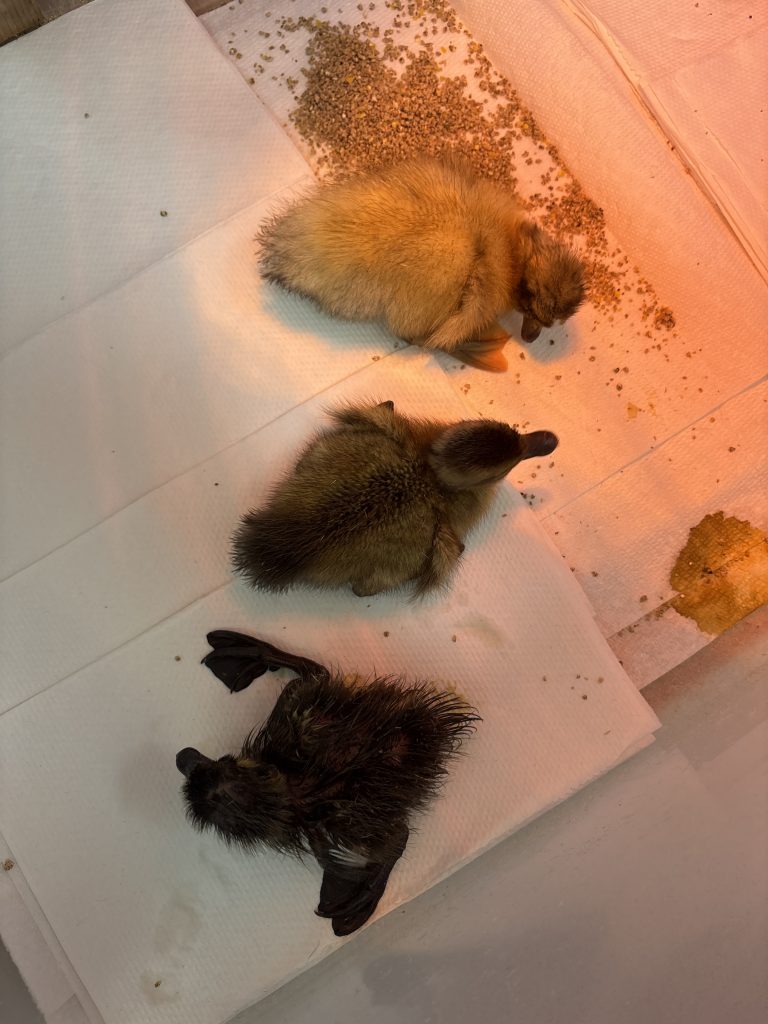
The first duck arrived at my house on the night of April 20th. The second duck arrived at some point in the early morning and was out of its shell when I woke up. The students were so excited to meet our 2 ducks when they got to school that morning. We then watched in anticipation for the third duck to arrive at school that day. It tried hard to break through it’s hard shell with its beak while the students were here, but it did not end up coming out until 4:00 that afternoon.
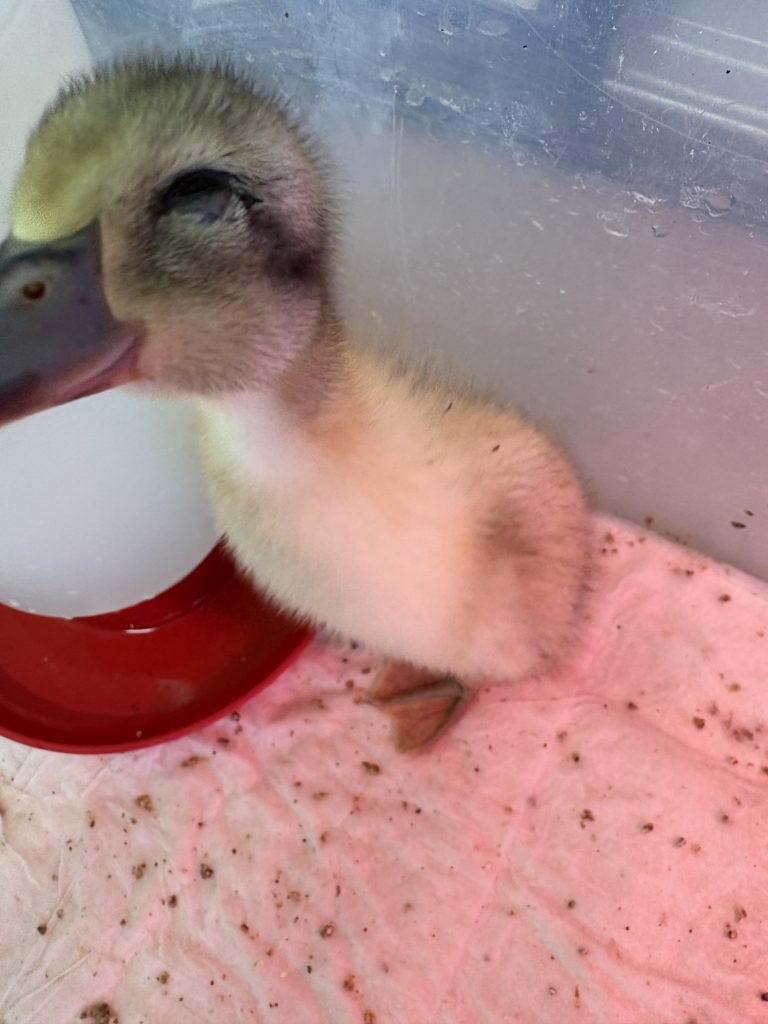
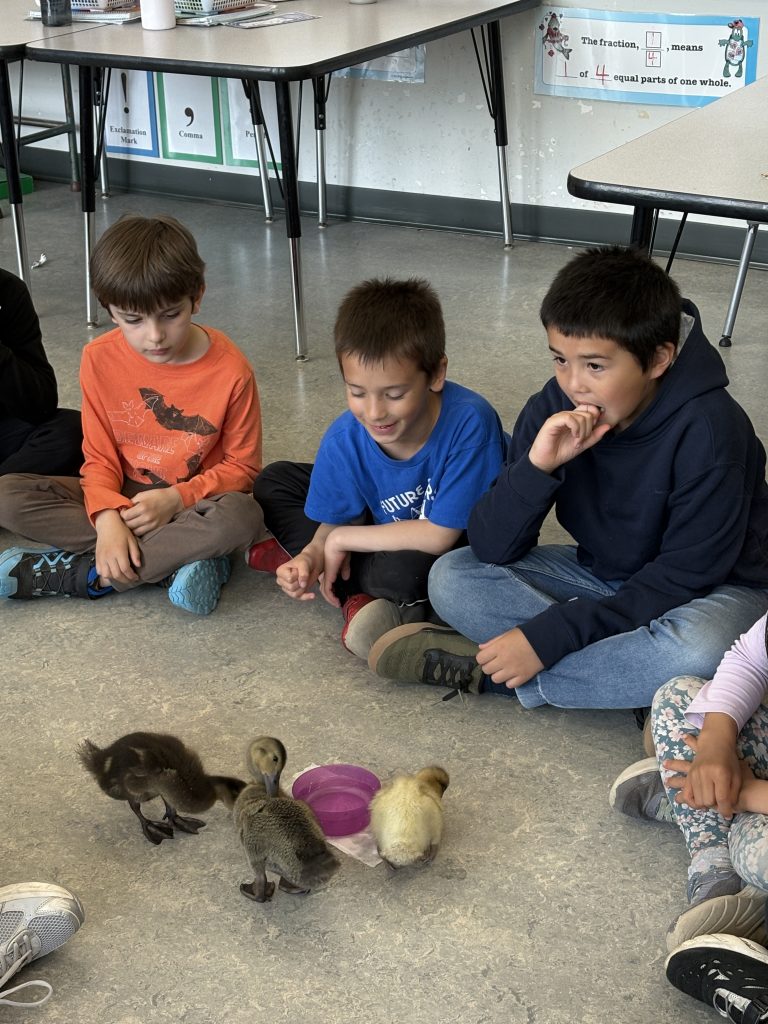
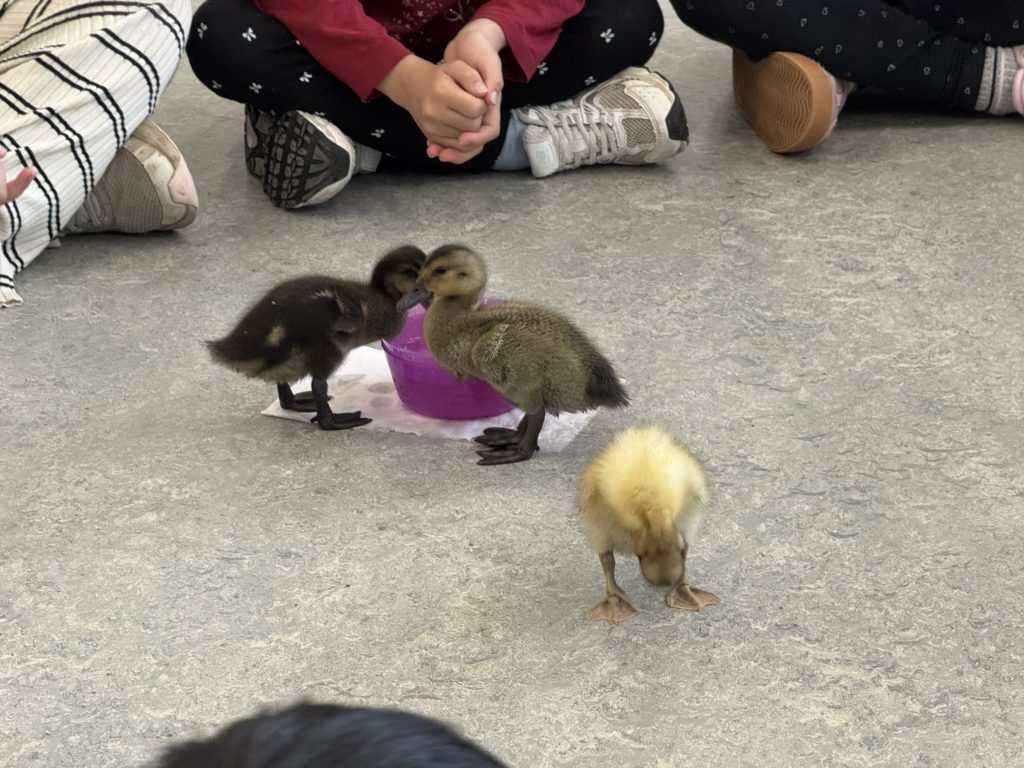
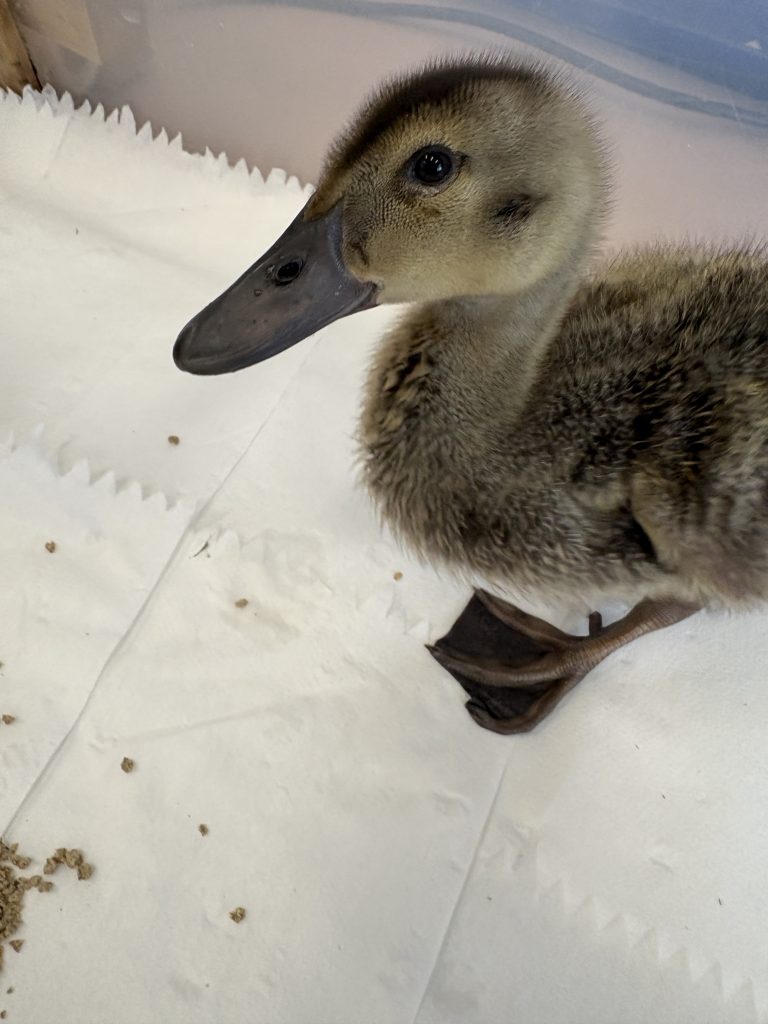
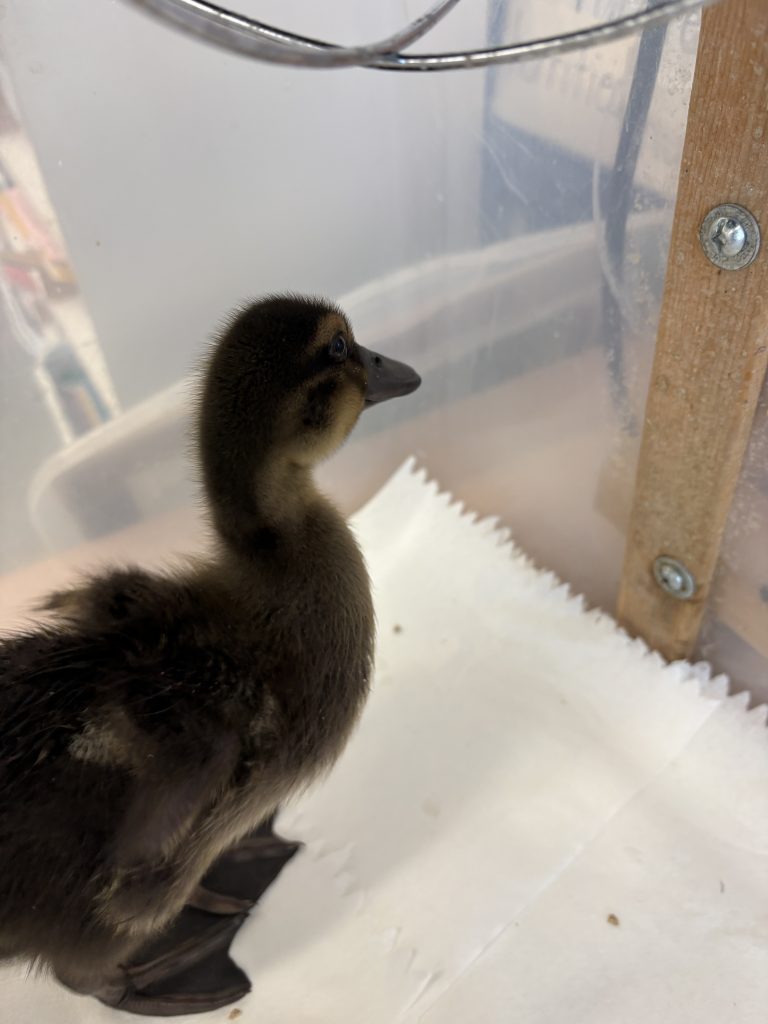
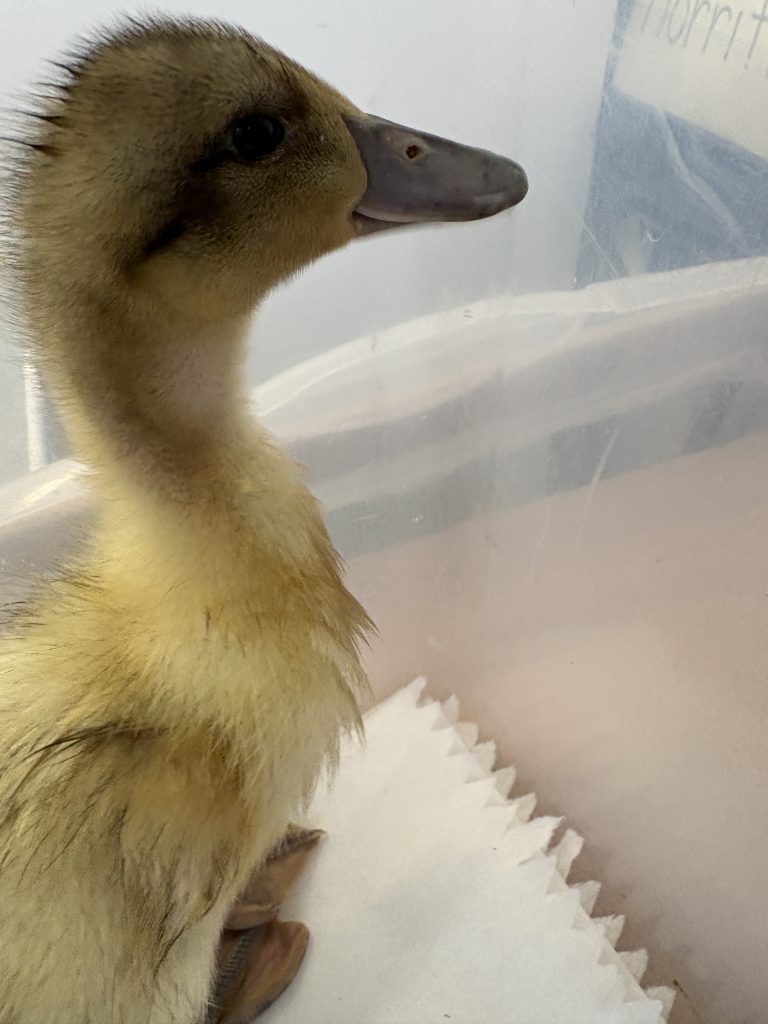
The next day we brainstormed ideas for what we should name the ducks. There were so many names! Once we narrowed it down to the 5 most voted for names for each duck, we then put each of those 5 names into a spinning wheel on the computer and the computer picked each winning name. Jelly is our yellow Welsh Harlequin, Coffee and Pepper are our two Khaki Campbells. Ask your child if they have a favourite duck.
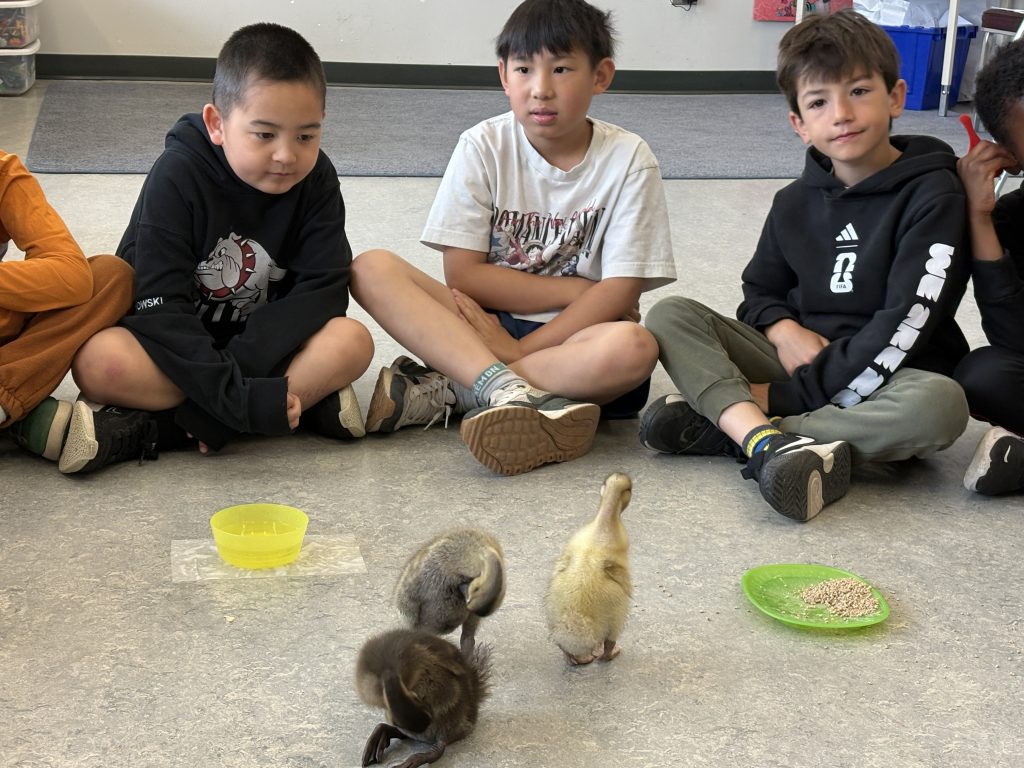
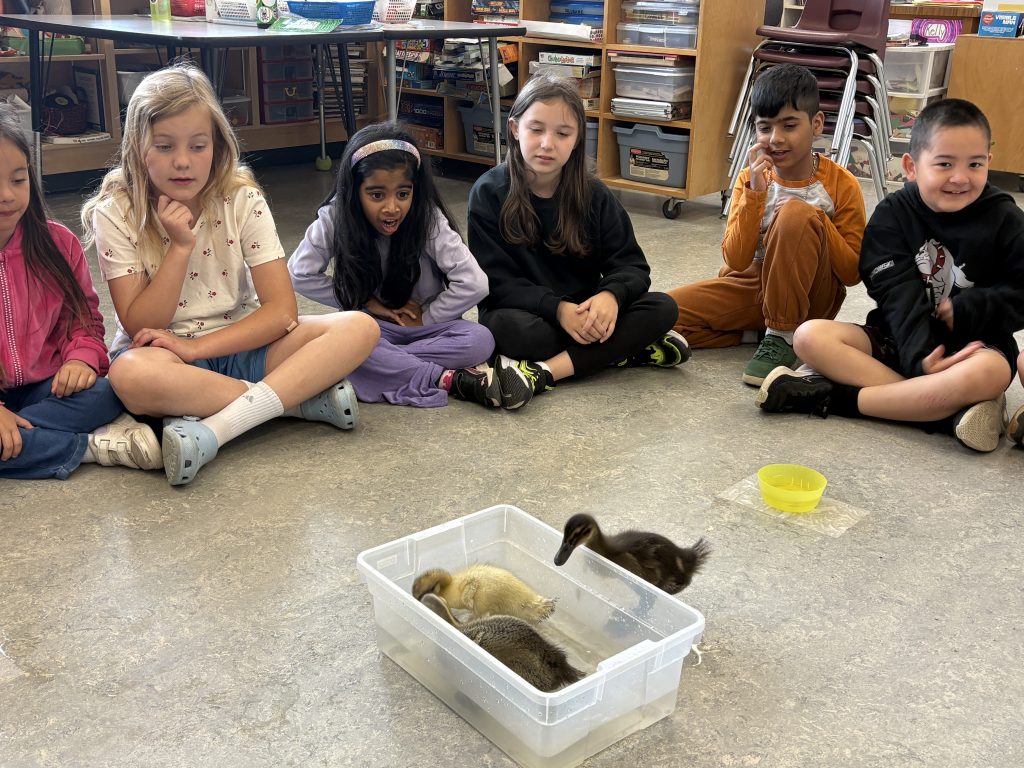
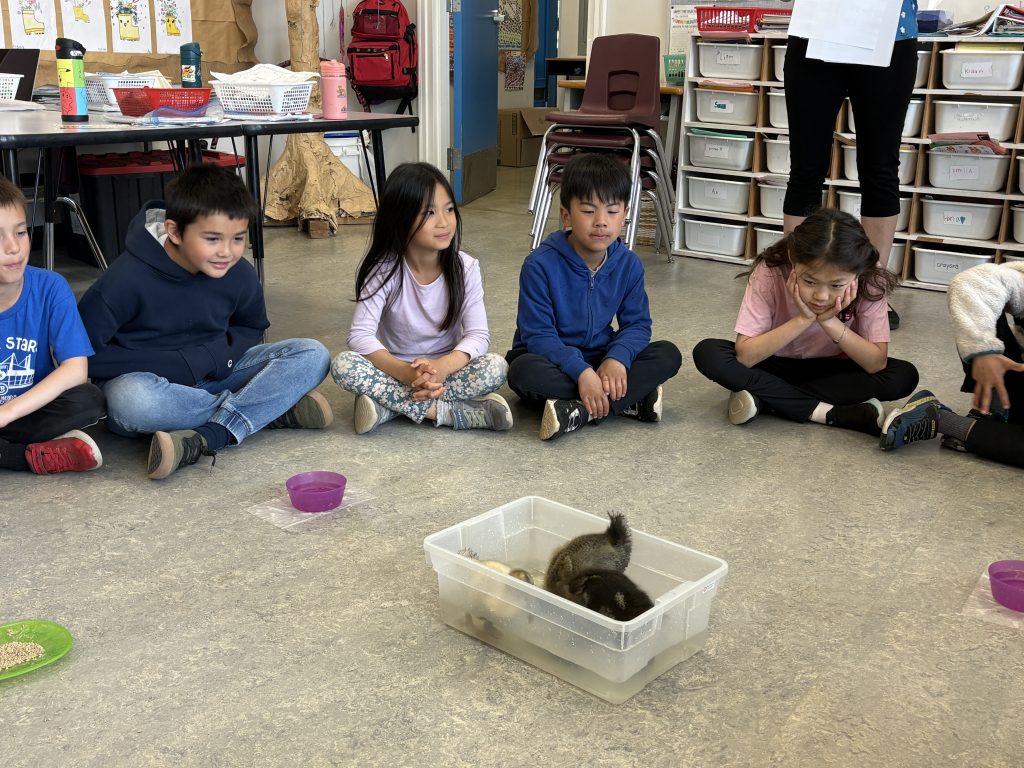
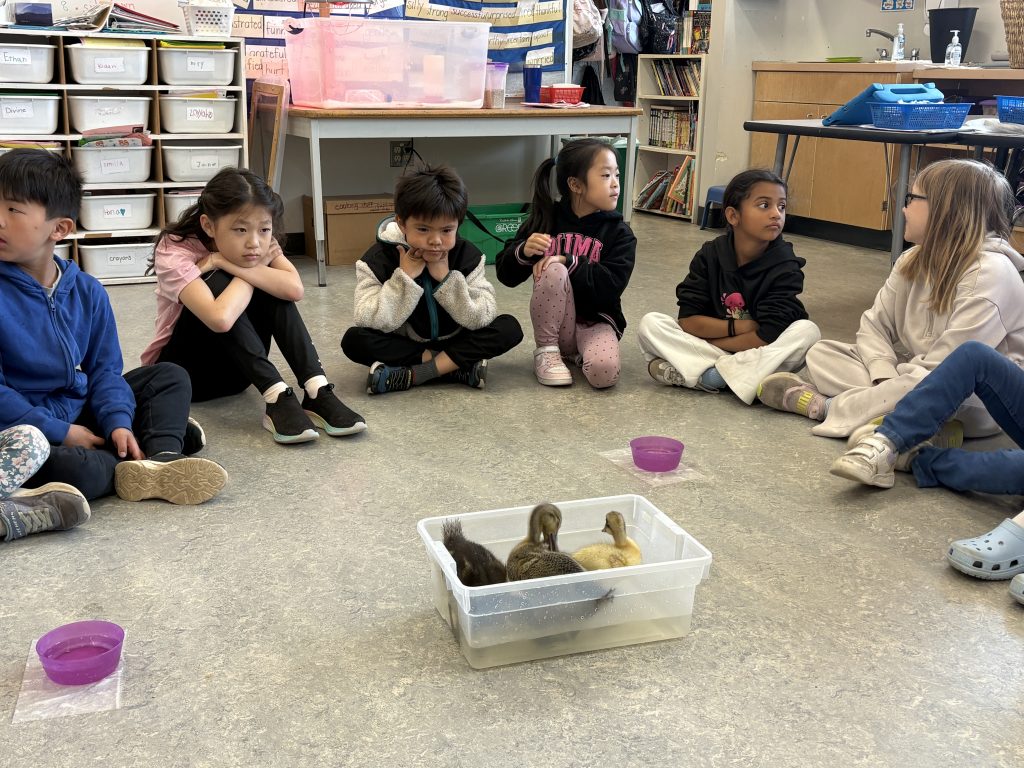
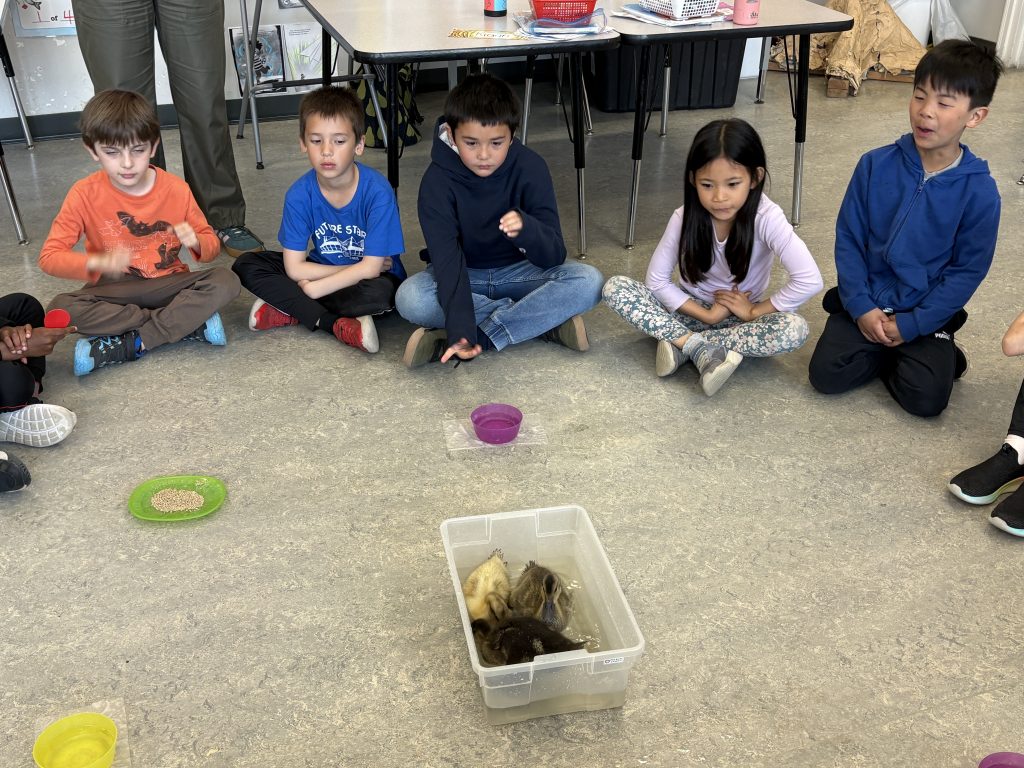
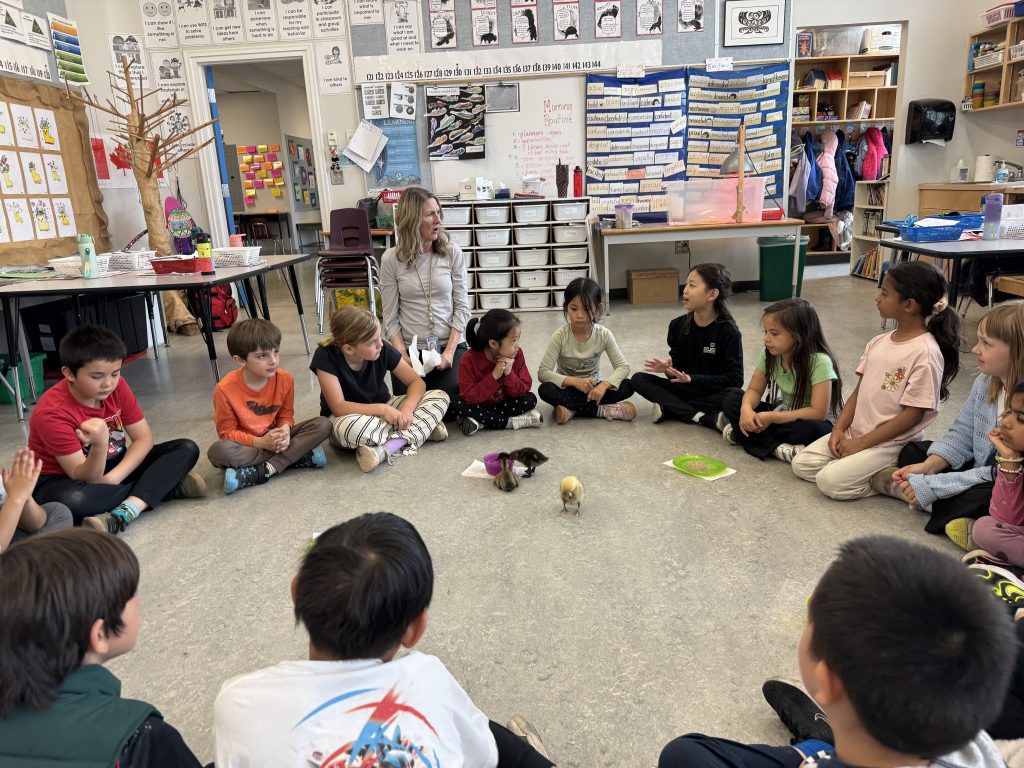
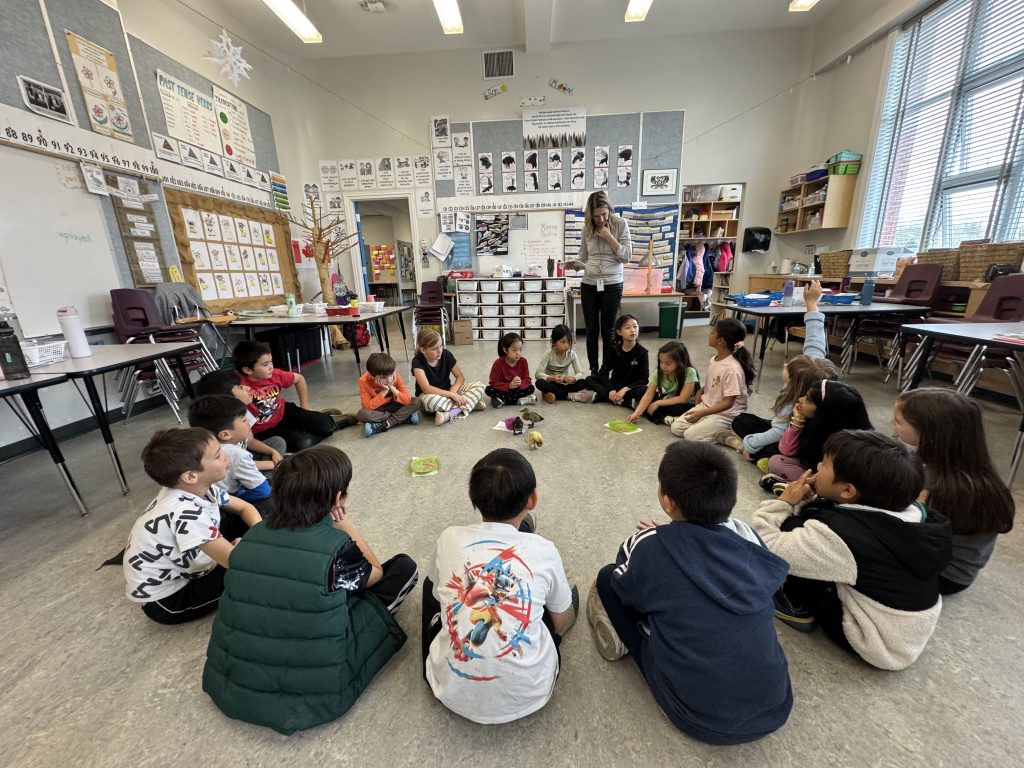
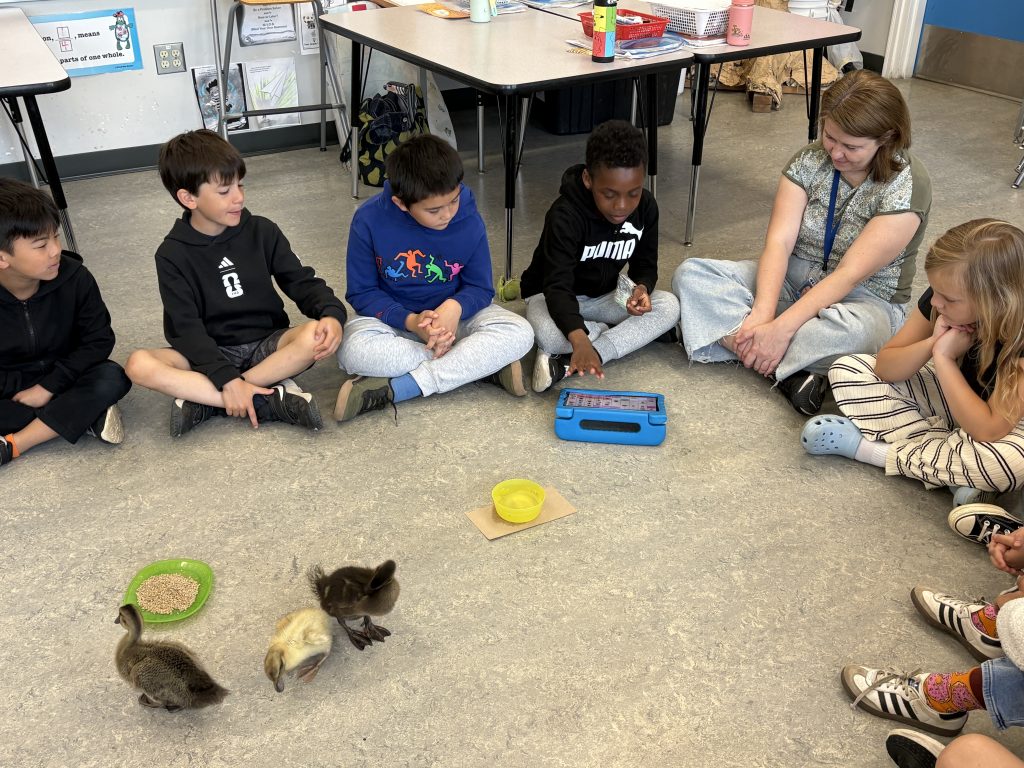
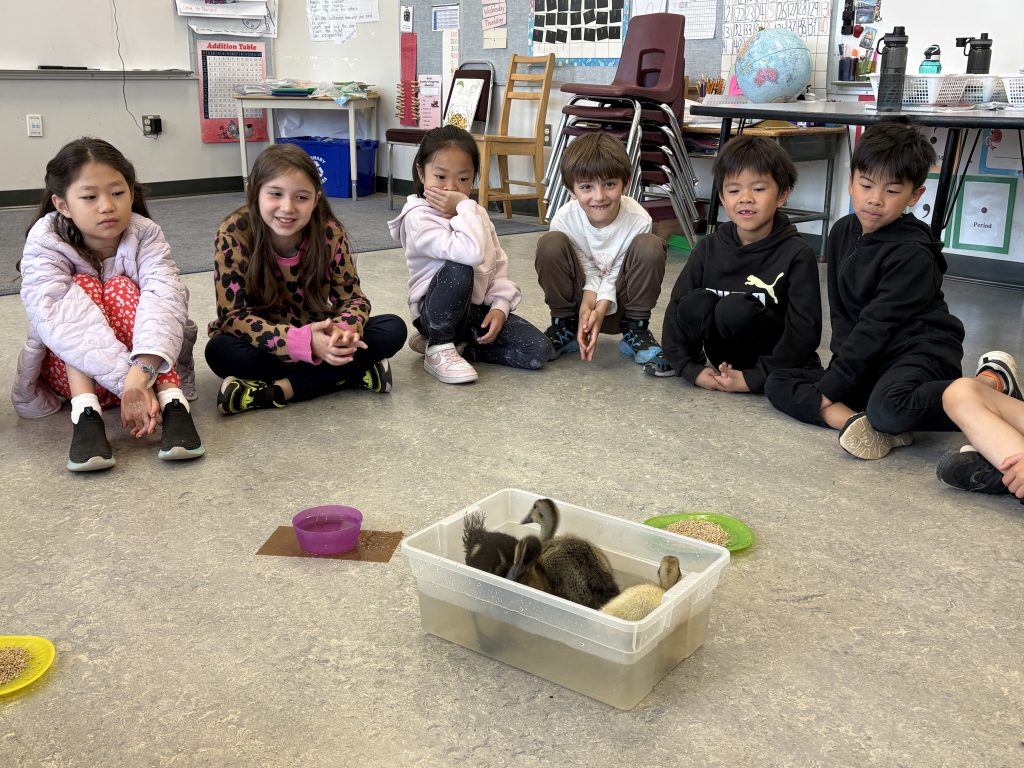
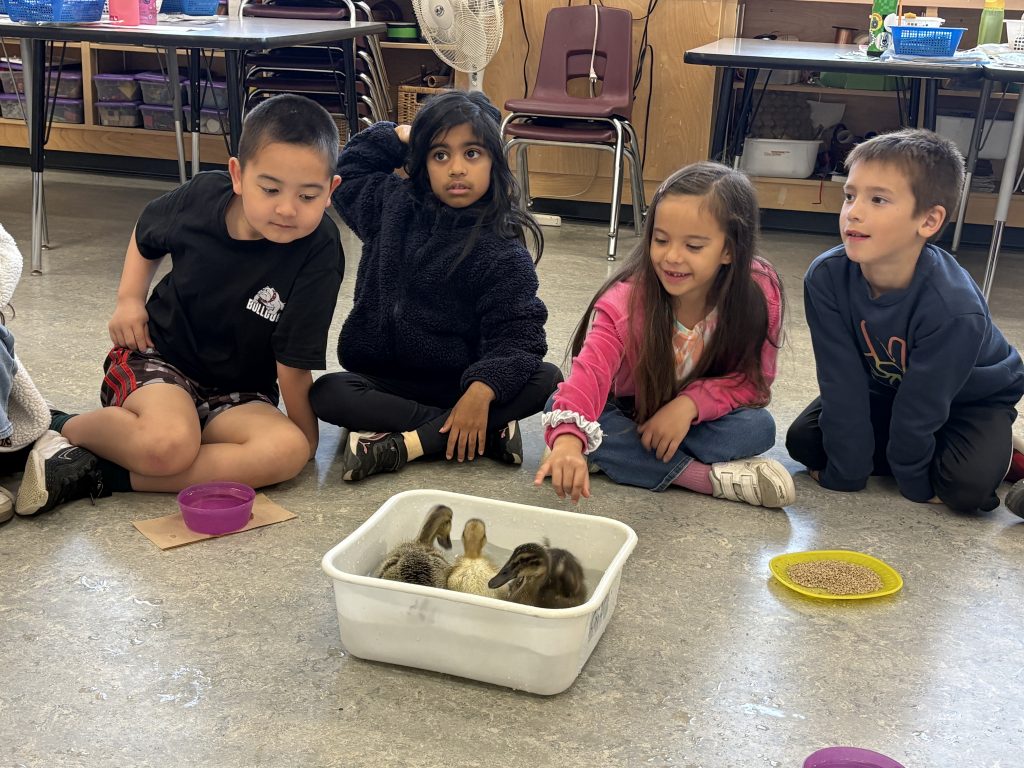
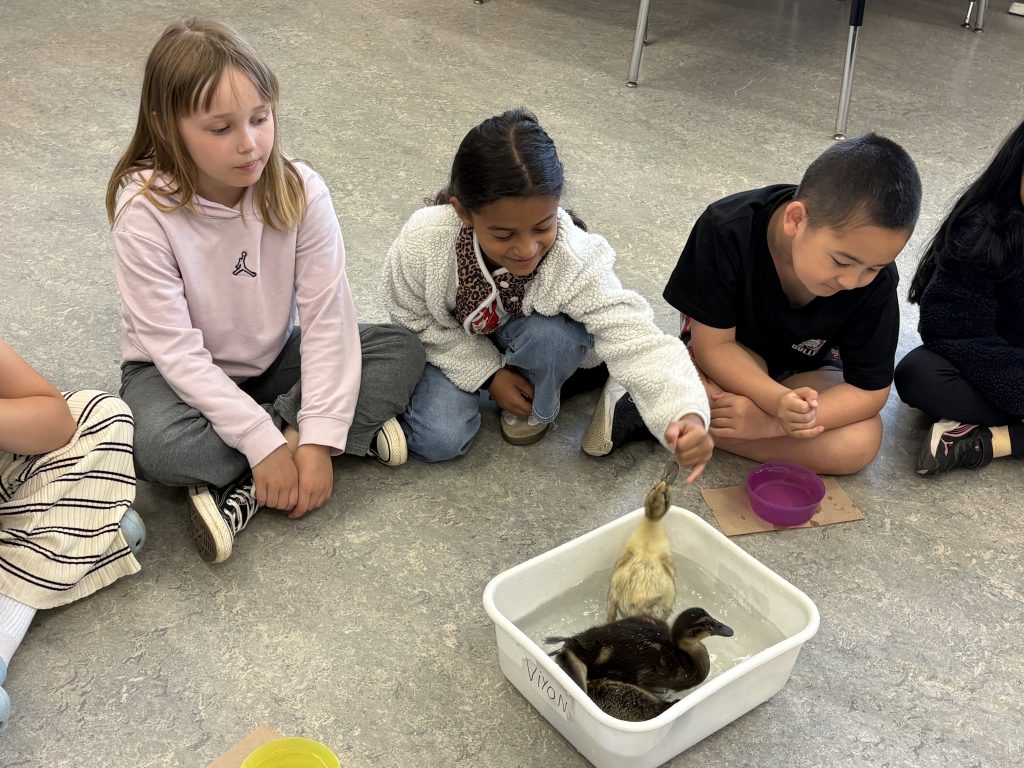
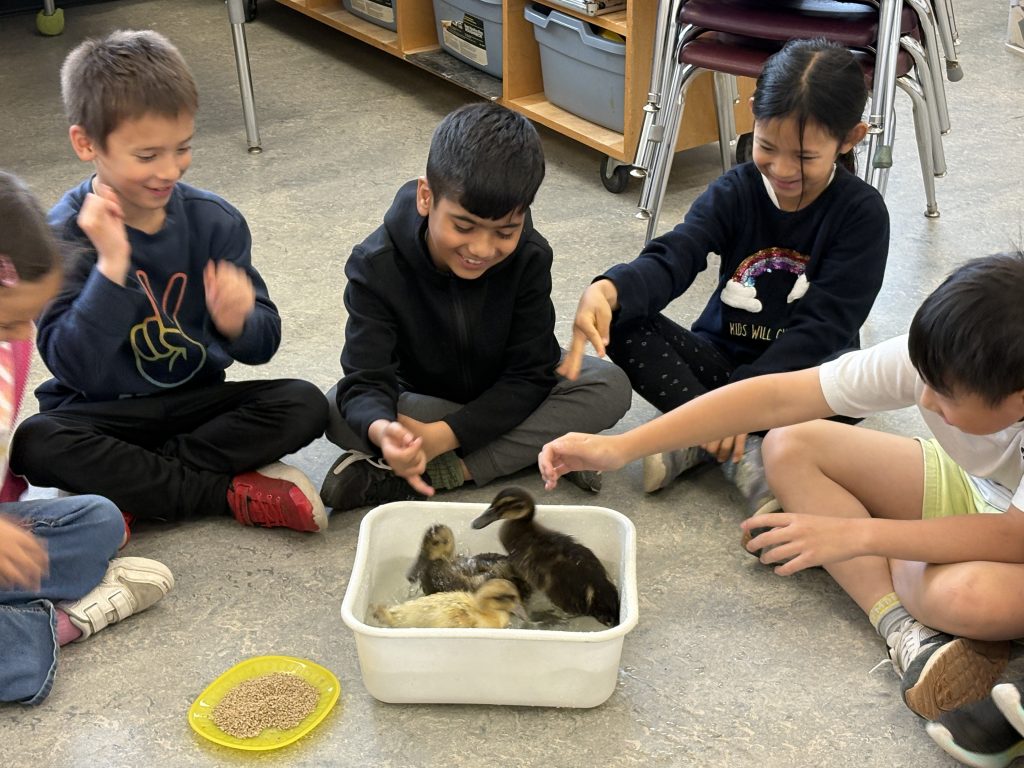
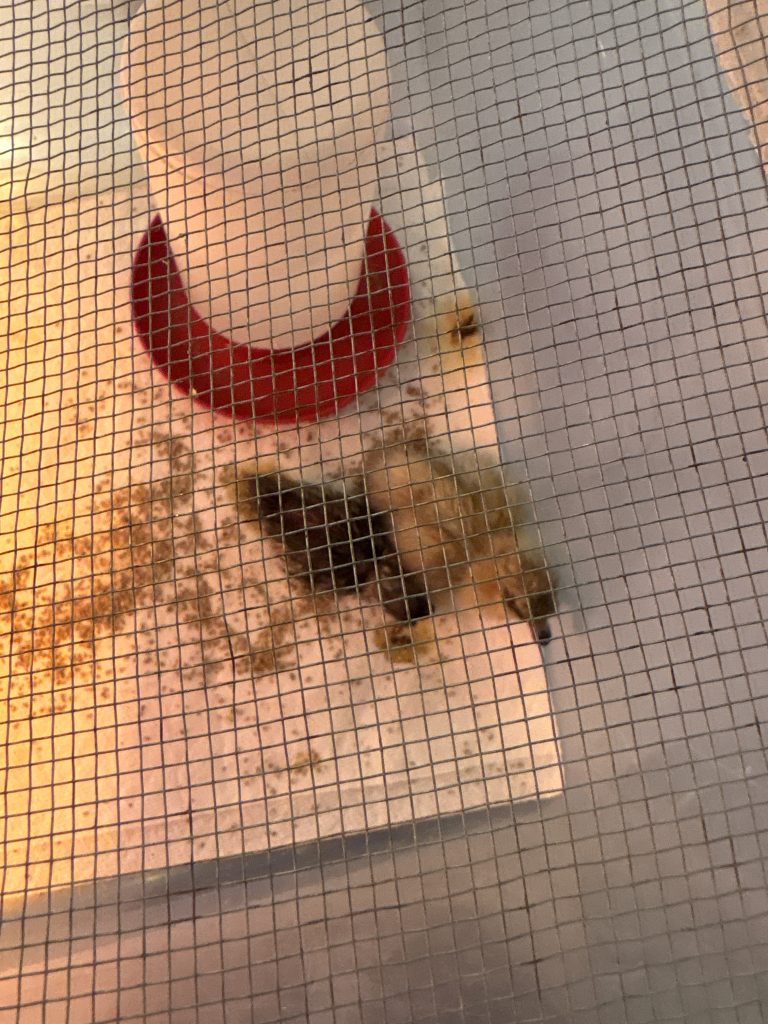
Every couple of days we get to sit in a circle on the floor with our ducks in the middle. We observe them playing in water, eating, pooping and we get to pet them when they approach us. We are watching as they quickly grow and develop. We are comparing the two different types of ducks and observing them as they grow and change.
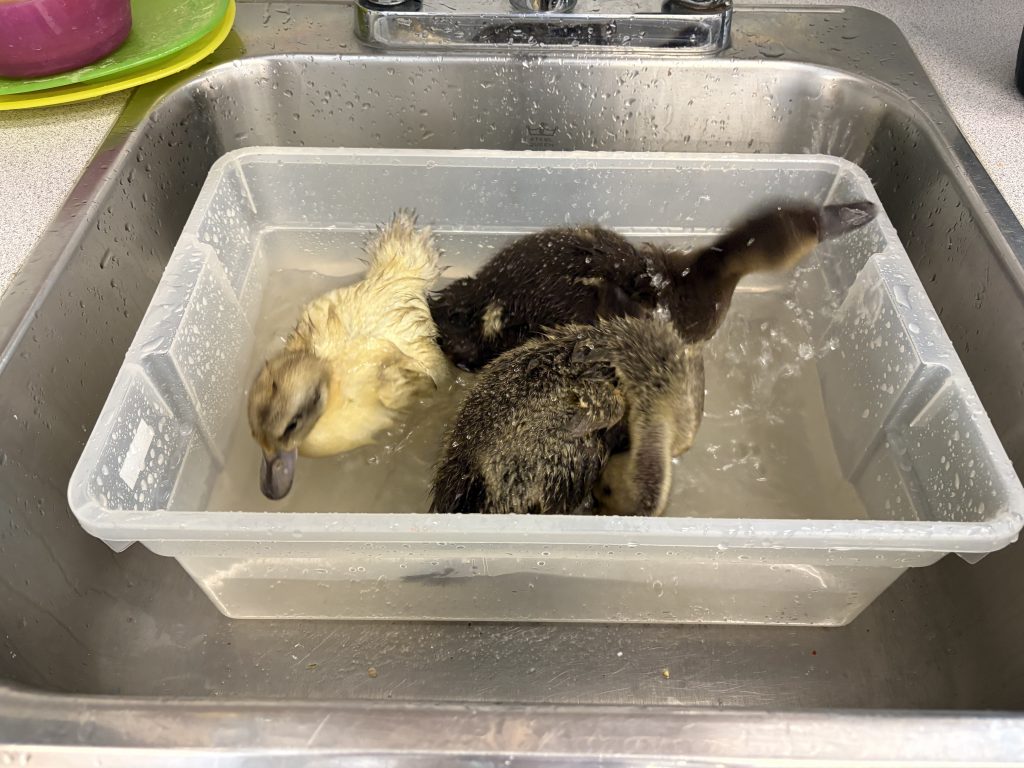
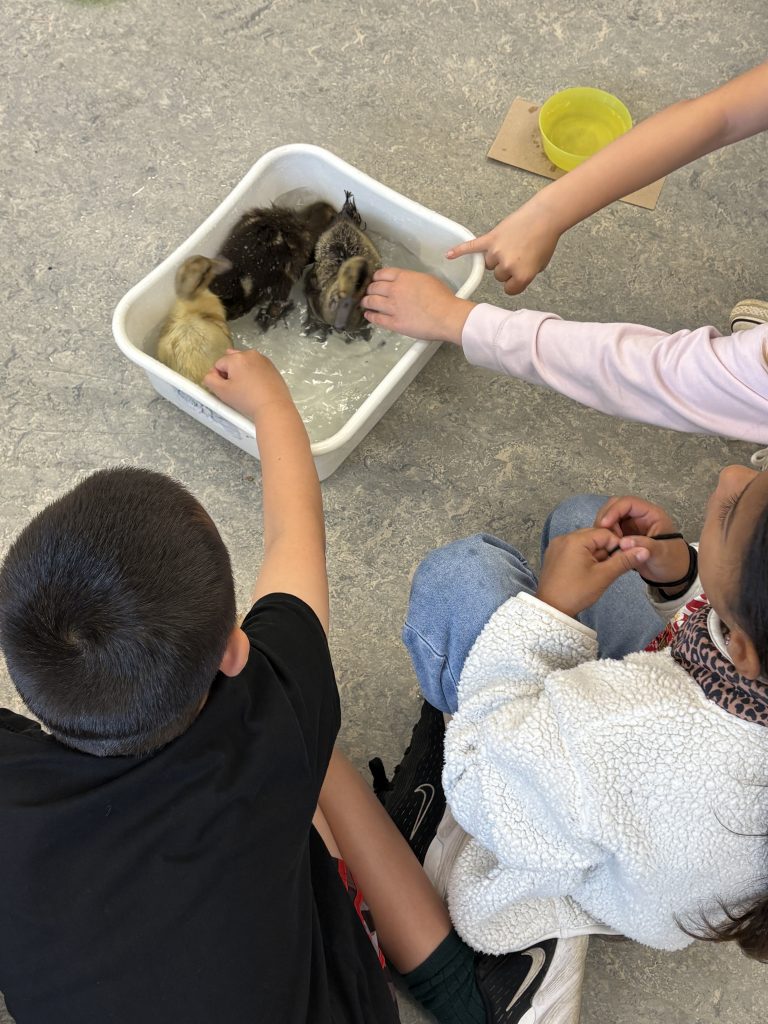
We have really enjoyed spending time with our ducks. We have also given the ducks their own little “pool” to swim in and did they ever have fun! They love to preen after they dunk their heads into the water. There is always quite the splash zone around the bucket once they are done! The ducks continue to grow and change a little each day. Your children are really enjoying learning about the ducks. Ask them their favourite part of getting to know the ducks.
Big Ideas:
Curriculum Competencies:
Content:
Core Competency: Critical Thinking and Reflective Thinking
First Peoples Principles of Learning: Learning is holistic, reflexive, reflective, experiential, and relational.
© 2026 The Learners of Division 13
Theme by Anders Noren — Up ↑