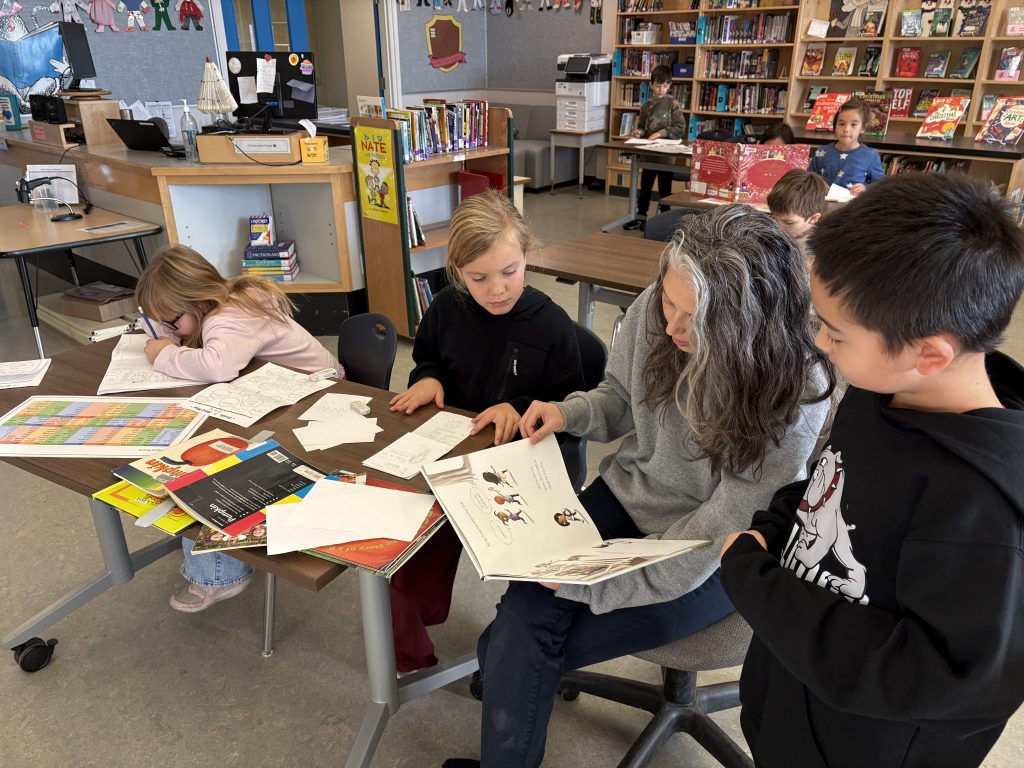
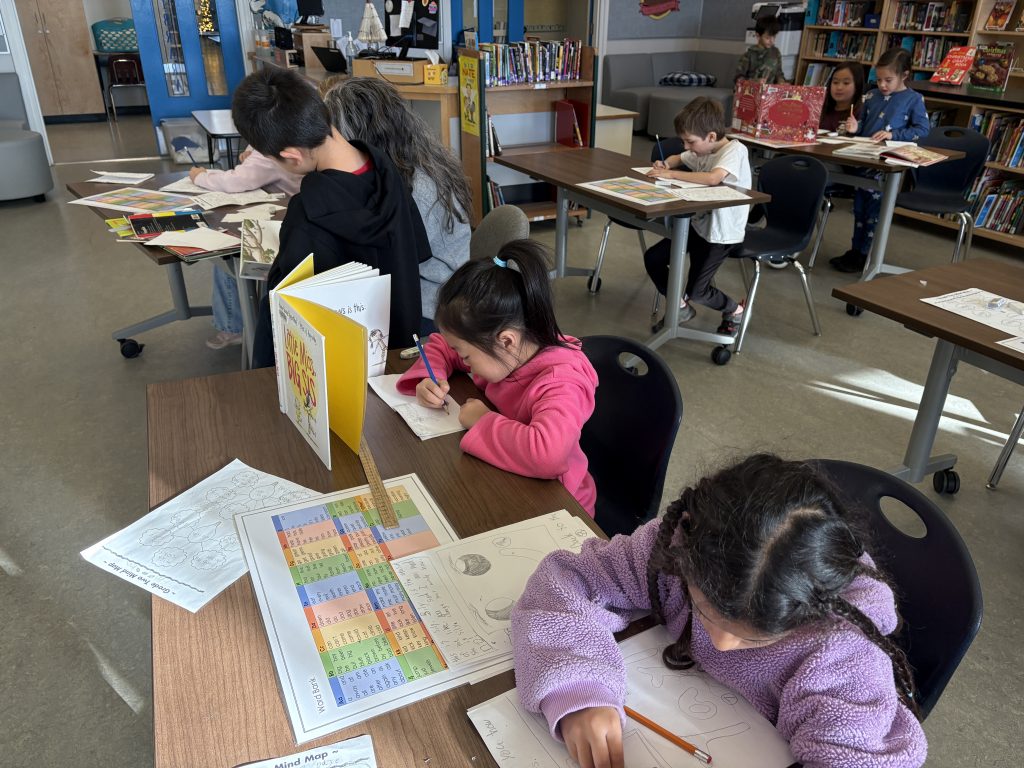
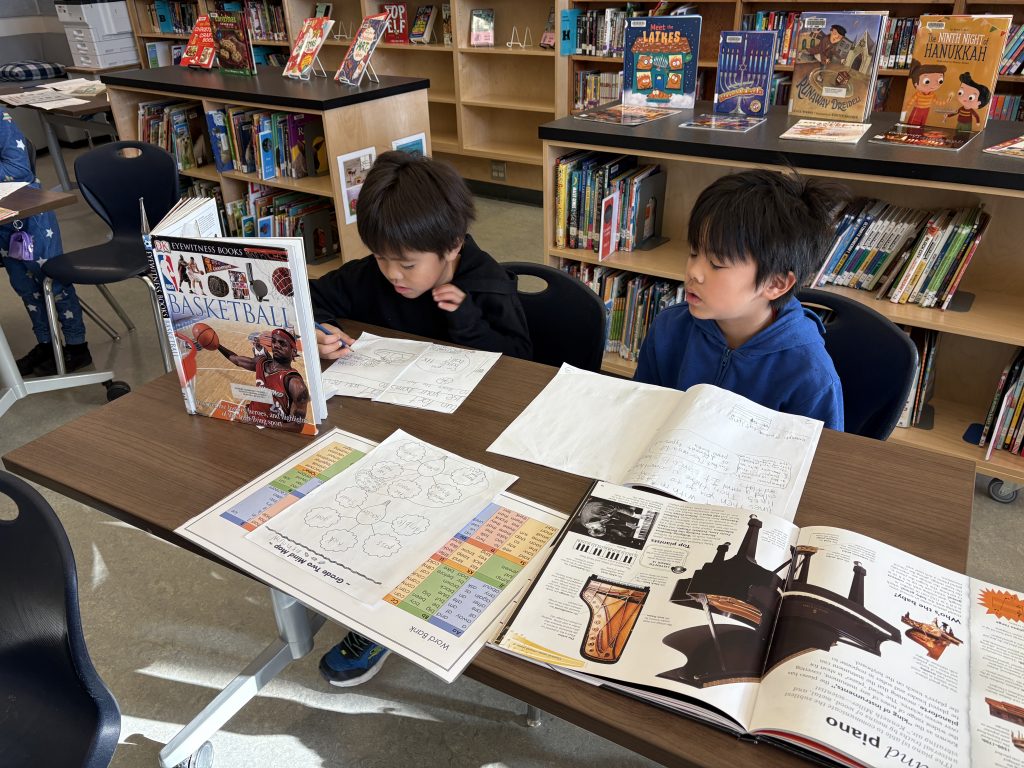
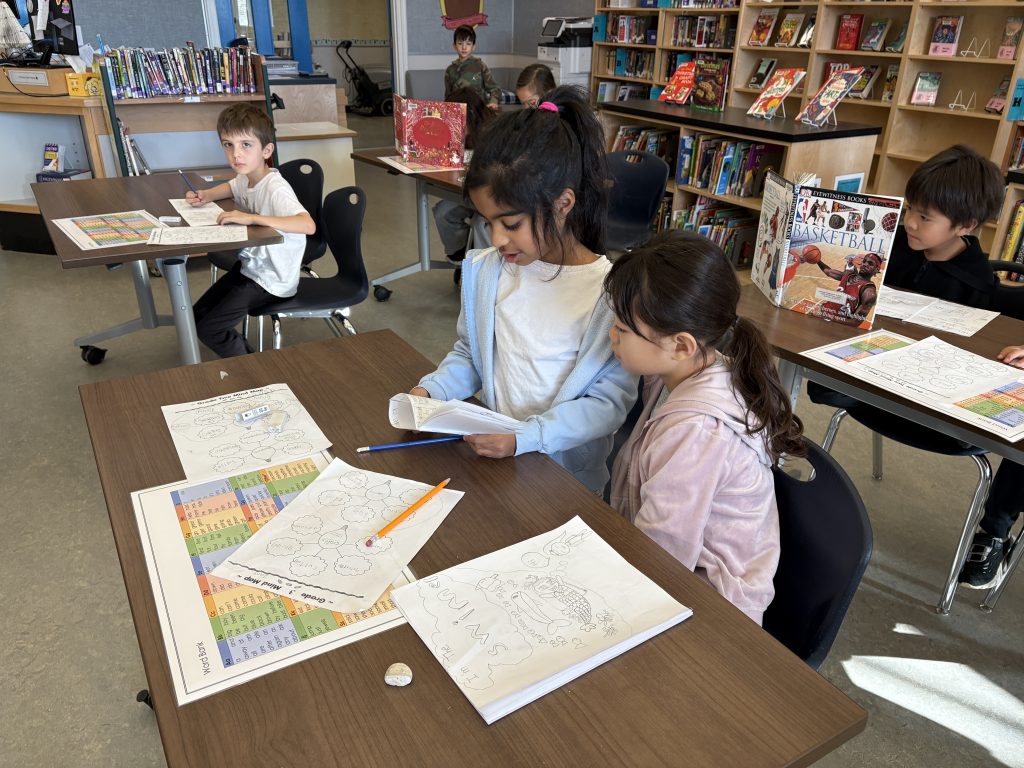
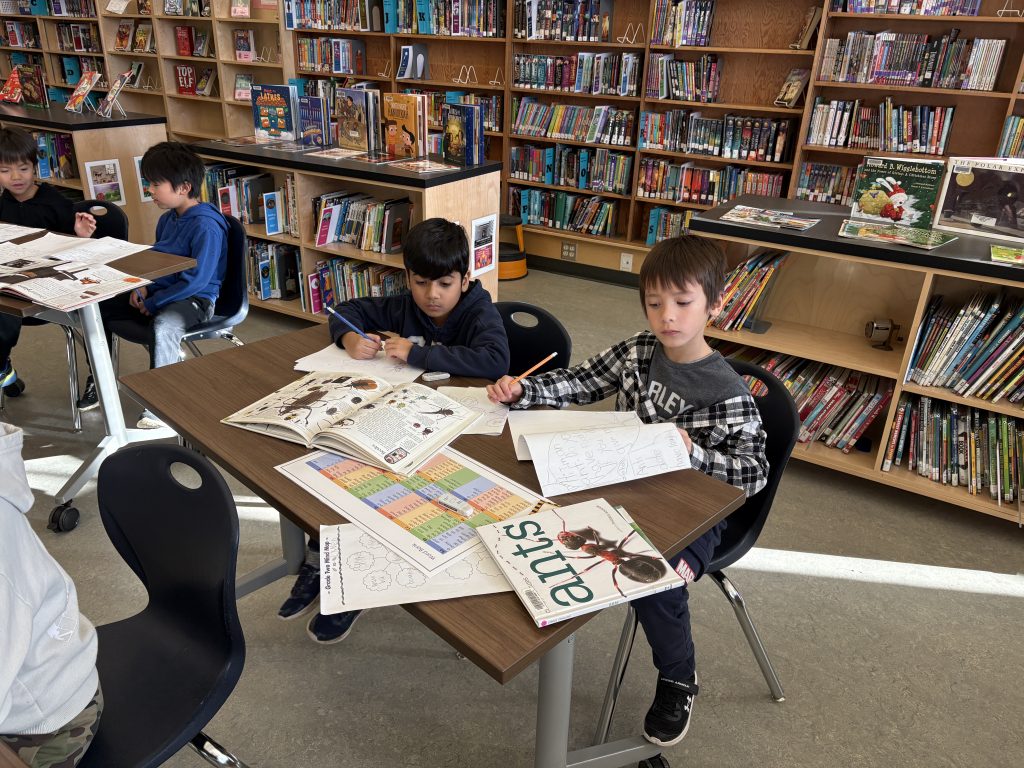
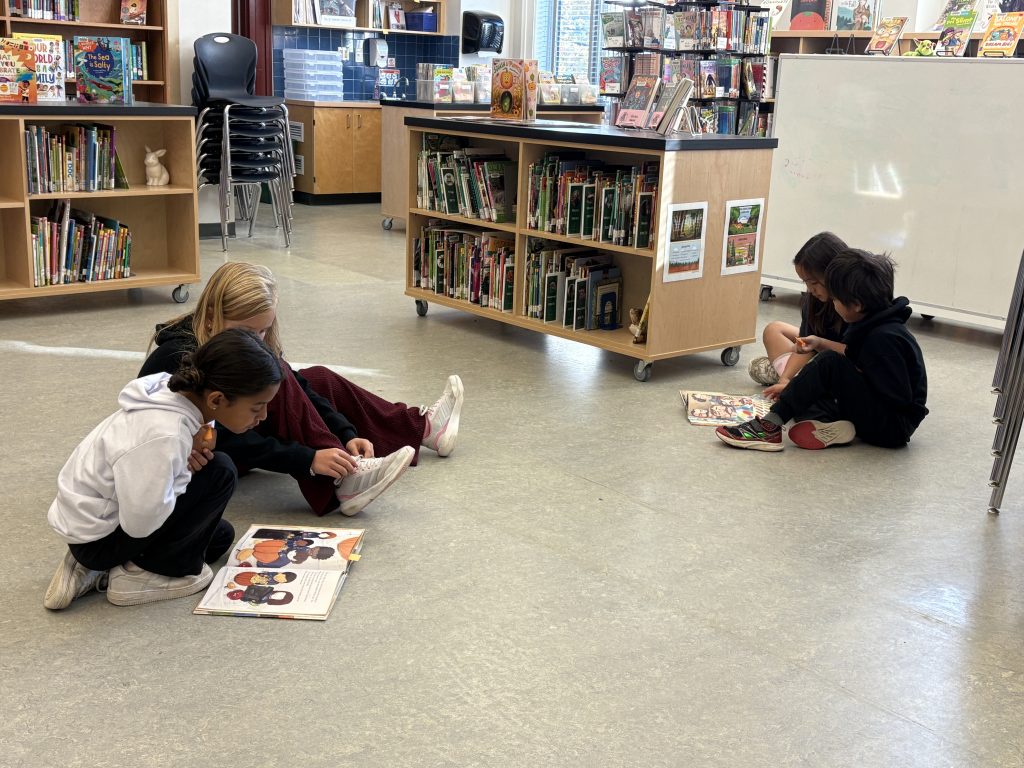
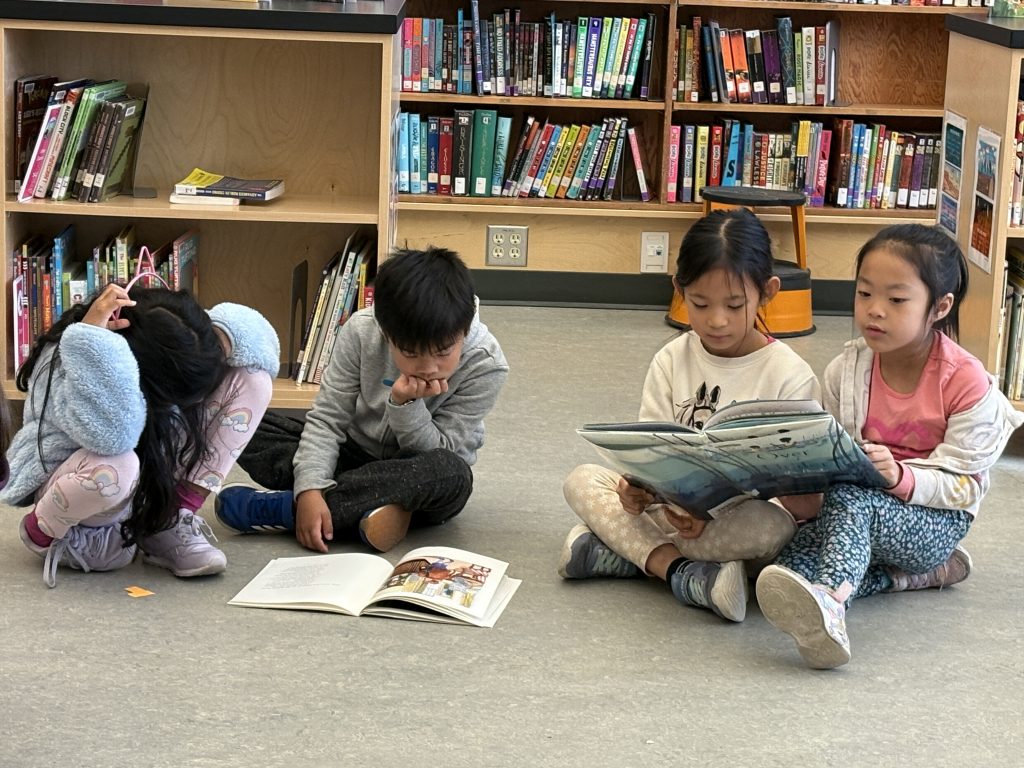
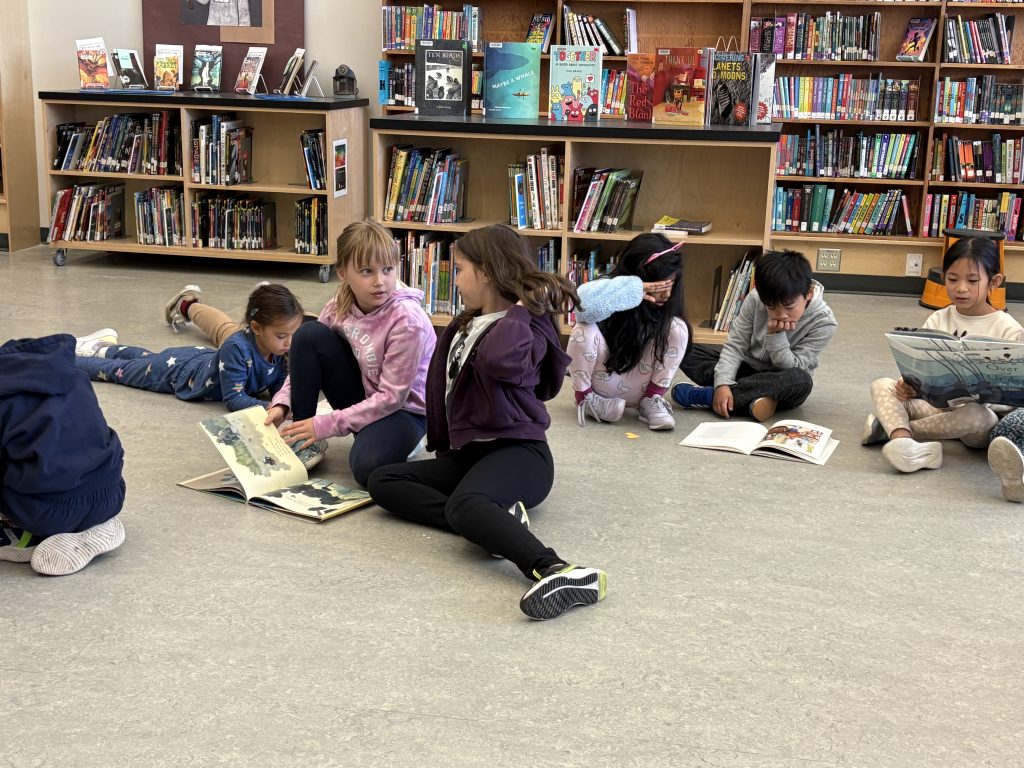
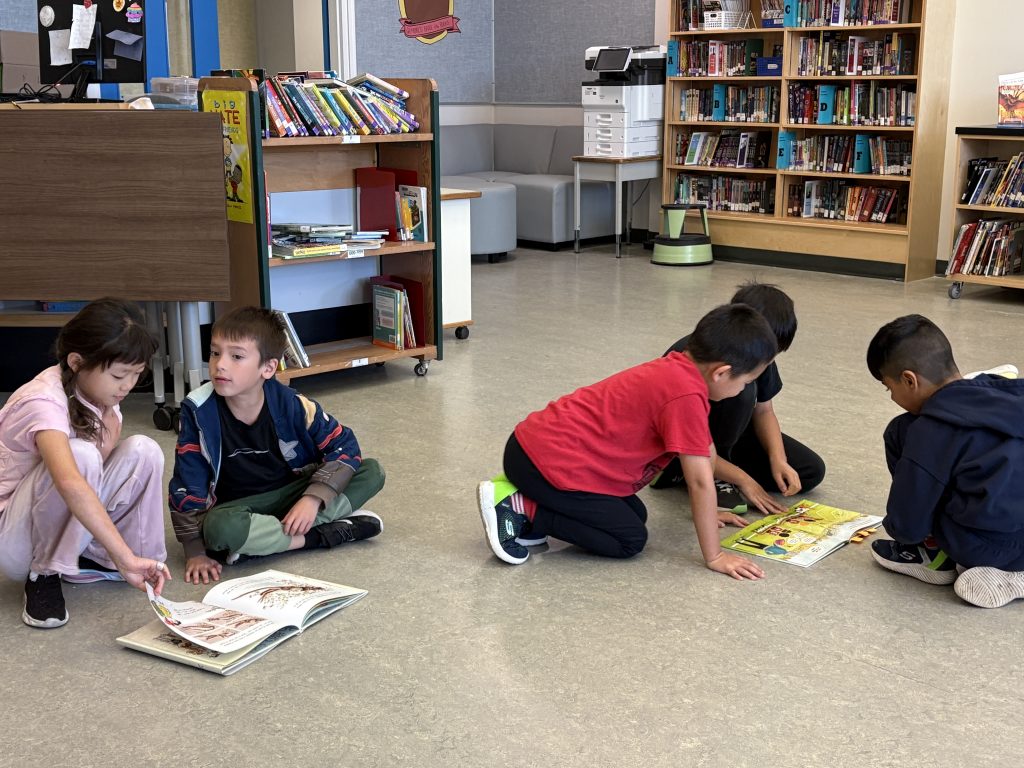
For the past two months we have been going to the library every Tuesday to learn about Literary Non-fiction books with Ms Papapanagiotou. Over this time, we have read numerous literary Non-fiction books with titles such as: Ivan: The Remarkable True Story of the Shopping Mall Gorilla, by Katherine Applegate, Don’t Trust Fish, by Neil Sharpson, Mister Got to Go: The Cat the Wouldn’t Leave, by Lois Simmie, Flamingos Are Pretty Funky: A (Not So) Serious Guide, by Abi Cushman. I have attached a book and some information about another book below, so that your child can teach you what Literary Non-fiction books are.
After learning all about Literary Non-fiction and the strategies the authors use that differentiate them from non-fiction books, students brainstormed four things they were “experts” at and some small details about these subjects. We then asked the students to choose the subject they knew the most about or that they thought would make the best Literary Non-fiction book. Three weeks ago, the students began writing their own stories. Rather than simply writing a fiction story, the students know that they have to include facts about their subject. Ask your child about what they are writing about and what strategies they are using to make this story an interesting and creative Literary Non-fiction book.
Big Idea: Language and story can be a source of creativity and joy
First Peoples Principles of Learning:
- Learning requires exploration of one’s identity
Curricular Competencies:
- Plan and create a variety of communication forms for different purposes and audiences (ie Literary Non-fiction text)
- Create texts to deepen awareness of self, family, and community
- Use sources of information and prior knowledge to make meaning
- Share ideas, information, personal feelings and knowledge with others
- Recognize the structure and elements of story
- Communicate using sentences and most conventions of Canadian spelling, grammar, and punctuation
Content:
- learn to use literary elements and devices
- learn the writing process such as; revising, editing, considering audience
Core Competency: Creative Thinking
- The capacity for creative thinking expands as individuals increase their range of ideas and concepts to recombine them into new ideas
Leave a Reply