Uncategorized – Page 11 – Celia Marto – Division 5
 

Category: Uncategorized

Meadow Monday

| 1 Comment

Living Things Have Lifecycles Adapted to Their Environment

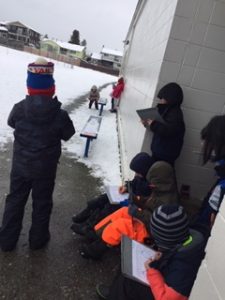
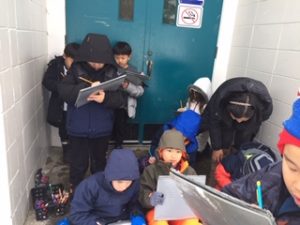
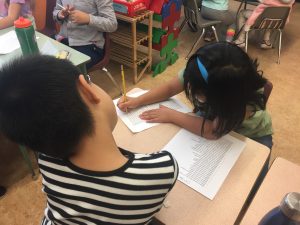
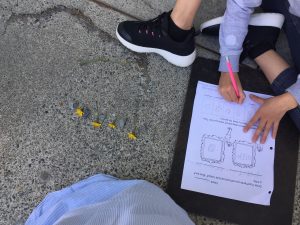
The above curricular “Big Idea” has us out on a regular basis experiencing, asking questions, making observations and recording our local environment.  The students always manage to surprise me.  On this cold afternoon, they had already been out twice.  I thought it would be a hard sell to get them into their snow gear again, and I was resigned to the possibility that the snow would provide a considerable distraction to the observation sheet I’d given them; however, they threw themselves into their work and reminded me, again, of the importance of spending time outdoors.  

The crisp weather activated our senses, got us moving and got us thinking.  On this day, we were once again looking at our surrounding landscape and the changes winter had brought.  This year, we have done the same activity for each season that has come.  In doing so, the students connect and continue to grow empathy for all living things and the hardships they must endure to survive.  It is my hope that this connection grows responsibility and stewardship of the environment.

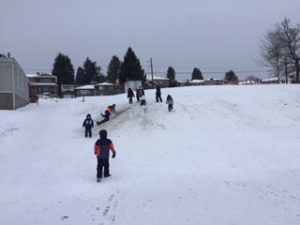
Of course, a job well done deserves a reward…  

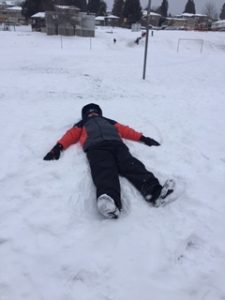
Some free time in the snow.  
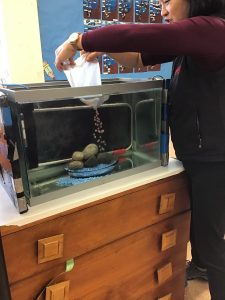
We are now adoptive parents of 55 chum salmon eggs that arrived on Monday from the Seymour Hatchery.  The salmonid program is an ideal hands-on enrichment to our Science program.  It pairs perfectly with our ongoing environmental studies on the Ocean (with Mrs. Rudolph’s/Glavas’ class), but it also serves as a provocation (an activity that stimulates ideas and connections) for Social Studies.  

Through the salmonid program, we will explore some of the Big Ideas of the Social Studies Grade 3 curriculum such as looking at how the indigenous peoples of B.C. value the well-being of our land, and how the salmon connect us to indigenous knowledge, ways of life, and traditions that have been passed down through oral history.  We will also continue to explore characteristics of coastal communities and, in conjunction with Mrs. Mar’s class, look at the Grade 2 curricular Big Ideas that ask us to explore how local actions can have global consequences and vice versa.  We will continue to share out about our projects.  

New Year: 2020

| Leave a comment


Aquarium Field Trip

| 1 Comment

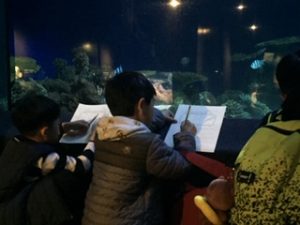
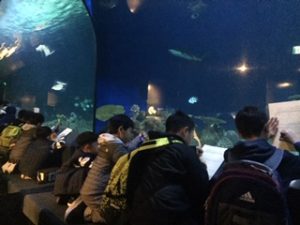
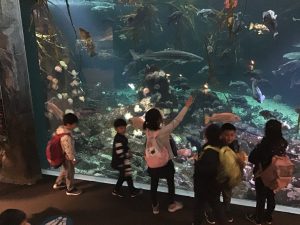
This field trip provided endless wonders, inspired thoughtful questioning, and gave us an opportunity to be scientists.  At the aquarium, the students from divisions 5 and 6 had a structured 5 minute observation time where they tracked the swimming patterns of a sea creature.  Back in class, they have been working hard to convert their data into graphs and compare it with classmates.  We are even making connections and interpretations as to what the data is telling us about these creatures.  

Some of the students hard at work on their five-minute on-site observation.

Invaluable learning!  Thank you to all the parent supervisors who helped throughout the day and also helped to facilitate the scientific observation. Thank you also to the PAC for your financial support of this type of enrichment in our learning.  

Pirate Maps

| Leave a comment

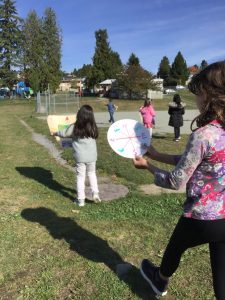
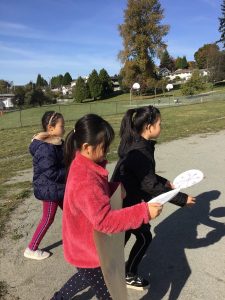
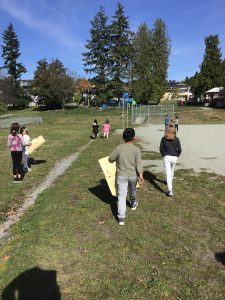
In Div.5, we have been learning our cardinal directions and the features of maps such as legends and symbols. Our pirate maps are really “Piratecrest” maps.  With these maps we have been able to show  that we can create a simple map of our school community, create a legend, and use cardinal directions.  On this bright and beautiful day, we were using a compass rose to give cardinal directions to a partner in order for them to find our hidden treasure! 

Ahoy Div. 5 Families,

It was wonderful to meet you at our Parents as Partners Conferences, and I thank you for making the time to connect and learn about your children.  

In class, we are well on our way, having started our themes on Oceans and Pirates.  Together, we are looking forward to a year of growth and engagement!


Div. 5 Field Trip

Upon our arrival, we were greeted by the resident biologist, Dan.  He appreciated the inquisitiveness, natural curiosity and scientific behaviour of our class (they were good observers and attentive listeners; they were protective of the environment-not disturbing or destroying it, searching for answers from clues, asking questions).  

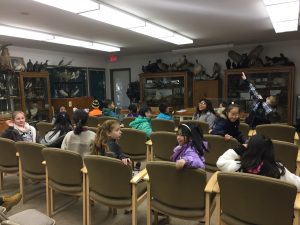
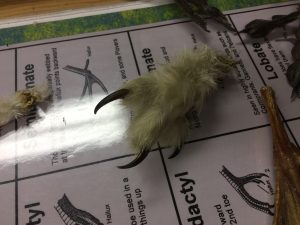
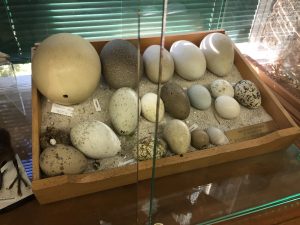
We spent time in the museum. We learned about the attributes of bird feet, and how they could tell us a lot about the animal they belonged to.  Notice how the white feathers cover the entire foot of the snowy owl to help protect it from the cold.

Barn Owl.  The students learned about the importance of taxidermy to scientists of the past.  Without quality photographs, scientists found it vital to observe animals up close through taxidermy. Some of the animals in this museum go back 100 years.


Spine of a grey whale.

Red-winged blackbird


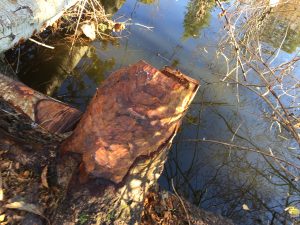
Evidence of beaver activity.

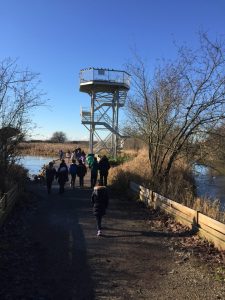
We climbed the viewing tower to get a full view of the estuary.

The Mouth of the Fraser River Estuary:  Wetland Habitat


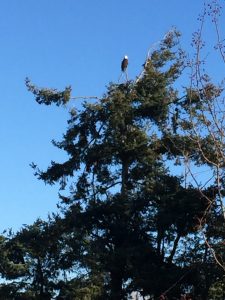
From the tower, we came pretty close to a bald eagle.

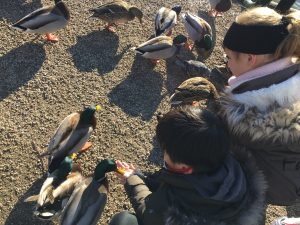
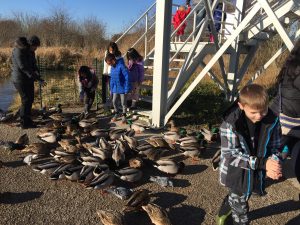
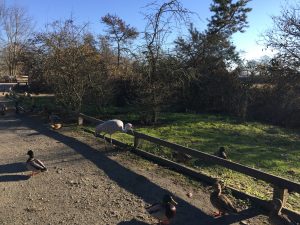
Some downtime to feed the birds.

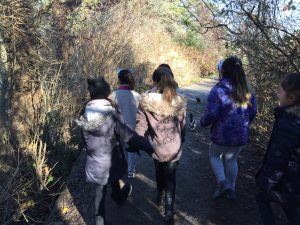
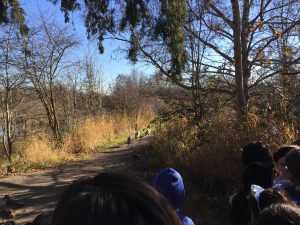
Walking back through the forest habitat.

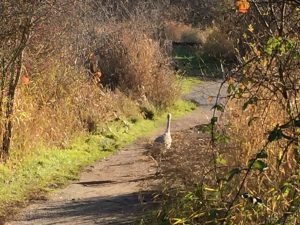
Can you spot the family of 3 Sandhill Cranes on the path?

This is baby Lu.  She is 26 weeks old.  

This is Poxie, another crane, not of the same family.


We ended the day with an excellent lunch time at the warming hut, with a wood burning stove keeping us toasty.   Many thanks to the parent drivers who helped out.  It was a long drive, and we were all grateful that it was a beautiful sunny day.  


On most Wednesdays you’ll find our class outside connecting and extending our learning through exploration of our natural environment and other hands-on activities. Our first Math unit was on patterning, and here we were finding patterns in nature, and building patterns using found items.

The Fraser River

| Leave a comment

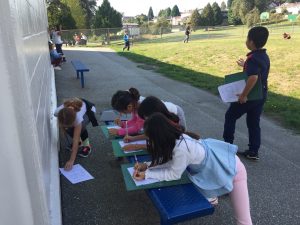
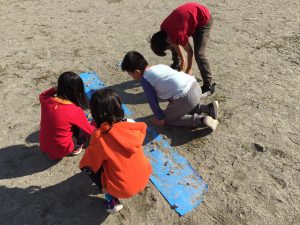
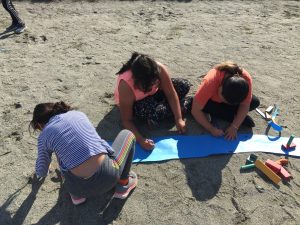
Did you know that two thirds of B.C.’s population is located in the area of the Fraser River basin? Div. 5 is hard at work learning about this important local and natural resource. On this sunny Wednesday, we went out to visually show what we have been learning about rivers. In their groups, students added details such as estuaries, and Mount Robson (the headwaters of the Fraser River). They also showed their understanding of how we use rivers by putting in details such as boats and fishermen.

Celia Marto – Division 5 ©2026. All Rights Reserved.
Powered by WordPress. Theme by Phoenix Web Solutions