Celebrate World Ocean Day by learning more about what oceans mean to us:

BC:
Canada:
World Ocean Day Events_ Learn More


Comments Off on World Ocean Day – June 8, 2022_Learn more about what the oceans mean to us
Posted in Uncategorized
Comments Off on Ocean Currents
Posted in Uncategorized
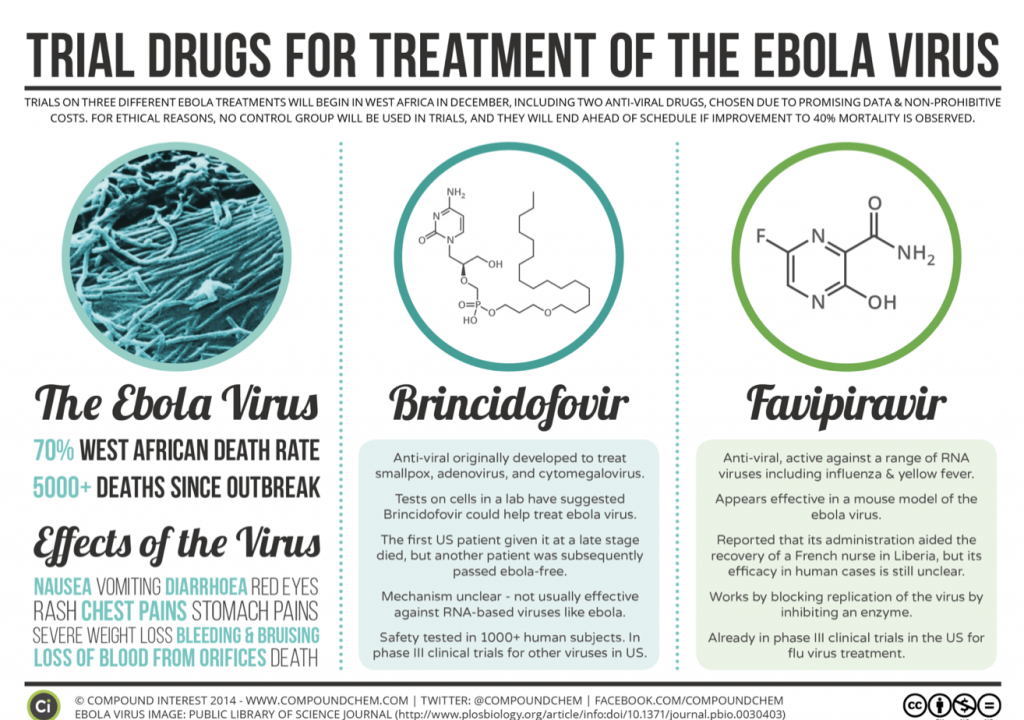
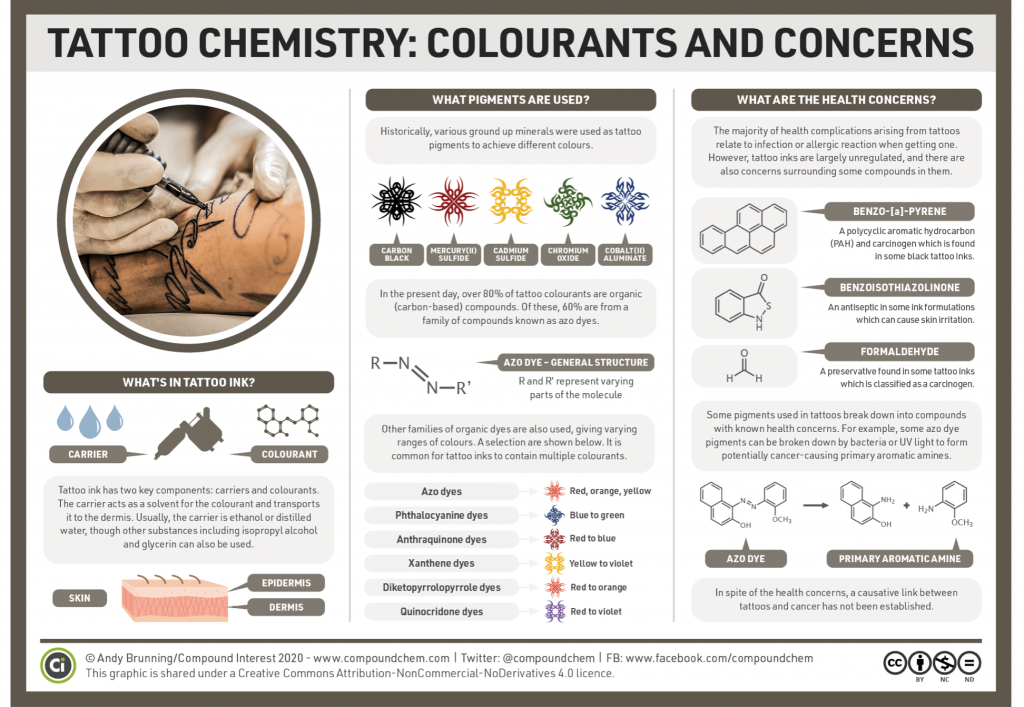
Comments Off on Infographics – a convenient way to include text and images
Posted in Uncategorized
Comments Off on Small Pox – the path to a cure
Posted in Uncategorized
Comments Off on A new way for cells to make copies
Posted in Uncategorized


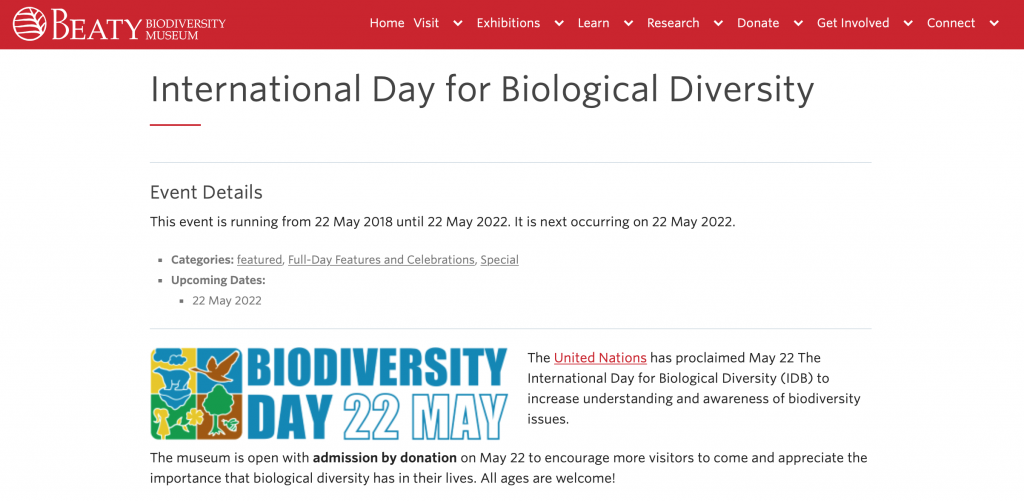
Comments Off on International Day for Biological Diversity – May 22, 2022 – How will you celebrate diversity?
Posted in Uncategorized
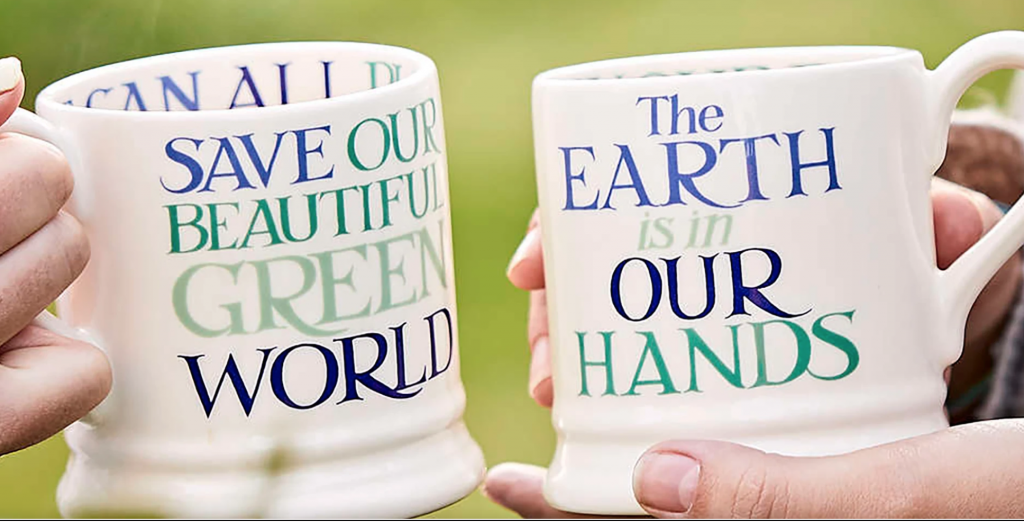
Earth Day 2022
Comments Off on Earth Day – Plant something to thank the Earth for all the amazing things that is done by our planet
Posted in Uncategorized



Comments Off on Earth Week Activities March 17-23, 2022
Posted in Uncategorized
This ophthalmologist-developed app tracks your vision over time. It uses a tool called the Amsler Grid to look for problematic spots in your field of vision. This can identify changes in your vision caused by eye diseases such as macular degeneration. Test results are recorded in the app and can be shared with your physician with the click of a button.
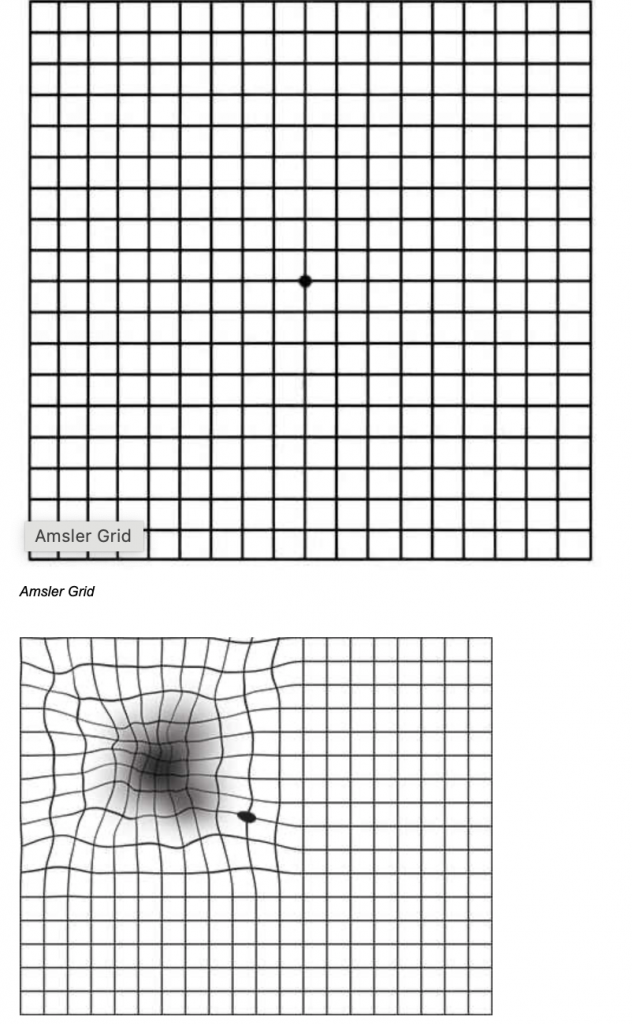
You can use this app to test your vision at home, locate an eyecare provider and even make an appointment. You can also test for astigmatism, eye dominance, color perception and track macular disease progression. The results and history can be saved and e-mailed to your doctor.
This app lets you measure visual acuity using your smartphone and helps determine if you need an in-person exam by an ophthalmologist or optometrist. It includes the equivalents of vision assessments usually done in person, including the “count fingers”, “hand movement” and “light perception” tests.
Developed by three ophthalmologists, this app offers a variety of vision testing tools and educational information about dry eyes, cataracts, glaucoma, diabetic retinopathy, retinal detachment, color blindness and more.
Comments Off on How to Use Your Cell Phone for Science _ Free Eye Testing Apps
Posted in Uncategorized
By
If enough people install it, the University of California, Berkeley team that created it hopes to use it as an impromptu early earthquake warning system as well. An iPhone version is apparently in the works but not ready yet.
There are plenty of dedicated apps you can use instead, not least the one built into iOS. Launch the Compass app and swipe to the right to find the spirit level. (You may be asked to calibrate your iPhone before it works.)
Using a bulky camera lens clip and an Android or iOS app, MoleScope lets you examine skin moles exactly, just as its name suggests. The app scans and tracks suspicious moles on your body and guides you through a self-diagnosis process.
You can also send off scans to a qualified dermatologist. If you want to stick to an app without an accessory, then SkinVision is available for Android and iOS devices and promises just as high a level of accuracy.
Plenty of wearables—from wristbands to chest straps—can monitor your heart rate, but you can do it with your phone too if you have a suitable app installed. Instant Heart Rate, available on Android and iOS, is one of the best.
It works by scanning the changing color of your fingertip through your phone’s camera and working out your current heart rate accordingly. It’s not the most elegant solution, but it works—and with no additional hardware.
Born on Kickstarter, the Micro Phone Lens gives your smartphone’s camera a whopping 150x magnification boost, allowing you to use it as a portable microscope (it works best when used with samples on microscopic slides).
The small accessory you stick to your phone’s camera lens can apparently function with any camera rated as 5 megapixels or higher. If you just want the adhesive-free lens itself without any accessories, prices start at $30.
Apps like Decibel Meter Pro ($1 for iOS) use your smartphone’s microphone to turn your handset into a sound level meter—though accuracy may vary depending on the quality of your handset.
Those of you on Android might want to try the free Sound Meter instead. There are several other alternatives to experiment with. Useful for reporting the neighbors for being too loud late at night, at least.
It’s likely that your phone already has thermometers inside it, but ones designed to measure internal component temperatures. To get an accurate reading on the air around you, you need an external sensor like Thermodo.
It plugs into the headphone jack on your Android handset or iPhone and then works in tandem with the companion app to tell you exactly how hot or cold it is in your current location. The cheapest Thermodo sells for $30.
This one is only “coming soon,” but it’s still worth mentioning: the successfully Kickstartered Scoutee combines an app and a small detector device, giving you an on-the-go speed radar for measuring pitching speed.
The kit lets you log speeds and record videos, save and analyze pitch parameters and game results, and of course share stats with the wider world. If you missed the crowdfunding campaign, the pre-order price is $170.
Comments Off on Cell Phone Use Policy _ How to use your valuable ($$$) for Science
Posted in Uncategorized