




Mutant animals – fur colour that is considered mutant (born to die)!

Learn more about how animal breeders and farmers are converting farm land into pasture land in order to raise hunting stock.

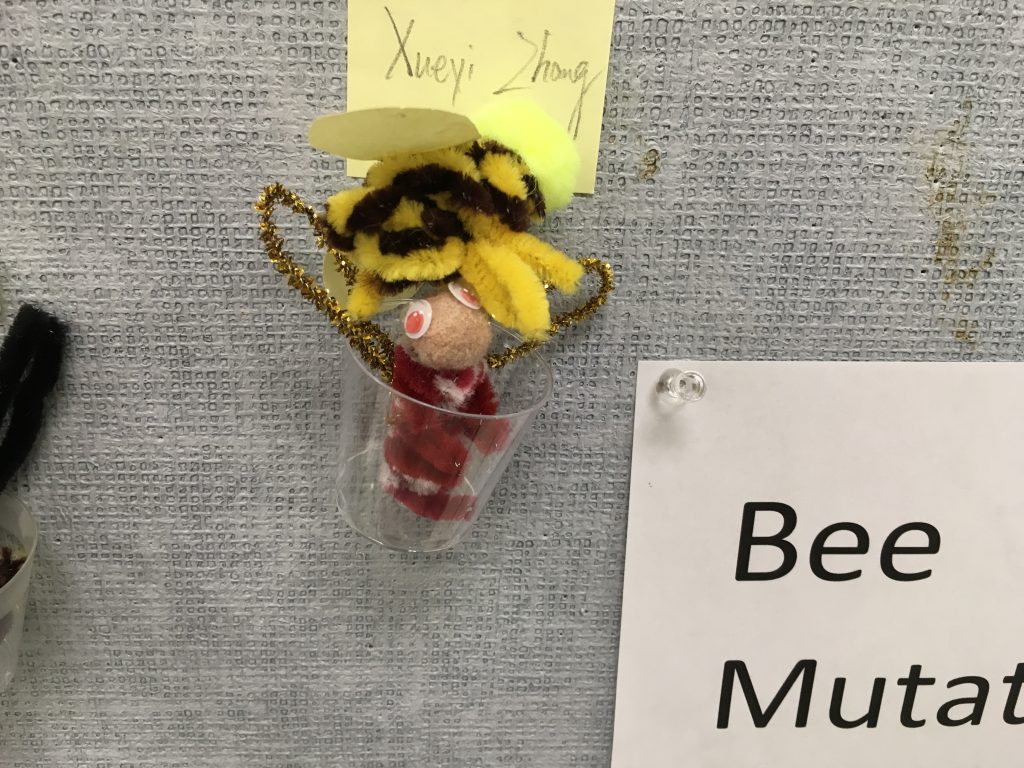
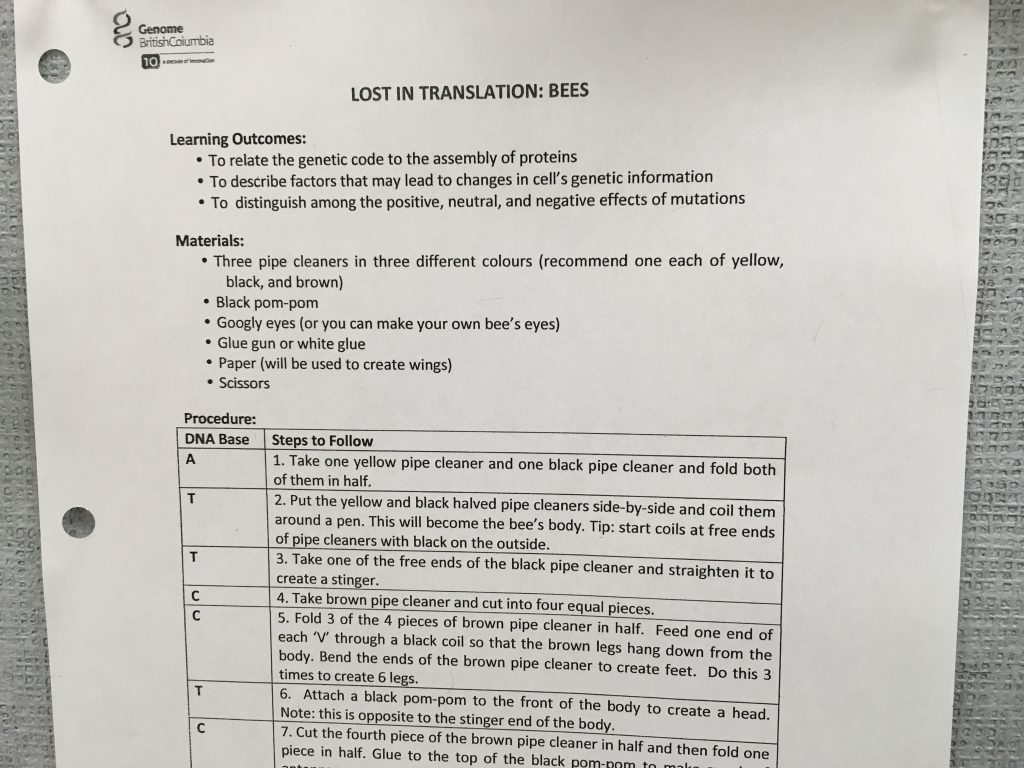
Bee Time “Lost in Translation”

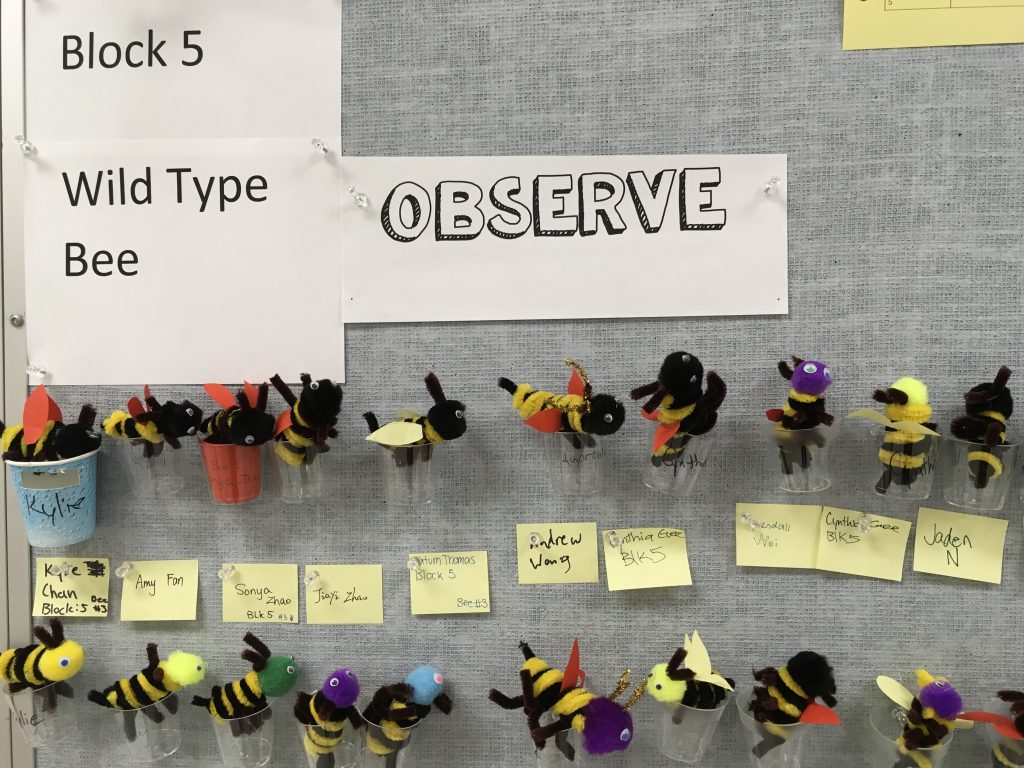
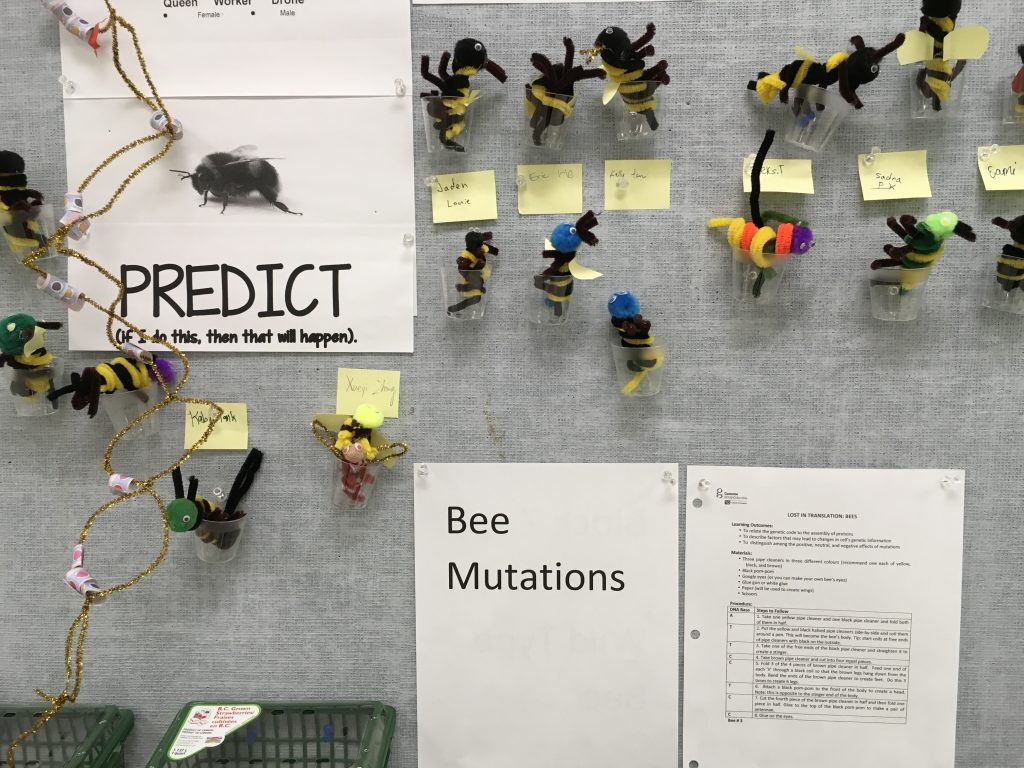
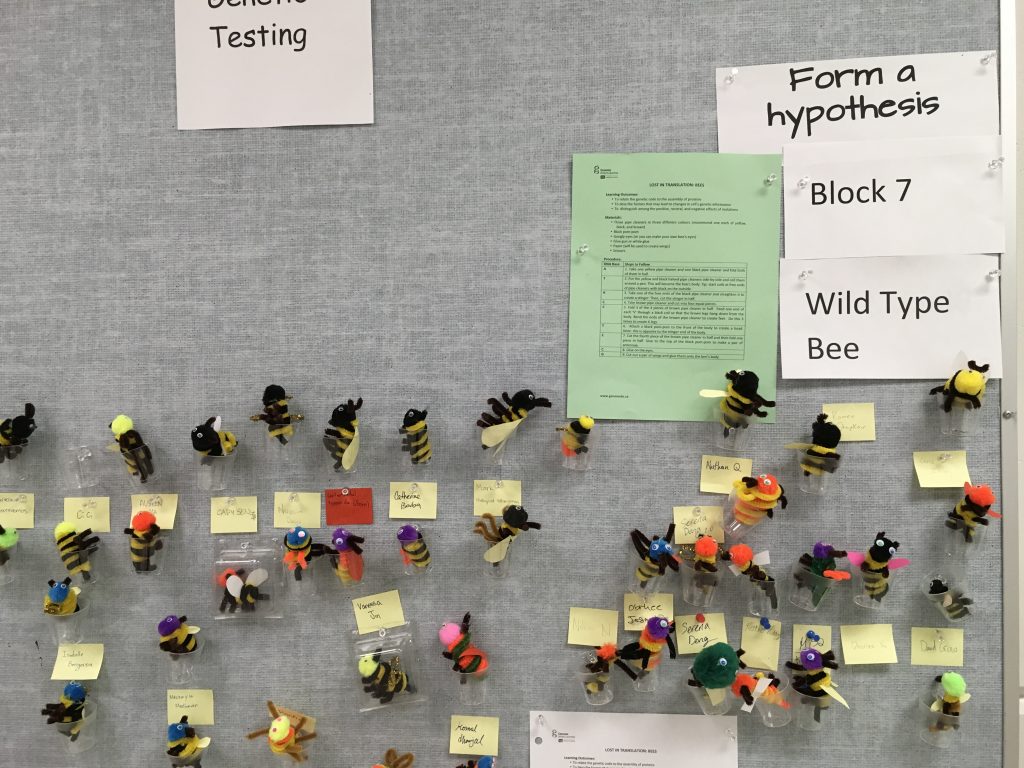
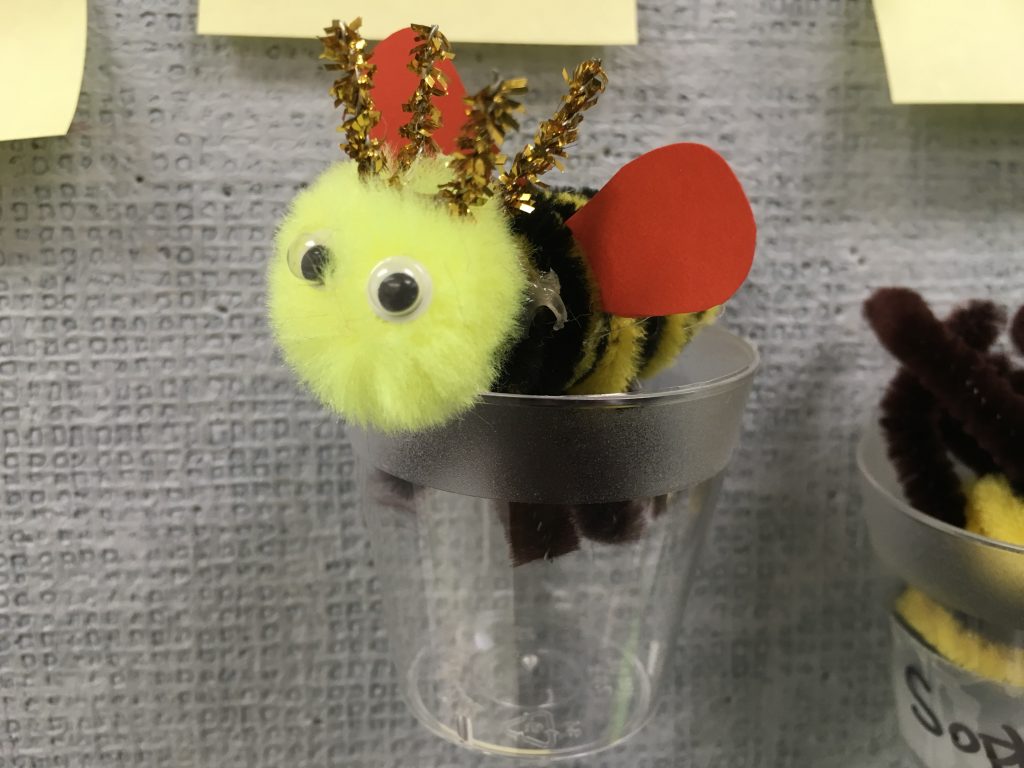
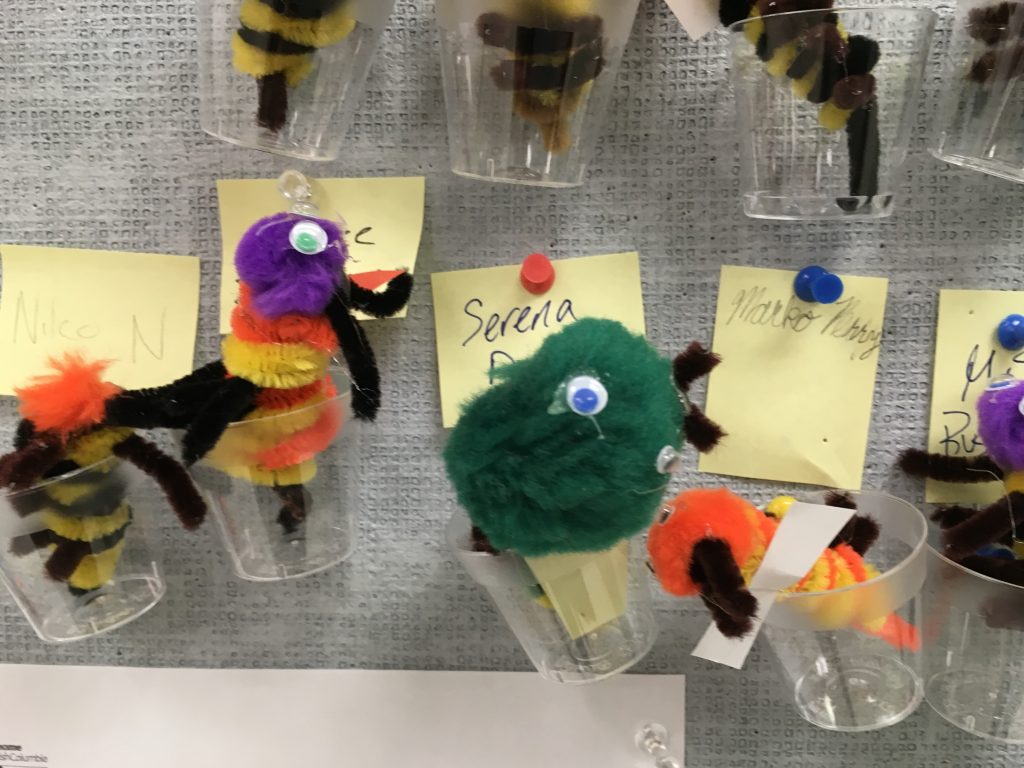
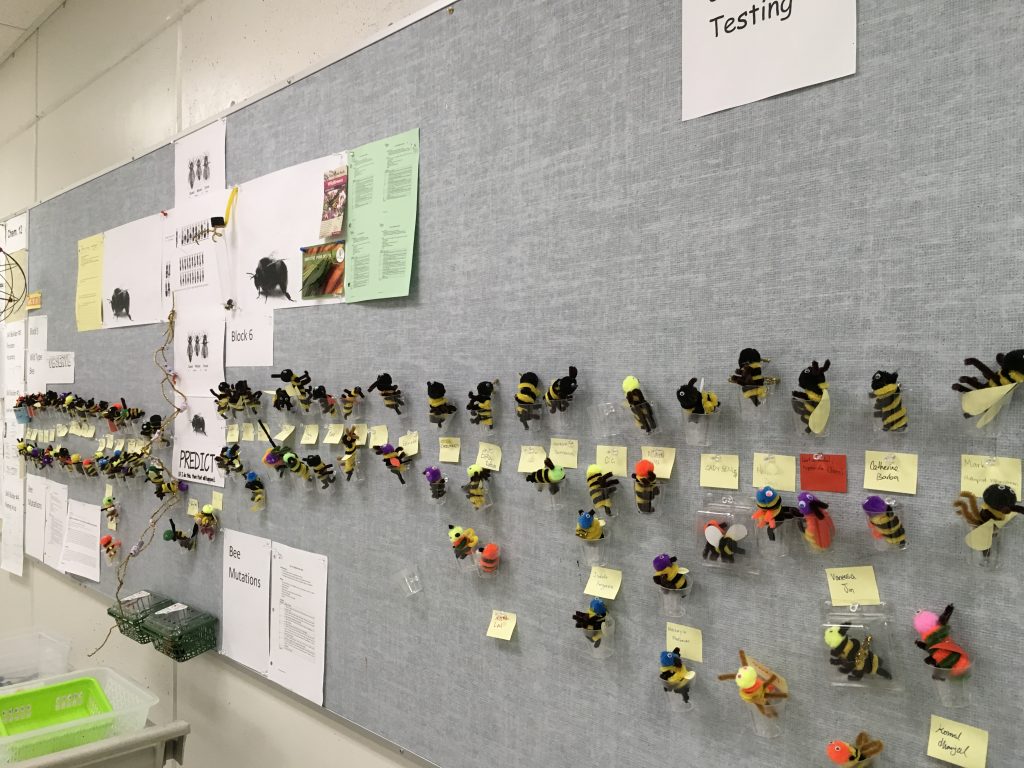
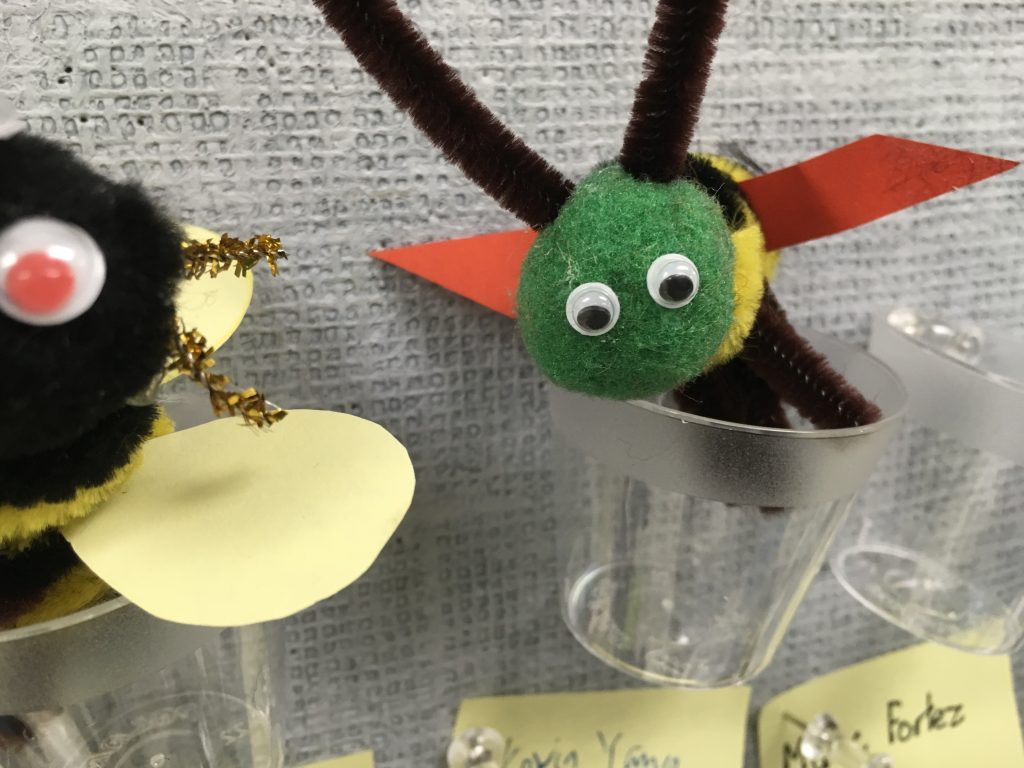
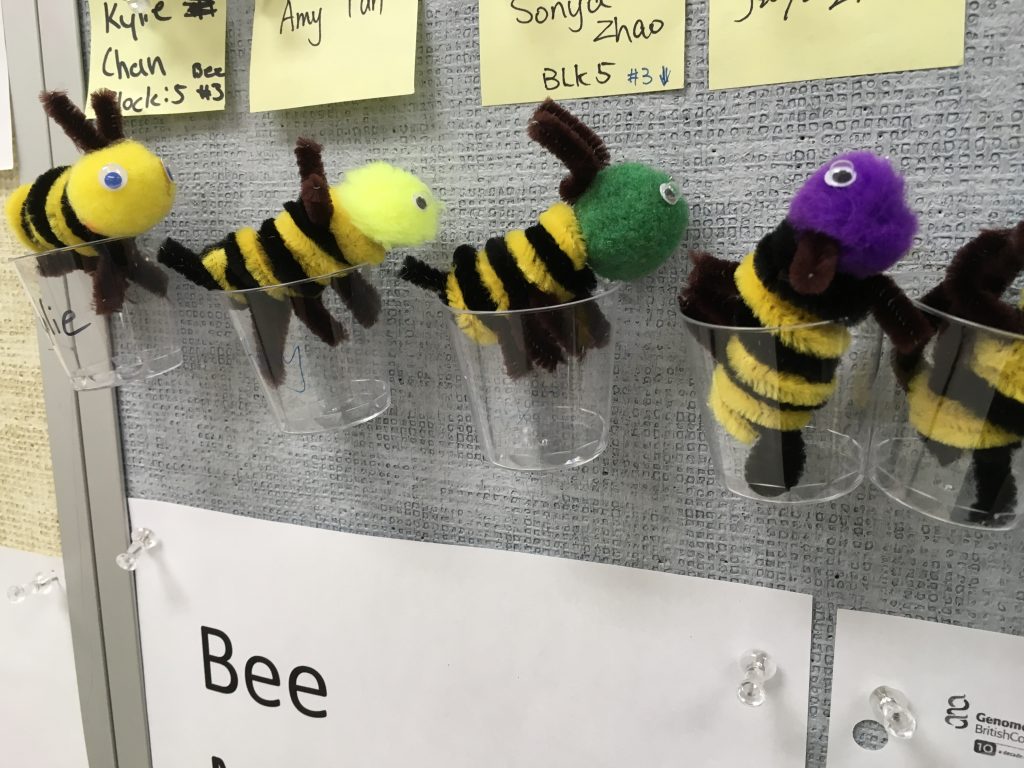
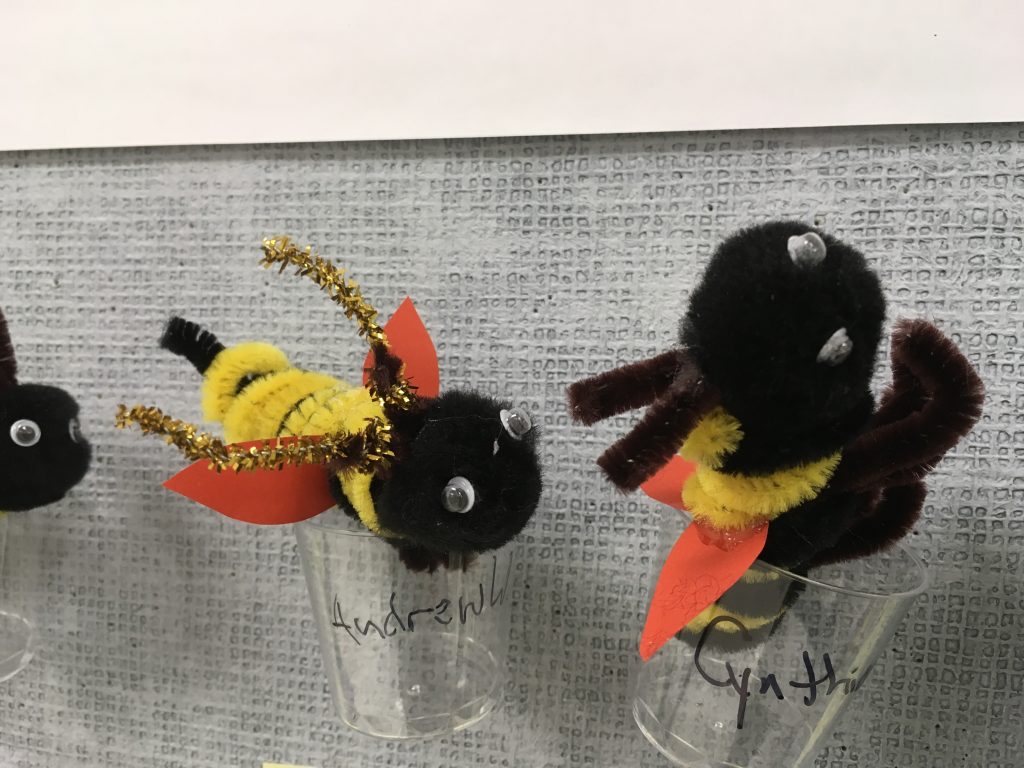
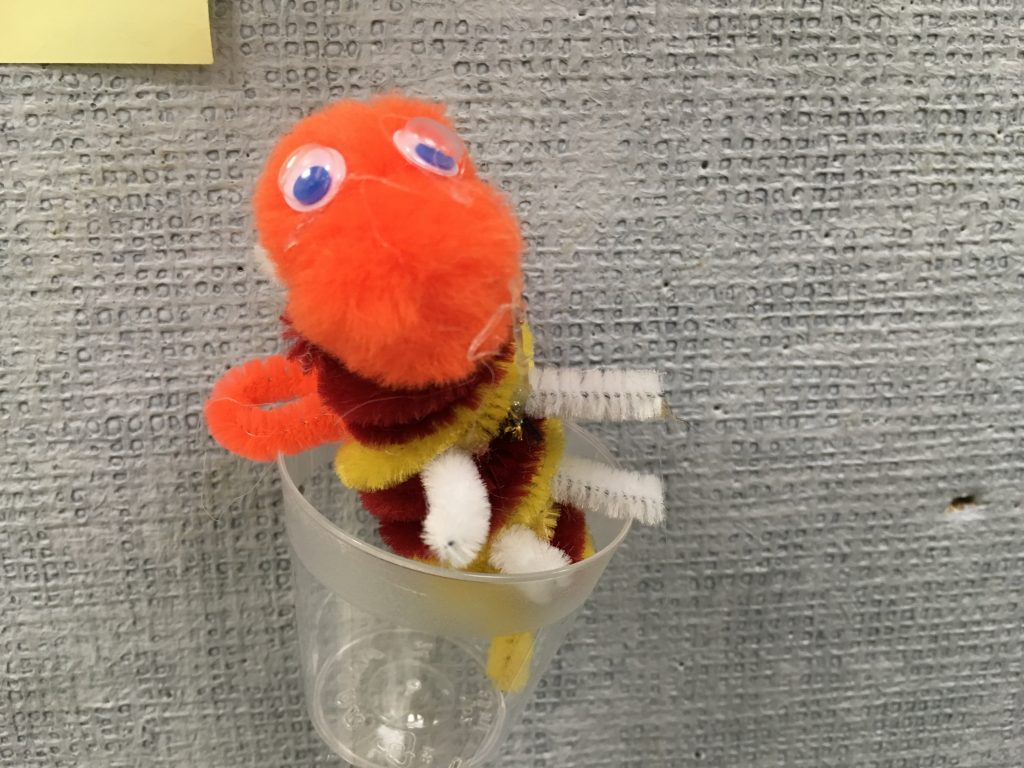
Science starts with seeing.  Check out some of the amazing wild type and mutated bee forms

What visible features are present in the wild type bees that are not observable in the mutated bees?

Is head colour a mutation or an acceptable variation in head colour in bees?

Is the colour of the bee relevant? Does the colour of the bee make an evolutionary difference to the survival of the bees?

How are bee eyes adapted to see flower colour? Do bees prefer flowers with a certain colour?

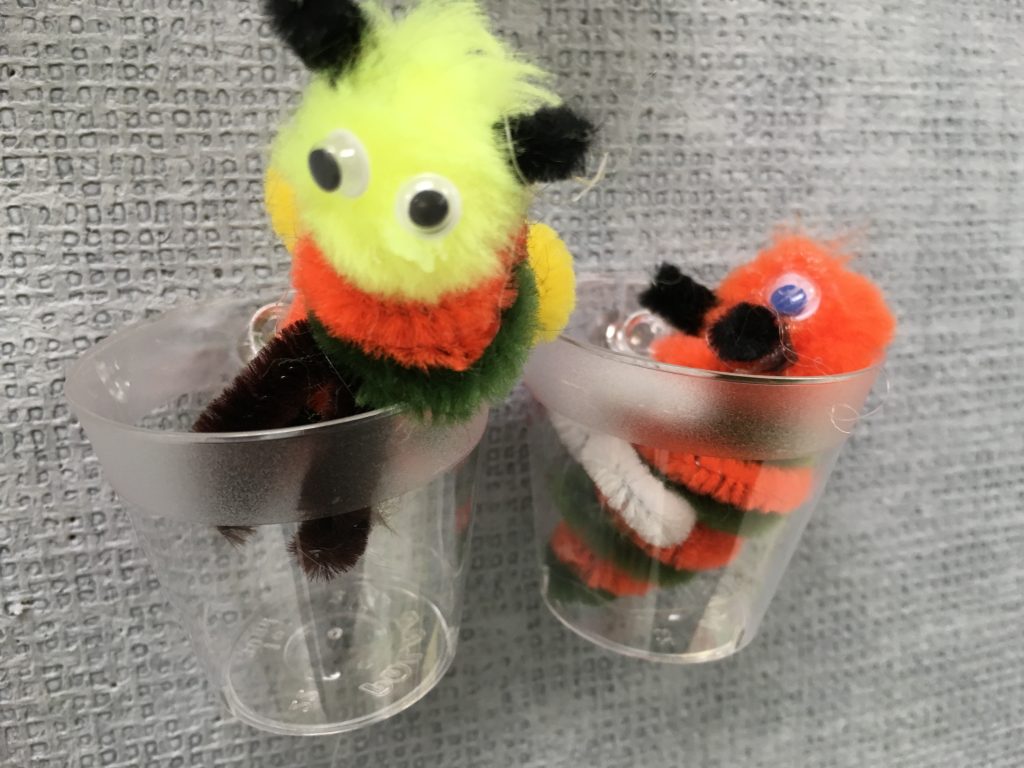
Does the size of the head of the bee make a difference in the bees evolutionary success?

Does this bee’s orange neck ring make a difference to the bees success?

Bee Spotter – Honey Bee Genome

Learn more about the Bee Spotter Program


How can a single allele that has independent assortment produce a colour change in human skin?

Learn more about how skin colour is a function of melanin presence which varies according to UV radiation.


Niche – the fun way to learn about natural selection

Learn a lot more about genes, chromosomes and mutations by exploring the learning links on our genetics page:


Learn more about how grassland creatures are about to co-exist due to niche partitioning. Each species is able to co-exist if it occupies a unique biological niche.

Science Literacy Week A week-long celebration of science in Canada September 18-24, 2017

Join in the fun and enjoy learning more about science by reading science related information this coming week.


Check out some of the interesting activities available to do during Science Literacy Week:

Learn more about how DNA is read using Genome Kits – Genotyping

Lets investigate some terms:

DNA Sequencing =  your entire genome

Genotyping =  a tiny fraction of your genome (0.02% of your genome)

Tap Water is contaminated by plastic

New study  highlights the extent of plastic contamination in tap water world wide – learn more

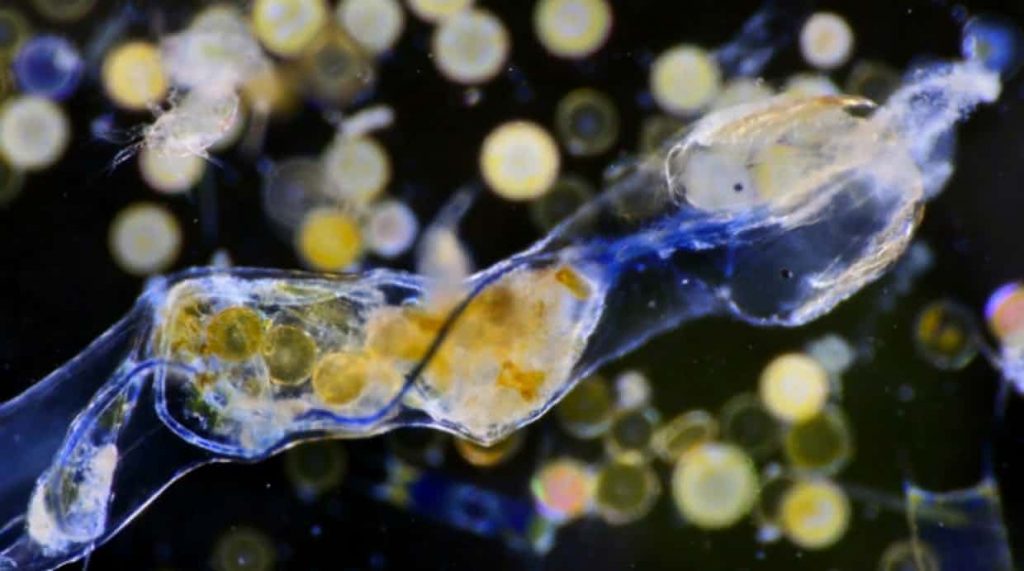
Plankton arrow worm, Sagitta setosa, as seen with a blue plastic fibre in it’s gut. The fibre is approximately 3 mm long.  Plankton is at the base of the food chain.  This plastic fibre is transferred along the food chain. 

Current standard water treatment systems do not filter out all of the microplastics, Mahon said: “There is nowhere really where you can say these are being trapped 100%. In terms of fibres, the diameter is 10 microns across and it would be very unusual to find that level of filtration in our drinking water systems.”

Welcome Back to School!

Welcome Back! Thanks for stopping by.  
Please prepare for the new school year by learning a bit about your Homework Blog.

 A massive black hole has been discovered in our Milky Way Galaxy – Learn more


Watch the Solar Eclipse – Live stream from the exploratorium


Watch the solar eclipse (safely) using the life stream from the Exoloratorium. The live stream will start on Monday August 21, 2017 at 9:00 am PST.


On August 21, 2017, beginning at 10:15 a.m. PDT, a total solar eclipse will sweep across the United States. The glorious sight of the fully eclipsed Sun will be visible along a 70-mile-wide path arching from Oregon to South Carolina.

People not in the path will experience a partial eclipse.
Safety: It is never safe to look directly at the sun. Please use the following information to make sure that you do not harm your eyes by staring directly at the sun.
Looking directly at the sun is unsafe except during the brief total phase of a solar eclipse (“totality”), when the moon entirely blocks the sun’s bright face, which will happen only within the narrow path of totality (https://go.nasa.gov/2pC0lhe (link is external)).
Eclipse glass
The only safe way to look directly at the uneclipsed or partially eclipsed sun is through special-purpose solar filters, such as “eclipse glasses” (example shown at left) or hand-held solar viewers. Homemade filters or ordinary sunglasses, even very dark ones, are not safe for looking at the sun; they transmit thousands of times too much sunlight.