View this post on Instagram
View this post on Instagram

View this post on Instagram
View this post on Instagram
Comments Off on Celebrate Biodiversity
Posted in Uncategorized
Comments Off on Learn more about the scientific method and experimental science
Posted in Uncategorized
View this post on Instagram
Comments Off on Plastic Pollution is controlled by a small handful of companies
Posted in Uncategorized
 Loading...
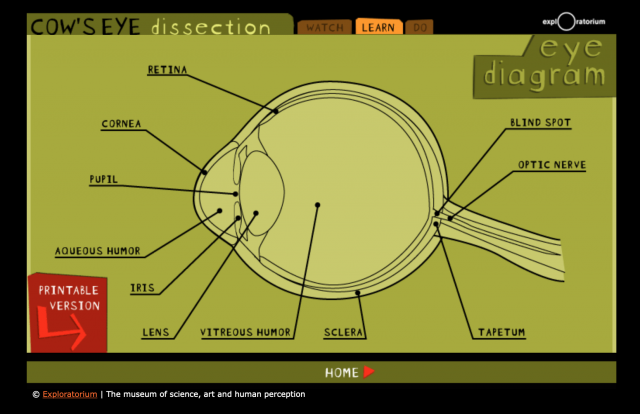
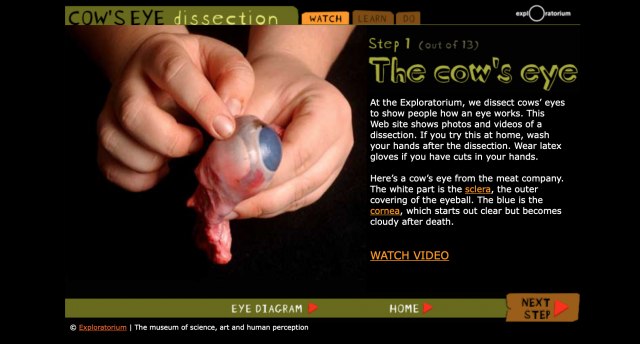
Comments Off on Pre-Lab: Review the information to learn more about the parts of the eye
Posted in Uncategorized
Loading...
Comments Off on Week 4: Self Assessment of work habits
Posted in Uncategorized
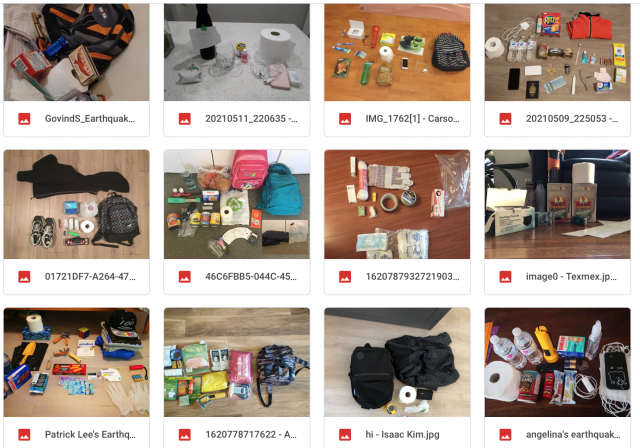
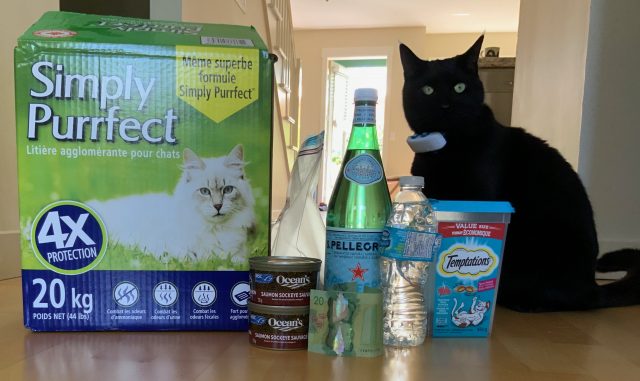
Comments Off on Earthquake kit assignment: complete by Wed. May 12, 2021
Posted in Uncategorized
Loading...
Comments Off on Science Walk: The Water Cycle – two ways of knowing
Posted in Uncategorized
Comments Off on Science Walk: Handprints for Action
Posted in Uncategorized
The purpose of the scavenger hunt is to learn some commonly used scientific terms and apply them to real world objects that surround you.
The scavenger hunt list along with instructions can be accessed using the google drive URL link found below.
Scavenger hunt attempts along with photos of the scientific term examples you found (minimum 3 photos) can be emailed to letstalkscience.okanagan@ubc.ca for a chance to win a National Geographic STEM kit prize! Prize will be mailed to child’s school address.
Submissions will be accepted until May 17th 2021.
Loading...
Comments Off on Let’s Talk Science: Science Scavenger Hunt
Posted in Uncategorized
Comments Off on Learn more about the plants in our ecosystem
Posted in Uncategorized



 Reload document
  Open in new tab