
LOG IN
Categories
Links we Love
Lab Work
-
Sc. 10 Tests & Assignments
April 2026 M T W T F S S 1 2 3 4 5 6 7 8 9 10 11 12 13 14 15 16 17 18 19 20 21 22 23 24 25 26 27 28 29 30 Science in the news
April 2026 M T W T F S S 1 2 3 4 5 6 7 8 9 10 11 12 13 14 15 16 17 18 19 20 21 22 23 24 25 26 27 28 29 30 April 2026 M T W T F S S 1 2 3 4 5 6 7 8 9 10 11 12 13 14 15 16 17 18 19 20 21 22 23 24 25 26 27 28 29 30
Category Archives: Uncategorized
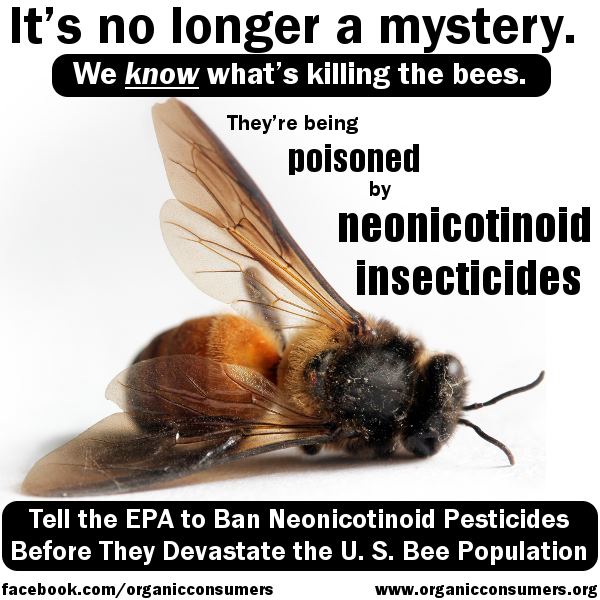
Now the bees need our help! – I Love Bees!
Bee Campaign runs into trouble – what does science tell us?
Comments Off on Now the bees need our help! – I Love Bees!
Posted in Uncategorized
Project Snow Storm – Learn more about animal research!
Learn more about how biologist study animal movement and behaviour using observational data gained with tracking devices.
Comments Off on Project Snow Storm – Learn more about animal research!
Posted in Uncategorized
The Invasive Species Council of BC is calling for input: Share what you know.
The Invasive Species Council of BC is meeting with the goal of updating the invasive species approach. Learn More…
“The ISCBC has already completed one in-depth input session that covered four solutions from the Strategy at the November 24th ISCBC Special Members Meeting. To keep building on the momentum and allow everyone ample opportunity to contribute, the ISCBC is offering three interactive Online Input Sessions. If you cannot attend the Input Sessions or have additional feedback beyond the facilitated discussions, we encourage you to fill out Online Input Forms accessed below. All input received from the November 24th ISCBC Special Members meeting, and gathered through online submissions, is listed in each of the Online Submission pages. Input from the online meetings will also be added to the running summaries.”
Comments Off on The Invasive Species Council of BC is calling for input: Share what you know.
Posted in Uncategorized
Review how science is done – the scientific method
Comments Off on Review how science is done – the scientific method
Posted in Uncategorized
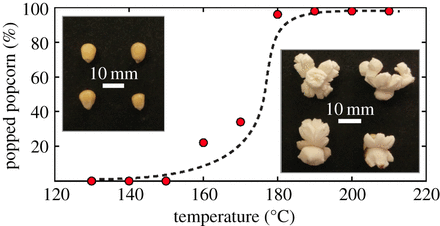
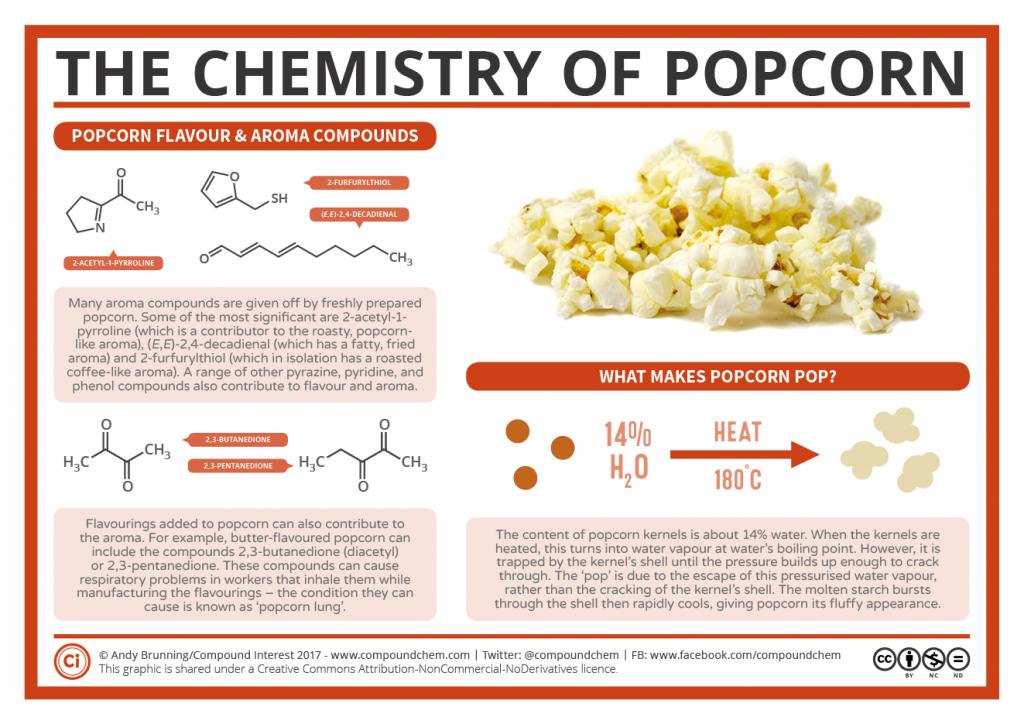
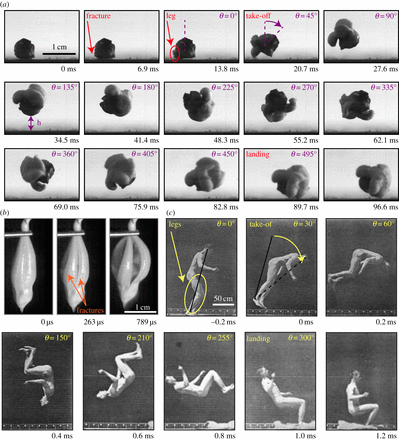
Popcorn is made up of matter (it has mass and takes up space). How is popcorn popped?
Comments Off on Popcorn is made up of matter (it has mass and takes up space). How is popcorn popped?
Posted in Uncategorized
Welcome Back to a brand new year of learning!
Welcome Back!
Best wishes for an exciting new year of learning!
Comments Off on Welcome Back to a brand new year of learning!
Posted in Uncategorized
Norad Santa Tracker – keep track of the “Right Jolly Old Elf”
Comments Off on Norad Santa Tracker – keep track of the “Right Jolly Old Elf”
Posted in Uncategorized
The 1st time this has ever been recorded – bats and birds snuggled up together in the same nest hole.
Is there a greater chance of species to species disease transfer when different animal species (birds and bats) share the same nest hole?
Comments Off on The 1st time this has ever been recorded – bats and birds snuggled up together in the same nest hole.
Posted in Uncategorized
What happens when false scientific data is published in a top medical Journal
Learn more about the MMR Vaccination scare:
Top five facts about the Lancet article and the Wakefield Study:
- the Wakefield investigation could not be repeated. A valid science study must be able to be repeated.
- the study involved only 12 subjects. While this might be fine if it was an early stage investigation, twelve is too small a sample to conclude that the MMR vaccination causes autism. Twelve as a sample size is too small to be statistically valid.
- Eight (8) of the 12 mothers in the study suggested that Autism developed 2 weeks after their child was vaccination. In fact the test subjects were exhibiting autism traits 24 months before the MMR vaccination was given.
- Dr. Wakefield contacted the 12 subjects two years before he did his investigation and recruited these families to participate in his “research”.
- Dr. Wakefield was paid by lawyers to promote the MMR Vaccination scare.
Learn more about vaccinations:
Vaccinations are not drugs – they are real chemicals. Vaccinations stimulate an immune response.
Vaccinations are given to people who have no symptoms of a disease.
Comments Off on What happens when false scientific data is published in a top medical Journal
Posted in Uncategorized