Canva
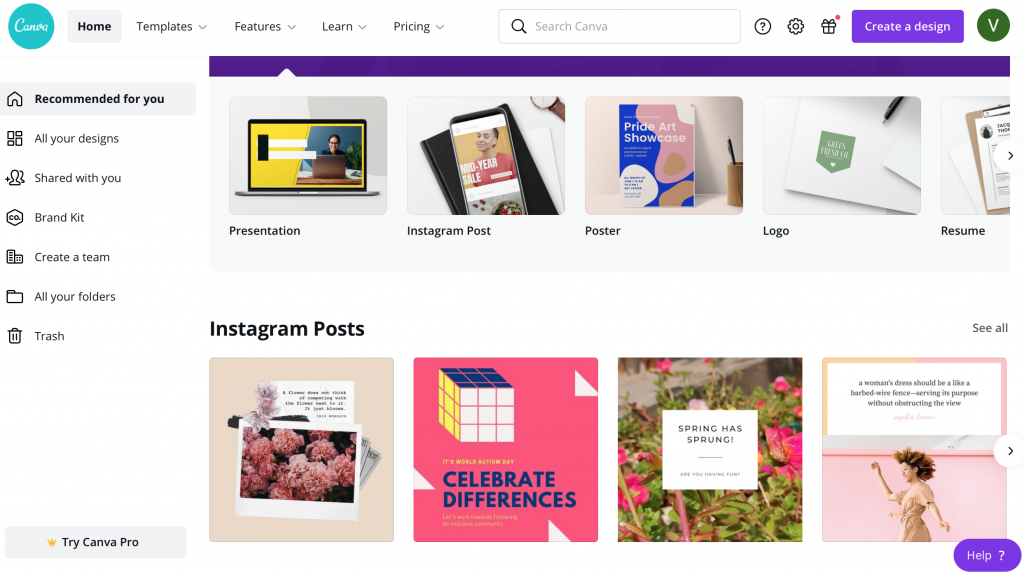

Comments Off on Canva – Digital Poster with site license for images
Posted in Uncategorized
Comments Off on PFAS Chemicals are making us sick
Posted in Uncategorized
 Loading...
Loading...
Loading...
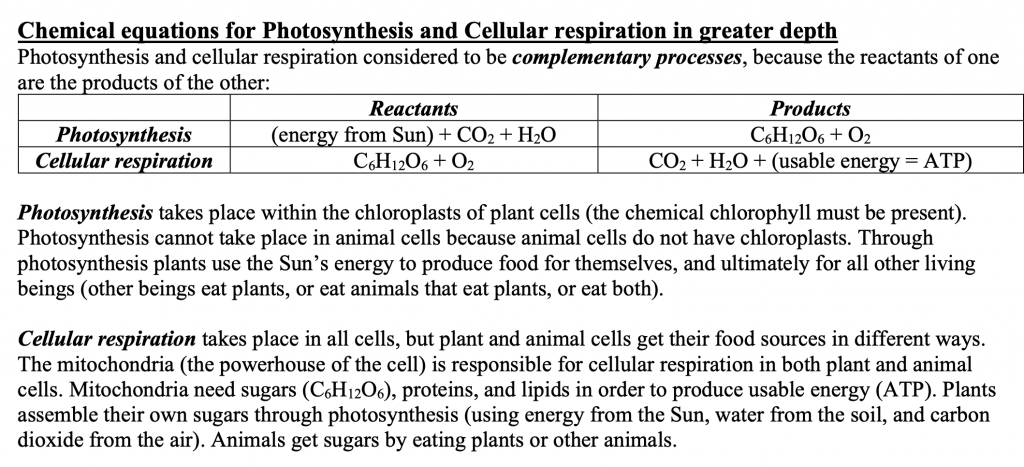
Comments Off on How do cells get their energy?
Posted in Uncategorized
Comments Off on Science + Fantasy = sweet tooth
Posted in Uncategorized
Loading...
 Loading...
Comments Off on Unit 3: Homework Help Page 167 – 169
Posted in Uncategorized
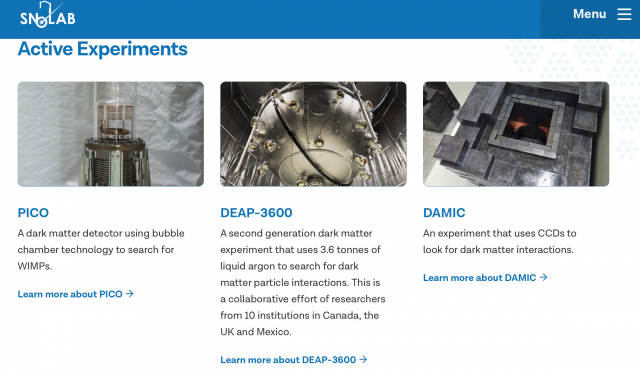
It provides an ideal low background environment for the study of extremely rare physical interactions. SNOLAB’s science program focuses on astroparticle physics, specifically neutrino and dark matter studies, though its unique location is also well-suited to biology and geology experiments. SNOLAB facilitates world-class research, trains highly qualified personnel, and inspires the next generation of scientists.
At 2km, SNOLAB is the deepest cleanest lab in the world. It is an expansion of the facilities constructed for the Sudbury Neutrino Observatory (SNO) solar neutrino experiment and has 5,000 m2 of clean space underground for experiments and supporting infrastructure. A staff of over 100 support the science, providing business processes, engineering design, construction, installation, technical support, and operations. SNOLAB research scientists provide expert and local support to the experiments and undertake research in their own right as members of experimental collaborations.
Comments Off on SNOLAB
Posted in Uncategorized
Loading...
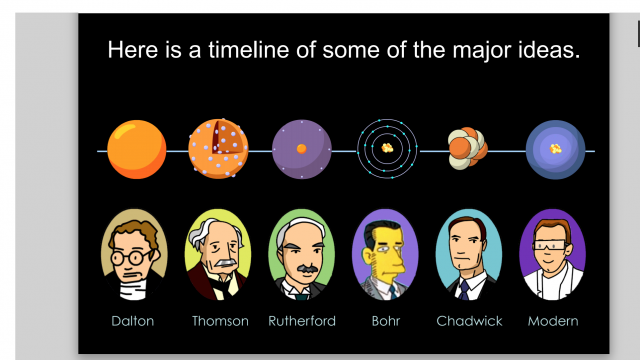
Comments Off on Unit 3: Chemistry Atomic Theory Project “Modelling the Atom”
Posted in Uncategorized
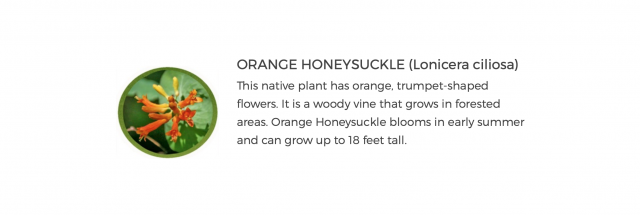
Comments Off on Plant of the Week: Lonicera ciliosa_Western Trumpet Honeysuckle
Posted in Uncategorized


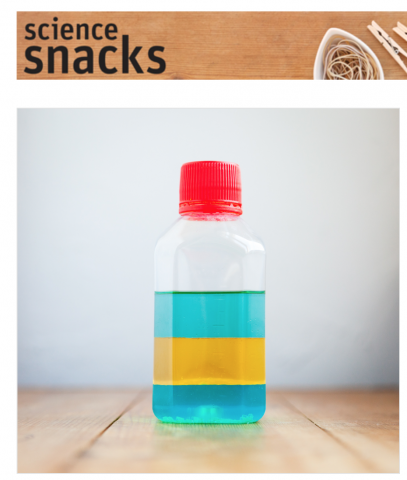
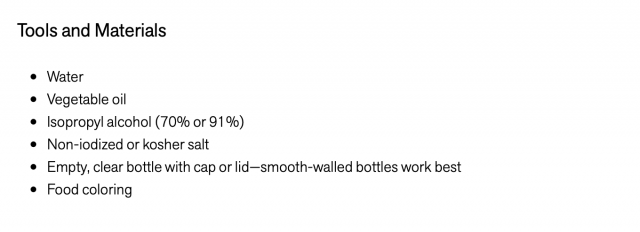
Comments Off on States of Matter Mini Lab: How does salt alter the freezing point of Water?
Posted in Uncategorized
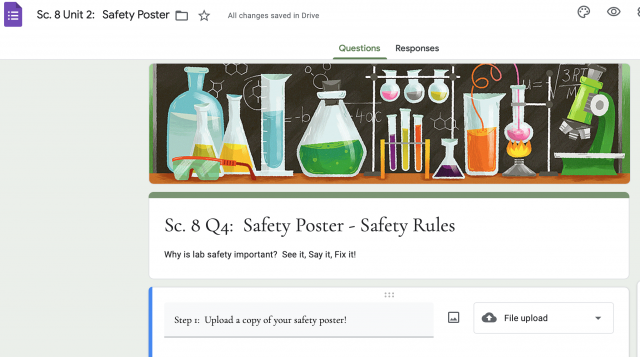
Comments Off on See it, say it fix it – lab safety time
Posted in Uncategorized



 Reload document
  Open in new tab