Sharing our Learning in Division 13

Category: Uncategorized (Page 11 of 27)

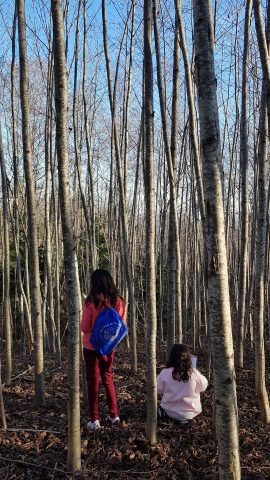
What makes a forest?

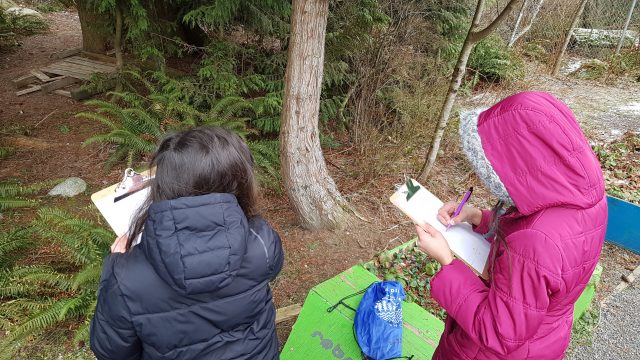
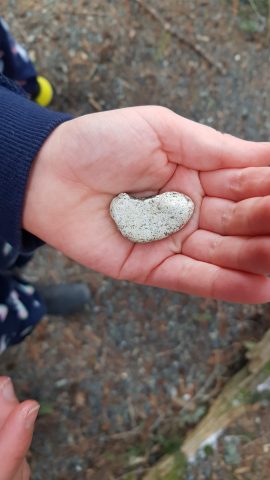
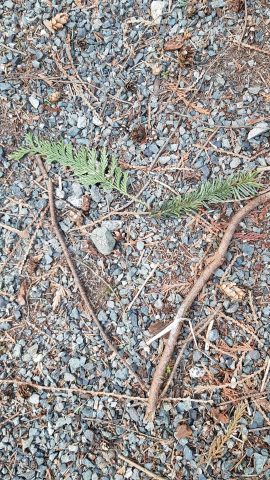
A forest is not just a group of trees! It is so much more! We have been exploring the stories of our forest this year. Recently, we have taken photos and started creating power point projects to express our understanding.

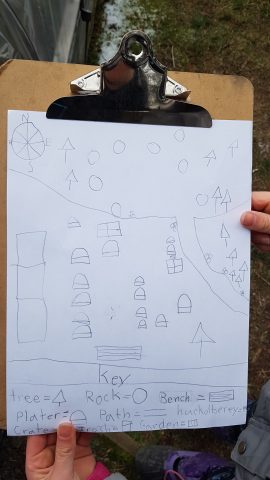
As we get to know our forest, we are realizing our role in protecting these places. Last week, we created vegetation maps of the forest spaces near our garden, and are excited for light mapping next week! Our findings will help us in our next steps of our forest understory restoration project!


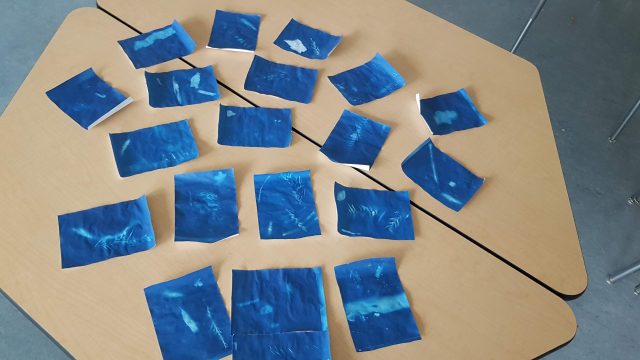
How can we catch a shadow?

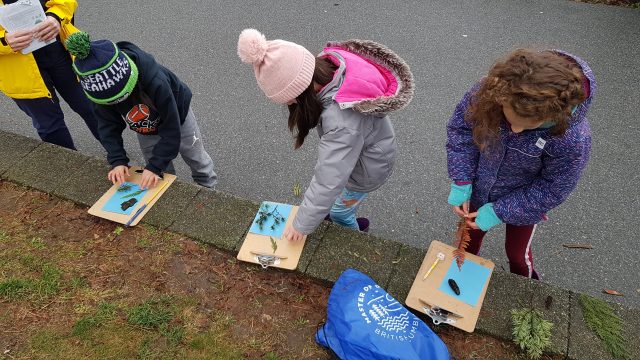
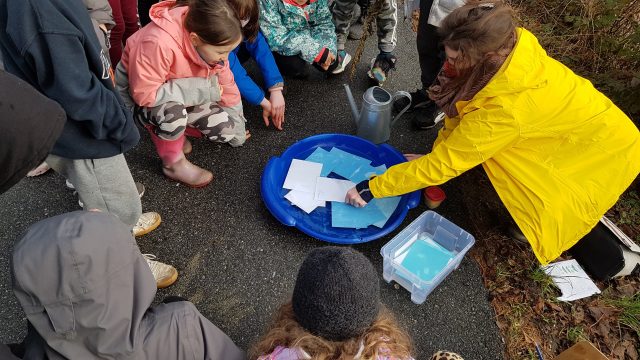
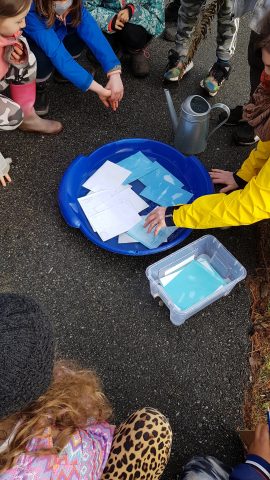
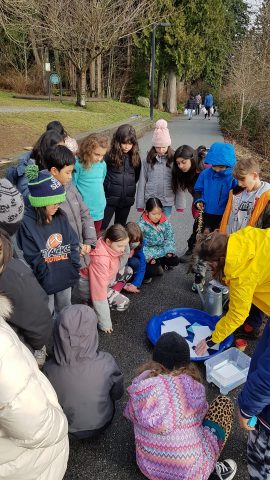
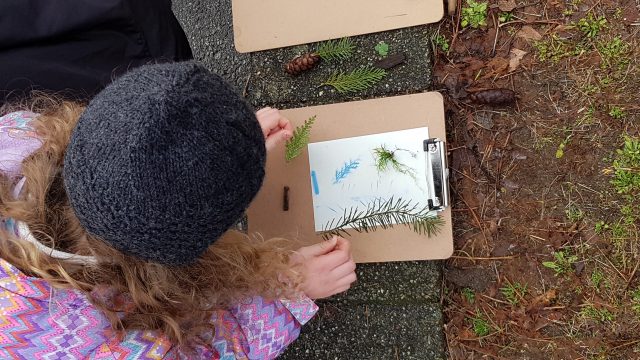
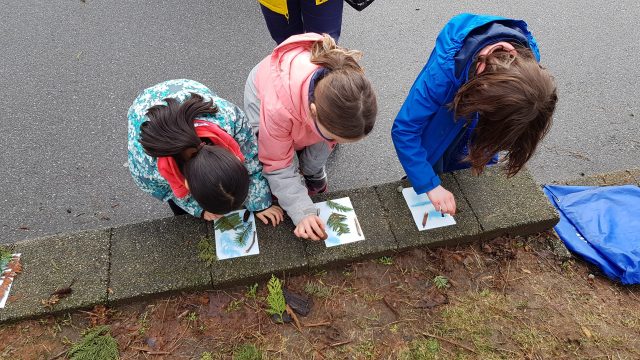
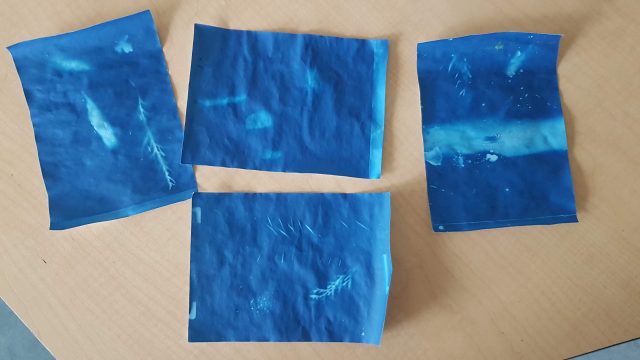
Div. 6 has been exploring with cyanotype paper. How can we understand the interplay between light, shadows, and form? We learned the story of Anna Atkins and the first photograph in Bluest of Blues. Then we set out to represent our forest treasures in yet another way. We are excited to create some new experiments by changing some of the variables to see how it changes the outcomes!

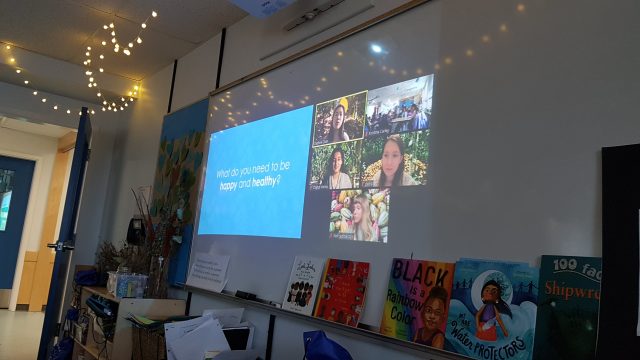
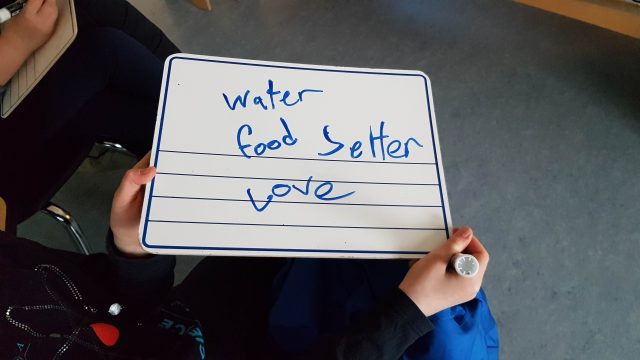
What do we need to be happy and healthy?


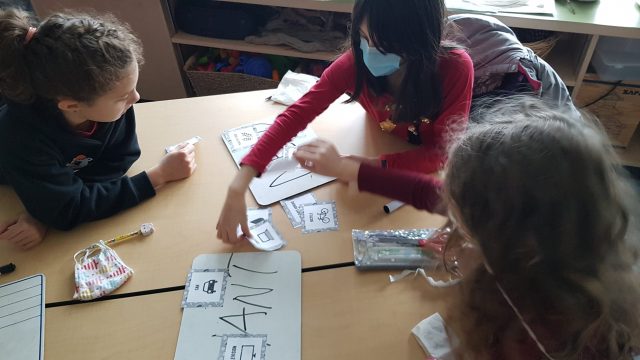
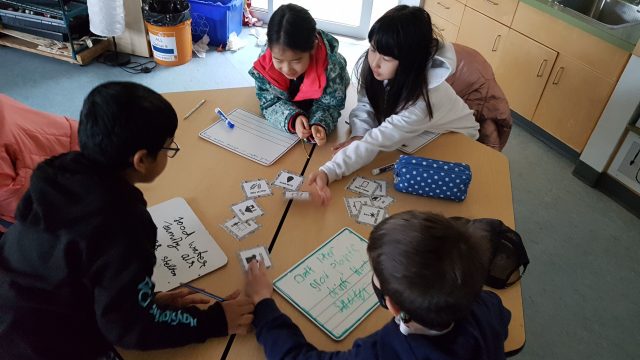
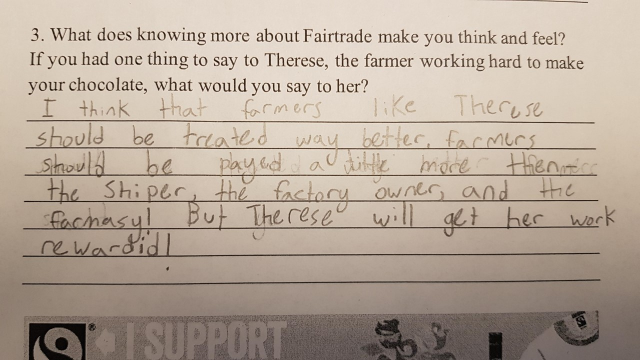
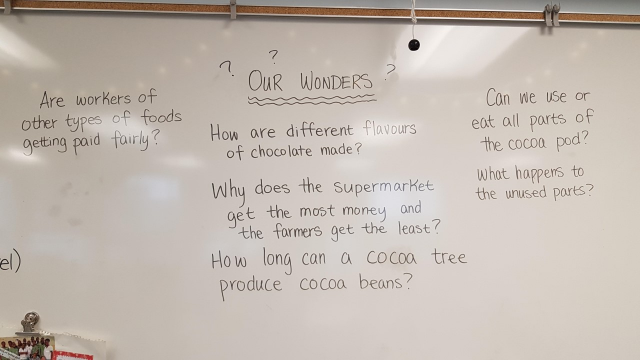
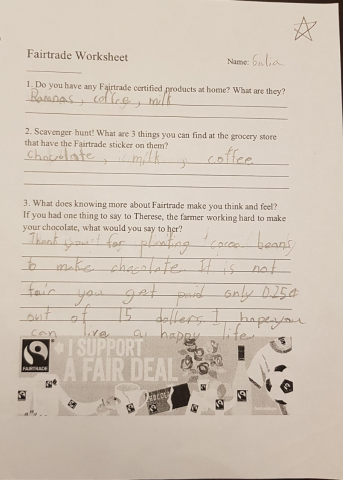
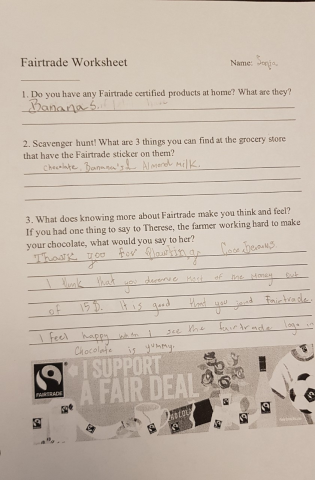
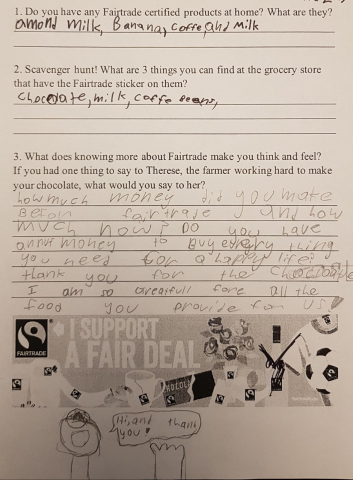
Last week, we connected with the SFU Fairtrade team to participate in a fabulous workshop. We explored what people need to be happy and healthy. We examined what the supply line looks like and how farmers fit in to our systems. How does ethical decision-making connect to our daily lives? How does it connect to our systems? We wondered if and how our actions could encourage fair treatment for people around the world, because everyone deserves to get their basic needs met.

What do we want our world to feel like?

How do we help each other feel cared for, celebrated, appreciated, seen, and respected? How do listen to the stories of others to help us build our understanding of the world and what we want the world to be?

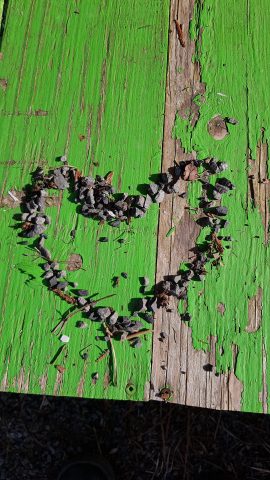
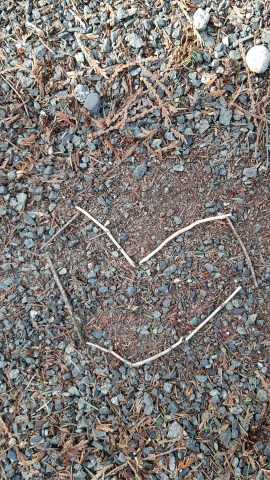
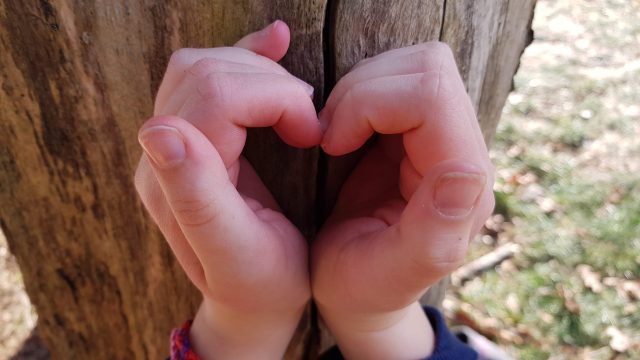
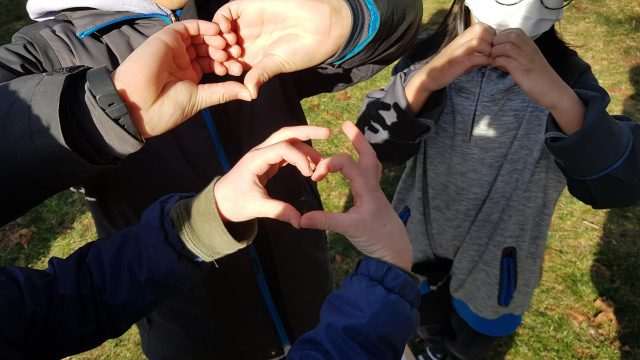
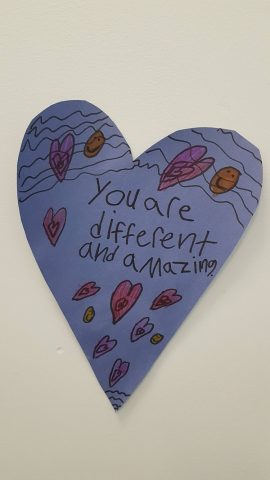
We created this video in December, but we wanted to share it now, because we think it is a perfect fit for this month of February. In Wishtree, someone carved “Leave” into Red and we considered how that message made the community feel. How do we want our community to feel? We considered the messages we wanted to share with our school, even from a distance. Students in Div. 6 and 8 created affirmations from the heart and after sharing them through our video, we posted our hearts all around the school for all to see!

Februrary is…

  • Black history month
  • Lunar new year, Feb. 12th
  • Valentine’s day, spreading kindness on Feb. 12/14th
  • Family day, Feb. 15th
  • Pink shirt day, Feb. 24th

How can we use the sun and stars to understand the seasons?

Seasonal Changes & Shadow Length

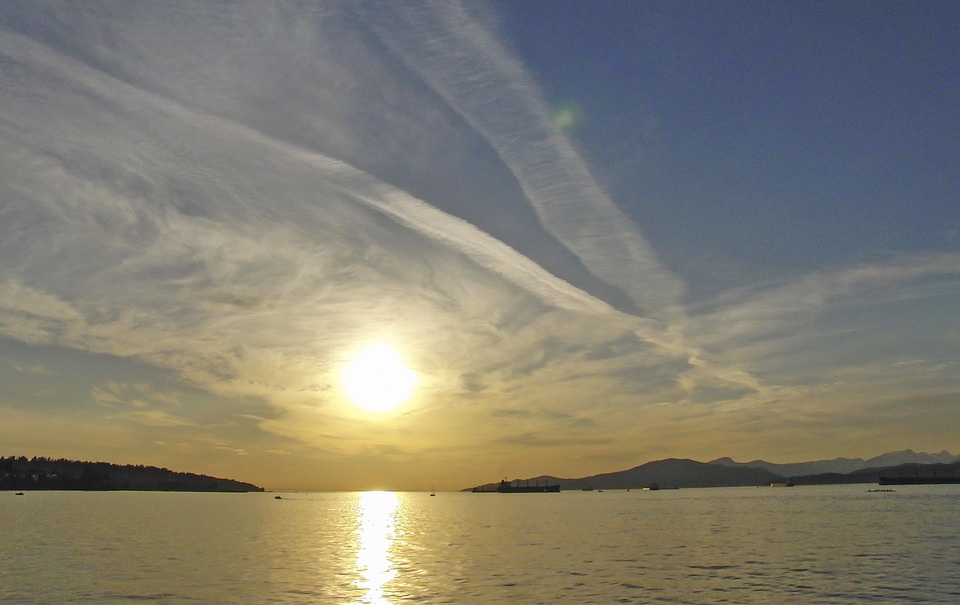
This week we were exploring the Sun’s path changes with the time of the year. We noticed that on summer days the Sun comes up earlier, rises higher in the midday sky, and sets later than it does in winter. If you are curious about when the Sun rises and sets, you can type “sunrise” or “sunset” into Google to find out the exact time! This week we had daylight savings – how does this adjust our observations?

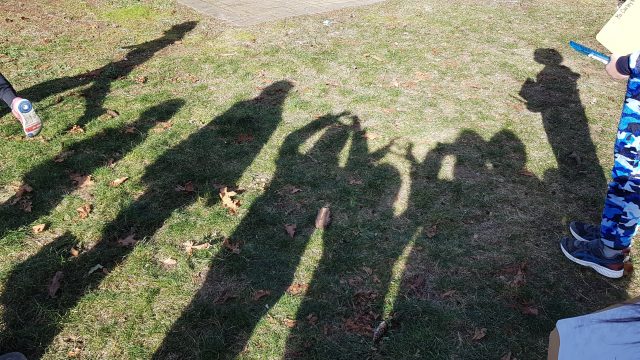
Changes in the Sun’s position every day add up to big changes over months. You can show this by marking the shadow of a stationary object at the same time of day once a week for a few weeks. If you are up for an experiment, try this at home! Every week, the shadow will be in a new position.

Seasonal Patterns & Earth’s Orbit

This week students were introduced to constellations, and learned how there are different constellations visible each season. They explored the Mystery, “Why do the constellations change with the seasons?” Your child built a model that makes it easy for them to visualize the answer, called a “Universe in a Box.” If you can, take this opportunity to have your child show you how their “Universe in a Box” works. Ask them: Why do we see different constellations each season? What are some constellations we will see if we go outside tonight? You might even want to try out an app on your phone for finding constellations!

Other extensions – Astronomy Picture of the Day (APOD)!

Each day, APOD features a different photograph of the universe, along with a short explanation by an astronomer. There’s also a searchable APOD Archive.

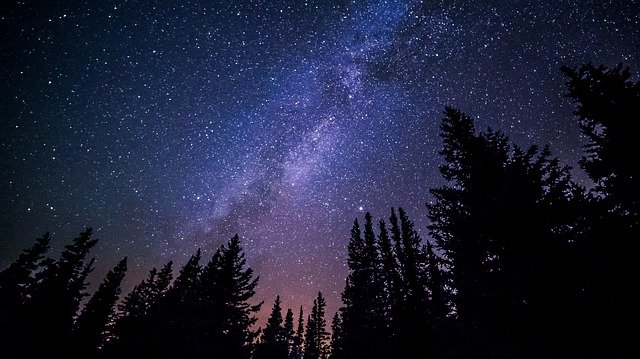
Here are a few photos to get you started:

How can we use our senses to explore seeds and their cycles?

What is the cycle of seeds?

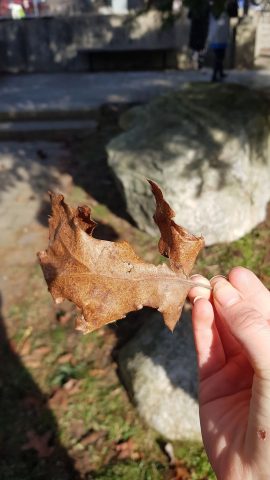
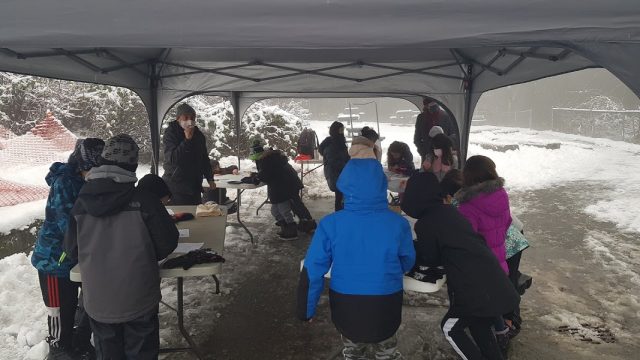
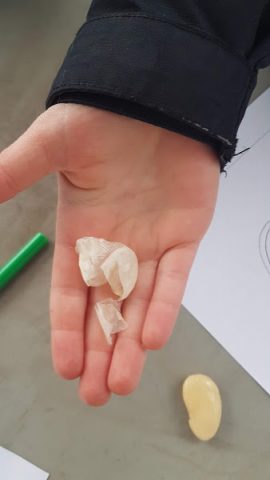
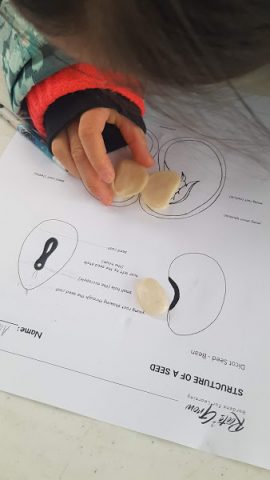
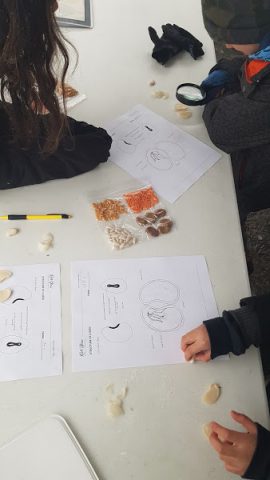
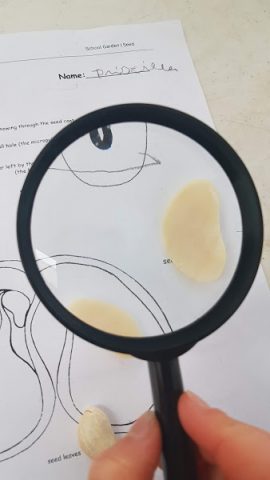
What are the parts of a seed and how can we determine if a seed is a monocot or a dicot? We’ll give you a clue… it is in the leaves! Look closely when you next look at a leaf, what do you notice? On Monday, we had a chilly garden day! We are preparing our garden and considering how we will plan our planting in the spring! There is so much to be done in a garden, even in the winter months!

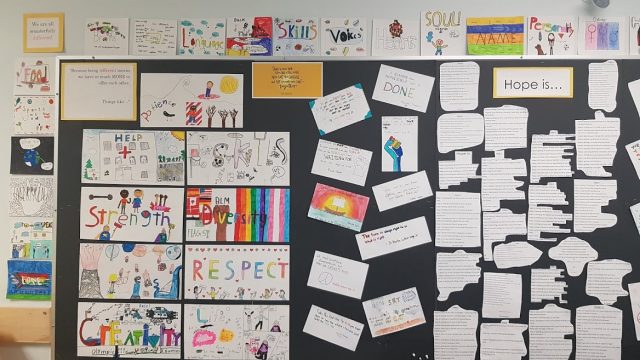
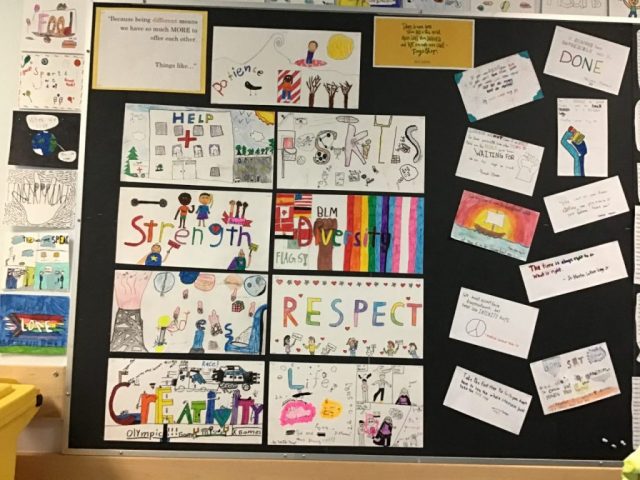
How are we all wonderfully different?

“Because being different means we have so much MORE to offer each other.” – Jelani Memory

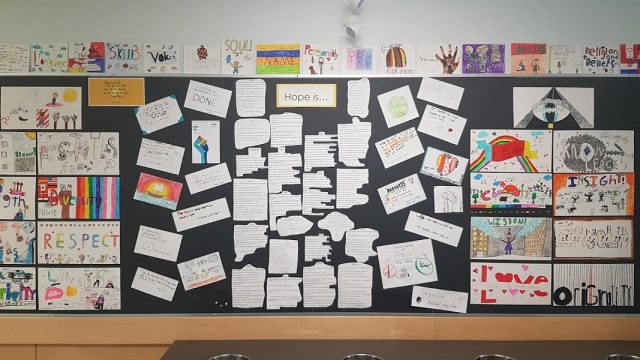
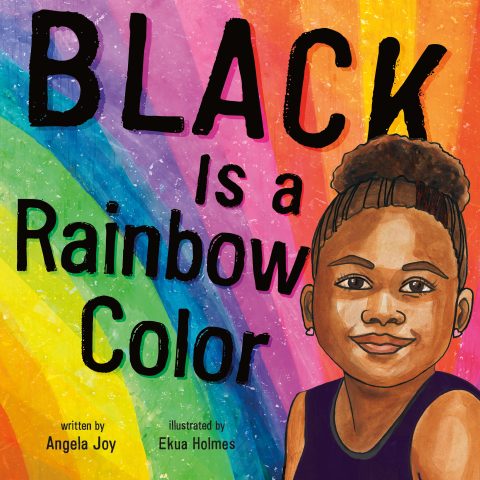
Thank you for sharing in such beautiful, open, thoughtful conversations, on Black Shirt Day, and always. We explored the things we have to offer because we are different. Stay tuned for our finished collaborative bulletin board full of so many voices.

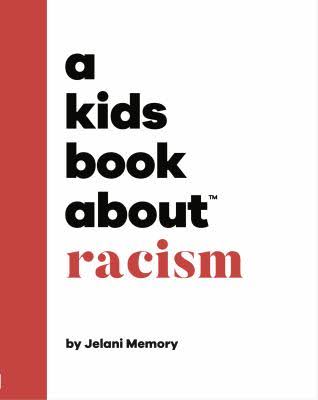
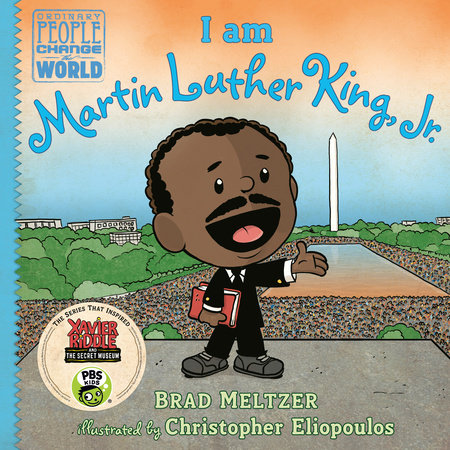
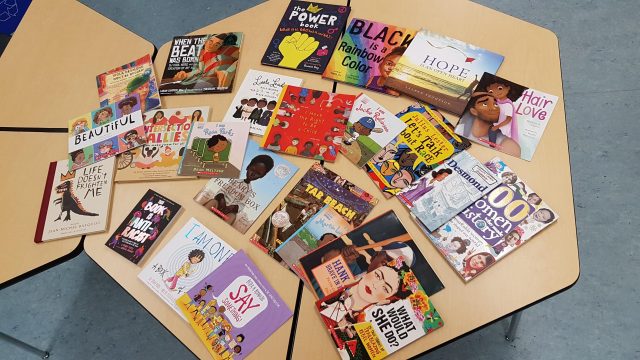
We are so thankful for the beautiful books that help us explore diversity, human rights, and individuality!

How can we measure time: our math & science inquiry


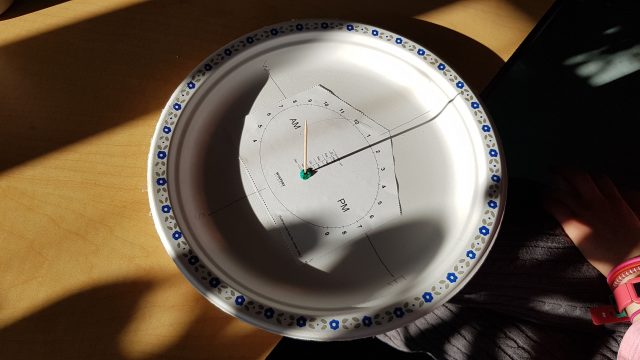
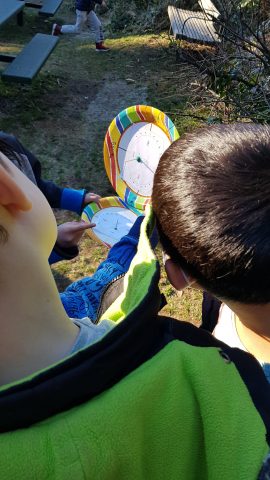
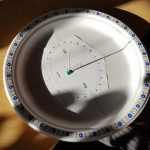
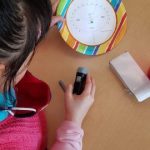
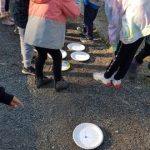
This week, we did a few experiments to explore our math & science inquiry about time. We brought home our maps and our shadow clocks (sundials) to explain these concepts to you!

Day, night, and Earth’s rotation

This week we learned that even though it looks like the Sun is moving across the sky every day, it is actually the Earth that is spinning (rotating) around its axis. In the activity, students became models of the Earth and spun around to understand how this movement is responsible for the Sun rising and setting every day. We also discussed how the speed of the Earth’s rotation affects the length of one full day.

You can support learning at home. The next time you’re traveling by car or bus, you can point out that it doesn’t feel like you’re moving at all – even if you’re traveling at really high speeds! This is the same reason that even though the Earth is spinning incredibly fast, it never feels like we’re moving. Because the Earth is always spinning at a constant speed, we never feel it moving!

Earth’s rotation and daily shadow patterns

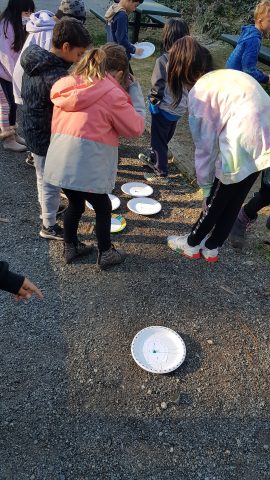
Our second big question was ,“Who set the first clock?” We made shadow clocks (sundials), learned about telling time by the Sun, and found out how (and why) people first divided the day into hours.

When your child brings the sundial home, I suggest you help set it up in the sun with the north-pointing arrow pointing to north. When you and your child watch the shadow move over the course of the day, you might point out that the shadow moves clockwise around the dial.

Exploring Time Around the World

As we considered what time it was in different places around the world, we started to share stories about places that are important to us. Can you share some stories and place them on the map?

Literacy Week: Travel the World Together

Next week is literacy week! Our theme is “Travel the world together”. We will have an assembly on Monday and Friday, and have many stories and activities throughout! Wednesday is “Wear words” day. Your children will also be bringing home bingo boards which are due back on Thursday!
How can a wind storm inspire us?

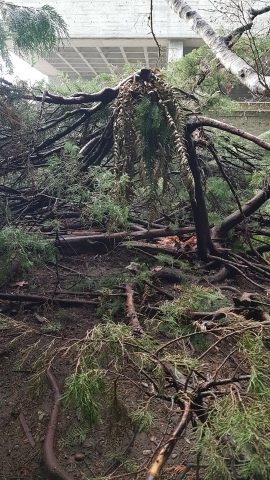
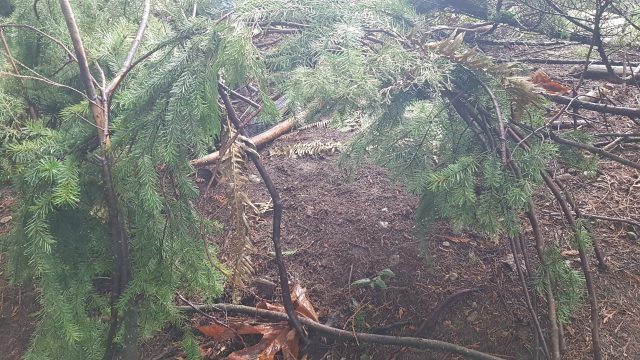
We have had windy weather lately and it has given us much to explore!
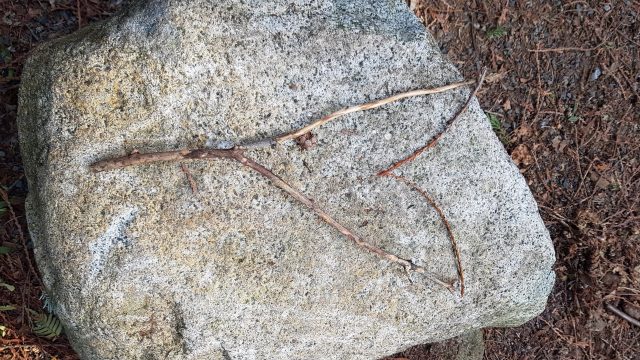
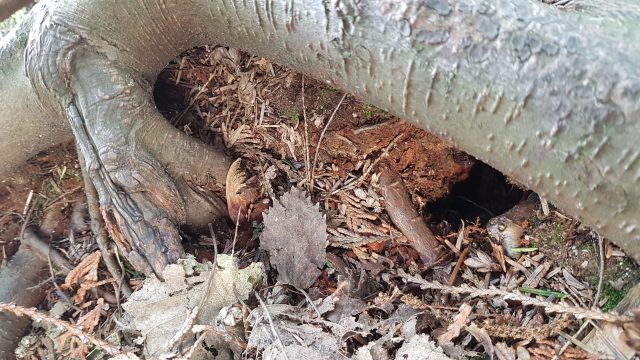
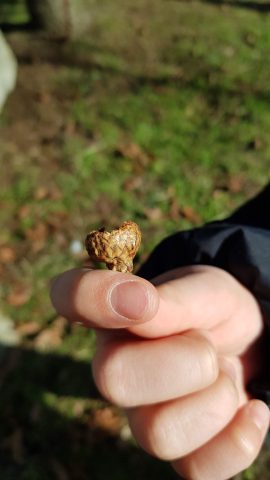
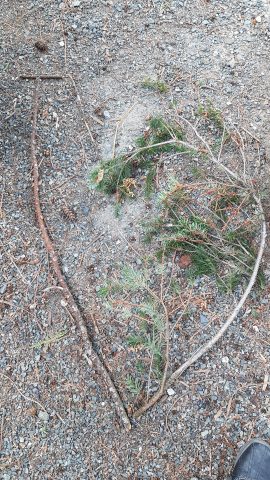
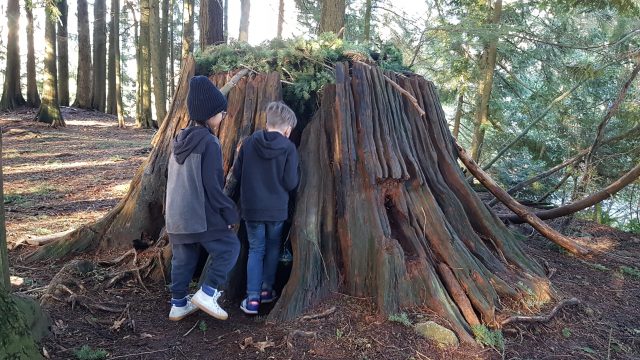
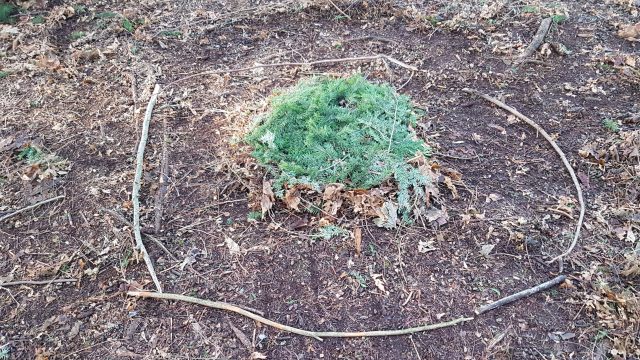
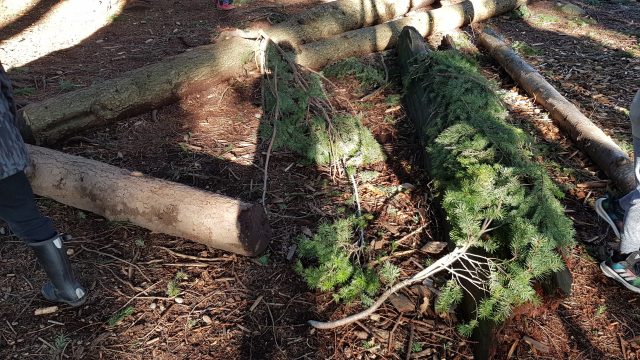
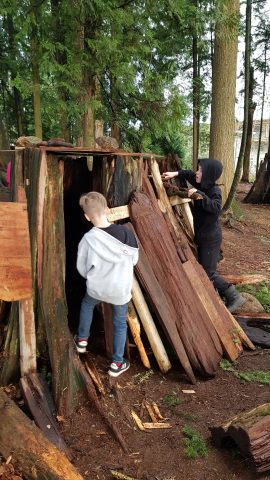
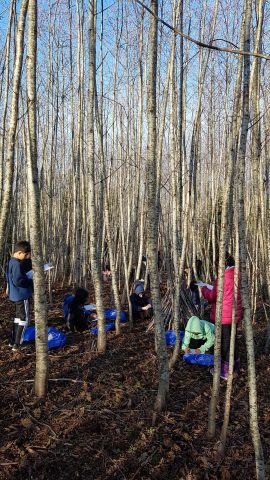
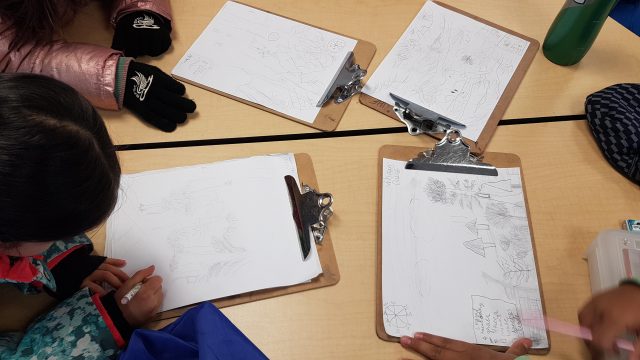
What do we notice on the forest floor? How are the trees in different forests affected by the wind? How does all of this inspire us to create shelters and cozy beds and furniture?

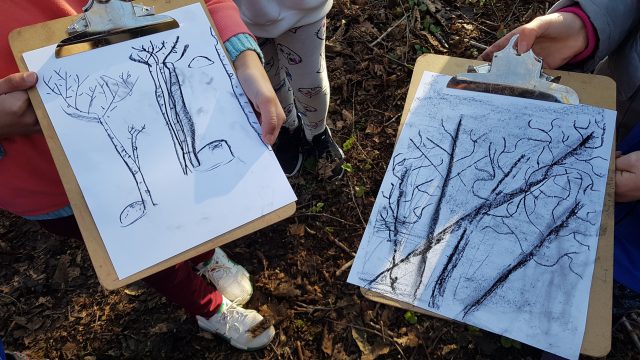
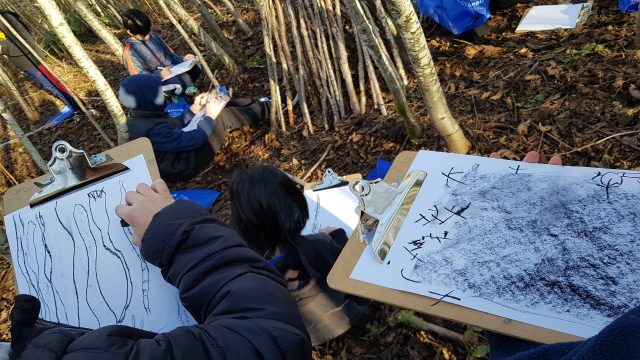
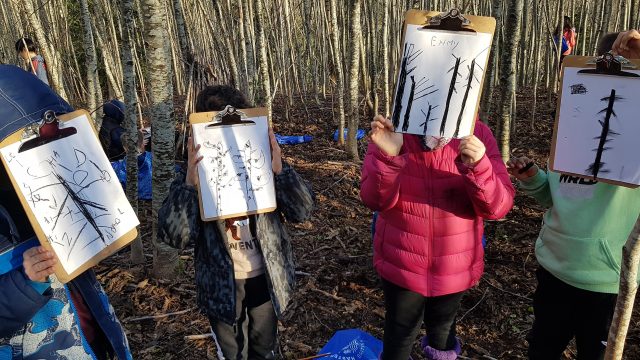
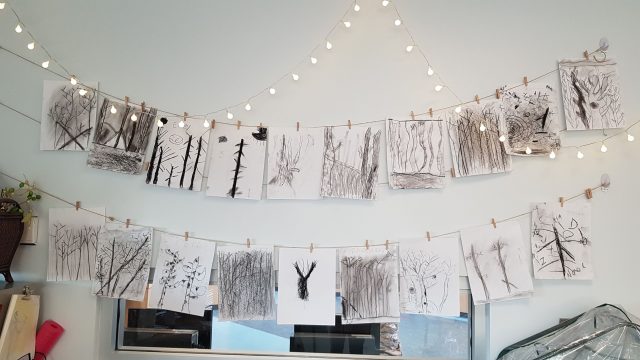
What do we notice about the trembling aspens after a windstorm? How can we explore their contour lines with a new material – charcoal?


« Older posts Newer posts »