English
 Afrikaans
 Albanian
 Amharic
 Arabic
 Armenian
 Azerbaijani
 Basque
 Belarusian
 Bengali
 Bosnian
 Bulgarian
 Catalan
 Cebuano
 Chichewa
 Chinese (Simplified)
 Chinese (Traditional)
 Corsican
 Croatian
 Czech
Czech Danish
 Dutch
Dutch Esperanto
 Estonian
 Filipino
 Finnish
 French
 Frisian
 Galician
 Georgian
 German
 Greek
Greek Gujarati
 Haitian Creole
 Hausa
Hausa Hawaiian
 Hebrew
 Hindi
Hindi Hmong
Hmong Hungarian
 Icelandic
 Igbo
Igbo Indonesian
 Irish
Irish Italian
 Japanese
 Javanese
 Kannada
 Kazakh
 Khmer
Khmer Korean
 Kurdish (Kurmanji)
 Kyrgyz
 Lao
Lao Latin
Latin Latvian
 Lithuanian
 Luxembourgish
 Macedonian
 Malagasy
 Malay
Malay Malayalam
 Maltese
 Maori
Maori Marathi
 Mongolian
 Myanmar (Burmese)
 Nepali
 Norwegian
 Pashto
 Persian
 Polish
 Portuguese
 Punjabi
 Romanian
 Russian
 Samoan
 Scottish Gaelic
 Serbian
 Sesotho
 Shona
Shona Sindhi
 Sinhala
 Slovak
 Slovenian
 Somali
 Spanish
 Sudanese
 Swahili
 Swedish
 Tajik
Tajik Tamil
Tamil Telugu
 Thai
Thai Turkish
 Ukrainian
 Urdu
Urdu Uzbek
Uzbek Vietnamese
 Welsh
Welsh Xhosa
Xhosa Yiddish
 Yoruba
 Zulu
Zulu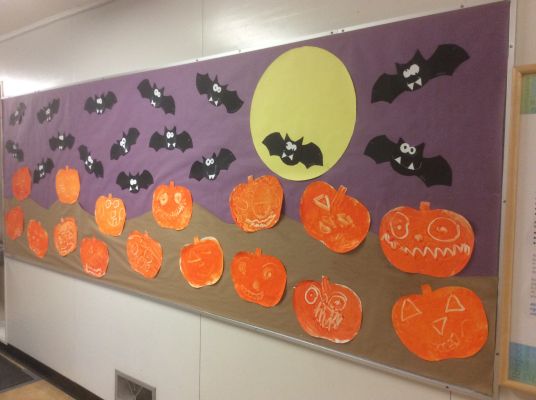
Recently, all the children of Parkcrest School were invited to answer the question, “What makes a good pet?” Depending on their experience, some drew pictures and answered orally or used words, most responded in writing. The purpose of this exercise was to analyse how the teachers could help the children to move forward in their writing. We noticed that the students needed to add more description and details to justify their thinking. To see what your child can do independently, please see his/her blogfolio.
Division 8 is beginning an inquiry-based science project on bats. We are starting with the question, “Would a bat make a good pet?” Instead of giving them the information about bats, the students are responsible for asking questions, giving their ideas and opinions, and investigating and researching the facts. When the children settle on an answer to the question, “Would a bat make a good pet?”, they will have a richer explanation for their choice. Stay tuned to see how we are doing.
[metaslider id=4230]
Come and see the bulletin board in the hallway. It’s a hoot!