We created paper ghosts with different facial expressions, shapes, and features!
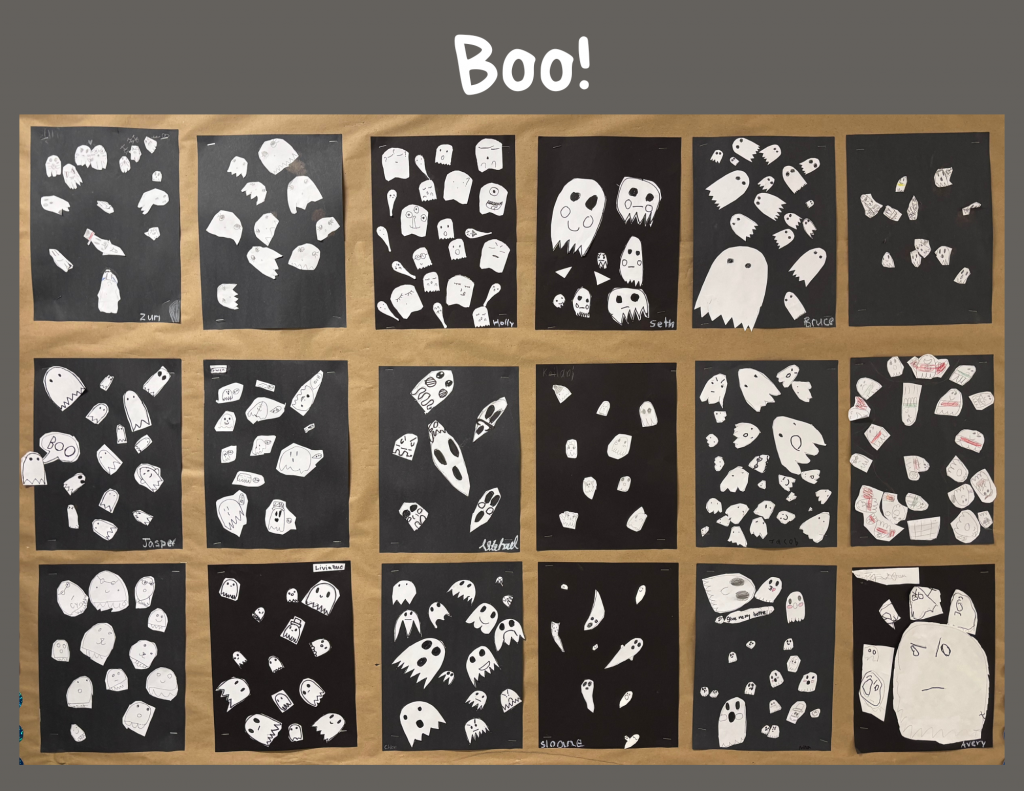
We created paper ghosts with different facial expressions, shapes, and features!
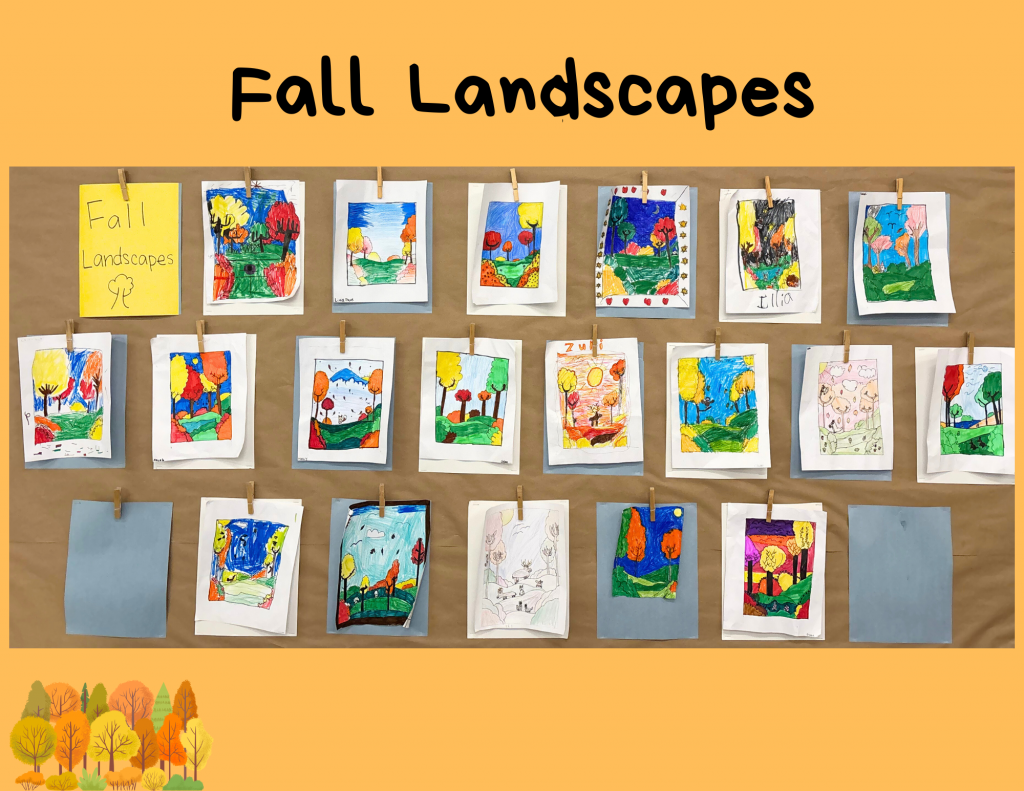
We followed a directed drawing to learn how to draw a fall landscape. Afterwards, everyone added their own unique touches and creativity to their landscapes!
In math, we’ve completed our graphing unit! We learned to use bar graphs, pictographs, and tally charts to display our data. We did fun surveys on topics like birthdays, summer activities, favourite pastimes, and even a nature count outside! Now, we can show data in many different ways.
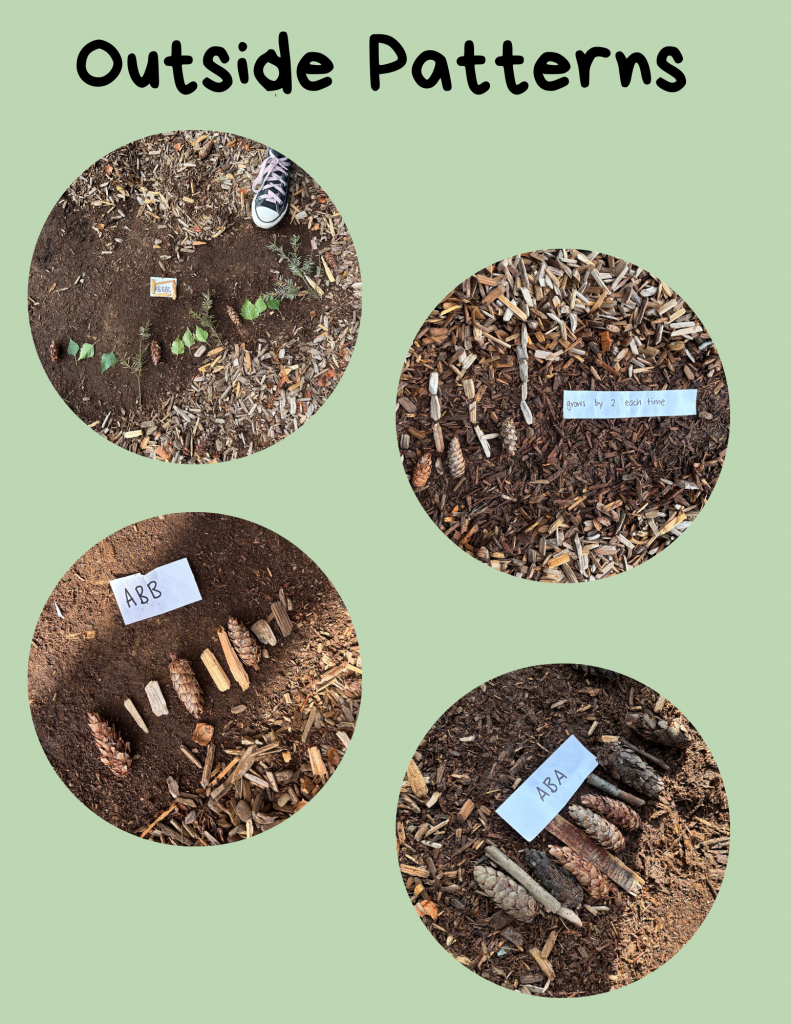
After that, we moved on to patterns. We explored repeating patterns and learned about the “core” of a pattern, which is the part that repeats. Every pattern has a core that repeats at least three times. Patterns can vary by attributes such as colour, shape, design, or direction. We also practiced labelling patterns with letters like ABC, ABBA, and ABCD.
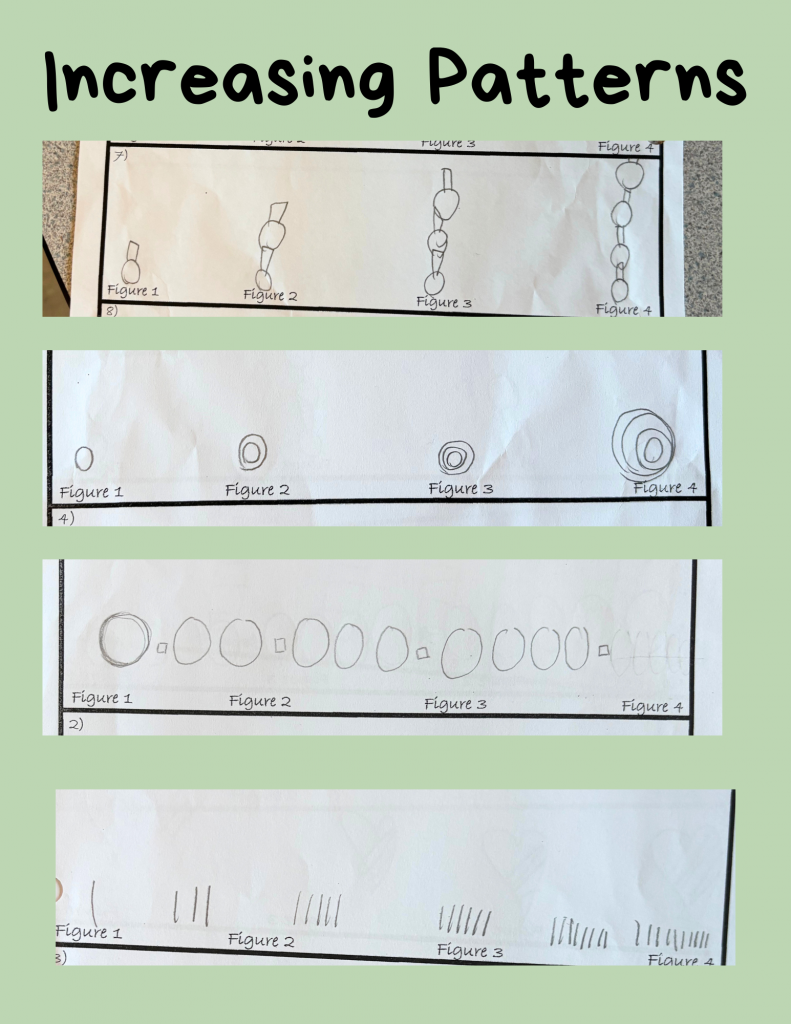
Next, we explored increasing patterns. We discovered that patterns can grow in different ways, such as by getting bigger, adding more items, or becoming more complex. We learned how to identify how a pattern grows and how to write a rule that describes it.
We even went outside to create our own repeating and increasing patterns using natural materials like rocks, sticks, and leaves.
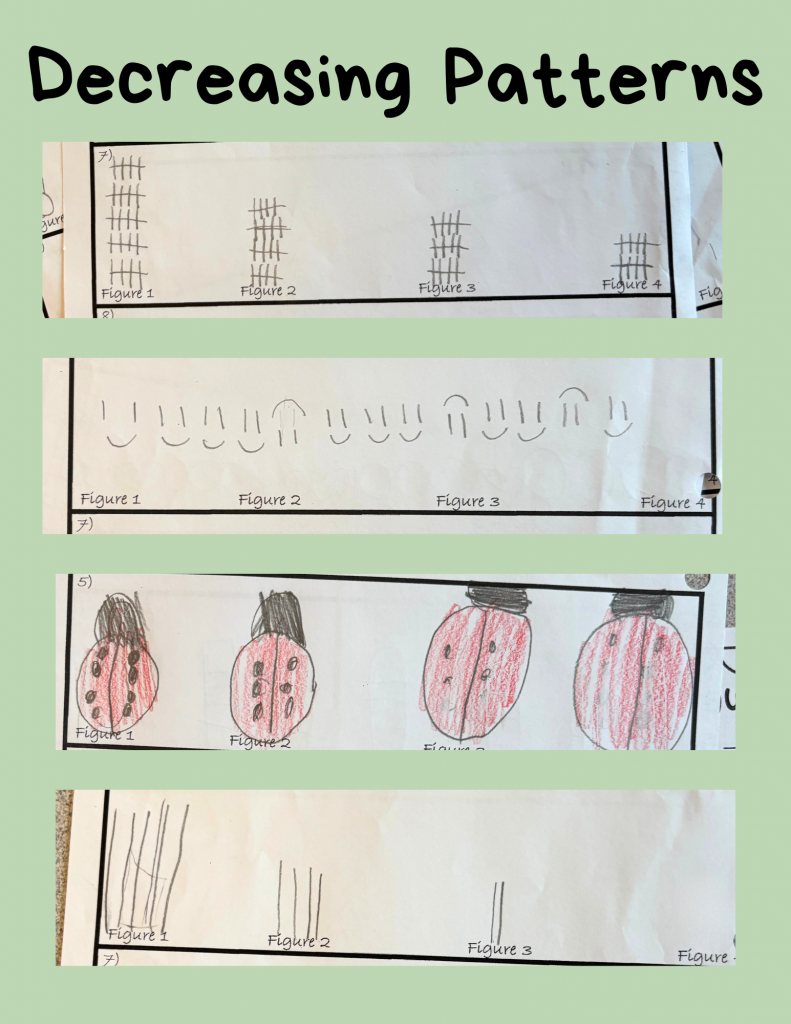
Finally, we explored decreasing patterns! We learned that just as patterns can grow, they can also shrink. Decreasing patterns are the opposite of increasing patterns—they get smaller with each step. We practiced recognizing the rule for each pattern and used it to predict what would come next.
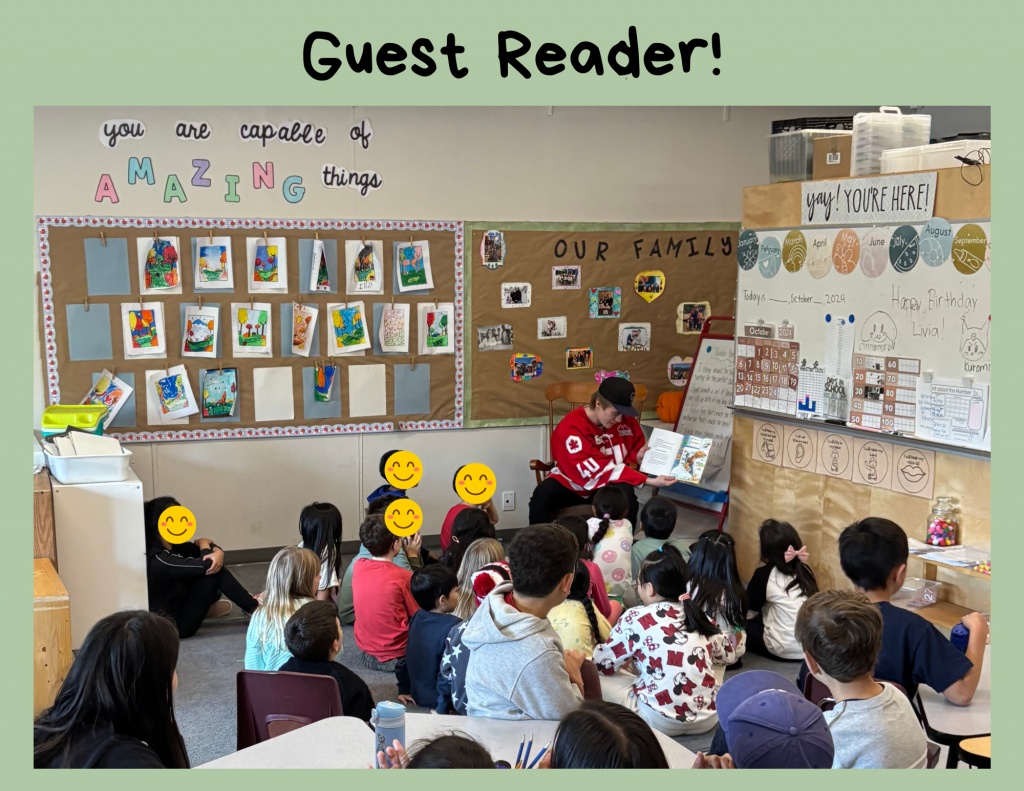
Yesterday, we had a guest reader come to our class! Gabe, a member of the SFU hockey team, read Boo! by Robert Munsch to us, and we all loved it. Afterwards, we had the chance to ask him questions about his life at SFU and his experiences in hockey. Thank you, Gabe, for sharing your time and stories with us!
Thank you to Ms. Foy for arranging this fun event for the school!