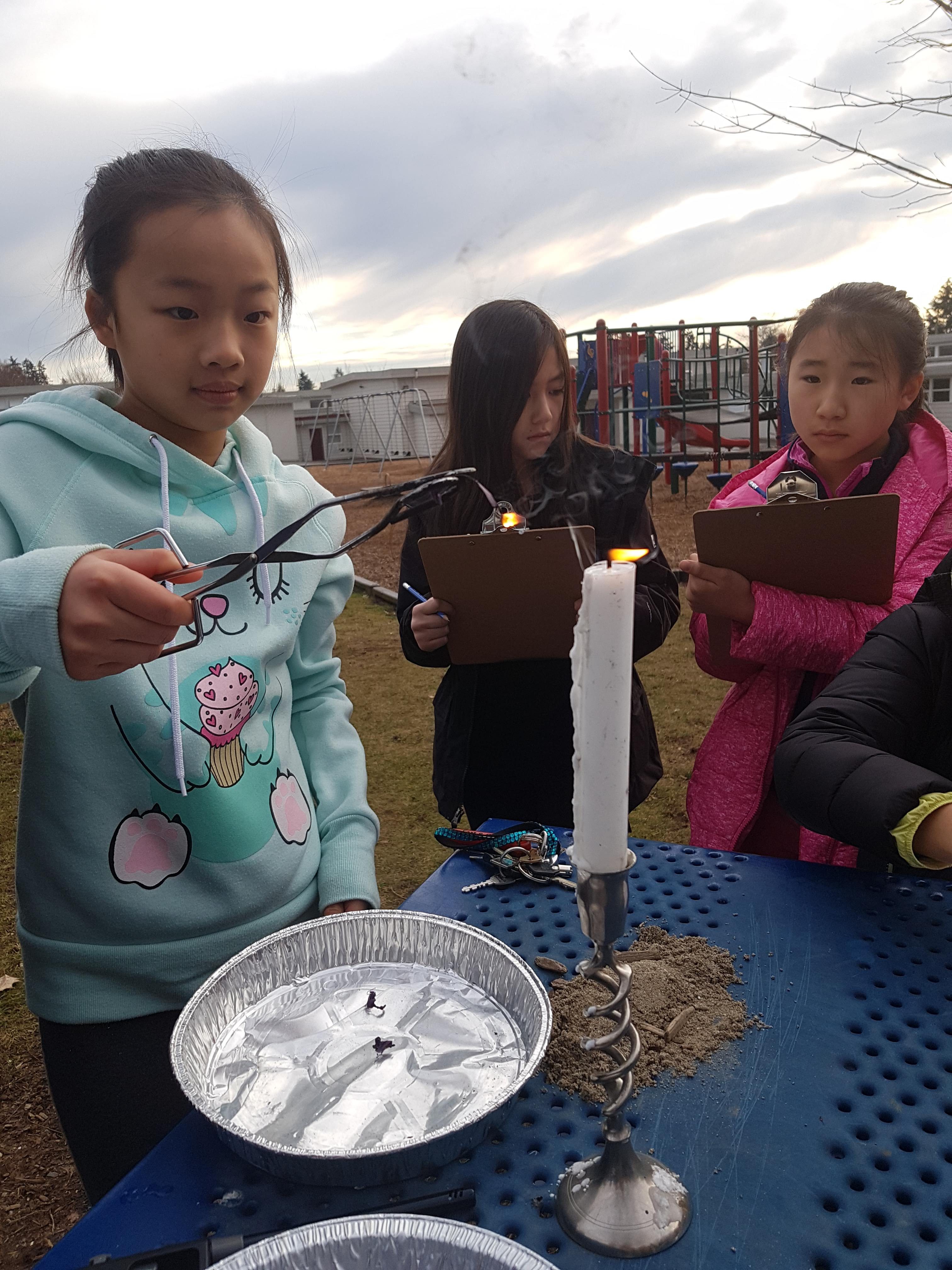
MACC Suncrest Division 5 Overview, September – February
In anticipation of our Optional Learning Conferences and Report Card Reflections, here is an overview of what we studied during the last five months! Please see each student’s e-portfolio for more specific information on their projects and learning.
Division 5 began the year building the foundation for a great working community!
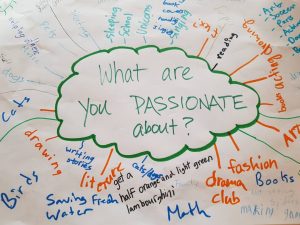
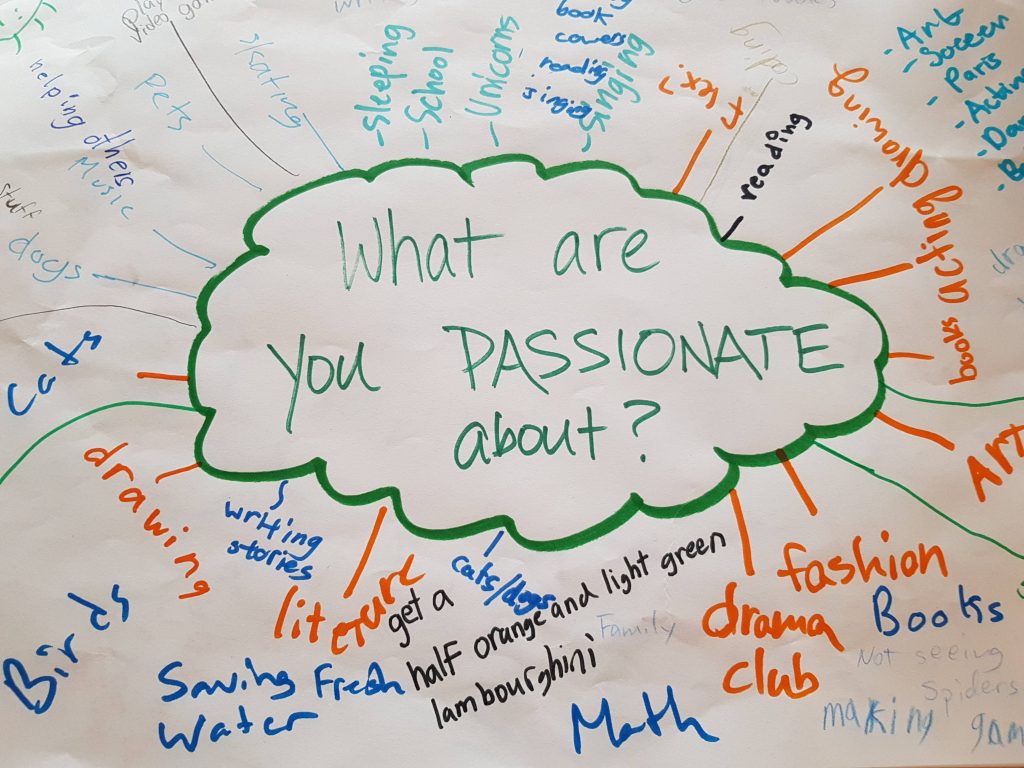
Throughout many fun activities together we discussed and applied elements of the personal awareness core competency, and we made individual goals to improve our approach to learning. We made essential agreements for working together, and we did brainstorms about our interests for a new school year.
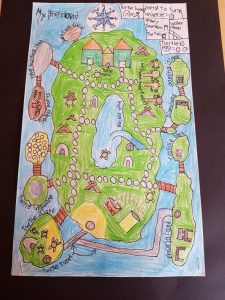
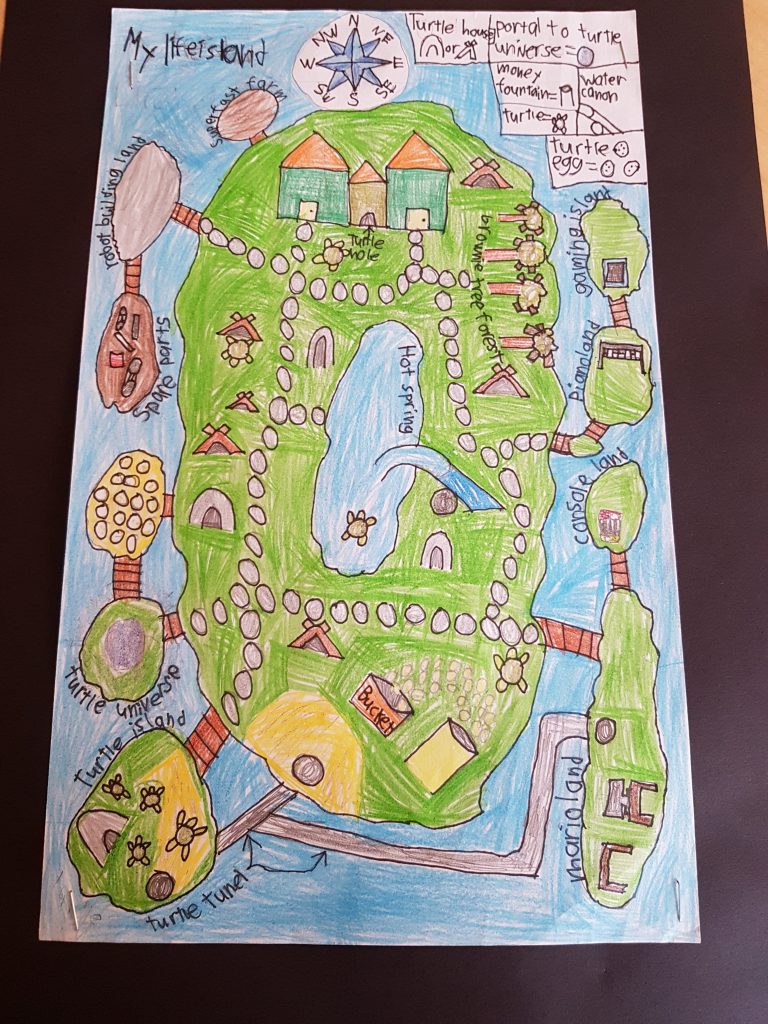
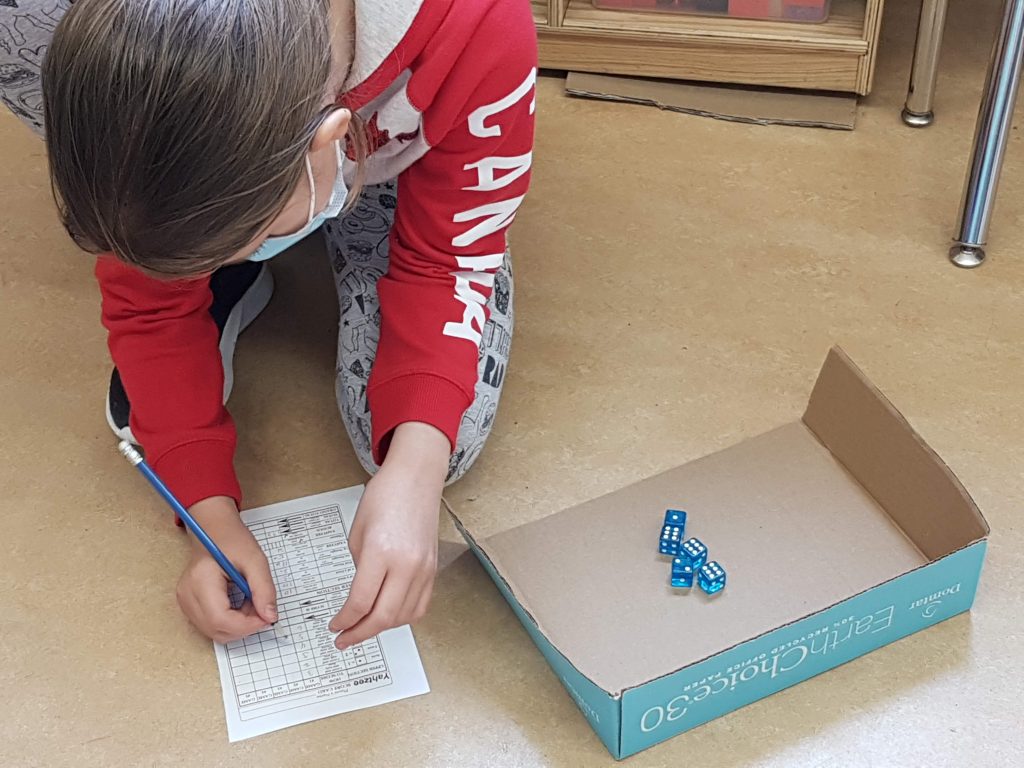
We created beautiful Life Islands to communicate our strengths and passions to one another; and we enjoyed playing games during Free Choice Fridays, which was a great opportunity to bond together as a class. We also learned how to run our own class meetings to plan events such as our Halloween party and the Winter Wonderland during December.
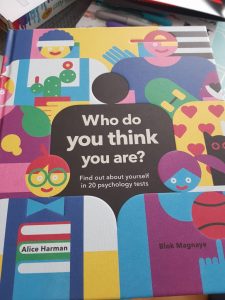
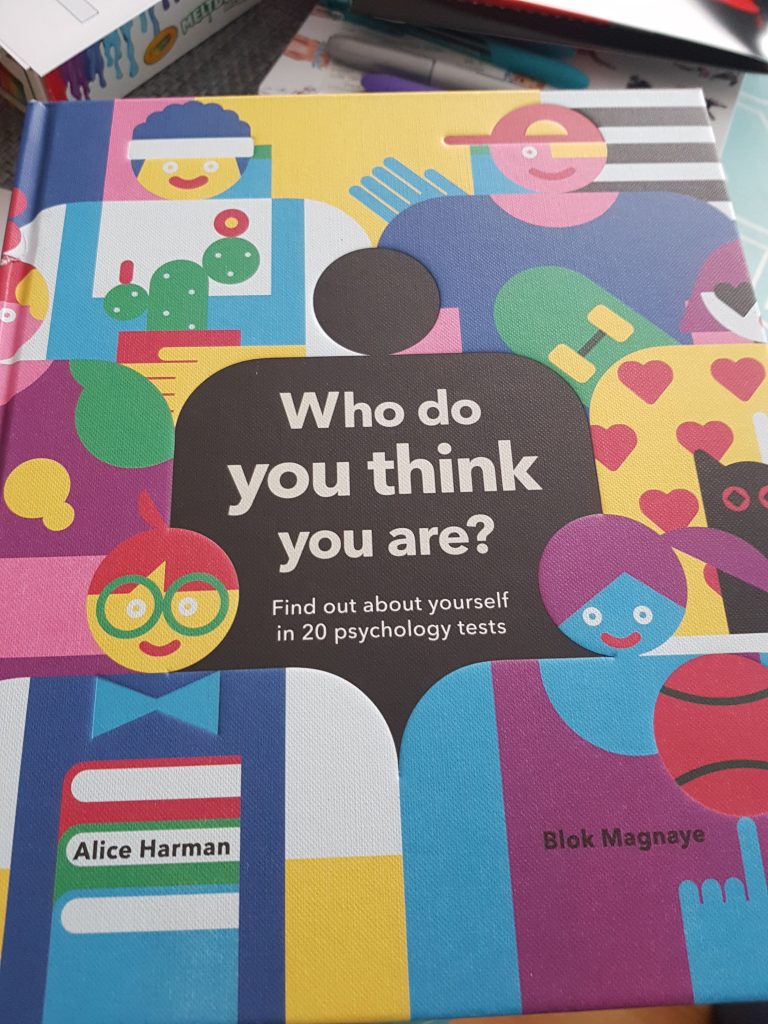
We also enjoyed doing psychology surveys from the book Who do you think you are?, which opened discussions about how everyone learns and experiences the world in different ways. In this way we could not only add to our own personal awareness, but also better understand our classmates and their needs.
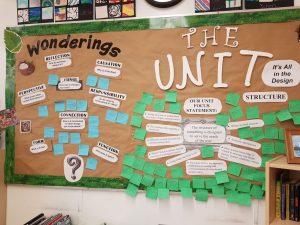
Then we jumped right in to our conceptual units!
To tie the BIG IDEAS, content, and curricular competencies from our curriculum together into a larger, enduring understanding, we studied all subjects through the lens of universal, conceptual themes. See below to learn more about our two units from September – January!
First, we focused on the concept of STRUCTURE
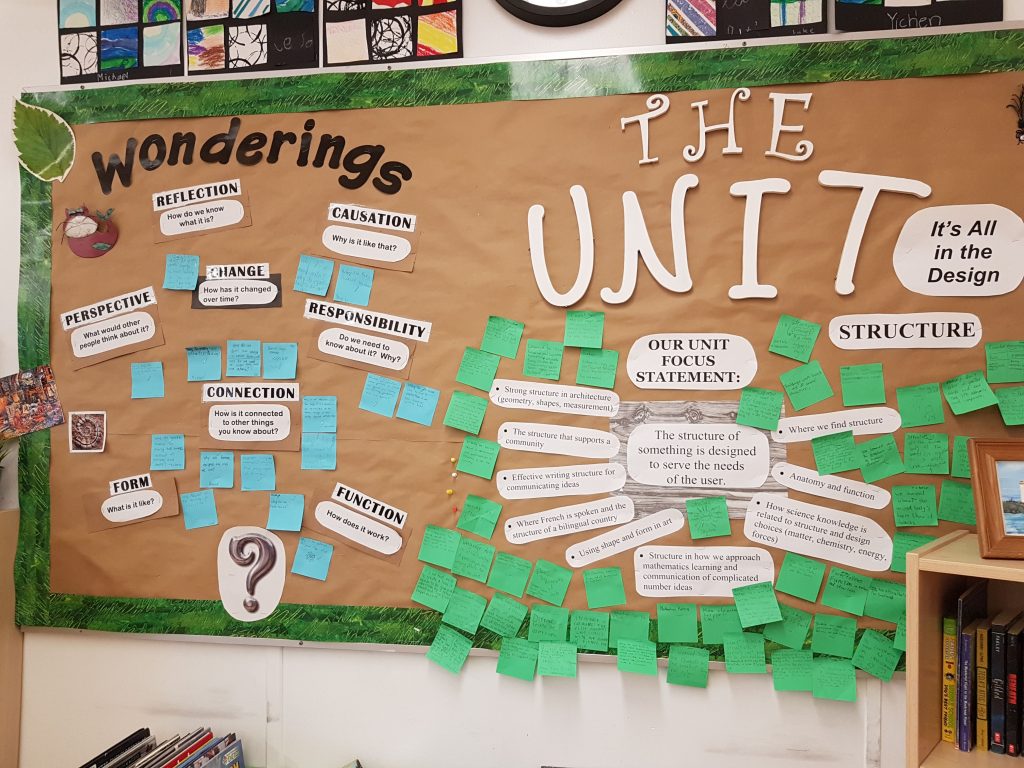
in our unit “It’s All in the Design”
Unit Focus Statement:
The structure of something is designed to serve the needs of the user.
Form Follows Function! – Building and Experimenting – Science
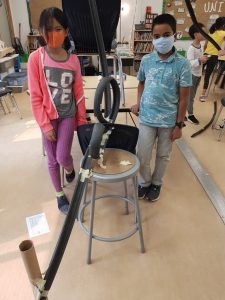
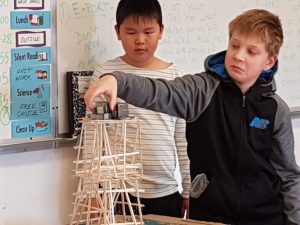
Through a variety of fun building activities, we discussed the scientific principles behind STRUCTURE. Many of our conversations revolved around the phrase “form follows function.” For example, we talked about how different sports balls have a specific design to serve a specific sport, and how our chairs were designed taking our ergonomic and daily work needs in mind.
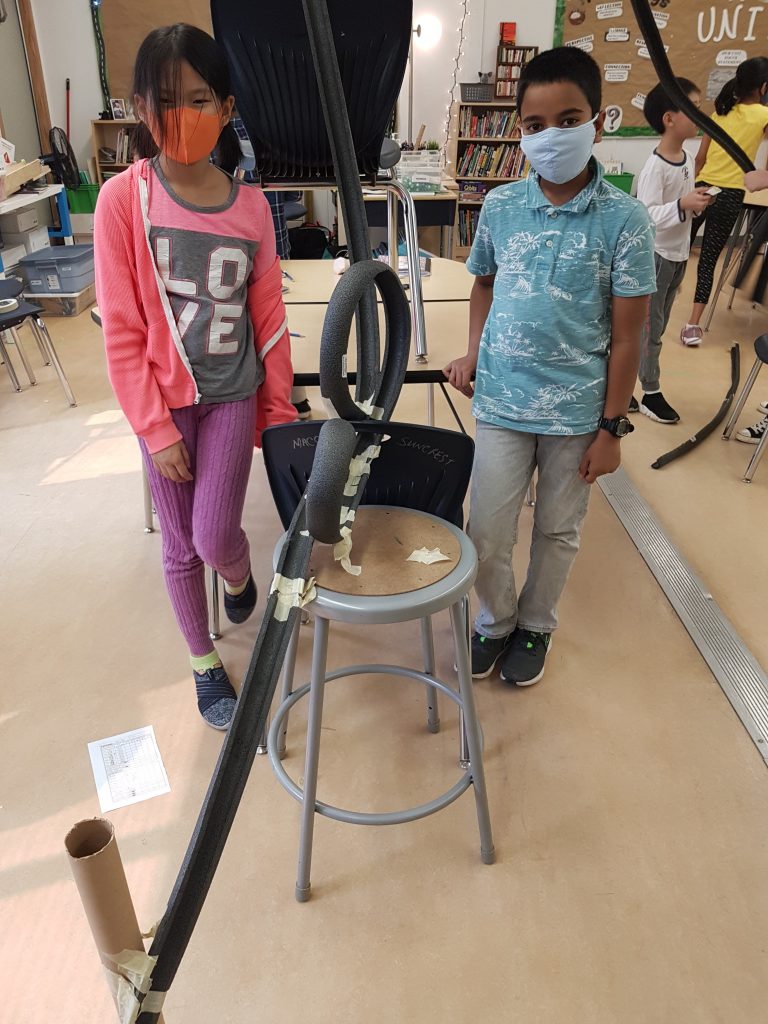
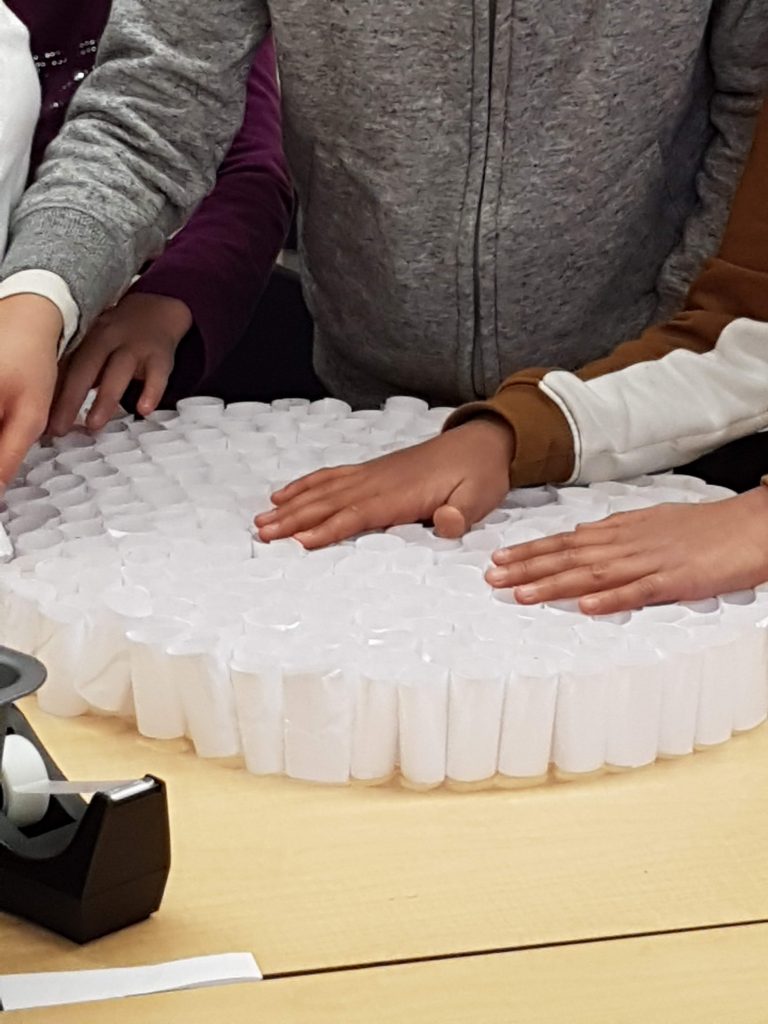
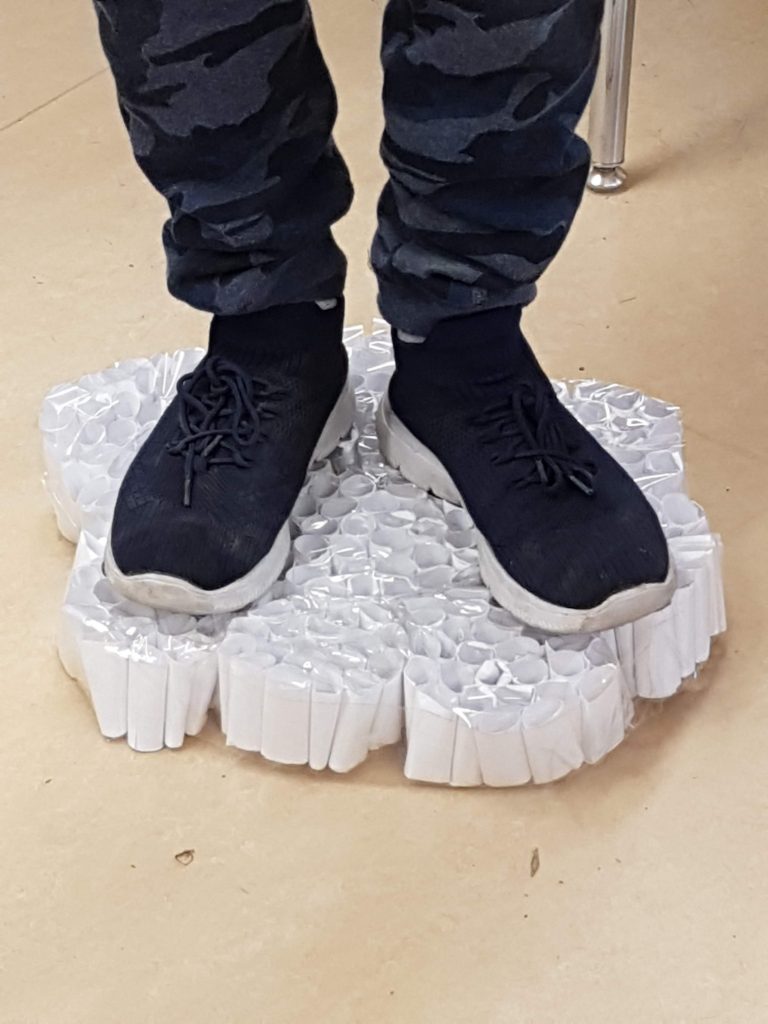
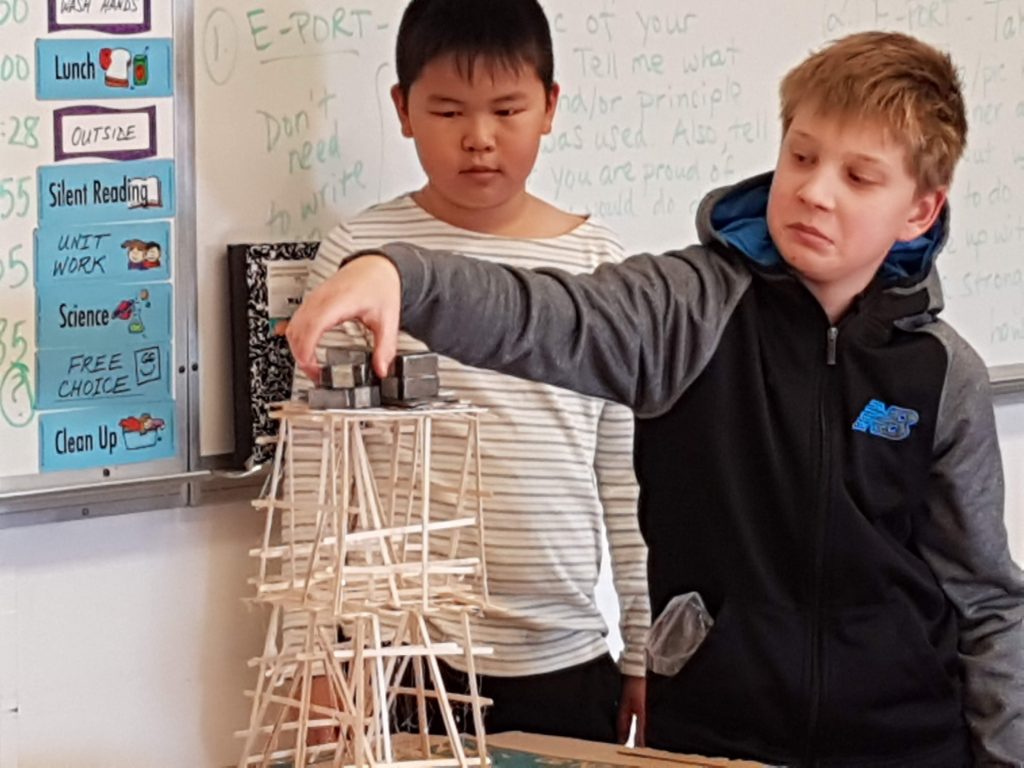
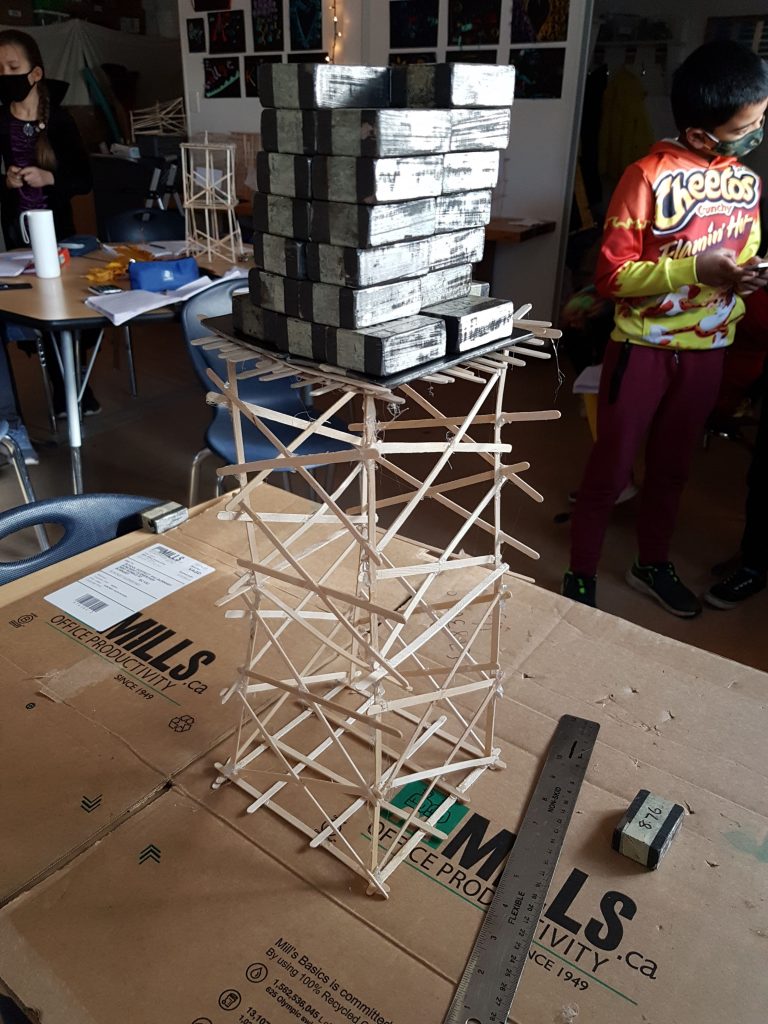
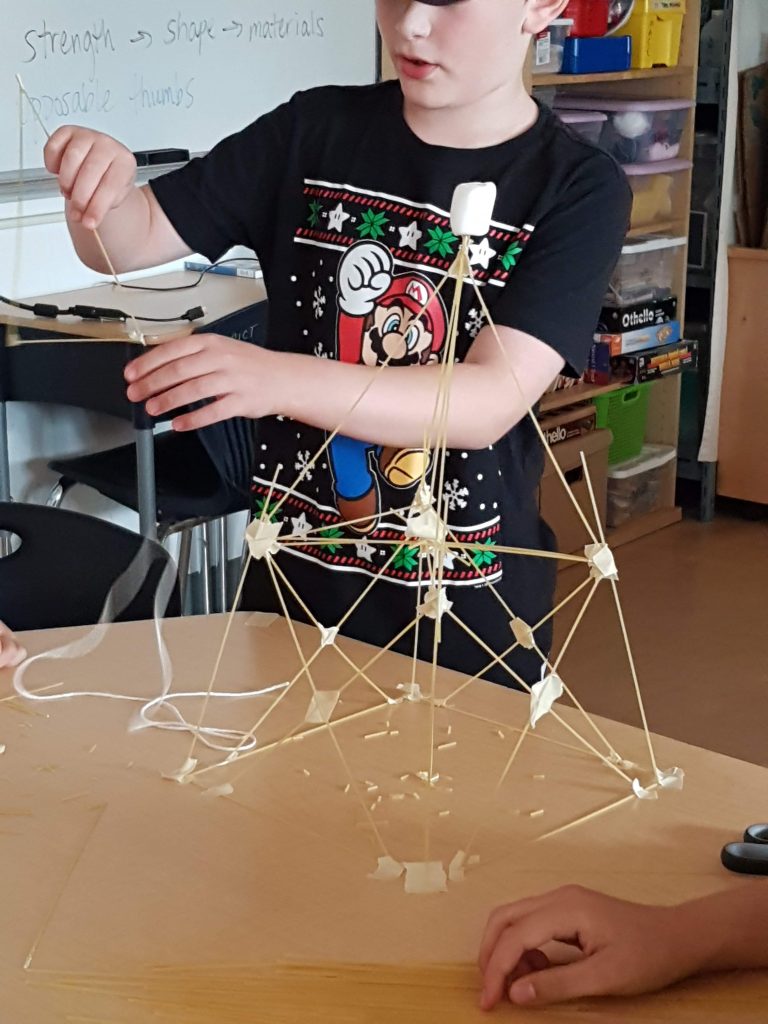
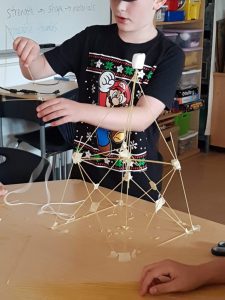
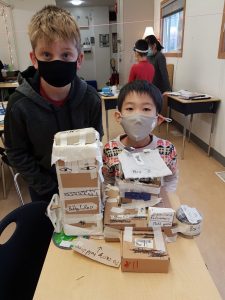
Using critical and creative thinking, personal awareness and responsibility, and communication skills, we collaboratively designed and built marble roller coasters, popsicle stick towers, Lego creations, and paper honeycomb structures based off of bee hive explorations to learn how certain shapes provide the greatest strength, and how understanding the science of our materials can help with design.
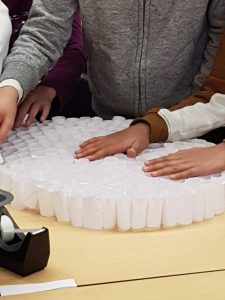
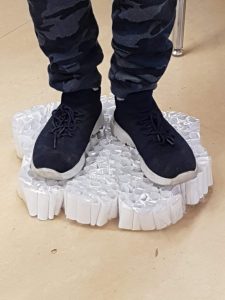
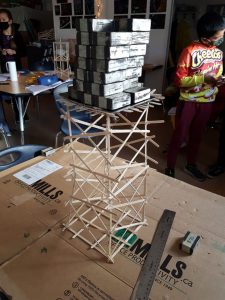
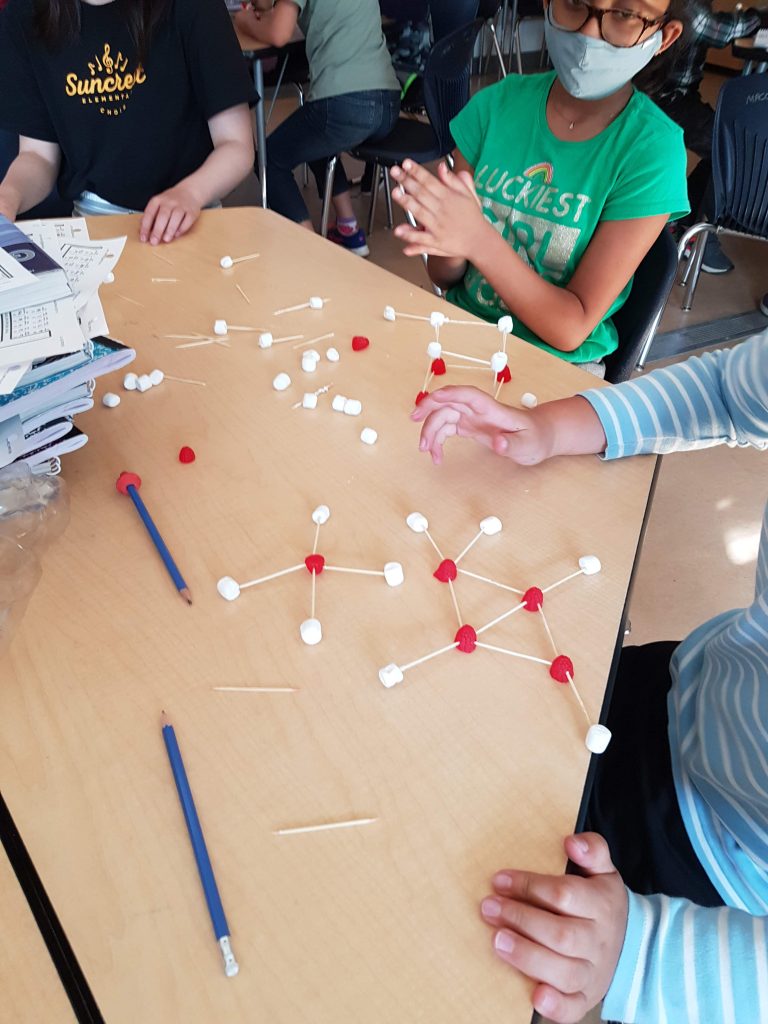
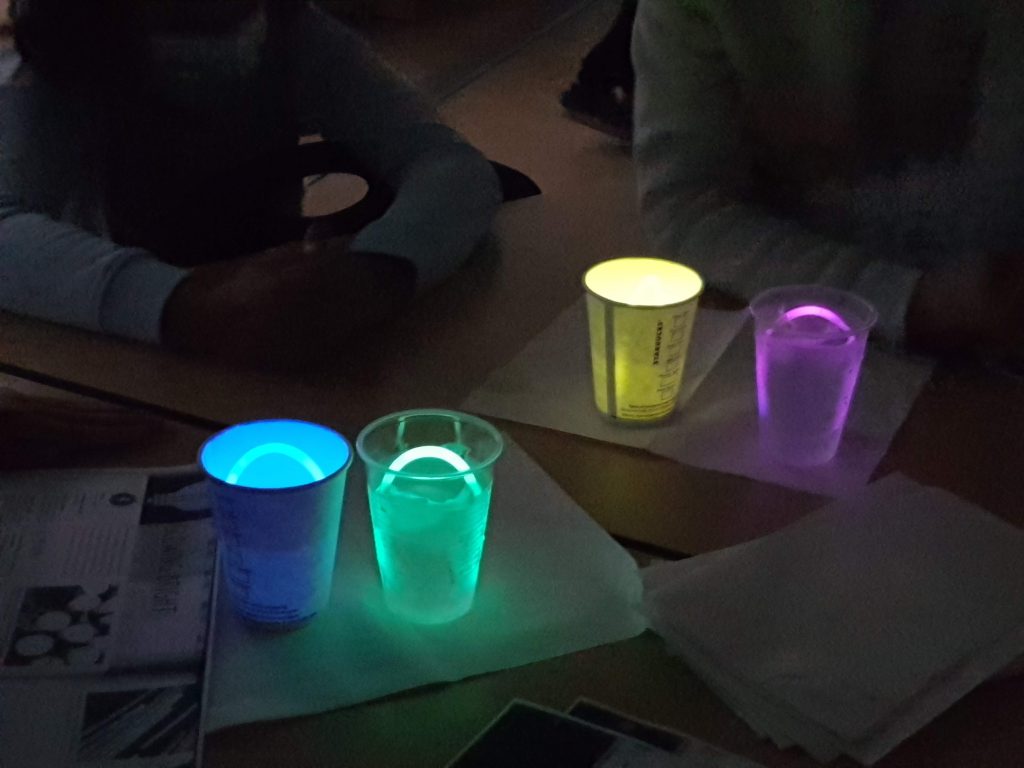
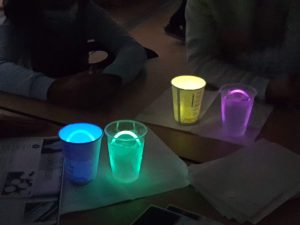
Through lab experiments, students learned about physical and chemical properties, atoms, forces, energy transfer, potential and kinetic energy, homogenous and heterogenous mixtures, and states of matter to better understand the structure of our world and how designers use this information to make new things!
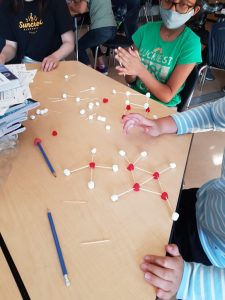
We also had discussions about how the human body has a certain form to serve specific functions related to our survival. We looked at the human skeleton, the eye, and cells, to better understand all of their structure. Then, we compared our skeleton to those of other animals to see how they are different. Our inquiry led us to looking at how different animals have structural adaptations that allow them to survive in specific habitats.
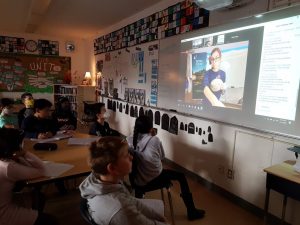
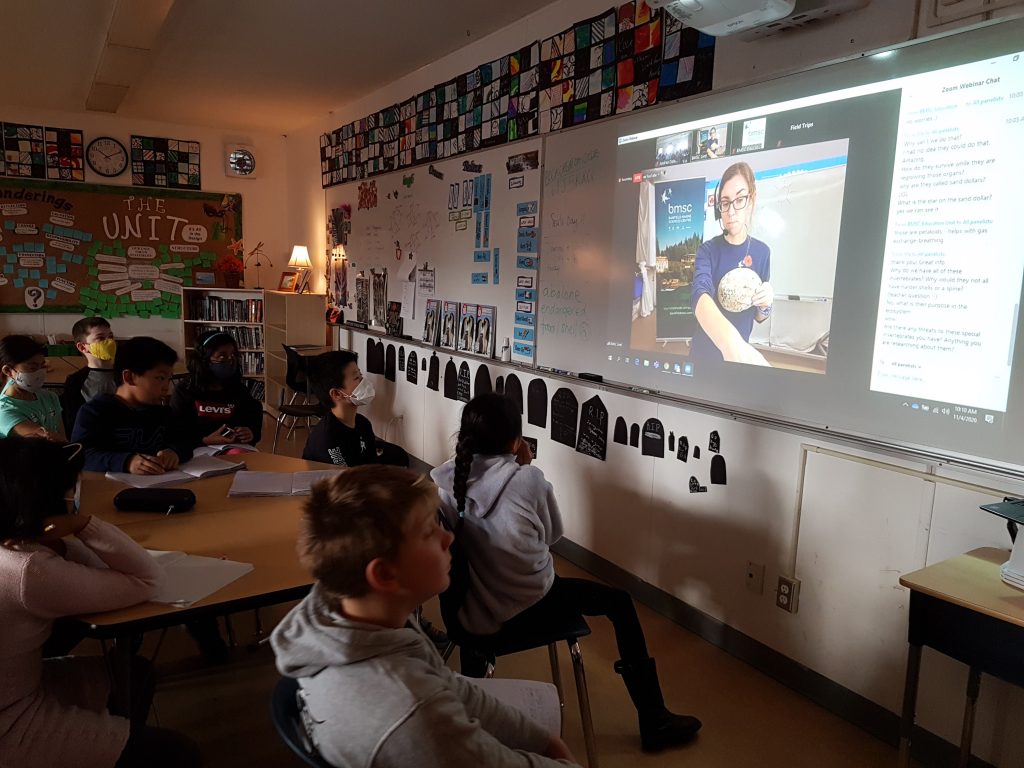
Each of us did research on an animal of our choice, to learn about their adaptations, and then presented the information in an online Book Creator e-book or an oral presentation in front of the class. We were also fortunate to have the Bamfield Marine Science Centre do a virtual field trip to talk about invertebrates in our local oceans and their adaptations.
Rumble Bots and Coding – Applied Design
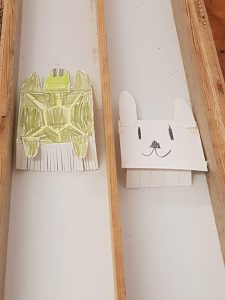
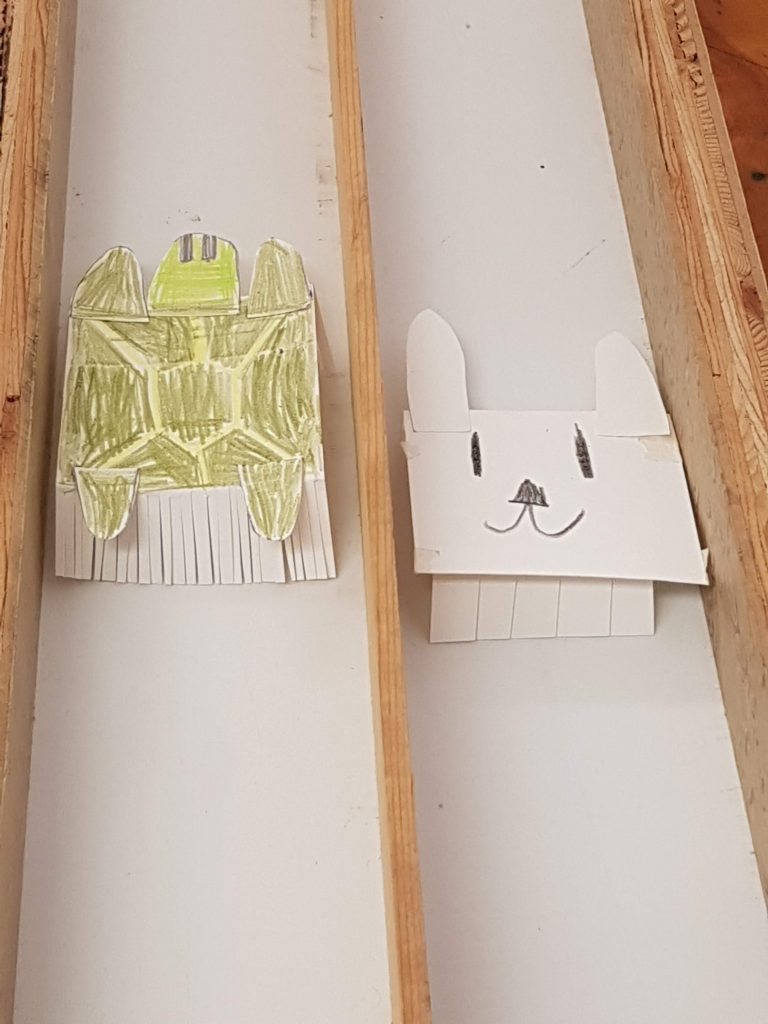
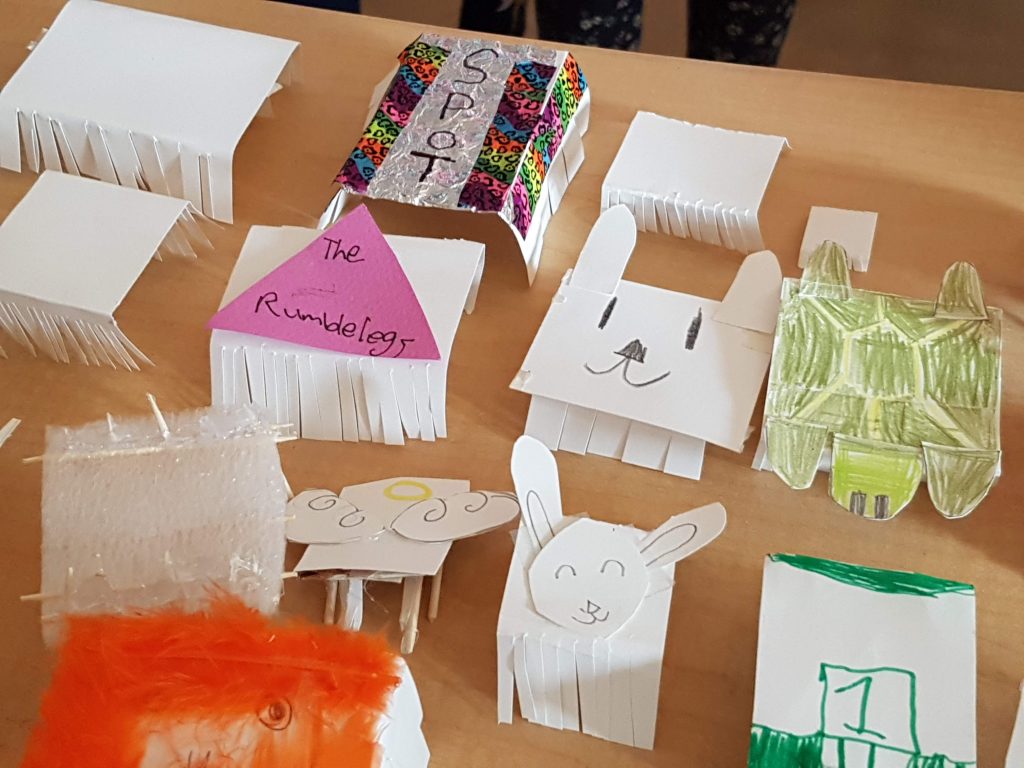
We used a lot of thinking, communication, collaboration, and creativity making Rumble Bots! After looking at energy transfer in guided science experiments, and learning about potential and kinetic energy while creating fast roller coasters, we applied our knowledge of energy to the creation of cardboard Rumble Bots that raced on a vibrating track!
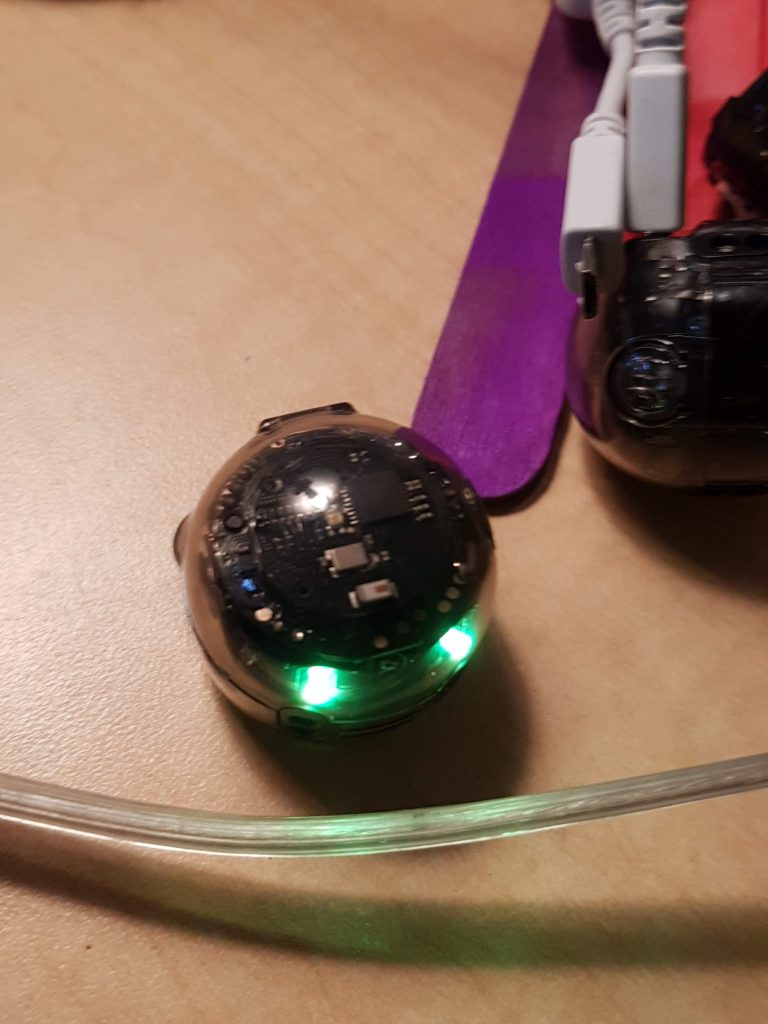
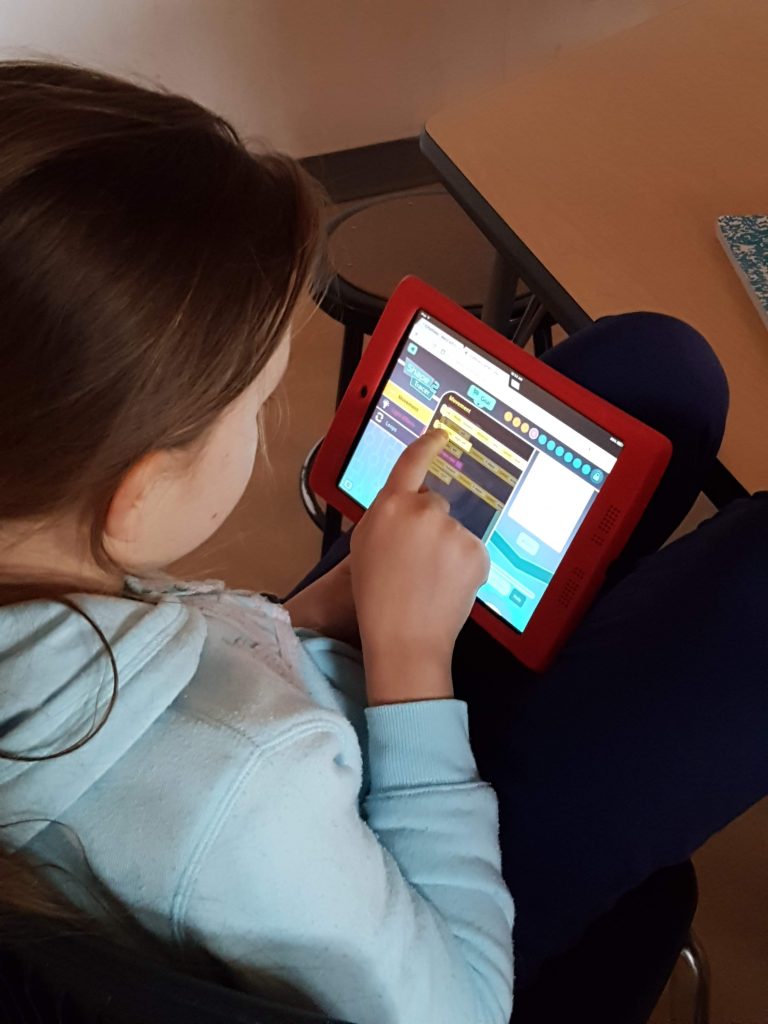
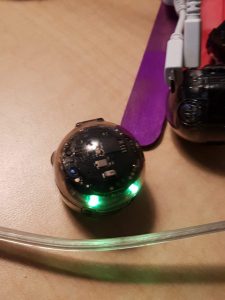
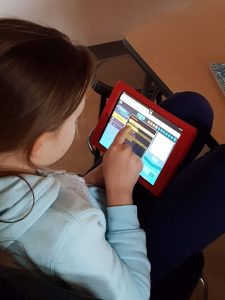
We also participated in another virtual field trip with Science World, learning how to do coding online for mini ozobots! This was a great introduction for a later event in December, the Hour of Code, week-long event dedicated to learning code.
Structure of MATH Thinking and Our Number System
We talked about the STRUCTURE of our number system! 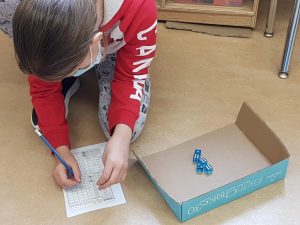 We began by emphasizing the skills needed to be a successful mathematician, such as risk-taking, deep thinking, open-mindedness, questioning, and creative and critical thinking. We talked about how mathematicians work to prove and disprove conjectures, and we practiced being skeptics and convincers to question and to prove math understandings.
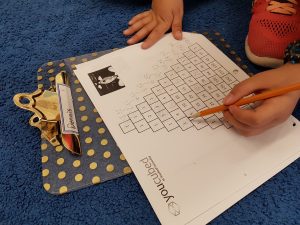
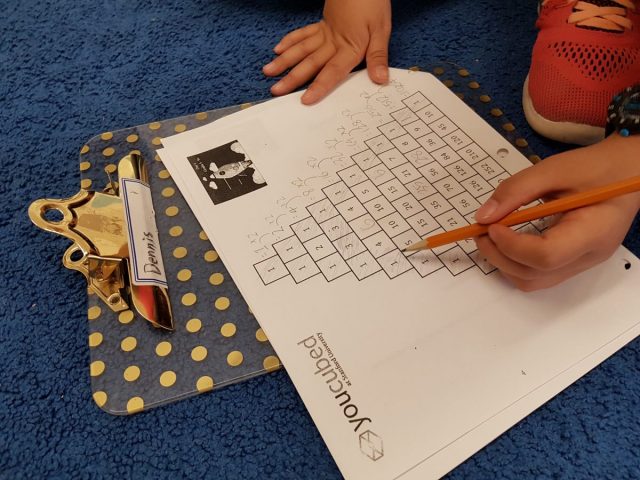
We also discussed the research of Prof. Jo Boaler and YouCubed at Stanford University, who talked about brain structure and the value of brain crossing, which involves doing two activities at the same time to better cement a concept in your head, such as drawing and math. We explored the question, “What does it mean to be a mathmatician?” This meant debunking the idea that math is all about the numbers (because you have to be able to explain your thinking, too), or that math is all about speed (because some of the best mathematicians have been some of the slowest, careful thinkers!)
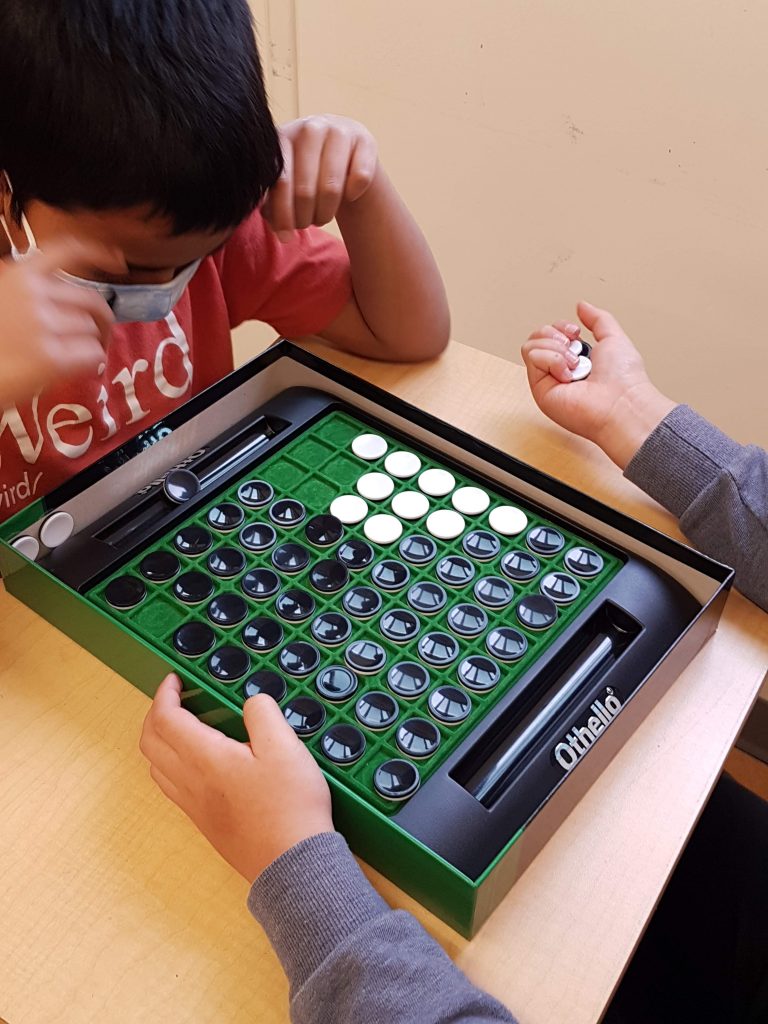
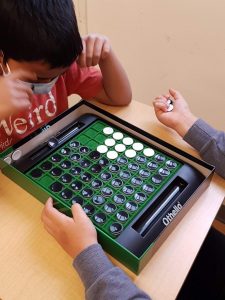 To explore the structure of numbers, we completed a variety of independent math tasks to understand how we break down our number system, to discuss strategic thinking through games, and to explore new ways to apply brain crossing while practicing grade-level curriculum in multiplication, area/perimeter, and patterns.
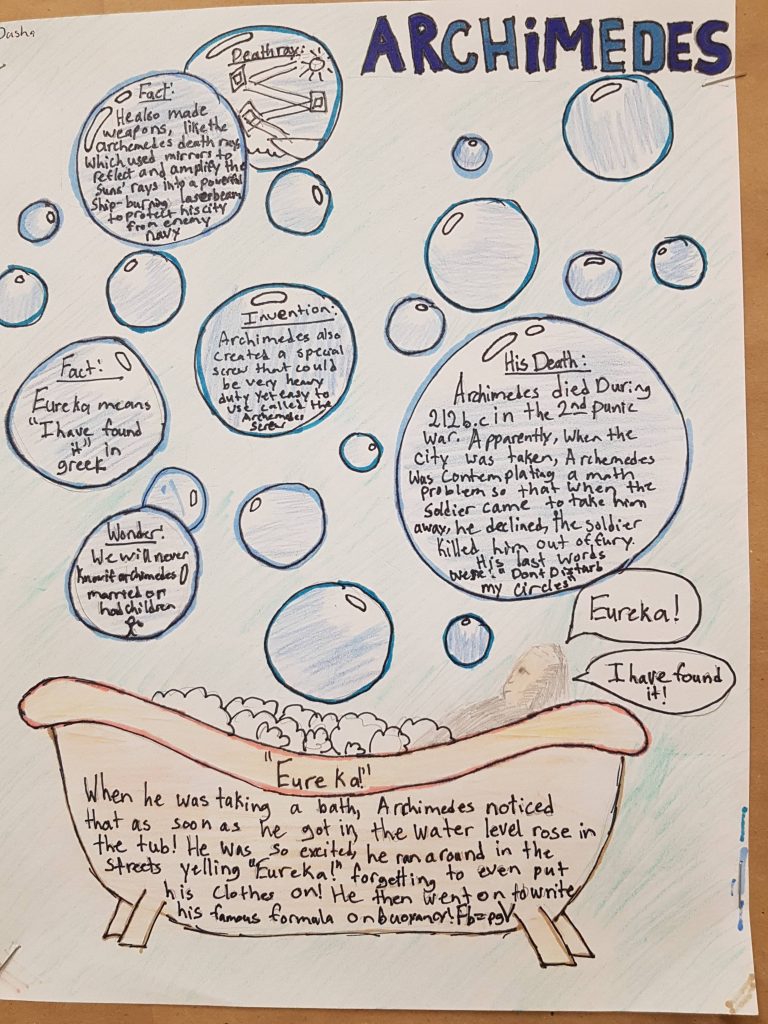
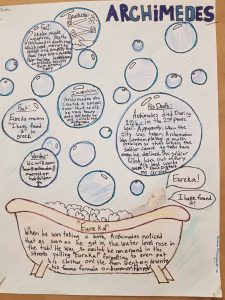
Many of these tasks involved reading non-fiction resources for math history information, such as the history of zero or the biography of Archimedes, as well as answering critical-thinking questions about math games.
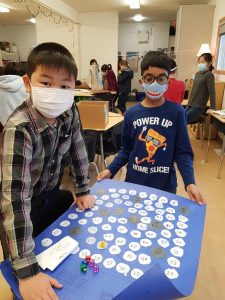
We looked carefully at a new game called Prime Climb by the mathematician/teacher Dan Finkel, discussing how to win through strategic use of the four operations and knowledge of prime and composite numbers. We had great discussions about the 4-colour theorem, Fibonacci patterns, and other fun, number curiosities, some proven, some not!
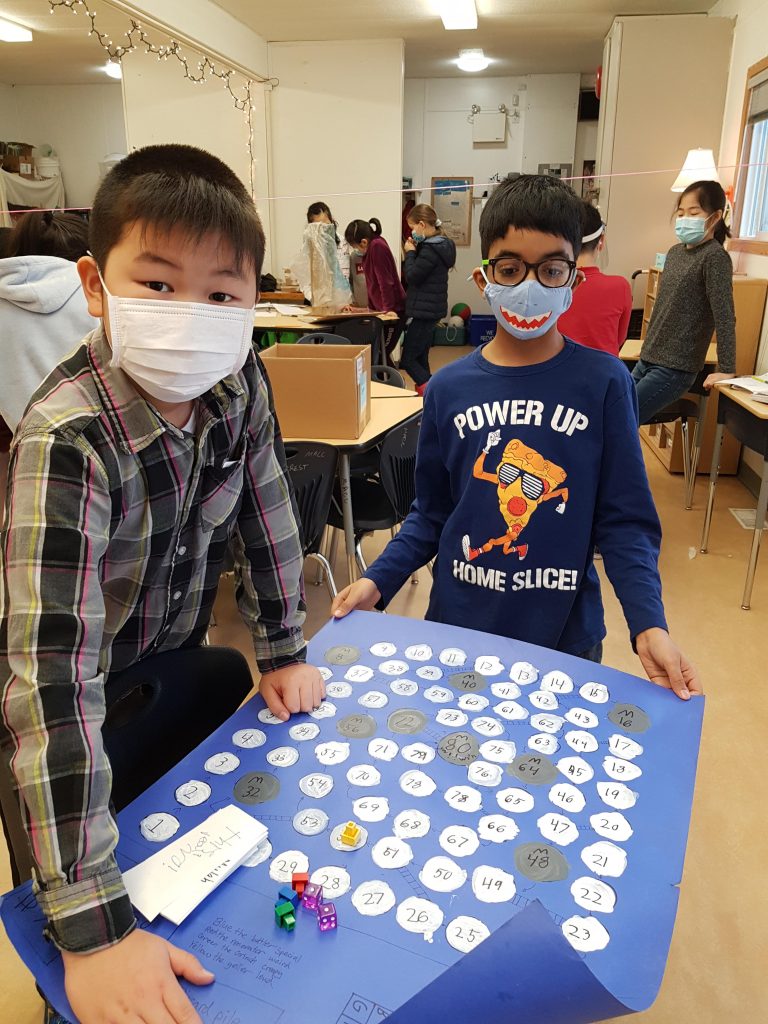
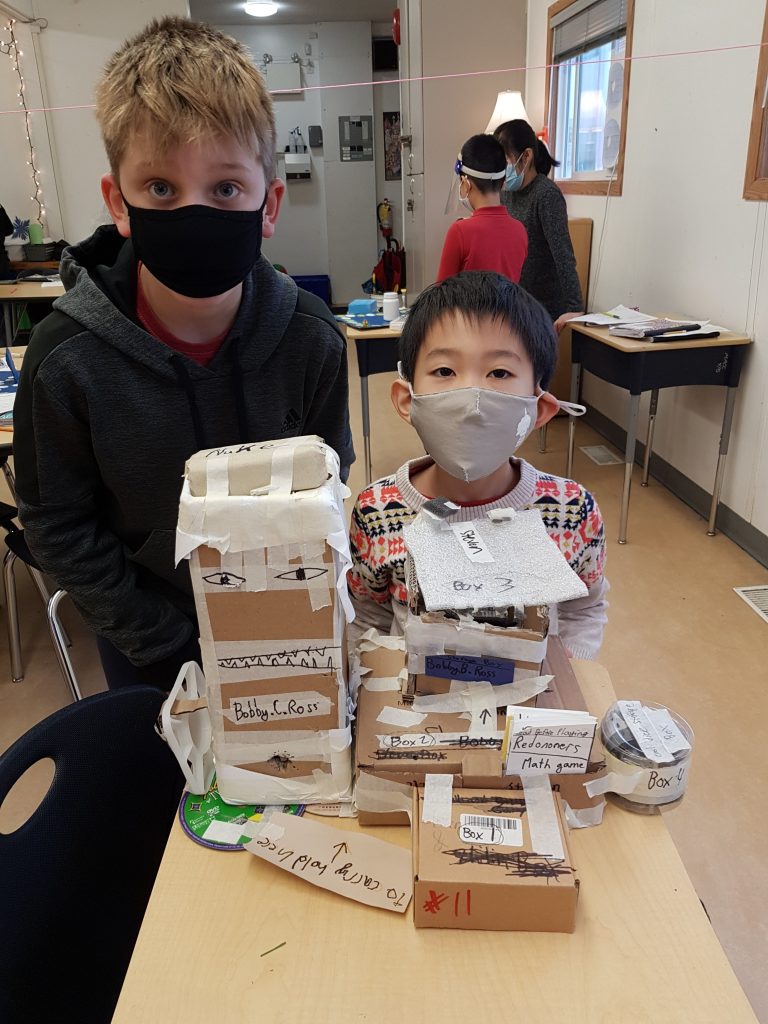
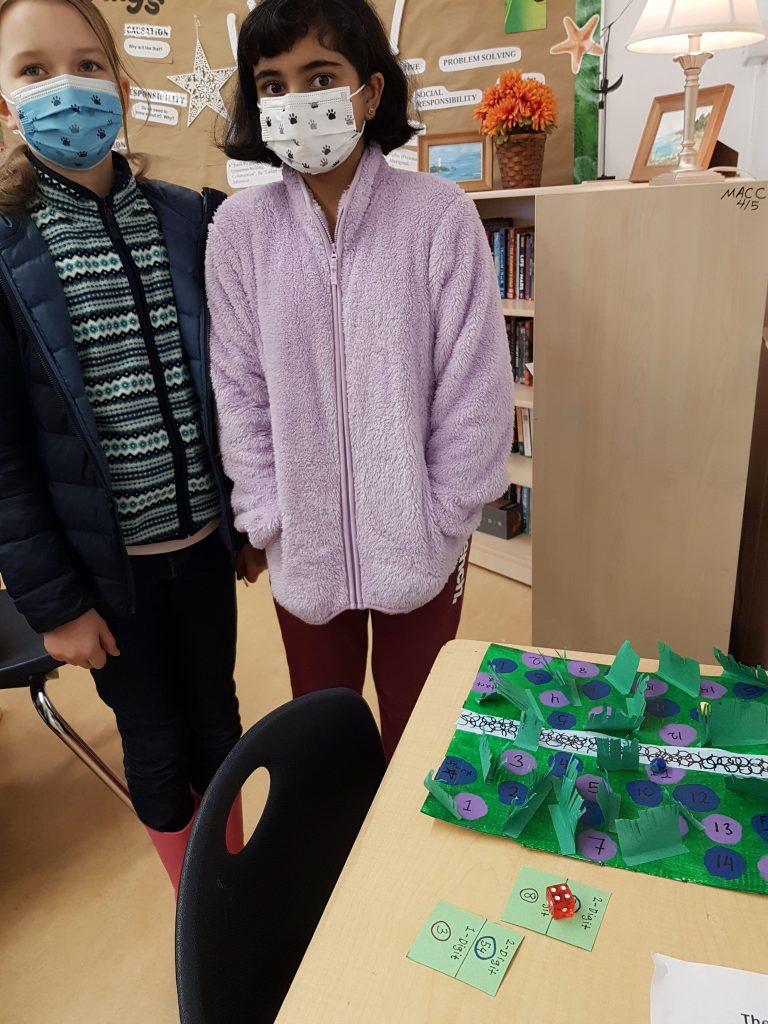
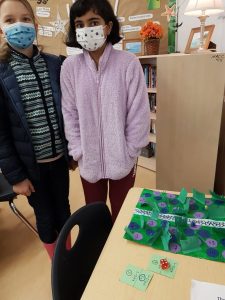
There was also the opportunity to apply our learning to the creation of a strategic math game! Working individually or with a partner, we created 3D, board, and card games, and shared them with other classmates.
Structure of a Healthy Community and World – Social Studies / PE & Health
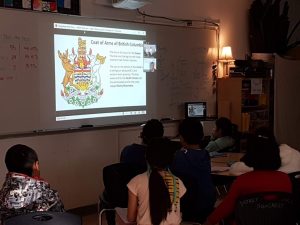 What kinds of structure are needed to support human life on Earth? We discussed the structure that allows our world to function, such as resource-delivery systems, government, city services, languages for communication, the nature of the land, and the Goldilocks Principle so our Earth is located in just the right place in the universe. Without all of this structure, we realized our lives would be pretty chaotic!
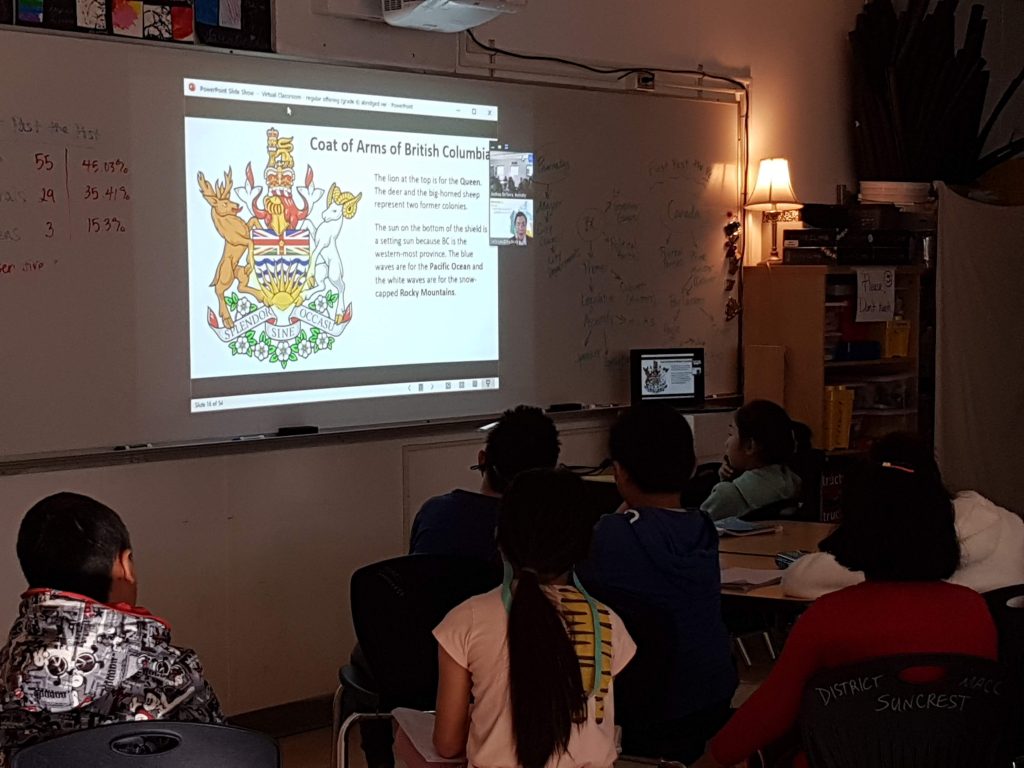
We were fortunate to have a virtual field trip to learn about the BC Parliament, live from the Legislative Assembly in Victoria. Everyone learned about the different levels of government, the roles of people who take part in the legislature, and about the different types of government in the world.
 What is the structure of a healthy life?
We talked about the balance of work and play, as well as the importance of self-care — breathing, managing stress, mindfulness, taking breaks using our break board, staying healthy by washing hands, and getting enough sleep.
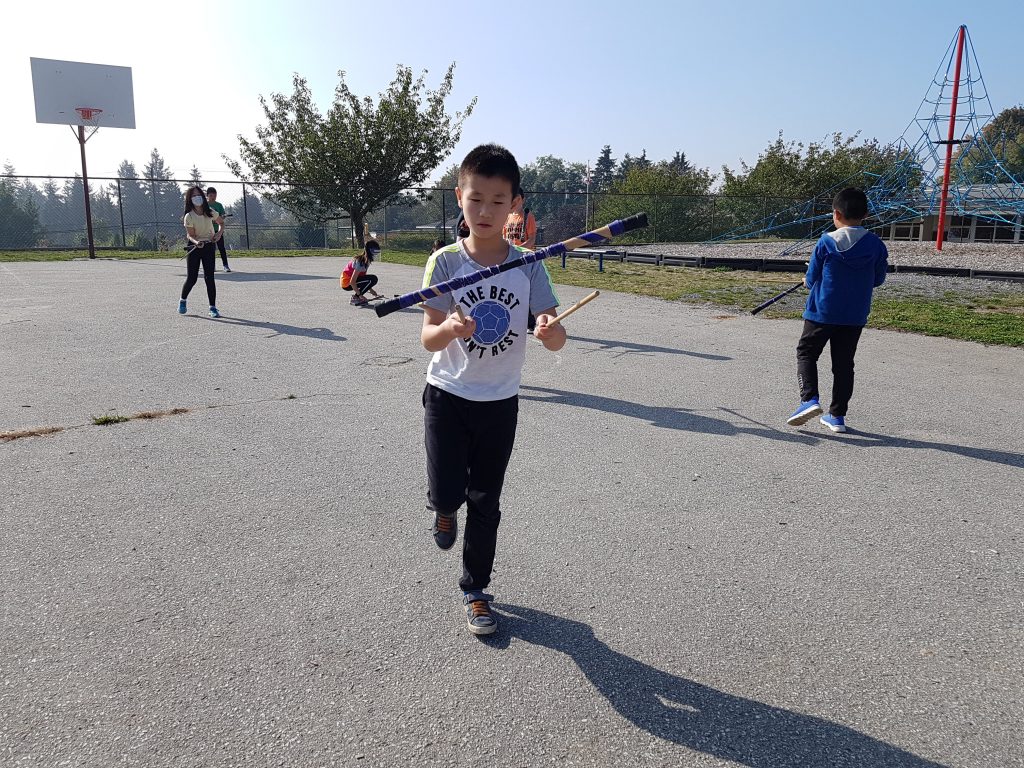
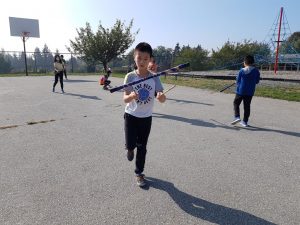
 We learned about the importance of taking healthy risks, to get out of our comfort zone to do real learning! And we explored some alternative ways to get exercise and improve our focus, such as playing with devil sticks, taking mindful walks, and practicing yoga stretches during the day.
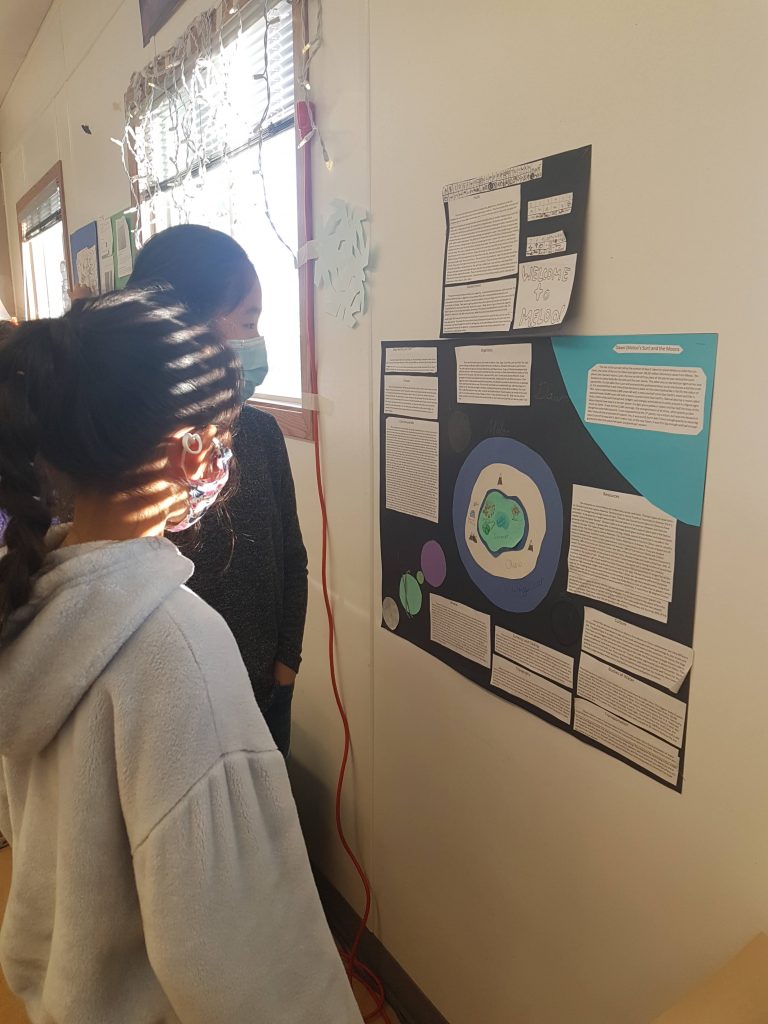
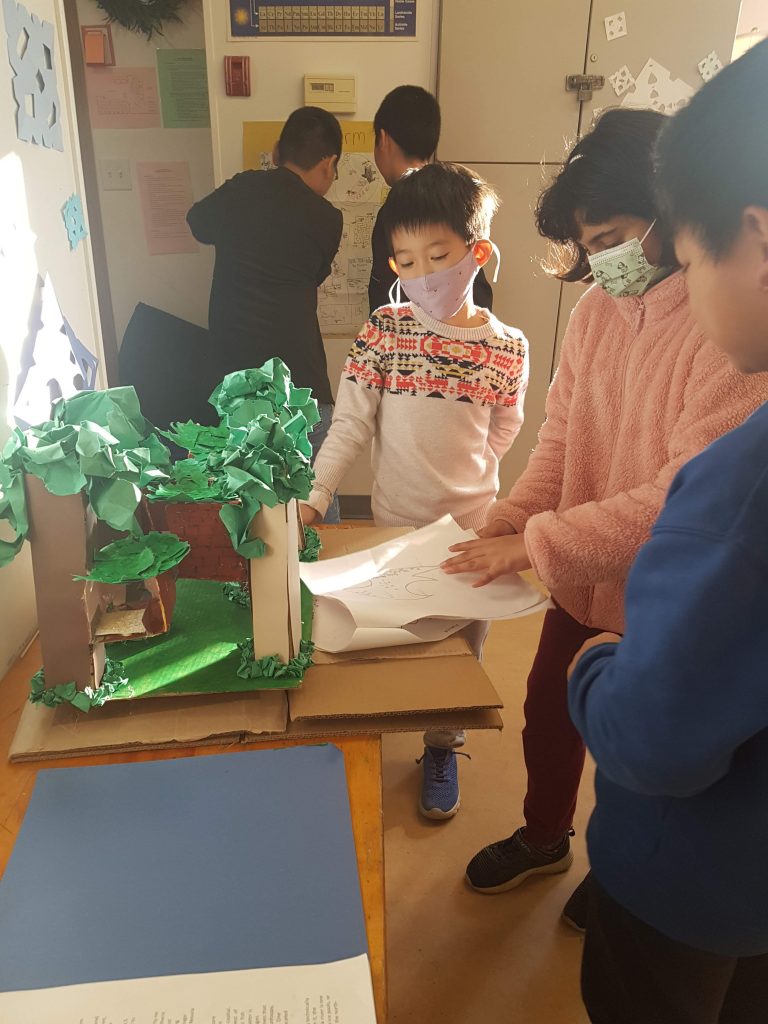
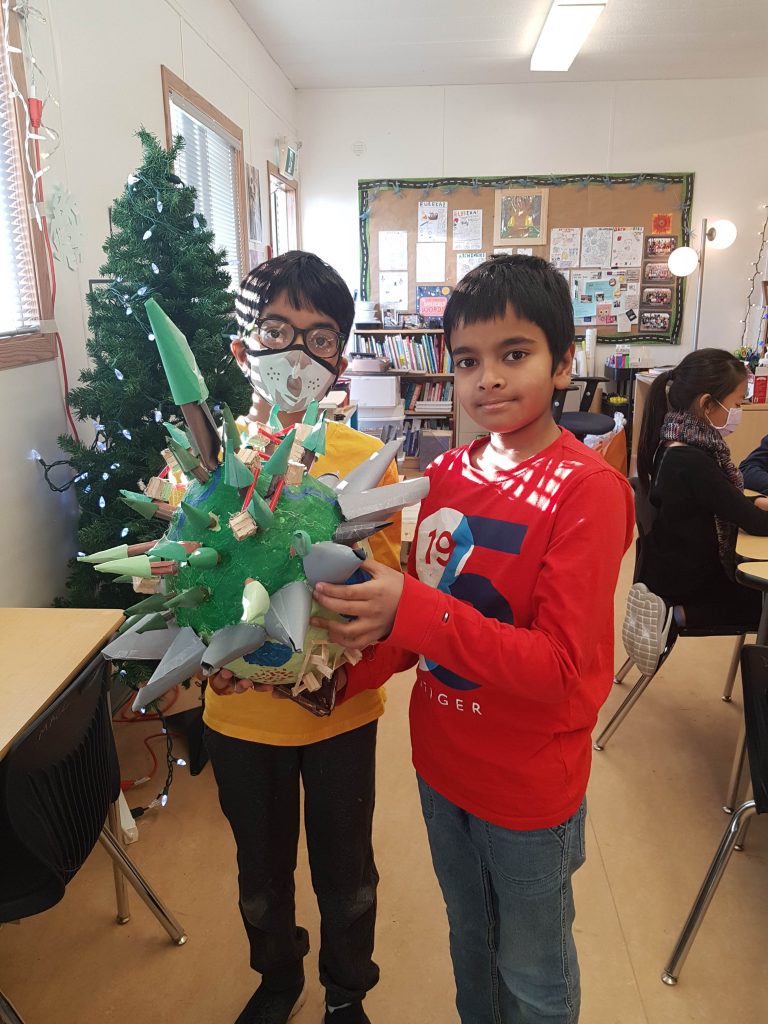
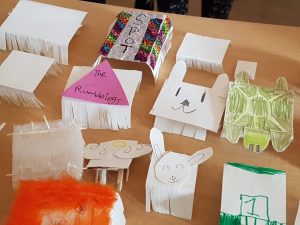
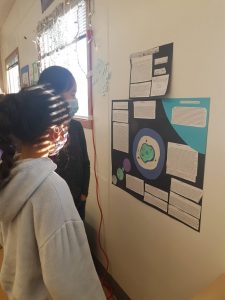
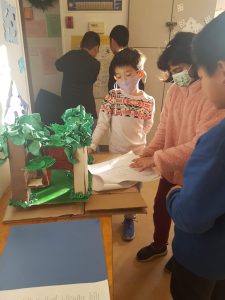
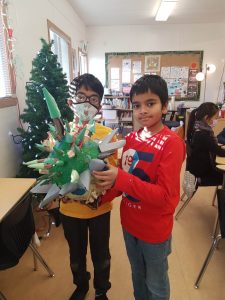
To apply our learning, we did the Your World Project, creating our own planets! We had to think about the planet’s place in the universe, the topographical features of the planet, the nature of its inhabitants, their language and government, and other elements of structure in the communities of the planet that allow the inhabitants to thrive. Then, we displayed our creative thinking through models, posters, and Book Creator e-books.
Structure of Language – Language Arts and French
Throughout all of the subject areas, as we communicated our ideas, we talked about the structure of language. We evaluated the elements of a good paragraph, we used homophones to play with language and make puns and jokes, and we discussed tools that help us with quality writing structure such as transition words. We documented our learning daily in our journals, shared ideas with partners, and wrote speeches, raps, and poems to demonstrate our understandings of mathematical concepts. After practicing how to make our sentences more complex, and how to make a proper paragraph, we applied this knowledge to several projects.
To help with our research on projects, we learned about non-fiction features we can use to help find information, how to record resources, how to look for legitimate websites, and how to ask different levels of inquiry questions. We will continue to use this in term three as we work toward our independent projects!
In French, we explored beginning vocabulary and phrases through French songs and discussion. We enjoyed doing comparisons of the structures of our mother tongues and learned about the history of language development through videos on TEDEd.
Elements and Principles – Playing with Structure in Art
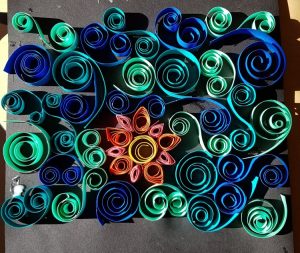
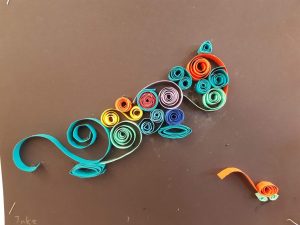
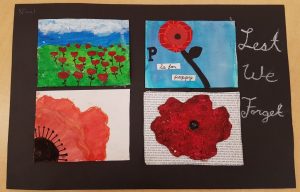
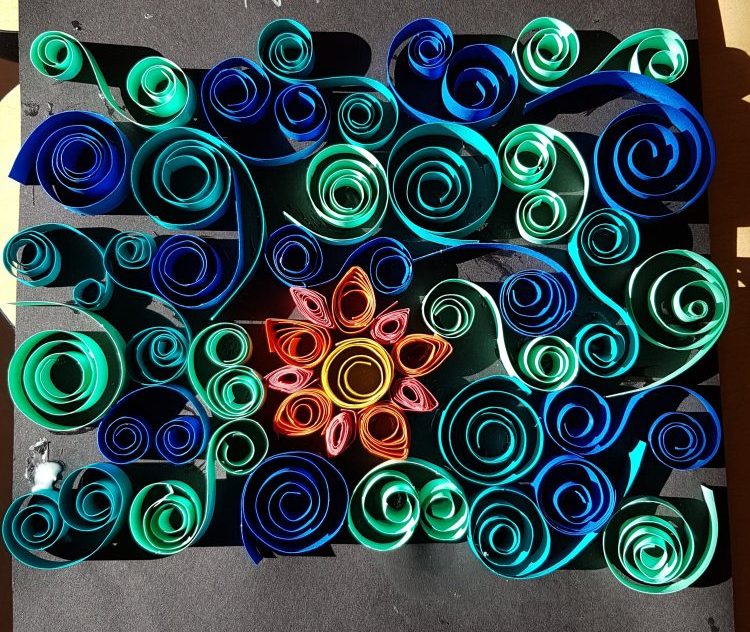
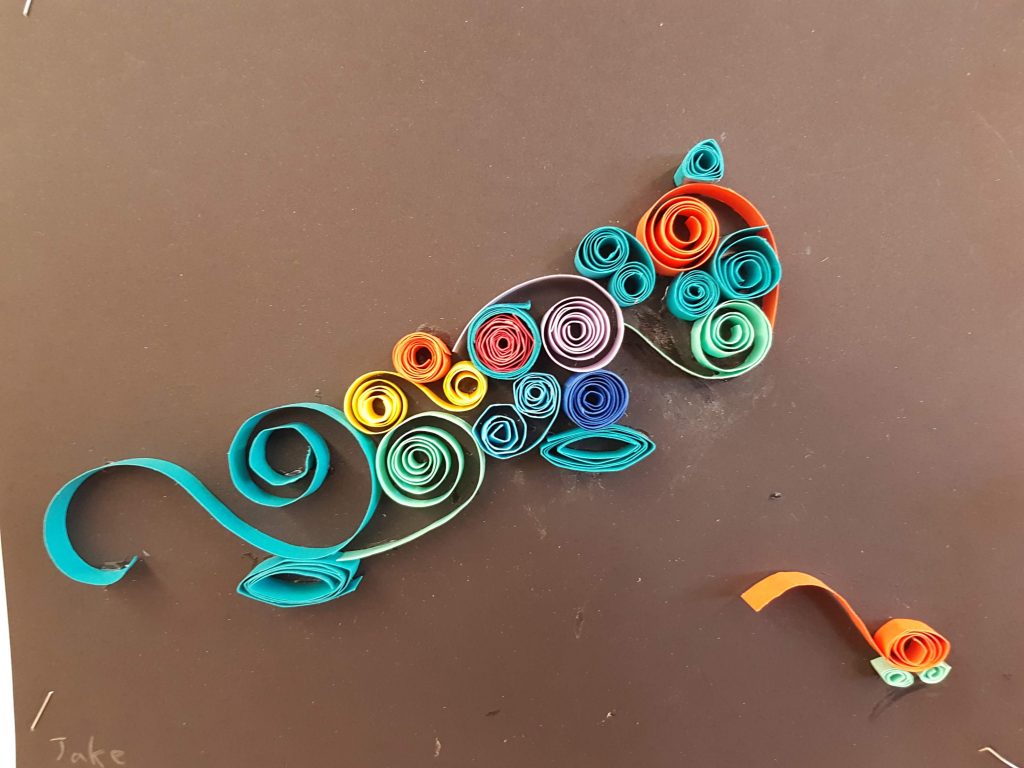
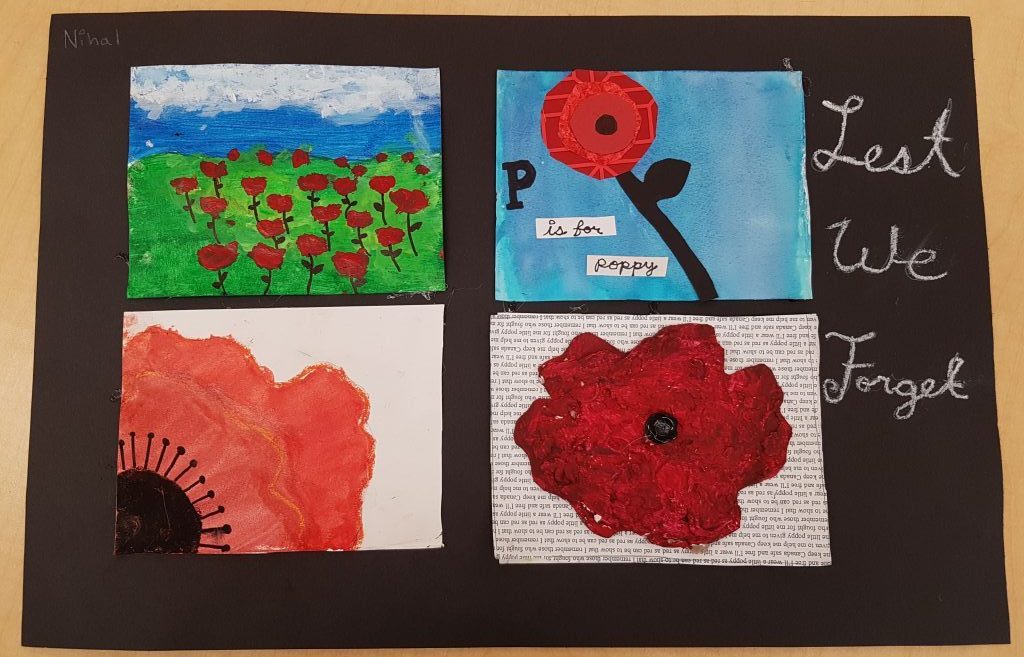
We explored the elements and principles that structure art! We experimented with new materials, line, colour, and form through a paper quilling project. Our boxes art allowed us to explore making something with mixed media, while focusing on warm and cool colours, texture, and line. We created amazing mixed-media art about poppies for the Remembrance Day Virtual Assembly, using a variety of materials and techniques, as well as line, colour, texture, shape, perspective, and emphasis.
Next, we focused on
the concepts of
PERSPECTIVE and PROBLEM-SOLVING
in our unit
“Solving the Conundrum”
Unit Focus Statement:
Problem solving involves careful observation, critical thinking,
and consideration of multiple perspectives.
What are the skills you need to solve a problem?
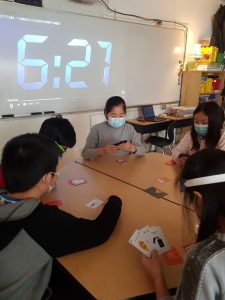 We began our unit with cooperative games and challenges to explore the variety of curricular and core competencies required to solve a problem. Our main focus was critical thinking, but we also used communication, creative-thinking, and personal-awareness skills.
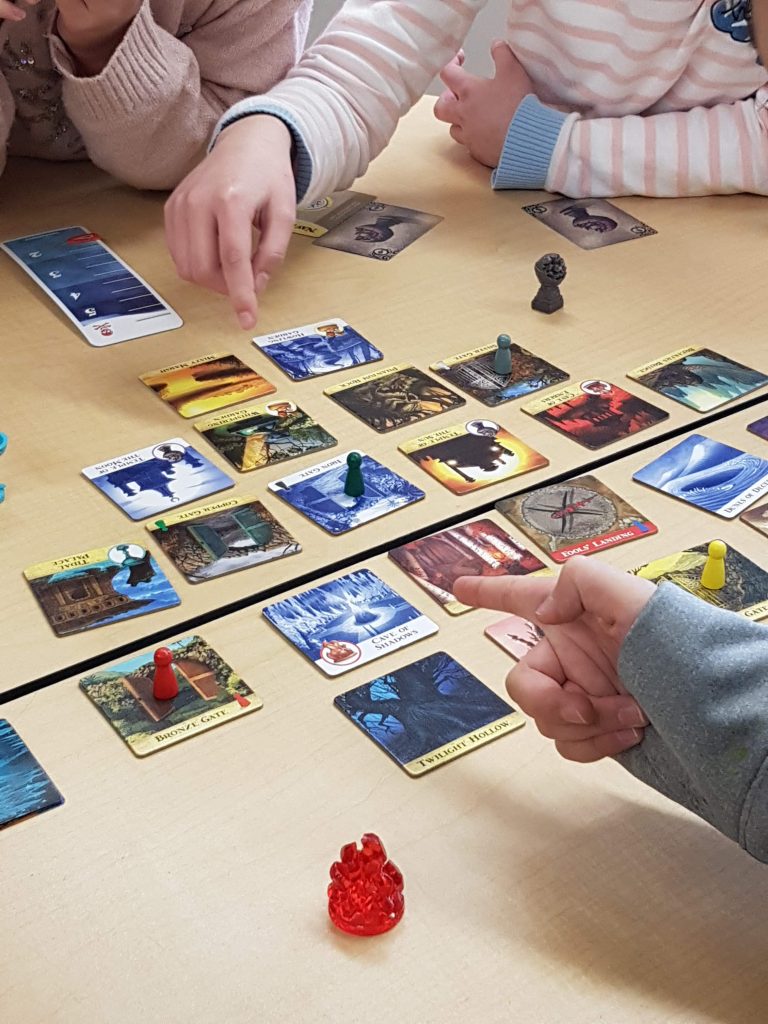
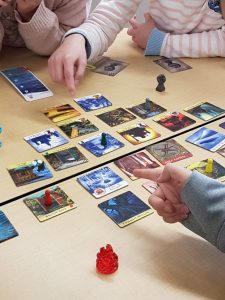 One of our favourites was playing the game Forbidden Island, which is unique because everyone has to work as a team, rather than against one another, to get the treasures and escape from the island before it sinks into the water! Everyone did a great job playing together, using communication and critical-thinking skills!
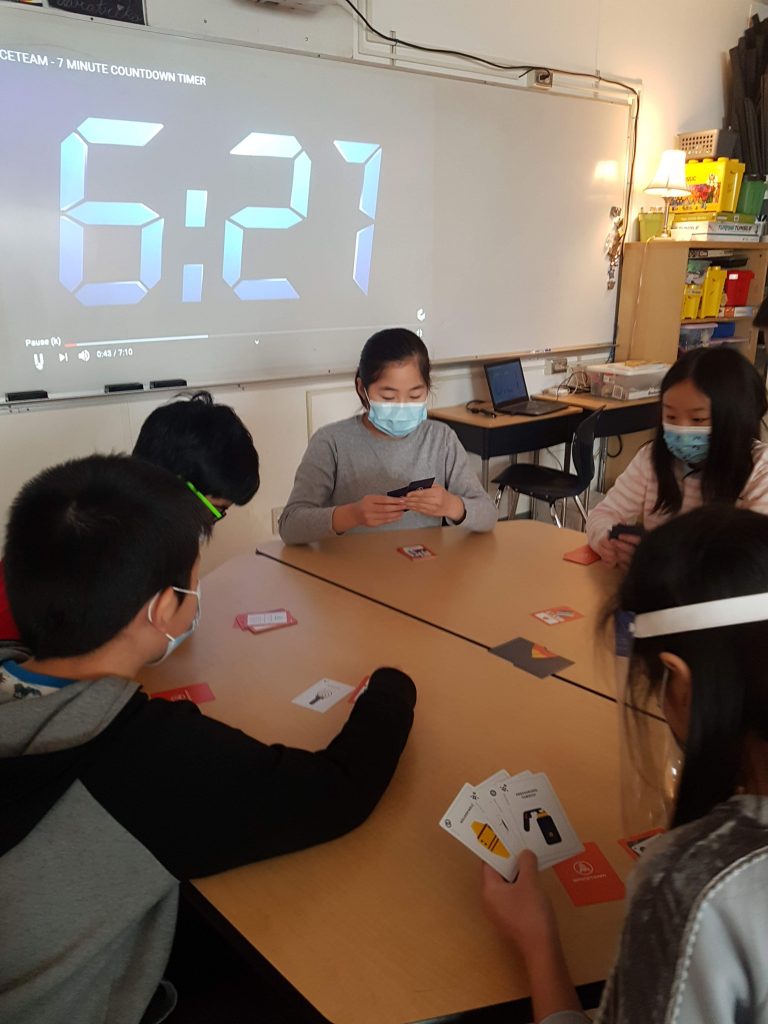
The Space Team card game was also fun, which involved quickly solving your spaceship’s problems as a team, in only 5 minutes! We also used the book Zoom and had to put a 30-page wordless book back in the correct order, as a whole class, without being able to talk or touch one another!
After finishing challenges, we reflected as a group on the skills needed to be successful in a problem or conflict, such as active listening with partners, careful consideration of instructions and perspectives, self-regulation, and the ability to stay calm when you don’t know the answer right away or something unexpected happens.
Finding Perspective – Social-Emotional Learning, PE and Health, Social Studies
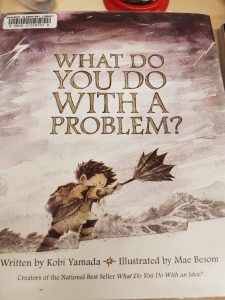 Why do people act the way they do? We incorporated social-emotional learning frequently into our discussions, talking about how to apply problem-solving methods to situations at school, how to care for our community, how to see another person’s perspective, and the emotions and needs such as belonging, power, and fun that drive behaviour. In this way we can better understand why people do the things they do, which can make it easier to respond to a stressful situation.
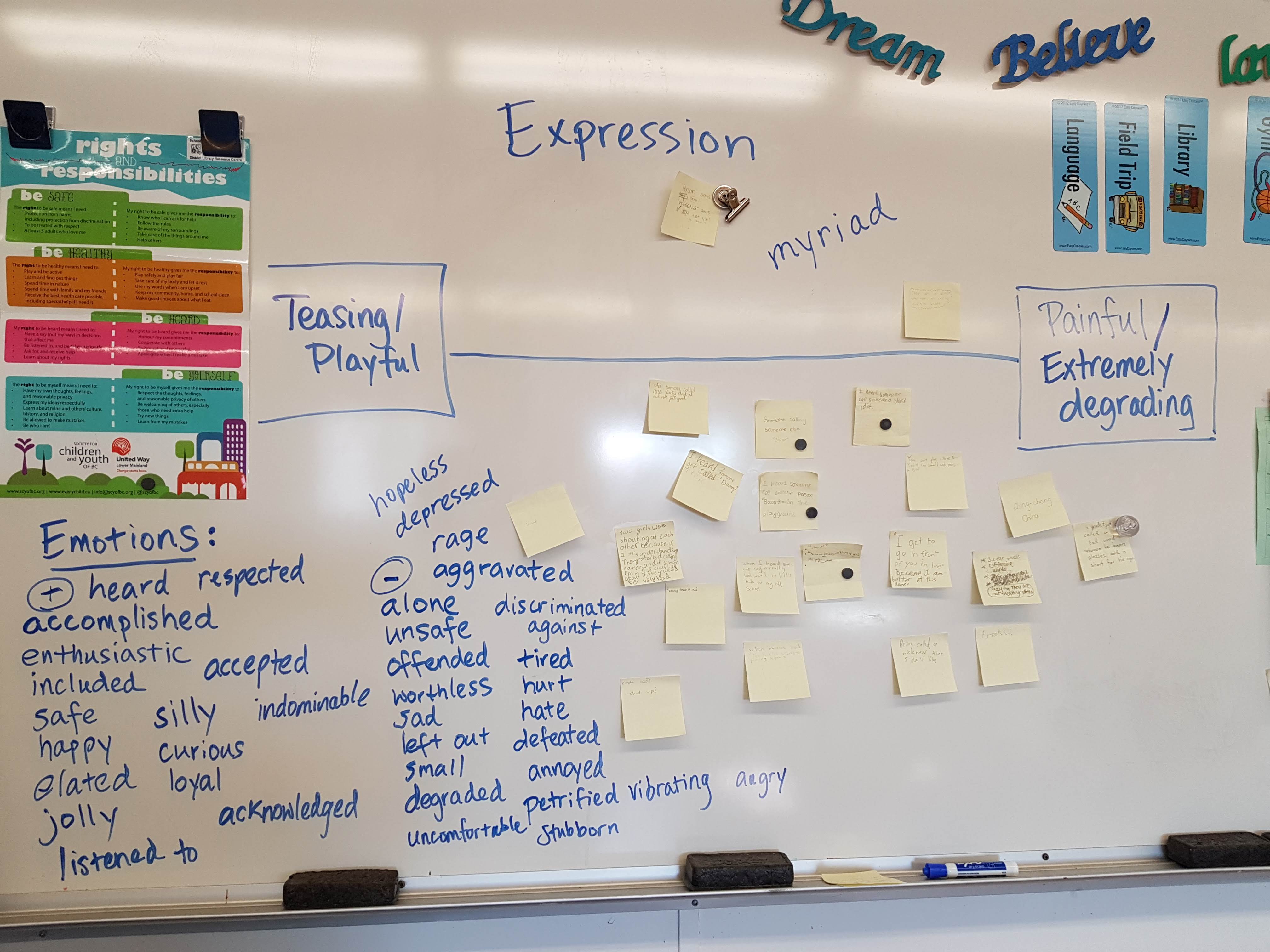
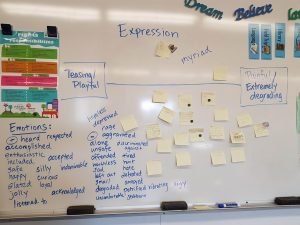 Big problem or small problem? We explored the difference between small problems and big problems in our everyday lives. We discussed how to identify a problem and strategies for solving minor conflicts amongst peers. I appreciated how students contributed to our lesson on “Words that Hurt” as we categorized language we had heard on the playground or in our community as either playful talk between friends or very hurtful words. We made a commitment to become more aware of how words can hurt, even if the person who said them didn’t mean to hurt anyone. This was part of learning perspective.
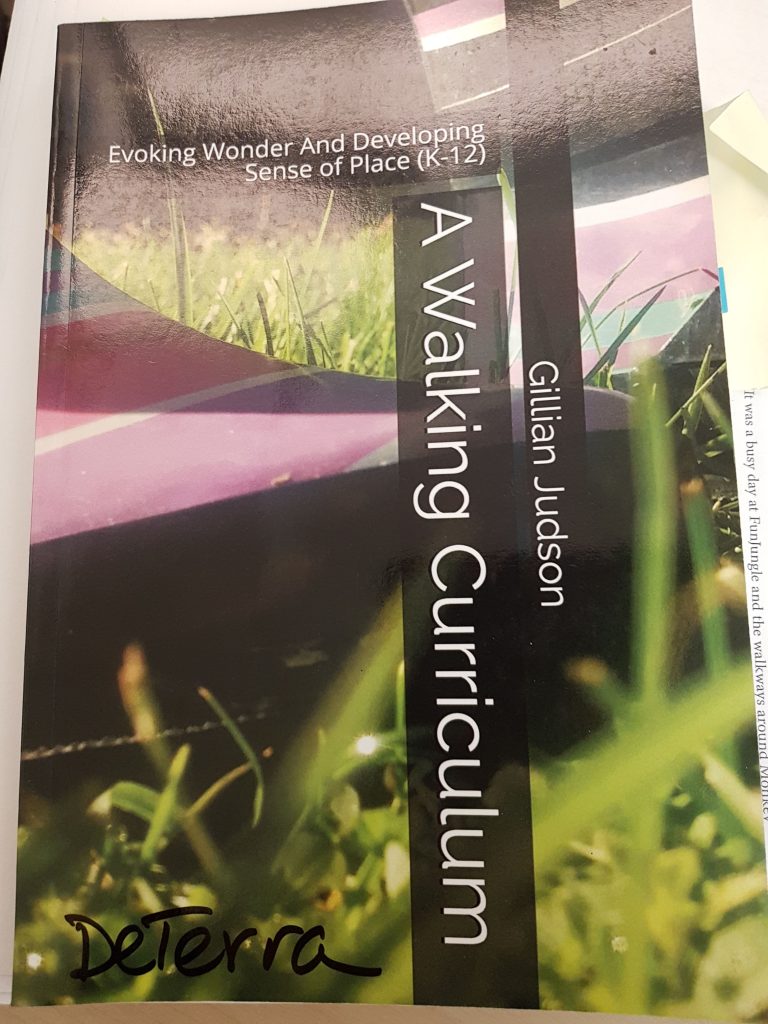
 We started taking walks as a class that were about perspective. During one of our PE walks we did a Scavenger Hunt which forced everyone to look carefully for items in the local neighbourhood. We will continue doing focused, mindful activities like these from the Walking Curriculum to improve our observation skills. Walking is a great solution to feeling healthier or just working through your feelings about a problem, too!
Identity and Understanding Others – Core Competencies, Social Studies, Language Arts
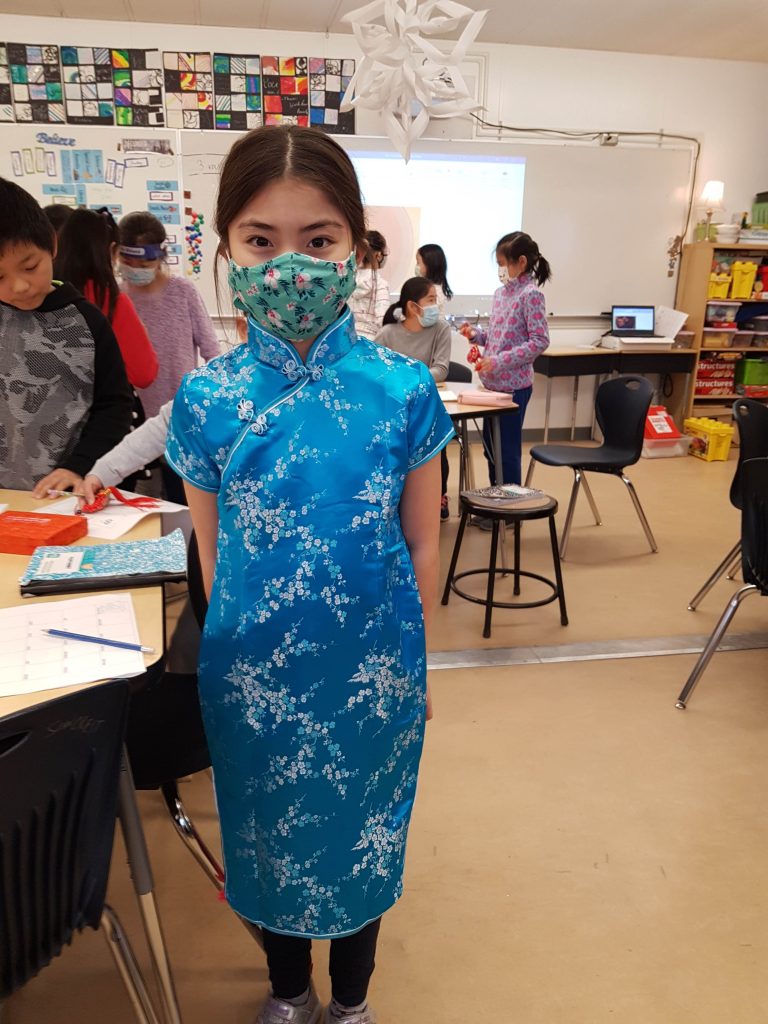
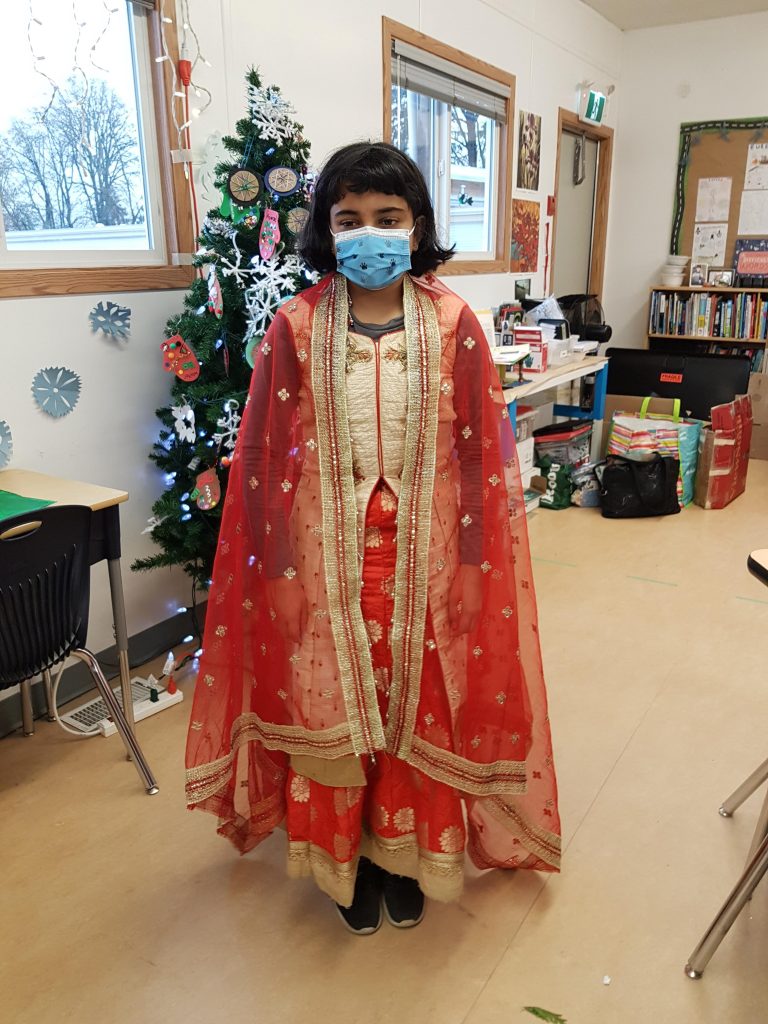
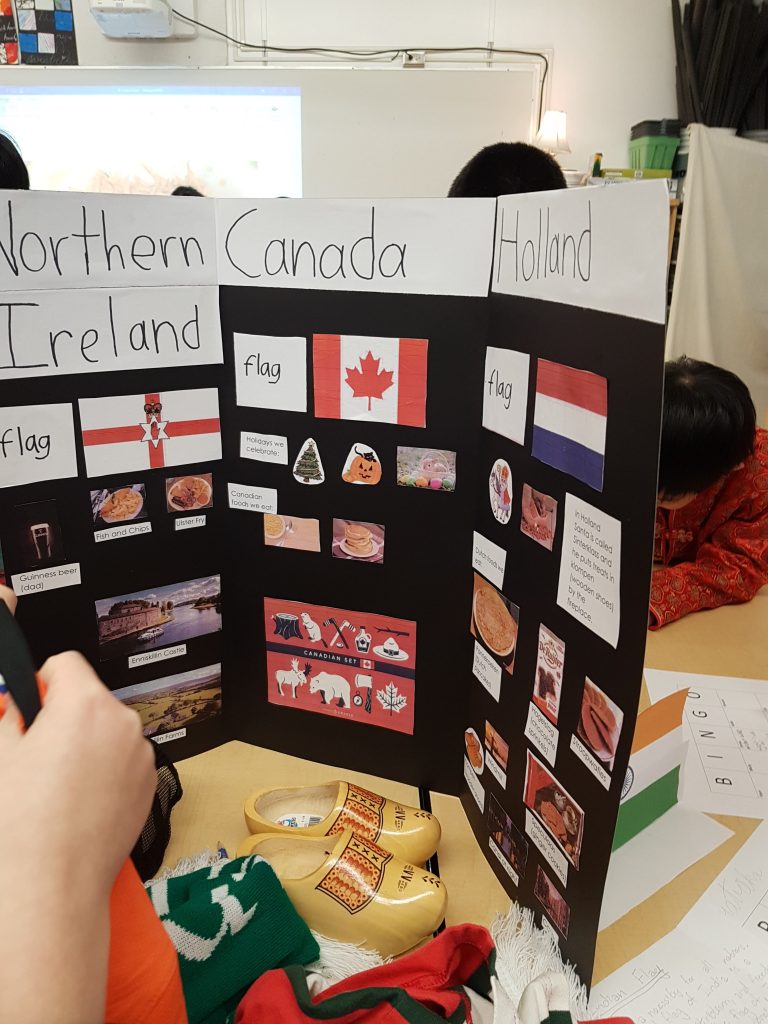
What is culture? How does it shape our perspective? In connection with the core competency of Positive Personal and Cultural Identity, we discussed how understanding our own culture and that of others can help us gain perspective. We interviewed one another to see how we do things at home and how our daily lives are different because of culture and family history.
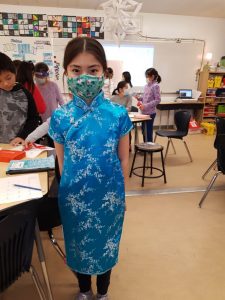
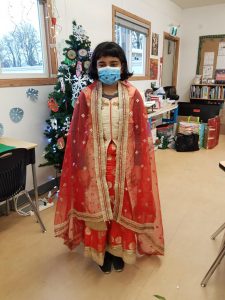
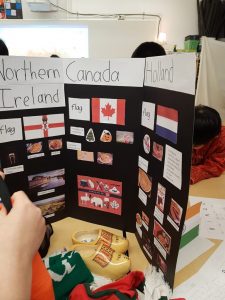
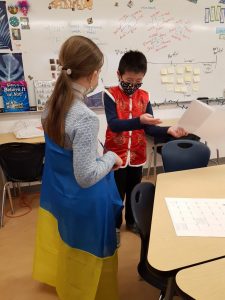
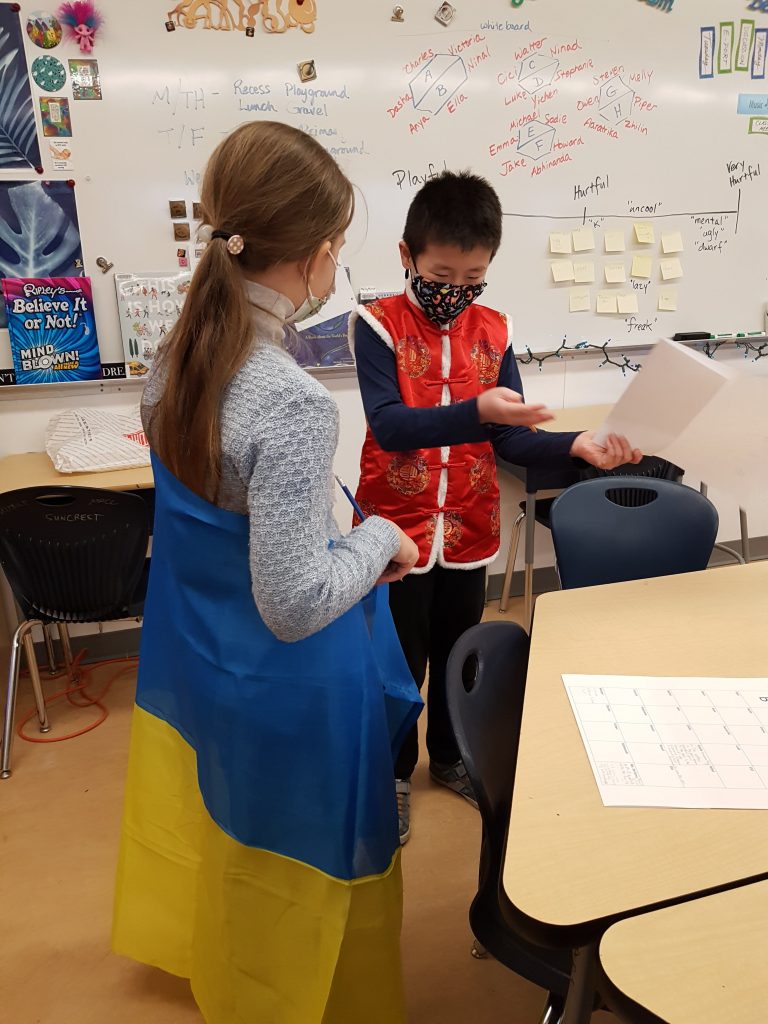
In December, we had a Culture Party, and each student brought in an artifact or display to share with other students, so we could celebrate our own identities and learn about important cultural traditions of others in our class community.
For French, in addition to learning basic vocabulary and phrases, we have discussed how language is related to culture, the history of French language, and how a person’s language is an important part of identity. This is why when residential school children were punished for speaking their own language it was such a serious infringement of their human rights.
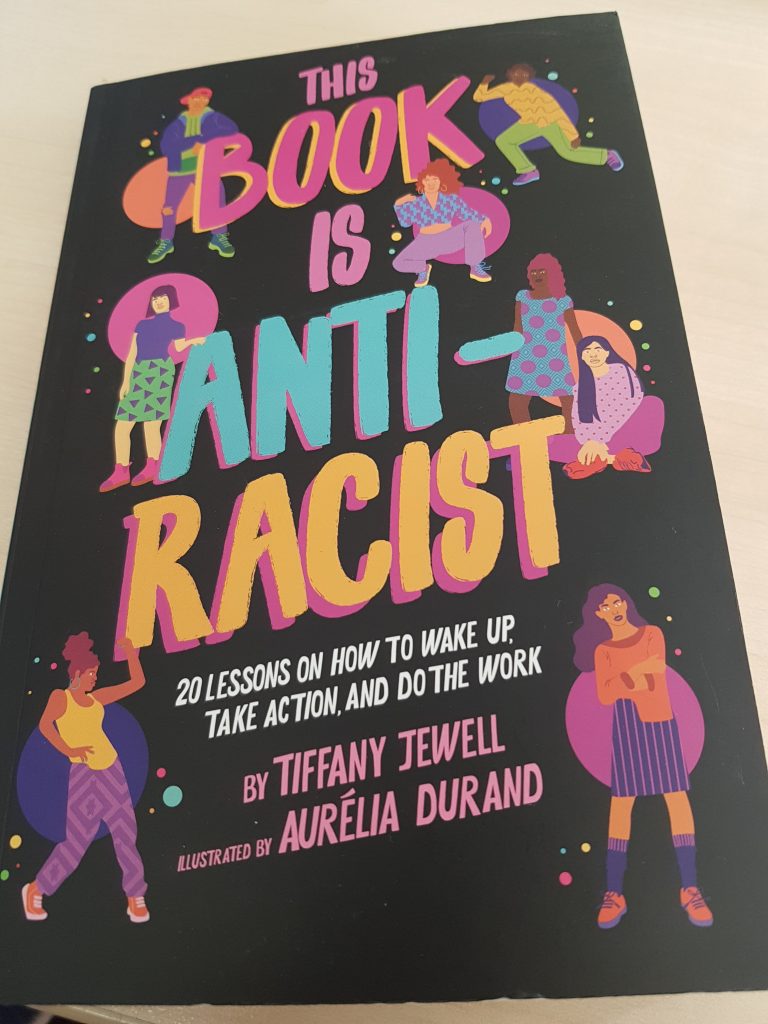
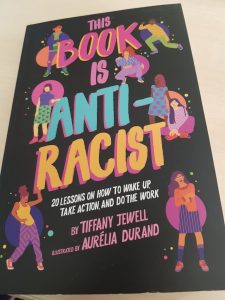 We discussed how differences are sometimes celebrated, but sometimes also cause fear, which can lead to conflict and negative outcomes. We read passages from This Book is Antiracist, which helped us understand societal, long-held beliefs that lead to racism, prejudice, stereotypes, and discrimination based on colour, gender identity, and ethnicity.
This led to a larger exploration of the history of discrimination in Canada. We discussed human rights, the UN Declaration of Human Rights, the UN Convention of the Rights of a Child, and the UN Document on Indigenous rights about human rights and ethics. Then we looked closely at how human rights had been denied through Residential Schools, Japanese Internment in World War II, the Komagata Maru Incident, and the Chinese Head Tax. As a class, we read and analyzed My Name is Seepeetza, so we could better understand the conditions of residential schools from the perspective of someone our own age.
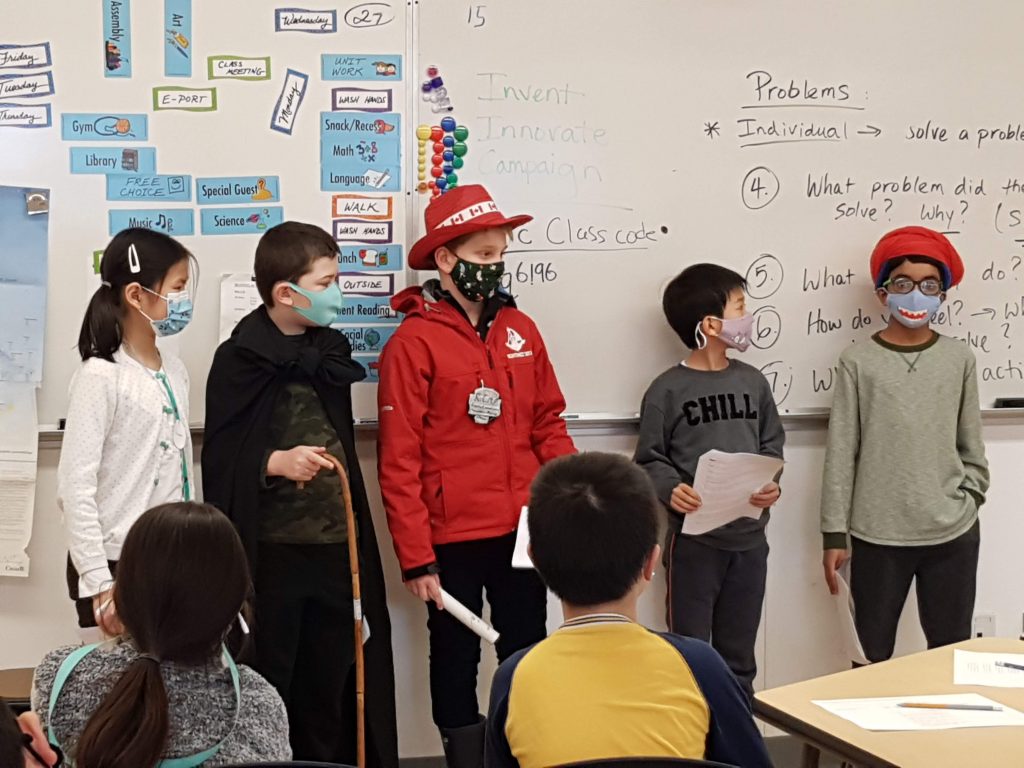
In groups, we wrote and performed teaching skits to help everyone learn about the history of discrimination in Canada, as well as some of the ways in which the government has tried to make amends or participate in reconciliation.
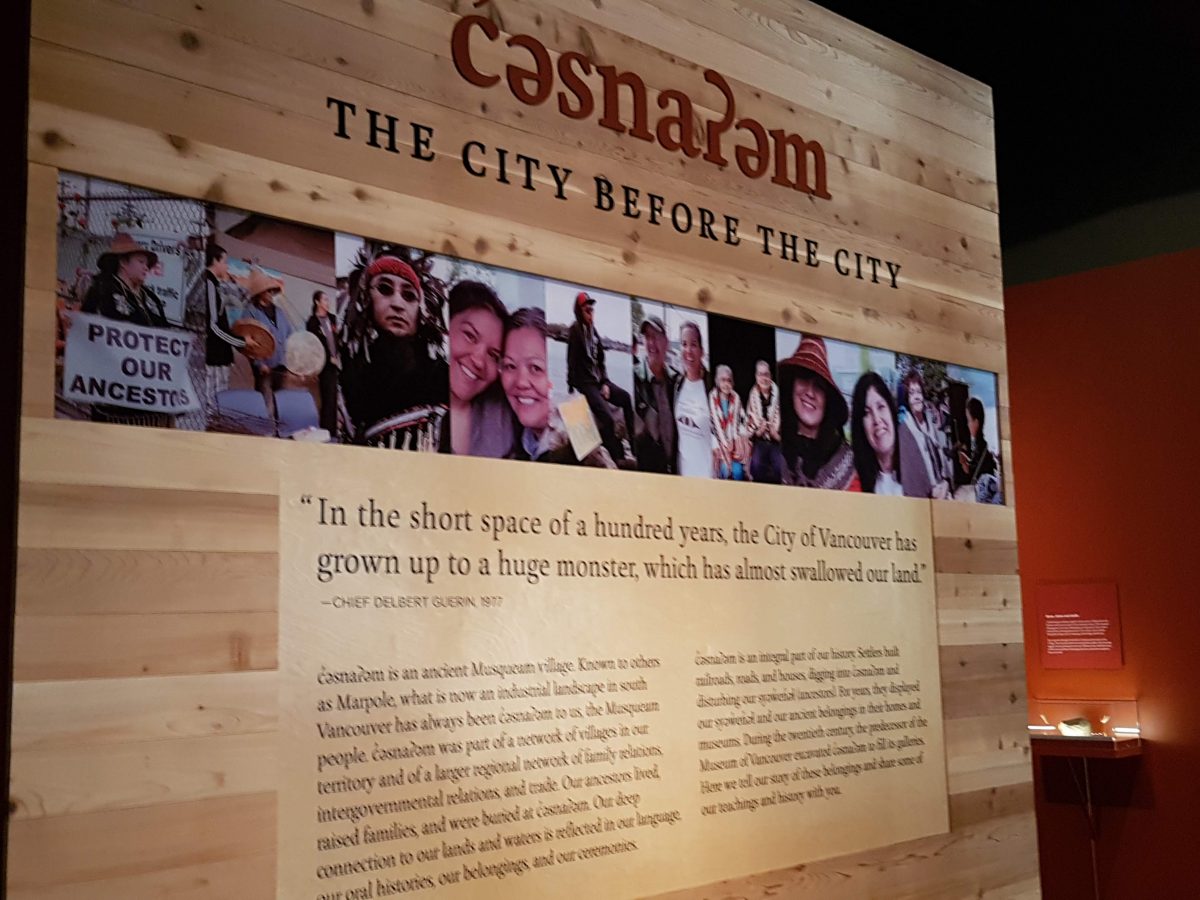
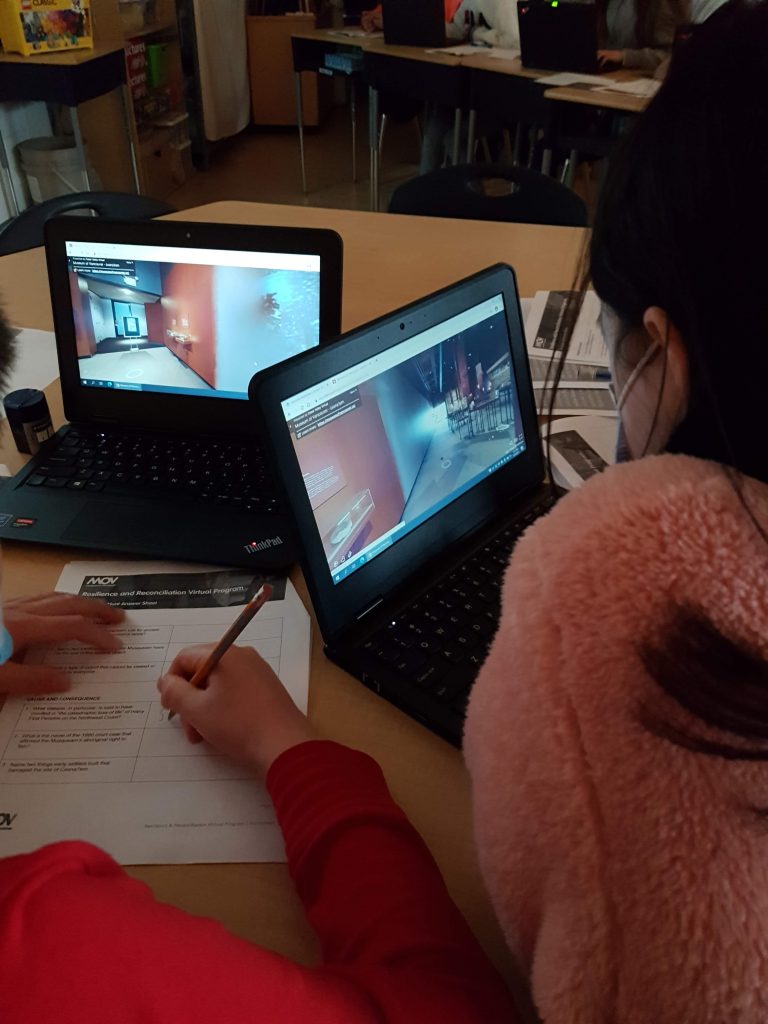
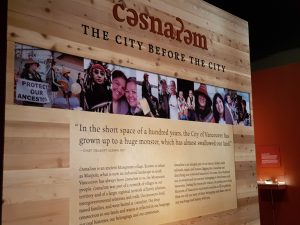 To help us understand reconciliation, we looked at the “City Beyond the City” exhibit through a virtual field trip to the Museum of Vancouver. The exhibit explains the history of the Musqueam and their village on what is now the Fraser River in South Vancouver. We learned their history and facts about how this exhibit was co-created between the Museum of Vancouver and the Musqueam peoples.
How do scientists solve mysteries? With problem-solving skills and scientific knowledge! — Science and Math
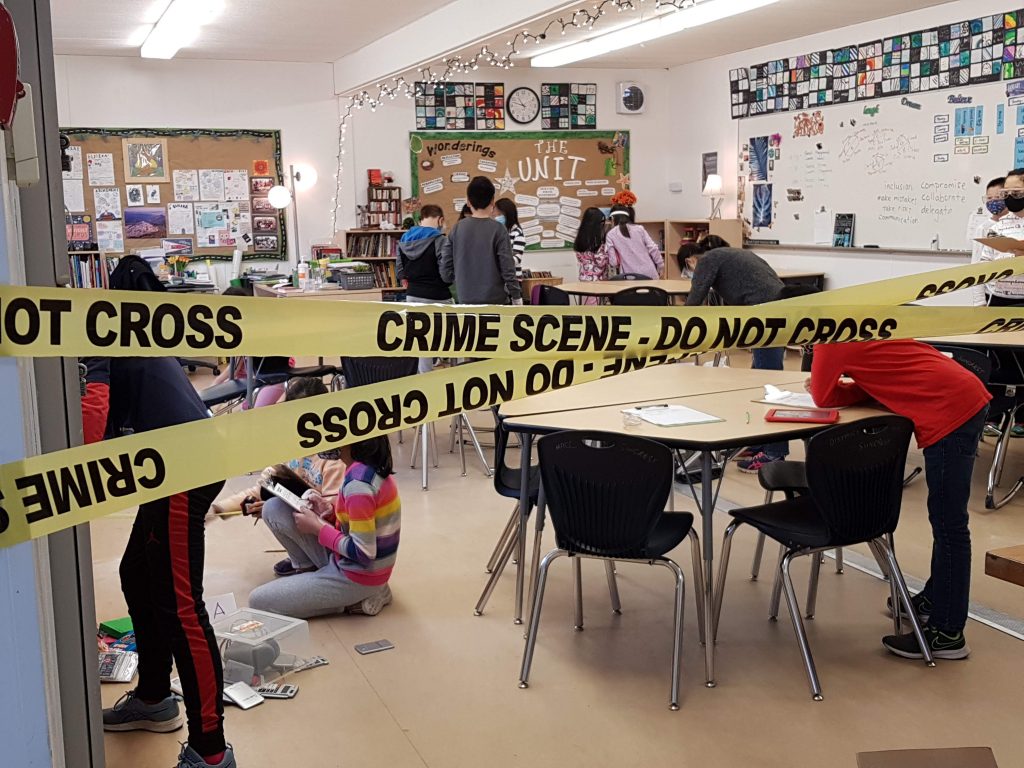
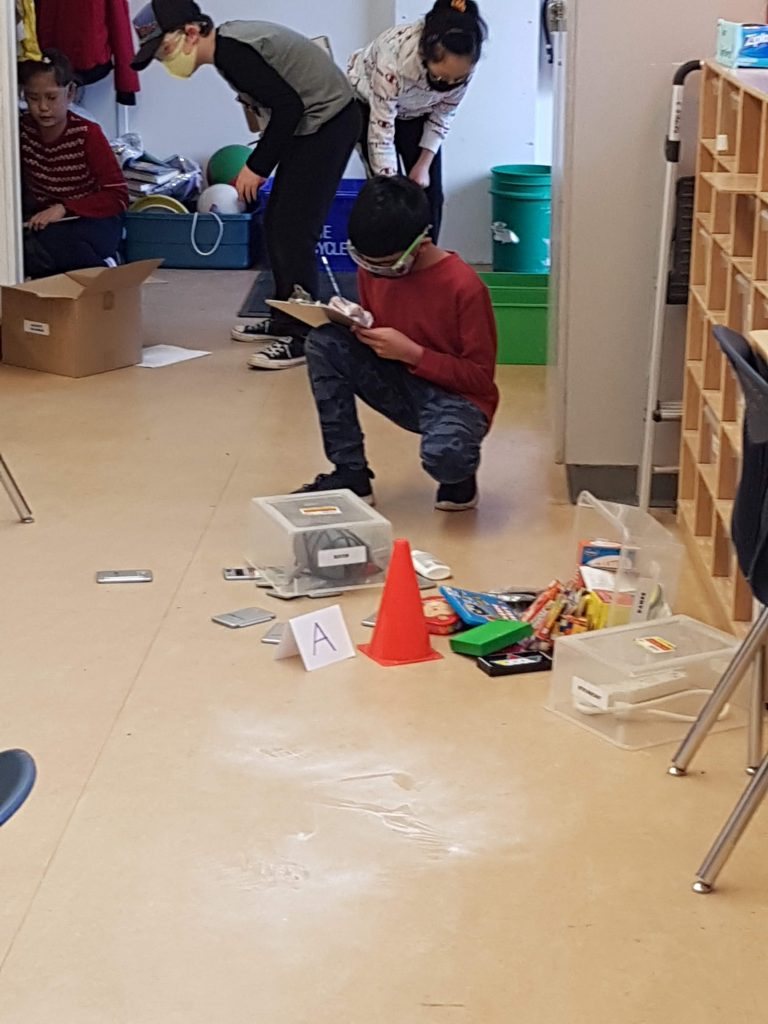
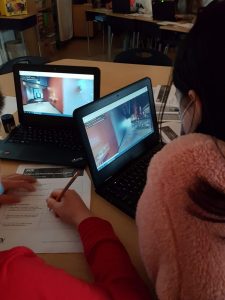
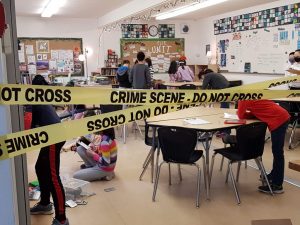 Oh no! A crime happened in Division 5! Ms. D’s metal statue and a class iPad were stolen! Well, not really, but we set up a pretty fantastic practice crime scene, practicing our observation, communication, thinking, and technology skills to carefully document a crime scene!
We also used our math skills, because accurate measurement is required to document where items are located within a crime scene space.
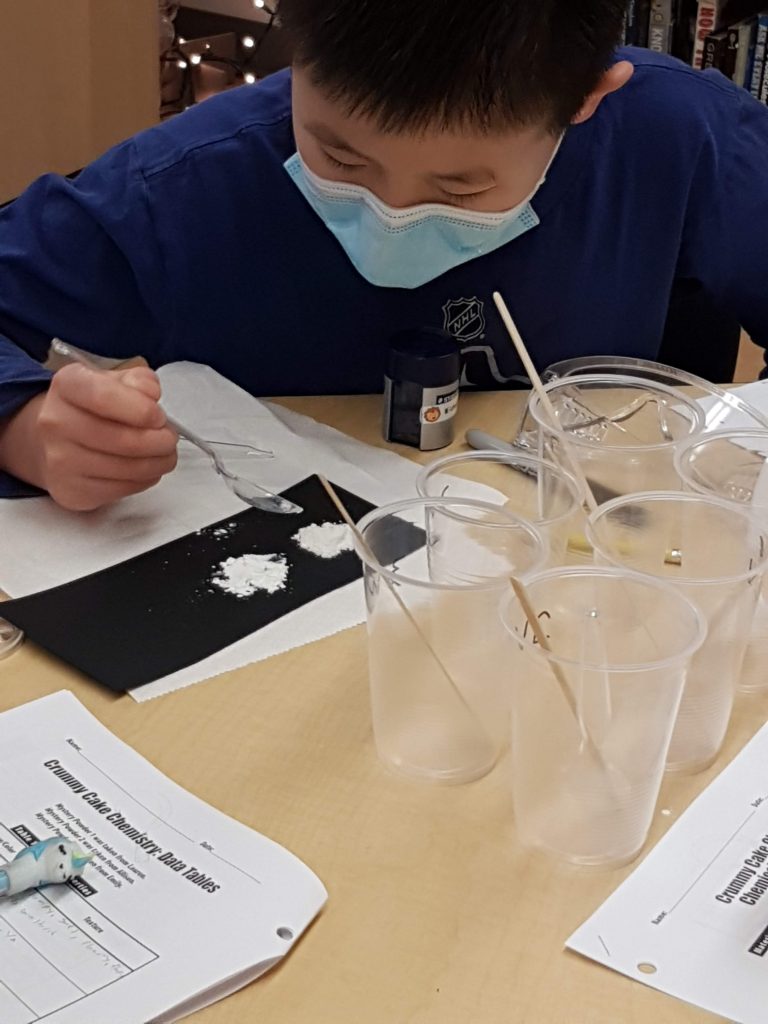
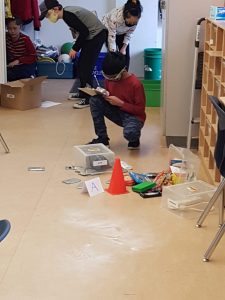 So, we gathered evidence, took notes, and carefully measured each of the marked evidence locations from two reference points in the room. Then we did a myriad of other lab experiments to practice being forensics investigators just like on CSI.
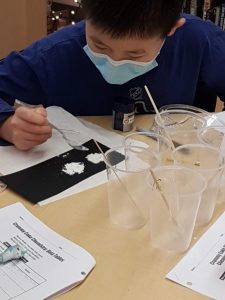 We learned about fingerprints, measuring bones to determine someone’s height, analyzing bullet holes in windows, reading a criminal for suspicious body language, forging of signatures, and watching for physical and chemical properties to identify substances left at the scene.
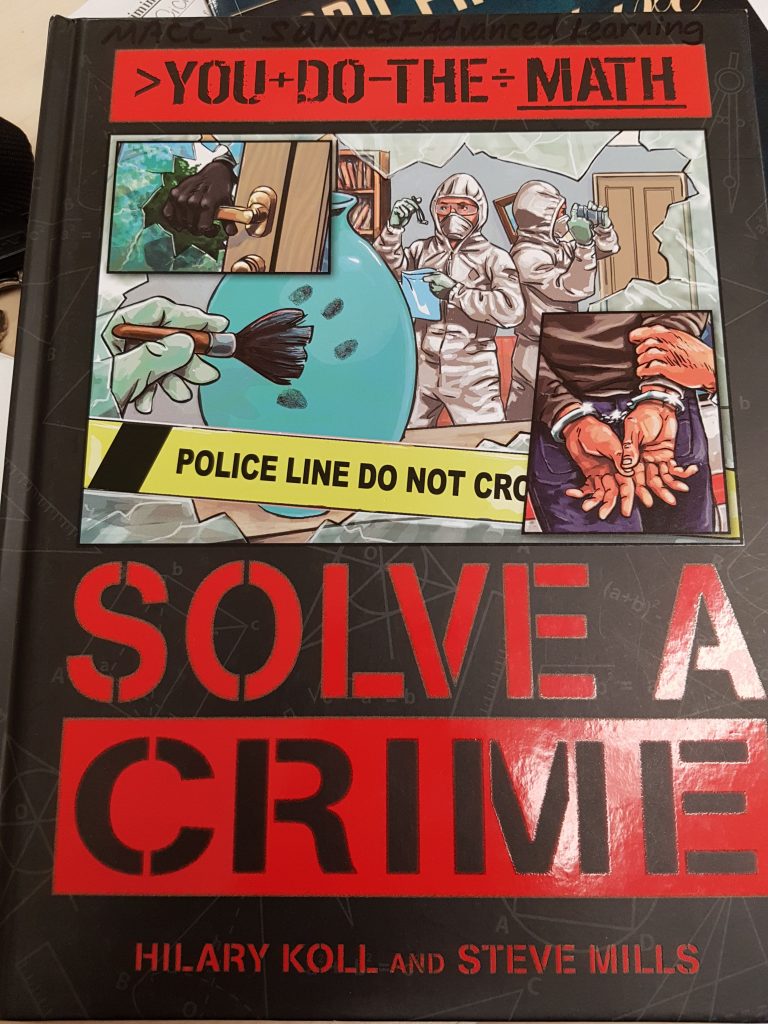
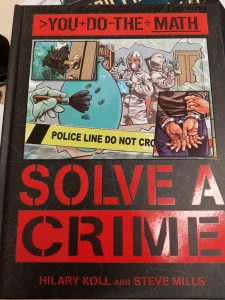 We practiced our CSI Math skills in You Do the Math Solve a Crime, using math knowledge about coordinates, graphing, area, adding and subtracting decimals, fractions, and word problems to do some of the same math a CSI agent would do!
Proportionate Reasoning and Problem Solving – Math
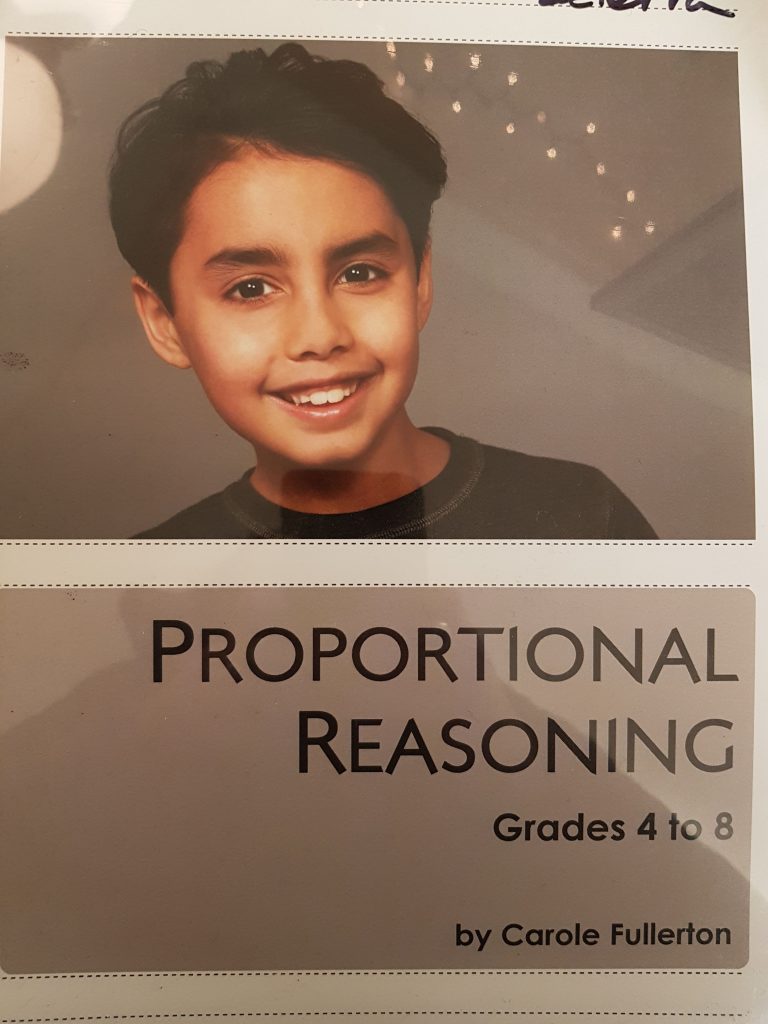
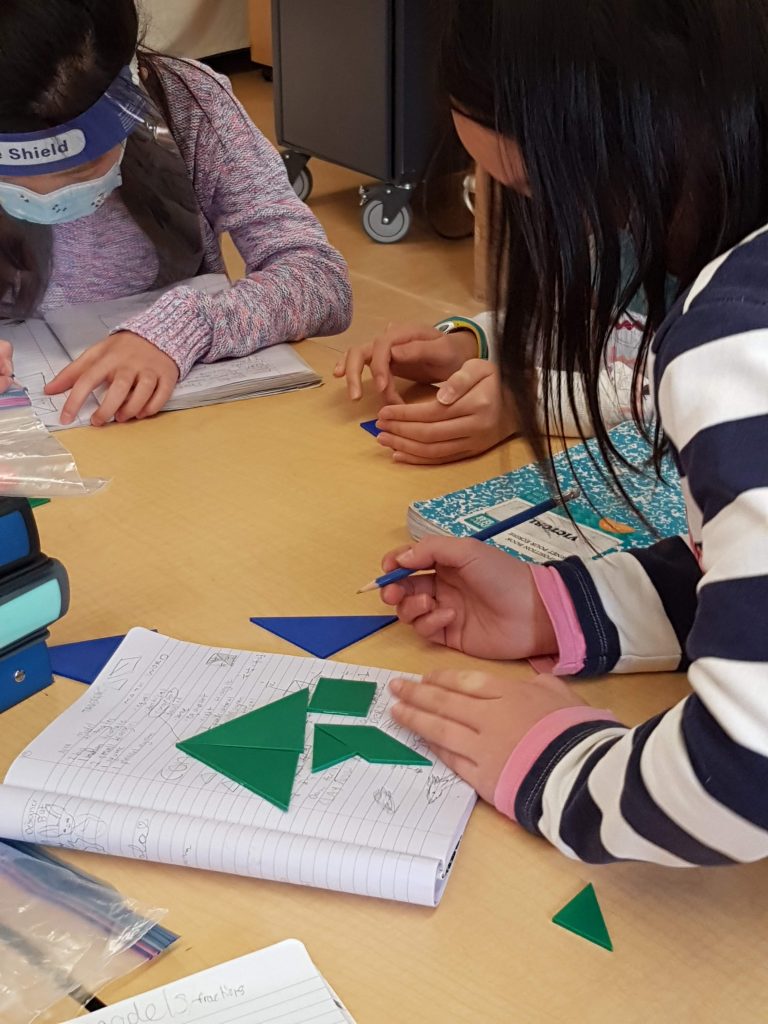
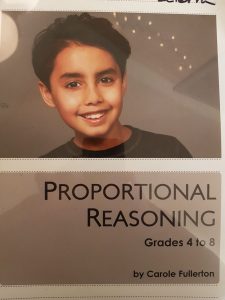 Through Carole Fullerton’s Proportional Reasoning and other math exercises, we did some serious work trying to understand fractions and ratios. Using manipulatives such as coloured chips, a clothesline, and tangrams, we explored both set and area models of fractions.
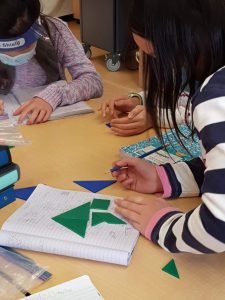 Then, we applied our knowledge to recipes from home, looking at how we could make a favourite dish for more people if we had a big party! We discussed how the relationship between ingredients is a ratio, and we also looked at the types of measurement used when finding volume of ingredients, such as cups, teaspoons, and gallons. We will continue working on these concepts as we move into term three.
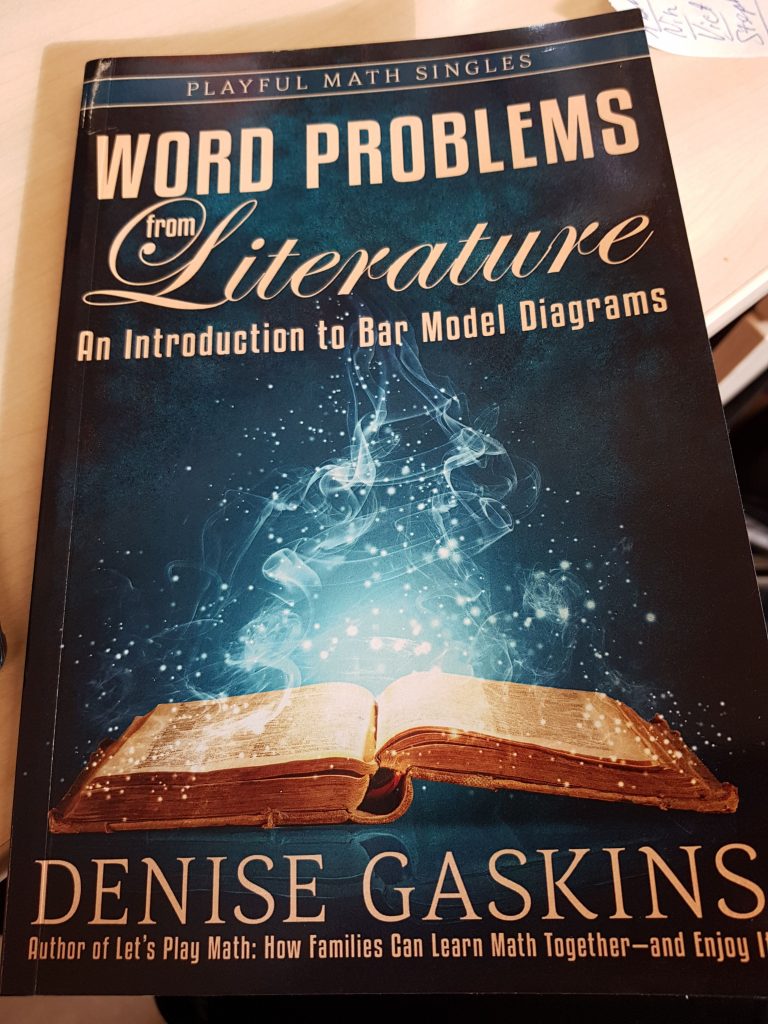
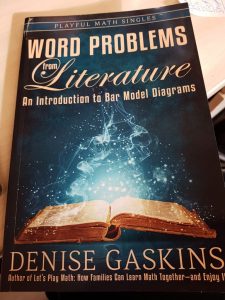 We also discussed the strategies you need to solve complicated word problems, such as reading carefully, making visual diagrams, and identifying important information and steps for the problem. Using the book Word Problems in Literature by Denise Gaskins, we applied Singapore visual, bar diagram strategies to solve word problems from The Hobbit and The Chronicles of Narnia!
Writing a Mystery & Philosophy Through Picture Books – Language Arts and Socials
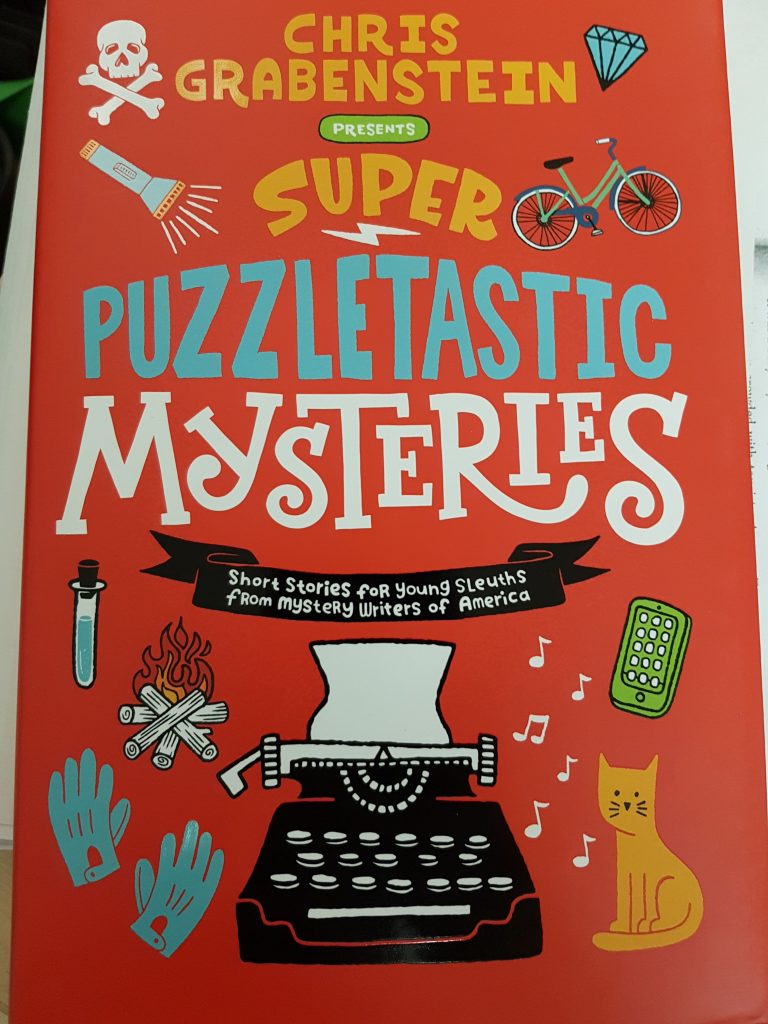
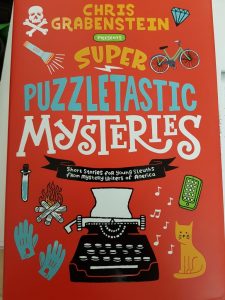 We put our CSI knowledge to work and wrote fantastic mystery stories! First, we analyzed mystery stories we already knew and watched Scooby Doo to identify typical mystery elements such as the suspects, victim, clues, red herring, and alibi. We read Chris Grabenstein’s book Super Puzzletastic Mysteries, and identified the mystery elements used by the writer to spin an interesting tale. We learned how to use punctuation in dialogue, because no story is complete without interesting characters and conversations. Now we need to share our stories with one another!
In connection with Social Studies, we analyzed picture books such as The Giving Tree, The Important Book, and Frederick, to look at big questions (or big problems to ponder) in ethics and philosophy. Which roles are valuable in a society? What makes you, you? Should you expect something in return if you give someone a gift? What is the meaning of work? See our e-portfolios for our thoughts on some of these questions!
Applied Design, Art, and Maker Problem Solving!
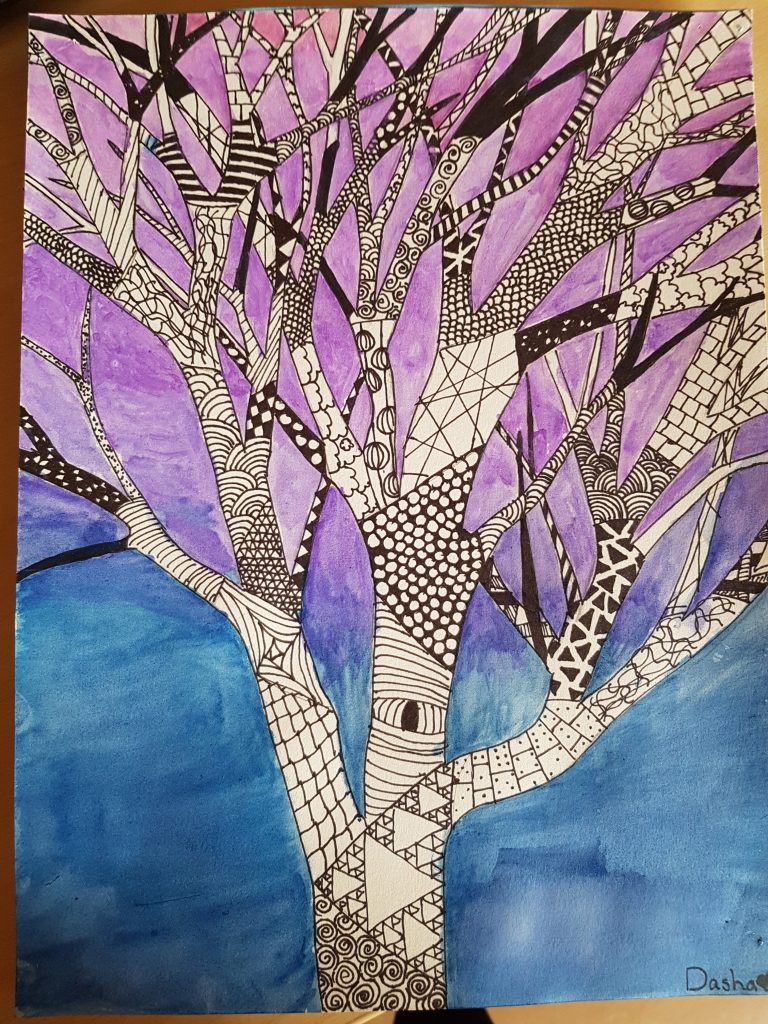
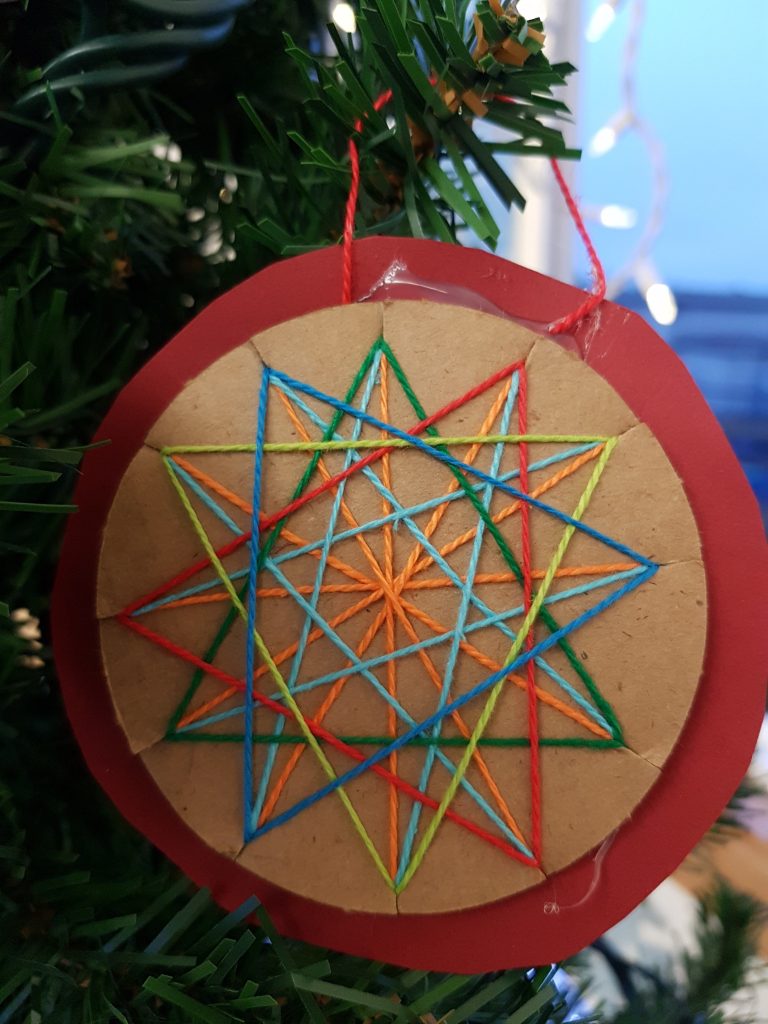
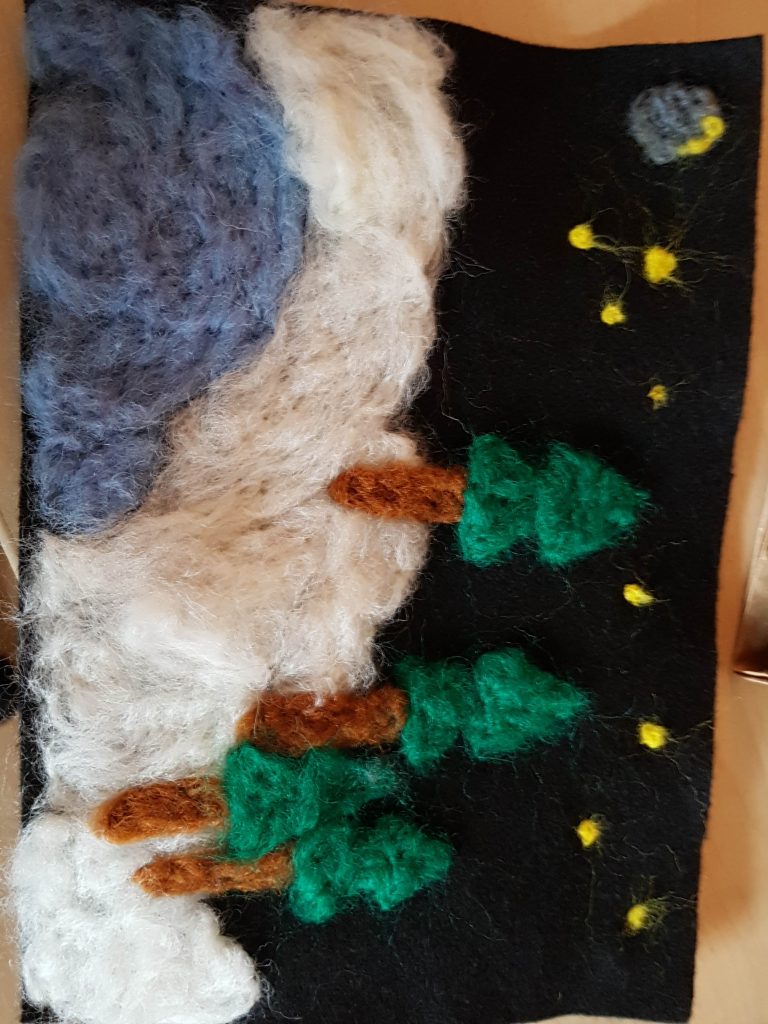
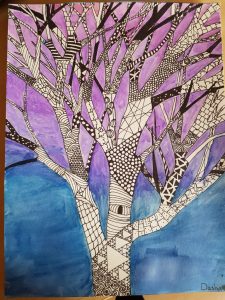
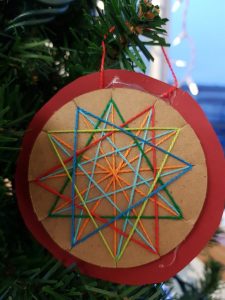
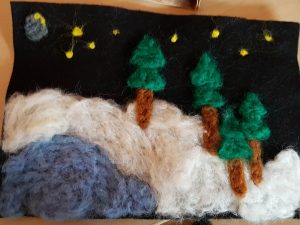
Leading up to the holiday, we put our problem-solving skills to the test, finding ways to make creative decorations for our Winter Wonderland. Everyone learned how to do wool felt landscapes; created zentangle, watercolour winter trees; and made geometric, hanging ornaments with embroidery thread.
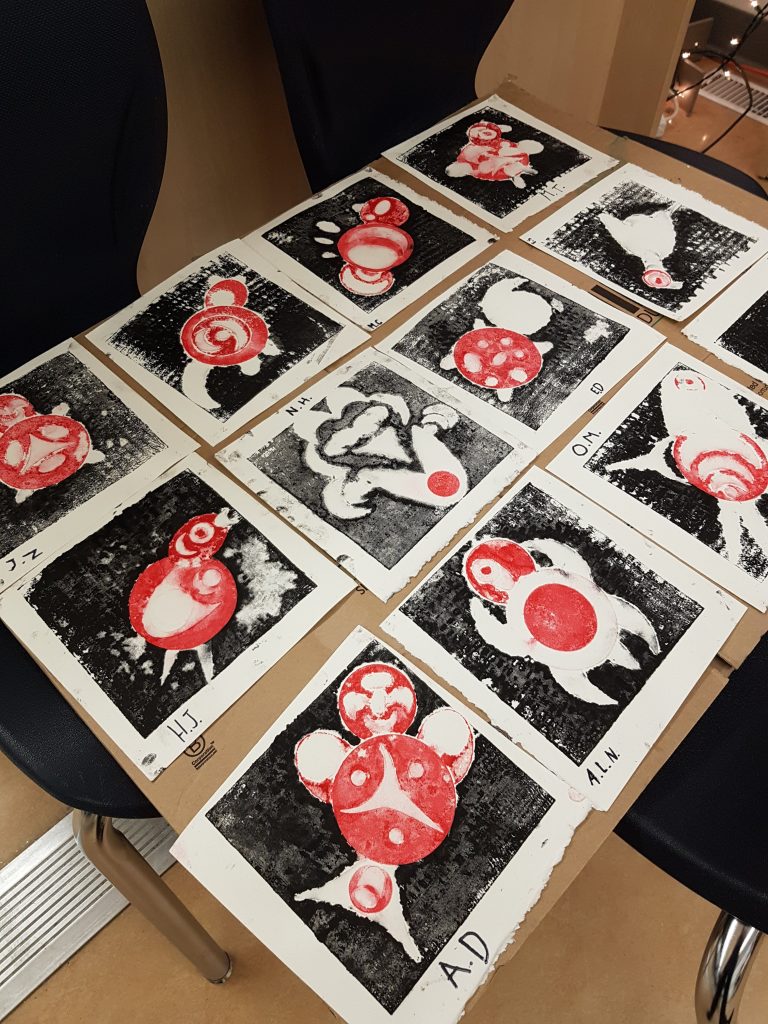
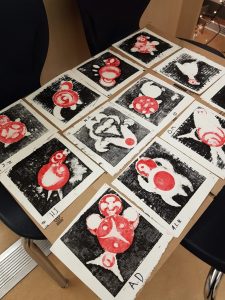 During our Burnaby Art Gallery virtual field trip, we learned about Coast Salish art shapes, and then we used those shapes to create our own spirit animal prints in red and black. One of the interesting things we discovered about Coast Salish spindle whorls is that they can form different pictures depending on how you view the negative/positive space and your own perspective.
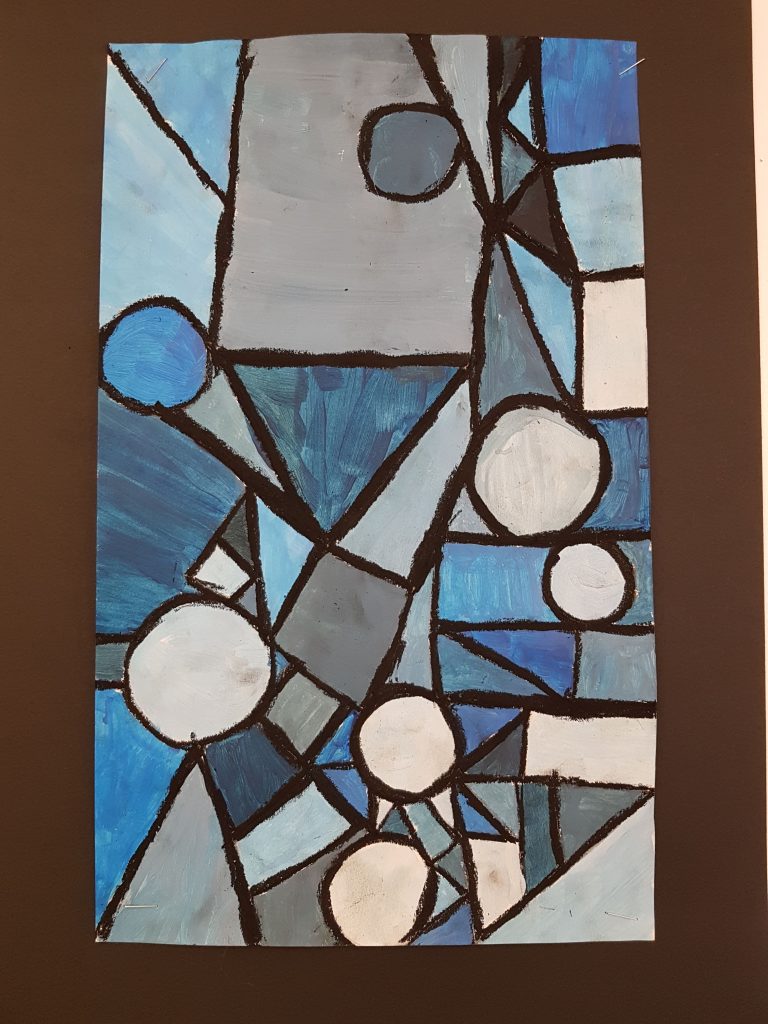
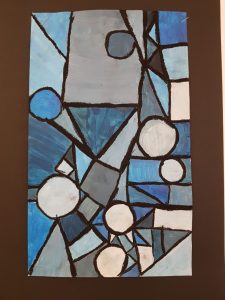 We also looked at abstract art and discussed how problem-solving skills such as critical thinking can help us connect with the feeling of non-objective abstract paintings. After an in-depth discussion of the colour wheel, tints and shades, and the meaning of the word monochromatic, we made our own geometric, monochromatic abstract art that almost looks like modern stain glass windows!
FINALLY, we made efforts to solve our own problems – Language Arts, Socials, Science, Social Responsibility
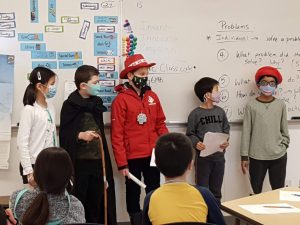
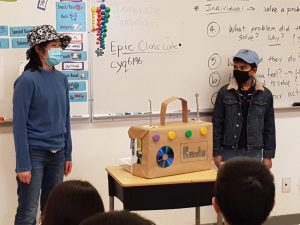
There are many problems in the world, and even though some of them seem really big, we can all play a role in solving them! First, we looked at the United Nations’ Global Goals to end poverty, inequality, and environmental problems by 2030. The UN asks people all over the world to engage in these goals and to find ways to contribute to solving problems. You can INNOVATE, INVENT, or CAMPAIGN — three key ways to make change!
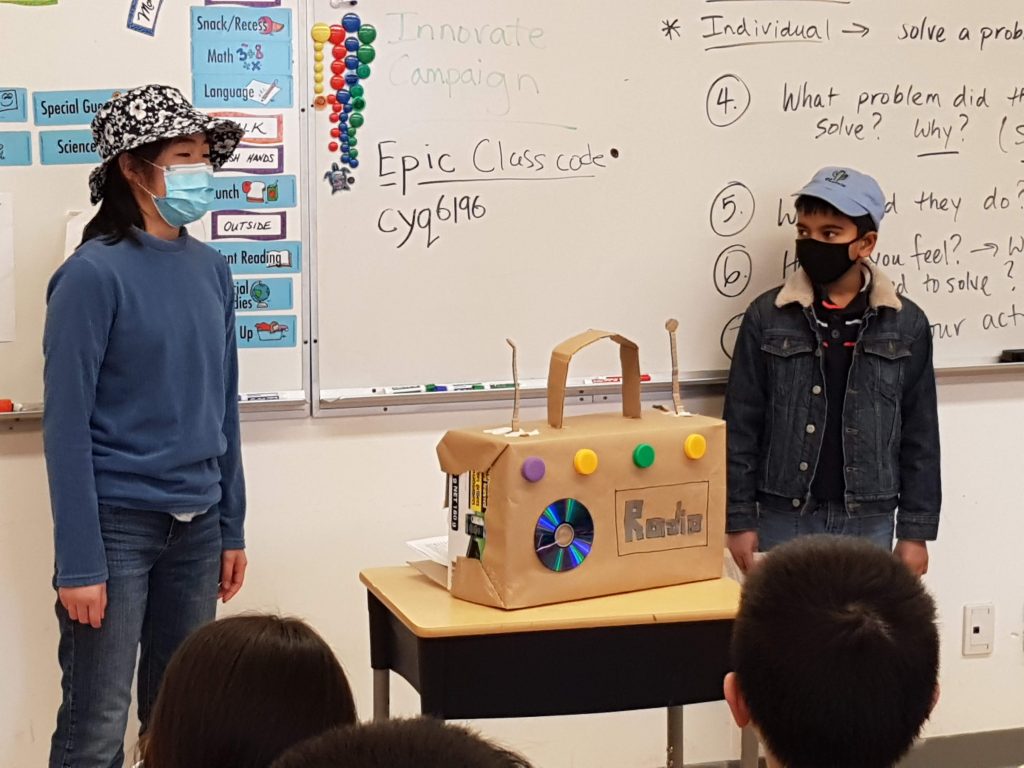
 We were inspired by a long list of young people who have made change in the world, and we chose one to research further. After reading about their story, we came up with our own problems to solve and an action plan, which we presented to the class in PowerPoint format. Together, we can find creative ways to make a difference!
Stay tuned for our new units coming up in term three, as well as our Independent Project studies!