Overview Term One: Great Work Division 5!

Hello Everyone!

In anticipation of our learning conferences together next week, I thought I would do a quick review of the many things we have done this last term!
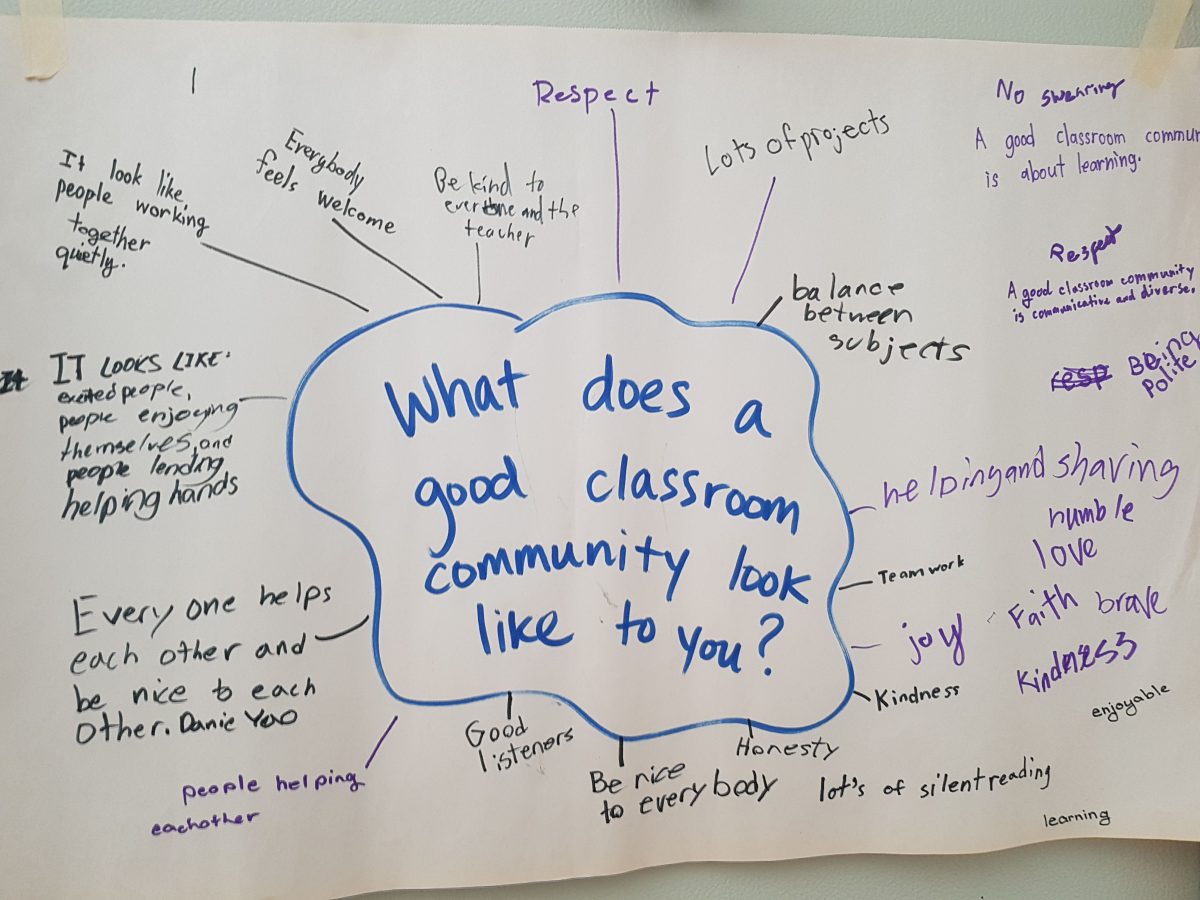
 

Division 5 spent the first part of the school year building the foundation for a great working community! Throughout our many fun activities together we discussed and applied elements of the personal awareness core competency, and we made individual goals to improve our approach to learning.


To tie the many big ideas from our curriculum together into a larger conceptual understanding, we studied most of the subject areas through the lens of the universal theme and concept of STRUCTURE. To guide us, we used the unit focus statement of: The structure of something is designed to serve the needs of the user. Many of our conversations revolved around the phrase “form follows function.”
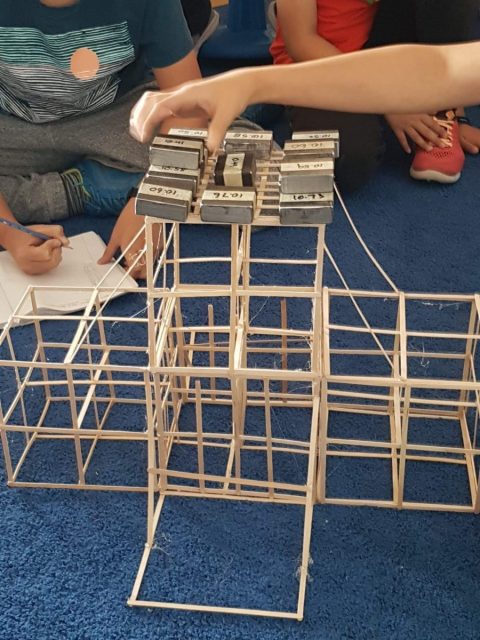
Building and Experimenting!

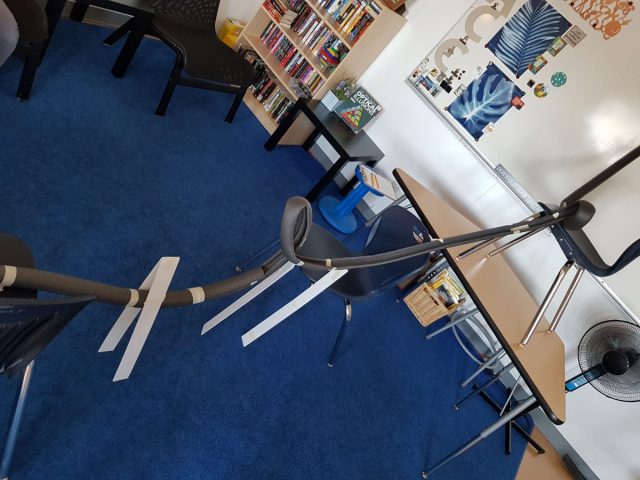
Using critical and creative thinking, as well as communication skills, we collaboratively designed and built towers and honeycomb structures to learn how certain shapes provide the greatest strength. We also discussed how everyday objects are constructed to serve a purpose, and we learned how the structure of our skeleton and other features are related to the human body’s function.
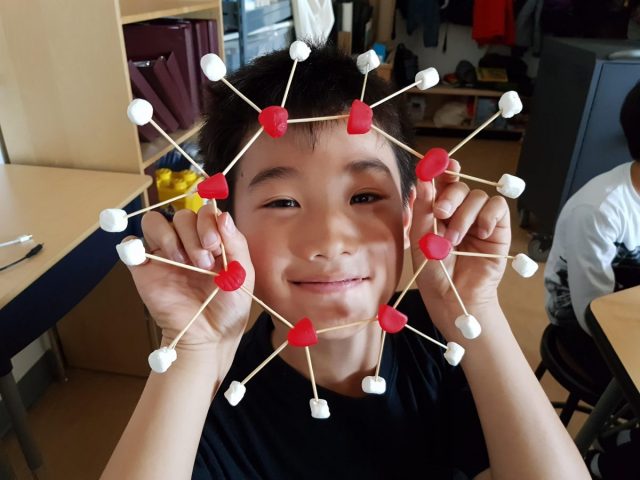
 

Through lab experiments, students learned about physical and chemical properties, atoms, forces, energy transfer, homogenous and heterogenous mixtures, and states of matter to better understand the structure of our world and how designers use this information to make new things!
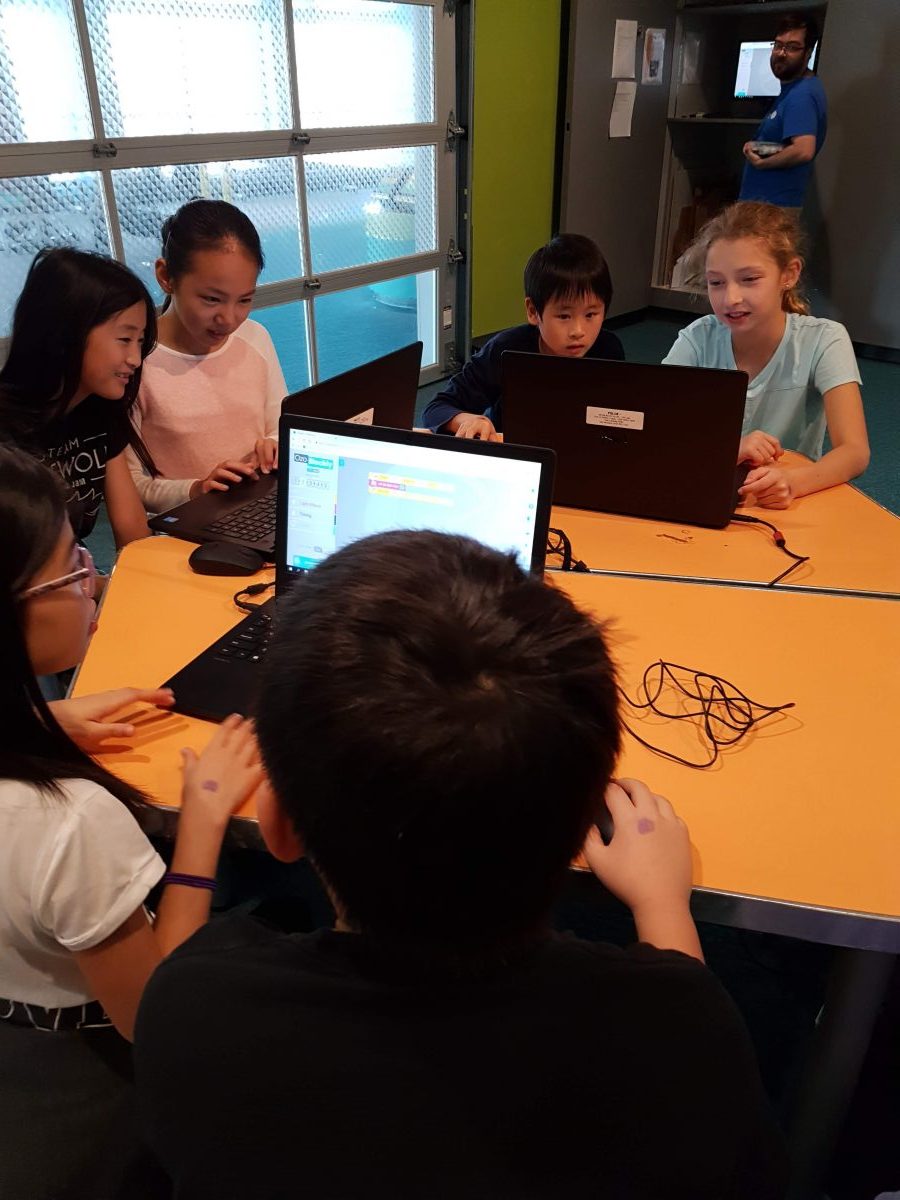
 

We went outside of the classroom to Science World to further explore structure! We viewed Dream Big, a movie talking about how people have applied their scientific knowledge in creative ways to make structures such as buildings, underwater robots, and bridges that have improved our world and made individual lives better.

We played with OZOBOTS and explored the STRUCTURE of coding, using applied design skills to program little robots to do an entertaining dance! We now have a set of these in the classroom to play with and expand our knowledge further during Coding Week in Canada starting December 3rd!
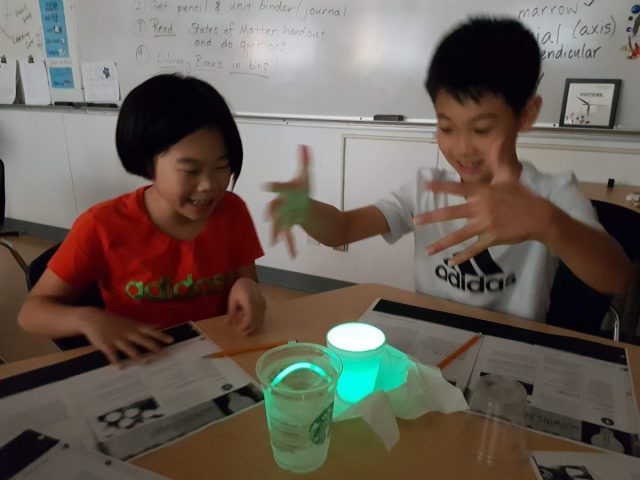
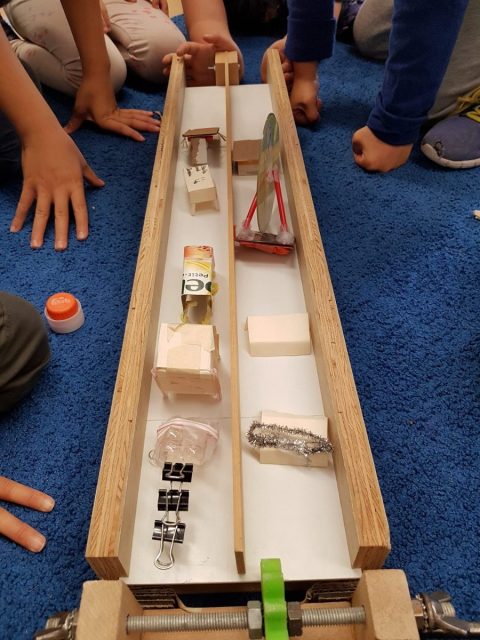
            

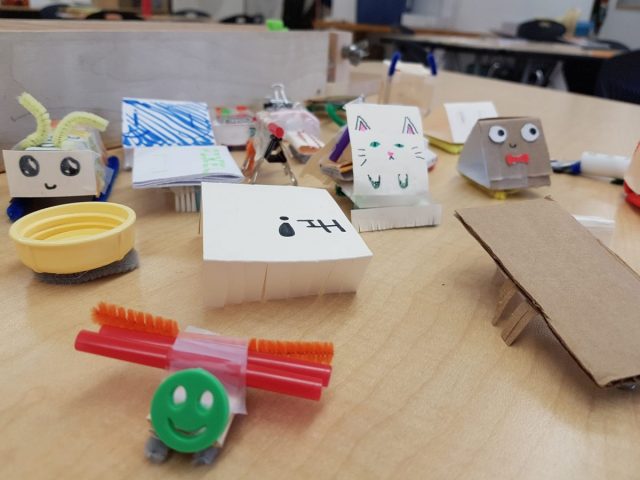
We had to use a lot of thinking, communication, collaboration, and creativity this term! We designed rumblebots to take advantage of energy transfer. We explored energy transfer using glo sticks and slinkies, and we created marble roller coasters to discuss potential and kinetic energy. While we were creating, we were sharing ideas with others and discussing how scientific knowledge is applied to design.


We also talked about the STRUCTURE of our number system!
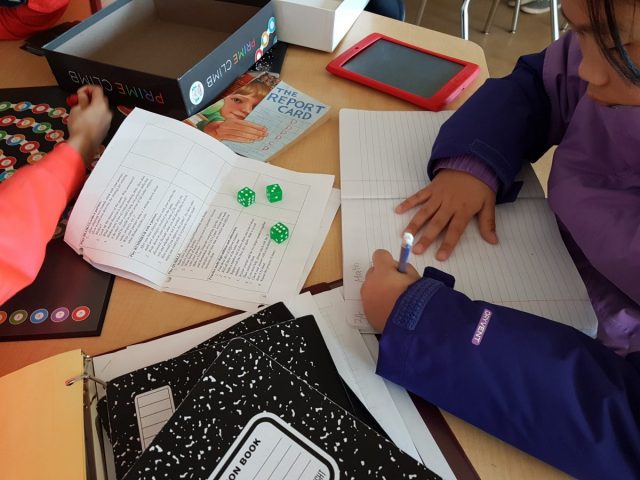
We began by emphasizing the skills needed to be a successful mathematician, such as risk-taking, deep thinking, open-mindedness, questioning, and creative and critical thinking. We talked about how mathematicians work with proving and disproving conjectures, and we practiced being skeptics and convincers to question and to prove math understandings.
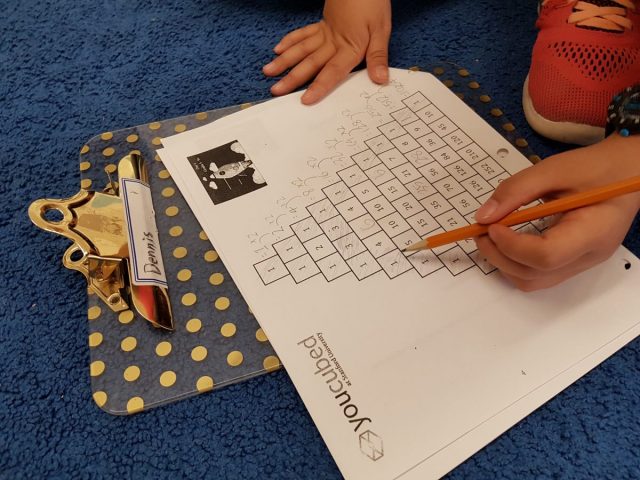
 

We also discussed the research of Prof. Jo Boaler at Stanford University, who talked about brain structure and the value of brain crossing, which involves doing two activities at the same time to better cement a concept in your head, such as drawing and math.
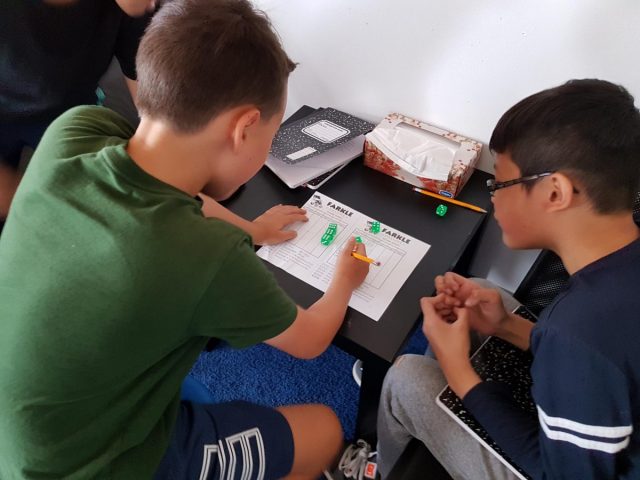
To explore the structure of numbers, we completed a variety of independent math tasks to understand how we break down our number system, to discuss strategic thinking through games, to explore new ways to apply brain crossing while practicing grade-level curriculum in multiplication, area/perimeter, patterning, and more. Many of these tasks involved reading non-fiction resources to gain information, as well as answering critical thinking questions about the games.
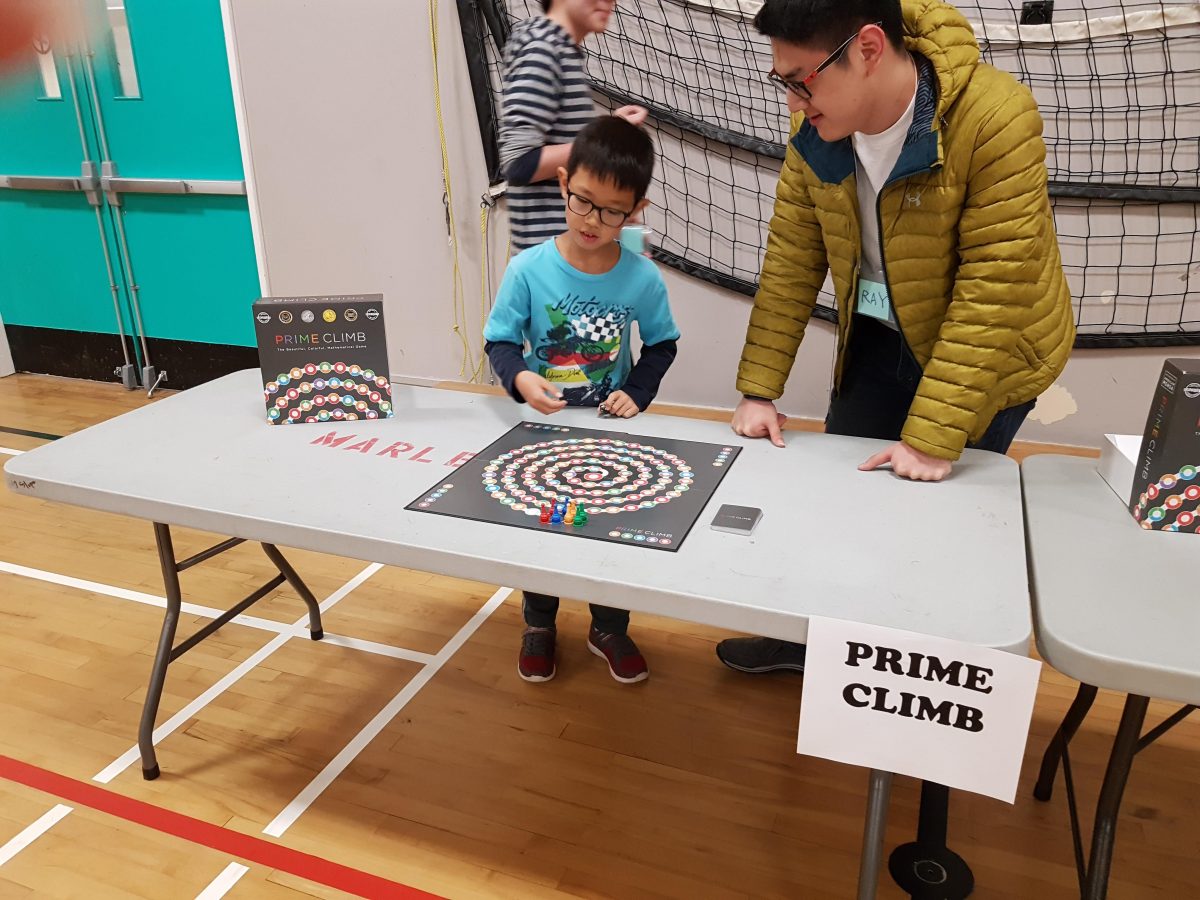
We looked carefully at a new game called Prime Climb by the mathematician/teacher Dan Finkel, discussing how to win through strategic use of the four operations and knowledge of prime and composite numbers. Some of us even volunteered to teach the Suncrest community the games we had learned during our Family Math Games Night! 
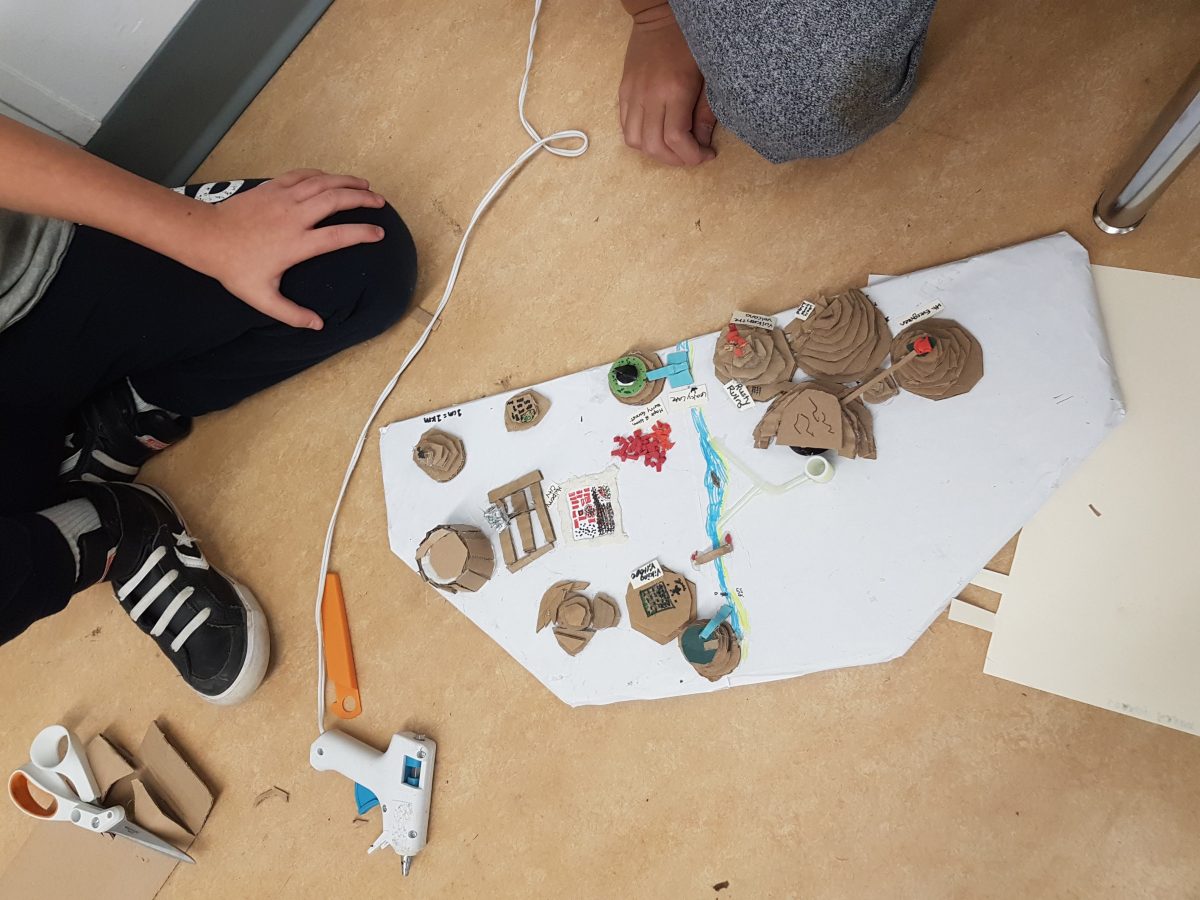
 

What kinds of structure are needed to support human life on Earth? We discussed the structure that allows our world to function, such as resource-delivery systems, government, city services, languages for communication, the nature of the land, the Goldilocks Principle so our Earth is located in just the right place in the universe, and more. To explore this idea further, everyone invented a new planet that could support human life! Please see all of the e-portfolios for more pictures and information about our worlds!

As we communicated our ideas, we talked about the structure of language. We evaluated the elements of a good paragraph, we used homophones to play with language and make puns and jokes, and we discussed tools that help us with quality writing structure such as transition words. We documented our learning daily in our journals, shared ideas with partners, and wrote speeches to demonstrate our understandings of mathematical concepts. And in French, we used Duolingo to begin learning the structure of a foreign language, exploring beginning vocabulary and phrases.
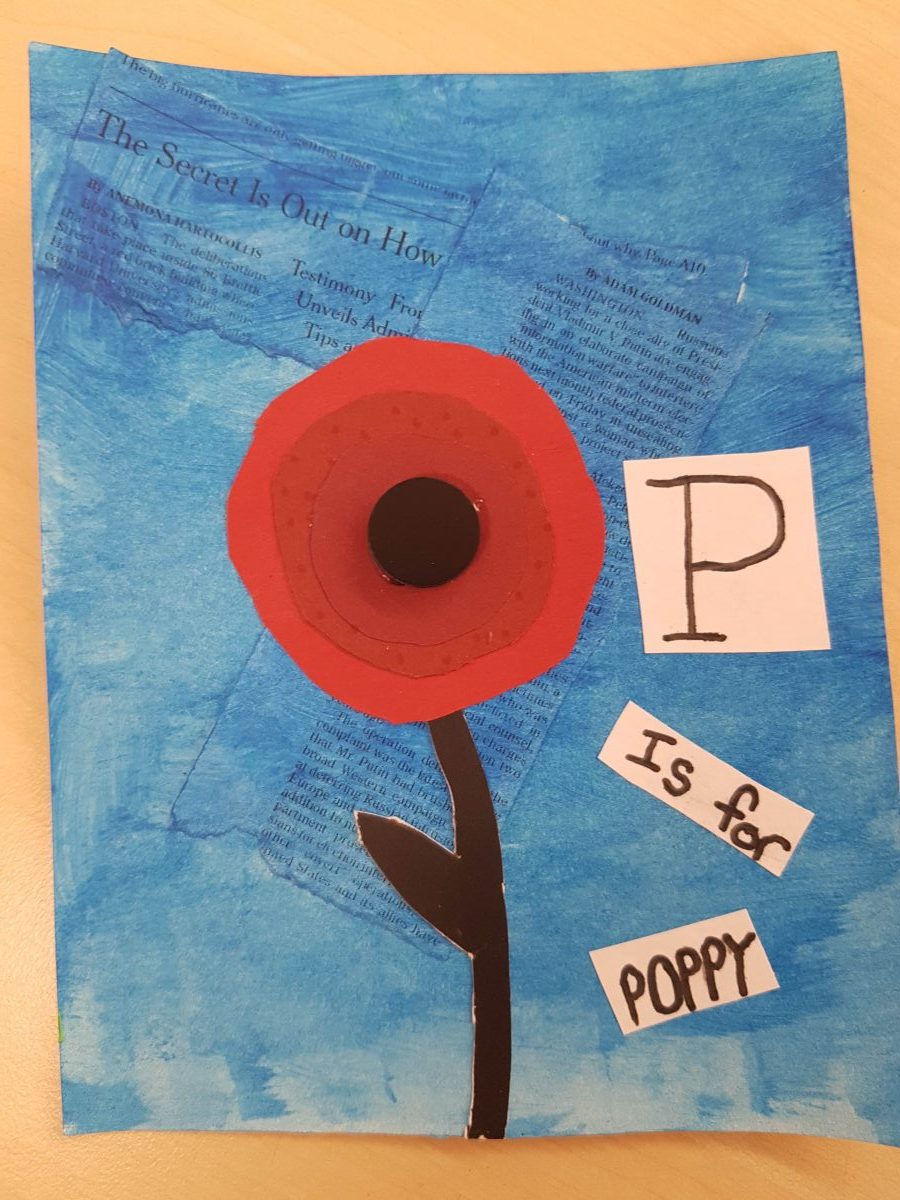
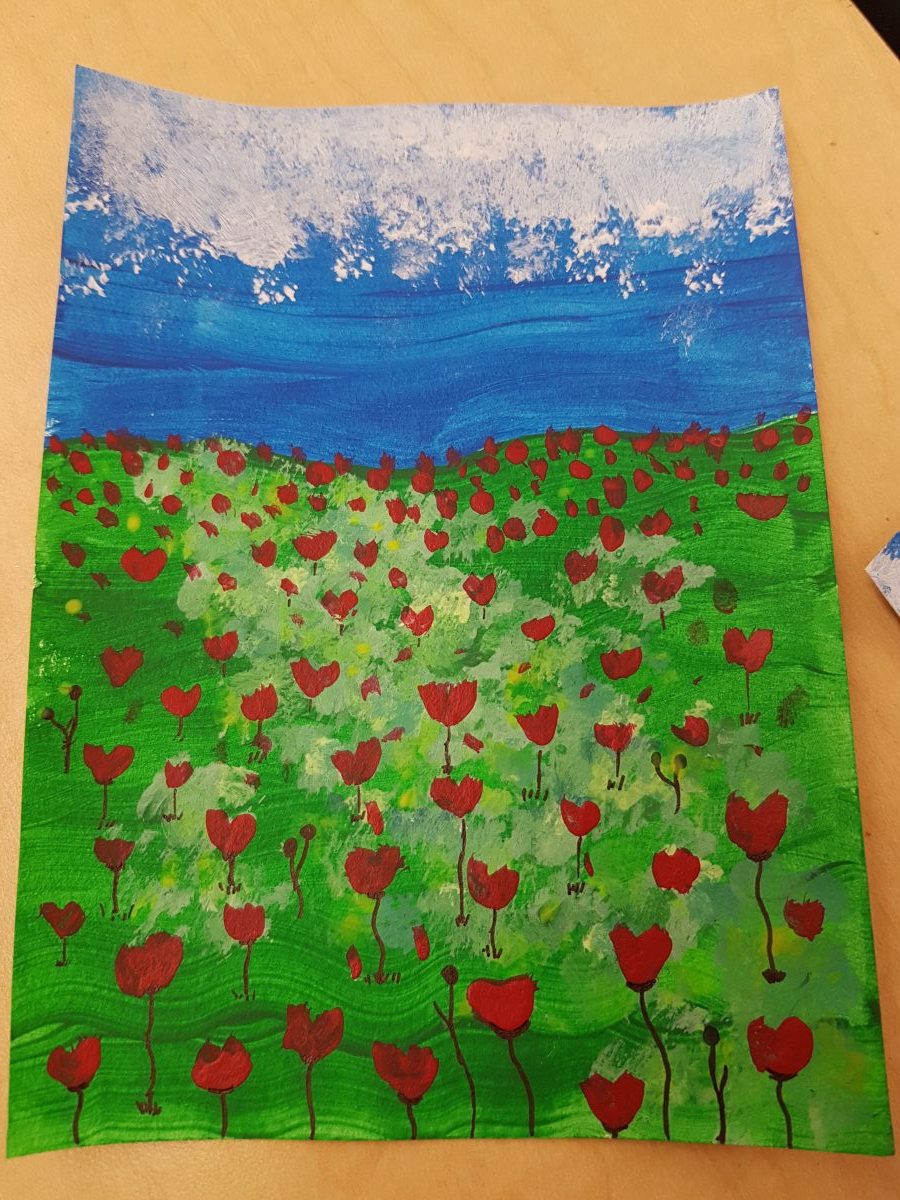


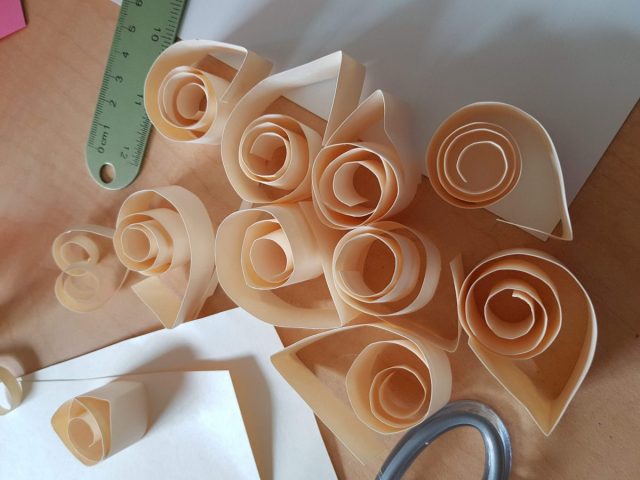
We explored the elements and principles that structure art! We experimented with new materials, line, colour, and form through a paper quilling project. We created amazing mixed-media art about poppies for the Remembrance Day Assembly, using a variety of materials and techniques, as well as line, colour, texture, shape, and perspective.

We performed during the Remembrance Day Assembly either in the choir or as part of the Division 5 singing group! In music class with Ms. Fletcher, students have been exploring elements of beat, rhythm, tempo, pitch, and form through playing xylophones, hand chimes, singing, and reading music notation. Skills were demonstrated in Funga Alafia, Siyahamba, marimba music songs, body percussion patterns, etudes and winter songs, and a Diwali stick dance. Please see Ms. Fletcher’s blog for more information about music class!
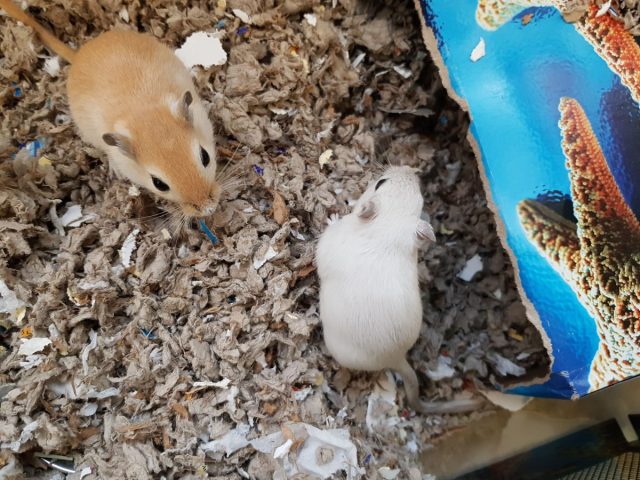
In physical education and health we focused on the structure of a healthy life and community! We worked together to create a list of values we share, and we participated in many community-building activities such as playing games, participating in Math Games Night with our parents and the Suncrest community, enjoying free-choice learning periods on Fridays, naming and taking care of our class gerbils, planning our own Halloween party, and contributing to our student-run class meetings. While playing active, cooperative games and running relay races to increase our fitness levels, we discussed the structure of a healthy lifestyle! Fitness, sleep, and having down time are all things that contribute to mental well being and healthy relationships, too!
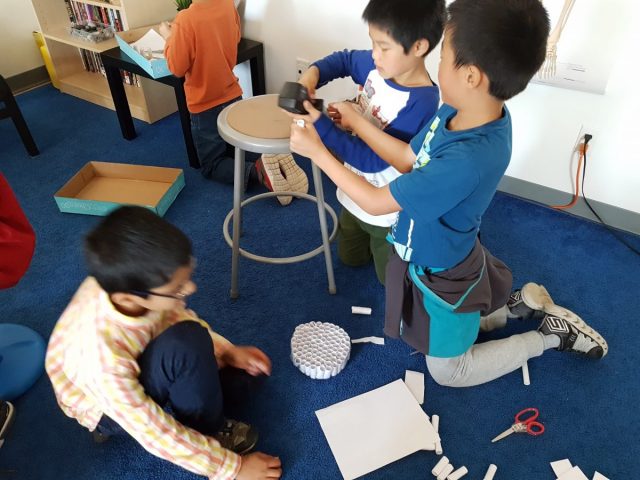
We made some amazing final projects! To put our learning together, we made our own strategic math games to share with others, based on our research of so many different math games!

We explained our new planet using the Book Creator app and 3D models.

Finally, we demonstrated an understanding of how form follows function by researching an animal of our choice and explaining how its form (skeleton, features, adaptations) serves its function of living in a specific habitat or defending itself from predators. As we did our research, we were able to use a variety of comprehension and thinking strategies before, during, and after reading to construct meaning presented in text. We then created slideshows to share our information. Some of us used PowerPoint or Google Slides for the first time, while others of us improved our public speaking and aesthetic design skills since last year!

Overall, what an amazing term! Through our unit on STRUCTURE, we covered curricular content and competencies across the subject areas, incorporating several of the BIG IDEAS from our curriculum in grade four and five.

Thank you for your support of our projects and explorations. We will report on two units next term, and we are already doing cool things to learn about the new concepts of PERSPECTIVE and PROBLEM-SOLVING!

New Unit! Solving the Conundrum

Hello Everyone!

We are in the process of finishing up our math games and slideshows on form and function, and next week we will begin presentations of what we have created! We will have opportunities to share learning with one another and to practice communication skills like public speaking.

This week, though, we have begun a new unit!

Title:  Solving the Conundrum

Key Concepts: Perspective, Problem-solving

Unit Focus Statement:

Problem solving involves careful observation, critical thinking, and consideration of multiple perspectives.

An Inquiry Into:

  • Tools for problem solving (consensus building, “7 Norms of Collaboration”, the “Ladder of Inference)
  • Math and Science used in forensics to solve crimes
  • Problem solving in math
  • Mystery Writing and Analogies
  • Group art creation through sculpture
  • Ethics
  • Human rights (Personal, Children, Aboriginal, International)
  • Past discrimination in Canada (Japanese Internment, Chinese Head Tax, Residential Schools, Komagata Maru)
  • Reparation and Reconciliation

Upcoming Activities:

  • Crime Scene Investigation
  • Visit to the Museum of Vancouver on Dec. 5th to see the exhibit “City Before the City” about the Musqueam peoples
  • Investigation of math conjectures and counterexamples
  • Discussion of ethics through pictures books, followed by class debates around hard questions
  • Discussion about culture, our own identities, and how those things colour our beliefs about the world, and our perspective
  • Writing a mystery story!
  • Hour of Code and Ozobots
  • Looking at the UN Declaration of Human Rights and Convention on the Rights of a Child, and comparing it to the Canadian Charter of Rights and Freedoms
  • and more!

More to come as we start to unpack the unit! Stay tuned on Twitter to see some of the things we are doing in class and talk at home about some of the hard questions we bring up during the unit.

Have a good week!

Ms. D

Your World Update!

Hello everyone!

I explained the criteria for the YOUR WORLD project in a previous post, so make sure you check it! Projects are due on Wednesday, November 7th, end of day.

When you are done…..here is the next step!

Today we talked about how we will present our projects to one another. We will be having a FEDERATION of MACC PLANETS meeting. As the ambassador for your planet, you will come to the meeting to express your culture and resource needs to other planets in the Federation.

In our next unit (more info to come shortly), we will talk about the United Nations, so this is a segue into that discussion. It is also linked to Ms. D’s favourite Science Fiction series Star Trek, which has a Federation of Planets, as well!

Be thinking of how you will present yourself at the first meeting of our FEDERATION. What is the flag or symbol that represents your world? Will you come in any traditional, cultural dress or costume to represent your world? What kinds of resources or things might you like to see out from the other worlds in our FEDERATION?

Thank you,

Ms. D

Create Your Own Math Game!

Hello Everyone!

Some of you are still working on finishing the math tasks, which is fine, but you may need to use more of your personal time now to catch up. Come show me your completed tasks as soon as you are done.

For those who are ready, please begin working on your own math game!

Learning Intention: Create a game for a specific audience that will teach or practice specific math skills.  

Requirements:

  • Choose an audience for your game. It could be our class, intermediate students, or primary students, such as our buddy class.
  • Choose a format for your game. It does not have to be something complicated. Think about all the games we experimented with during our unit. 
  • Think about what will make a game appealing. When you compared games, what kinds of things did you notice will make an interesting game?
  • Many of you said you enjoyed critical-thinking games that involve strategy. What strategy will you need to use to win your game?
  • Think about a unique idea. Avoid playing another version of a pre-existing card or board game. You can use elements of games you have played, but we are not copying games.
  • Determine what materials you will need. Either create or gather what you will need to play the game.
  • Write a set of rules for the game on the computer in size 12 font. Rules need to have the game title, game objective, game materials, game strategy, the math you are practicing through the game, and the steps you will need to play the game.
  • Have someone play your game. 
  • Evaluate your own game for its success!

Last year, we made complicated board games for the human body unit. The purpose of those games was to practice specific knowledge from the unit. For this project, however, the intention is to use math actively, and to involve critical-thinking skills and strategy! So, the game can be more simple in its format, but you need to put some time into how the game is played.

I look forward to seeing what you come up with!

Ms. D

Form Follows Function PowerPoint or Google Slide Presentation

Hello Everyone!

As we finish our unit on the concept of STRUCTURE, we are going to communicate our understandings using the tools of PowerPoint or Google Slides, our presentation voices, and the research we did during the unit on an animal’s structure.

Earlier in our unit, we discussed the human skeleton and how its form is related to its function. We then expanded our thinking to look at animal skeletons, observing how they are different from the human one, and thinking about the function of their skeletons based on habitat, adaptations, predators, etc. Each student chose an animal they were interested in and did research to answer these questions:

  1. What is the form of the animal? (Skeleton, features, etc.)
  2. What are the adaptations of the animal? (Adapted to environment/habitat and protecting itself from predators)
  3. How does it get its food source? (what form/features does it have that help it get its food)
  4. Any other interesting facts about your animal?

This was a great introduction to research we will do throughout the year during our inquiry projects. We talked about how to use a question to drive your research AND how to document findings through note taking in the journal.

NOW….we are going to make a PowerPoint or Google Slides presentation to show how form is related to function.

If you are new to PowerPoint, here are the things we are learning how to do. (Know the basics, and then if there’s time, use other fancy features. The fancy features are not required.:

  1. Create a PowerPoint by choosing a theme/design
  2. Insert and add to text boxes
  3. Creating titles
  4. Using different fonts and changing size and colour — making fonts clear to read!
  5. Adding images from the internet (and not using copyrighted images!)
  6. Changing the colour of a background on a slide — but not using red or black!
  7. Viewing the slide show
  8. Changing order of slides
  9. Limiting slides to title, image, 1-2 sentences or bullet points

Most students chose to do their animal for this PowerPoint, while a few decided to do a different object or animal, and that is fine. Just take into mind that this choice results in a bit more work to do the research part again! For those new to PowerPoint or in grade four, I highly recommend you do the animal we already researched to save time.

For the presentation, please include:

  1. A title slide — title, name, date
  2. A theme or design you use throughout the presentation
  3. Talk about an animal or object, and how its form follows function.
  4. Have 10 slides maximum.
  5. Talk about:  What is the form? 
  6. Talk about:  What is the function?
  7. Talk about:  How are form and function of this animal or object connected?
  8. No bibliography is required for this presentation.
  9. Keep text to 1-2 sentences or bullet points per slide.
  10. You will be presenting this out loud. If you want to add notes to slides to help, you can do this.
  11. Remember, PowerPoint is a visual tool! We use it to illustrate the things we want to say! You can always SAY more than you WRITE when you present.

Please let me know if you have any questions!

Ms. D

Finishing Work on Structure: Update

Hello Everyone!

Wow! We have done a lot during our first two months, and we are working away on projects to finish our large unit on STRUCTURE.

Structure of Numbers – Math!

I have been very impressed with everyone’s critical thinking, enthusiasm, and practice of independent time-management skills during our open math tasks about structure of numbers. Thank you for your hard work! If you are not done by end of day tomorrow, Nov. 2nd, then please visit “Ms. D’s office” to talk about prioritizing which tasks are the most important to finish.

If you are all done, as some of you are, then you will get to move on to your mini math project of creating your own game that practices a math skill. I will make a separate post with the requirements for you tomorrow.

We will also spend some time in class debriefing from our tasks, going over the key ideas from the unit discovered through your activities and group discussions. 

By the way, thank you again to all of the 11 students who came and volunteered to lead math games for the Suncrest Family Math Games Night! It was an amazing event and your help and leadership were much appreciated!

Your World!

I can see some very unique worlds being created, and everyone is making models and written work to explain their worlds in different ways — cardboard models, Book Creator booklets, written explanations on MS Word, and other creative methods. I look forward to seeing how you explain the parts of your world through both writing and a visual display. Make sure to check criteria we discussed on the blog. Extended deadline — Nov. 7th, Wed.

Form = Function!

On our unit board, you can see orange stickies with examples of how we discussed the concept of STRUCTURE throughout our inquiries across subject areas. I also asked everyone to identify an object or organism of interest to them that they could use to discuss how form follows function. You may want to decide to do the animal you chose from before, as you can talk about how form follows function in terms of habitat, anatomy, etc., and you have already completed research on the topic, too! You will make a PowerPoint showing how form follows function for the object or organism and present it to the class. You can work with a partner, too, if you want to. We will talk about criteria in class.

French!

Students have continued their lessons on Duolingo, and I linked many new assignments to their accounts today to complete over the next two weeks. Also, students can earn extra XL points for their Duolingo account by doing 10 minutes of practice each day. Some students are working independently and at their own pace, ahead of the assignments I am giving, as they have previous experience with French, and that is okay!

More Information, Upcoming Events and New Unit!

Next week, we have a Diwali assembly, a Cup Stacking activity as a whole school, and the Remembrance Day Assembly. Our class is currently making mixed media art to highlight the symbol of the poppy, and everyone is learning how to work with new materials, about elements and principles of art such as perspective, and how to use tools like acrylic paint and brushes effectively. Division 5 will also be singing for the assembly. Please wear dark pants and a white shirt for the assembly on Friday.

Everyone has prepared some talking points for their SKILL SHARE, during which they will teach others about a topic they are familiar with, so we will set up dates to do the sharing soon.

Thank you to the entire class for their leadership helping to deliver hot lunches to all of the classes in the school! You have been doing a great job!

We continue to talk about the core competencies, and we watched a great video today about the skills needed in today’s “Human Economy”. Please check it out here!

On November 19th, we will have a set of ozobots in the classroom to work with, so I look forward to another opportunity for students to do the coding we learned about at Science World!

Some students have begun using their Google Docs account from school. This account does not have email or Google Chat, so if students are using those things, they are on a personal account, which is not something I recommend for students this age. We use Google Docs to save our work and to be able to work on projects between home and school.

Thank you for following my TWITTER feed that has photos of work we do and events from school, as well as links to education articles or interesting things students and parents may want to know about! Please note it is my professional account, so not every post will be about Division 5, but all posts are relevant to education and critical thinking around our units and curriculum.

Keep checking the EPORTS for student reflections. We try to do one per week, and then I gradually read through them and comment as soon as I am able during the following week.

Caribou Math Test — Not all students are interested in continuing with the monthly Caribou Tests. The test is 100% optional, and I do not look at results for evaluating students. If anyone wants to continue, they can. Grade four students are free. Grade 5 students need to purchase their code. Steps to do so will be sent in email. Next test is on Nov. 14/15.

Our new unit will focus on perspective and problem-solving! More on that soon!

Have a great evening!

Ms. D