In the busy-ness of Friday, I forgot to post this note that usually goes home with printed out reports. But with online reports at Seaforth, it slipped my mind!
Dear Families of Division 7,
 Term 1 is always a time of transition and new experiences as we come together as a new class. During this term, we review and learn new expectations and routines and meet new people. It takes time to get to know our new class identity as we have students coming from different classes (and even other schools) in order to compose our new group. Especially for our grade 4 classmates, Term 1 is a very new experience as this is their first time in an intermediate classroom—curriculum changes, more students in our shared space, and increasing independence and expectations. During this Term, all students take time to adjust to these changes. Also, students are working with a variety of staff: Ms. Coutts (new to Seaforth), Ms. Vankadari (also new to Seaforth, and co-teacher while Ms. Coutts does Head Teacher duties), Mr. Brockerville teaches Physical and Health Education, Mr. Clift teaches Music, and the students also see Ms. Bogunovic (also new to Seaforth) for Library. We also share our classroom with Ms. Bola, our Educational Assistant. It’s a busy time with many different people!
While every day feels like a busy day at Seaforth, moving into term 2 usually feels more settled as we are picking up on more of those new routines and expectations. We will use learning tools through Microsoft 365 more often, including Teams, Outlook, and Word. Students have already been learning how to access our class Team to communicate with Ms. Coutts and classmates and to access information. Moving into Term 2, students will continue developing their independence and ownership of their learning. There are many ways to support the overall learning skills of your child and help set them up for success. A few ways to support your child at home are:
- review and use the planner as a checklist for monitoring due dates
- arrive to school on time in order to begin the day with the rest of the class
- invite participation in conversations about the media they watch/read; encourage them to share opinions backed up with why they hold that position
- encourage pro-active problem solving before defaulting to asking an adult for the answer; finding their way through a little struggle builds confidence that they are capable!
We look forward to continuing to work with and support your child in their academic, social, and personal development as we move into Term 2. Wishing you all a very restful and warm winter holiday. See you in January.
With Care,
Ms. Coutts and Ms. Vankadari
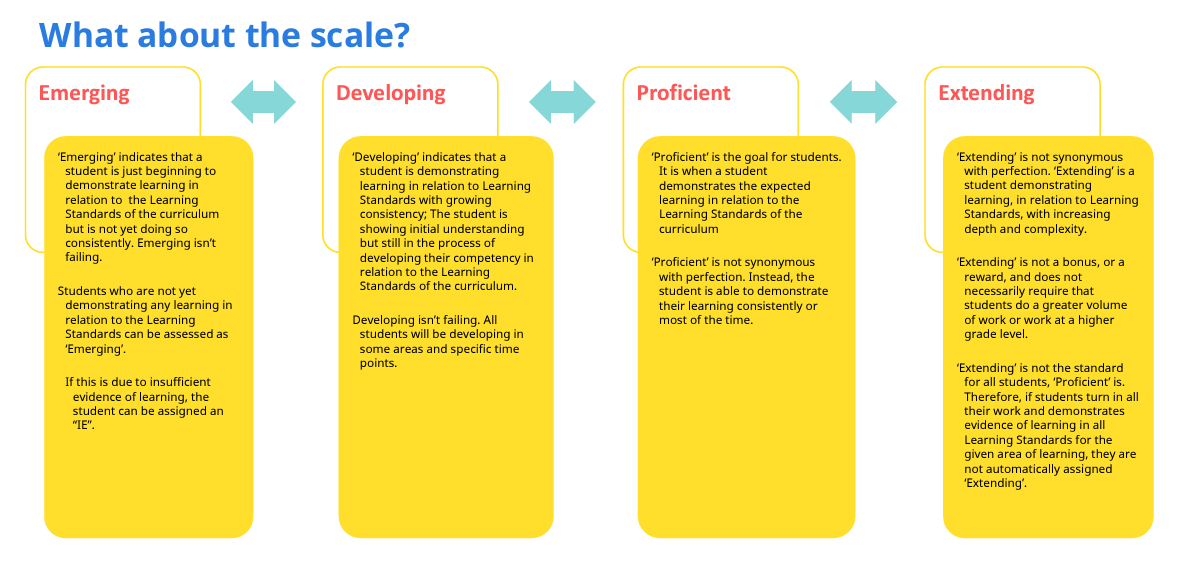
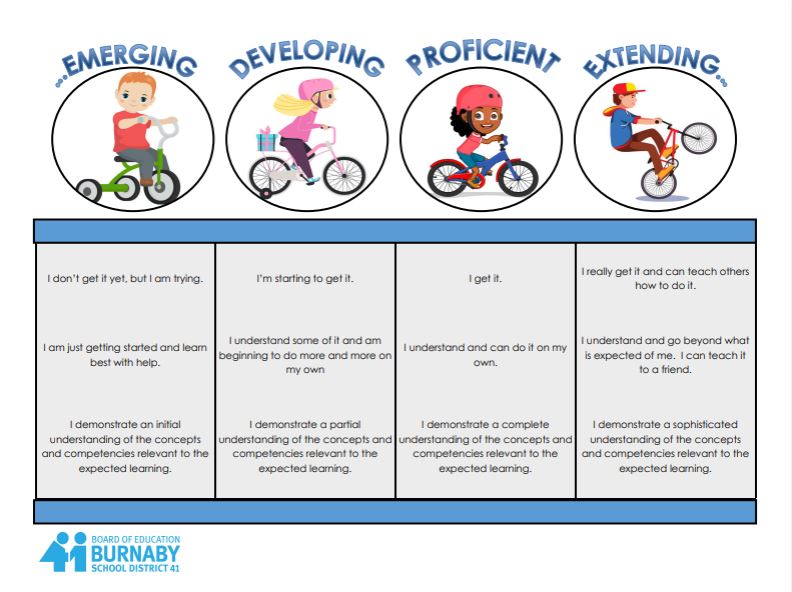
 variety of people help us when conflict arises. We are learning to use our planners for our own reference to help us plan for and track due dates and events. Students are learning to receive feedback from peers and teachers, and to integrate it into their next assignments. I would say the “training wheels” are certainly still on, but we are also pushing students to stretch themselves and their burgeoning independence. When I have a room of 30ish students, we have a group plan where students are supported with routines and structures and are expected to leverage those tools with increasing independence, and make choices that contribute to their own learning.
 Hour of Code takes place during Computer Science Education Week, which is this week!